Ischia
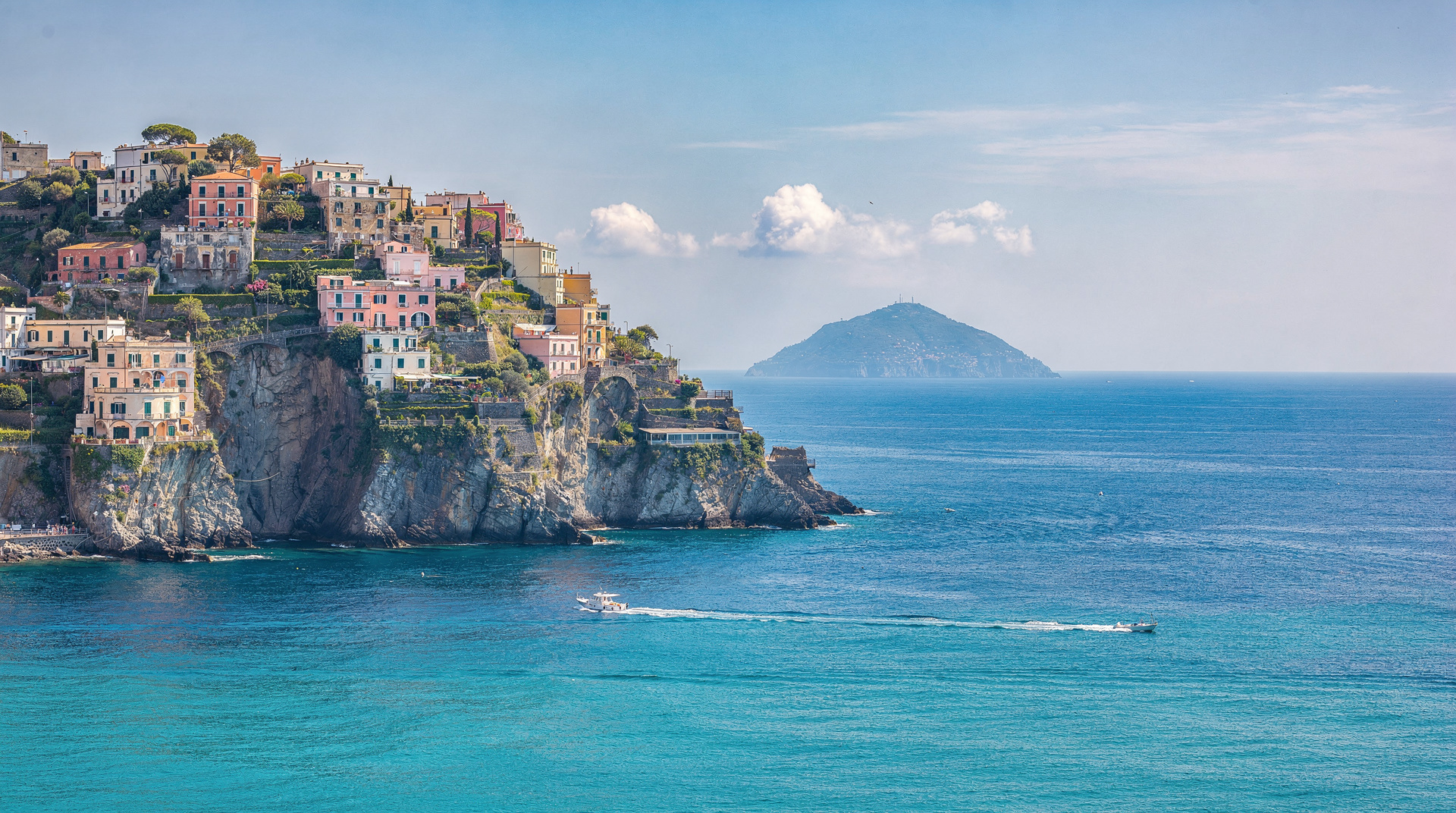
Ischia: thermal gardens, Aragonese Castle, beaches and ferries from Naples. The Bay of Naples' largest island and quieter alternative to Capri.
From Naples: Giardini Poseidon Terme with Hydrofoil Transfer
Quick facts
- Ferry from Naples
- ~50 min hydrofoil or ~90 min ferry from Molo Beverello
- Island size
- 46 km² — the largest island in the Bay of Naples
- Thermal parks
- Giardini Poseidon (Forio) and Negombo (Lacco Ameno)
- Best months
- May–June and September–October
- Day trip vs stay
- 2–3 nights recommended to properly experience the island
- Capri comparison
- Quieter, cheaper, more local; less dramatic scenery
Ischia is the Bay of Naples’ largest island — 46 km² compared to Capri’s 10 km² — and the one that most rewards more than a day. Where Capri is famous for beauty and crowds, Ischia is known for volcanic thermal baths, a genuine local population, agricultural villages in the hills, and a longer season. It is also considerably cheaper. For visitors who want to actually relax rather than sprint through highlights, Ischia makes more sense than Capri.
| Where | Bay of Naples, 46 km², ~30 km west of Naples |
| Cost | Thermal park entry €33–45; 2–3 nights from €70–140/person/night |
| Time needed | 2–3 nights minimum; a single day is rushed |
| Getting there | Hydrofoil from Naples (~50 min) or ferry (~80–90 min) |
| Best time | May–June for spa + sightseeing; September for the best overall balance |
What Ischia is and what it is not
The island sits roughly 30 km west of Naples. It is volcanic in origin — the thermal waters are a direct consequence of geothermal activity — and visibly greener and more varied in topography than flat-lying Procida or steep Capri. Mount Epomeo reaches 789 metres and can be climbed in about 2 hours from Fontana village.
There are six municipalities on the island: Ischia (the main town with the port), Casamicciola Terme (thermal town on the north coast, partially damaged in a 2022 earthquake), Lacco Ameno, Forio (the most picturesque village, with the Giardini Poseidon thermal park), Serrara Fontana (the mountain interior), and Barano (southeastern beaches, Maronti being the finest).
What Ischia is not: fashionable in the Capri sense. It does not have a Piazzetta filled with luxury boutiques. Its accommodation leans toward thermal hotel packages for European visitors rather than boutique design hotels. Most tourists to Ischia are Italian, German, or Austrian — the Anglo-American market is smaller here than on Capri or the Amalfi Coast.
Getting to Ischia from Naples
Ferries and hydrofoils depart from Molo Beverello (central Naples) and Calata Porta di Massa (farther east, car ferries). For foot passengers, Molo Beverello is the standard terminal. The ferries from Naples guide explains the difference.
Hydrofoil (aliscafo): About 50 minutes to Ischia Porto. Operators include Alilauro, SNAV, and Medmar. Tickets cost roughly €18–22 one-way. Schedules run approximately every hour in summer, less frequently in winter.
Ferry (traghetto): About 80–90 minutes. Cheaper (€12–15) and can transport cars and scooters. Less comfortable than hydrofoil, especially in choppy seas.
From Sorrento, combined Ischia-Procida tours run by boat in summer and typically take around 90 minutes to Ischia. Not a common ferry route — most Sorrento-based visitors take a dedicated day trip.
Ferries reduce in winter and can be cancelled in rough weather (particularly the hydrofoil service). The island is not practical to visit from November to March unless you stay for several days and accept the ferry risk.
The thermal gardens: Giardini Poseidon and Negombo
The thermal parks are the main reason many visitors come to Ischia. The island has numerous thermal facilities, from hotel spa pools to public thermal beaches (Sorgeto on the south coast is free and reached by steps from the road) to large-scale park complexes.
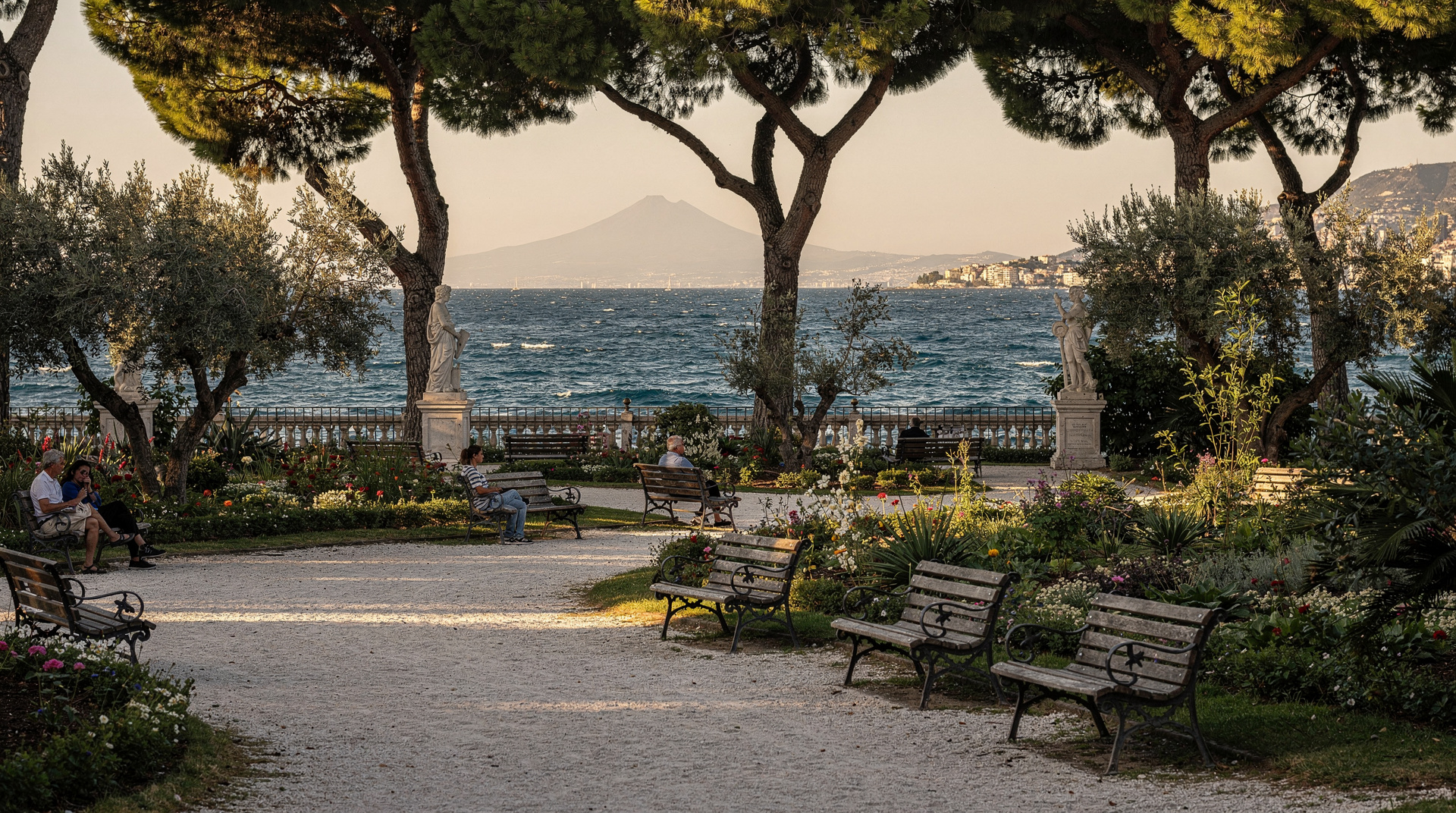
Giardini Poseidon Terme (Forio, on the west coast) is the largest and most popular. It has over 20 pools at varying temperatures (from 28°C to 40°C), a private beach on the sea, restaurants, loungers, and full spa services. Day entry runs approximately €33–38 in peak season, lower in spring and autumn. Book in advance for August visits — capacity is capped. It is an entire day’s activity.
Giardini Poseidon entrance with ferry transfer from NaplesNegombo (Lacco Ameno, north coast) is smaller, more design-conscious, and set in botanical gardens. It has about 14 pools and a fine-sand beach. Entrance is €38–45 per day. More expensive than Poseidon but prettier, with a calmer atmosphere.
Sorgeto thermal cove (Barano): Free access to a small coastal cove where thermal water bubbles up from the seabed and mixes with the sea. You reach it by steps (about 5 minutes) or by hiring a small boat from Sant’Angelo. The water temperature in the thermal sections can be very hot; mixing with incoming sea water creates a natural jacuzzi effect. This is genuinely one of the best free experiences on the island. There is a small seasonal bar at the bottom.
The island is worth more than a day, and the ferry is the friction: a full transfer service between Naples and Ischia covers both legs with the luggage, which is what makes an overnight stay practical.
Castello Aragonese
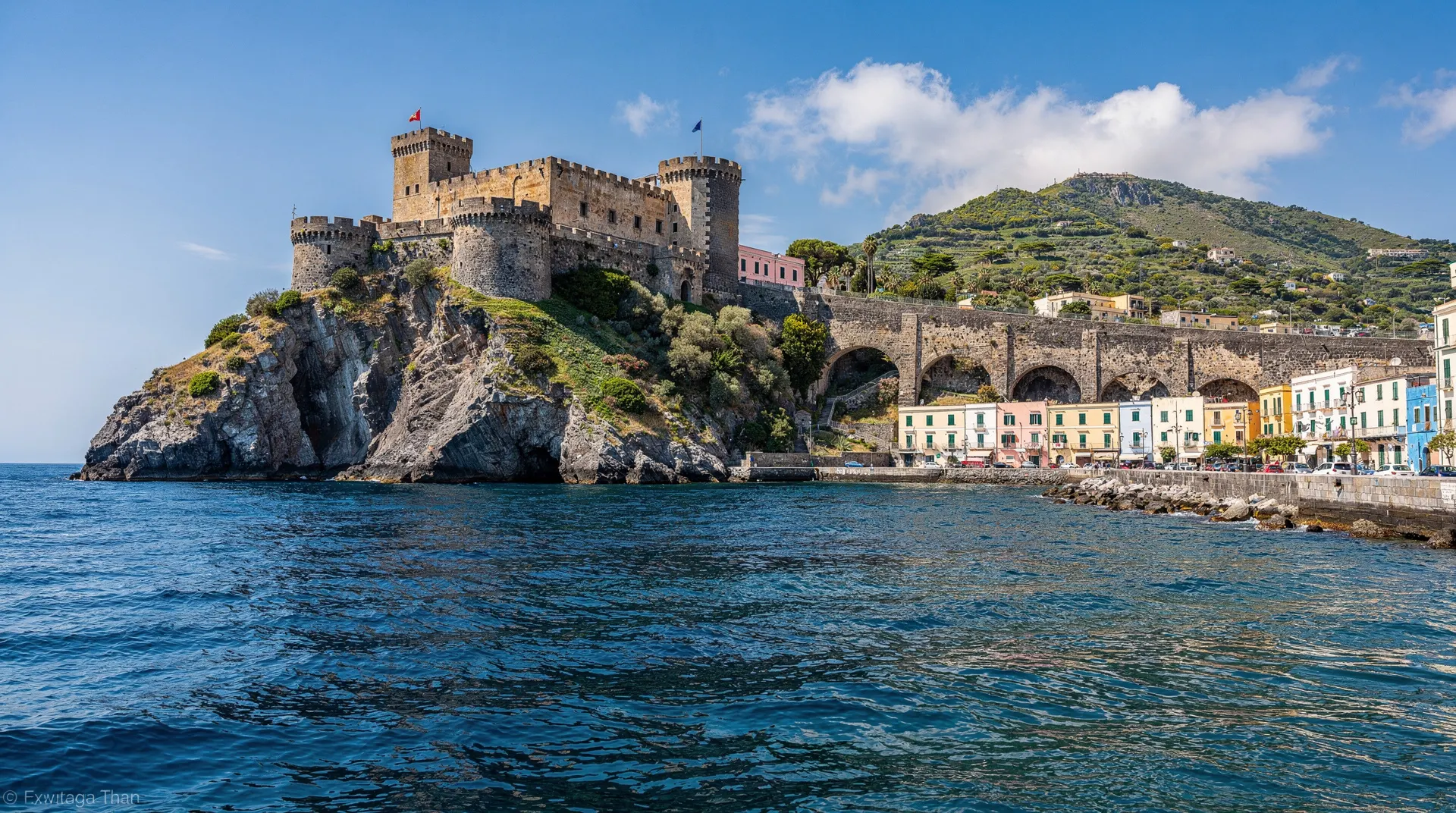
The Aragonese Castle — a fortified rock connected to Ischia town by a bridge — is the island’s most striking landmark. The original fortification dates to 474 BC (Greek), heavily modified by the Aragonese in 1441. The castle complex includes several buildings: the cathedral (partially open), the Immacolata church, and multiple terraces with views across the bay.
Entry costs around €12. The internal walk takes 1.5–2 hours if you explore the full complex. The views from the top terrace over Ischia Porto and toward Naples are excellent. It is best visited in the morning before tour groups arrive from the ferry.
Beaches
Ischia has better beaches than Capri (which has almost none) and more varied options than Procida. The main ones:
Maronti (Barano, south coast): The longest beach on the island, about 2 km of dark volcanic sand, backed by cliffs with thermal steam vents. The water is warm. You can reach it by local bus (Barano–Maronti stop) or by boat from Sant’Angelo. Some sections have free access; beach club sections rent out loungers.
Citara (Forio): Where the Giardini Poseidon is located, but there is a free public section of this beach as well. Dark sand, calm water, excellent in early morning before the Poseidon crowd arrives.
San Montano (Lacco Ameno): A small bay with very clear water next to the Negombo park. Not all sections are freely accessible.
Spiaggia dei Pescatori (Ischia Ponte): The fishermen’s beach near the castle. Narrow, local-feeling, good for an early morning swim. Free access.
Getting around the island
A regular bus service (SEPSA) circles the island with Line 1 (clockwise, stopping at all six municipalities) and Line 2 (counter-clockwise). A day ticket costs around €5 and covers unlimited rides. The journey around the full island takes approximately 90 minutes non-stop. Buses run roughly every 15–20 minutes on main routes in summer.
Scooter rental: €25–40 per day, widely available near the port. This is how many visitors actually explore the island efficiently, especially for reaching hilltop villages and less-accessible beaches. A driving licence (any category) is required.
Taxis exist but prices are high without meters on short tourist routes — agree the price before getting in.
What to eat
Ischia has its own culinary identity. Coniglio all’ischitana (rabbit braised with tomatoes, wine, thyme, and chillies) is the island’s signature dish. The rabbit farming tradition in the island’s volcanic tufa caves is centuries old, and the dish appears on almost every restaurant menu. It is genuinely good. Budget €16–22 for a main course.
Il Focolare (Casamicciola Terme, via Cretaio): One of the most respected restaurants on the island, run by the d’Ambra family. Traditional Ischian cuisine in a hillside setting. Reservations strongly advised in summer.
Ristorante Melograno (Forio): Garden setting, local ingredients, excellent seafood. Mid-range pricing.
For street food: Forio has good rosticcerie with local pastries and fried snacks. The town of Ischia has more tourist-facing options but also some honest trattorie on the back streets.
Wine: Ischia has its own DOC wine zone — mostly white wines (Biancolella, Forastera grapes) from volcanic soils. Dry and mineral. Local restaurant house wine is typically Ischian white and costs €5–8 per carafe. D’Ambra is the main commercial producer; their wines are available across the island.
Boat trips around the island
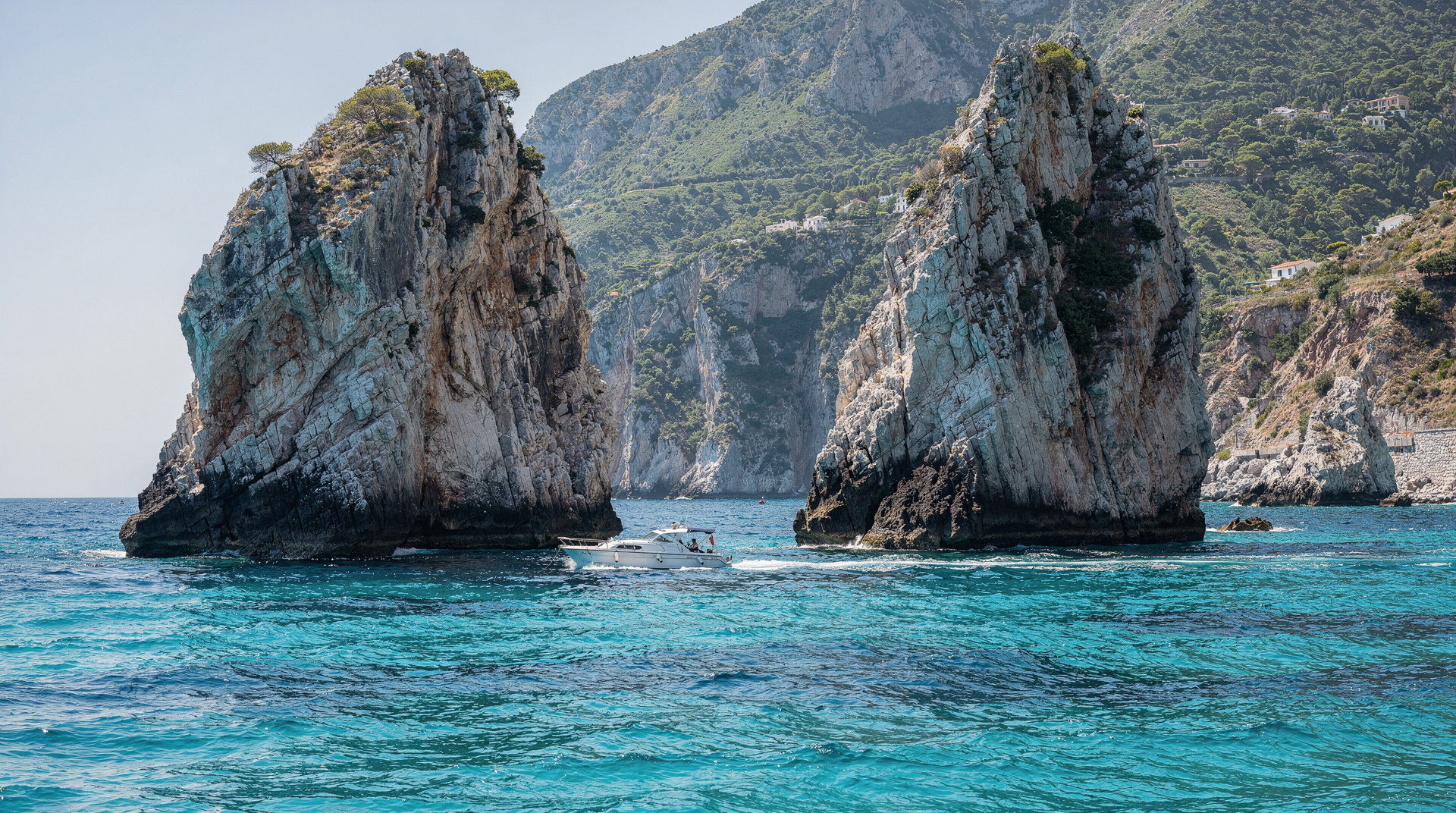
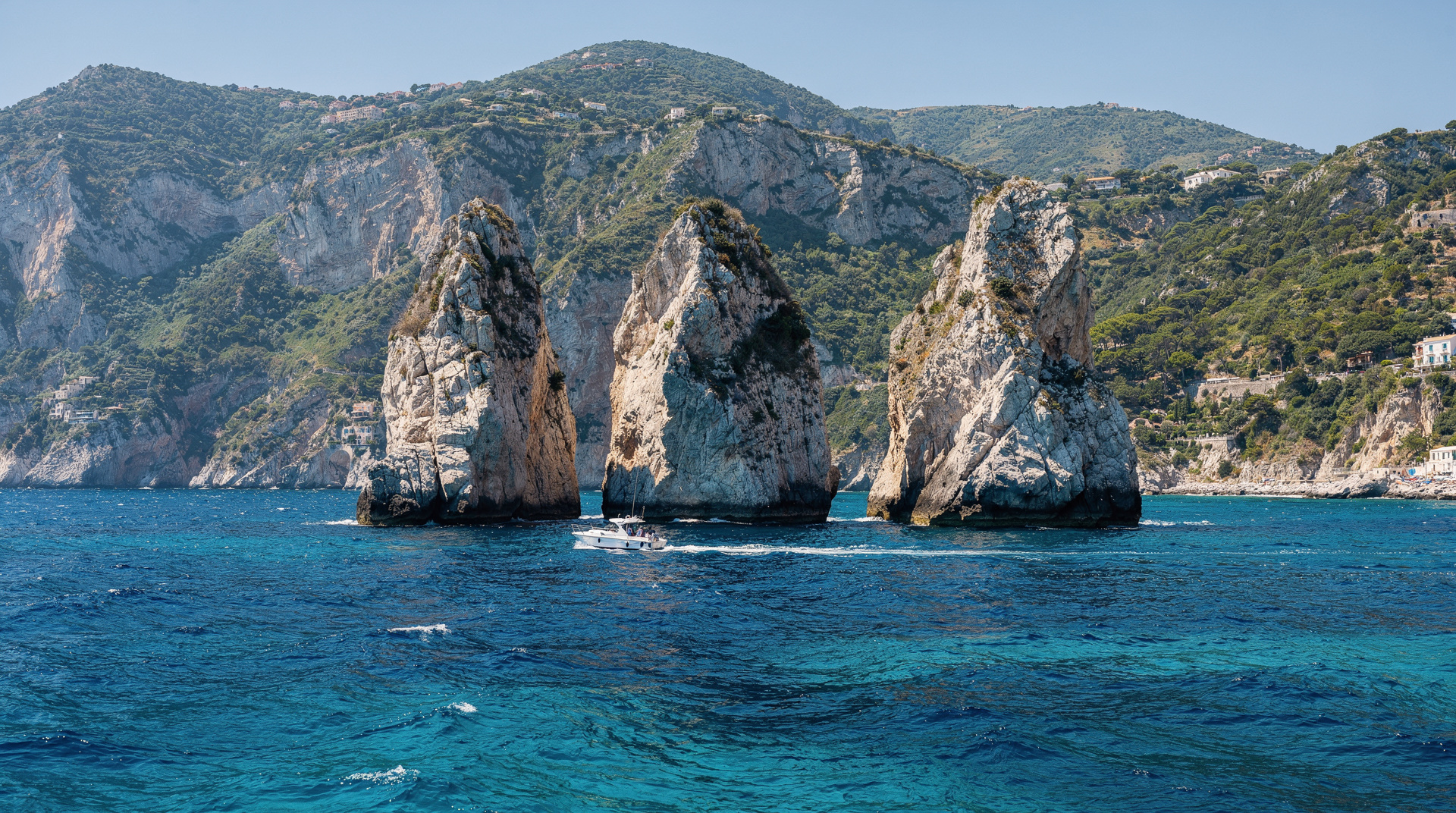
A full circuit of Ischia by boat is one of the best ways to see the island’s coastline — cliffs, grottoes, and coves inaccessible by road. Boats depart from Ischia Porto and Forio. Half-day shared trips cost around €30–45 per person; private gozzo hire runs €150–250 for the boat for 4–6 hours.
Ischia private boat tour with lunch and swimmingThe boat trip typically includes the Punta del Soccorso (white church above a black lava cape in Forio, photographed extensively), the Grotta del Mago sea cave on the north coast, and swimming stops in clear water.
Day trip vs staying overnight
Ischia rewards a proper stay more than Capri does. The island is large enough that a day trip is genuinely rushed — you can see the castle, go to Poseidon, and have a meal, but not much else. Two nights allow you to do the thermal park on day one, beach and boat on day two, and explore a village or climb Epomeo without rushing.
Accommodation runs cheaper than Capri: thermal hotel packages (typically including half-board and spa access) are available from €90–140 per person per night in shoulder season. Pure accommodation without thermal packages starts around €70–90 for a good guesthouse.
Mount Epomeo and hiking
At 789 metres, Mount Epomeo is the highest point on the island and an extinct volcanic dome with tufa rock formations near the summit. The standard ascent begins in Fontana village (reachable by bus from Ischia Porto, about 40 minutes). From Fontana, the marked trail to the summit takes approximately 1.5–2 hours of moderately strenuous hiking. The summit has a small chapel (San Nicola, carved into the rock) and two restaurants that operate in season — arriving for a meal at the top is genuinely atmospheric.
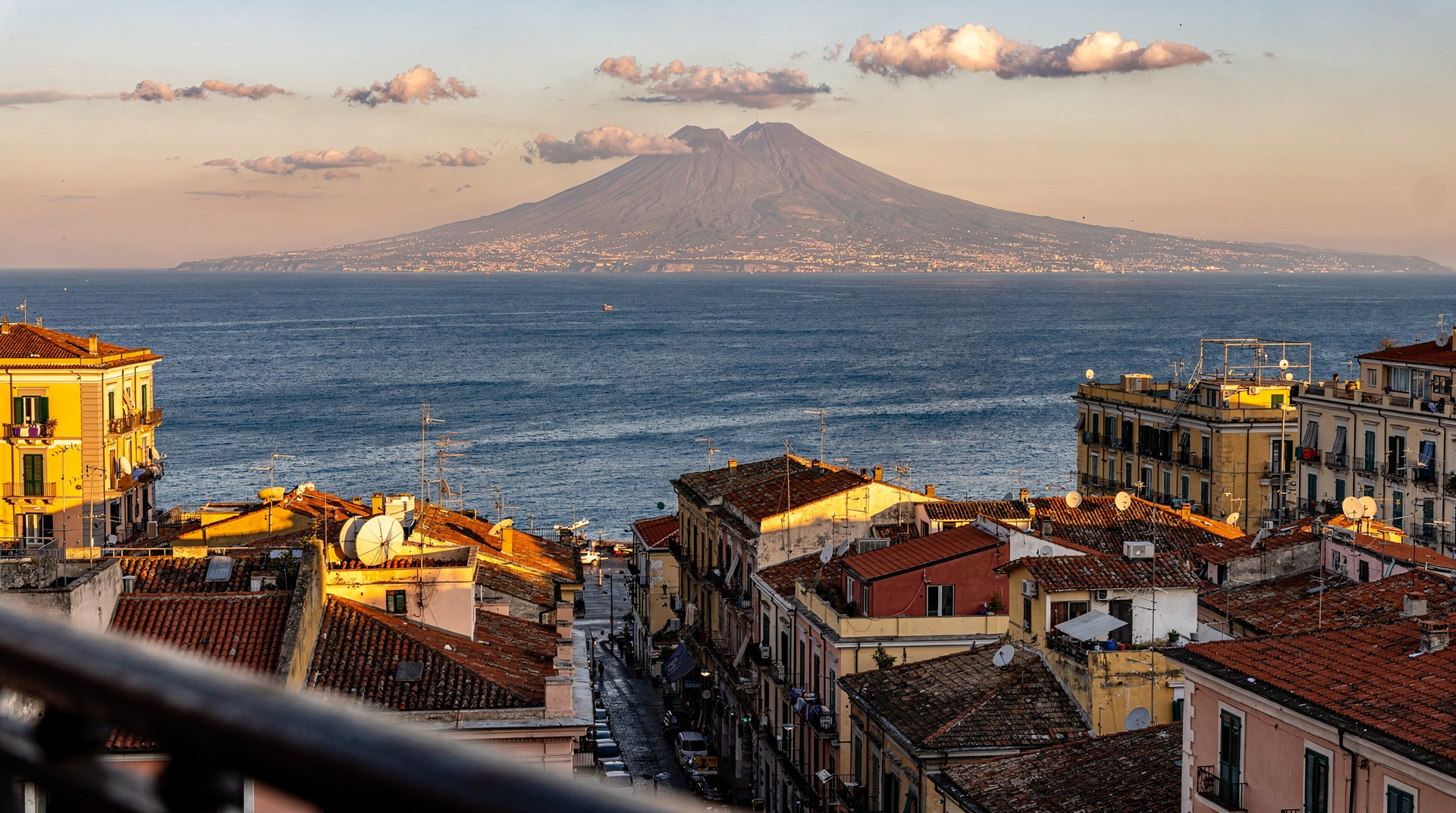
The views from the summit encompass the entire island below, the Bay of Naples, Vesuvius, the Amalfi Peninsula, Capri, and on very clear days the Pontine Islands. This is the best free panorama on Ischia, considerably more impressive than anything seen from the ferry.
Descent is the same route or via the path toward Serrara Fontana and the southern coast. Walking poles help on the loose tufa sections.
Lacco Ameno and the Fungo
Lacco Ameno is the smallest municipality on Ischia and historically the most archaeologically significant — Greek settlers established a presence here in the 8th century BC, and the local museum (Museo Civico di Santa Restituta) contains important finds from early Ischian habitation.
The Fungo (the Mushroom) is a volcanic rock eroded into the shape of its name that sits off the Lacco Ameno waterfront. It has become a symbol of the municipality. The beach at Lacco Ameno is fine-sand and calmer than many on the island — popular with families.
The Negombo thermal park is adjacent to Lacco Ameno and uses a different geological source than Poseidon in Forio — the mineral composition varies and some guests specifically prefer one park’s waters over the other.
Sant’Angelo village
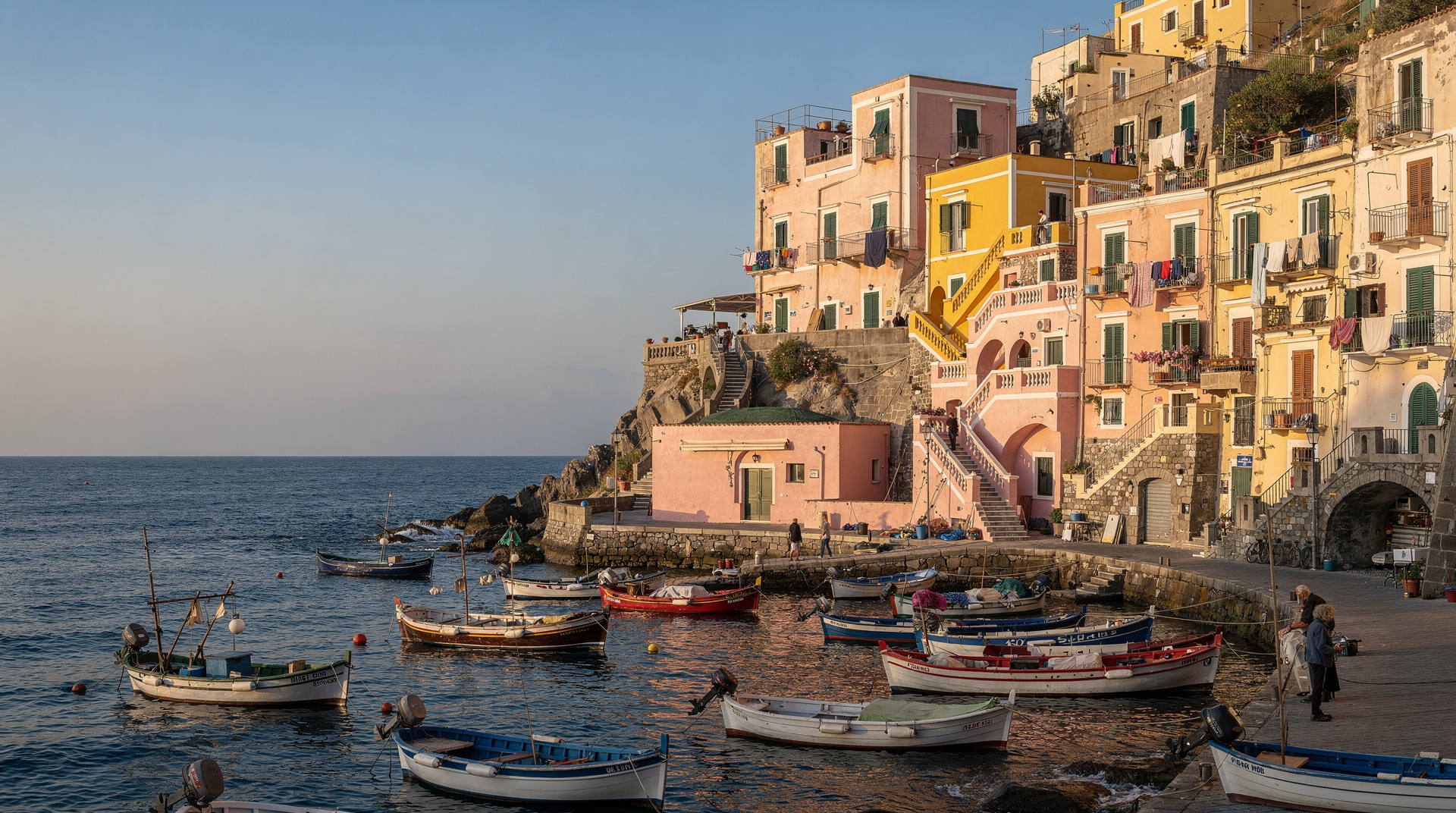
Sant’Angelo at the southeastern tip of the island is the island’s prettiest village — a traffic-free fishing hamlet where the lane narrows to a metre between houses and opens onto a small fishing harbour. Cars park above the village; you walk or take a small taxi-boat into the centre.
The beach at Sant’Angelo is not the island’s best (small, organised lido), but the walk from the village to the Maronti beach (20 minutes along the coast path) is scenic and the Maronti itself is the island’s finest stretch of sand with natural thermal steam vents in the cliff face above. Some sections of Maronti beach are free; lido sections rent sunbeds.
Practical information
Best base: Ischia Porto (most ferry connections and restaurants) or Forio (closer to Poseidon, calmer village atmosphere). Lacco Ameno is quiet and upmarket.
Getting to Giardini Poseidon from the port: Bus Line 1 takes about 30–40 minutes from Ischia Porto to Forio. Get off at the Citara stop. Poseidon entrance is a 3-minute walk.
Opening season: Most thermal parks run April–October. Some close entirely November–March. Check directly before booking an off-season visit.
Ferries in winter: Significantly reduced frequency. Bad weather causes cancellations. Not a practical destination for a casual winter day trip from Naples.
History and culture
Ischia was first settled by Greek colonists from Euboea around 770 BC, making it one of the earliest Greek colonies in the western Mediterranean — earlier than the more famous Cumae on the mainland. The colony was eventually abandoned due to volcanic activity, but the island remained in circulation throughout the Greek and Roman periods. Emperor Augustus particularly liked the island and spent time here.
The medieval period brought the fortress that became the Aragonese Castle, and the 15th-century Aragonese rule consolidated the island’s defensive and cultural infrastructure. The d’Avalos family (Aragonese nobles) held the castle in the 16th century, and it became a significant cultural centre: the poet Vittoria Colonna held her famous literary salon here, which Michelangelo attended on his visits. This is a somewhat improbable cultural footnote for what is now known primarily as a thermal spa destination.
The 19th century brought English and French travellers and the beginning of the island’s reputation as a health resort — the thermal waters were by then well-documented as having therapeutic properties, attracting wealthy invalids and literary types.
Forio and the Torrione
The town of Forio on the western coast is the largest municipality and the most attractive town on the island after Sant’Angelo. Its historic centre includes the Torrione, a 15th-century Aragonese coastal watchtower that now houses a small museum of local painter Giovanni Maltese’s work. The church of Santa Maria di Loreto, on a promontory above the town, is one of the most photographed points on the island.
Forio’s evening passeggiata (the Italian tradition of an evening stroll) is the most lively on the island. The main piazza fills from about 7pm and the bars do a brisk trade in Aperol Spritz and local wine. Restaurant prices in Forio are slightly lower than in Ischia Porto and the quality is comparable.
Wine: Ischia DOC
Ischia has its own DOC wine designation, one of the oldest in Italy (established 1966). The volcanic basalt and tufa soils produce wines with mineral character that pairs well with local seafood. The main white grape varieties are Biancolella (delicate, floral, slightly saline) and Forastera (more structured). The main red grape is Piedirosso.
The d’Ambra Vini d’Ischia winery, founded in 1888 and still family-operated, is the primary commercial producer and has done the most to establish Ischian wines internationally. Their Tenuta Frassitelli (a Biancolella from high-altitude terraced vineyards) is the island’s benchmark white wine. A bottle costs €18–25 at the winery or in local restaurants.
Several smaller producers exist; agriturismi around Serrara Fontana and Fontana produce wine for their own restaurant use and occasionally sell bottles directly. Asking at a farmhouse restaurant is often the best way to find these.
Casamicciola Terme: recovery status and what’s actually open
Casamicciola Terme, on the island’s north coast, sustained the most visible damage in the November 2022 earthquake, with some buildings condemned and a landslide affecting part of the town. Recovery has been gradual: as of 2026, the harbour, the main thermal hotels, and the town centre are functioning normally, but some residential and hillside areas remain under repair.
This does not mean the town should be avoided — most visitors notice nothing unusual beyond ongoing construction work in specific pockets — but travellers planning to base themselves here specifically, rather than just passing through on the round-island bus route, should check current conditions rather than relying on older information. The town’s thermal tradition predates the earthquake by over a century and its spa hotels remain a legitimate reason to visit.
Ischia’s six municipalities compared
| Base | Character | Best for |
|---|---|---|
| Ischia Porto/Ponte | Main town, most ferries and restaurants | First-timers, easy logistics |
| Casamicciola Terme | Thermal town, still recovering from 2022 quake damage | Budget spa stays; check current status |
| Lacco Ameno | Archaeology, the Fungo rock, upmarket and quiet | Families, quieter evenings |
| Forio | Most picturesque village, Giardini Poseidon nearby | Central base for spa and beach |
| Serrara Fontana | Mountain interior, gateway to Epomeo | Hikers |
| Barano | Southeastern beaches, Maronti | Beach-focused stays |
Most first-time visitors do best based in Ischia Porto or Forio; both put the island’s headline attractions within a short bus ride.
A three-day Ischia itinerary
Day 1: Arrive, settle in, walk the Castello Aragonese in the late afternoon when the tour groups have thinned, dinner in Ischia Ponte.
Day 2: Full day at Giardini Poseidon or Negombo, or — for a free alternative — the Sorgeto thermal cove combined with a Sant’Angelo village visit and the Maronti beach walk.
Day 3: Morning ascent of Mount Epomeo from Fontana (allow 4 hours round trip including lunch at the summit), afternoon at leisure or a boat circuit of the coastline before your return ferry.
This pacing avoids the single biggest mistake visitors make on Ischia: trying to compress the island into a single rushed day, which the Ischia day trip guide covers in more detail for those who genuinely cannot stay overnight.
For travellers comparing this itinerary against the other Bay of Naples islands before committing to where to base a multi-day stay, see best island near Naples and Capri vs Ischia vs Procida.
Full-day Ischia boat tour with swimming stopsFrequently asked questions about Ischia
Is Ischia better than Capri?
For relaxation, longer stays, and lower costs: yes. For dramatic scenery, prestige, and a half-day island visit: Capri. The comparison is covered in Capri vs Ischia vs Procida.
What are the thermal baths like?
The large parks (Poseidon, Negombo) are well-maintained, with multiple pools, beach access, restaurants, and full spa facilities. They are genuine thermal experiences, not just heated pools — the water comes from volcanic springs and has documented mineral content. For a full assessment see Ischia thermal gardens guide.
How far is Ischia from Naples?
About 35 km by sea. The hydrofoil takes approximately 50 minutes from Molo Beverello. The full ferry takes 80–90 minutes.
Can I visit Ischia and Procida in the same day?
Yes — combined boat tours from Sorrento or Naples cover both islands in one long day. The itinerary typically spends more time on Ischia and makes a shorter stop on Procida. If seeing both properly matters, consider staying overnight on one of them.
Do I need to book Giardini Poseidon in advance?
In July and August, yes — the park caps daily entries and can sell out on weekends. Book at least 3–4 days ahead in peak season. Spring and autumn: walk-in is generally fine.
Is Ischia safe after the 2022 earthquake?
The November 2022 earthquake (magnitude 4.0) damaged parts of Casamicciola Terme. Other municipalities were largely unaffected. By 2024 most tourist facilities were operating normally. Check current status for Casamicciola specifically if you plan to stay there.
Which is the best base on Ischia for a first visit?
Ischia Porto for the easiest logistics (ferries, restaurants, buses in all directions), or Forio if you want to be closer to Giardini Poseidon and prefer a quieter village atmosphere. See the municipality comparison table above for the full picture.
Top experiences
Bookable activities with verified prices and instant confirmation on GetYourGuide.