Sorrento
The ideal base for the Amalfi Coast, Capri, and Naples day trips. Cliffside town, limoncello, cooking classes, and ferry connections covered honestly.
Sorrento: Walking Tour with Local Guide
Duration: 2h
Quick facts
- Getting there
- Circumvesuviana from Naples ~70 min, €3.50
- Ferries to Capri
- ~25 min, from €20 one-way
- Ferries to Naples
- Hydrofoil ~35 min, from €13
- Best months
- May, June, September, October
- Budget
- Mid-range; expect €100-180/night for decent hotels
- Limoncello
- Buy from local producers; via San Cesareo
| Where | Sorrentine Peninsula, ~70 min from Naples by Circumvesuviana |
| Cost | Around €100–180/night for a decent hotel; €12–15 for pasta off the main square |
| Time needed | 1–2 nights as a base; 3–4 to explore the peninsula |
| Getting there | Circumvesuviana train, hydrofoil from Naples, or SITA bus |
| Best time | May–June and September–October |
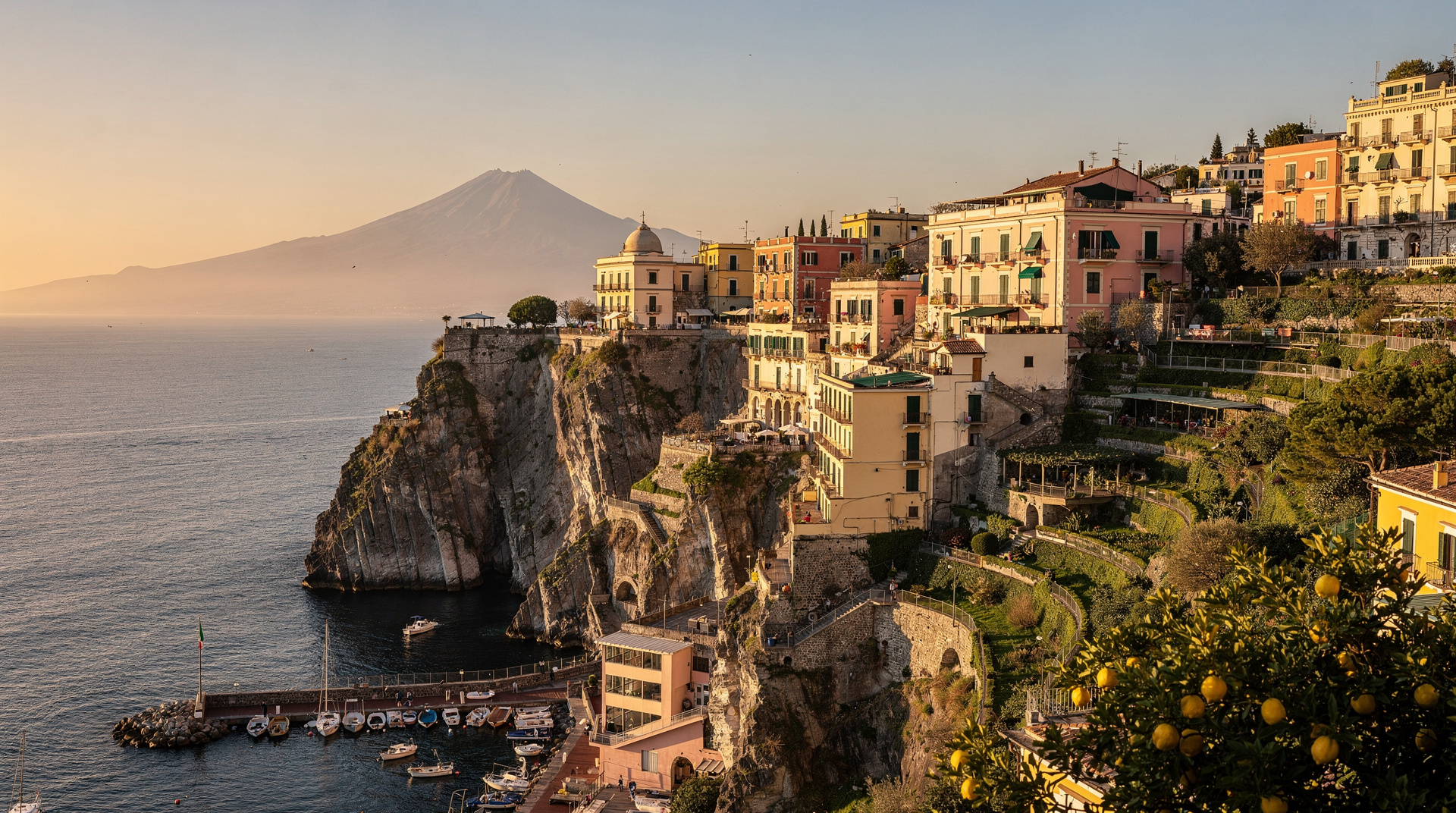
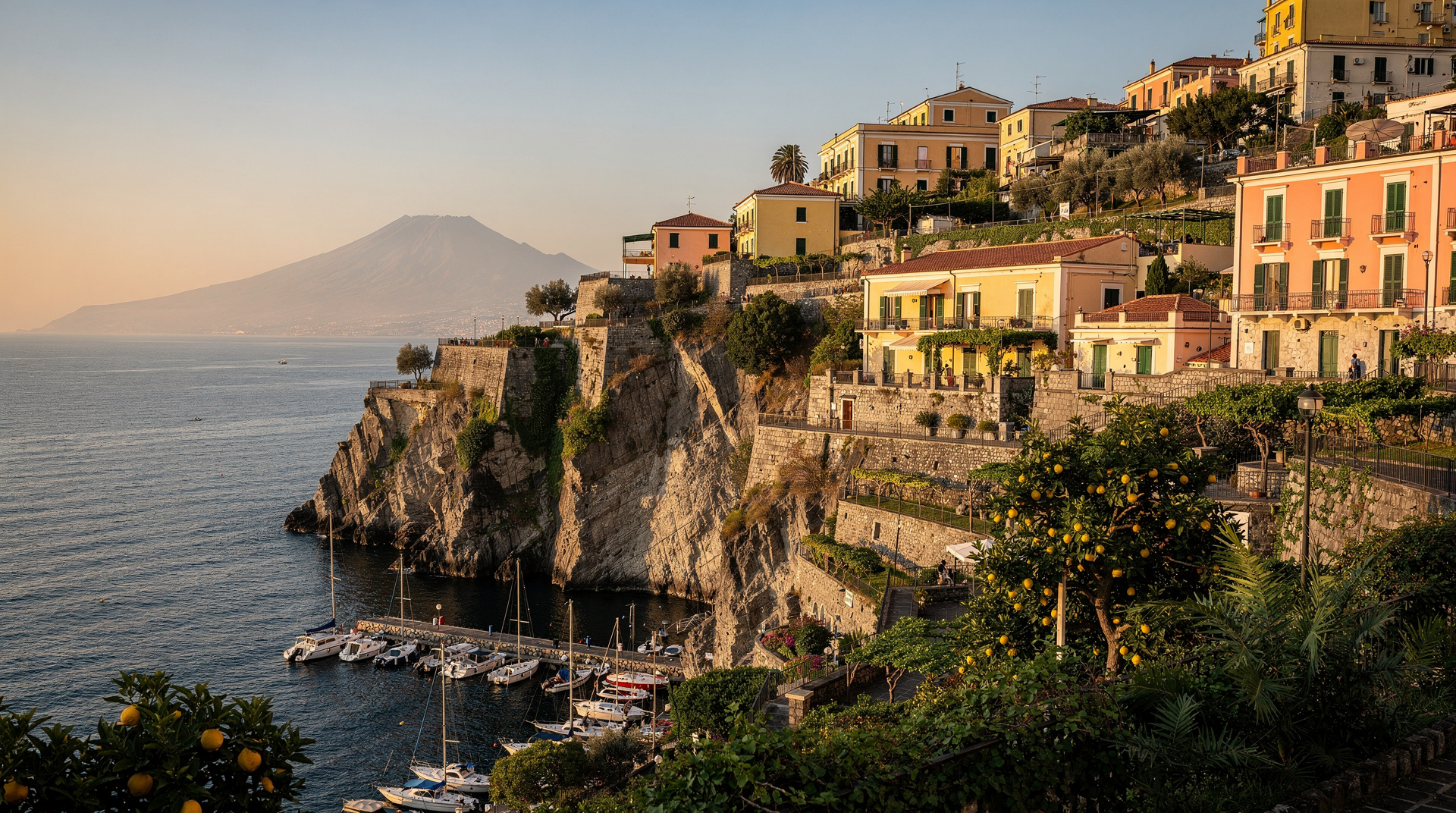
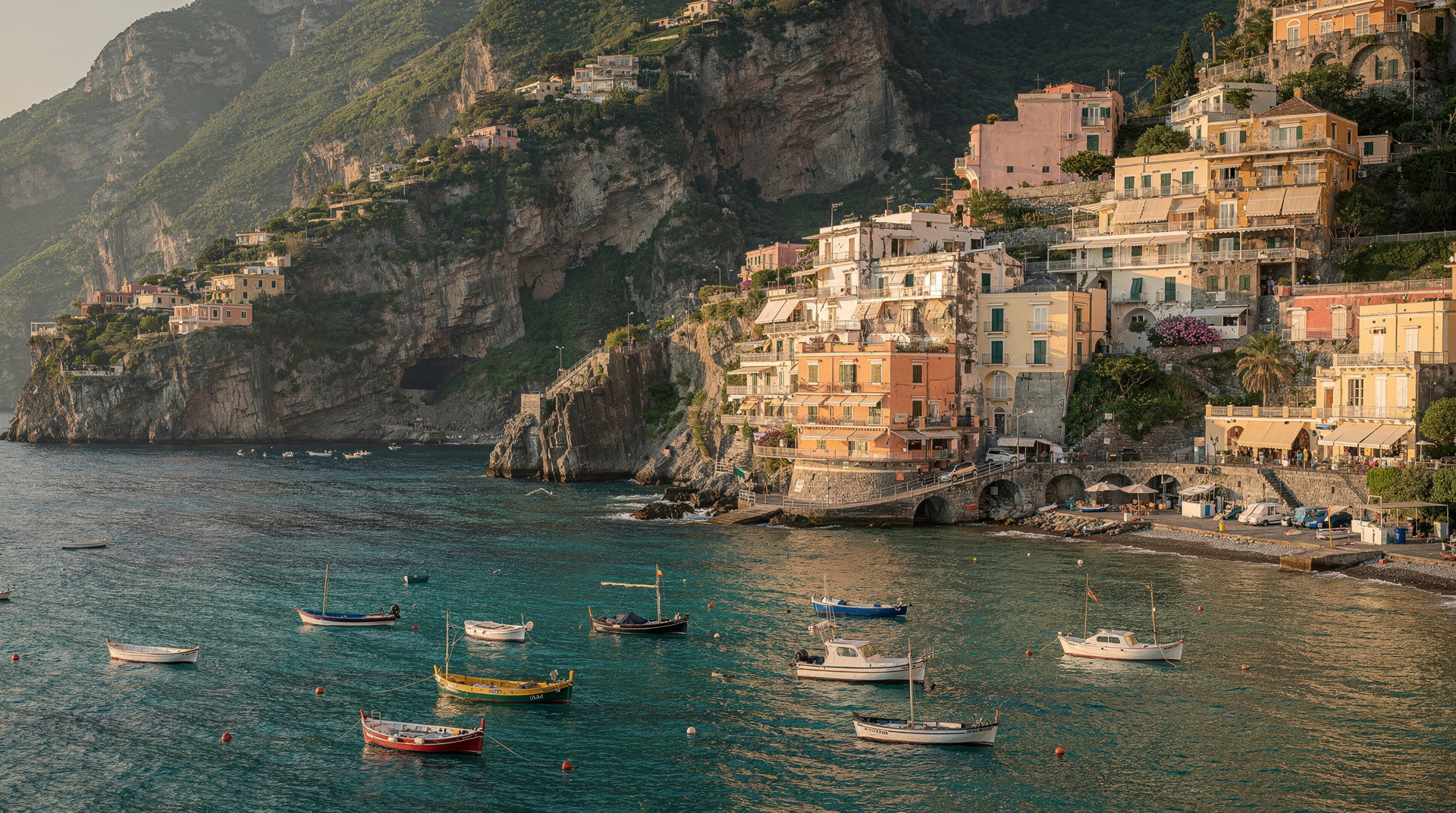
Sorrento sits on a narrow shelf of volcanic tufa above the sea, with the Gulf of Naples on one side and the Amalfi Peninsula beginning just around the corner. It is not the prettiest town on this stretch of coast — Positano and Ravello win that competition — but it is the most practical. Direct Circumvesuviana trains from Naples, reliable ferry services to Capri and Ischia, and bus connections to Amalfi and Positano make Sorrento the logical staging post for anyone trying to see multiple parts of the region without renting a car. This guide lays out what it is actually like to be here: the logistics, the costs, what is genuinely worth doing, and where visitors consistently overspend or underperform.
Why Sorrento works as a base
The town’s strategic position is its main selling point. From the ferry port at Marina Piccola, hydrofoils reach Capri in about 25 minutes and Naples in about 35. Ferries (slower, cheaper, car-capable) connect to Ischia in around 2 hours. The Circumvesuviana station puts you directly on the line to Pompeii (30 minutes, €2.90) and Naples (70 minutes, €3.50 for the longer journey from Sorrento). SITA buses depart from the station square and run along the Amalfi Coast road — Positano is roughly 50 minutes, Amalfi another 40 minutes beyond that.
This connectivity means you can explore the entire coastal circuit without a car, which matters because driving along the SS163 Amalfi Coast road in summer is genuinely stressful. The road is narrow, the tour buses are enormous, and from June to September there are plate-based traffic alternation days (even plates one day, odd the next, 10h–18h). Sorrento is just far enough north of that restriction to serve as a comfortable base.
One honest caveat: Sorrento itself is a tourist town, and its centro storico operates largely on a tourist-town economy. Restaurants in Piazza Tasso charge Naples prices multiplied by two. Via San Cesareo, the main pedestrian lane, is pleasant to walk but is largely souvenir shops and limoncello boutiques. The genuinely local life — real bars, markets, family restaurants — exists but requires stepping a few blocks off the main circuit.
Getting to Sorrento from Naples
By Circumvesuviana: The most common route. Trains depart from the lower level of Napoli Centrale (Garibaldi station) roughly every 30 minutes. The journey takes about 70 minutes to Sorrento terminus. Cost is €3.50 each way. The train is crowded in summer and has no air conditioning on many carriages. Keep bags on your lap and watch for pickpockets on the Naples–Pompeii stretch — this line has a well-documented theft problem. The Circumvesuviana guide explains ticket purchase, platform navigation, and the seasonal Campania Express alternative.
By Campania Express: A seasonal, tourist-oriented service with guaranteed seats, air conditioning, and luggage space. Runs April–October, costs significantly more, but worth it for families or anyone with large bags. See the Campania Express vs Circumvesuviana comparison.
By ferry from Naples: Hydrofoils from Molo Beverello (central Naples port) reach Sorrento in about 35 minutes. Tickets from €13–16. This is a civilised option if you are staying near the Naples waterfront, but ferry schedules are reduced outside summer and can be cancelled in rough weather.
By car: Possible but not recommended unless you have a specific reason. The road south from Naples through Castellammare and Vico Equense is straightforward, but Sorrento’s centre has ZTL restrictions. If your hotel is in the ZTL, have them register your plate in advance.
Getting around once there
The centro storico is compact and walkable in 20 minutes flat. The main challenge is the cliff: the town sits roughly 50 metres above both Marina Grande (the old fishing harbour) and Marina Piccola (the ferry port). The lift on Via Luigi De Maio costs a small fee; the stairs are free but steep. A few minutes’ walk outside the centre and the crowds thin considerably.
Local buses connect Sorrento to the smaller towns on the peninsula — Massa Lubrense, Sant’Agata sui Due Golfi, and the beach areas at Punta del Capo. Taxis exist but are metered at tourist rates — always agree on a price beforehand or confirm it is the official fixed tariff.
What to do in Sorrento
The town itself
The centro storico is pleasant to walk through: Piazza Tasso is the main square (busy, touristy), the Sedile Dominova is a 15th-century loggia that now serves as a club for local workers, and the Duomo has a striped marble interior that gets overlooked by most visitors rushing to the ferry. The old part of town, west of Via San Cesareo, is quieter and has more residential character.
Marina Grande, reached by a steep path or the Via Marina Grande stairs, is Sorrento’s original fishing village and genuinely different in atmosphere from the clifftop town. A handful of fishing boats still operate from here. Restaurants on the waterfront include Da Emilia, which has been operating since 1947 and serves fresh catch at honest prices — notably different from the tourist trap zone above.
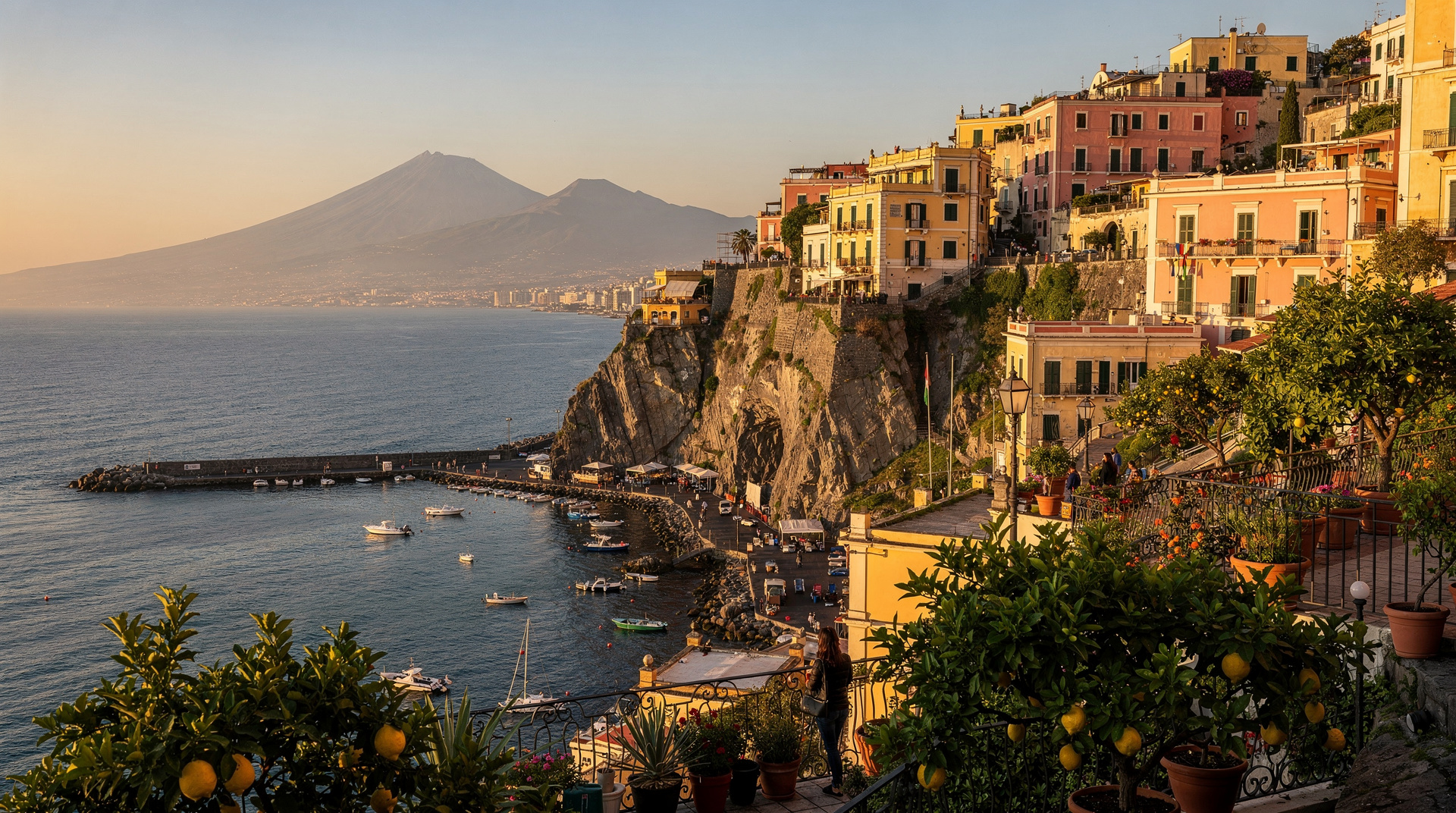
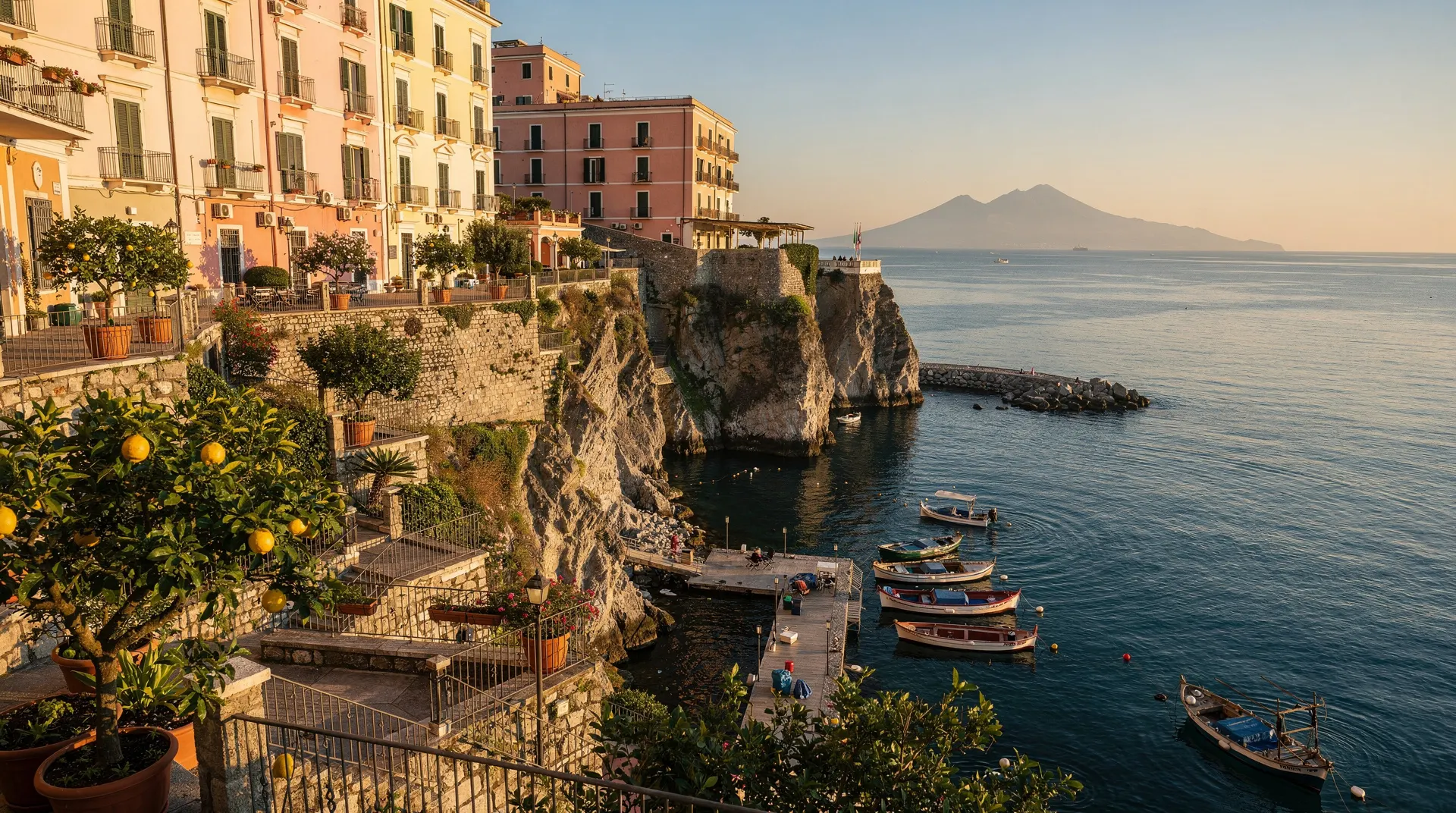
Villa Comunale, the clifftop public garden, offers the best free views in town. The terrace looking back toward Naples and Vesuvius is excellent at sunset. The admission is zero. Somehow this is more scenic than most paid viewpoints.
Limoncello and lemon products
The Sorrentine Peninsula and its lemons (specifically the large Femminello del Gargano variety) are genuinely world-class. The local production is real — hillside groves above the town supply lemons for limoncello distilleries that have been operating for generations. However: a limoncello bottle bought in a Piazza Tasso shop costs two to three times what the same product costs bought directly from a smaller producer.
The better limoncello experience is to visit one of the lemon grove producers who offer guided tours: you see the trees, understand the production process, and taste properly chilled limoncello before buying. Several family farms on the road toward Massa Lubrense run these sessions.
Limoncello making class in a Sorrento lemon groveNaples owns the pizza argument, but the classes there book out weeks ahead: a pizza making class at the Tirabuscio cooking school in Sorrento teaches the same dough with far more availability.
Cooking classes
Sorrento has a solid cooking scene, and this is one of the more honest ways to spend a half-day here. Classes typically include pasta making, a main course, and a dessert, usually using local lemons and local olive oil. The lemon grove settings are more atmospheric than hotel kitchens. Prices run €60–100 per person for a half-day class including the meal.
Hands-on cooking class in a Sorrento citrus groveBoat trips from Marina Piccola
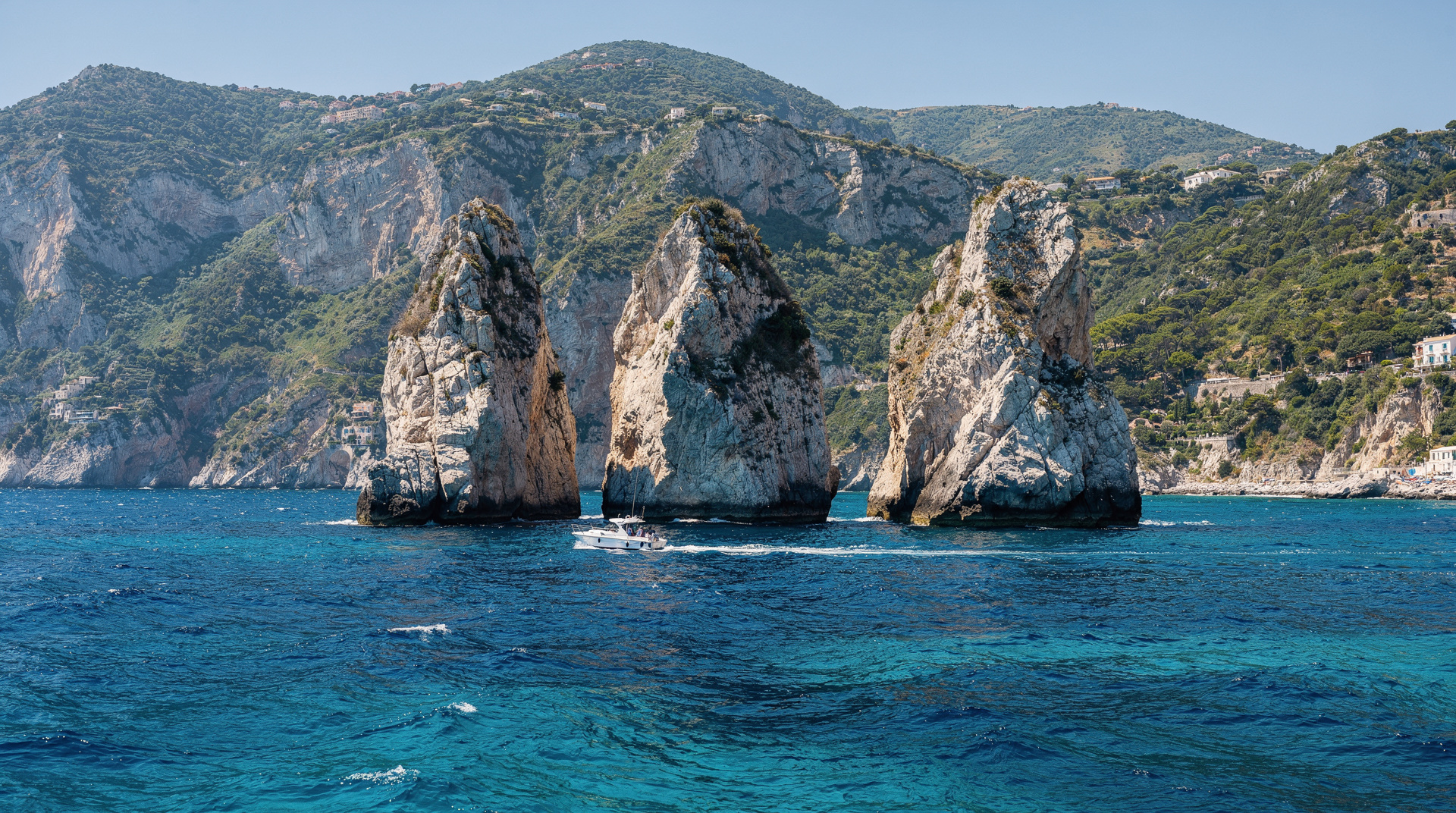
The ferry port is also the departure point for private boat tours. Hiring a small gozzo (traditional wooden boat) for a half-day costs roughly €150–250 for the boat (not per person), which becomes reasonable split between four or five people. These trips typically circle the peninsula, stop for swimming in coves near Massa Lubrense, and occasionally reach Capri’s outer waters. For a full Capri day trip by boat, see the options below — the organised tours include Blue Grotto access and guide time.
The Path of the Gods (day trip from Sorrento)
One of southern Italy’s best hikes begins in Agerola and ends above Nocelle (Positano). The trailhead at Bomerano is about 90 minutes by bus from Sorrento. The path itself is 7 km, takes 2.5–3.5 hours, drops 630 metres, and offers views over the Gulf of Salerno that justify the logistics. Several operators run guided versions with return transfer from Positano. April–May and September–October are optimal months. See the Path of the Gods guide.
Day trips from Sorrento
Sorrento’s real value is as a launchpad. The core trips:
Capri: The 25-minute hydrofoil makes Capri a perfectly doable day trip. In peak summer (July–August), the island is extremely crowded and the Blue Grotto can have queues of 90 minutes. Going in May, June, or September is noticeably better. The round-trip ferry costs roughly €40–45. See the full Capri guide.
Amalfi Coast: SITA buses from the station square serve Positano and Amalfi. The ride is scenic and costs around €2.50 each way. In high summer, buses are standing-room only at peak times. Leaving by 8am or after 5pm avoids the worst. The Amalfi Coast guide covers the full route.
Pompeii: 30 minutes by Circumvesuviana, €2.90. One of the most significant archaeological sites in Europe. See how to visit Pompeii independently before going, especially for ticket booking advice. High summer: go at 9am opening, bring water and a hat.
Ischia and Procida: Ferries from Sorrento reach Ischia (via Ischia Porto) in about 90 minutes. Combined island tours departing Sorrento allow you to see both smaller islands in one day. See the Ischia guide and Procida guide.
Capri and Blue Grotto half-day boat trip from SorrentoWhere to eat and drink
Da Emilia (Marina Grande): Honest seafood at the old fishing harbour. Spaghetti alle vongole for around €14. Arrive before 1pm or after 2:30pm to avoid the lunch rush.
L’Antica Trattoria (Via P.R. Giuliani): A local institution in the centro storico since 1930. Gnocchi alla Sorrentina (potato gnocchi baked with tomato and mozzarella) is the dish to order.
Gelateria Davide (Via P.R. Giuliani): Makes ice cream with local lemons. The lemon sorbet is the correct choice.
For coffee: Bar Ercolano on Piazza Tasso is convenient but very touristic. Walk two minutes to a side street and the price drops 40%.
What to avoid
Restaurants on Piazza Tasso and along the main ferry path typically charge €25–35 for pasta dishes that would cost €12–15 in Naples. This is not a scam — it is simple tourist economics — but it is worth knowing. The rule of thumb: if there is a menu board facing the street with photos, it is probably not worth it.
Shopping and what is actually worth buying
Via San Cesareo is the main pedestrian shopping street and largely sells what you would expect from a major tourist destination: ceramic plates, limoncello bottles, leather goods, and souvenir scarves. Most of it is either mass-produced or priced at full tourist rates.
The items genuinely worth buying in Sorrento:
Limoncello: Buy from a small producer with a tasting room rather than a shop on the main tourist drag. Via degli Aranci and Via San Cesareo have some producers mixed in with the shops; the price difference for a 500ml bottle between a tourist shop (€12–18) and a producer’s outlet or local supermarket (€7–10) is significant.
Inlaid wood (intarsia): Sorrento has a centuries-old tradition of inlaid wood marquetry, producing small decorative boxes, picture frames, and music stands with geometric or landscape designs. The genuine article is made locally; import copies exist. Studio Gargiulo and Salvatore Gargiulo on Via Luigi De Maio are the oldest workshops and where you can see craftspeople actually working. Prices for quality pieces start at €20–30 for small items.
Ceramics: The peninsula has a good tile and ceramic tradition, but most of the generic blue-and-white pieces in shops are produced in factories in Castellammare or outside the region. Look for pieces marked with the producer’s studio name and a regional origin.
Local food products: Provolone del Monaco cheese, good olive oil, capers from Cetara — better bought from the Standa or Eurospar supermarket on Corso Italia than from tourist shops. You pay for the packaging in tourist shops.
A practical two-night itinerary
For a first-time visitor using Sorrento as a base, a workable two-night structure looks like this: arrive in the afternoon, settle in, and spend the first evening walking the centro storico and Villa Comunale for sunset before dinner at Marina Grande. Day two is a full day trip — Capri if the weather is clear (book the early hydrofoil to beat the crowds), or the Amalfi Coast if you prefer scenery over an island.
Day three, before departing, use the morning for whatever the first evening didn’t cover: a cooking class, a limoncello tasting at a producer outside the centre, or a slower walk through the old town’s residential streets west of Via San Cesareo. This pacing keeps one full day free for the single best day trip your itinerary allows, rather than trying to squeeze two rushed excursions into a short stay.
Travellers with three or four nights should use the extra time on the peninsula itself — Massa Lubrense, Sant’Agata sui Due Golfi, and the bays near Nerano reward a full day away from both Sorrento’s centre and the more crowded Amalfi towns, and are usually skipped by visitors on a tight schedule.
Sorrento’s arts and cultural calendar
The town has a modest but real cultural calendar. The summer season (June–September) includes:
Settimane Musicali Internazionali di Sorrento: A classical music festival with performances in the 16th-century cloister of San Francesco (next to Villa Comunale). Tickets run €15–25. The cloister setting — open-air, ivy-covered walls — is exceptional. Book in advance; capacity is limited.
Estate Sorrentina: A general summer cultural programme including theatre and music events in outdoor venues. Free or low-cost entry for many events.
Procession of Sant’Antonino: Sorrento’s patron saint’s feast day (14 February) involves a religious procession and local celebrations that are more oriented to residents than tourists — worth seeing if you are here in February.
Sorrento with children
Sorrento works better with kids than most Amalfi Coast towns, mainly because it is flatter and has fewer of the steep stairways that make Positano and Praiano difficult with a pushchair. The lift down to Marina Piccola removes the worst of the cliffside walking, gelaterias are plentiful, and the short ferry hops to Capri or Ischia are more manageable for young children than long SITA bus rides on the winding SS163.
Villa Comunale’s flat, shaded garden is a reliable spot for a break in the middle of a hot day. Families planning day trips should still weigh the Circumvesuviana’s crowding and lack of air conditioning against the alternative Campania Express service, which costs more but is considerably more comfortable with luggage and tired children in tow.
Where to stay
Sorrento has accommodation at every price point, but “budget” here means something different than in Naples. A basic two-star in the centre costs €80–110 in shoulder season, €130–180 in July–August. Genuinely affordable guesthouses exist in the residential streets east of the centre (toward the Circumvesuviana station) and in the lower Marina Grande area.
The hotels with infinity pools above the cliff are genuinely beautiful and cost €250–500 per night. Whether that is worthwhile depends entirely on your budget — the views are real, but the beaches require the lift and are not the finest in the region.
The question of whether to stay in Sorrento versus Naples is answered well in Sorrento vs Naples: where to stay.
Practical information
Ferry tickets: Buy at the Caremar, SNAV, or Alilauro offices at Marina Piccola. Online booking is possible and advisable in peak summer for Capri routes. Ticket prices vary by operator and season; hydrofoil to Capri runs €20–25, ferry (slower) €15–18.
Circumvesuviana tickets: Buy at the station from machines or the ticket window. The machine interface is in Italian but navigable. Do not board without a validated ticket.
ZTL: Sorrento’s centro has a pedestrian zone (ZTL) for cars. Motorbikes and scooters are generally exempt. The lift from Marina Piccola up to the town is the practical solution for people arriving by ferry with luggage.
Mobile data: Italian SIM cards (TIM, Vodafone IT, WindTre) are available at the station. EU residents can use home plans without roaming charges.
Money: Cash is useful for street food, small bars, and ferry tickets bought at the dock. Most hotels and restaurants accept cards.
Frequently asked questions about Sorrento
Is Sorrento a good base for the Amalfi Coast?
Yes — it is the most practical base on this side of the coast. The train from Naples goes directly to Sorrento, and buses to Positano and Amalfi depart from the station square. Ferries to Capri, Ischia, and Naples run from Marina Piccola. The town itself is pleasant but secondary to its connectivity.
How do I get from Sorrento to Positano?
Take the SITA bus from Piazzale De Curtis (next to the Circumvesuviana station). The journey is about 50 minutes and costs roughly €2.50 each way. In high summer, take the first bus of the day — by 10am the buses are standing room only. An alternative is the ferry service that runs in summer (about 25 minutes, €14–18 one-way).
Is Sorrento expensive?
More expensive than Naples, but cheaper than Capri or Positano. Budget for €100–140/night for a decent hotel in shoulder season. Eating in tourist-facing restaurants adds up quickly; eating one street back saves 30–40%.
Can I visit Pompeii from Sorrento?
Easily. The Circumvesuviana takes 30 minutes from Sorrento station to Pompeii Scavi (the archaeological site stop). Tickets are €2.90 each way. Book Pompeii entrance tickets online in advance, especially May–September — queues for on-the-day tickets in summer can exceed an hour. See getting to Pompeii from Naples for the full logistics.
When is the best time to visit Sorrento?
May and early June offer the best balance: warm enough for the sea, not yet at peak crowds, and ferry services fully operational. September is excellent — sea temperature remains high from summer and crowds have thinned. July and August are very busy and very hot; still doable, but the experience is less relaxed.
How far is Sorrento from Naples?
About 50 km by road; 70 minutes by Circumvesuviana train, or 35 minutes by hydrofoil from Molo Beverello. Both connections operate regularly.
Is Sorrento worth visiting for more than one night?
If you are using it purely as a transit base, one night is enough. But the peninsula itself — Massa Lubrense, the bays near Nerano, and Sant’Agata sui Due Golfi — rewards two or three nights for anyone interested in quieter Campanian landscapes.
What is the limoncello situation in Sorrento?
Local limoncello is real and worth buying — the Femminello lemons grown on the hillsides above town produce a distinctly aromatic product. Avoid bottles sold in tourist shops on Piazza Tasso (overpriced). Better to buy directly from a lemon grove producer or from a local supermarket (Carrefour on Corso Italia stocks good local brands at fair prices).
Top experiences
Bookable activities with verified prices and instant confirmation on GetYourGuide.