Amalfi Coast guide: everything you need to plan your trip
Amalfi Coast Small Group: Positano, Amalfi & Sorrento
How do I plan a trip to the Amalfi Coast?
Base yourself in Sorrento or Naples and do day trips, or stay in Positano/Amalfi/Ravello for 2–3 nights. Avoid driving in July–August (SS163 plate-alternation rules apply). The SITA bus is cheap but slow and crowded. Guided day trips from Naples are the least stressful option for first-timers.
| Where | Positano to Vietri sul Mare, ~50 km coastal road |
| Best time | May–early June or September–early October |
| From Naples | 1.5–3 hours, method-dependent |
| Minimum time | 1 day for a taste, 2–3 days to do it justice |
| Budget guide | €75–150/person/day, more in Positano |
What the Amalfi Coast actually is
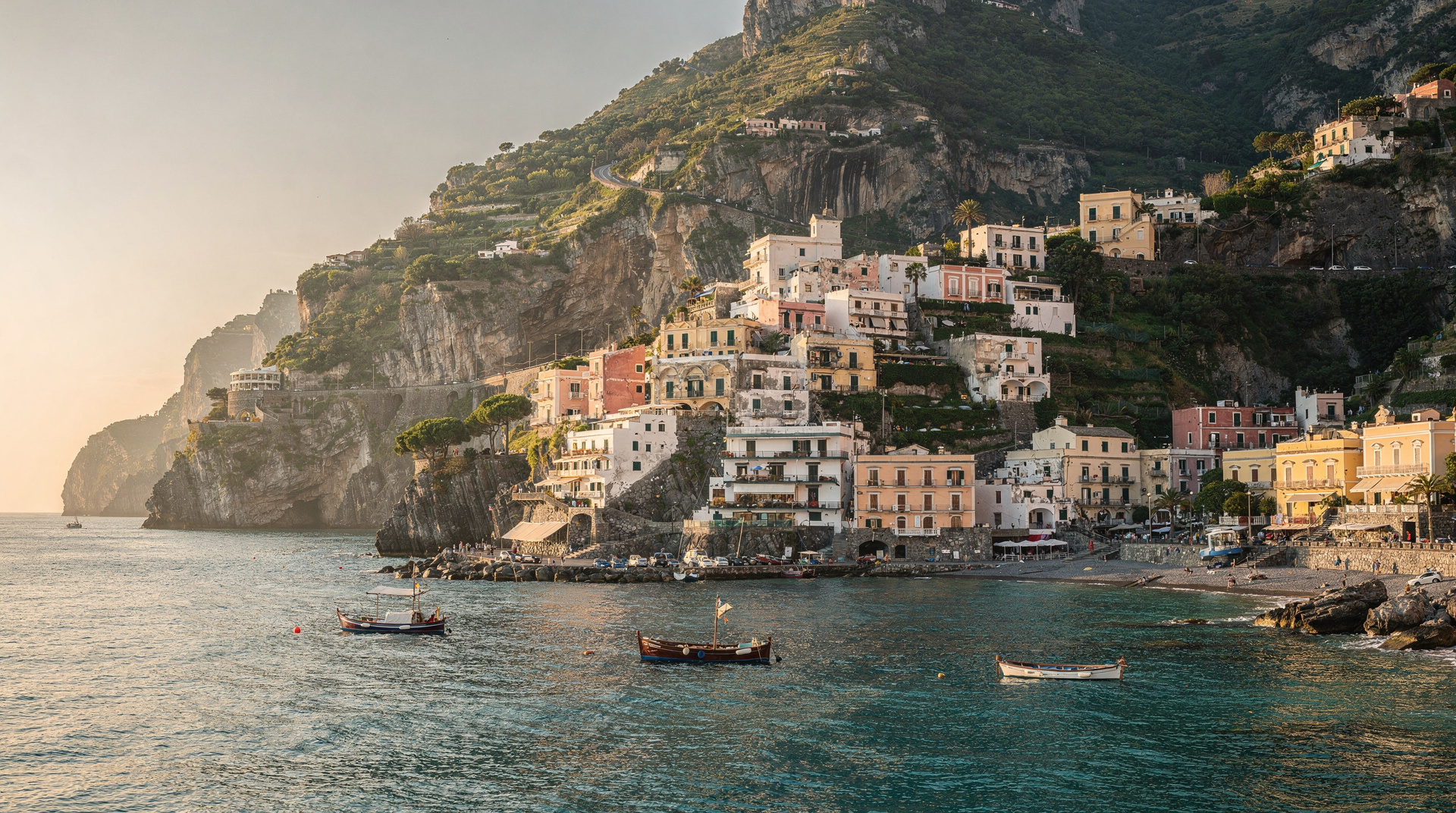
The Amalfi Coast (Costiera Amalfitana) is a 50-kilometre stretch of the southern flank of the Sorrentine Peninsula, running from Positano in the west to Vietri sul Mare in the east. It was declared a UNESCO World Heritage Site in 1997 — not for a single monument but for the entire landscape: terraced lemon and olive groves, cliff-side villages, medieval watchtowers, and the physical drama of the Lattari Mountains dropping straight into the Tyrrhenian Sea.
The coast is made up of about a dozen towns, each distinct in character. The most visited are Positano, Amalfi town, and Ravello. The others — Praiano, Atrani, Maiori, Minori, Cetara, Furore — are quieter, cheaper, and often more rewarding precisely because they haven’t been entirely reorganised around tourist needs.
What the Amalfi Coast is not: a place to cover quickly. The SS163 coastal road is single-lane in many sections, shared between tour buses, SITA buses, scooters, and private cars. A journey that looks like 20 kilometres on a map can take 45 minutes. Planning based on Google Maps timings in July is a recipe for missed ferries.
When to go
May and early June is the consensus best period. The sea is warm enough for swimming from early June. The terraced lemon groves are in full colour. The SS163 has not yet introduced plate-alternation. Accommodation prices are slightly below summer peak.
September and October is the second-best window. The sea is at its warmest (September), summer crowds thin out after the first week of September, and the hillside walking conditions are excellent.
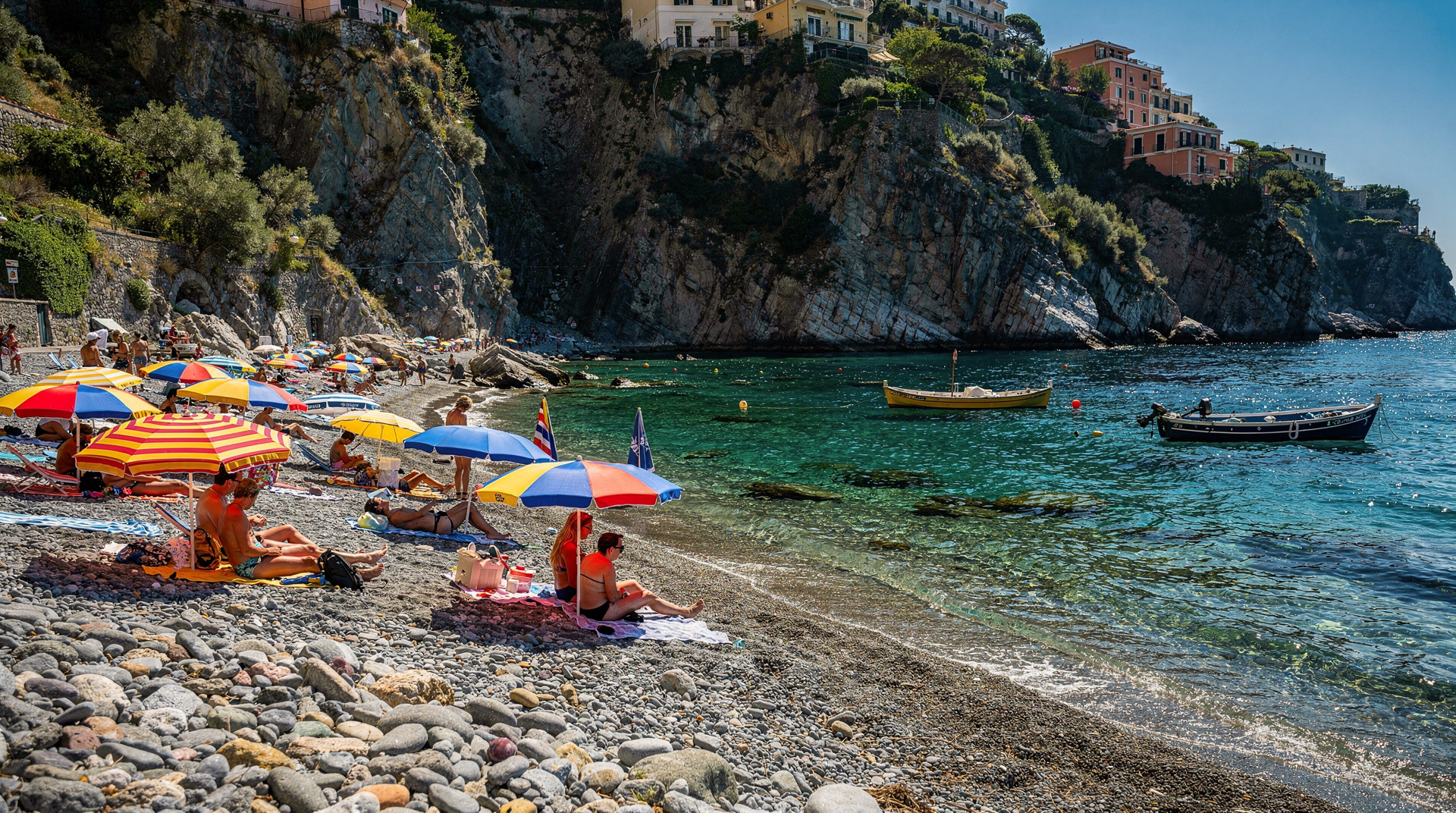
July–August: this is when the coast is at its most congested and most expensive. Hotels charge maximum rates, the SS163 is jammed from mid-morning, and Positano’s main beach is a 10-metre-wide strip of gravel with deck chairs rented for €25–30/day. The plate-alternation rule (odd/even number plates, 10:00–18:00) means hired cars may be unusable on certain days. None of this means you can’t enjoy the coast in August — the sea is warm, the evenings are beautiful, and the towns are lively — but manage expectations around logistics and cost.
November–March: most waterfront restaurants close. Ferry services to the islands reduce dramatically or suspend. The coast is empty and atmospheric, with some great deals on accommodation. Walking is pleasant. Swimming is not.
Getting to the Amalfi Coast from Naples
SITA bus via Sorrento
The cheapest route. Take the Circumvesuviana from Napoli Garibaldi (lower level) to Sorrento — about 70 minutes, €4.20. From Sorrento bus station (directly in front of the rail station), SITA buses run along the coast in both directions.
Journey times from Sorrento: Positano ~45 minutes (€2.20), Amalfi ~1.5 hours (€3.20), Ravello ~1.75 hours (total). These are without summer traffic. In July–August, add 30–45 minutes per leg.
The SITA is cheap and authentic but the buses are often standing-room only in summer. Large backpacks create problems. There is no air conditioning on most buses.
Ferry (seasonal)
From Molo Beverello in Naples, high-speed ferries run seasonally to Positano (50–70 minutes, ~€25) and Amalfi (70–90 minutes, ~€30). This is the most scenic and comfortable option. Operators include Caremar, NLG, and MetrodelMare. Check current timetables and book in advance in summer — ferry tickets sell out.
The ferry from Naples goes east to west (Amalfi→Positano direction). If you want to arrive in Positano first and end in Amalfi, take the ferry; if the reverse, the bus.
Guided day trip from Naples
For a first visit or a single day, a guided day trip eliminates the transport logistics entirely. These tours typically visit 2–3 towns (usually Positano, Amalfi, Ravello) with a comfortable van, a local guide, and stops at viewpoints not accessible by public transport. Journey time is the same, but you don’t have to navigate ticket machines, timetables, or luggage on crowded buses.
Amalfi Coast small-group day trip from NaplesDriving
A car gives flexibility — and the SS163 is one of the great European scenic drives when traffic is light. Early morning (before 9:00) or evening (after 19:00) on weekdays in spring or autumn, it is genuinely stunning. But in summer, particularly on weekends, it becomes frustrating. The plate-alternation rule catches many tourists off guard.
If you drive: use a compact car (Fiat 500 or similar), book parking in advance (scarce and expensive in Positano), and consider arriving the night before so you can be on the road early.
The towns: what each one offers
Positano
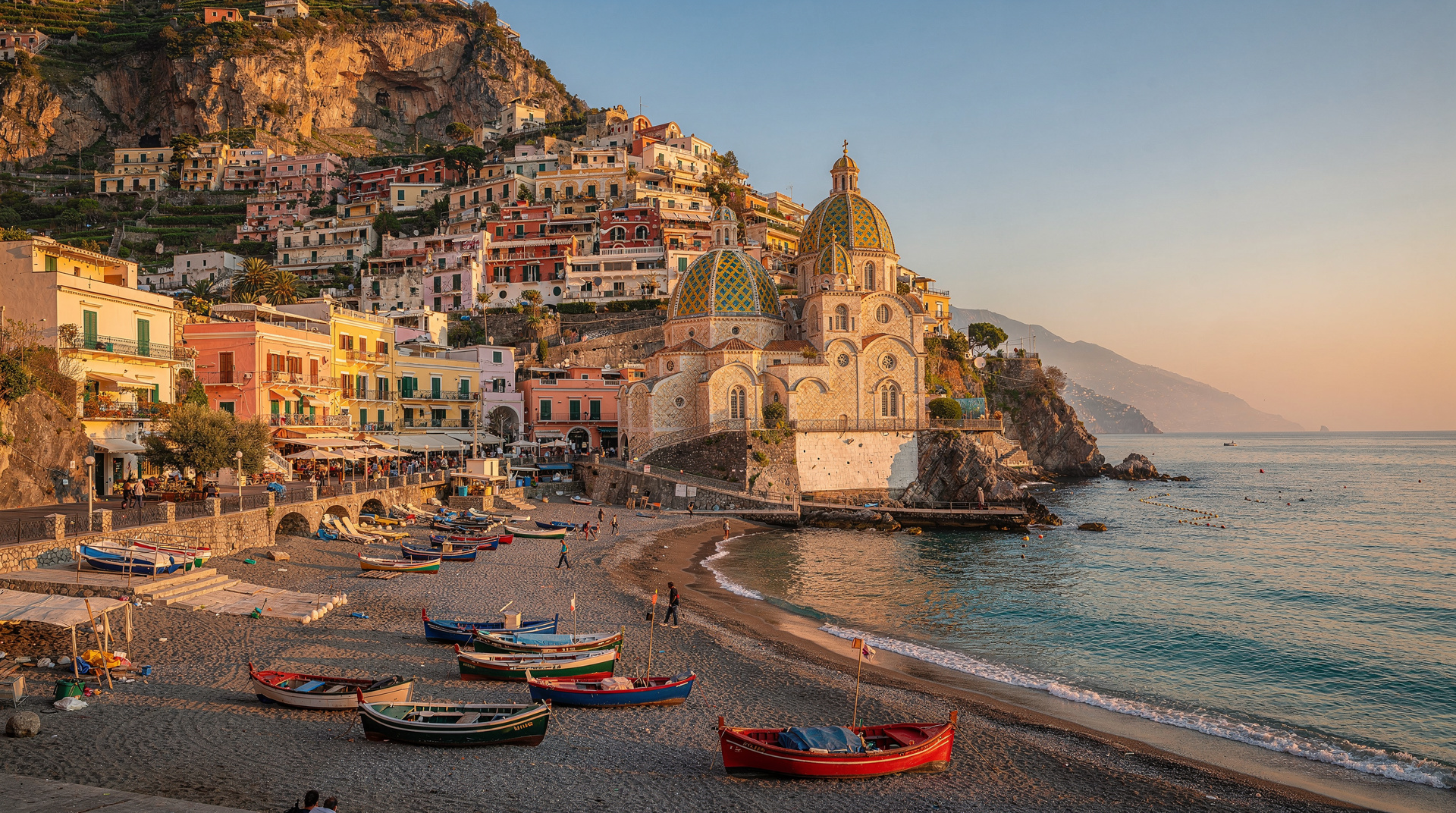
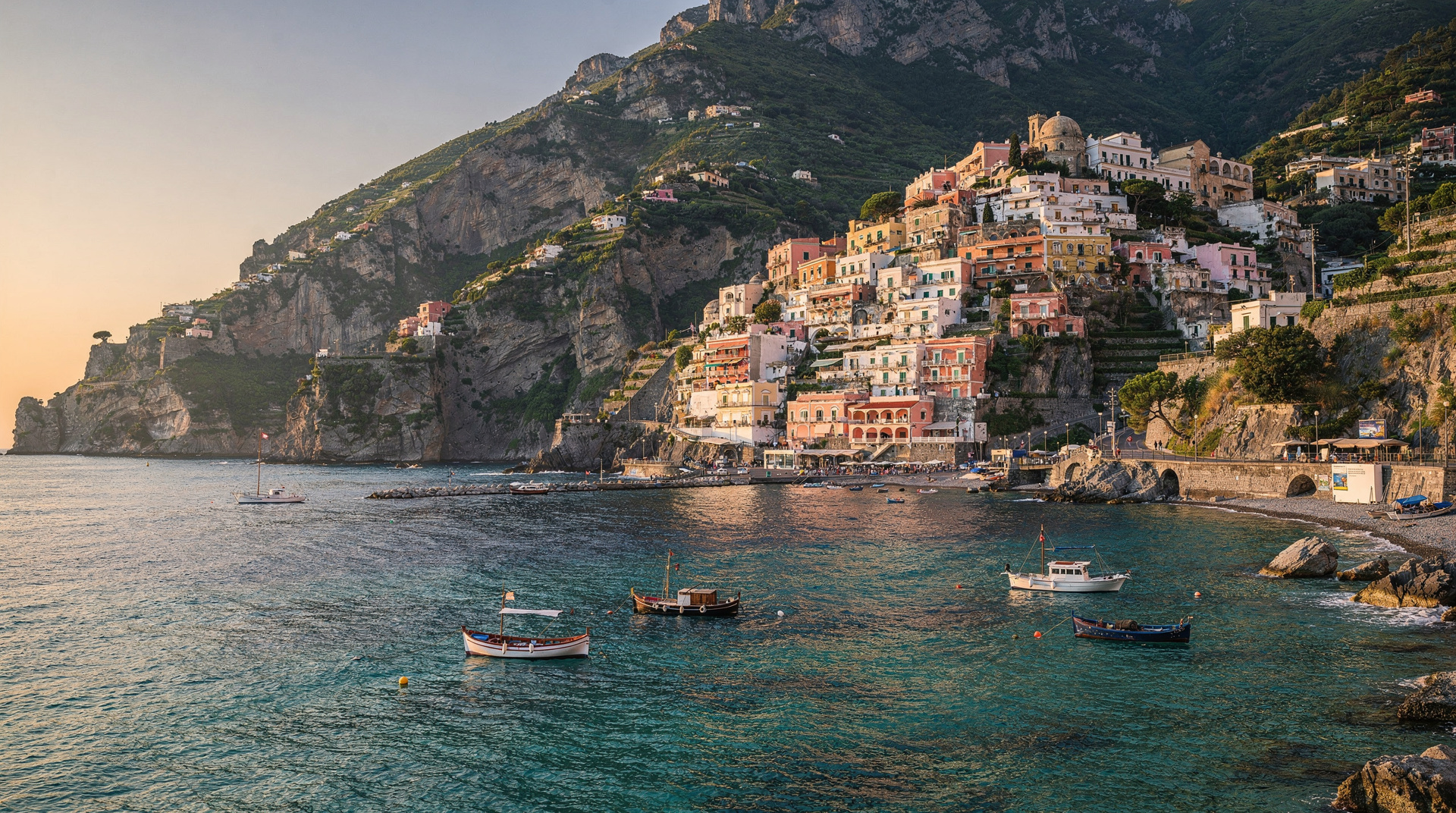
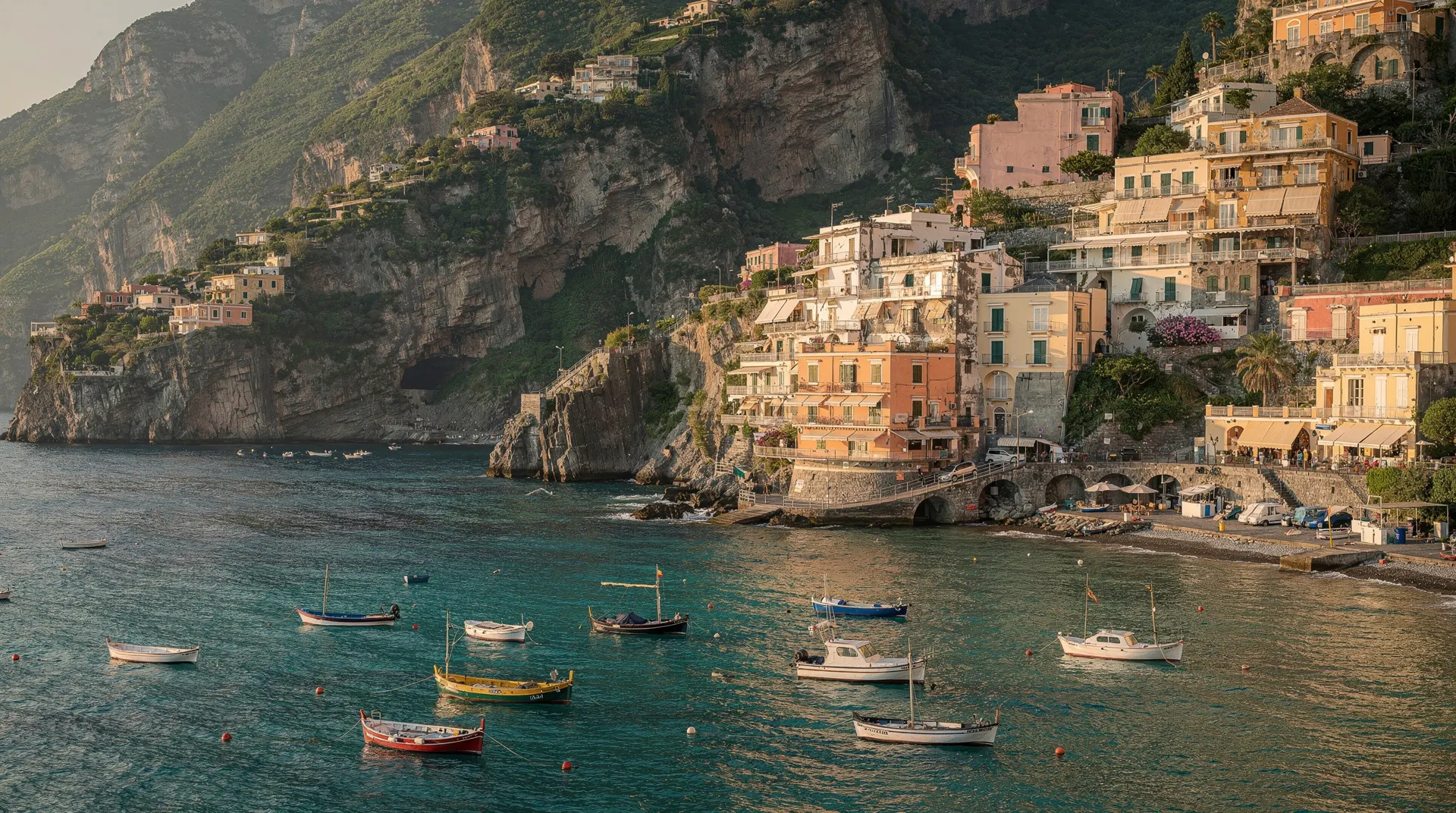
The most photographed town on the coast, and the most expensive. The village stacks up a steep hillside in pastel layers, visible from the water and from the Path of the Gods above. The main beach (Spiaggia Grande) is gravelled, fronted by lounger rentals at €25–35/day, and crowded from late morning in summer.
What makes Positano genuinely worth visiting: the view from the water (best seen from a boat), the quality of the boutique restaurants in the upper village away from the waterfront, and the atmosphere on summer evenings when the day-trippers leave and the town settles into something quieter. For a full breakdown, see Positano guide.
Amalfi town
The former maritime republic that gives the coast its name. The town centre is flat and walkable — unusual on this coast — with a cathedral (Duomo di Sant’Andrea, 9th century, free entry, exceptional Byzantine bronze doors) and a decent pedestrianised centre.
Amalfi is the most functional base: ferry connections in multiple directions, the widest spread of accommodation prices, and direct access to the Valle delle Ferriere nature reserve for walking. Less glamorous than Positano, more liveable. See Amalfi town guide.
Ravello
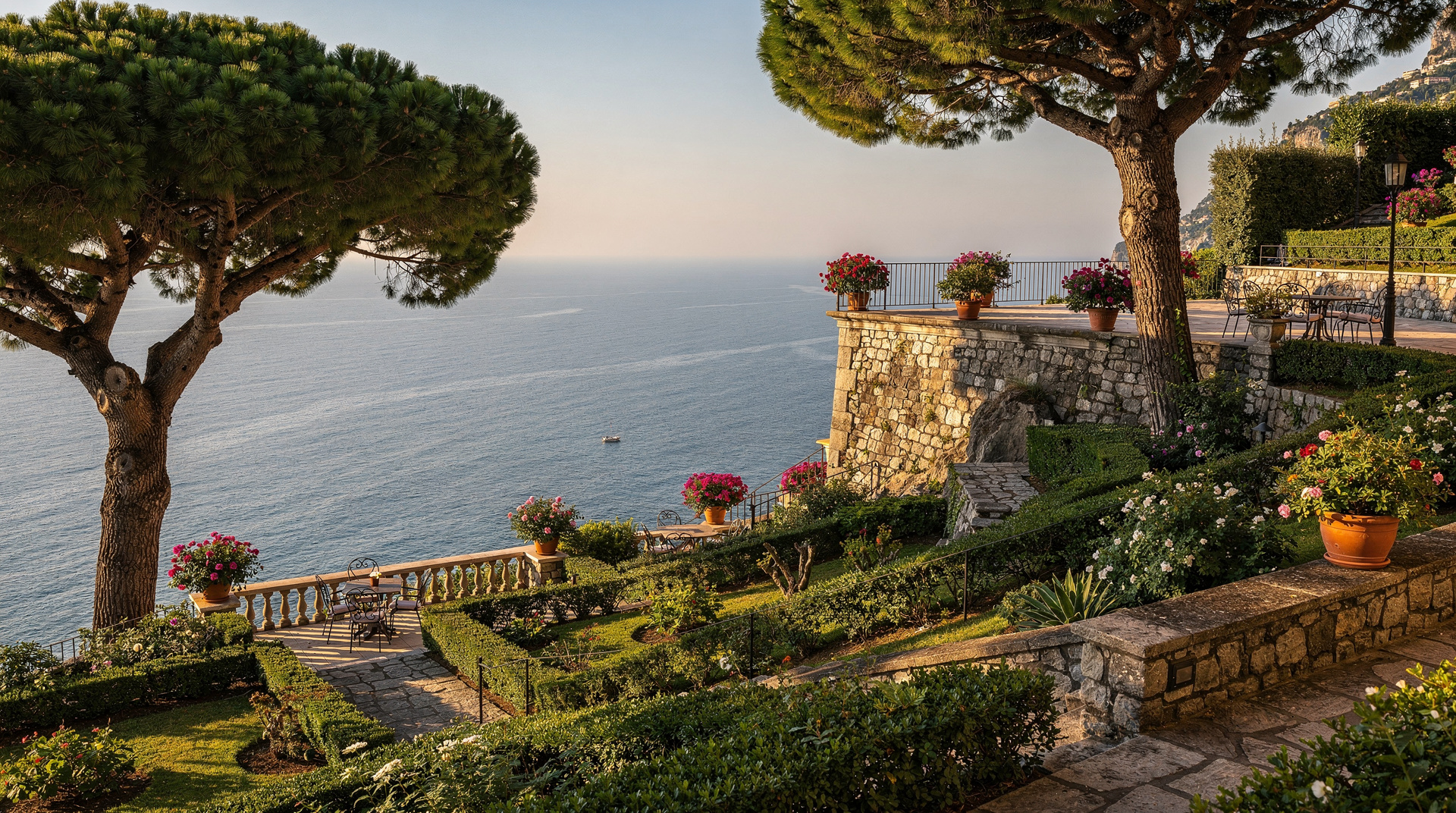
Set 350 metres above sea level with views over the entire coast, Ravello is the quietest of the three main destinations. It has two extraordinary gardens — Villa Rufolo (11th century, with an open-air concert platform used for the Ravello Festival) and Villa Cimbrone (Belle Époque garden, famous Belvedere of Infinity terrace). Entry to each is around €7–10.
Ravello is a half-day excursion from Amalfi (30-minute bus ride or 45-minute uphill walk), not typically a stand-alone destination unless you’re staying there. See Ravello guide.
Praiano
About halfway between Positano and Amalfi, Praiano sits higher on the cliff with fewer tourists and more local character. The town is split between the main road level and the small harbour (Marina di Praia) connected by a steep path. Accommodation is genuinely less expensive than Positano. The viewpoints from the main road at dawn and sunset are among the best on the coast.
Atrani, Maiori, Minori, Cetara
These eastern towns are where locals shop and eat. Atrani is the smallest town on the coast (technically a separate comune from Amalfi) with a tiny piazza, a couple of cafés, and almost no tourist infrastructure — 5 minutes by foot from Amalfi along the beach. Cetara is famous for its bottarga and colatura di alici (anchovy sauce); the seafood here is outstanding and priced for locals. Maiori has the coast’s widest beach. None of these towns appear on most day-trip itineraries, which is exactly their appeal.
For a direct side-by-side comparison of all these towns — what each suits, how long to spend, and how they combine — see the Amalfi Coast towns compared guide.
Hiking the Path of the Gods
Above Positano and Praiano runs the Sentiero degli Dei (Path of the Gods), a roughly 7.5 km trail along the cliffs between Bomerano and Nocelle with some of the best views on the coast — genuinely more dramatic than anything seen from the road. It takes 3–4 hours at a comfortable pace, is moderately strenuous (some rocky, uneven sections), and is best walked in spring or autumn when the heat isn’t punishing. The full route, logistics, and how to combine it with a coast visit are in the Path of the Gods guide — it’s one of the coast’s most rewarding half-days if you’re reasonably fit and prepared with proper shoes and water.
How to move around the coast
SITA bus: the workhorse. Blue buses, tickets from tobacco shops (tabacchi) or the driver. See Amalfi Coast bus guide.
Local ferries: run seasonally between Positano, Amalfi, Salerno, and the islands. Faster than the bus for town-to-town movement (Positano–Amalfi by ferry is 25 minutes versus 45+ minutes by bus). See Amalfi Coast by boat.
Taxi/private transfer: expensive (Positano–Amalfi by taxi around €60–80), but the only option if buses are full or if you have luggage.
Boat hire: water taxis and hired motorboats let you reach sea caves and beaches inaccessible by road. Standard hire in Positano or Amalfi: €80–150 for a 4-hour small motorboat, fuel included.
Guided Amalfi Coast tour from SorrentoWhere to stay
The choice of base affects your entire coast experience. See the detailed where to stay on the Amalfi Coast guide, but in brief:
- Positano: most glamorous, most expensive, best access to the western coast and Path of the Gods. Expect €200–400/night for decent hotels in summer.
- Amalfi town: best transport hub, most affordable for the coast, central location. Hotels from €120–250/night.
- Praiano: quietest, cheapest for the central coast, good for drivers. Hotels from €100–180/night.
- Ravello: excellent for couples, peaceful, no beach access. Hotels from €150–350/night.
- Sorrento: technically not on the Amalfi Coast but the best transport hub for the region — trains to Naples and Pompeii, ferries to Capri. Lower prices, wider choice. Good base for day-tripping the entire coast.
What it costs
SITA bus: €2.20–€3.20 per journey.
Ferry Naples–Positano: approximately €25 each way.
Guided day trip from Naples: €60–120 per person depending on group size and what’s included.
Restaurant meals: a proper lunch at a waterfront restaurant in Positano runs €25–45/person without wine. The same quality meal a street back costs €15–25. Cetara and Maiori: €12–20. A granita at a bar: €3–4.
Lounger rental at main beaches: €20–35/day. The free-access gravel at the edge of each beach is limited — arrive before 10:00 if you don’t want to pay.
Boat tours: see Amalfi Coast by boat and best boat tours.
A realistic daily budget: for a mid-range traveller staying overnight on the coast, expect roughly €100–180/person/day covering accommodation, two meals, local transport, and one paid attraction (a villa garden, a museum, a boat trip). Budget travellers staying in Praiano or Maiori and eating away from the waterfront can bring this down toward €70–100/day. Positano-based trips with waterfront dining regularly exceed €200/day per person.
The tourist traps to know about
Limoncello sold as “artisanal”: most of the prettily bottled limoncello sold at coastal shops is produced industrially. Genuine small-batch limoncello from local lemons exists but requires asking specifically who makes it.
Parking scams: in some towns, unofficial attendants direct you to “private” parking that turns out to be the side of a road. Pay only at official car parks with receipts.
Seafood restaurant pricing: menus near the ferry landing in Amalfi and on the main drag in Positano add a coperto (cover charge, €3–5/person) on top of already elevated prices. Check the menu posted at the entrance before sitting down.
“Ferry to Capri” tout operators: at most ferry docks, boat charter touts approach arrivals with printed price lists. These prices are almost always higher than booking directly at the ticket booth. See Capri boat tour guide for real costs.
Combining the coast with a day trip elsewhere
Many visitors base themselves on the Amalfi Coast and use it as a springboard for other Campania highlights rather than treating it as a single-purpose stop. Pompeii and Herculaneum are both reachable in under an hour from Sorrento or the western coast towns, and Capri is a short ferry hop from Positano or Amalfi in season. If your trip includes both the coast and the archaeological sites, sequencing matters — see best day trips from Naples for how to combine them without an exhausting itinerary. For a longer, structured combination of Naples, Pompeii and the coast, the Naples and Amalfi Coast 5-day itinerary lays out a realistic day-by-day plan.
Practical details
ATMs: available in Amalfi town and Positano (queue in summer). Limited in smaller towns — carry cash.
Mobile signal: reasonable on the main road; patchy in the Valle delle Ferriere and some hiking trails.
Medical: nearest hospitals are in Salerno (A+E) and Sorrento. Pharmacies in Amalfi and Positano.
Luggage storage: limited. Sorrento has several storage services near the station. Most Amalfi Coast hotels will hold luggage after checkout.
Stairs: Positano in particular involves hundreds of stairs between the road, the beach, and the upper town. If walking on uneven steep terrain is difficult, stick to Amalfi town or Ravello where terrain is more manageable.
Language: Italian is standard, but English is widely spoken in tourist-facing businesses along the coast. A few polite Italian phrases (buongiorno, per favore, grazie) go a long way with local shopkeepers away from the main tourist strips.
Water: tap water is safe to drink throughout the coast. Refilling a bottle rather than buying plastic is common practice and appreciated locally — many towns have public fountains.
What to pack: comfortable shoes with grip (cobblestones and stairs everywhere), a light layer for boat trips and evenings, sun protection, and a swimsuit even for a day trip — spontaneous swimming opportunities come up constantly. Leave the wheeled suitcase behind if you’re moving between towns; a backpack is far more practical on stairs and crowded buses.
Frequently asked questions about the Amalfi Coast
Do I need to book the SITA bus in advance?
No. SITA buses run without booking — tickets are purchased at tabacchi shops before boarding or directly from the driver (slightly more expensive). In summer the buses are packed from mid-morning; for a guaranteed seat, take the first buses of the day (before 9:00) or the last (after 19:00).
Is the Amalfi Coast safe for solo travellers?
Yes. The coast is broadly safe. The main risk is pickpocketing in crowded buses and at ferry terminals — the same vigilance as any Italian tourist destination. Solo travellers will find the coast very sociable in shoulder season, with plenty of shared boat tours and walking trails; peak summer is busier but no less safe.
Can I do the Amalfi Coast with children?
Possible but requires planning. The SITA buses are difficult with pushchairs. The main beaches are gravel (not sand). Positano involves many stairs. More practical: a guided tour with a private van, or staying in Amalfi town where the flat waterfront makes movement easier.
Is there a tourist pass for the coast?
No single combined pass. The Campania ArteCard covers some cultural sites and Naples transport but not Amalfi Coast attractions. Boat multi-stop tickets are available at ferry kiosks in each town — cheaper than buying individual legs.
What should I do for one day on the Amalfi Coast?
From Naples: start with Positano (arrive by ferry or bus before 10:00), walk around the upper town, have lunch, then take the local ferry east to Amalfi (25 minutes). Visit the Duomo, walk through the centro, then take the direct bus back to Sorrento or a ferry directly back to Naples. This covers the two most distinct towns without rushing. See Amalfi Coast from Naples.
Is the Emerald Grotto (Grotta dello Smeraldo) worth visiting?
It’s the Amalfi Coast’s answer to Capri’s Blue Grotto — a sea cave with emerald-lit water, accessible by boat or by lift from the SS163 near Conca dei Marini. Entry is €6. The experience lasts about 15–20 minutes in a rowboat. The grotto is genuine and the colour striking, but it’s crowded and the visit is brief. Worth the stop if you’re passing; not worth a dedicated detour.
Frequently asked questions about Amalfi Coast guide: everything you need to plan your trip
What is the best time to visit the Amalfi Coast?
How do I get to the Amalfi Coast from Naples?
Is it worth hiring a car on the Amalfi Coast?
Which Amalfi Coast town should I stay in?
How long do I need on the Amalfi Coast?
What is the SS163 plate-alternation rule?
Are there budget options on the Amalfi Coast?
Top experiences
Bookable activities with verified prices and instant confirmation on GetYourGuide.