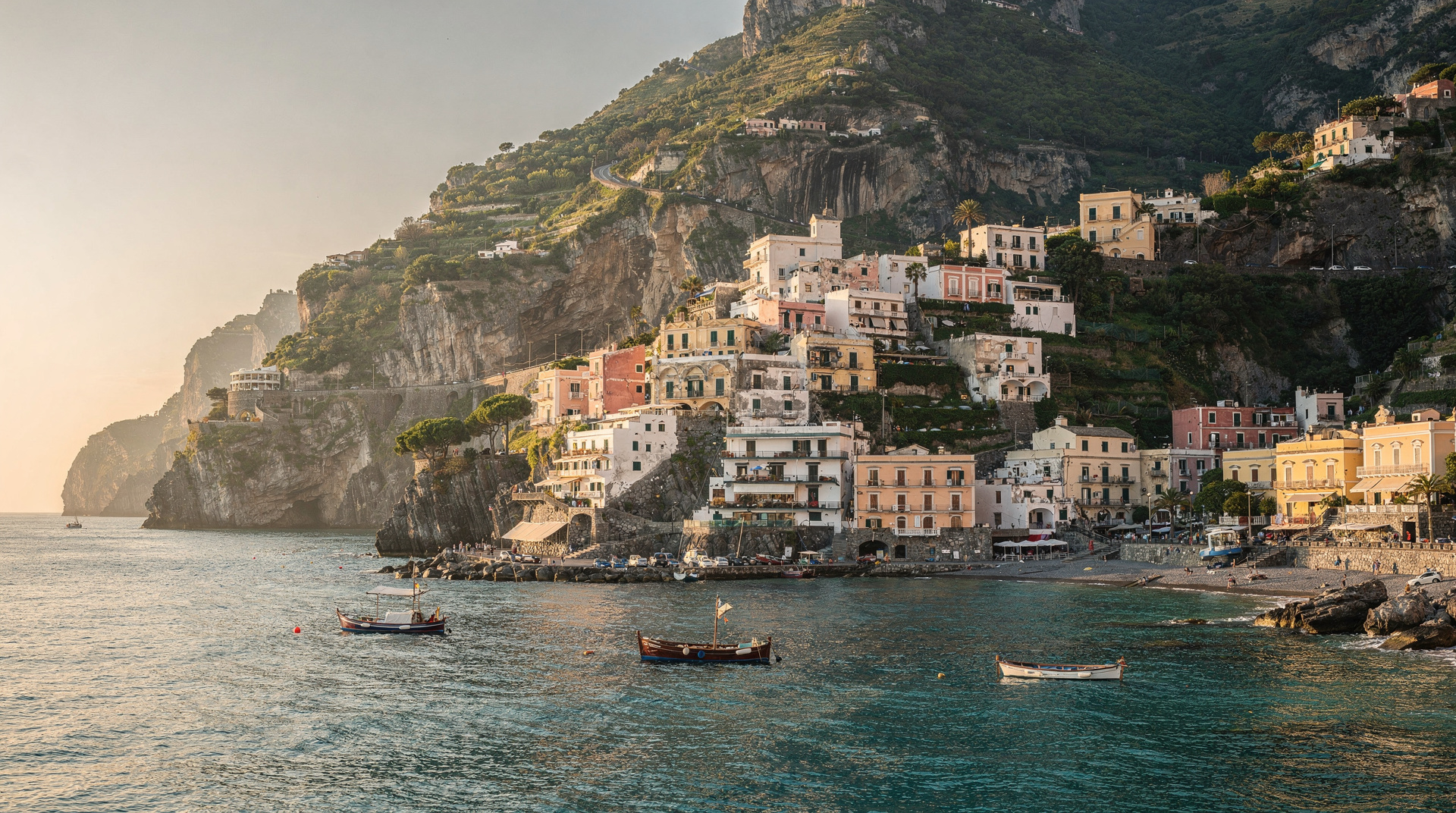
Amalfi Coast from Naples: the best ways to get there for a day trip
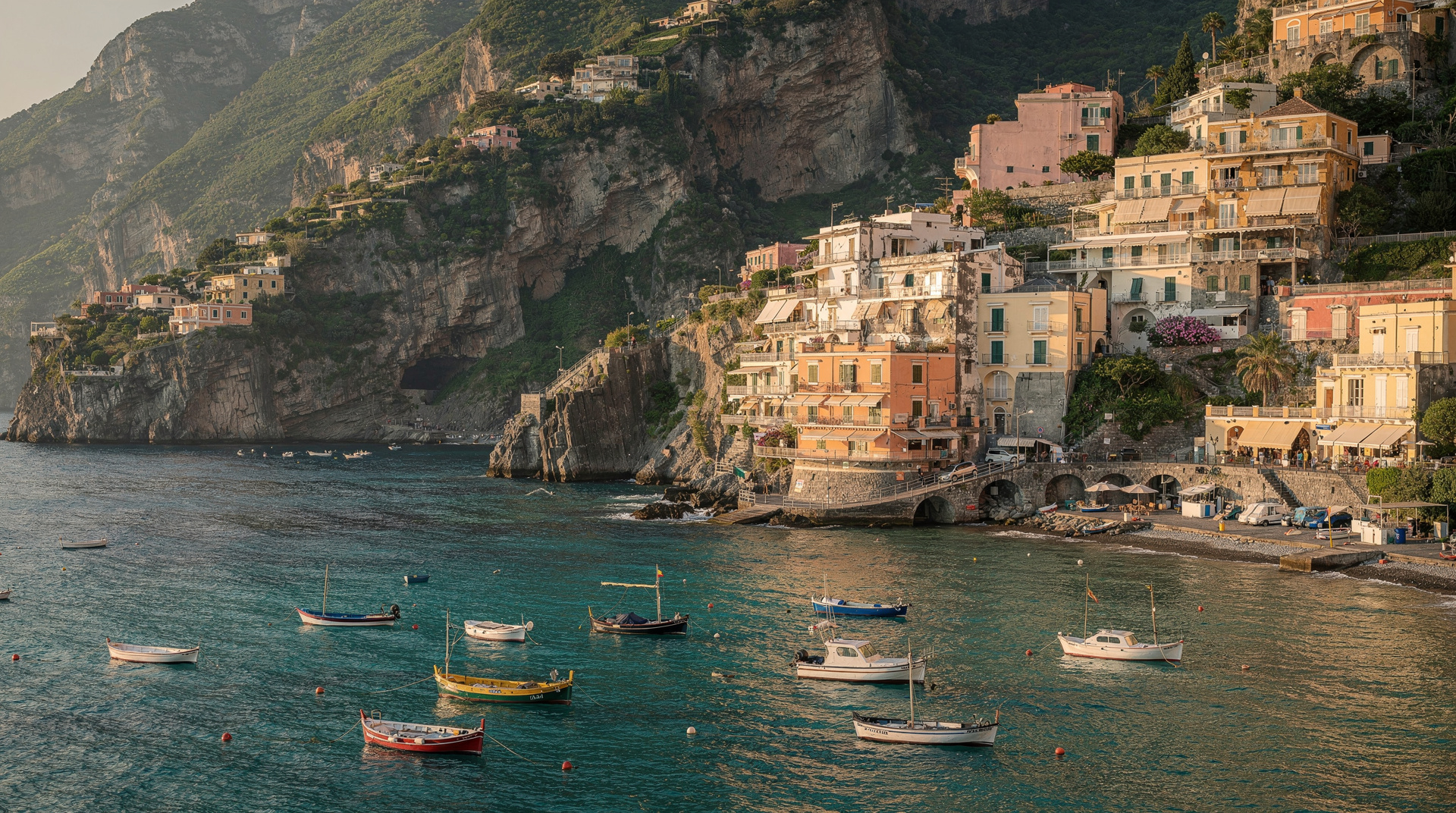
Naples: Amalfi Coast by Sea Day Trip
Duration: 9h
How do I get to the Amalfi Coast from Naples for a day trip?
Three main options: (1) Circumvesuviana to Sorrento + SITA bus (total ~2.5h, ~€6 one-way). (2) Ferry from Beverello port to Positano/Amalfi (~70–90 min, ~€25–30, seasonal). (3) Guided day trip with transport included (~€65–120/person). The ferry is most scenic; the bus is cheapest; the guided tour is least stressful.
| Distance | ~55 km (deceptively short on a map) |
| Journey time | 1.5–3 hours each way, method-dependent |
| Cheapest option | Circumvesuviana + SITA bus, ~€6–7.40 one-way |
| Fastest/most scenic | Ferry from Molo Beverello, seasonal |
| Best time | Depart Naples by 7:30–8:00 |
Setting realistic expectations for a day trip
The Amalfi Coast is about 55 km of driving from Naples city centre — but this is deceptive. The SS163 coastal road, which is the only road along the coast itself, is narrow, slow, and extremely congested in summer. The practical journey time from Naples to Positano is 2–3 hours depending on the method and season. This means a “day trip” to the coast from Naples is a substantial commitment of travel time — roughly 4–6 hours in transit for a full-day visit.
It is absolutely worth doing. But plan for a long day: leave Naples by 7:30–8:00 at the latest to arrive at the coast by 10:00–10:30, and plan to return in the early evening.
Option 1: Circumvesuviana + SITA bus (cheapest)
Route: Naples Garibaldi (lower level) → Sorrento by Circumvesuviana → SITA bus along the coast.
Cost: Circumvesuviana €4.20 + SITA bus €2.20–3.20 = approximately €6–7.40 each way.
Journey time to Positano: 70 minutes (Garibaldi to Sorrento) + 45–60 minutes (Sorrento to Positano) = approximately 2–2.5 hours.
Journey time to Amalfi: Same train + 90–100 minutes bus = approximately 2.5–3 hours.
Pros: Cheapest option by far. Runs in all seasons (SITA frequency reduces in winter). The Circumvesuviana passes through Herculanum — combine with an early stop if you want to see the ruins.
Cons: The Circumvesuviana is often late, crowded, and without air conditioning. See Circumvesuviana guide for the full picture. SITA buses in summer are equally crowded and warm. Large luggage is impractical.
Pickpocket note: The Circumvesuviana is a known pickpocket route. Keep valuables in a front pocket or waist bag, especially at Napoli Garibaldi and Piazza Garibaldi stations. See Amalfi Coast bus guide for SITA specifics.
Option 2: Ferry from Molo Beverello (most scenic)
Route: Naples Molo Beverello (ferry port) → Positano or Amalfi directly.
Cost: Approximately €25–30 each way to Positano; €28–35 to Amalfi.
Journey time: Positano: approximately 60–75 minutes. Amalfi: approximately 85–95 minutes.
Operators: Alilauro, NLG (Navigazione Libera del Golfo), MetrodelMare, and SNAV. Schedules vary by season — confirm current timetables at the port or via operator websites.
Seasonality: Ferries to Positano and Amalfi run April through October. Winter service is extremely reduced or suspended entirely. In rough weather (tramontana wind), services cancel with no advance notice.
How to reach Molo Beverello from Naples: The port is about 1.5 km from Piazza Municipio. Metro Line 1 to Municipio, then a 15-minute walk. Taxi: approximately €8–12 from the centre. See ferries from Naples and Beverello vs Porta di Massa.
Book in advance: In July–August, the popular Naples–Positano ferries sell out, especially the first morning departures. Buy tickets online 1–2 days before.
Amalfi Coast by sea from NaplesOption 3: Guided tour (least stressful)
Guided day trips from Naples to the Amalfi Coast range from large-group bus tours (€40–65/person) to small-group minivan tours (€80–120/person) to fully private tours (€250–400 for a vehicle of 4–6 people).
What you get: Transportation to/from Naples, a guide with context on each town, typically 2–3 stops (usually Positano, Amalfi, and Ravello), entry to viewpoints and stops that self-guided transport doesn’t reach, and no logistics to manage.
What you don’t get: flexibility on timing, the ability to linger at a single location, and the opportunity to eat at restaurants of your own choosing (most tours have “suggestions” that may have commercial relationships with the guide).
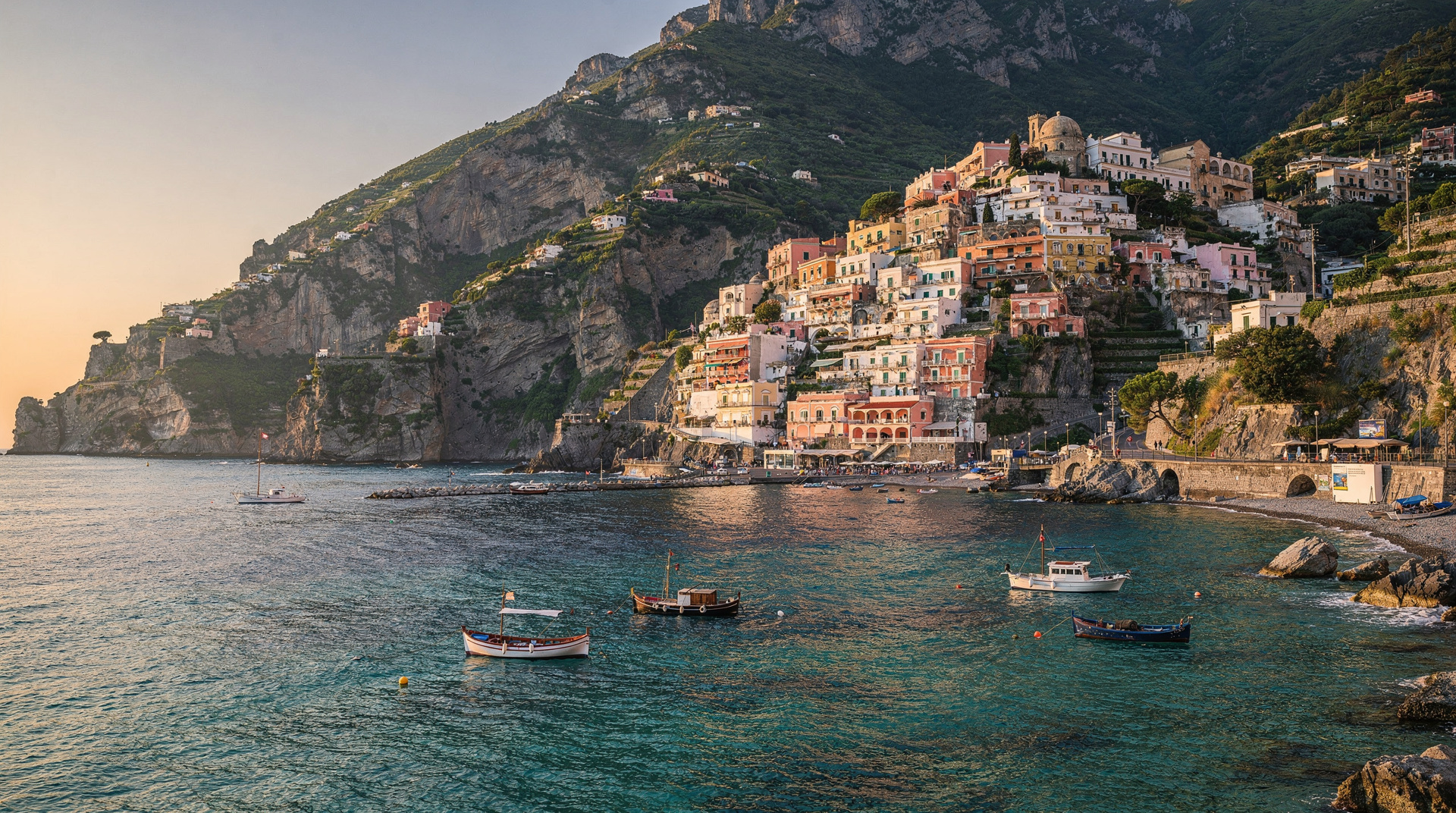
Small-group Amalfi Coast day trip from NaplesChoosing a tour: Small-group (8–12 people maximum) is significantly better than large-group bus tours for the coast. A minivan can stop at narrow viewpoints that coaches can’t reach. Ask specifically: how many stops, what are the free exploration times, and whether Ravello is included or optional.
Option 4: Hire car
Route: Naples → A3 motorway → Vietri sul Mare exit → SS163 west along the coast.
Cost: Hire car approximately €30–60/day; fuel €8–15 for the drive; parking €5–10/day at designated areas.
Journey time (low season, early morning): Approximately 1.5 hours from Naples to Amalfi or Positano.
Practical reality in summer: The plate-alternation rule on the SS163 (even/odd plates, 10:00–18:00) may prevent you driving the road on certain days. Traffic adds significantly to journey times. Parking is limited in all coast towns. See driving the Amalfi Coast for the full picture.
Best case for driving: Early morning arrival (before 9:00), spring or autumn, compact automatic car.
Which option actually suits you
If cost is the deciding factor, Option 1 wins outright — nothing else comes close on price. If this is your only visit to the coast and you want the postcard first impression, Option 2 (the ferry) is worth the extra €20–25 for the approach to Positano from the water alone; the full picture of what a boat perspective adds is in the Amalfi Coast by boat guide. If you are travelling with people who get anxious about missing connections, or simply want zero logistics to manage, Option 3 removes that stress entirely. Option 4 only makes sense outside July–August, or if you are continuing beyond the coast rather than returning to Naples the same day.
For the full picture of what each coast town actually offers once you arrive, see the Amalfi Coast guide and the town-by-town comparison — worth reading before you commit to an itinerary, since not every town suits every traveller equally.
Before you go: what to settle the night before
A day on the coast goes smoothly or badly largely because of decisions made the evening before. Check the weather and the sea conditions, because ferries are the first thing to be cancelled when the wind turns, and have the bus-and-train route in your head as a fallback. Pack light: a small bag, sun protection, a refillable bottle, and shoes that cope with steep stairs and polished stone. If you are staying near Garibaldi, the walk to the Circumvesuviana is short; if you are staying in the historic centre, the notes in the Naples getting-around guide will help you pick between metro, taxi and walking to the port. Travellers still choosing a base can compare options in where to stay in Naples and best areas to stay in Naples, since a hotel close to the port or the station shortens an already long morning.
It also helps to decide, before you leave, what you actually want from the day. Some people want the famous postcard view and a long lunch; others want to see three towns in quick succession. The coast rewards the first approach far more than the second. Trying to fit Positano, Amalfi and Ravello into a single day on public transport is possible, but it leaves little room for sitting down. If you have strong feelings about one town, read the Positano guide or the Ravello guide first and build the day around that place.
Choosing between Sorrento and Naples as your starting point
Many visitors discover too late that the coast is easier from the other side of the bay. Sorrento sits at the western end of the road and the buses leave from there. If your plans for the week are mostly about the coast and the islands, the comparison in Naples vs Sorrento as a base and the longer piece on Sorrento as a base are worth reading before you book accommodation. If you stay in Naples, the coast is a demanding day trip; if you stay in Sorrento, it is a shorter hop, but you give up the museums, the food and the evenings in the city. For a fuller view of the town itself, see the Sorrento guide and getting to Sorrento.
Combining the coast with other day trips
The coast is one of several excursions out of Naples, and it rarely works well when stacked with another on the same day. Pompeii, Vesuvius and the islands each need their own early start. If you are weighing them against each other, the best day trips from Naples and the day trips compared pages lay out the trade-offs, and the Amalfi Coast day trip guide goes deeper on the day itself. Anyone tempted by the islands as an alternative should look at Capri from Naples versus Sorrento before deciding. Those with a few more days can spread things out using the Naples and Amalfi Coast itinerary or the Sorrento base itinerary.
Timing, crowds and the season you travel in
The experience changes a great deal with the calendar. In high summer the road, the buses and the lanes of every town are at their fullest, and the heat makes long queues harder to bear. Spring and early autumn are kinder, and the light is often better for photographs. For a wider look at when to go, see the best time to visit Naples and the blog piece on the Amalfi Coast in shoulder season. Anyone worried about the real price of a day out can read the real cost of the Amalfi Coast for a frank account from a traveller who did it.
Optimal one-day itinerary from Naples
This itinerary uses the ferry for the outward journey and the bus for the return, giving you both perspectives:
07:30 — Leave Naples. Walk or metro to Molo Beverello port.
08:00–09:00 — Ferry check-in, depart for Positano.
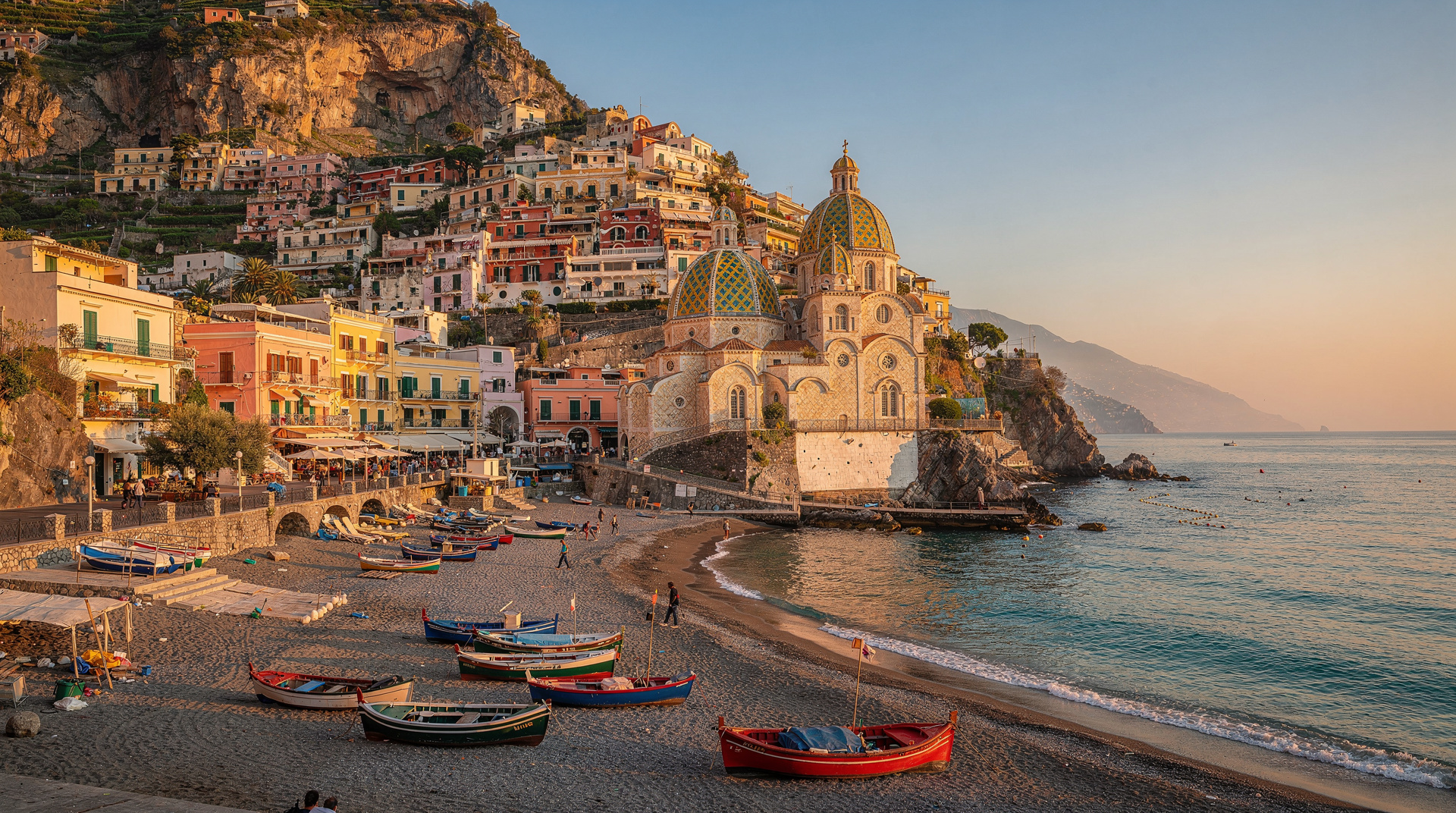
09:30–10:00 — Arrive Positano by ferry. Walk the lower town, church of Santa Maria Assunta, find a bar for a cornetto and coffee (avoid the beach-front prices — the bar on Via Pasitea is cheaper).
10:00–12:30 — Explore the upper village, Spiaggia Grande (brief stop), and the area around the ferry dock.
12:30 — Catch the local ferry east to Amalfi (25 minutes).
13:00–16:00 — Amalfi: Duomo and Cloister of Paradise (1 hour), lunch at a restaurant on Via Fra’ Gerardo Sasso rather than Piazza Duomo (better value), walk the town centre and the Arsenale.
16:00 — Optional: SITA bus to Ravello (30 min up, 30 min back) or catch a water taxi to Santa Croce cove for a late-afternoon swim.
18:00–18:30 — Catch SITA bus from Amalfi toward Sorrento. Connection at Sorrento to Circumvesuviana.
20:30–21:00 — Back in Naples.
Adapting the itinerary
None of this is fixed. If the ferry is cancelled, take the train and bus and drop one of the two towns; a calm day in one place beats a rushed day in two. If you would rather see the coast from the water for the whole trip, the Amalfi Coast by boat guide covers that approach. Walkers can consider the Path of the Gods, though it is a different kind of day and does not combine well with this schedule. Those who prefer a single, relaxed base can read the where to stay on the Amalfi Coast page and the Amalfi Coast vs Sorrento comparison, or look at the blog’s one perfect day in Amalfi for a personal version of the route. The Positano or Sorrento base debate is also covered there for anyone undecided.
What this day actually costs
| Item | Cost |
|---|---|
| Ferry Naples → Positano | €25–28 |
| Ferry Positano → Amalfi | €10–15 |
| SITA bus Amalfi → Sorrento | €3.20 |
| Circumvesuviana Sorrento → Naples | €4.20 |
| Coffee + cornetto x2 | €4–6 |
| Lunch (not on waterfront) | €20–30 |
| Duomo complex entry | €3 |
| Water + snacks | €5–8 |
| Total | ~€75–95 |
A guided small-group tour for the same itinerary: approximately €80–100 per person, but without the individual flexibility.
If you’d rather stay overnight instead
Nothing about a day trip is wrong, but it is worth being honest that a single day gives you Positano and Amalfi at their most crowded hours and none of the coast’s quieter moments — early morning light, empty piazzas, a swim without a beach club queue. If your schedule has any flexibility at all, even one night in Amalfi town transforms the experience: you arrive on the late-afternoon ferry when day-trippers are leaving, and leave the next morning before the crowds return. The Naples and Amalfi Coast itinerary builds a longer trip around exactly this trade-off.
Frequently asked questions about the Amalfi Coast from Naples
How early should I leave Naples for the Amalfi Coast?
For a full day: leave by 7:30–8:00. This gets you to Positano by 10:00–10:30, which is before the day-tripper peak arrives. Leaving at 9:30 means arriving at 12:00, at which point crowds are maximum and the best positions on any beach or viewpoint are gone.
Can I do the Amalfi Coast as a day trip from Rome?
Technically yes, but it is a very long day. Rome to Naples by Frecciarossa: 1h10 minutes. Naples to coast: 2–3 hours. This leaves roughly 3–4 hours on the coast before the journey back. More realistic: overnight in Naples and do the coast the following day.
Is the Amalfi Coast worth a day trip from Naples?
Yes — if you understand what the day involves. It is a long travel day for a few hours on the coast, but the scenery is genuinely among the most beautiful in Italy and is not easily replicated elsewhere. If you have two days, base yourself in Sorrento or Amalfi for a more relaxed experience. See Naples and Amalfi Coast 5-day itinerary.
What is the last ferry or bus back to Naples from the coast?
Last ferry from Amalfi to Naples: typically around 17:00–18:00 in season (check current operator timetables). Last SITA bus from Amalfi to Sorrento: approximately 22:00–22:30. Last Circumvesuviana from Sorrento to Naples: approximately 22:30–23:00. If you miss the ferry, the bus to Sorrento and then the Circumvesuviana is always an option.
Top experiences
Bookable activities with verified prices and instant confirmation on GetYourGuide.