Best day trips from Naples
Pompeii & Vesuvius: Full-Day Tour from Naples
What are the best day trips from Naples?
Pompeii (30 min by train, €18 entry) and Herculaneum are the most rewarding cultural day trips. Capri is the most scenic island escape (45 min by ferry). The Amalfi Coast suits those who want coastal views. Caserta and Paestum work for less-visited UNESCO sites. Most are comfortably done without a car.
Bottom line: Pompeii (30 min, €18) and Herculaneum are the most rewarding cultural day trips. Capri is the most spectacular island escape. The Amalfi Coast is best handled by organised transport. All are easily reached from central Naples without a car.
| Best first-timer pick | Pompeii or Herculaneum — closest, cheapest, no logistics headache |
| Best scenery | Capri or the Amalfi Coast |
| Least crowded | Caserta, Paestum, or Campi Flegrei |
| Best value pass | Campania ArteCard, around €34 for 7 days |
| Realistic pace | 3–4 day trips per week alongside 2 days in Naples itself |
| Book ahead in Jul–Aug | Capri ferries and Amalfi Coast tours, several days ahead |
How to pick the right day trip
Naples sits at the centre of one of the most concentrated collections of day-trip destinations in Europe. Within 30–90 minutes you can reach a UNESCO Roman city, a live volcano crater, three islands, a Bourbon royal palace, ancient Greek temples, and one of the most photographed coastlines on the planet.
The problem is not shortage of choice — it is sequencing. Most visitors arriving for 5–7 days try to do everything and end up rushing each place. This guide is honest about what takes how long, what is genuinely unmissable versus what makes a fine half-day if you happen to have time.
Know your travel time before committing
| Destination | Distance | Train/Ferry | Drive |
|---|---|---|---|
| Pompeii | 25 km SE | 30 min (Circumvesuviana) | 40 min (traffic) |
| Herculaneum | 10 km SE | 18 min (Circumvesuviana) | 25 min |
| Mount Vesuvius | 15 km SE | Train to Pompeii + shuttle | — |
| Sorrento | 50 km SE | 75 min (Circumvesuviana) | 60 min |
| Capri | 30 km SW | 45–50 min (ferry) | no road |
| Ischia | 35 km SW | 50 min (hydrofoil) | no road |
| Procida | 35 km SW | 35 min (ferry) | no road |
| Amalfi Coast | 70 km SE | 2 h (bus via Sorrento) | 1.5 h |
| Caserta | 30 km N | 40 min (regional train) | 45 min |
| Paestum | 100 km SE | 1.5 h (train) | 1.5 h |
| Campi Flegrei | 8 km W | 30 min (metro) | 20 min |
Pompeii — the essential first choice
Pompeii + Vesuvius full dayPompeii is the most visited site in the Naples region for good reason. Walking streets frozen in 79 AD — with intact bakeries, election graffiti, and plaster casts of residents — is a genuinely affecting experience that photographs cannot prepare you for.
How to get there independently: Take the Circumvesuviana from Napoli Centrale (lower level, Garibaldi) toward Sorrento and get off at Pompeii Scavi – Villa dei Misteri. Journey: ~30 minutes. Tickets: ~3.30 € one way. Trains run every 30 minutes from around 6:30.
Entry: €18 adults (as of 2026, book online at pompeii.ticketone.it to avoid the morning queue). The site opens at 09:00 and closes at 19:00 in summer, 17:00 in winter. Last entry 90 minutes before closing. Allow at least 3 hours; 4–5 is better.
Honest summer warning: Pompeii has almost no shade. In July and August, the midday heat is brutal — temperatures regularly exceed 36 °C on the paving stones. Arrive at opening or plan to leave by noon. Bring a 1.5 L water bottle and a hat; the on-site vendors charge €3–4 per small bottle.
What to see: The Forum, House of the Faun, Villa of the Mysteries, the thermal baths (Stabian and Forum), the plaster casts in the Garden of the Fugitives, and the Lupanare (brothel). The new Regio V excavations — still partially open — reveal extraordinary preserved street food bars.
Combining Pompeii with Vesuvius in one day is popular and achievable. See the Vesuvius day trip guide for logistics.
Herculaneum — smaller, better preserved, less crowded
Many archaeologists consider Herculaneum more impressive than Pompeii site for site. The volcanic mudflow preserved organic materials — wooden furniture, painted walls in vivid colour, food in jars — that Pompeii’s ash cloud destroyed. The site is also compact: 2 hours is enough.
How to get there: Circumvesuviana toward Sorrento, stop at Ercolano Scavi. 18 minutes from Napoli Centrale, ~2.60 € one way.
Entry: €13 adults, or €22 combined with Pompeii. The combined ticket is valid 3 days across both sites and Boscoreale. Buy online. Opening hours match Pompeii.
For a full comparison, see the Herculaneum vs Pompeii guide.
Capri — the most glamorous island
Capri day trip from NaplesCapri is undeniably beautiful and equally undeniably crowded from late June through August. The island’s population is around 14,000; it receives 2 million visitors a year, mostly concentrated in summer months.
Ferries from Molo Beverello: Alilauro, SNAV, and Caremar run hydrofoils (aliscafi) roughly every 30–60 minutes in high season. Journey: 45–50 minutes. Return ticket: approximately €22–28 depending on operator. Book outbound in advance in July–August — boats sell out.
Key logistics:
- Arrive in Capri Town (Marina Grande) and take the funicular to Capri piazzetta (€2.20 each way).
- Anacapri is a 20-minute bus ride from Capri Town (€2). The Monte Solaro chairlift (€14 up, €11 up+down) gives 360° views.
- Blue Grotto entry (separate, €14 for rowing boat + €4 admission) is tidal-dependent — it closes when waves exceed 40 cm. Skip it in rough weather or if you are queuing more than 45 minutes.
- Avoid taking a car to Capri — there are none. Taxis from the port are electric and expensive (€20+ for short trips).
Full logistics in the Capri day trip guide.
Amalfi Coast — best handled by organised transport
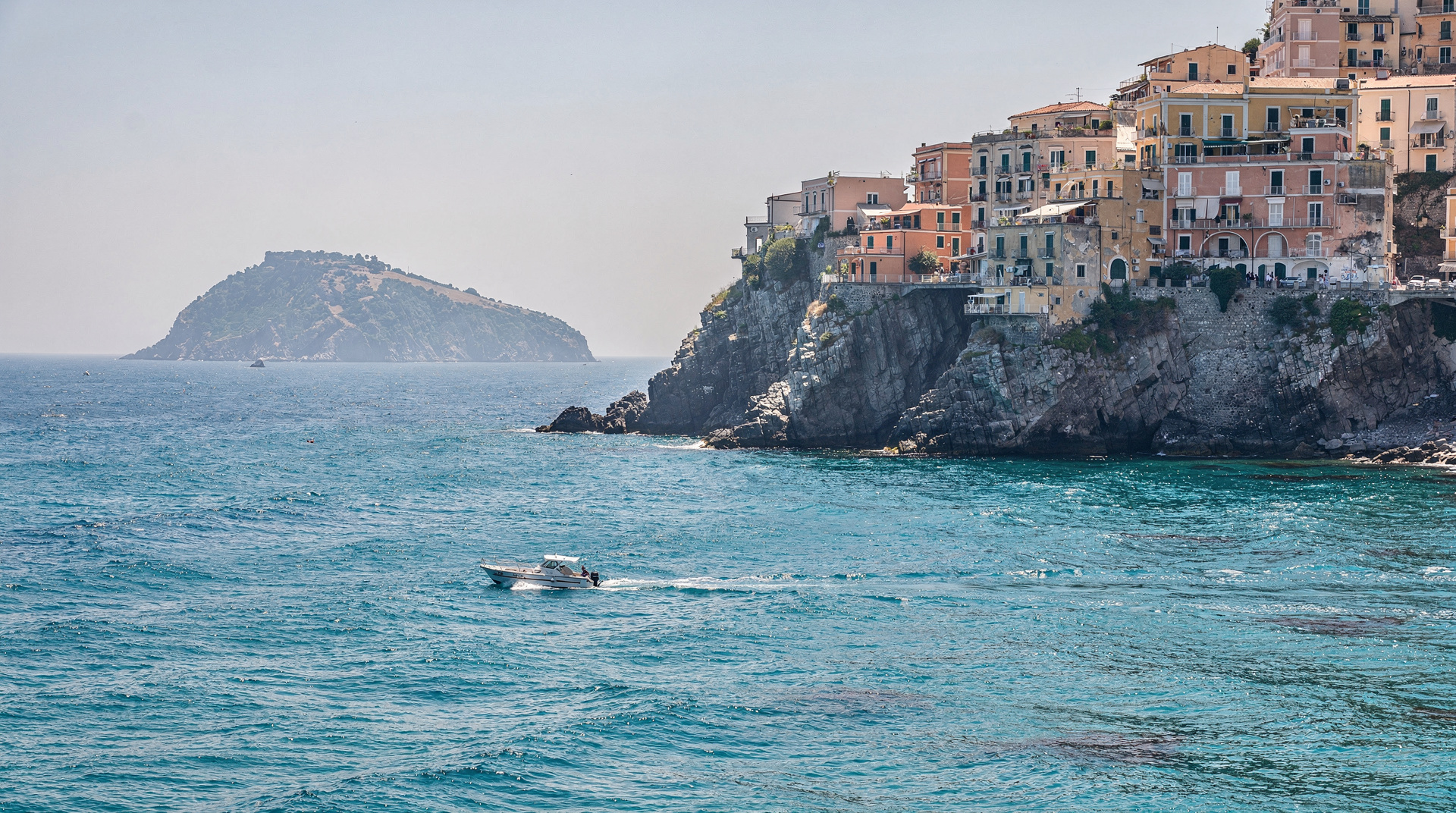
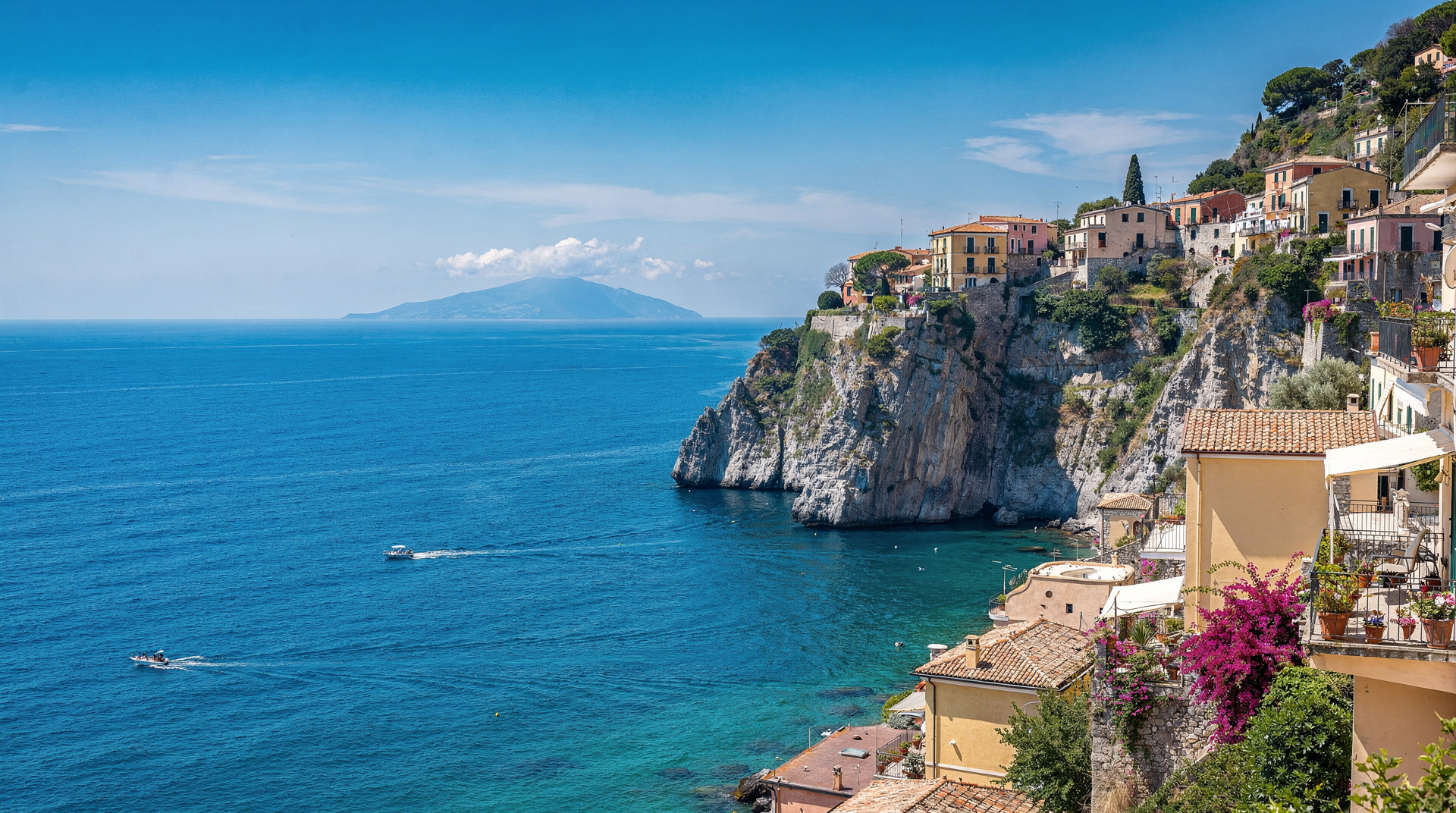
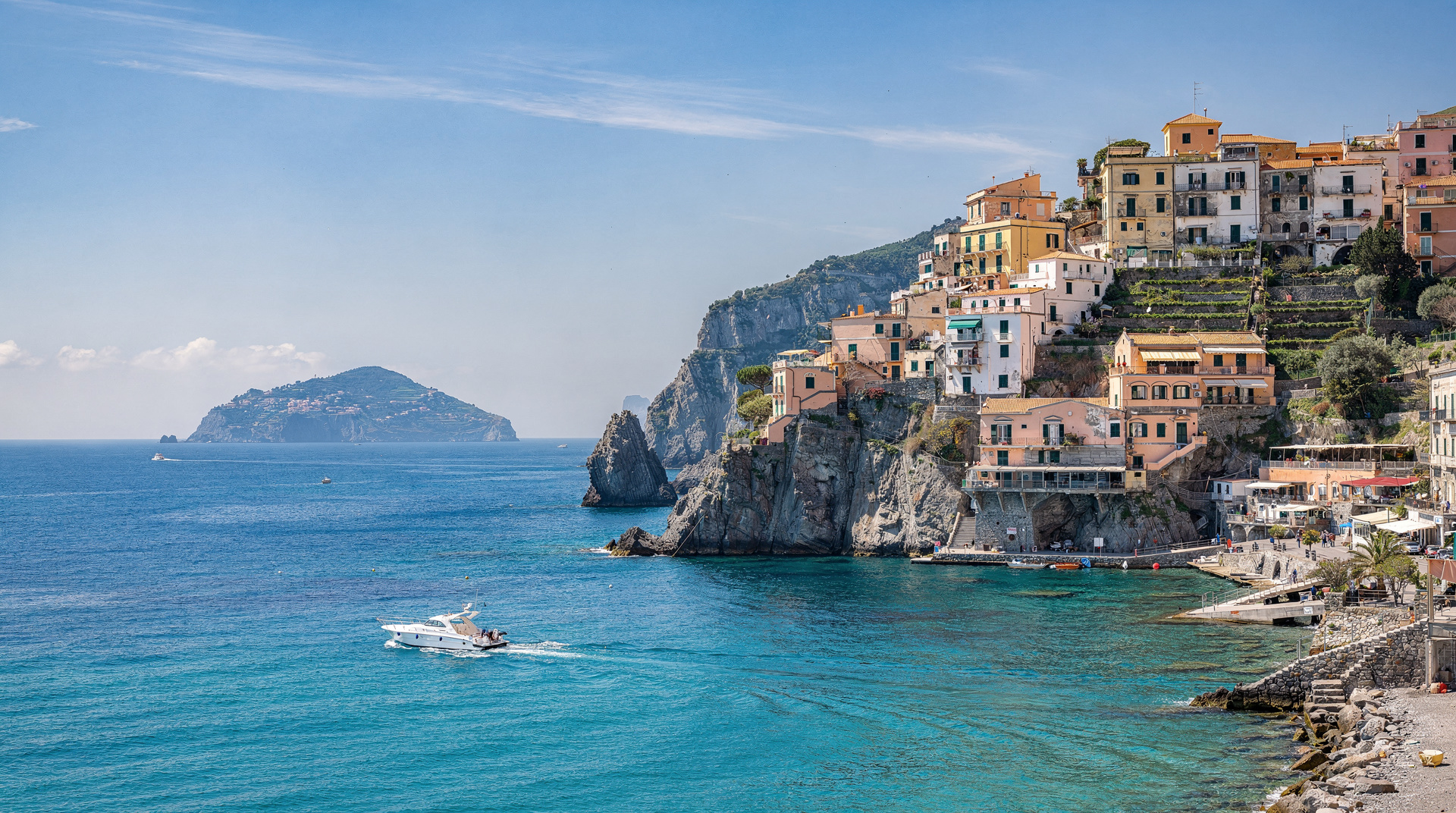
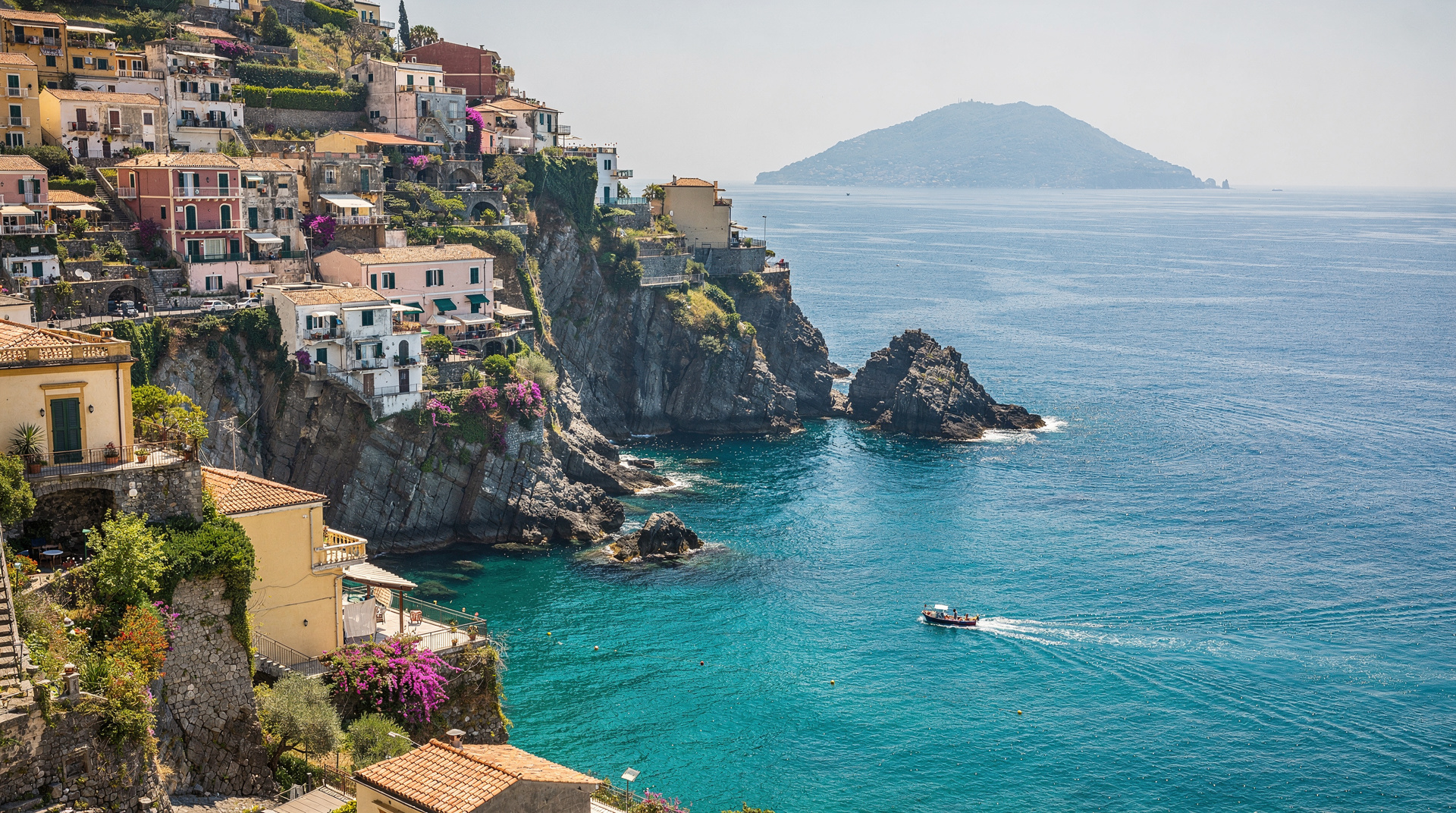
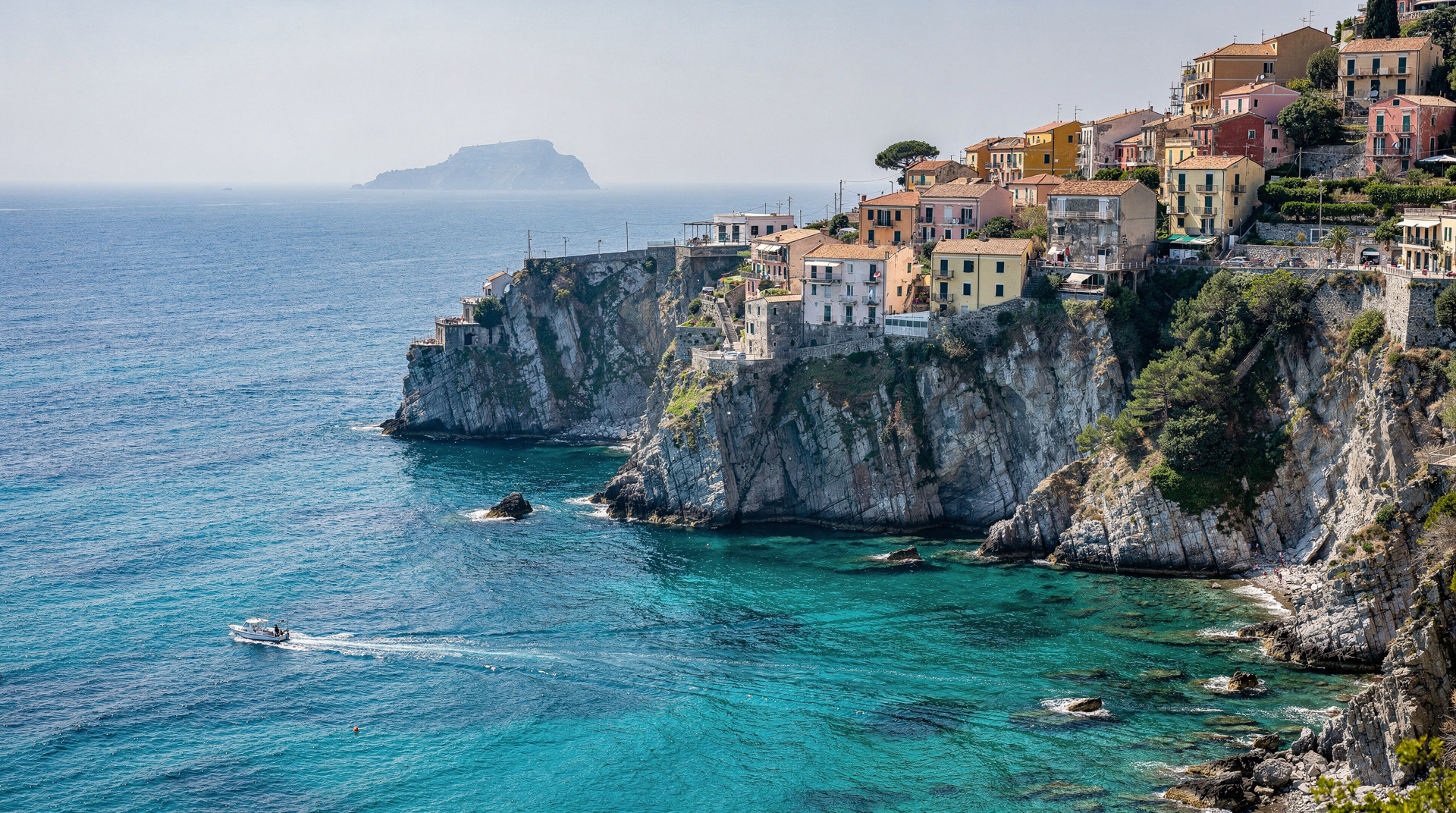
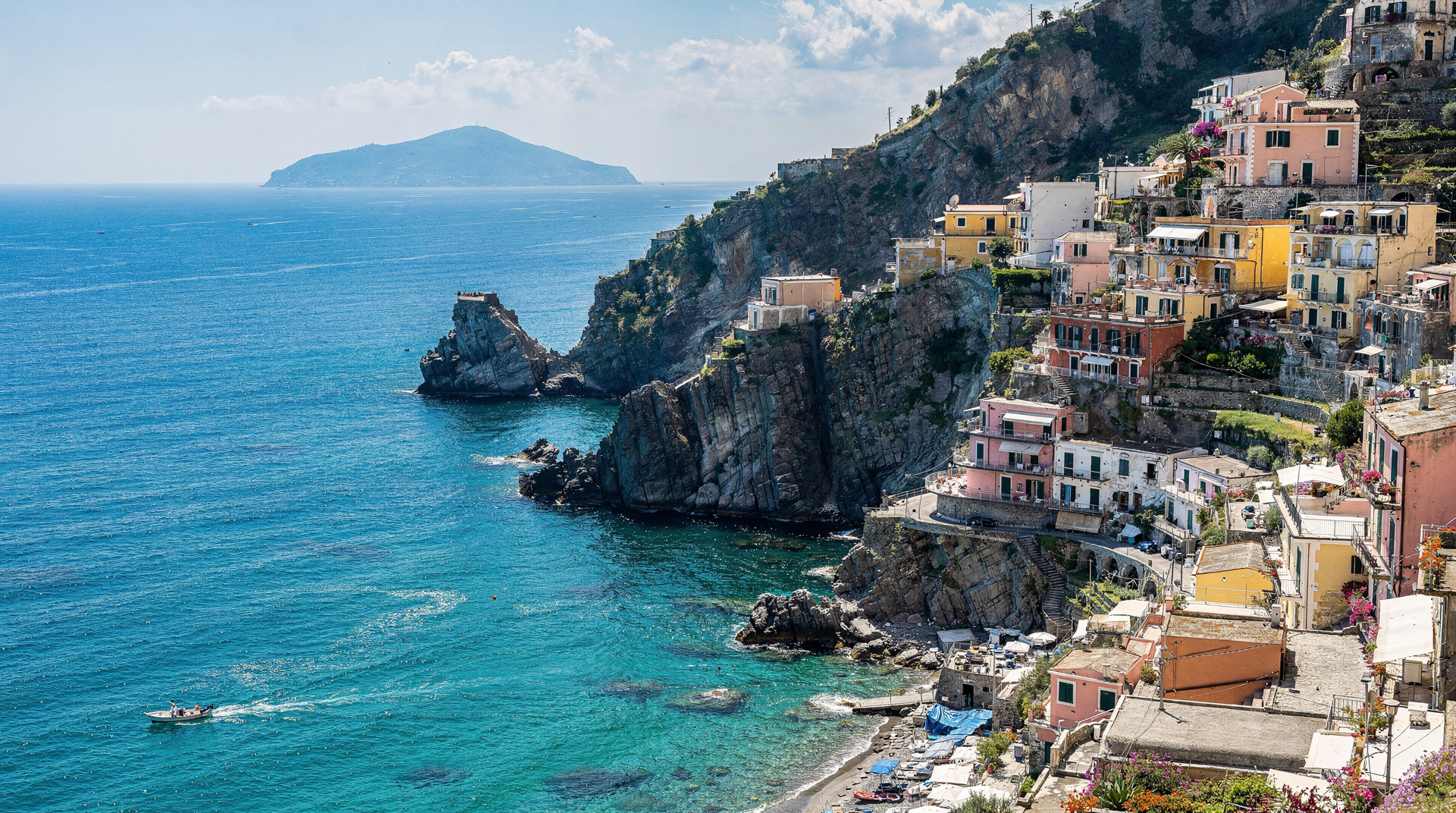
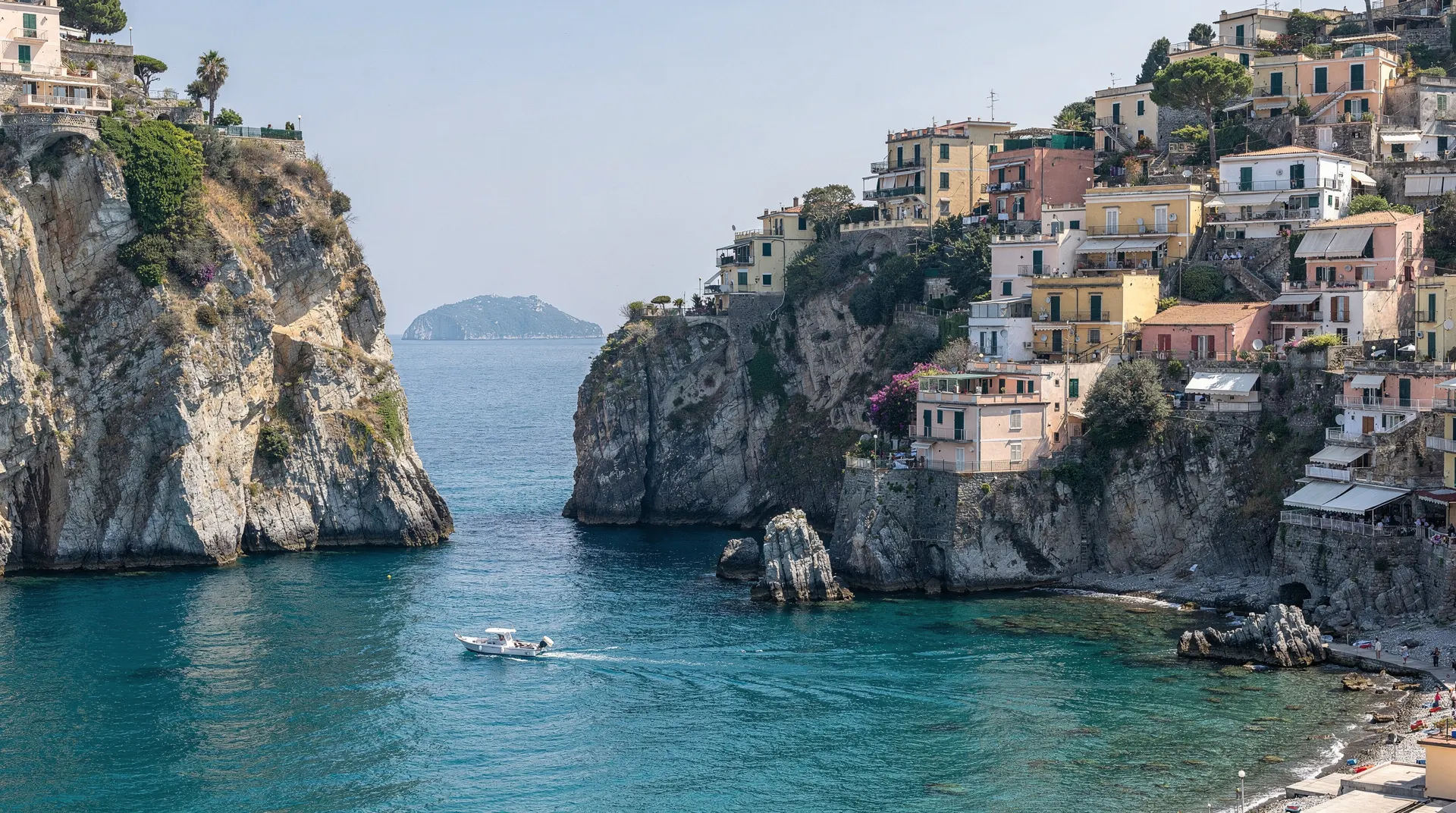
Amalfi Coast day trip from NaplesDriving the SS163 independently in summer is stressful: the road is single-lane in places, alternating traffic rules apply on even/odd days (June–September, 10:00–18:00), and parking is scarce and expensive. Most visitors who try it self-drive wish they hadn’t.
By public transport: Take the Circumvesuviana to Sorrento (75 min), then a SITA bus from outside the station. Sorrento to Positano: ~50 min, €2.50. Positano to Amalfi: ~45 min. SITA buses are reliable but packed in July–August — queues start at 07:30 for the 09:00 first run.
By organised tour from Naples: Minibuses seat 8–19, handle driving and parking, include an English-speaking guide, and cost €50–90. You typically see Positano (photo stop or 45 min free time), Amalfi town (lunch + 1.5 h), and Ravello (1 h). For a full-day coastal experience, this is the pragmatic choice.
The Amalfi Coast from Naples guide covers all transport options in detail.
Ischia — thermal gardens and beaches
Ischia is the largest island in the Bay of Naples and the most visited by Italians themselves. It is less glamorous than Capri but has volcanic thermal pools (Poseidon Gardens, Negombo), excellent beaches (Citara, Maronti), and a quiet interior village character that rewards those who arrive independently.
Ferries from Molo Beverello / Porta di Massa: Hydrofoil (aliscafo) to Ischia Porto: ~50 minutes, €16–20 return. Standard ferry: ~90 minutes, cheaper. More crossings April–October; winter service reduced.
Poseidon Gardens (Giardini Poseidon): The main thermal complex on Citara Bay, west coast. Entry ~€35–45 depending on season, includes access to 22 thermal pools and the beach. Shuttle buses from Ischia Porto.
For full island logistics, see the Ischia day trip guide.
Procida — the least touristy island
Procida is the smallest and least-visited of the three bay islands. Since it was designated Italian Capital of Culture in 2022, it has become slightly more recognised, but still receives a fraction of Capri’s traffic. The waterfront of Corricella — pastel buildings stacked above fishing boats — is the most photographed scene.
Ferry from Molo Beverello: ~35 minutes, €12–14 return. No hydrofoil — the standard ferry is fast enough. Procida is walkable; no need for taxis.
What to do: Walk from Marina di Sancio Cattolico up to Terra Murata (the hilltop citadel), look down at Corricella, eat fresh fish at a waterfront trattoria. That is genuinely it — and it is enough for a half-day. For a full day, rent a scooter and circle the island (circumference: ~16 km).
Full guide: Procida day trip guide.
Sorrento — a useful base, not just a day trip
Sorrento is 75 minutes by Circumvesuviana from Naples and is frequently used as an alternative base for the region. As a day trip from Naples, it makes sense if you want a relaxed coastal town lunch, a limoncello tasting, and cliff-top views — but be aware that Sorrento itself has limited beaches (mostly platforms cut into rock cliffs).
Entry to town: Free; the historic centre is compact and walkable in 2 hours.
Best use as a day trip: Sorrento + the PATH of the Gods hiking trail is a popular combo. Take the train, catch the bus to Agerola, hike to Nocelle, then bus down to Positano for the late afternoon.
Full logistics: Sorrento guide and getting to Sorrento guide.
Caserta Royal Palace — the least-crowded UNESCO site
The Reggia di Caserta was built by the Bourbon kings of Naples in the 18th century on the scale of Versailles — 1,200 rooms, Europe’s largest royal park (3 km of cascading fountains), and a silk-weaving village (San Leucio) next door. It is 40 minutes north of Naples by regional train (Regionale, €4 from Napoli Centrale).
Entry: €16 adults, includes both palace and gardens. The park walk from the main gate to the upper fountain cascade is 3 km (or take the shuttle, €3 return). Allow 3–4 hours minimum.
Why it is underrated: On the same day in summer, Pompeii has 15,000–20,000 visitors. Caserta might have 2,000. You can walk through throne rooms without being pushed.
Full guide: Caserta royal palace day trip.
Paestum — the Greek temples most people skip
Paestum + mozzarella day tourThree Doric Greek temples from the 6th–5th century BC, better preserved than most of what survives in Greece itself, plus a world-class archaeological museum on-site. Paestum is 1.5 hours south of Naples by train (Trenitalia Regionale, ~€7) and receives a fraction of the visitors of Pompeii.
What to see: Temple of Neptune (most complete), Temple of Hera, Temple of Ceres, and the Museo di Paestum (remarkable bronze and terracotta finds, the Tomb of the Diver). Allow 3 hours.
The mozzarella bonus: The Piana del Sele plain around Paestum is where Campania’s buffalo mozzarella is produced. Several farm restaurants (masserie) near the site serve fresh mozzarella for lunch. This combination — temples + mozzarella — is one of the most enjoyable day trips in Campania.
Full guide: Paestum day trip.
Campi Flegrei — the volcanic underworld
The Phlegraean Fields (Campi Flegrei) are a super-volcanic caldera zone immediately west of Naples — volcanologically more active than Vesuvius, less understood, and almost entirely ignored by most tourists. It is 30 minutes by metro (Line 2 from Napoli Piazza Garibaldi to Pozzuoli Solfatara).
Highlights:
- Solfatara crater: Active sulphur fumaroles, hot mud pools, lunar landscape. Entry €8.
- Anfiteatro Flavio di Pozzuoli: Third-largest Roman amphitheatre in Italy, largely intact underground chambers.
- Rione Terra: Partially excavated Roman city beneath modern Pozzuoli.
- Lago d’Averno: The lake the Romans identified as the entrance to the underworld.
Bradyseism warning: The ground in Pozzuoli has risen ~1 m since 2023 due to underground magma movement. As of 2026, the area remains open to visitors but check current alerts at www.ingv.it before going.
Full guide: Campi Flegrei day trip.
Mount Vesuvius — the volcano above it all
Vesuvius is best combined with Pompeii for a full day, but can be done independently from Naples. The crater trail (Gran Cono) is a 30–45 minute walk up from the 1,000 m car park — loose volcanic gravel, no real climbing involved. The view from the crater rim across the Bay of Naples is remarkable.
Logistics: Take the Circumvesuviana to Pompeii or Herculaneum, then a shuttle bus to the crater parking area (~€12 return). No private vehicles beyond the park boundary. Entry to the crater: €10.
For full logistics see the Vesuvius day trip guide.
Independent vs guided: which day trips actually need a guide
Not every day trip benefits from an organised tour, and paying for one where you don’t need it wastes both money and flexibility. Go independent for Pompeii, Herculaneum, Caserta, Paestum, and Campi Flegrei — all are served by straightforward trains or metro, well signposted, and cheap to enter without a middleman. A guide adds real value at Pompeii if you want the archaeological context explained on-site (the site itself has minimal signage), but a good audio guide or guidebook covers most of that for a fraction of the cost.
Consider a guided or organised option for the Amalfi Coast (driving or bus logistics are genuinely complicated and a guide handles the SITA queue and alternating-traffic rules for you), and for combination days like Pompeii + Vesuvius, where transport between the two isn’t obvious without local knowledge. Capri and Ischia sit in between — the ferry crossing itself needs no guide, but a boat tour adds the Blue Grotto and sea-cave access that a solo ferry trip wouldn’t include.
Naples ArteCard with 3-day museum and transport access is worth pairing with an independent-trip plan if cultural sites make up most of your week.
Planning your day trips: practical rules
Train vs organised tour: For Pompeii, Herculaneum, and Caserta — the train is genuinely easy and saves money. For the Amalfi Coast, Capri, and Ischia — organised transport handles logistics that are genuinely complicated.
Book ferry tickets in advance: In July–August, Capri hydrofoils sell out by early morning. Buy outbound tickets online the evening before at minimum.
The Campania ArteCard: The 7-day Campania card (~€34) includes Pompeii, Herculaneum, MANN, Paestum, and Caserta entry plus Circumvesuviana discounts. Worth buying if you are doing more than 3 of these sites. See the Campania ArteCard guide.
Avoid August for everything: Ferry queues, road congestion, and site temperatures are all at their worst. If you must travel in August, book everything 2–3 weeks ahead and start all activities before 09:30.
Pack differently for ruins versus islands: Pompeii, Herculaneum, and Caserta reward sturdy closed shoes on uneven ancient stone — sandals are genuinely uncomfortable by hour two. Islands and coast days are the opposite: pack a swimsuit and quick-dry clothes even if swimming isn’t the plan, since an unplanned dip is common once you see the water. A single day bag that works for both — water, sun protection, a light layer for ferries — saves rethinking your packing every morning.
A sample one-week day-trip plan
| Day | Plan | Notes |
|---|---|---|
| 1–2 | Naples itself | Centro Storico, museums, food — see how many days in Naples |
| 3 | Pompeii (+ Vesuvius if energetic) | Early start, back by mid-afternoon |
| 4 | Capri | Book ferry ahead in summer |
| 5 | Amalfi Coast | Organised tour or early SITA bus |
| 6 | Ischia or Paestum | Ischia for thermal relaxation, Paestum for temples + mozzarella |
| 7 | Caserta or Campi Flegrei | Lower-key, flexible morning departure |
This is a template, not a rule — the day trips compared guide ranks all the options against each other if you need to cut two or three from the list rather than add one. Families with young children should weight the plan toward Herculaneum, Procida, and Caserta over Pompeii’s scale and Capri’s crowds and steps — see the family day trips guide for a version built around that.
Budgeting a week of day trips
Entry fees and transport add up quickly across a week of day trips. As a rough per-person guide: Pompeii or Herculaneum around €20–25 all-in with transport, Capri around €50–70 including ferry and funicular, the Amalfi Coast around €60–100 depending on independent bus versus organised tour, Caserta around €25–30, and Paestum around €25–35 including the museum. The Campania ArteCard (around €34 for 7 days) covers Pompeii, Herculaneum, MANN, Paestum, Caserta entry and Circumvesuviana discounts, and pays for itself once you’ve done three or more of the covered sites — see the Campania ArteCard worth it breakdown for the exact math.
Naples 3-day pass with Pompeii and MANN entry is worth comparing against buying tickets separately if your week is front-loaded with cultural sites.
Frequently asked questions about day trips from Naples
Is it better to stay in Naples or Sorrento for day trips?
Naples has more direct train connections (Circumvesuviana runs both ways) and ferry access to all three islands. Sorrento is closer to the Amalfi Coast and to Capri ferries, but the trains from Sorrento to Pompeii add 30 minutes. For most visitors doing a mix of city, ruins, islands, and coast, Naples as a base is more efficient. See the full comparison at Naples vs Sorrento as a base.
How far in advance should I book tours?
For Pompeii guided tours in peak season: 3–7 days ahead. For small-group Amalfi Coast tours: 5–10 days in June–August. For Capri boat tours: 3–5 days. For less-visited sites (Paestum, Caserta, Campi Flegrei): same-day or next-day booking is usually possible.
Can you do two major day trips in one day?
Pompeii + Vesuvius: yes, comfortably if you start by 09:00. Pompeii + Herculaneum: yes with an early start. Amalfi Coast + Capri: no — too long to reach and too exhausting. Each destination deserves its own day.
What is the Campania Express and is it worth it?
The Campania Express is a seasonal (April–October) tourist-oriented train connecting Naples, Herculaneum, Pompeii, and Sorrento. It runs 3–4 times per day, is air-conditioned, has guaranteed seating, and stops only at tourist destinations — no local stops. Costs around €16 return Naples–Pompeii versus €6.60 on the Circumvesuviana. Worth it in summer when the Circumvesuviana is crowded and hot. See the Campania Express guide.
Are day trips from Naples accessible for people with mobility issues?
Pompeii has improved accessibility but the cobblestone streets and uneven surfaces remain challenging for wheelchairs. Herculaneum has more paved paths. Caserta palace and gardens are largely flat and accessible. Capri’s terrain is steep — the funicular and electric taxis help but much of the island is steps. The accessible Naples guide has more detail.
What is the best day trip for families with young children?
Pompeii engages older children (10+) who have some history context. For younger kids (6–10), Herculaneum (shorter, more shaded, more intimate) works better than Pompeii’s scale. The islands — especially Procida — suit families looking for a beach day without the intensity of Roman ruins. See the family day trips guide.
Frequently asked questions about Best day trips from Naples
How far is Pompeii from Naples?
Which island is best for a day trip from Naples — Capri, Ischia, or Procida?
Can you do the Amalfi Coast as a day trip from Naples?
Is Caserta worth a day trip from Naples?
What is Paestum and is it worth visiting?
What is Campi Flegrei and should I visit?
How many day trips can you fit in a week?
Top experiences
Bookable activities with verified prices and instant confirmation on GetYourGuide.