Naples day trips compared — which one is right for you
Pompeii & Vesuvius: Full-Day Tour from Naples
Which day trip from Naples should I choose?
For first-time visitors, Pompeii is the essential choice — closest, most significant, most accessible. For scenery, Capri edges out the Amalfi Coast. For something genuinely different, Paestum (Greek temples + mozzarella) and Campi Flegrei (volcanic landscape) are both underrated. Match your choice to your interests, not the most famous option.
Bottom line: Pompeii is the essential first choice. Capri for scenery. Paestum and Campi Flegrei for those who want excellent experiences without the crowds. The Amalfi Coast and Caserta fill different needs. Match your day trip to your actual interests.
The master comparison table
| Day trip | Distance | Travel time | Entry cost | Crowd level | Best for |
|---|---|---|---|---|---|
| Pompeii | 25 km | 30 min (train) | €18 | Very high | Roman history, archaeology |
| Herculaneum | 10 km | 18 min (train) | €13 | Medium | Preservation, quick visit |
| Vesuvius | 15 km | 18+35 min | €10 (+shuttle) | Medium-high | Volcanic scenery, views |
| Capri | 30 km | 50 min (ferry) | — | Very high | Scenic glamour |
| Ischia | 35 km | 50 min (hydrofoil) | €0–45 | Medium | Thermal baths, beaches |
| Procida | 35 km | 35 min (ferry) | — | Low | Authentic fishing village |
| Sorrento | 50 km | 75 min (train) | — | High | Transport hub, coastal town |
| Amalfi Coast | 70 km | 90–120 min | — | Very high | Coastal scenery, towns |
| Caserta | 30 km | 40 min (train) | €16 | Low-medium | Baroque royal architecture |
| Paestum | 100 km | 90 min (train) | €12 | Low | Greek temples, mozzarella |
| Campi Flegrei | 8 km | 25 min (metro) | €8–12 | Low | Volcanic landscape, Romans |
Head-to-head comparisons
Pompeii vs Herculaneum
Both are Roman cities destroyed by the 79 AD Vesuvius eruption. Both are exceptional. They are not directly substitutes.
Pompeii: Larger (44 ha), more to see, 4–5 hours minimum. Street-level ash preserved it in a more open, accessible state. More crowded, more touristy around the entrances. Essential for a first visit.
Herculaneum: Smaller (4.5 ha), 2 hours sufficient. Volcanic mudflow preserved organic materials — wooden furniture, food, painted walls in vivid colour — that Pompeii’s ash destroyed. Better preserved visually but fewer houses to explore. Less crowded. Better choice if you have already done Pompeii, or if you have only half a day.
Combined ticket (€22): If you have time for both, do it. Arriving at Pompeii at 09:00, spending 4 hours, taking the Circumvesuviana one stop back to Ercolano for 2 hours at Herculaneum — this is achievable in one day. See Pompeii vs Herculaneum.
Capri vs Ischia vs Procida
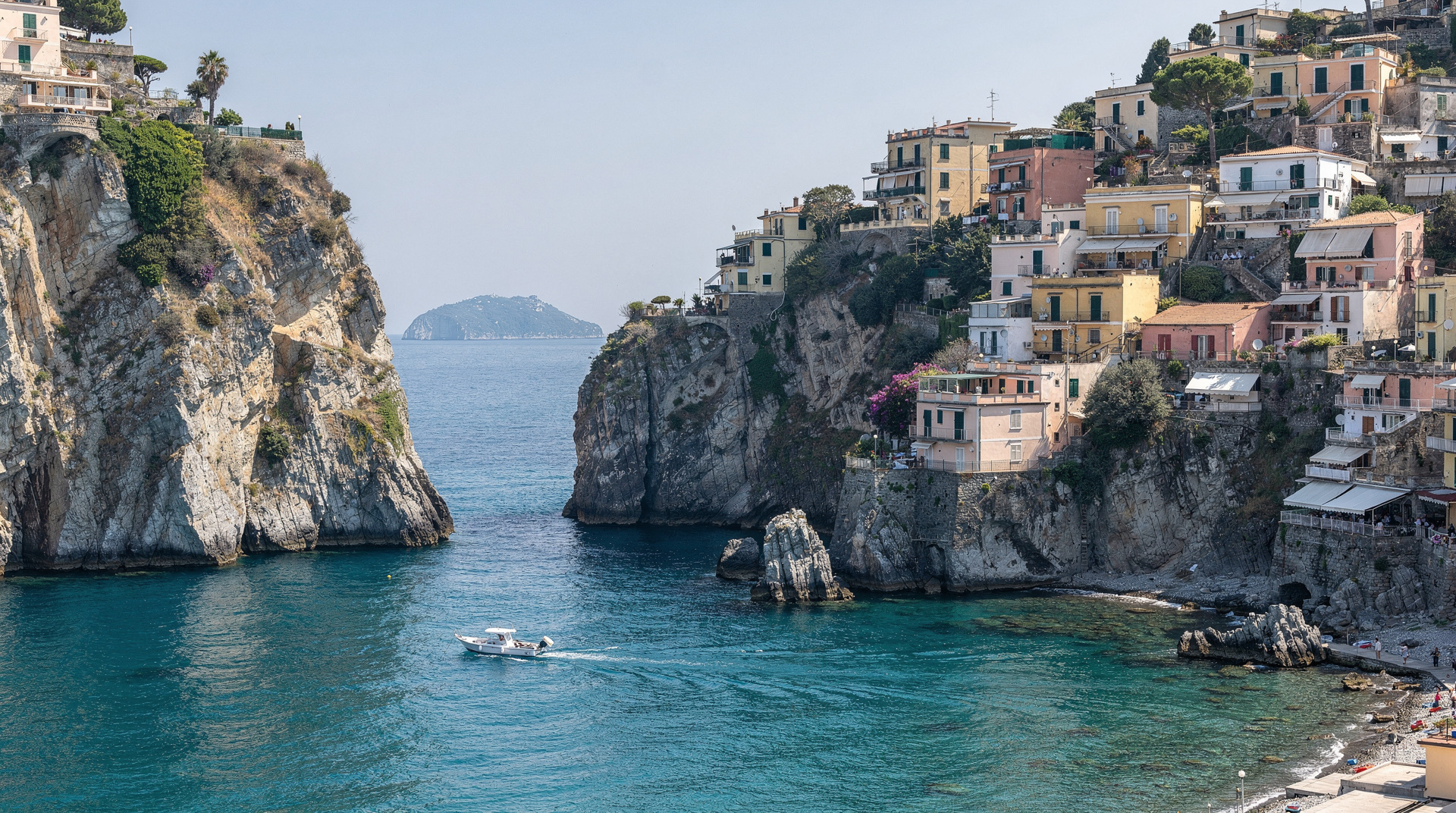
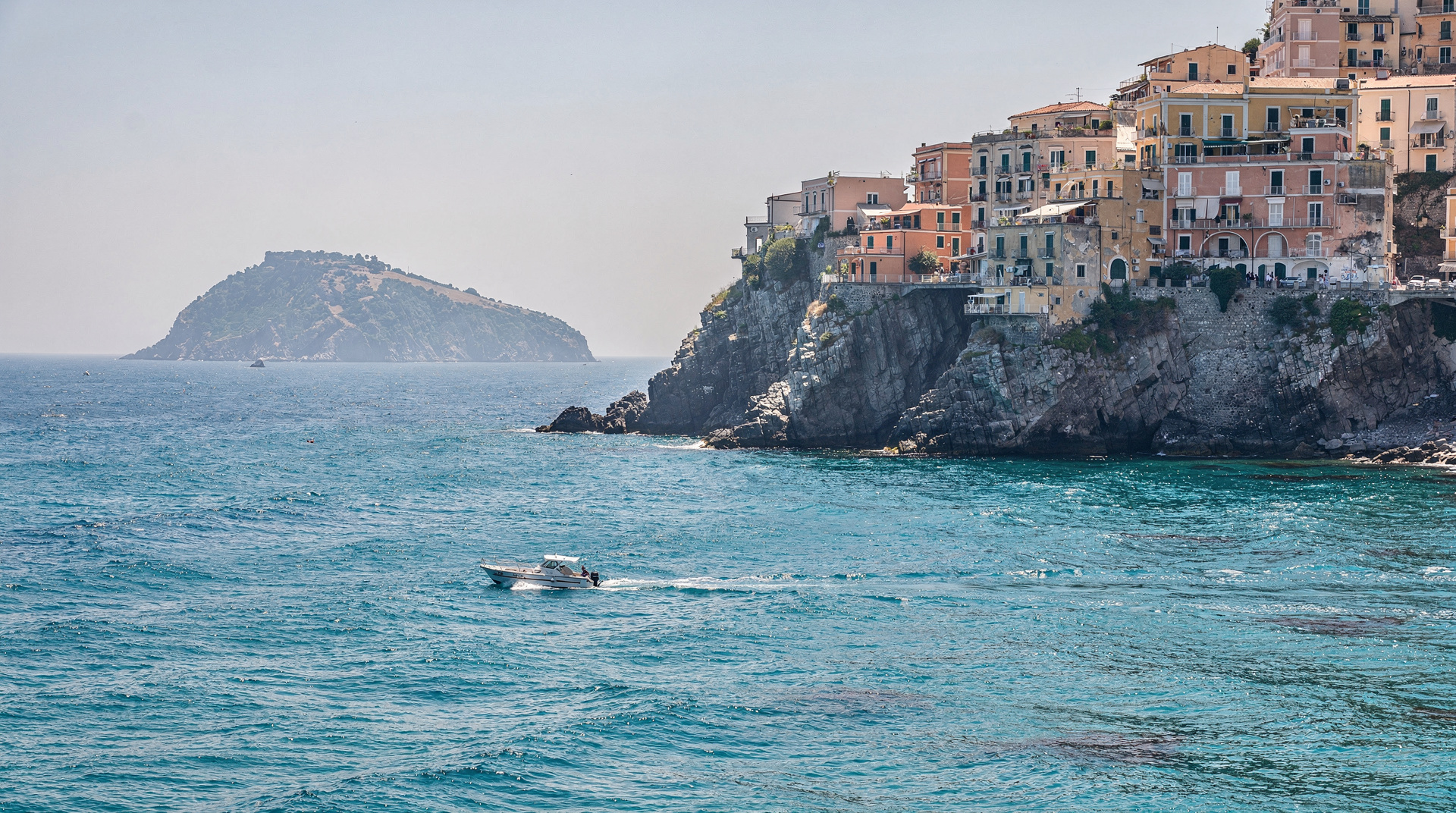
Capri day trip from NaplesThree islands, three very different experiences.
Capri: The most famous, most beautiful, most expensive, most crowded in summer. The scenery — Faraglioni, Monte Solaro, the Blue Grotto — is exceptional. The experience in July–August requires tolerance for crowds and premium prices. Best visited May or September, or with an early arrival. Capri day trip guide.
Ischia: The largest island, more authentically Italian, with thermal springs as the main attraction. Poseidon Gardens (€35–45 entry) is the headline experience. Beaches are longer and more accessible than Capri. Cheaper for food and accommodation. More popular with Italian families than international tourists. Ischia day trip guide.
Procida: The smallest, cheapest, least visited. The fishing harbour of Corricella is Italy’s most photographed village. A full day’s programme is achievable in a half day. Best for visitors who want an authentic Mediterranean island experience without tourist infrastructure. Procida day trip guide.
If you can only do one island: Capri in May–June or September–October. Ischia in July–August (better beach and thermal option when Capri is overwhelmed). Procida if Capri and Ischia seem too touristy.
Amalfi Coast vs Sorrento as a day trip
Sorrento as a day trip: Worth doing as part of a plan to visit Capri (20-min ferry) or the Amalfi Coast via SITA bus. As a standalone destination, it is pleasant but compact — 2–3 hours covers the town. The Museo Correale and the limoncello distilleries add interest; the seafront views are impressive. Sorrento day trip guide.
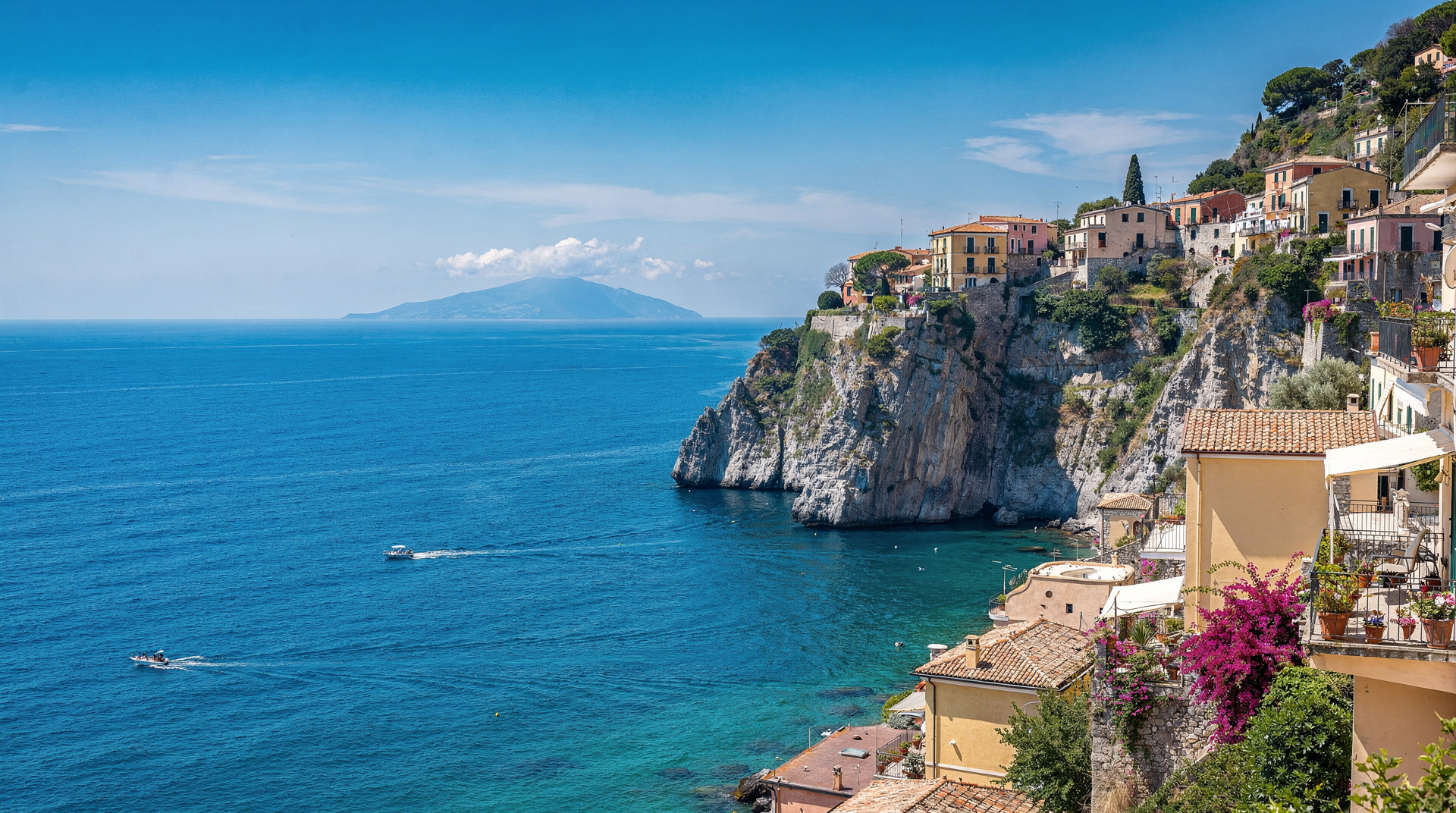
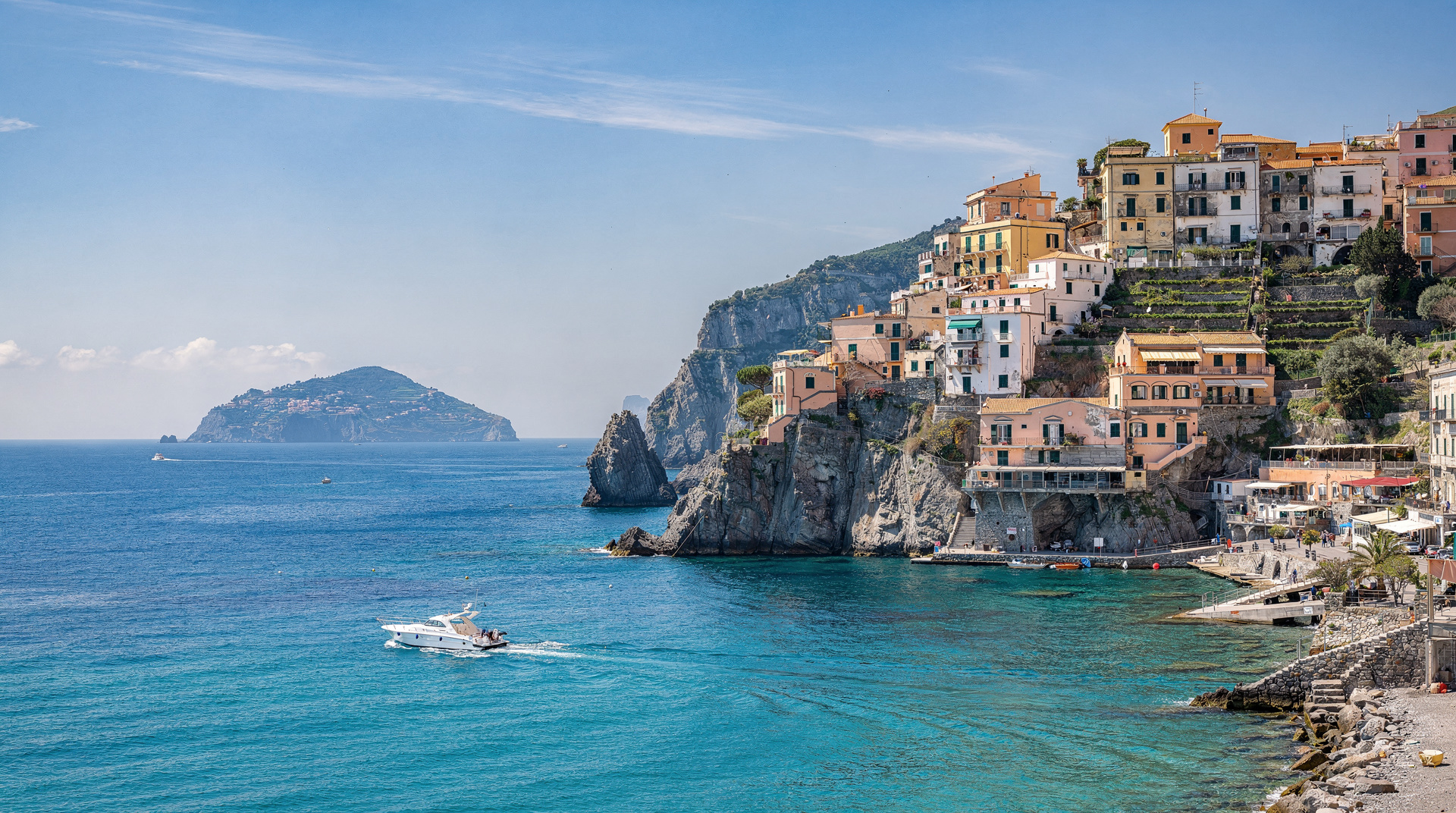
Amalfi Coast as a day trip: A longer, more dramatic experience. But the logistics (2-hour travel each way, bus queues, parking chaos in summer) make it genuinely tiring. An organised tour handles the complications. Allow 8 hours including travel. The coast itself is extraordinary — Positano’s vertical architecture, Amalfi’s cathedral, Ravello’s hilltop gardens. Amalfi Coast day trip guide.
Which to choose: If your priority is easy logistics and a relaxed coastal day, Sorrento. If your priority is seeing the most celebrated coastal scenery in Italy, Amalfi Coast (with organised transport in summer). The two are not in competition — both can be done if you have a week.
Caserta vs Paestum — the underrated options
Amalfi Coast day trip from NaplesBoth Caserta and Paestum are genuinely excellent and genuinely undervisited. They appeal to different interests.
Caserta: Bourbon royal architecture on the scale of Versailles, 40 minutes north by train, €16 entry. Best for those interested in 18th-century European palaces, formal gardens, and baroque interiors. The park (3 km, waterfall cascade) requires fitness or willingness to take the shuttle. Caserta day trip guide.
Paestum: Greek Doric temples from the 6th–5th century BC, 1.5 hours south by train, €12 entry (site + museum). Best for ancient history, archaeology, and the Tomb of the Diver fresco. The mozzarella farm lunch combination makes for one of the most memorable food experiences in Campania. Paestum day trip guide.
On crowd levels: Caserta had 800,000 visitors in 2024 — impressive until you realise Pompeii had 4 million. Paestum sees roughly 300,000–400,000. Both feel spacious compared to anything else on this list.
Campi Flegrei — the local secret
Campi Flegrei is 8 km west of central Naples, accessible by Metro Line 2 in 25 minutes for €1.60. Most tourists take the Circumvesuviana east without ever considering what lies to the west.
What they miss: Solfatara (an active volcanic crater with boiling mud and sulphur vents), the Anfiteatro Flavio di Pozzuoli (third-largest Roman amphitheatre in Italy), and the partially submerged Roman resort city of Baia. Full geology and safety context in the Campi Flegrei day trip guide.
Best for: Visitors with an interest in volcanology, Roman archaeology outside the Pompeii narrative, or anyone who wants to see something genuinely unusual within 30 minutes of Naples.
By interest: which day trip to choose
For history and archaeology:
- Pompeii (Roman, essential)
- Paestum (Greek, exceptional)
- Herculaneum (Roman, more intimate than Pompeii)
- Campi Flegrei / Baia (Roman resort, unique)
For scenic beauty:
- Capri (islands, sea, cliffs)
- Amalfi Coast (coastal architecture and road)
- Vesuvius crater (volcanic panorama)
- Sorrento (bay views, cliffside town)
For beaches and water:
- Ischia (thermal + beaches, best all-round)
- Procida (authentic, calm, clear water)
- Capri (glamorous but rocky and expensive)
- Paestum coast (long sandy, uncrowded)
For architecture:
- Caserta (Bourbon, UNESCO, enormous)
- Amalfi + Ravello (medieval maritime, villa gardens)
- Pompeii (Roman domestic + public)
For families with children:
- Herculaneum (compact, shaded, manageable)
- Ischia (beaches, thermal pools)
- Pompeii (dramatic but hot in summer)
- Procida (calm, safe, short ferry)
See family day trips in Campania for detailed advice.
Budget comparison (per person, entry + transport from Naples)
| Day trip | Transport | Entry | Total |
|---|---|---|---|
| Pompeii (independent) | €6.60 return | €18 | ~€25 |
| Herculaneum | €5.20 return | €13 | ~€18 |
| Vesuvius only | €2.60+€12 shuttle | €10 | ~€25 |
| Pompeii + Vesuvius | €6.60+€14 shuttle | €28 | ~€49 |
| Capri (hydrofoil) | €24 return | — | ~€24+ |
| Ischia (hydrofoil) | €18 return | €35–45 (Poseidon) | €53–63 |
| Procida | €13 return | — | €13+ |
| Amalfi Coast (bus) | €9 return | — | €9+ |
| Caserta (train) | €8 return | €16 | ~€24 |
| Paestum (train) | €15–18 return | €12 | ~€27–30 |
| Campi Flegrei (metro) | €3.20 return | €8–12 | ~€11–15 |
Most cost-efficient full experience: Campi Flegrei (€11–15 total). Lowest per-hour cost of remarkable content: Caserta (€24 entry + transport for 4+ hours of palace and gardens).
Frequently asked questions about choosing a Naples day trip
How many day trips can I fit in a 5-day Naples trip?
Realistically 2–3 day trips with 2 days for Naples itself. Common structure: Day 1–2 Naples (MANN, Spaccanapoli, underground, food); Day 3 Pompeii; Day 4 Capri or Amalfi Coast; Day 5 Vesuvius or Caserta. See how many days to spend in Naples.
Does the Campania ArteCard save money on day trips?
Yes, significantly. The 7-day Campania card (~€34) includes Pompeii, Herculaneum, MANN, Paestum, and Caserta at no additional entry cost, plus public transport discounts on the Circumvesuviana. If you plan to visit Pompeii, Herculaneum, Caserta, and the MANN in a week, the card pays for itself. See the Campania ArteCard guide.
Can I do multiple day trips without a car?
Every day trip on this page is accessible by public transport (train, metro, or ferry) without a car. The only exceptions are for reaching Cumae in Campi Flegrei (bus connections exist but are slow) and combining remote sites efficiently. A car adds flexibility for Paestum (to visit farms) and for driving the Amalfi Coast — but the Amalfi Coast advice is to avoid a car in summer.
Which day trips are accessible without extensive walking?
Caserta (electric park shuttle available, flat garden access) is the most accessible. Pompeii has improved paved routes for wheelchairs but much of the site is cobblestone. Herculaneum has more paved paths. The Amalfi Coast towns involve significant steps and slopes. Capri’s terrain is steep. See accessible Naples guide.
Seasonal timing across the whole list
Not every day trip on this page performs the same way across the calendar, and that’s worth factoring in alongside the head-to-head comparisons. Pompeii and Herculaneum are genuinely more comfortable outside July–August, when direct sun on unshaded ruins is a real fatigue risk; spring and autumn keep the same opening hours with a fraction of the heat. Capri, Ischia, and Procida depend on ferry frequency, which drops meaningfully in winter — some routes reduce to a handful of daily crossings from November through March, so a winter island day trip needs its timetable checked well ahead rather than assumed.
Caserta and Paestum are the most weather-resilient of the group: Caserta’s palace interior is unaffected by rain, and Paestum’s temples, while outdoor, are comfortable in a wider range of conditions than a beach-focused island trip. Campi Flegrei sits in between — Solfatara’s crater walk is best in dry weather but the site itself is open year-round without seasonal service cuts.
First trip vs repeat trip: what changes
A first-time visitor with one day trip in the budget should default to Pompeii — it needs no ferry timetable, no seasonal weather gamble, and delivers the single most internationally significant sight within reach of Naples.
A second visit changes the calculus entirely: once Pompeii and probably Vesuvius are done, the choice opens up to whichever of the head-to-head comparisons above matches a specific interest — Paestum for Greek history that most first-timers skip, Campi Flegrei for volcanology without the crowds, or Ischia if the goal shifts from sightseeing to relaxing. Visitors planning a longer Campania stay often ask how many days to spend in Naples before mapping day trips onto specific dates — worth reading first if the itinerary isn’t fixed yet.
Combining a day trip with organised transport
Several of these destinations are meaningfully easier with a guided or transfer-based tour rather than independent public transport — particularly the Amalfi Coast in summer, where SITA buses queue for 30–45 minutes at peak times, and Capri, where independent ferry timing around the Blue Grotto’s tidal access window is easy to misjudge. A full-day guided option removes both risks and typically includes a boat element that independent travel doesn’t.
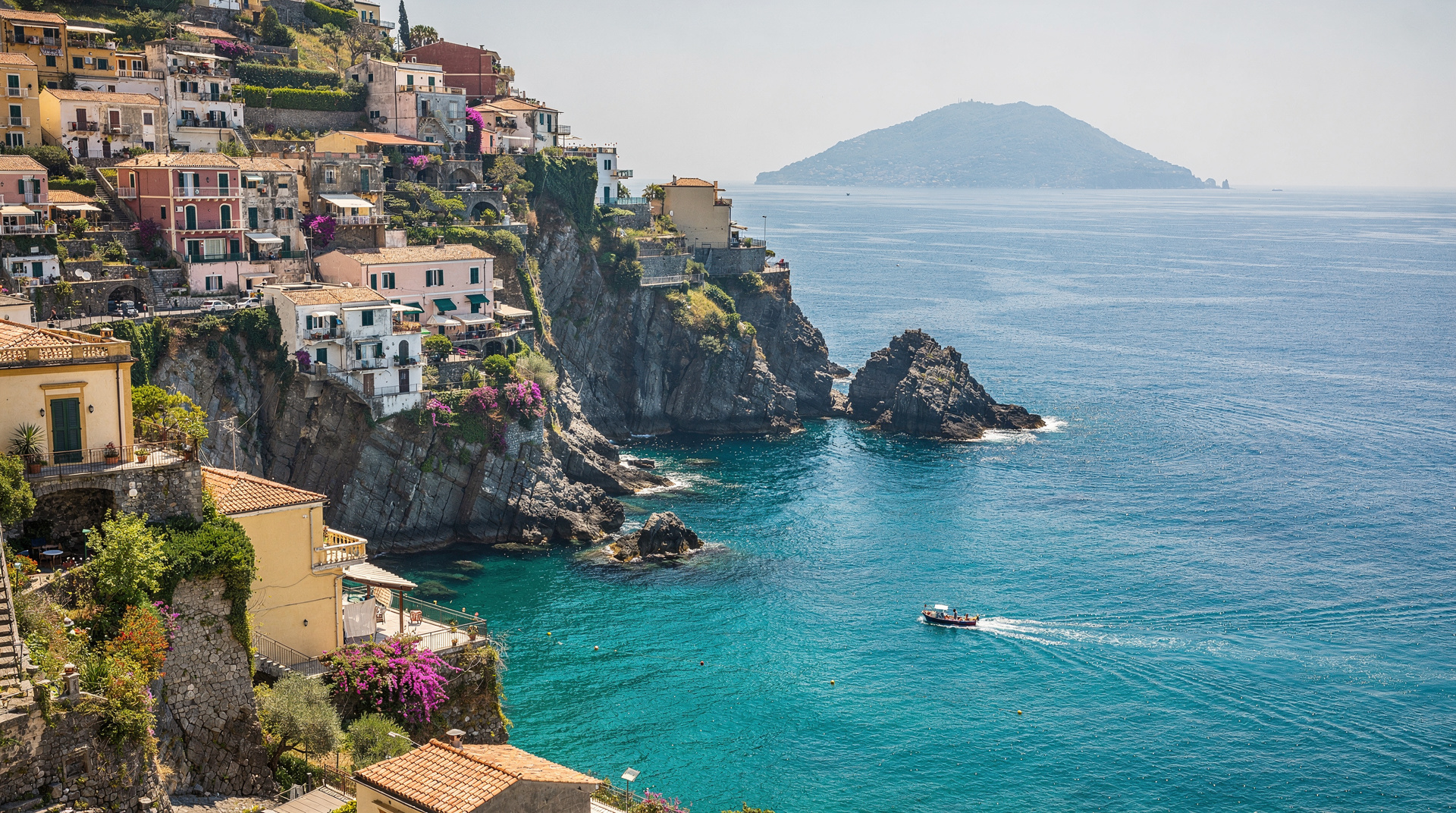
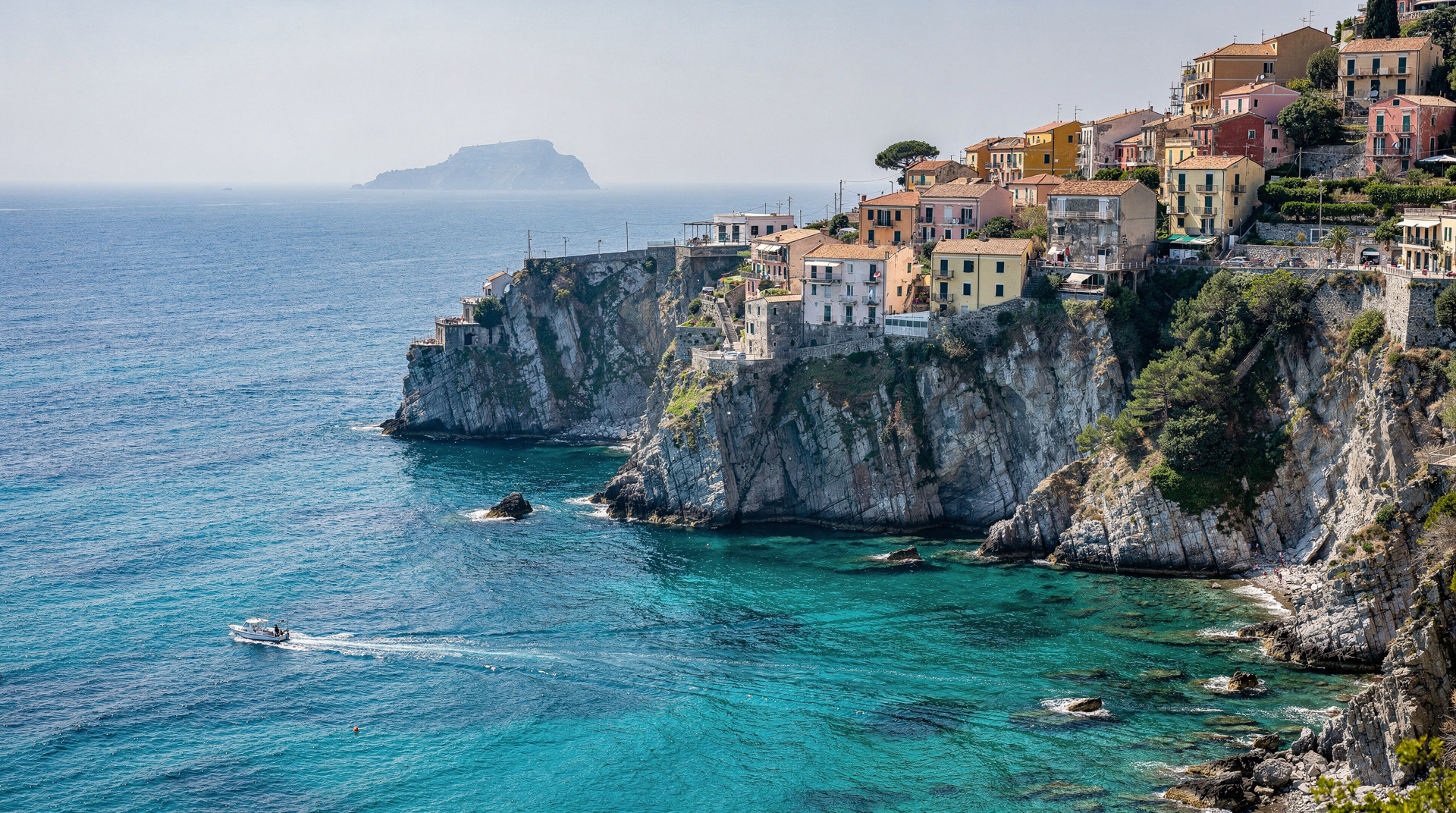
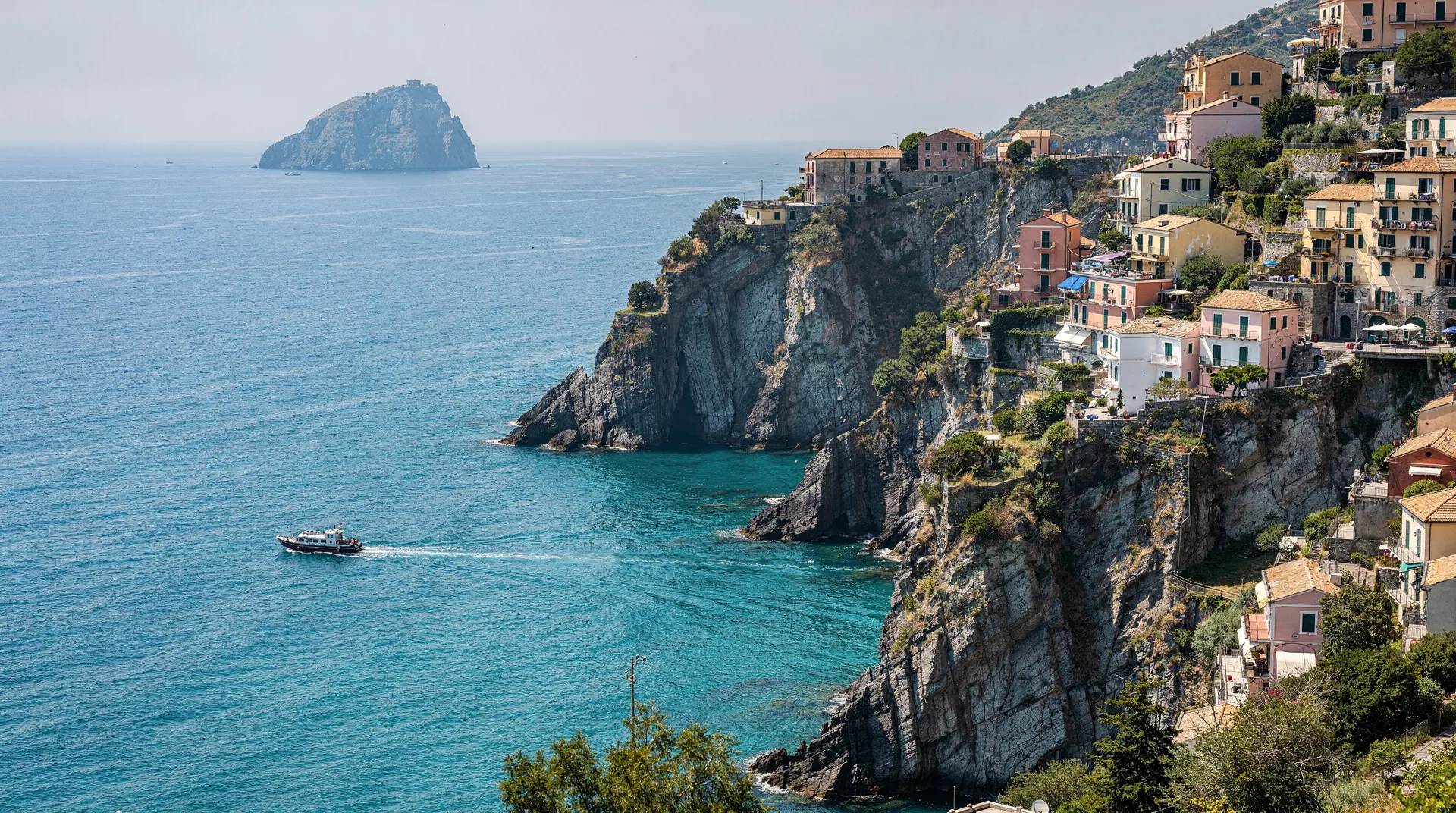
Capri full-day island and Blue Grotto tour from Naples Amalfi Coast and Ravello full-day tour from NaplesFrequently asked questions about Naples day trips compared — which one is right for you
What is the best day trip from Naples for a first-time visitor?
What is the best day trip for scenery?
Which day trip is best for beaches?
Which day trip is best for history and archaeology?
Which day trip is most overrated?
Which day trip is best value for money?
Which day trips can be combined in one day?
Top experiences
Bookable activities with verified prices and instant confirmation on GetYourGuide.