Campi Flegrei day trip from Naples
From Naples: Phlegraean Fields 'The Burning Fields' Tour
How do you visit Campi Flegrei as a day trip from Naples?
Take Metro Line 2 from Napoli Piazza Garibaldi to Pozzuoli Solfatara — 25 minutes, €1.60. The Solfatara volcanic crater is a 10-minute walk from the metro. Pozzuoli town, the Roman Anfiteatro Flavio, and the underwater ruins at Baia are all within 5 km. An underappreciated day trip with genuinely dramatic volcanic scenery.
Quick answer: Metro Line 2 from Napoli Garibaldi to Pozzuoli Solfatara — 25 minutes, €1.60. The Solfatara crater (€8) is 10 minutes from the metro. A genuinely dramatic volcanic landscape 8 km from Naples, visited by a fraction of the tourists who go to Pompeii.
| Where | Pozzuoli and Baia, 8 km west of Naples |
| Getting there | Metro Line 2 to Pozzuoli Solfatara, ~25 min, around €1.60 |
| Half day | Solfatara crater + Pozzuoli town, around €12 in entries |
| Full day | add Terme di Baia + glass-bottom boat, around €25–30 total |
| Best for | volcanology and Roman ruins without Pompeii-level crowds |
What Campi Flegrei is and why most tourists miss it
The volcanic system beneath Campi Flegrei is, by most geophysical measures, more active and more dangerous than Vesuvius. The caldera covers 13 km — an area containing the western suburbs of Naples, the city of Pozzuoli, and stretching offshore into the Bay of Pozzuoli.
Yet most visitors to Naples take the Circumvesuviana east to Pompeii without considering the geological drama immediately to the west. The result: Pompeii processes 3–4 million visitors per year; Campi Flegrei sees perhaps 200,000.
For a visitor with archaeological or geological interests, this imbalance represents an opportunity. The Roman ruins at Baia rank among the most extensive in southern Italy. The underwater city at Parco Sommerso is unique in Europe. The Solfatara crater offers a walk through an active volcanic landscape that is difficult to parallel outside Iceland.
The bradyseism situation requires honesty: the ground has been rising since 2022–2023, infrastructure near Pozzuoli has been affected, and the monitoring level has been elevated. As of May 2026, visitor sites remain open. Check ingv.it for current status before your visit.
Getting to Campi Flegrei from Naples
By Metro Line 2: The fastest and simplest option. Take Metro Line 2 (Linea 2, not Linea 1) from Napoli Piazza Garibaldi (below the main train station) west toward Pozzuoli. Journey to Pozzuoli Solfatara station: ~25 minutes. Ticket: €1.60 (standard ANM fare, valid for 90 minutes).
Station exit → 10-minute walk to Solfatara crater entrance (Via Solfatara, clearly signposted).
By Metro to Pozzuoli town: Get off one stop earlier at Pozzuoli station for the amphitheatre and the port area (Macellum). Both Pozzuoli stations are a short distance from each other.
By car: Tangenziale (ring road) west from Naples, exit Pozzuoli. ~20 minutes in normal traffic. Free parking near Solfatara. Useful if visiting Baia and Cumae (south/southwest of Pozzuoli, harder to reach by public transport).
Phlegraean Fields volcanic landscape tourSolfatara Crater
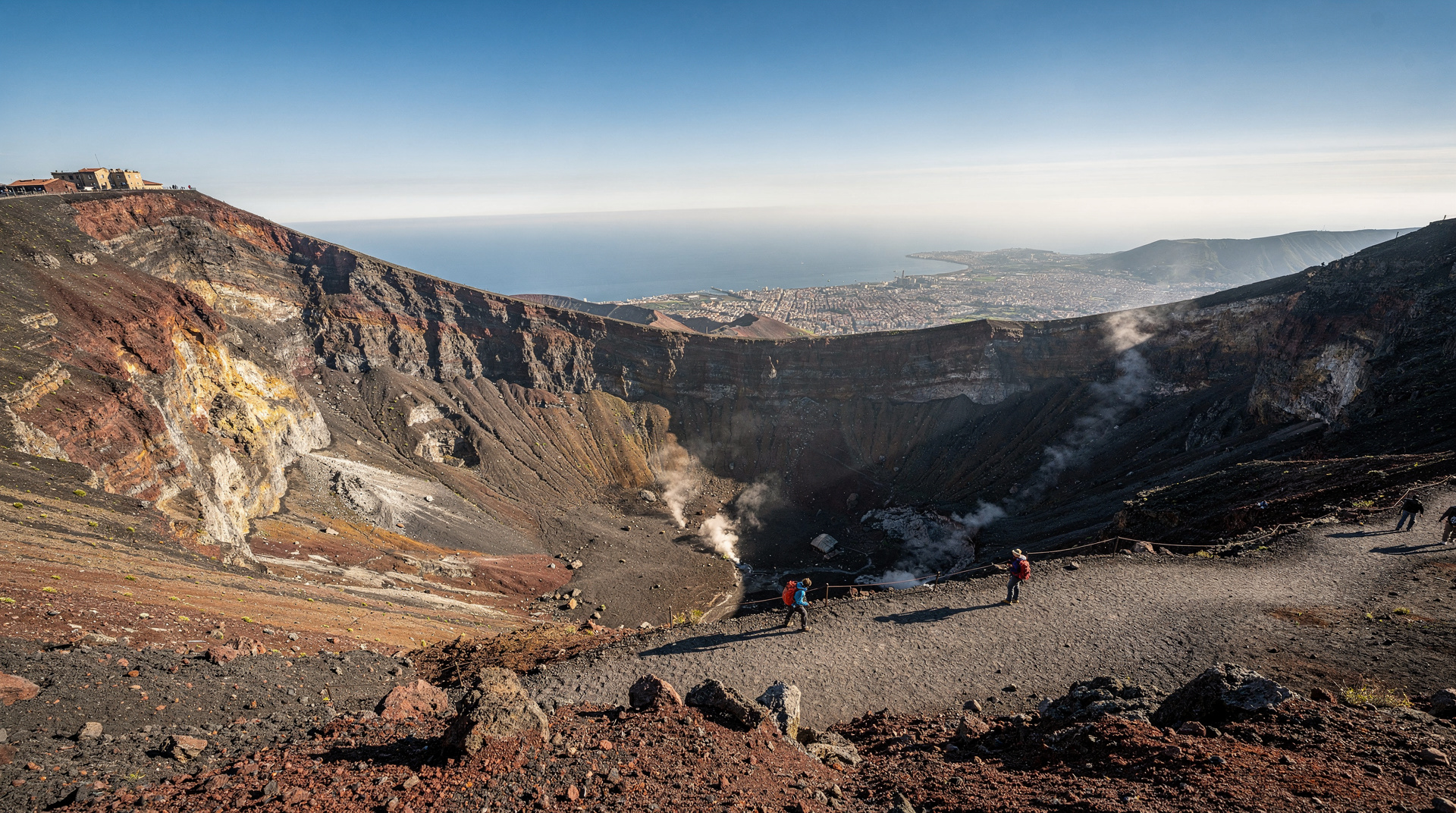
Solfatara is an active volcanic crater that last erupted in 1198. Today it emits sulphur dioxide and steam from fumarole vents across the crater floor. The mud pools (fanghi) bubble constantly. The temperature at ground level within the crater is 95–100 °C; the air temperature inside is noticeably warmer than outside.
Entry: €8 adults, €5 children. Open daily, roughly 09:00–17:00 (check current hours at solfatara.it — closures can occur on short notice during elevated seismic activity).
Safety: A fatal accident in 2017 killed a family that entered a clearly marked off-limits area and fell through thin volcanic crust. The site reopened in 2019 with stronger fencing and clearly marked visitor paths. As long as you stay on the designated paths — which are well signed — the visit is safe.
What to see:
- Bocca Grande: The main fumarole vent, emitting steam and sulphur at high pressure. Audible from 50 m away.
- Fanghi (mud pools): Boiling grey mud bubbling at the surface — the sight and sound are distinctive.
- The crater floor walk: The designated path crosses part of the crater floor — ground that feels different underfoot, slightly soft and warm.
- Prehistoric tephra layers: The walls of the crater expose the volcanic deposit layers from multiple eruption events.
Duration: 1–1.5 hours is sufficient.
Pozzuoli town and the Anfiteatro Flavio
Pozzuoli (ancient Puteoli) was one of the most important commercial ports in the Roman world — the main entry point for grain from Egypt into the Italian peninsula. Saint Paul passed through it on his way to Rome. The town has been continuously inhabited ever since.
Anfiteatro Flavio di Pozzuoli:
- The third-largest Roman amphitheatre in Italy (after the Colosseum and the Capua arena).
- Entry ~€4–5.
- The underground corridors (hypogeum) are largely intact — the animal holding pens, elevator mechanisms, and service corridors beneath the arena floor are accessible and impressive.
- The amphitheatre held up to 40,000 spectators. Current condition is good; the seating tiers have partially collapsed but the structure is striking.
Macellum of Pozzuoli (Serapeo):
- A Roman market building on the waterfront, famous not primarily as an archaeological site but as geological evidence.
- The columns have boreholes from marine bivalves (Lithodomus lithophagus) at 5.6 m height — meaning the columns were submerged in sea water to that level, then rose again. This documented the bradyseism cycle across centuries.
- Free to view from outside; accessible to enter with a local museum ticket.
Rione Terra:
- The elevated old town, built on a Roman castrum. Partially excavated street level beneath medieval buildings — an underground Roman street accessible on guided tours.
- Guided visits run on weekends (check at the Pozzuoli tourist office for current schedule).
Baia — underwater Roman city
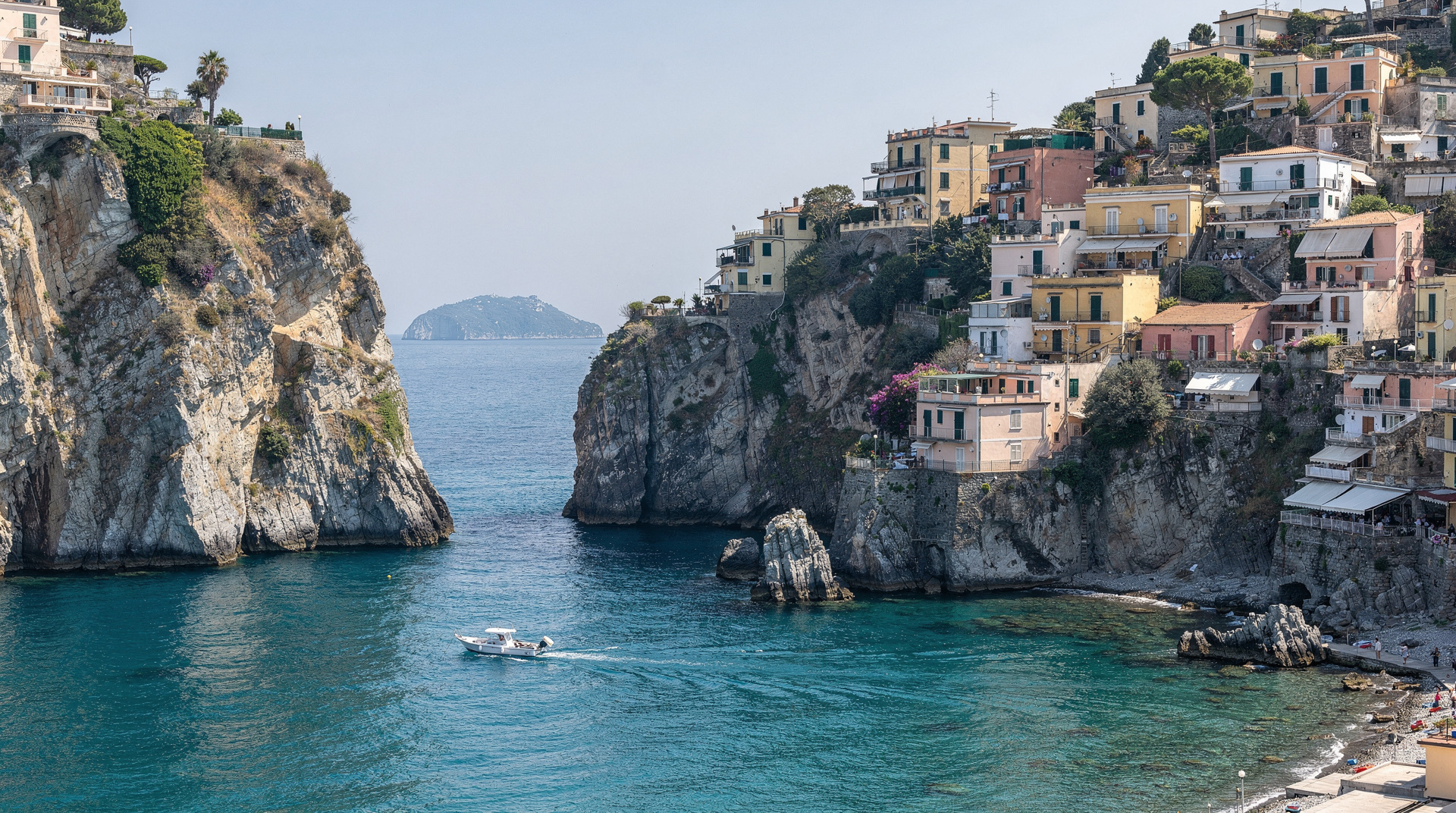
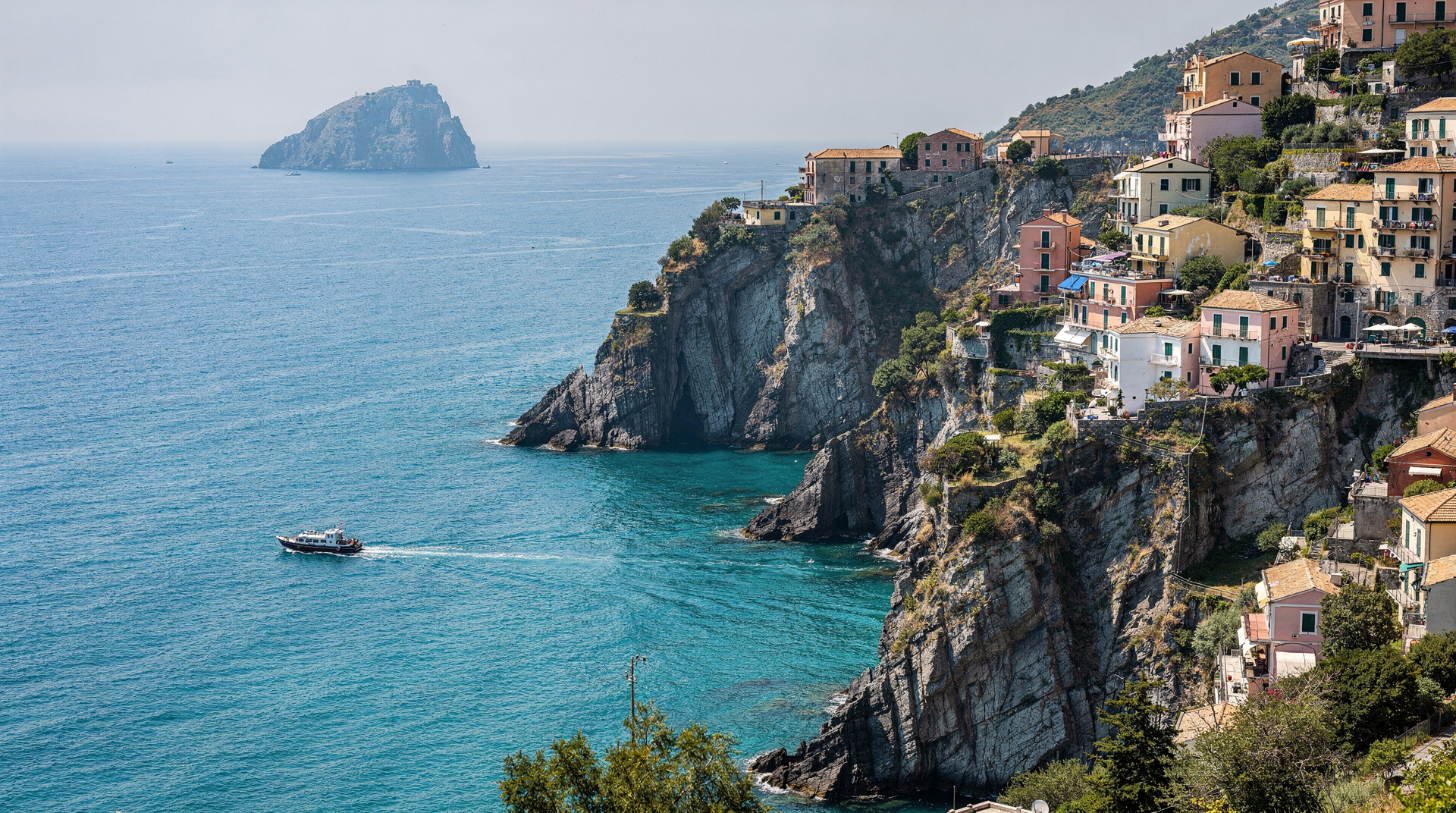
Campi Flegrei — Cumae, Baia private tourBaia was the most fashionable Roman resort town of the 1st century BC–1st century AD. Julius Caesar, Cicero, Augustus, and Nero all had villas here. The shoreline bradyseism cycle has since submerged much of the ancient town under 5–7 m of sea water, where it remains intact.
Parco Sommerso di Baia: The underwater archaeological park is accessible by glass-bottom boat (operated from Pozzuoli port, ~€15–20 per person for a 1-hour tour) or by guided snorkelling/diving. The glass-bottom boats provide an adequate view of mosaics, column bases, and street layouts at relatively shallow depths.
Parco Archeologico dei Campi Flegrei (Baia): The above-ground portion of Baia’s archaeological zone — extensive bath complexes (Terme di Baia), an imperial cryptoporticus, and numerous room complexes. Entry ~€4. Less visited than the underwater site but impressive in scale. The on-site museum (Castello di Baia) houses recovered statues and artefacts.
Getting to Baia from Pozzuoli: Bus (EAVBUS) from Pozzuoli station, ~20 minutes. Or by car, 5 km south. Taxis from Pozzuoli available.
Cumae — the oldest Greek colony in Italy
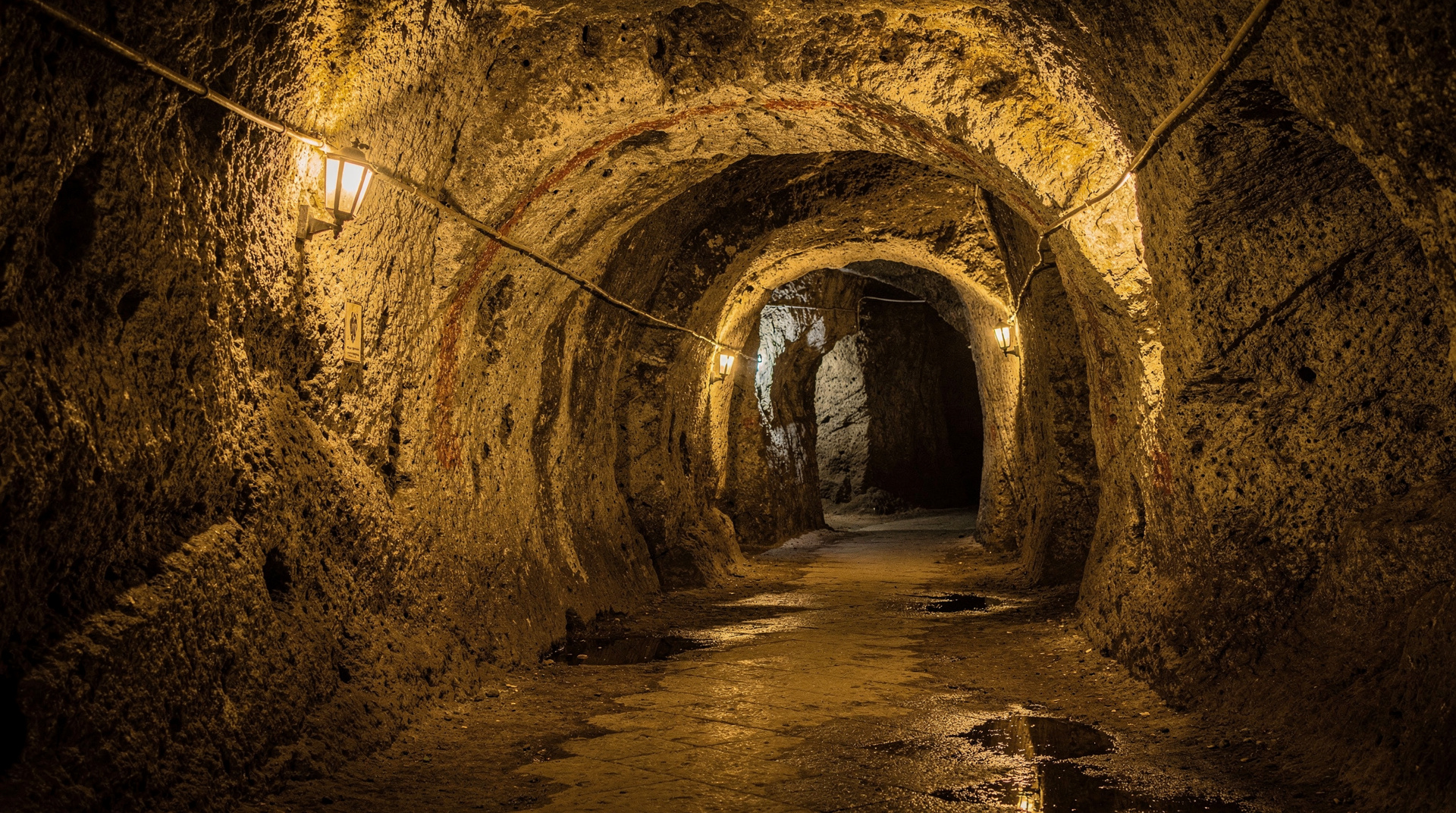
Cumae (Cuma) is 15 km northwest of Naples — the first Greek colony established on the Italian mainland (c. 740 BC). Its primary archaeological attraction is the Antro della Sibilla — a 130 m carved rock tunnel believed to be the seat of the Cumaean Sibyl, the oracle consulted by Aeneas in Virgil’s Aeneid.
Entry to the Cumae archaeological park: ~€4–5. The sibyl’s cave is accessible on foot from the entrance.
Cumae is harder to reach without a car (bus connections exist from Pozzuoli but are slow). A private tour covering Baia and Cumae in one day is the most practical approach for visitors who want both.
Sample day trip itinerary (half day — Solfatara + Pozzuoli)
| Time | Activity |
|---|---|
| 09:30 | Metro from Napoli Garibaldi to Pozzuoli Solfatara |
| 09:55 | Arrive, walk to Solfatara |
| 10:00–11:30 | Solfatara crater |
| 11:45 | Bus or taxi to Anfiteatro Flavio |
| 12:00–13:00 | Amphitheatre tour |
| 13:15 | Walk to Macellum area, Pozzuoli port |
| 13:30 | Lunch at waterfront bar in Pozzuoli |
| 14:30 | Metro or bus back to Naples |
| 15:00 | Arrive Naples |
Full day extension: Add a glass-bottom boat tour from Pozzuoli port (14:30, ~1 hour) and a visit to the Baia archaeological park (16:00, 1 hour). Return to Naples by 18:30–19:00 by bus then metro.
Frequently asked questions about a Campi Flegrei day trip
Is it safe to visit Campi Flegrei with the current bradyseism activity?
As of mid-2026, the monitoring level is elevated (Yellow/Orange alert on the Italian INGV scale) but all main visitor sites remain open. The risk is managed and tracked. Practical precaution: check ingv.it the morning of your visit for any overnight seismic activity above M3.0, and follow posted signage at all sites strictly. The risk to visitors on designated paths is very low.
What is the difference between Campi Flegrei and Vesuvius?
Vesuvius is a stratovolcano — a classic conical mountain visible from Naples that last erupted in 1944. Campi Flegrei is a supervolcanic caldera — a much larger and geologically more complex system where the ground itself is the volcano; there is no central mountain, just a collapsed magma chamber beneath the landscape. Both are monitored by INGV. Vesuvius is more famous; Campi Flegrei is more active in terms of ongoing seismicity and ground deformation.
Can you combine Campi Flegrei with Naples in the same day?
Yes easily — it is 30 minutes by metro from central Naples. A morning in Pozzuoli (Solfatara + amphitheatre) and an afternoon in Naples (archaeological museum MANN, Cappella Sansevero) is a perfectly achievable combination.
What language is spoken and do I need Italian?
Italian is the working language. In Pozzuoli itself — unlike the main Naples tourist zones — English is less widely spoken. Key sites (Solfatara, amphitheatre) have English information panels. A few words of Italian (“un biglietto, per favore”) make the day easier. An English-speaking tour guide solves this entirely.
What should I wear to visit Solfatara?
Closed-toe shoes (the path surface is uneven volcanic rock). The sulphur smell is strong — do not bring silk or other fabrics that absorb odours if you care about them. Bring a jacket even in summer — temperatures outside the crater are normal, but the humidity inside can make you feel cold when you exit. Do not wear contact lenses — the sulphur dioxide irritates eyes more than it would with glasses.
Comparing Campi Flegrei with Naples’ other volcanic and underground sights
Campi Flegrei is one part of a larger volcanic story that includes Mount Vesuvius across the bay — see the Naples and volcanoes overview for how the two systems relate. If the underground element of Pozzuoli and Baia appeals, it pairs conceptually with Naples underground back in the city centre, even though the sites themselves are unrelated geologically.
For visitors deciding between a volcanic day trip and the archaeological blockbuster, the complete Pompeii guide is the comparison point — Pompeii for depth and preservation, Campi Flegrei for drama and crowds you can actually move through. A short guided walk around Pozzuoli itself is a good add-on if you have extra time after Solfatara:
Pozzuoli and Campi Flegrei guided walking tourFrequently asked questions about Campi Flegrei day trip from Naples
What is Campi Flegrei?
Is it safe to visit Campi Flegrei in 2026?
What is Solfatara and is it worth visiting?
What is Bradyseism?
What are the Roman ruins at Campi Flegrei?
How long does a Campi Flegrei day trip take?
Is Campi Flegrei suitable for a Naples day trip with children?
How does Campi Flegrei compare to Pompeii as a day trip?
Top experiences
Bookable activities with verified prices and instant confirmation on GetYourGuide.