Naples history: from Greek colony to modern city
Naples: Old Town Tour with Veiled Christ and Cathedral
How old is Naples and what is its historical significance?
Naples is approximately 2,800 years old, founded as a Greek colony called Neapolis (New City) around 600–470 BC near an existing settlement called Parthenope. It was one of the great cities of the Roman Empire, capital of the Kingdom of the Two Sicilies under the Bourbons, and a major centre of the Italian Risorgimento. The centro storico was designated a UNESCO World Heritage Site in 1995.
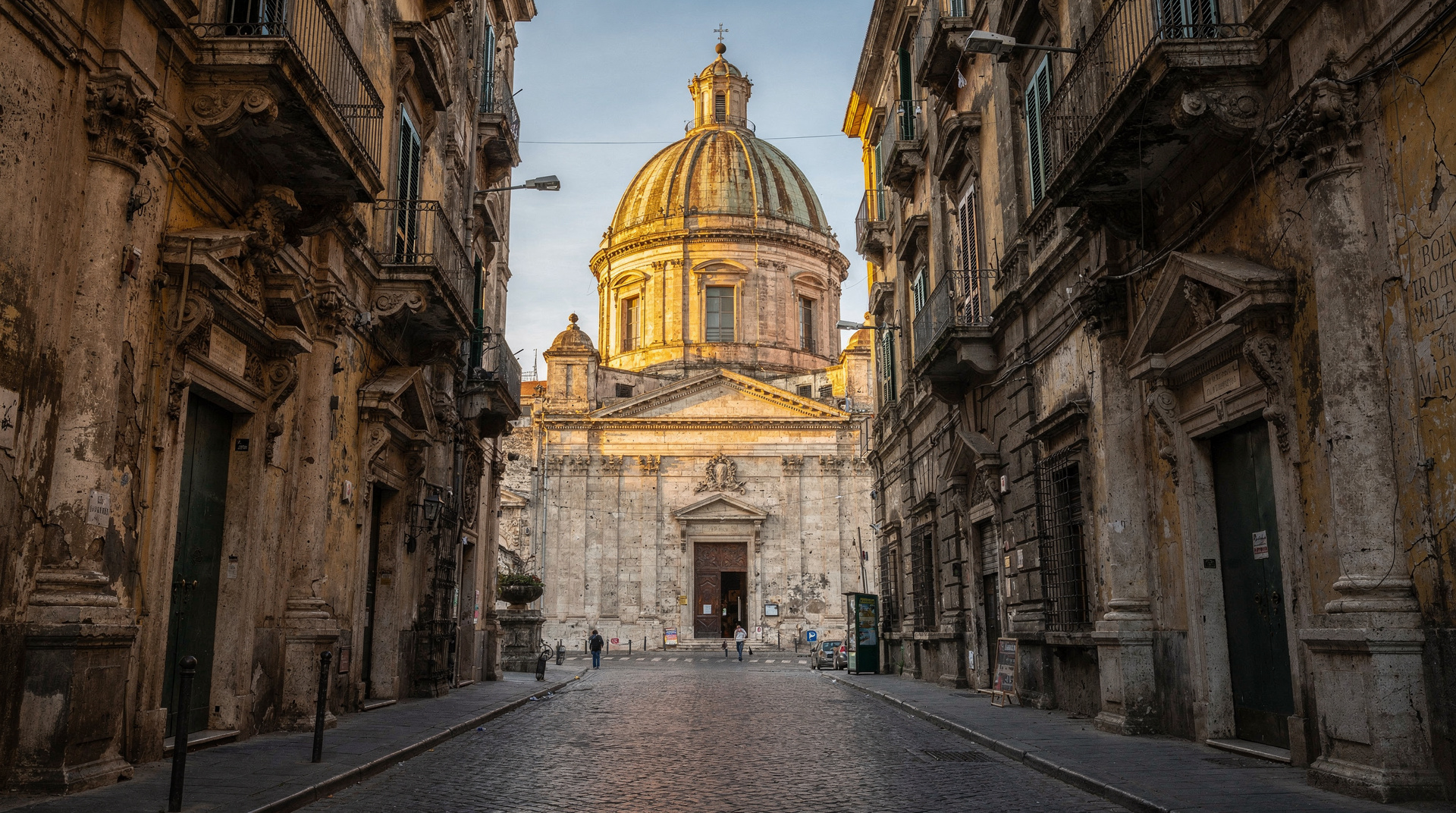
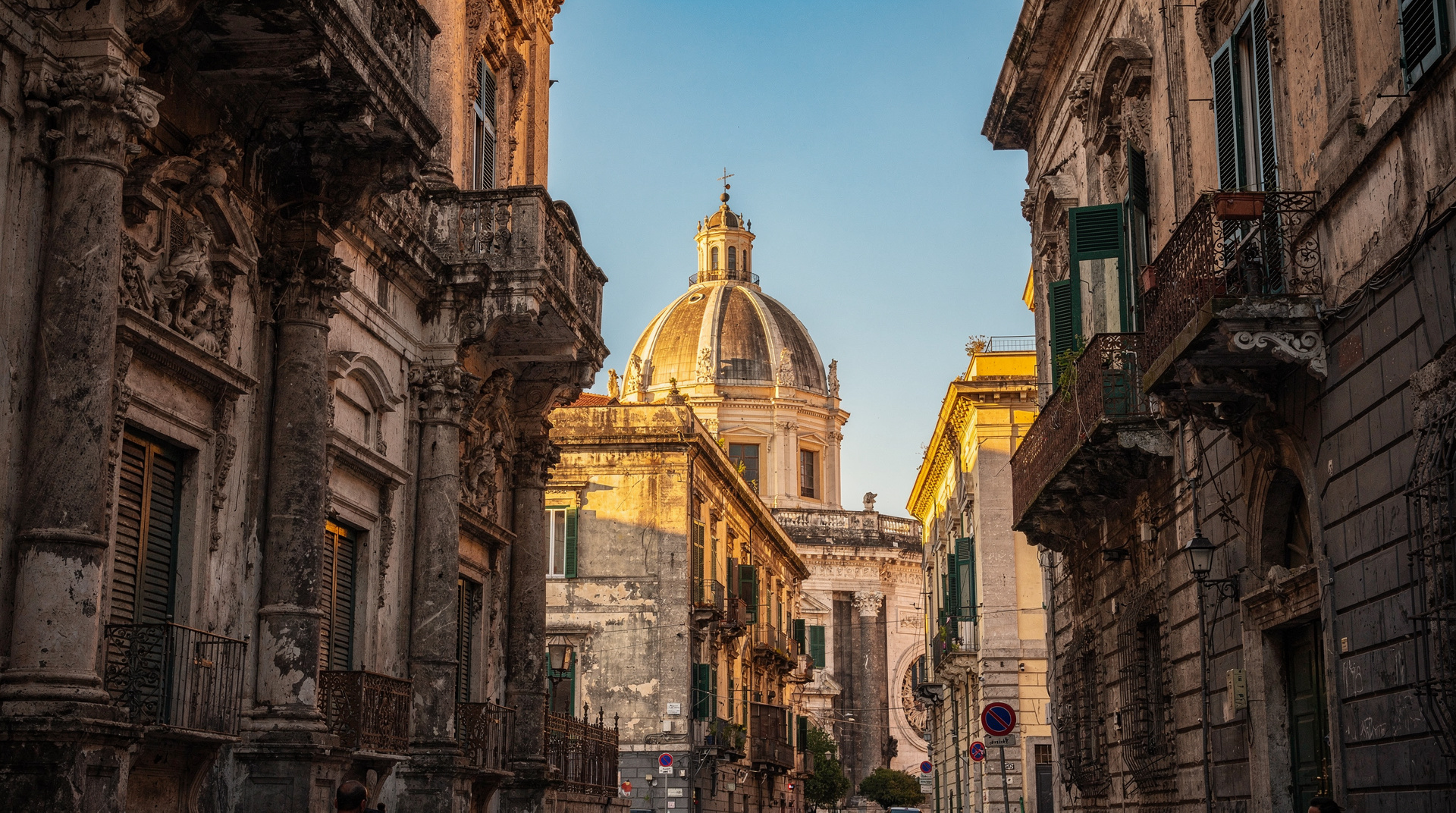
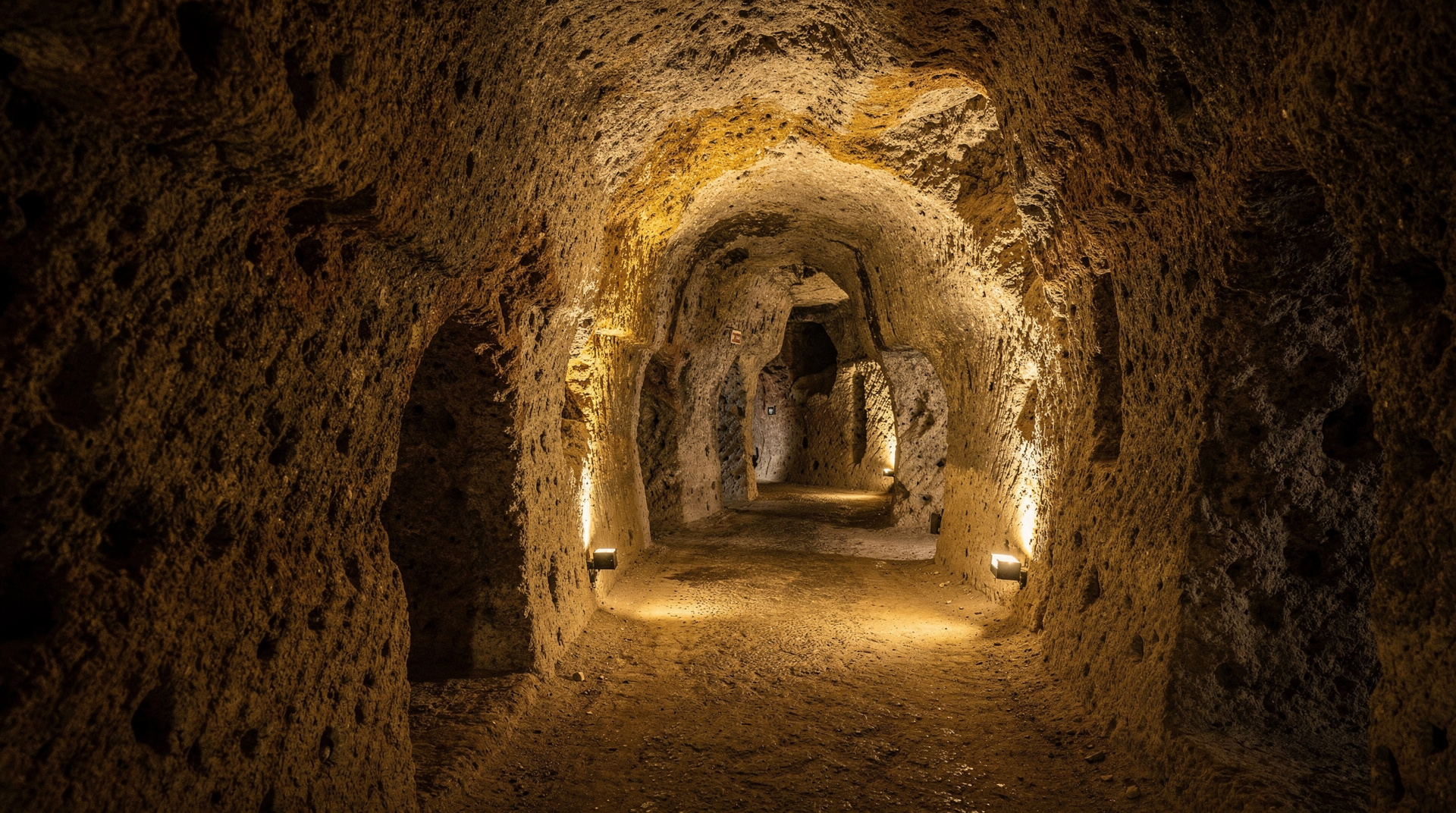
Naples is one of the longest-continuously-inhabited cities in Western Europe. The streets you walk in the centro storico follow a grid laid out by Greek colonists approximately 2,500 years ago. The underground cisterns beneath Spaccanapoli were cut to supply water to a city of several hundred thousand in the 1st century AD. The churches that crowd the medieval lanes incorporate Roman columns, medieval apses, Baroque frescoes, and 20th-century bomb damage in the same walls. Understanding how this accumulated history works — what period is responsible for what — transforms the visual experience of the city.
| Where | Centro storico (UNESCO site since 1995), MANN, Rione Sanità |
| Time needed | Half a day for the key sites, a lifetime to fully absorb |
| Best starting point | MANN, then walk the decumani on foot |
| Cost | Museum/site entries around €10–22 each; walking is free |
| Best time | Any season — indoor sites work year-round |
The Greek foundation: Parthenope and Neapolis
Naples’ oldest origin is Parthenope — an initial Greek settlement on the Pizzofalcone promontory, the rocky headland west of modern Piazza del Plebiscito, probably founded in the 7th or 8th century BC. This settlement, which later acquired the name Palaepolis (Old City), was established by colonists from the Greek city of Cumae on the coast to the north (near modern Pozzuoli).
Parthenope remained small. The major founding event was the establishment of Neapolis — New City — on the flatter land to the east, sometime between 600 and 470 BC. The precise date is disputed; ancient sources give different accounts. What is certain is that Neapolis was planned from the start: its streets were laid out in a orthogonal grid of three main east-west roads (the decumani) crossed by narrower north-south streets (the cardines). The three main decumani survive today as Via dell’Anticaglia (upper), Via dei Tribunali (middle), and Via San Biagio dei Librai / Via Benedetto Croce (lower — the main axis of Spaccanapoli).
The city was a major Greek cultural centre: Greek was spoken here for centuries longer than in most of Rome’s western territories, and it attracted prominent Romans who wanted the Greek cultural environment without leaving Italy. Virgil lived in Naples while writing the Aeneid; the emperor Augustus visited and reorganised the city’s Greek games, the Italika Romaia Sebasta, as a pan-Italian cultural institution.
Roman rule: prosperity and continuity
Neapolis became an ally of Rome in 326 BC following a brief conflict, then a formal Roman ally under the Social War settlement of 90 BC, when most Italian cities gained Roman citizenship. The city retained remarkable cultural continuity: Greek language, Greek games, Greek administrative traditions survived well into the imperial period.
The Roman period was one of sustained prosperity. The bay of Naples — the Sinus Cumanus — was the most fashionable location in the Roman Empire for elite villas. Cicero, Pompey, Julius Caesar, Lucullus, Asinius Pollio — all had properties in the area. The volcanic landscape provided thermal baths at Pozzuoli and the Campi Flegrei. Pompeii, Herculaneum, and the other settlements of the bay were thriving cities — until 79 AD.
The eruption of Vesuvius in 79 AD destroyed Pompeii, Herculaneum, and Stabiae, killing thousands and covering a substantial portion of the most fertile agricultural land around the bay. Naples itself — far enough north of the main pyroclastic flow — survived the eruption, though the ashfall was heavy. The archaeological museum in Naples (MANN) holds the most important material excavated from Pompeii and Herculaneum: mosaics, frescoes, sculpture, and everyday objects from two frozen-in-time Roman cities.
Byzantine interlude and the Duchy of Naples
When the Western Roman Empire dissolved in the late 5th century, Naples passed through the hands of the Gothic kingdoms that succeeded it, then was incorporated into the Byzantine Empire under Justinian’s reconquest of Italy (535–554 AD). Naples remained under Byzantine nominal sovereignty for several centuries — longer than most of Italy — as the Duchy of Naples, a semi-autonomous local government that gradually became de facto independent.
The Byzantine period left significant archaeological traces. The Catacombs of San Gennaro in the Rione Sanità contain frescoes from this period; the earliest layers of the Naples cathedral (Duomo) incorporate basilica-period construction. The cult of Naples’ patron saint Gennaro (Januarius) was formalised and institutionalised during the Byzantine period, establishing the framework of the miracle of the blood that continues to this day.
Norman, Swabian, and Angevin periods: medieval Naples
The Norman conquest of southern Italy in the 11th century reorganised the entire political landscape. By 1139, the Normans had created the Kingdom of Sicily, which included the Italian mainland south of Rome (including Naples). Under Norman and subsequent Swabian rule, Naples became an important city but not the capital — that was Palermo.
The city’s status changed decisively in 1266 when Charles of Anjou, backed by the Pope against the Hohenstaufen emperor, defeated and killed Manfred at the Battle of Benevento and took the kingdom. The Angevins moved the capital to Naples, transforming it almost overnight into the major Mediterranean court city it would remain for centuries. Charles I built the Castel Nuovo (Maschio Angioino) — the great fortress on the harbour that defines the modern waterfront — and established the permanent royal residence in Naples.
The Angevin period produced a building programme of enormous scale: the Naples cathedral (Duomo), the Certosa di San Martino, the Castel Sant’Elmo, and numerous churches that still define the centro storico skyline. The dynasty also brought Giotto to Naples — the frescoes he painted in the Castel Nuovo’s Palatine Chapel are now largely lost, but his influence shaped a generation of Neapolitan painters.
Aragonese rule: Renaissance Naples
In 1442, Alfonso V of Aragon conquered Naples and reunited the Italian mainland kingdom with Sicily under Aragonese rule. The Aragonese period was the high point of Renaissance Naples: Alfonso established a humanist court, patronised literature and philosophy, rebuilt streets, added the triumphal arch to the Castel Nuovo, and made Naples one of the great cultural capitals of 15th-century Italy.
His successors were less capable. Ferdinand I (Ferrante) and his descendants maintained the kingdom but faced continuous external pressure — from France, from internal baronial revolt, from the Spanish Habsburgs who eventually absorbed Aragon itself. In 1503, the Kingdom of Naples became a Spanish viceroyalty, governed by Spanish viceroys on behalf of the Spanish crown. This period lasted until 1713 — over two centuries of Spanish rule.
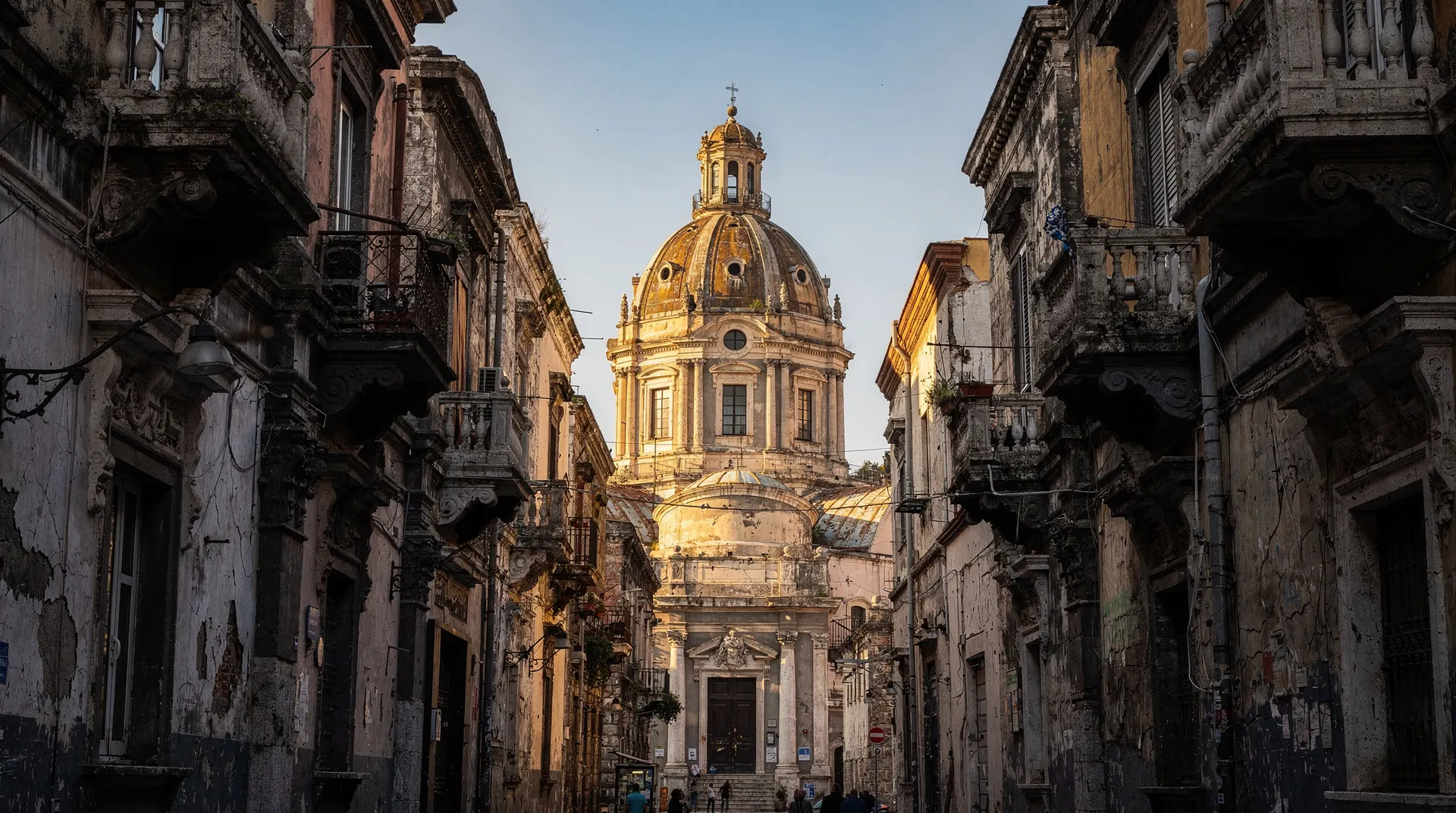
The Spanish viceroyalty built the Spaccanapoli districts we now call the centro storico: the dense urban fabric of churches, convents, palaces, and street markets that defines Naples to most visitors. The street grid was extended, new churches were built at extraordinary density (Naples has more churches per square kilometre than almost any city in the world), and the city expanded dramatically on its hillside — the Vomero ridge began to be developed, the Chiaia waterfront was laid out, and the Posillipo coast became an elite residential area.
Bourbon Naples: the 18th-century capital
In 1734, Charles III of Bourbon — the son of Philip V of Spain and Elisabeth Farnese — conquered Naples from the Habsburgs and established the separate Bourbon Kingdom of the Two Sicilies. Naples became an independent royal capital for the first time in over two centuries.
The Bourbon period was architecturally prolific. Charles III built the Royal Palace of Caserta — the largest royal palace in Europe by footprint, designed by Luigi Vanvitelli and generally considered the most ambitious building project of 18th-century Italy. In Naples, his court architects built the San Carlo opera house (1737, the oldest continuously operating opera house in Europe), expanded the Royal Palace, and began construction of Capodimonte palace (now the Capodimonte museum) on the northern hill.
The Bourbons also sponsored archaeology: the rediscovery of Pompeii and Herculaneum under Bourbon patronage in the 18th century transformed European understanding of ancient Roman life. The material recovered from the sites was initially installed in the Royal Museum at Portici (the Bourbon’s summer palace at the foot of Vesuvius), then transferred to the Palazzo degli Studi in Naples — now the National Archaeological Museum (MANN).
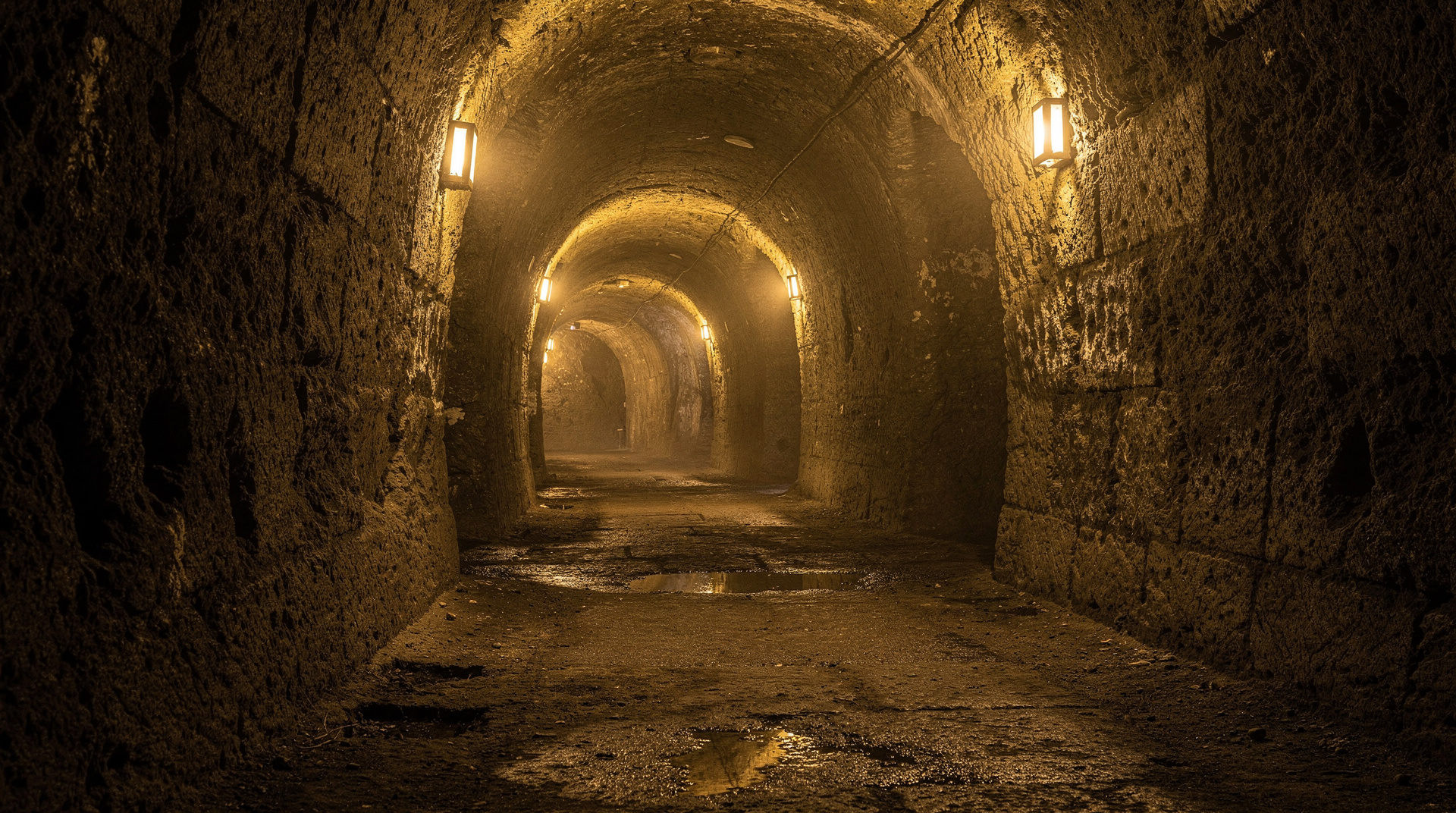
The Galleria Borbonica — the underground escape tunnel from the Royal Palace — is the most unusual monument of Bourbon paranoia, commissioned by Ferdinand II in 1853 and completed just as his dynasty collapsed.
Unification and the post-Risorgimento period
The story of Italian unification is, in part, a story of Naples. Garibaldi’s Spedizione dei Mille (Expedition of the Thousand), launched from Quarto near Genoa in May 1860, landed in Sicily, conquered the island in weeks, and crossed to the mainland in August. The Bourbon military collapsed with remarkable speed — a combination of incompetence, demoralisation, and a population in the south that had limited loyalty to the Bourbon crown.
King Francis II fled Naples in September 1860. Garibaldi entered the city on 7 September to public celebration. The plebiscite of October 1860 showed overwhelming support for annexation to Piedmont-Sardinia — though historians debate how free the vote was and what it actually measured. The Kingdom of the Two Sicilies became part of unified Italy, formally proclaimed in March 1861.
What followed was economically devastating for Naples. The unified Italy imposed fiscal policies and tariff structures that benefited the industrial north and disadvantaged the southern economy. The great industries of the Bourbon period — silk, manufacturing, ship-building — collapsed under northern competition. Naples went from being one of Europe’s great capitals to being a periphery of a new national state whose economic logic was centred on Turin and Milan.
The Southern Question — the persistent economic gap between north and south Italy — originates in this period and has never been fully resolved.
The 20th century: poverty, war, and the post-war city
By the early 20th century, Naples had the densest urban population in Europe — a 1910 census found over 700,000 people in conditions of extreme overcrowding, with tenements in the bassi (ground-floor dwellings) lacking running water and sanitation. Emigration to the United States — particularly from Campania — was the primary pressure valve: between 1880 and 1930, approximately four million people left southern Italy for America, a diaspora that permanently reshaped both places.
WWII brought disaster. Naples was the most bombed Italian city, sustaining approximately 100 raids between 1940 and 1944. The Quattro Giornate di Napoli — four days in late September 1943 when Neapolitan civilians rose against the German occupation before Allied forces arrived — is a point of intense local pride, memorialised in the museum at the Castel Sant’Elmo and in oral tradition. The insurrection was one of the only successful popular uprisings against Nazi occupation in occupied Europe.
Post-war reconstruction was chaotic and often corrupt. The 1950s–1970s saw the construction of vast peripheral housing estates (Scampia, Secondigliano) that housed the displaced populations of bombed or demolished city centre districts. The same period produced illegal construction of extraordinary scale: a 1985 earthquake that killed 2,700 people in Campania revealed how extensive building outside safety regulations had become.
Naples today: resilience and complexity
Modern Naples is a city of around 900,000 (metropolitan area three million) with a fractious relationship to its own history. The centro storico is a UNESCO World Heritage Site that functions simultaneously as a living neighbourhood and a major tourist destination — a combination that produces tension between preservation and population, tourist economy and local economy.
The city’s most famous cultural contributions — pizza, the Neapolitan song tradition, the pulcinella theatrical character, the presepe craft tradition along San Gregorio Armeno, the espresso culture — are all products of a specific urban culture that formed in the dense, layered, poor, and extraordinarily creative circumstances of this city over several centuries. The Camorra, the organised crime network specific to Campania, is also part of the same social history — not separate from it.
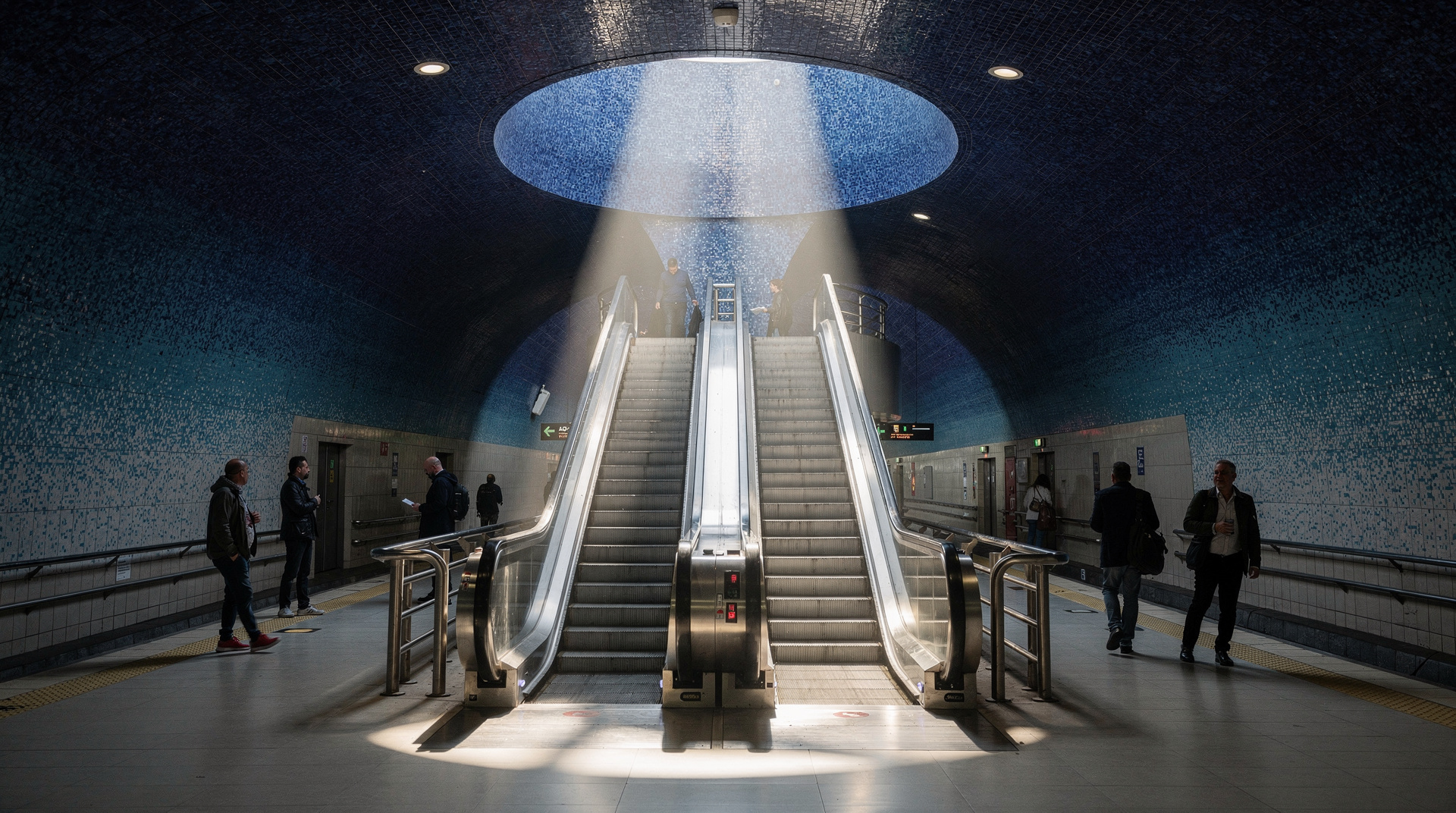
Visitors who engage with Naples as simply an archaeological backdrop to Pompeii day trips are missing the most interesting thing about the city: it is alive, loud, contradictory, and in continuous argument with itself about what it is and where it is going. The metro art stations, the La Paranza cooperative in the Rione Sanità, the street food culture, and the subterranean archaeology are all expressions of the same multi-millennial continuity.
Naples eras at a glance
| Period | Roughly when | What survives to see today |
|---|---|---|
| Greek (Neapolis) | 600–470 BC onward | Street grid of the decumani, Spaccanapoli axis |
| Roman | 90 BC – 5th century AD | MANN collection, cisterns, Pompeii/Herculaneum finds |
| Byzantine/Duchy | 6th–11th century | Catacombs of San Gennaro frescoes, early Duomo layers |
| Angevin | 1266–1442 | Castel Nuovo, Duomo, Certosa di San Martino |
| Aragonese/Spanish | 1442–1713 | Centro storico street fabric, hundreds of churches |
| Bourbon | 1734–1861 | Royal Palace, San Carlo, Capodimonte, Caserta |
| Post-unification/WWII | 1861–1945 | Quattro Giornate memorials, peripheral housing |
Where to see 2,800 years of history in one walk
You do not need a car or a guided coach tour to move through Naples’ layers — the centro storico compresses them into a single walkable route. Start at the MANN for the Roman finds excavated from Pompeii and Herculaneum, then walk south into Spaccanapoli along the Greek-era decumani. The Naples Cathedral (Duomo) shows Byzantine, Angevin and Baroque work stacked in the same building; a few streets over, the Cappella Sansevero is pure 18th-century Naples at its most theatrical.
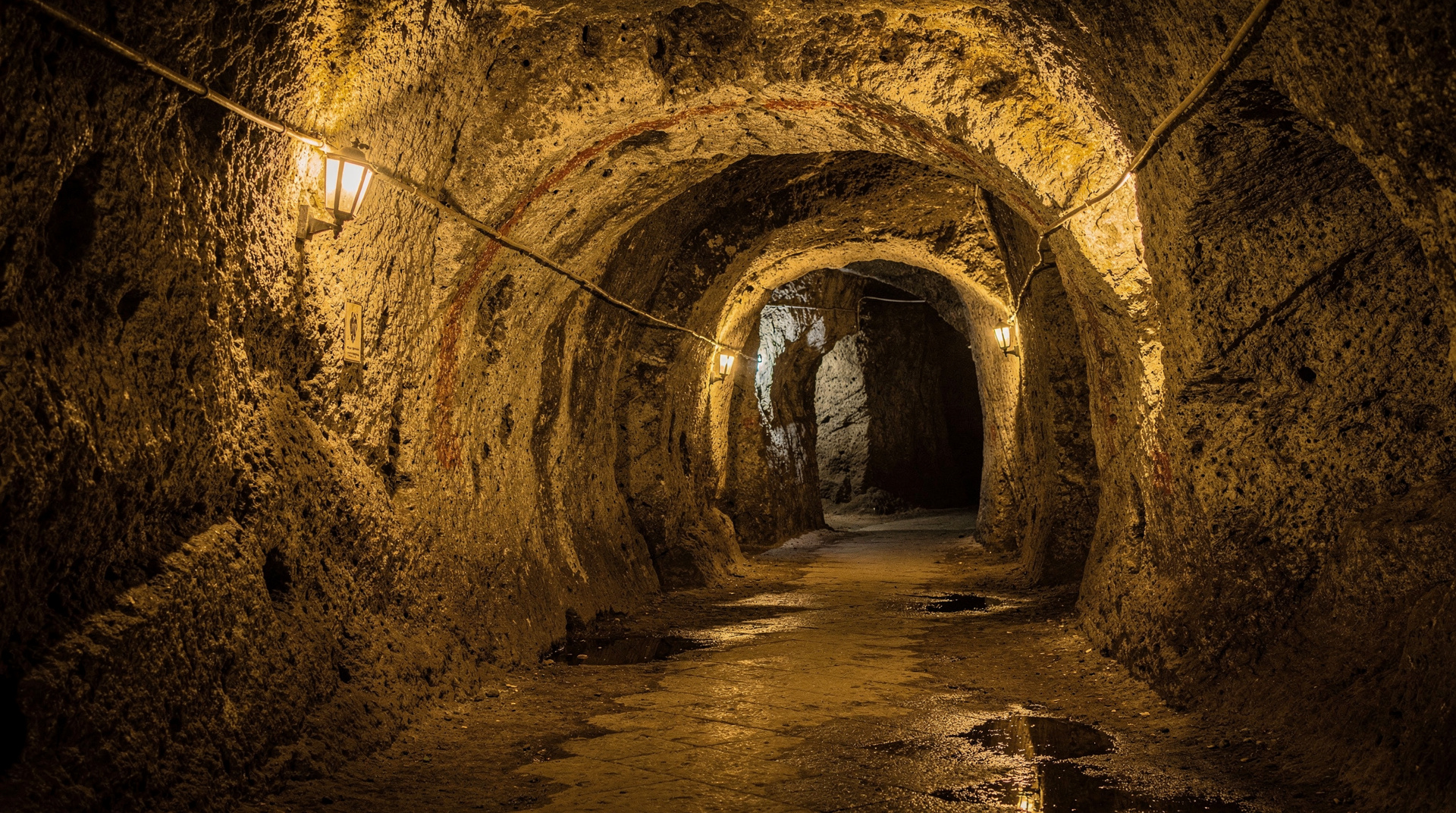
Finish underground: Napoli Sotterranea and the Catacombs of San Gennaro put you physically inside the Greek and Roman infrastructure described above, rather than just reading about it. Budget half a day for a relaxed version of this route, or fold it into the three-day Naples itinerary if you want time to actually sit with each stop.
A guided walking tour is worth the money here specifically because so much of Naples’ history is legible only with context — a plain church façade can be hiding a Roman column recycled as a support, and a local guide will point it out where a self-guided visitor would walk past it.
Historic centre and Cappella Sansevero walking tourNaples history museums: where the physical evidence lives
Several sites hold the material evidence behind the timeline above, and each rewards a different kind of visit. The Capodimonte museum, in the Bourbon summer palace on the hill north of the centre, holds the royal painting collection built up from Charles III onward — Titian, Caravaggio, and an entire wing of Neapolitan Baroque. Castel Nuovo is the Angevin fortress itself, with a civic museum inside; the Royal Palace covers the Spanish viceroyalty through the Bourbon and Savoy periods in one building.
For the darker chapters, the WWII-era shelters accessible through the underground tours and the Quattro Giornate memorial material give the 20th century the same physical grounding that the Greek and Roman sites give antiquity. None of these require advance planning beyond booking Sansevero online — you can move between them on foot or by metro across a single day.
Frequently asked questions about Naples history
Why is Naples so densely built?
Naples’ historic centre was hemmed in by sea to the south and west, hills to the north, and the Spanish-era city walls. As the population grew — particularly under Spanish rule (16th–17th centuries) and Bourbon rule (18th century) — the only option was building upward and filling every available space. The density of churches and palaces in the centro storico reflects a competition for prestige in a confined urban space.
What happened to the Norman and Swabian architectural legacy?
The Normans built extensively in Sicily (Palermo Cathedral, Monreale) but less in Naples — much of what they built was replaced during the more architecturally prolific Angevin and Aragonese periods. Some Norman-period elements are incorporated into later buildings, but Naples does not have the concentrated Norman heritage that Sicily does.
Why does Naples have so many churches?
The Spanish viceroyalty (1503–1713) was a period of intense Counter-Reformation Catholic culture — building churches was an act of piety, political statement, and competition for neighbourhood prestige among noble families. The nobility funded individual churches and chapels as family monuments. The result was a building programme that produced approximately 450 churches in the centro storico — the highest concentration in the world for an urban area this size.
When did pizza originate in Naples?
The modern Neapolitan pizza — yeast-raised dough, tomato sauce (tomatoes arrived in Europe from America in the 16th century), and mozzarella — emerged in the 18th–19th centuries. The margherita variant (with mozzarella) is traditionally dated to 1889, when a local pizzaiolo named Raffaele Esposito allegedly made it for Queen Margherita of Savoy. The basic pizza — flatbread with toppings — is older, but the canonical modern form is specifically a 19th-century Neapolitan invention.