Certosa di San Martino Naples — guide to the hillside monastery
The Best of Naples Private Walking Tour
Is Certosa di San Martino worth visiting in Naples?
Yes, for two separate reasons — the world's most important collection of Neapolitan presepi (nativity scenes) and the best panoramic view of the city and bay accessible by funicular. Entry €8. Allow 1.5–2.5 hours. Closed Wednesday.
Quick answer: The Certosa has two main draws — the world’s best presepi collection and exceptional panoramic views. Entry €8. Get there by funicular from Montesanto or Piazza Fuga. Closed Wednesday.
| Where | Largo San Martino 5, Vomero hill |
| Cost | €8 (included in the Campania ArteCard) |
| Time needed | 90 minutes to 2.5 hours |
| Getting there | Funicular from Montesanto or Piazza Fuga, then 10-min walk |
| Best time | Late afternoon (16:00–17:00) for terrace photography |
The monastery on the hill
Certosa di San Martino (Certosa means Carthusian monastery) was founded in 1325 by the Angevin prince Charles, Duke of Calabria, on the Vomero hill above Naples. The site was chosen specifically for its panoramic position — the Carthusian order valued seclusion and visual separation from the city below.
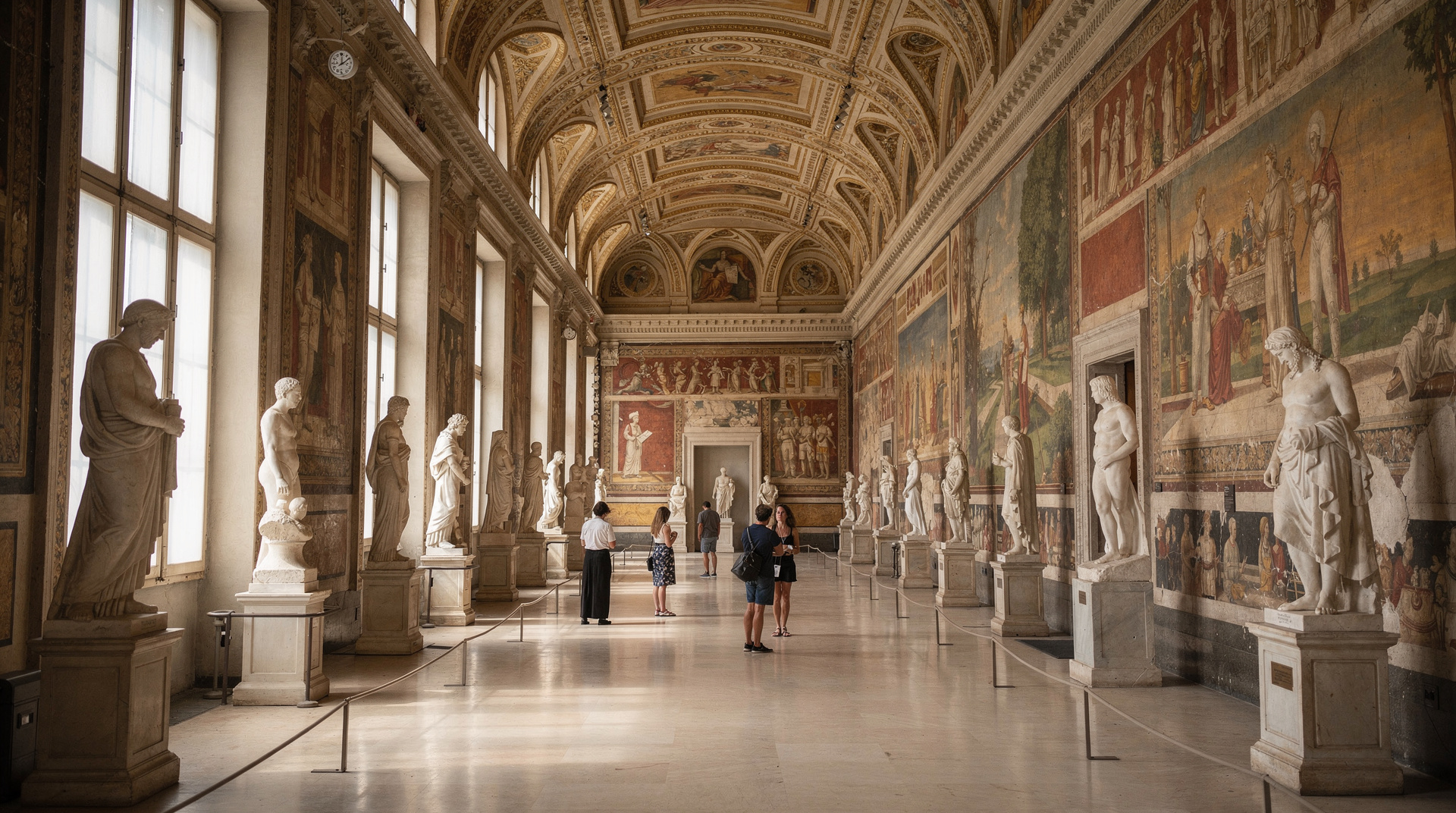
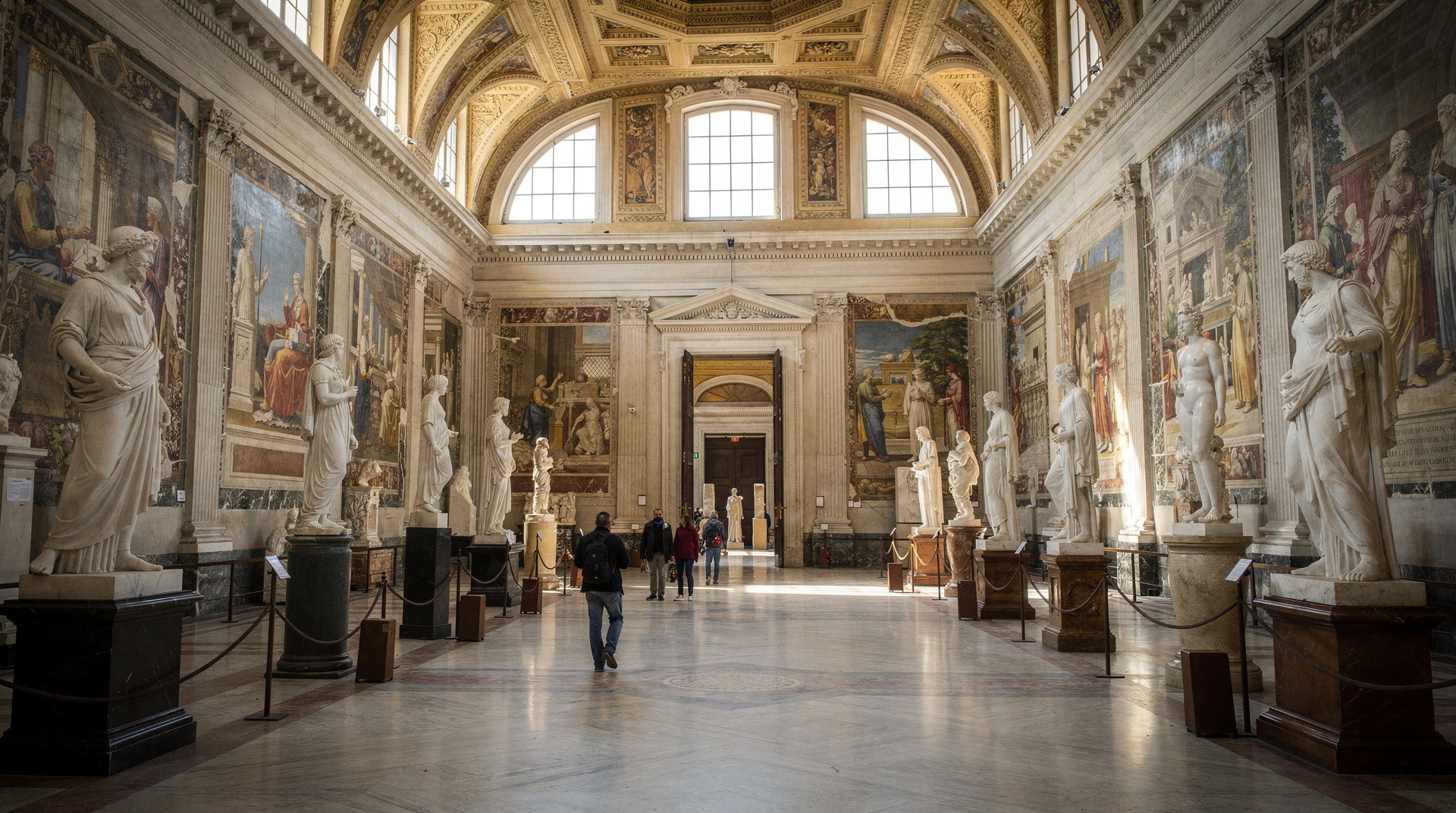
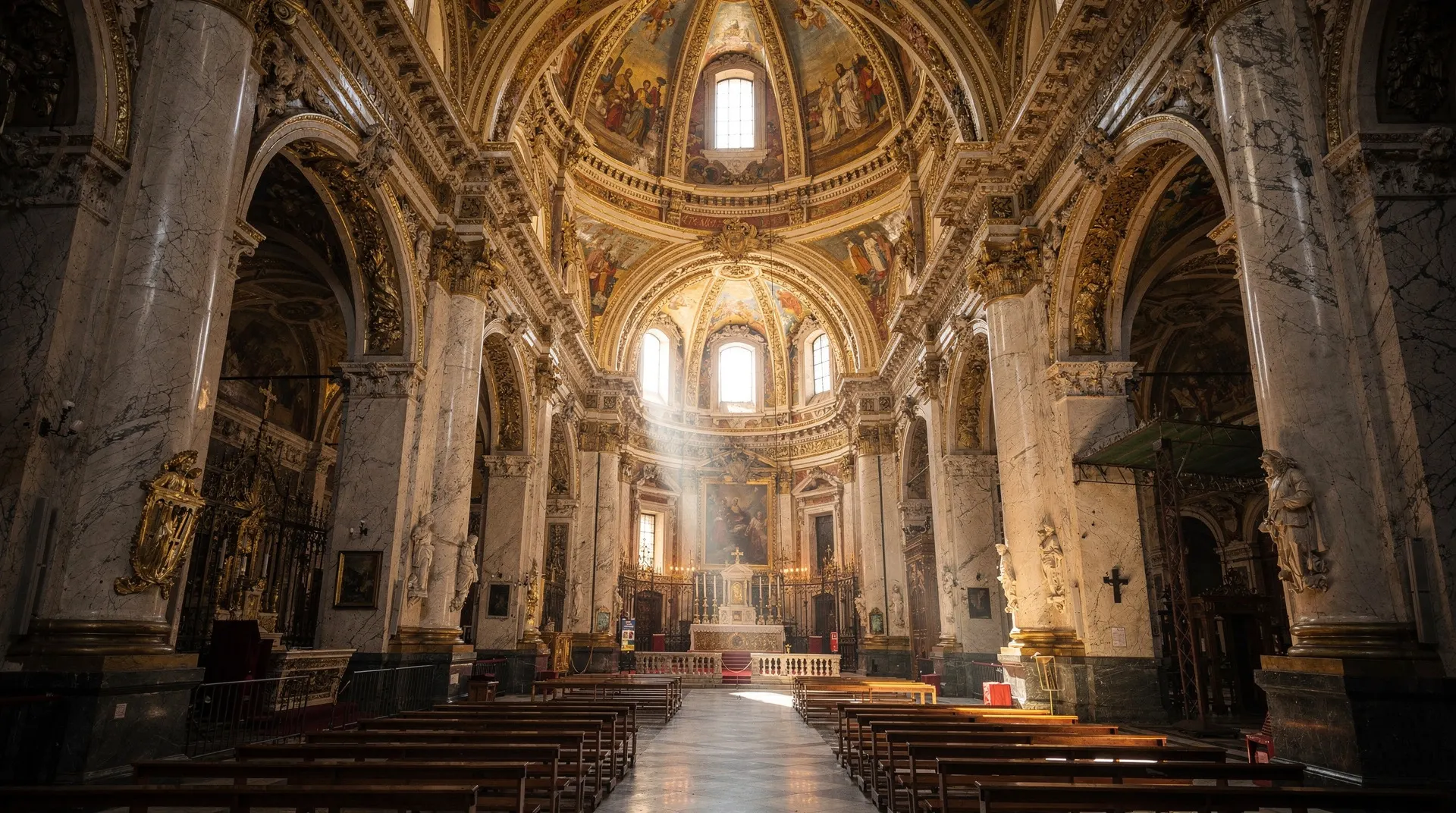
The original Gothic monastery was progressively transformed over three centuries into one of the most elaborately decorated religious complexes in southern Italy. The main building campaign was in the 17th century, under priors who understood the Certosa as a demonstration of Neapolitan wealth and artistic ambition. The result is an interior that can seem overwhelming — every surface decorated, marble inlays on floors and walls, frescoes on ceilings, gilded altarpieces.
The monastery was suppressed in 1866 as part of the unification-era laws dissolving religious orders. Since then it has been a national museum.
Getting there
By funicular: The Vomero hill is most pleasantly reached by one of two funiculars.
Centrale funicular from Via Toledo/Piazza Fuga: The most used. Takes 4 minutes to the Vomero; alight at the terminus (Piazzetta del Duca). The Certosa is a 10-minute walk south and west.
Montesanto funicular from Piazzetta Montesanto (near Via Toledo): Slightly less central, terminates at Via Raffaele Morghen. The Certosa is 10 minutes’ walk.
Both funiculars use the standard ANM transit ticket (€1.60, valid for 90 minutes on any ANM transport including metro, bus, and funicular).
By metro: Line 1 Vanvitelli stop is closest — 10 minutes walk to the Certosa.
By taxi: Approximately €12–15 from the historic centre. The road from the city is Via Tasso.
Address: Largo San Martino 5, Naples
For visitors who prefer a guided introduction rather than navigating the funicular and museum independently, the Certosa is included on several broader Naples highlights tours that combine it with other must-see sites in a single day.
Naples best-of walking tour including the Vomero highlightsThe funicular network itself is one of the more distinctive parts of visiting the Vomero — see naples-funiculars-guide for how the four lines connect, and consider combining the ride with the wider Vomero neighbourhood for cafés and residential streets away from the museum crowds.
Opening hours and tickets
Hours: Thursday–Tuesday 9:30–17:30. Closed Wednesday. Last entry 17:00. Entry: €8 adults. Reduced rates for EU students and over-65s. Under-18 EU free. ArteCard: Included in the Campania ArteCard (3-day Naples card €25).
The church interior
The church of the Certosa is an extraordinary accumulation of 17th-century Neapolitan baroque:
Ceiling frescoes: The main vault has a fresco by Cavalier d’Arpino (Giuseppe Cesari), who taught Caravaggio — the Ascension of Christ amid a mass of figures. The secondary chapels have ceilings by Battistello Caracciolo, Massimo Stanzione, and Jusepe de Ribera.
The choir: The carved wood choir stalls (1587–1599) are among the finest examples of intarsia (inlaid marquetry) in southern Italy — woodland landscapes, architectural scenes, and hunting scenes worked in contrasting woods.
Floor and wall inlays: Polychrome marble inlays throughout — the floor of the main church and the chapel floors are particularly elaborate, with coloured marble from across the Mediterranean creating geometric and floral patterns.
Major paintings: The sacristy holds Caravaggio’s Flagellation of Christ (now actually displayed at Capodimonte — the San Martino has a copy — check current installation before visiting) and works by Ribera, Stanzione, and Luca Giordano. One of the Ribera works here — the Pietà — is considered among his finest.
The great cloister
The main cloister (Chiostro Grande) is one of the most harmonious spaces in Naples. Designed by Cosimo Fanzago in the 17th century, it has a colonnade of 64 columns, marble and tufa, with the characteristic Fanzago skulls-and-bones marble benches at intervals around the perimeter.
The garden in the centre is a simple geometric parterre. The view through the cloister arches to the hills above is exact and beautiful.
This is the space most frequently photographed at the Certosa, and justifiably so.
The presepi (nativity scene) collection
The Certosa holds the most artistically significant presepi collection in the world — both in terms of individual sculptural quality and historical range.
What is a presepe? A presepe is a nativity scene diorama — but in the Neapolitan tradition, it is far more than a religious tableau. The 18th-century Neapolitan presepe incorporated the nativity as the central scene in a vast theatrical world: market vendors, tavern scenes, street characters, food stalls, animals, and spectators from across social classes. The figures are typically 30–45 cm tall, made of terracotta or wood with carved features and glass eyes, dressed in silk and linen.
The tradition was aristocratic and competitive — noble families commissioned hundreds of figures from the best craftsmen in Naples, and the quality of the presepe was a statement of social status.
The Cuciniello presepe: The most famous individual presepe in the collection is the Cuciniello, assembled in the late 19th century from 18th-century figures. It is a large-scale diorama in its own display room — an entire hillside village in miniature, with the stable scene at the base and dozens of individual scenes around it. The figures include works by Pietro Cerrone, Giuseppe Sanmartino (who also made the Veiled Christ at Cappella Sansevero), and other major 18th-century craftsmen.
Other presepi: The Certosa holds several complete historic presepi and hundreds of individual figures. The figurine collection in the museum includes Bourbon royal family pieces and figures with specific social-historical interest.
If you visit Naples at Christmas, this collection is the most important context for the presepe tradition. See Naples at Christmas for seasonal details.
The panoramic terraces
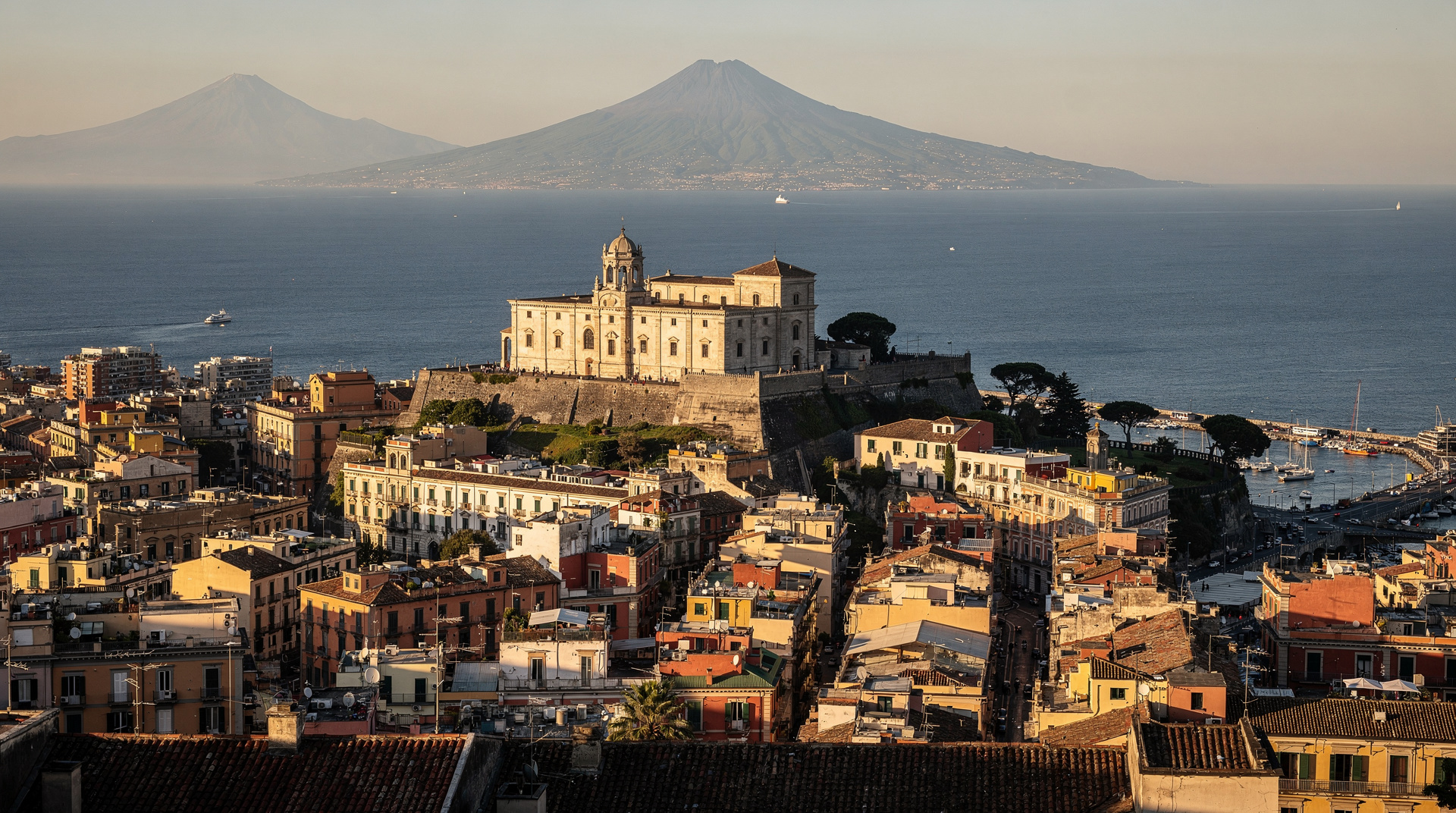
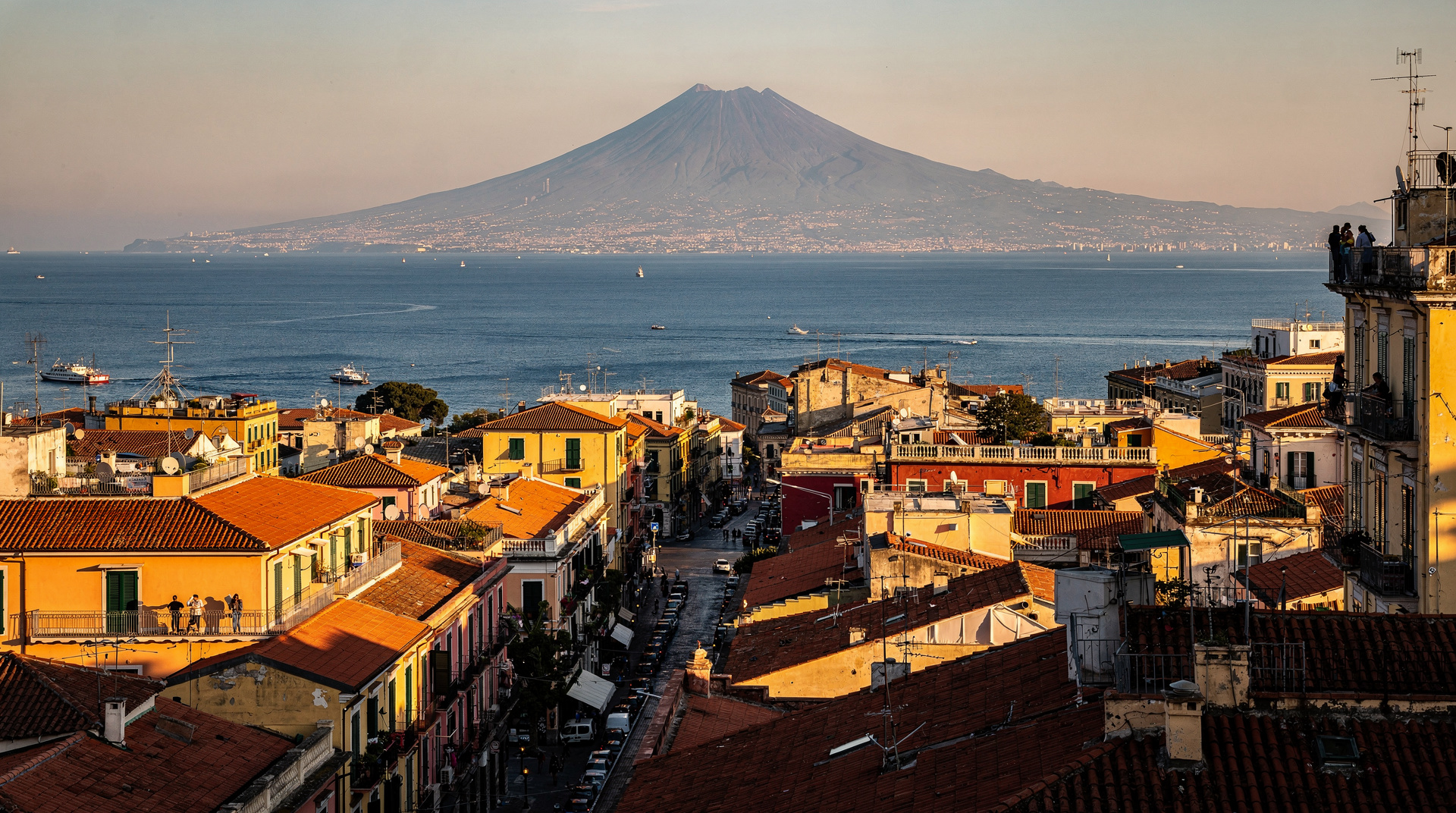
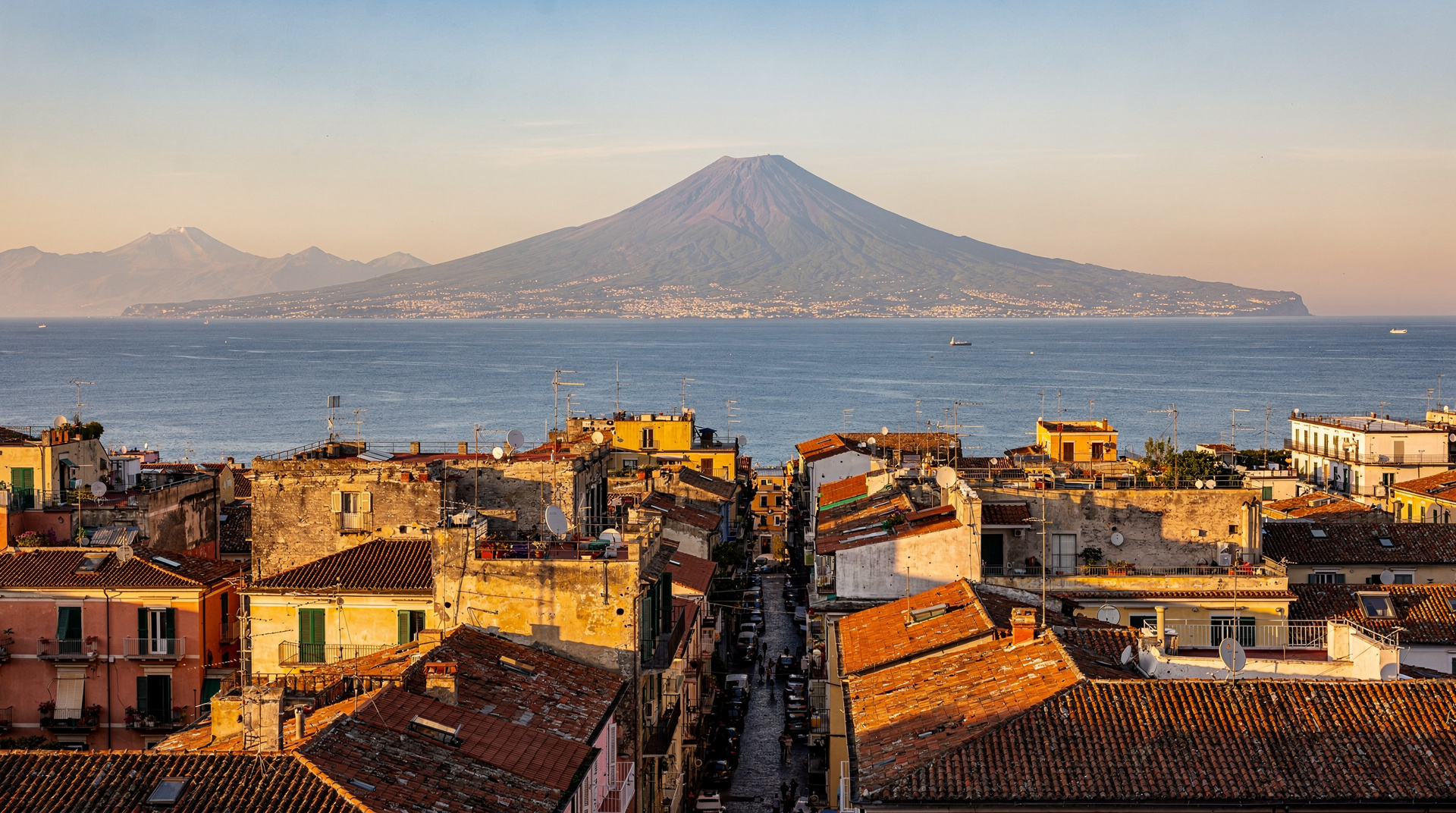
The Certosa’s terraces and cloisters face south and west, giving an unobstructed view over the entire Bay of Naples. From the main terrace:
- Below and left: The city of Naples, the port, Castel dell’Ovo on its promontory
- Right: Vesuvius and the towns at its base (Ercolano, Torre del Greco, toward Pompeii)
- Ahead: The open bay, the islands (Capri southeast, Ischia northwest, Procida closer)
- Extreme right: The Sorrentine Peninsula fading into the distance
This view justifies a visit to the Certosa even without the museum. The best light for photography is late afternoon — 16:00–17:00 — when the sun is behind you (if approaching from the city side) and Vesuvius catches warm light.
The museum collections beyond presepi
The Certosa holds a broader museum of Neapolitan history and decorative arts:
Topographical paintings: One of the best collections of 17th–19th century views of Naples — the vedute tradition that documented the bay and city before photography. Useful for understanding the city’s historical appearance.
Historical artefacts: Documents, costumes, carriages, and objects related to the history of the Kingdom of Naples.
Tapestries and decorative arts: Textile and porcelain collections of varying quality.
Gallery of Neapolitan painting: Works from the 15th–19th centuries complementing the main Naples museum collections.
Combining with Castel Sant’Elmo
The star-shaped fortress immediately adjacent to the Certosa (5 minutes’ walk) charges a separate €5 entry. The Sant’Elmo battlements give a 360-degree panorama — the Certosa view is more directed south; Sant’Elmo adds the north and east faces of the city. Together they form a complete Vomero half-day.
See Naples viewpoints for the comparison. Both sites also sit within easy reach of capodimonte-museum if you want to build a full hilltop-museums day away from the centro storico, and either belongs on a first-timer’s top attractions in Naples list.
Naples hop-on hop-off bus, 24-hour ticket is a practical way to reach the Vomero without walking the steep approach roads if you’re combining several hilltop sites in one day.
Practical notes
Duration: The church, great cloister, and presepi collection take 90 minutes at a comfortable pace. A thorough visit of all galleries takes 2.5 hours.
Photography: Permitted throughout without flash.
Accessibility: The funicular and main museum spaces are accessible. The cloisters require steps in some sections.
Café: No café inside the museum. Options on Via Scarlatti and Piazza Vanvitelli (Vomero main square, 10 minutes’ walk).
Frequently asked questions about Certosa di San Martino
Is the Certosa di San Martino the best viewpoint in Naples?
The south-facing terraces give one of the best views of the bay and Castel dell’Ovo. Castel Sant’Elmo (adjacent, €5) is better for a complete city panorama. Posillipo has better views toward the islands. The Certosa view is distinctive because it combines the historic monastery foreground with the bay.
How long should I spend at the Certosa?
Minimum 90 minutes for the essentials: church, great cloister, Cuciniello presepe, and the terrace view. Two hours is comfortable. Three hours if you want to explore all the museum galleries.
Is the great cloister always accessible?
The cloister is generally open during museum hours. Occasional restoration work may restrict part of the perimeter. The central garden view is typically available.
Are there English labels in the museum?
English labels are present in the main galleries and the presepi section. They are comprehensive for the major pieces; less complete for secondary works.
Is the Certosa worth visiting if I have already seen the Vatican and Uffizi?
Yes, because the specialisation is different. The Certosa’s strength — the presepi, the Neapolitan baroque architecture, the panoramic context — does not duplicate what the Vatican and Uffizi offer. It is specifically Neapolitan and worth visiting for that reason.
Frequently asked questions about Certosa di San Martino Naples — guide to the hillside monastery
What is Certosa di San Martino?
What is the presepi collection at Certosa di San Martino?
How do I get to Certosa di San Martino?
What are the opening hours of Certosa di San Martino?
What is the view like from Certosa di San Martino?
Is the Certosa di San Martino park free?
Top experiences
Bookable activities with verified prices and instant confirmation on GetYourGuide.