Naples funiculars: the four lines, how to use them, and what to see
Naples: Panoramic E-Bike Tour
How do the Naples funiculars work and what do they cost?
Naples has four funicular railways (funicolari) connecting the lower city to the hilltop Vomero neighbourhood and Posillipo. All use the standard ANM €1.30 ticket (the same as the metro and buses) and operate roughly 07:00–22:00. The most useful for tourists is the Funicolare Centrale, which runs from Via Toledo (near Piazza Augusteo) up to Piazza Fuga in Vomero, a short walk from Certosa di San Martino and Castel Sant'Elmo.
The funicular as daily transport
Naples’ four funicular railways are working public transport, not heritage attractions. Locals take them to commute from the hilltop Vomero neighbourhood to the city below and back. The distinction matters: no tourist premium, no special hours for visitors, no elevated ticket prices. A standard €1.30 ANM ticket is all that is needed.
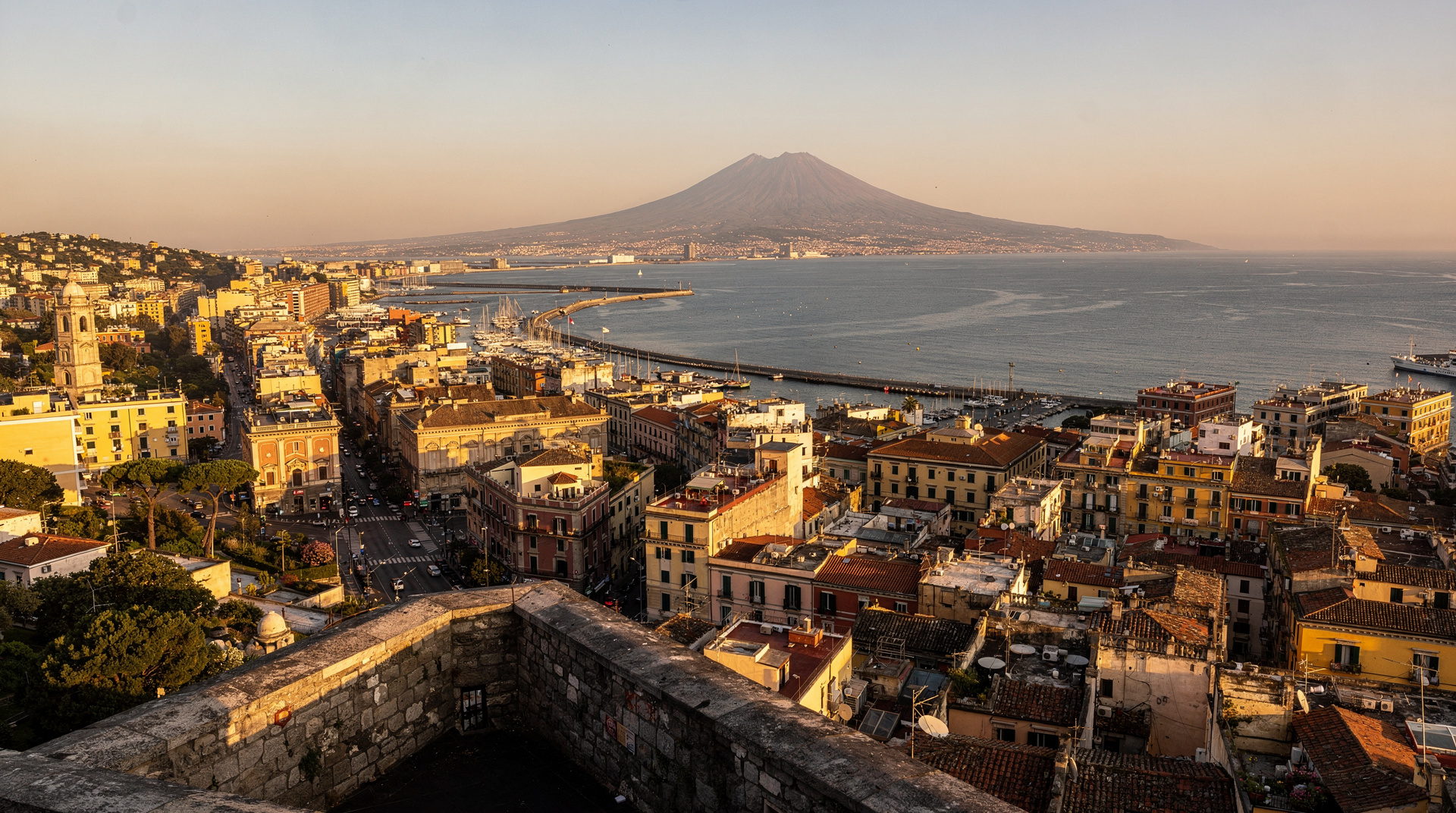
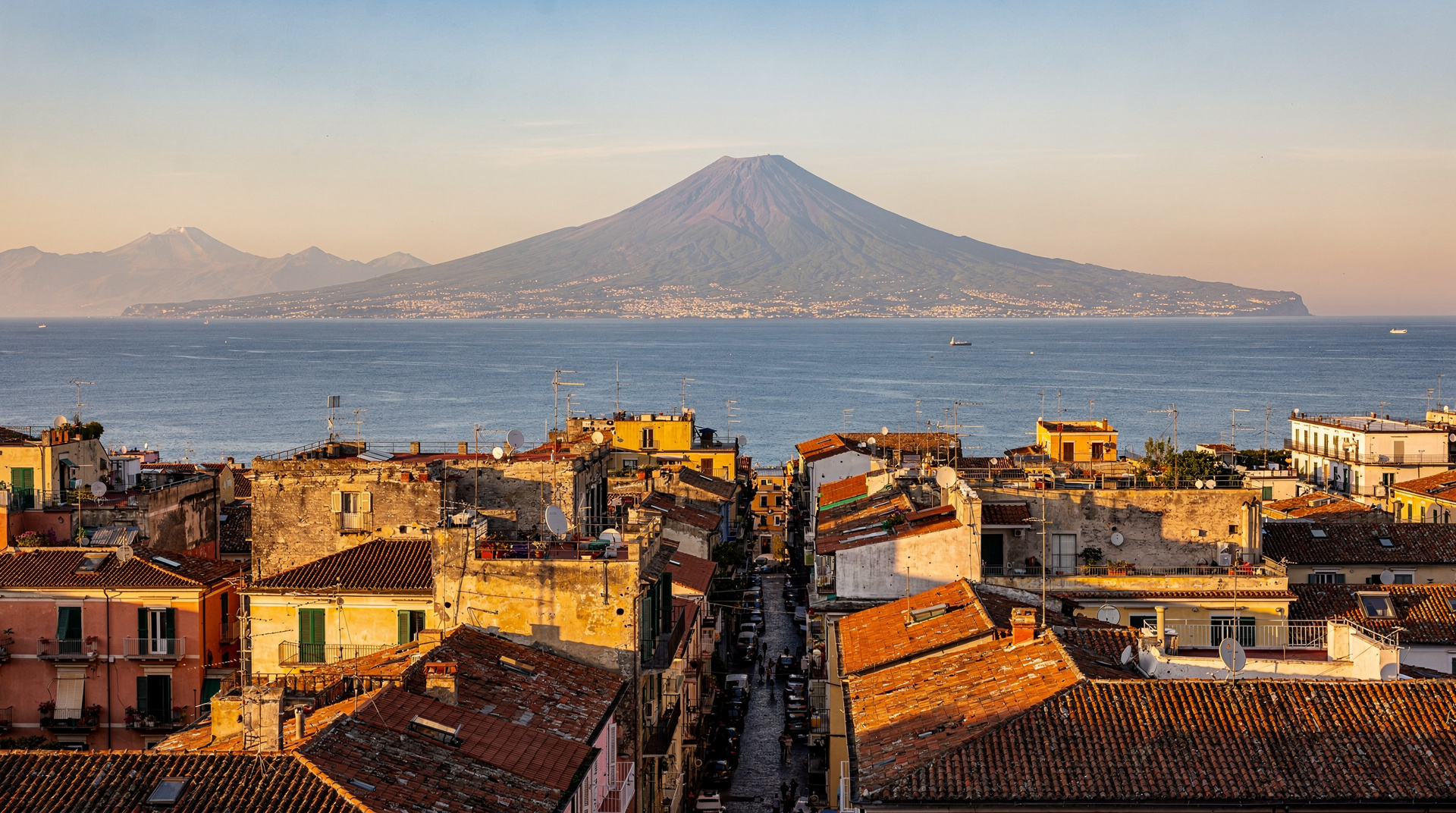
That said, the funiculars are both practical and pleasant. The ascent through the cliffside gives views across the bay, the stations are maintained (and in the case of the Centrale, architecturally interesting), and arrival at the Vomero hilltop puts you close to some of Naples’ best panoramic viewpoints and the Certosa di San Martino.
| Cost | standard €1.30 ANM ticket |
| Journey time | around 3–5 minutes |
| Hours | roughly 07:00–22:00 |
| Most useful line | Funicolare Centrale (Via Toledo to Piazza Fuga) |
| Best for | Certosa di San Martino, Castel Sant’Elmo, Vomero views |
The four funicular lines
Funicolare Centrale
Lower station: Via Toledo (Piazza Augusteo), in the heart of the shopping district Upper station: Piazza Fuga, Vomero Journey time: ~5 minutes Hours: Approximately 07:00–22:00 (Sundays and holidays 07:00–21:30)
This is the most useful line for tourists and the one most frequently taken. The lower station is directly accessible from the Metro Line 1 Toledo stop (take the exit toward Via Toledo). The upper station at Piazza Fuga puts you:
- 5-minute walk from the Certosa di San Martino (the must-visit hilltop museum in the former Carthusian monastery)
- 5-minute walk from Castel Sant’Elmo (star fort, panoramic terrace, contemporary art museum)
- 3-minute walk from Via Luca Giordano (Vomero’s main shopping street and piazze)
- 15-minute walk from Villa Floridiana (a Neo-classical villa with a park and views — the Duca di Martina ceramics museum is inside)
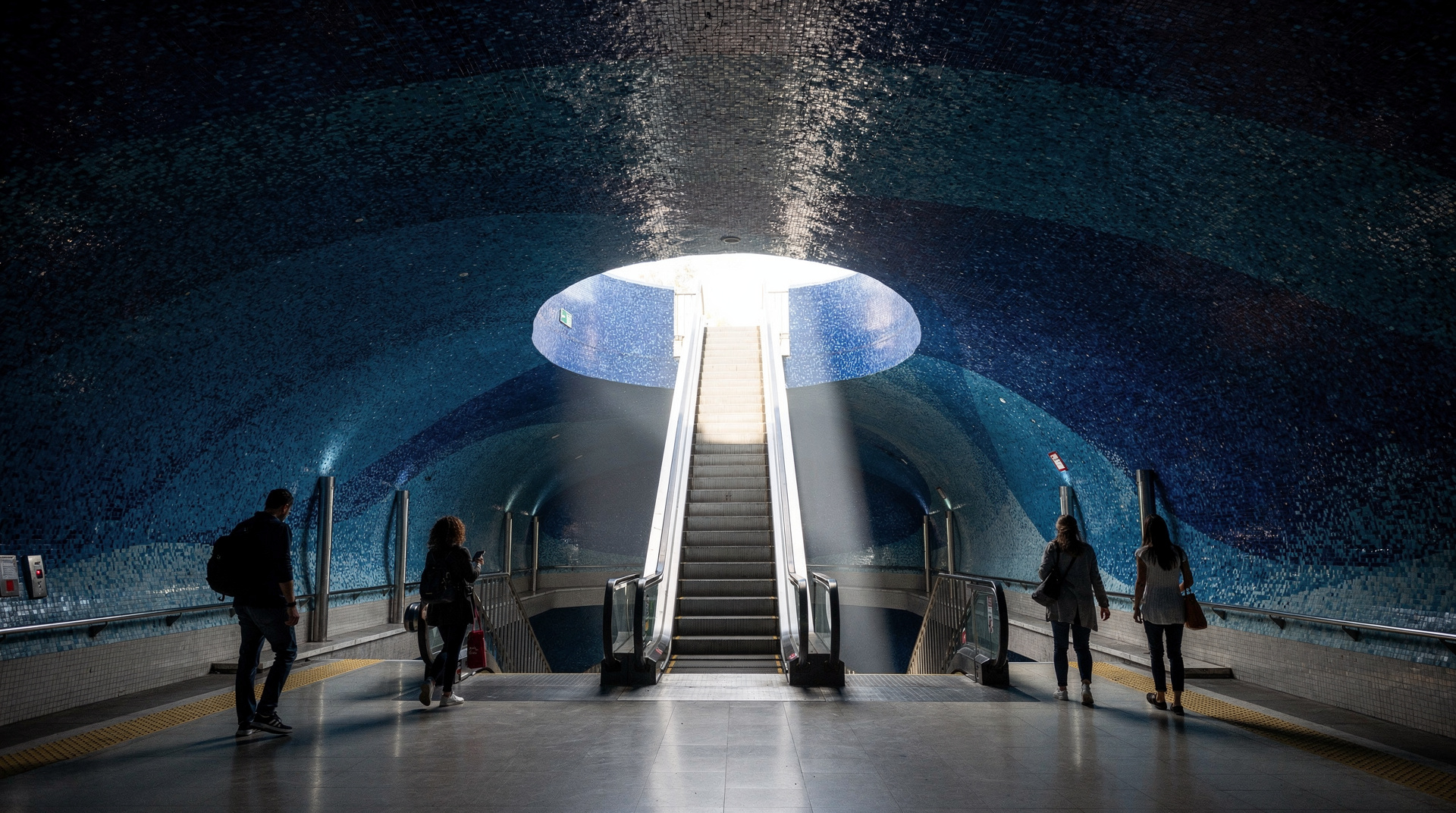
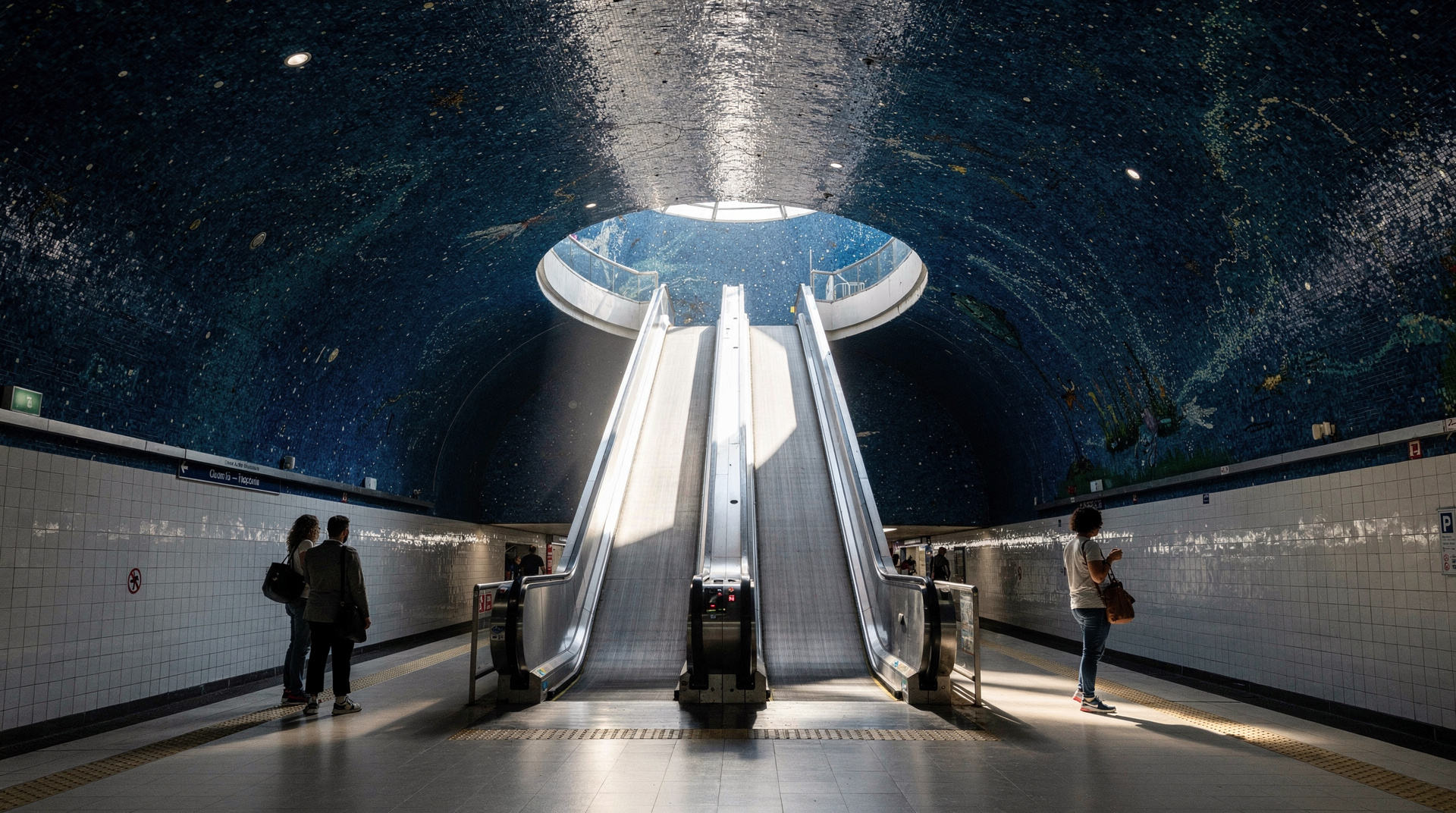
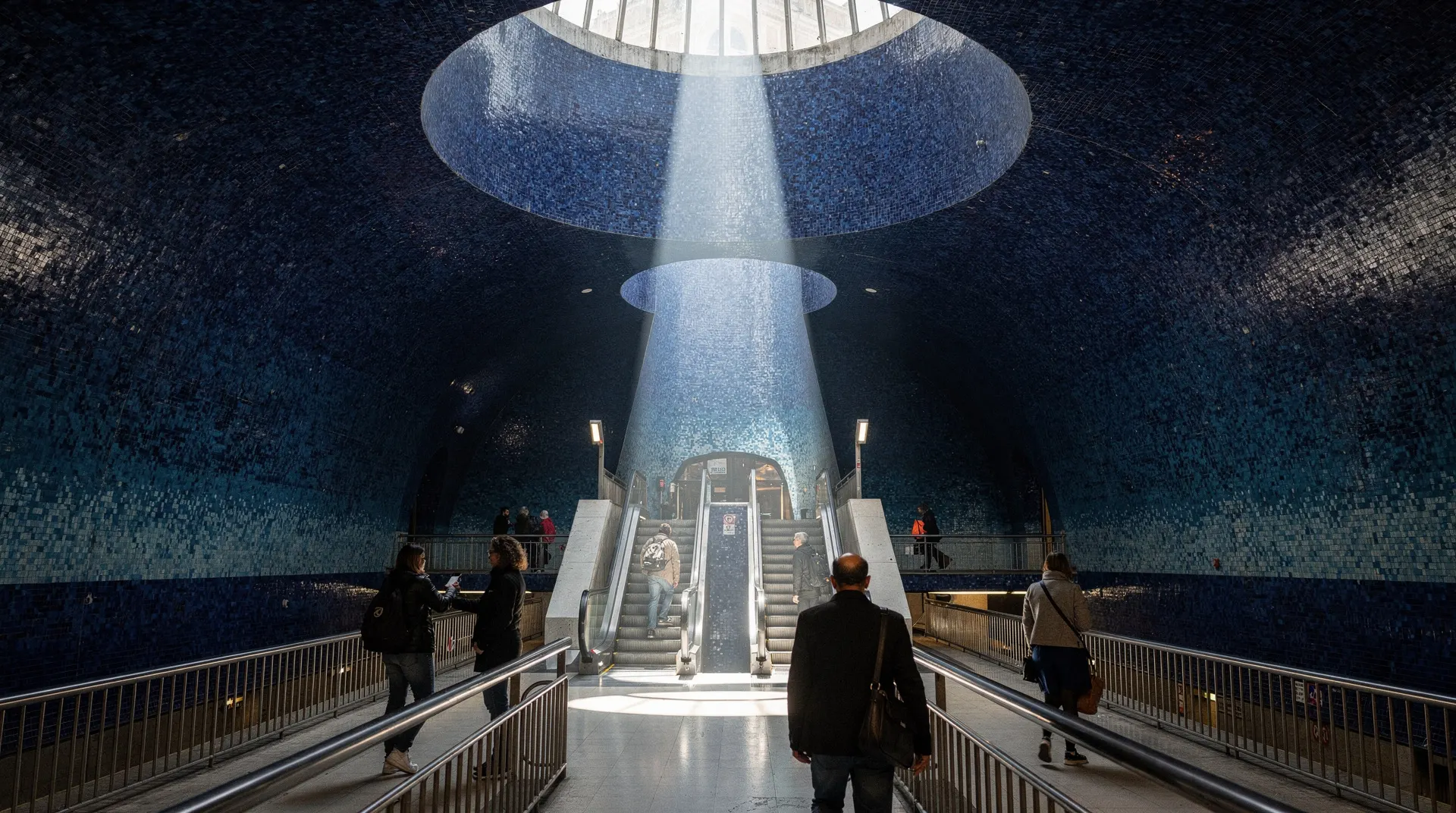
The Centrale station at Via Toledo is architecturally interesting — late 19th century, with a vaulted lower entrance hall. The carriages are modern and comfortable.
Funicolare di Chiaia
Lower station: Via del Parco Margherita (near Piazza Amedeo) Upper station: Via Cimarosa, Vomero Journey time: ~3–4 minutes Hours: Approximately 07:00–22:00
The Chiaia funicular departs from a different part of the lower city — useful if you are staying in the Chiaia neighbourhood (the upscale area between Piazza del Plebiscito and Mergellina). Via Parco Margherita is accessible from Piazza Amedeo, itself connected to Metro Line 2.
The upper station at Via Cimarosa is in the residential part of Vomero — slightly further from the Certosa than the Centrale line, but still walkable (10–12 minutes). Useful for reaching Piazza Vanvitelli (the main residential square of Vomero) and the quieter streets of the neighbourhood.
Funicolare di Montesanto
Lower station: Piazza Montesanto (adjacent to Montesanto metro station, Line 2) Upper station: Via Morghen, Vomero Journey time: ~4 minutes Hours: Approximately 07:00–22:00
The Montesanto funicular serves the area at the western edge of the historic centre — useful if you are exploring the Spanish Quarter or the Piazza Dante / Montesanto area. The lower station is at Piazza Montesanto, where the Metro Line 2 (Trenitalia) Montesanto station also operates.
This line has historically had more closures for maintenance than the other two Vomero lines. Check current status before planning to use it specifically. If it is closed, the Centrale or Chiaia lines provide alternative Vomero access.
Funicolare di Mergellina
Lower station: Via Mergellina (waterfront, near Mergellina metro station) Upper station: Via Manzoni, Posillipo Journey time: ~3 minutes Hours: Approximately 07:00–22:00
The Mergellina funicular serves a different destination from the other three lines — not Vomero but lower Posillipo, the elegant residential neighbourhood along the western cape of the bay.
What is at the top (Via Manzoni, Posillipo):
- The beginning of the scenic Via Posillipo coastal road
- Access to Parco Virgiliano (a large park with panoramic views from the headland)
- Views over the Pozzuoli gulf and into the Bay of Naples
The Mergellina funicular is less used by tourists but provides useful access to Posillipo views without the need for a bus or taxi up the steep hill. The lower station is near the Mergellina metro station (Line 2) and the Mergellina small ferry port.
Using the funiculars: practical information
Tickets: Standard ANM €1.30 single, or the €4.50 day pass covering all ANM transport. Buy at metro stations, ANM machines, or tabaccheria shops near the funicular stations. Validate at the turnstile on entry.
Frequency: Carriages run frequently during the day (every 5–10 minutes) and reduce in evenings. During morning and evening commuter peaks, the Centrale line in particular can be busy with locals.
Accessibility: Lifts are available at the Centrale station and some others. The funicular carriages themselves are accessible without stairs once you are on the carriage. Check the ANM website for current lift status.
Photography on the funicular: The views through the windows during the ascent are worth photographing. The Vomero hilltop views (both from the funicular upper station area and from the Certosa terrace) are some of the best panoramic photography points in Naples. See Naples viewpoints and best photo spots in Naples for full photography guidance.
What to do at the top: Vomero
Arriving at Piazza Fuga (Centrale upper station), you are in the heart of Naples’ most affluent neighbourhood. The main tourist destinations are:
Certosa di San Martino (Largo San Martino 5, Vomero): A former Carthusian monastery converted into a museum — the Museo Nazionale di San Martino. The collection spans Neapolitan painting, decorative arts, the presepe (nativity scene) collection, and historical artefacts. The cloisters are architecturally exceptional. The terrace lookout has arguably the finest panoramic view of the Bay of Naples available without hiking. Entry fee: €8 standard. See Certosa di San Martino for the full guide.
Castel Sant’Elmo (Via Tito Angelini 22): A star-shaped fortification from the 14th century (major reconstruction in 1540). The battlements and terraces provide 360-degree views of the bay, Vesuvius, and the urban fabric of Naples below. The interior houses a contemporary art museum. Entry: €5. Combined ticket with Certosa available. Worth visiting for the views alone.
Villa Floridiana (Via Cimarosa 77): A Neo-Classical villa in a pleasant park, housing the Duca di Martina museum (porcelain, ceramics, decorative arts collection). The park is free to enter and provides a peaceful green space with views. Entry to the museum: €3.
Piazza Vanvitelli: The social heart of Vomero — a large piazza with cafes, gelaterie, and the Vomero’s own neighbourhood buzz. Good for coffee and observation of a less touristy side of Neapolitan life.
Descending: walking vs funicular
Many visitors walk up to Vomero (steep but possible via the staircase routes from Chiaia or Via Pedamentina) and take the funicular down, or vice versa. The funicular is always faster. The walk down Via Pedamentina (from near the Certosa to the lower city) is a traditional route but involves many steps — fine for fit walkers, taxing if you have knee problems.
Frequently asked questions about Naples funiculars
Is the Vesuvius funicular still operating?
No — the historical funicular on Vesuvius that inspired the famous Funiculì Funiculà song was destroyed in the 1944 eruption of Vesuvius and never rebuilt. Modern access to the Vesuvius crater is by road (bus or private vehicle to Quota Mille, then a 30-minute walk). See getting to Vesuvius.
Can I take the funicular with a pushchair or wheelchair?
The carriages have space for a folded pushchair. Accessibility varies by station — the Centrale line has the best lift provision. Check ANM’s disability access information before planning a trip with a wheelchair or less mobile family member.
What happens if a funicular is out of service?
Naples funiculars undergo periodic maintenance closures, sometimes unannounced. The Montesanto line in particular has a history of extended closures. If your specific line is closed, alternative Vomero access is possible: the Chiaia and Centrale lines provide overlapping coverage. Bus lines R2 and C36 also reach Vomero. The city does not grind to a halt without a specific funicular line.
Are funiculars included in the Campania ArteCard?
The Campania ArteCard includes unlimited ANM transport (metro, bus, and funiculars) as part of the travel benefit. This makes the ArteCard a reasonable option if you plan multiple museum visits and frequent use of public transport including the funiculars. See the Campania ArteCard guide for whether it pays off given your specific itinerary.
Choosing which line to use based on where you’re staying
The right funicular line depends less on the destination — all four Vomero-bound lines converge on roughly the same neighbourhood — and more on where you start. Staying in the centro storico or near Via Toledo, the Centrale is the obvious choice and the busiest. Staying in Chiaia, the Chiaia line from Via del Parco Margherita saves a walk across town and drops you closer to the residential side of Vomero around Piazza Vanvitelli.
Staying near the Spanish Quarter or Piazza Dante, Montesanto is the shortest option when it’s running, though its maintenance record means having the Centrale as a backup plan is sensible. For the full public transport picture beyond the funiculars — metro, bus, and how it all connects to day trips — see getting around Naples.
A funicular-anchored half day
Because the four lines are so cheap and frequent, they support a loose, low-stakes half-day plan: take the Centrale up in the morning before the heat builds, spend an hour or two at the Certosa di San Martino and Castel Sant’Elmo, walk the short distance to Piazza Vanvitelli for a coffee among locals rather than tourists, then either walk back down via Via Pedamentina for the exercise or take the Chiaia line down to end near the Lungomare.
This costs under €3 in transport and fills a morning with some of the best views in the city — one of the better free things to do in Naples once you account for the modest ticket price. For a structured version of the same idea with a guide explaining the history along the way, a Vomero-focused walking tour covers the same ground.
Naples panoramic e-bike tour including Vomero viewpoints