Free things to do in Naples — genuine no-cost options
Naples: City Highlights Self-Guided Audio Walking Tour
What can you do in Naples for free?
Quite a lot. The Lungomare promenade, Spaccanapoli walk, all major churches (Gesù Nuovo, Santa Chiara exterior, Naples Cathedral, San Lorenzo), the Toledo and Dante metro art stations, Castel dell'Ovo interior, Piazza del Plebiscito, the Fontanelle cemetery, and the Capodimonte park are all free.
Quick answer: The Lungomare, Spaccanapoli, free churches, Toledo metro station, Castel dell’Ovo, Piazza del Plebiscito, the Fontanelle cemetery, and the Capodimonte park are all free. A full day of free activities in Naples is entirely possible.
| Cost | €0 for sights, small budget for food/transport |
| Time needed | A full day, easily |
| Best pairing | Morning churches + Spaccanapoli, evening Lungomare |
| What you’ll miss | MANN, Cappella Sansevero, Pompeii (all paid) |
| Free museum day | First Sunday of the month, arrive at opening |
Naples is actually affordable
Naples has a reputation as a chaotic, potentially dangerous city — but visitors often discover it is one of the cheaper major Italian cities to visit, and it has a substantial amount of genuinely free content. A day of free (or near-free) activities is not just possible; it is one of the better ways to experience the city’s actual character rather than its museum-and-tourist version.
This guide lists only genuinely free things — no “free with a €50 tour” or “free with the artecard” loopholes. Where there are relevant paid options worth mentioning, they are clearly labelled.
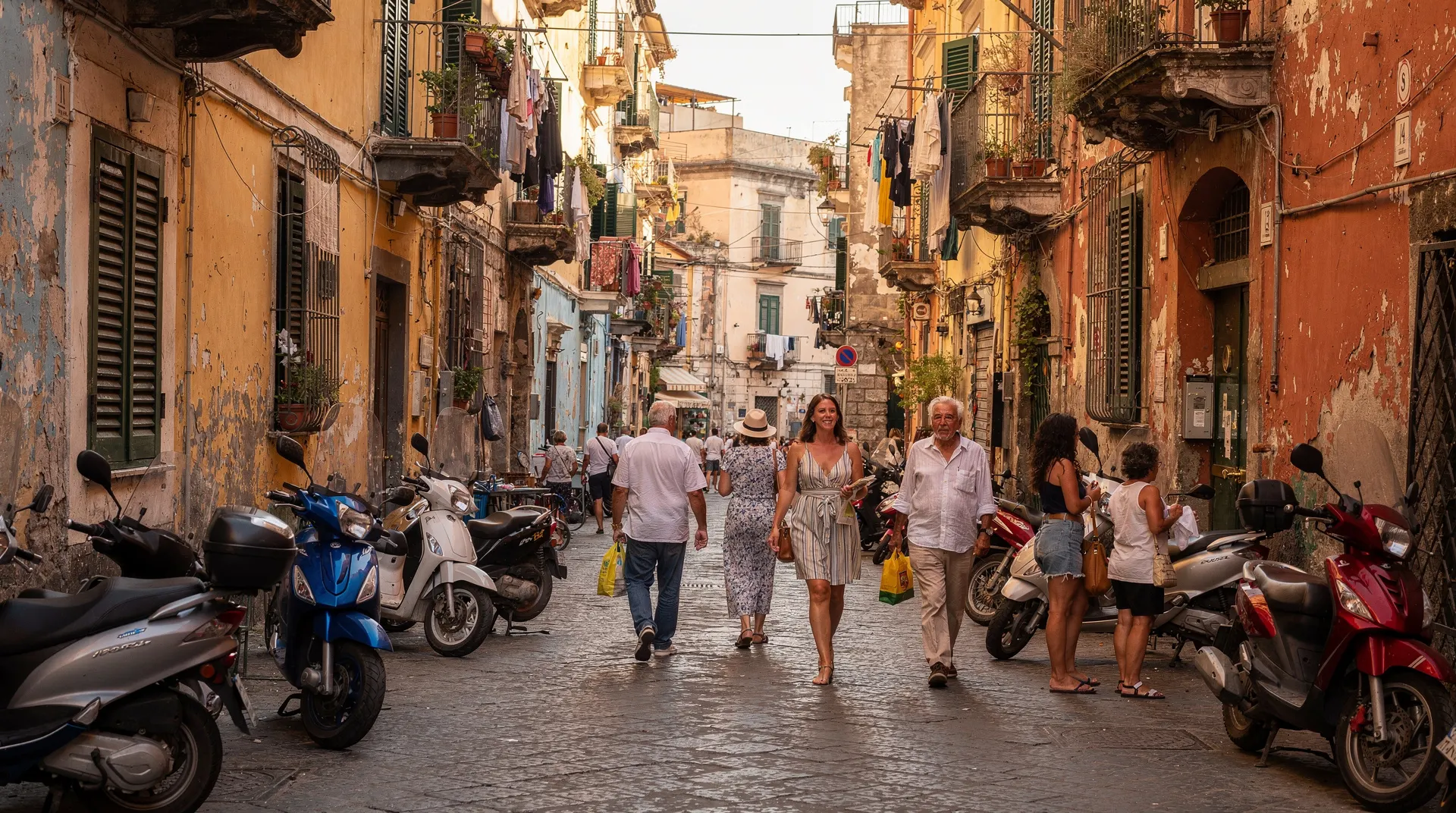
Walking Spaccanapoli — free
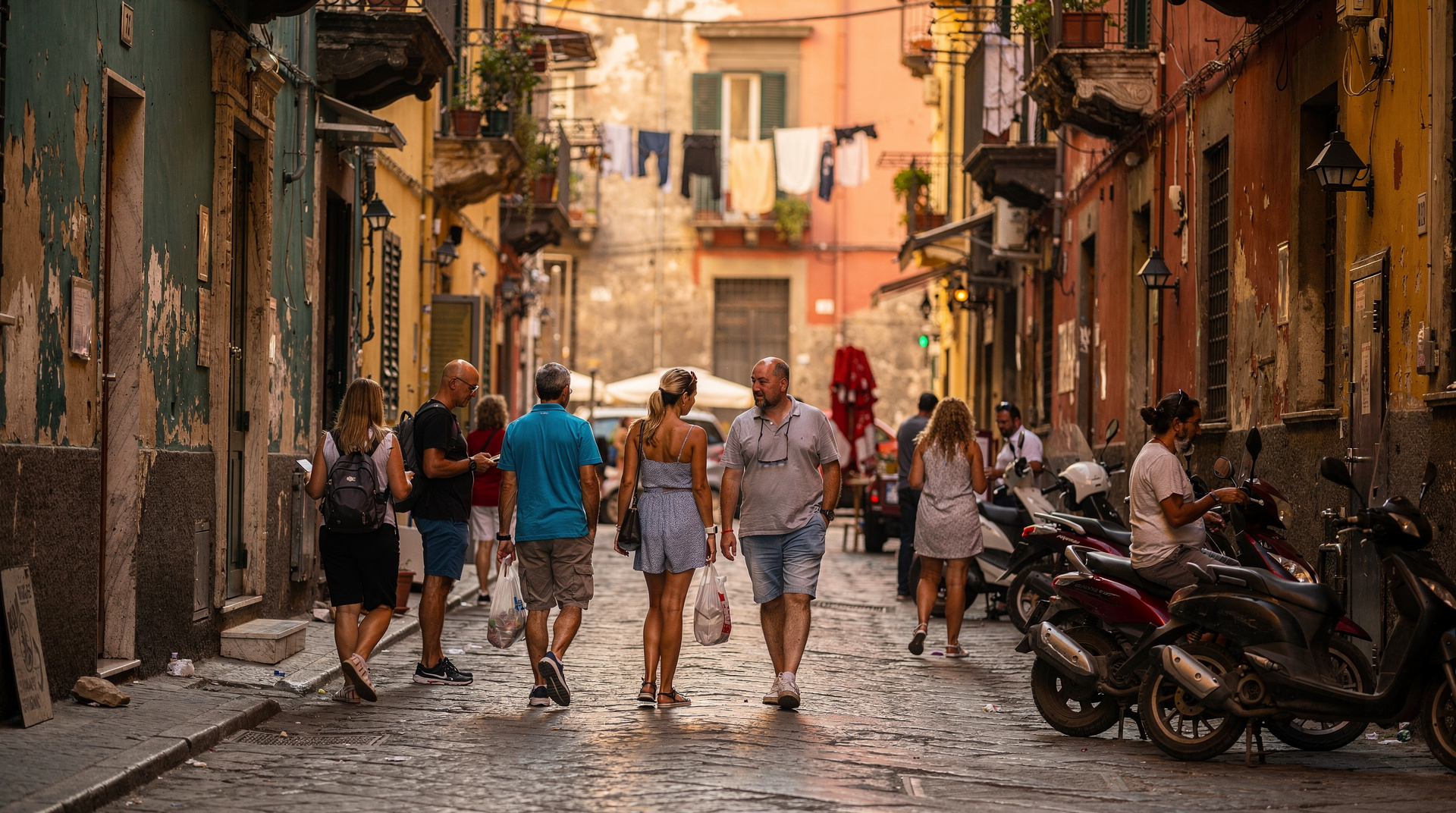
The ancient street that “splits Naples” is the single best free experience in the city. Starting from Piazza del Gesù Nuovo in the west and walking east to the Piazza San Gaetano junction takes 30–40 minutes without stops.
Along the way: the diamond-studded façade of Gesù Nuovo church (free to enter), the Santa Chiara exterior and surrounding piazza, San Domenico Maggiore church (free), the Piazzetta del Nilo with its ancient Roman statue of the Nile god, and a continuous stream of street life — workshops, market stalls, presepi (nativity) artisans on Via San Gregorio Armeno.
The nativity scene street is worth walking even if you have no intention of buying anything. The craftsmanship is genuinely impressive and the workshops are open, with craftspeople visible at work.
Allow 2–3 hours for Spaccanapoli done slowly. Details in the self-guided walking tour guide.
Via dei Tribunali — free
The parallel street one block north — the ancient Decumanus Maximus — has equally good architecture and fewer tourists. Complesso di San Lorenzo Maggiore church (free to enter the church, paid for the archaeological zone below). San Paolo Maggiore (free). Numerous other churches and baroque palaces.
Via dei Tribunali is also where most of the street-food action concentrates: pizza a portafoglio stalls, friggitorie (fried food shops), and sfogliatella vendors.
Major churches — all free
Naples has an extraordinary density of significant churches, almost all free to enter:
Gesù Nuovo (Piazza del Gesù Nuovo): The recently decoded musical facade and an intensely decorated baroque interior. Free.
Naples Cathedral / Duomo (Via del Duomo 147): The Gothic–baroque composite with the Chapel of San Gennaro and a 4th-century baptistery. Free.
San Lorenzo Maggiore (Piazza San Gaetano): Gothic church above the Roman market. The church is free; the archaeological zone underground costs €9.
San Gregorio Armeno church (Via San Gregorio Armeno): The decorated baroque interior with a famous fresco ceiling. Often overlooked in favour of the street below. Free.
San Domenico Maggiore (Piazza San Domenico Maggiore): Dominican Gothic church with Aragonese connections. Free.
Pio Monte della Misericordia (Via dei Tribunali 253): Caravaggio’s Seven Acts of Mercy (1607) is here — one of the most important Caravaggio paintings in Italy. Entry €8. Not free, but flagged as extremely high value.
Castel dell’Ovo — free
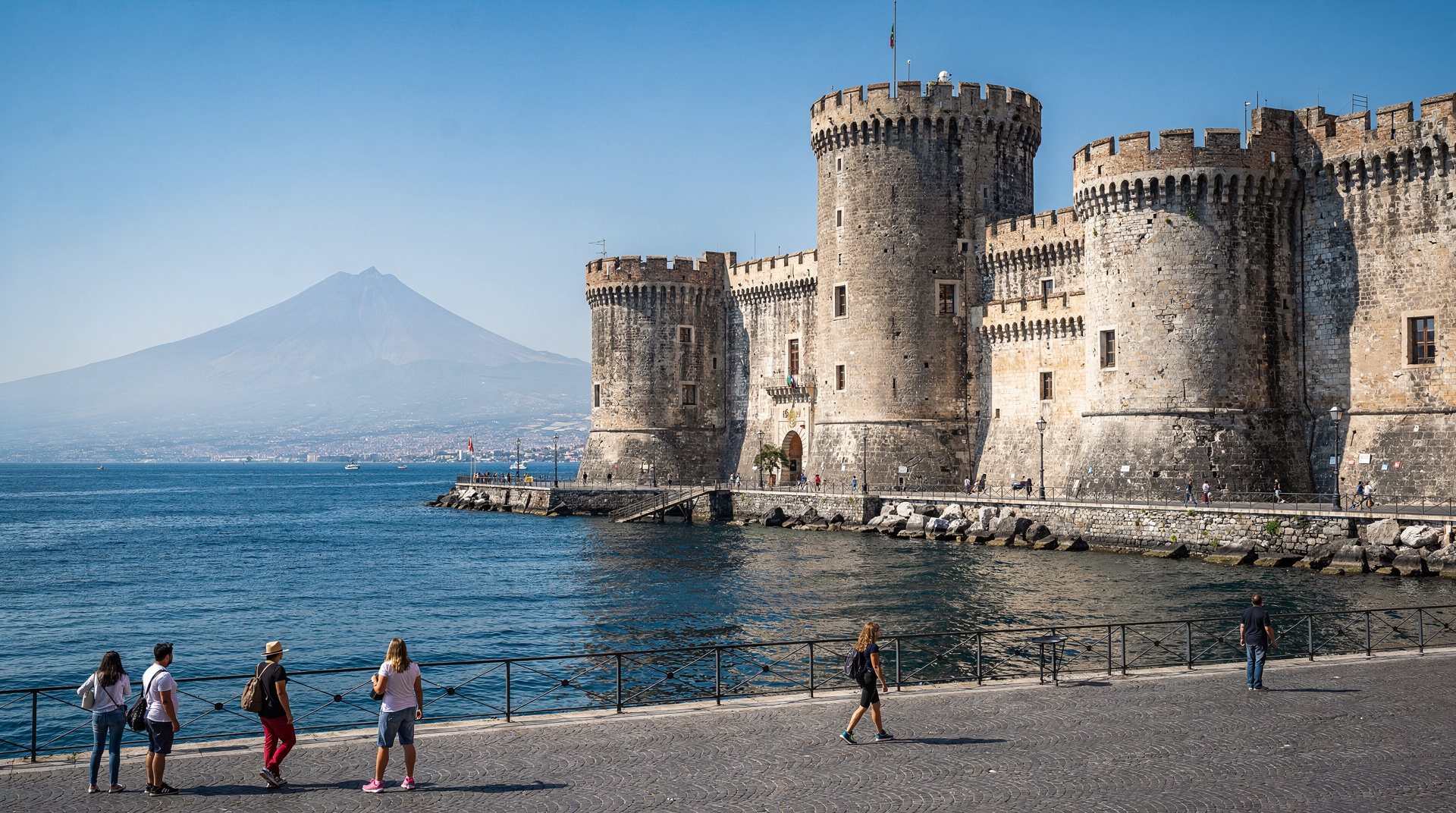
The castle on its seafront promontory is free to enter. Show a photo ID at the entrance. The battlements give excellent views over the bay and toward Vesuvius. Explore at your own pace.
Open Monday–Saturday 9:00–18:30 (approximately — summer hours are longer). Sunday mornings only.
The surrounding Borgo Marinaro fishing village is free to walk. The restaurants there are not particularly good value, but the setting of the bay is.
Full description at Castel dell’Ovo.
The Lungomare promenade — free
The seafront walk from Castel dell’Ovo west to Mergellina runs along Via Partenope and Via Francesco Caracciolo. Full distance: approximately 3 km, 40–50 minutes walking without stops.
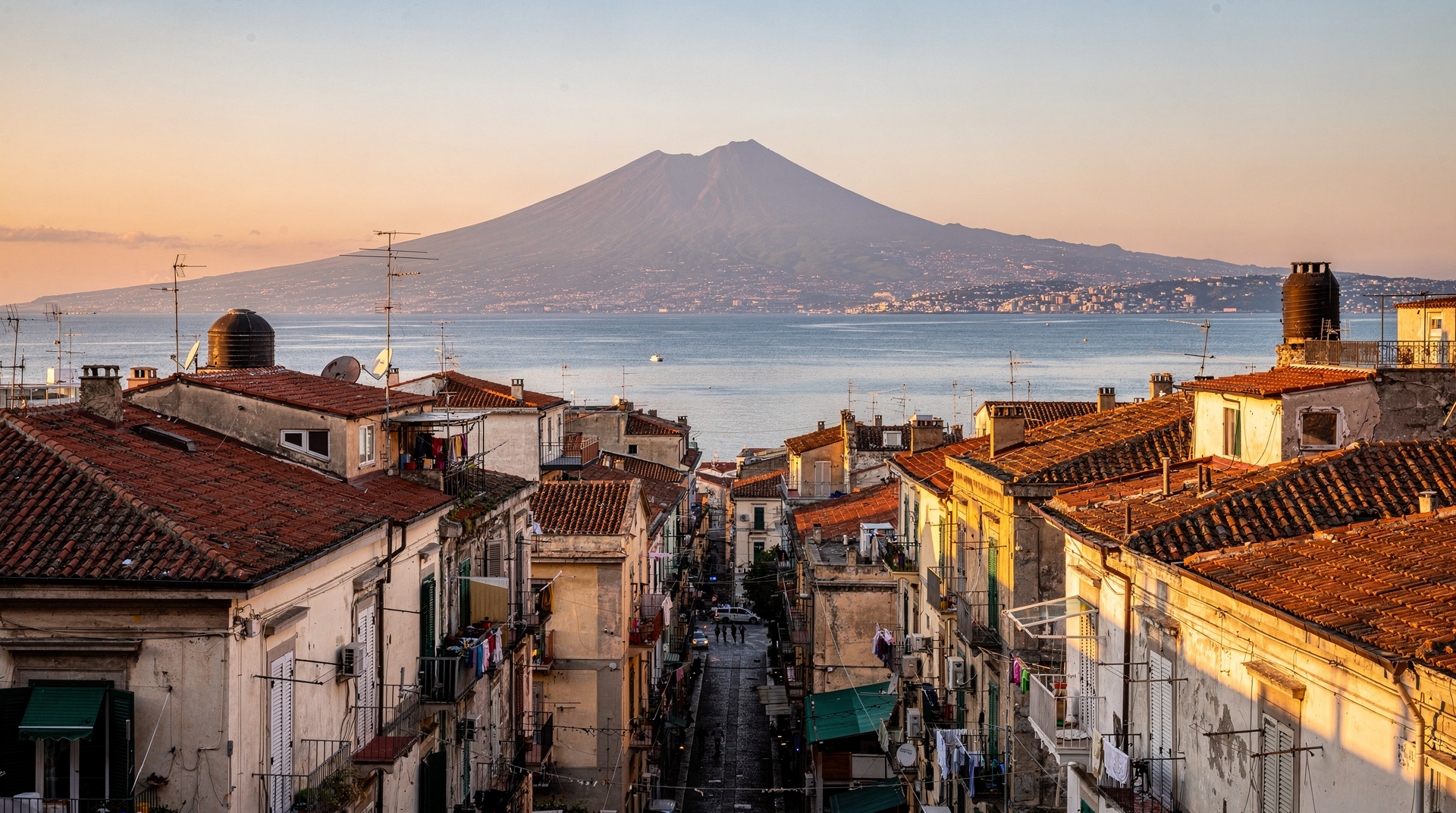
This is Naples at its most civic and dignified — wide pavements, bay views, Vesuvius framing the east, the islands visible in clear weather. Locals use it for the evening passeggiata. At sunset it is particularly good.
No cost, no ticket, no booking required.
Piazza del Plebiscito — free
Naples’ main piazza is traffic-free and open to walk. The Church of San Francesco di Paola across the square is free to enter — a neoclassical Pantheon copy commissioned after the restoration of the Bourbons, 1817–1846.
The square is better experienced in the morning or early evening than at midday, when tour groups pass through.
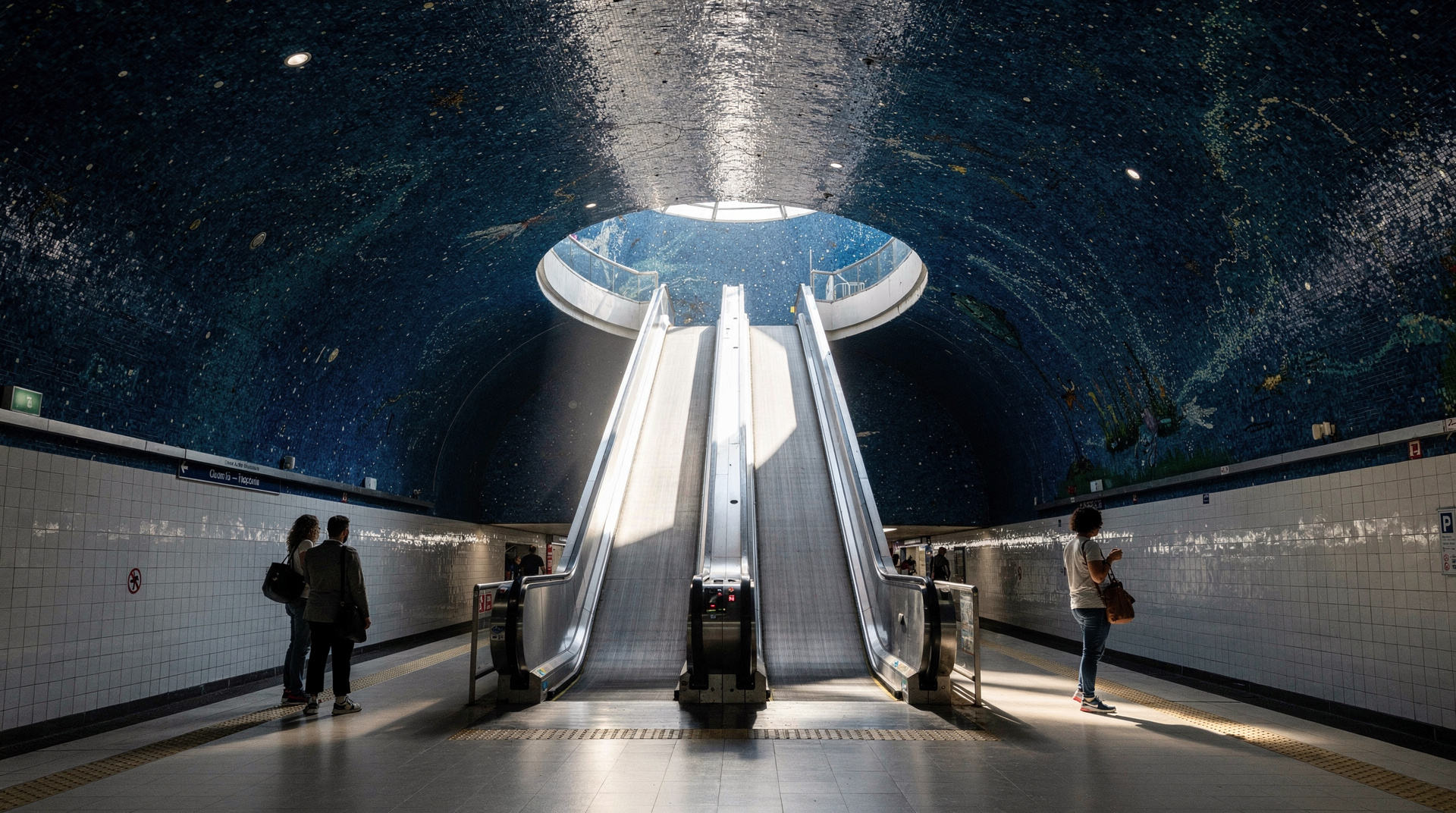
The art metro stations — almost free
The metro stations on Line 1 are embedded art installations. Entry to the platform level costs €1.60 (a standard metro ticket). This is not technically free, but for less than a coffee you can experience stations designed by Gae Aulenti, Oscar Tusquets, Karim Rashid, and Alessandro Mendini.
Toledo (the most famous, often cited as Europe’s most beautiful metro station): The Cratere di Luce installation extends 40 metres down through successive mosaics from surface light to ocean deep. Designed by Oscar Tusquets.
Dante: Designed by Alessandro Mendini, references the Dante Alighieri iconography and Neapolitan tradition.
Municipio: Partially accessible during archaeological excavations — Roman and medieval remains visible through glass floors on the platform.
Full guide at Naples metro art stations.
Capodimonte park — free
The park surrounding the Museo di Capodimonte is Naples’ largest public green space — 134 hectares of former royal hunting grounds, mostly wooded. Free to enter and walk. Open daily 7:00–20:00 (approximately).
You do not need to visit the museum (€20) to use the park. Take the bus from Piazza Cavour (bus R4 or 110).
Fontanelle cemetery — free
The Cimitero delle Fontanelle in the Rione Sanità occupies a series of tufa caves and holds the bones of approximately 40,000 people — victims of plague, cholera, and war. Neapolitans historically adopted individual skulls, polishing them and praying to them in an unofficial cult. The practice was prohibited by Cardinal Ursi in 1969 but continues informally.
Entry is free. Open Tuesday–Sunday 10:00–13:00 and 14:00–17:00. Guided tours available for a fee but self-guided is fine.
This is one of the stranger and more compelling free experiences in Naples — genuinely outside the standard tourist circuit.
More in the Rione Sanità guide.
Street food — not free, but extremely cheap
Walking through the street-food culture of Naples costs almost nothing:
- Espresso at a bar counter: €1–1.20
- Sfogliatella (ricotta-filled flaky pastry): €1.50–2
- Pizza a portafoglio (folded pizza to go): €2–3
- Cuoppo (fried food cone — calamari, shrimp, zucchini): €4–6
- Babà al rum: €2–3
The Pignasecca market near Via Toledo is the best free walking experience for food culture — a working neighbourhood market, largely uncommercialized for tourists, with excellent fresh produce, cheese, and fish at genuine local prices.
See the full Naples street food guide and Naples on a budget guide.
Free first Sunday of the month — state museums
On the first Sunday of each month, state museums — including the MANN and Capodimonte — are free for all visitors. The catch: queues can be very long (1–2 hours outside the MANN in peak season). Arrive at opening (9:00) to minimise wait.
The first Sunday is a legitimate strategy for budget visitors, but it requires early arrival and patience.
Viewpoints — free
Belvedere di San Martino (near Certosa di San Martino): Accessible by funicular from Piazzetta del Duca, then a short walk. Panoramic view over the entire city and bay. Free to stand at the viewpoint; the Certosa museum is €8.
Posillipo hill: The wealthy residential headland west of the city. Several free public viewpoints, including from Parco Virgiliano (a large free public park at the tip of the headland).
Castel dell’Ovo battlements: As noted above — free with ID.
Details at Naples viewpoints.
What is not free (and priced honestly)
The city’s most important single experiences all have entry fees:
- MANN: €22
- Cappella Sansevero: €10
- Capodimonte museum: €20
- Certosa di San Martino: €8
- Pompeii: €22
- Royal Palace: €10
The Campania ArteCard (€25 for 3 days) makes the paid museums more affordable if you visit three or more. Full analysis at is the ArteCard worth it.
Building a free day that actually flows well
The free sights above work best sequenced rather than visited in random order. A practical version: start at Piazza del Gesù Nuovo around 9:00–9:30 before the streets fill up, walk Spaccanapoli east toward San Gregorio Armeno, detour one block north to Via dei Tribunali, then continue toward the Duomo.
Break for a cheap lunch — pizza a portafoglio or a stop at the Pignasecca market — before heading south to Piazza del Plebiscito and Castel dell’Ovo in the early afternoon. Finish with the Lungomare walk toward Mergellina as the light turns golden in the late afternoon or early evening. This sequence covers roughly 6–7 km on foot across a full day, so comfortable shoes matter more than for a museum-heavy itinerary.
For a broader view of what else the city offers once your budget allows a bit more, the best things to do in Naples guide covers the paid essentials worth prioritizing, and the Naples tourist traps guide flags where paying more doesn’t actually buy a better experience.
Naples highlights self-guided audio tour — covers the free sights with historical contextFree experiences beyond the obvious list
A few free options don’t make most quick lists but reward the visitors who find them. The Villa Comunale, a formal 19th-century garden park running along part of the Lungomare, is a shaded, quiet break from the street noise and completely free to walk. The Galleria Umberto I, a grand 19th-century glass-roofed shopping arcade near the Teatro San Carlo, costs nothing to walk through and is one of the more elegant indoor spaces in the city, even if you don’t buy anything from the shops inside.
And simply sitting at Piazza Bellini in the early evening, near the university district, costs nothing beyond a drink if you choose to order one — it is one of the best people-watching spots in the centro storico, with exposed Greek city walls visible in an excavated pit at the square’s centre.
If you want structure without paying for entry
Not everyone wants to self-navigate a free day. A hop-on-hop-off option covers the Lungomare, Vomero viewpoints, and the wider city loop, which is useful if walking the full distance between free sights isn’t practical for your group.
Naples hop-on-hop-off bus, 24-hour ticketFrequently asked questions about free things in Naples
Can you spend a full day in Naples for free?
Yes. Spaccanapoli, Via dei Tribunali, the churches, Castel dell’Ovo, and the Lungomare promenade give you a complete day without paying for anything except food and transport. You miss the MANN and Cappella Sansevero, which are genuinely important — but a free day in Naples is still an excellent day.
Is the Napoli Sotterranea (underground) free?
No. The main entrance on Via dei Tribunali charges approximately €12. The Galleria Borbonica runs at a similar price. No free version of the underground exists.
Are there free guided tours of Naples?
Several free walking tour companies operate on a tips-based model (Guruwalk, Sandemans). They cover the historic centre route. Quality varies by guide; tip the guide if you find it valuable (€10–15 is normal).
Is it free to visit Pompeii?
No. Pompeii entry is €22. Herculaneum is €15. Both include MANN entry if booked as a combo. EU students under 25 get a discount. First Sunday of the month free applies to Pompeii as a state museum — huge queues. Details at Pompeii tickets explained.
Can I see Vesuvius for free?
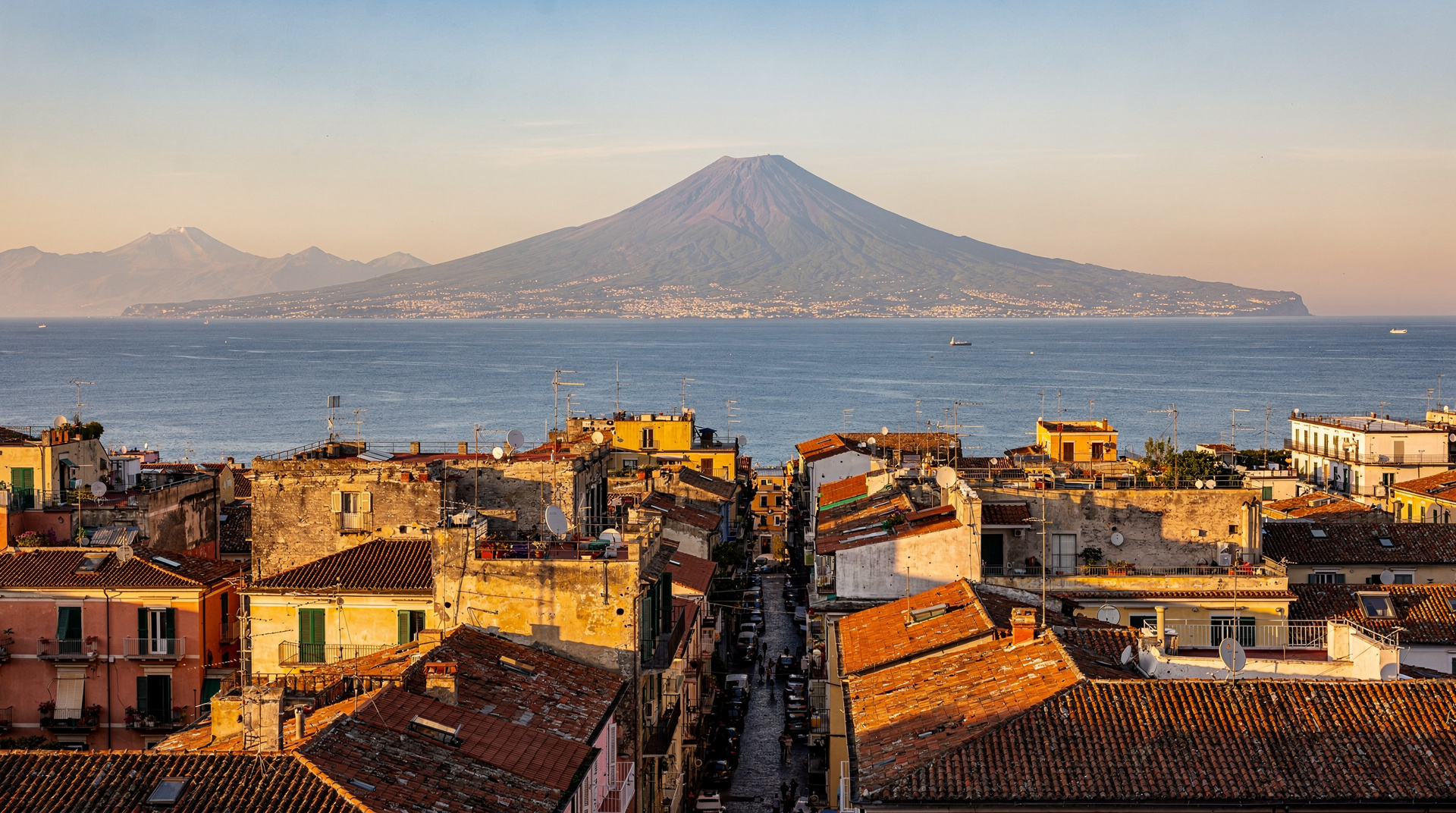
You can see it from everywhere in the city for free. Getting to the crater costs €10 (park entry) plus transport. There is no free way to hike to the crater. Details at Vesuvius tickets explained.
Frequently asked questions about Free things to do in Naples — genuine no-cost options
Are any museums in Naples free?
Is the Naples metro free to walk through?
Is Castel dell'Ovo free?
Are the Naples churches free to enter?
What free food experiences are there in Naples?
Is the Fontanelle cemetery free?
Top experiences
Bookable activities with verified prices and instant confirmation on GetYourGuide.