Naples tourist traps — what to avoid and what to do instead
What are the biggest tourist traps in Naples?
The most common traps are restaurants near major tourist attractions charging triple normal prices, unofficial "guides" at Pompeii and the underground sites, taxi overcharging without meters, the bracelet-and-gladiator scams near Piazza Plebiscito, and tourist menus disguising mediocre food. None of these require significant effort to avoid once you know the pattern.
Main Naples tourist traps: overpriced tourist-menu restaurants near landmarks, unofficial “guides” outside major sites, taxi overcharging, bracelet/gladiator scams, inflated souvenir shops, and inflated “aperitivo” tourist bars. All are easily avoided with basic awareness. Naples is not a scam city — these patterns are concentrated and predictable.
| Most expensive trap | Restaurants near Piazza del Plebiscito / Lungomare views |
| Most common | Tourist-menu pizzerias near landmarks |
| Easiest to avoid | Bracelet/gladiator approaches — just don’t stop |
| Genuine, not a trap | Coperto, aperitivo pricing in Chiaia, Pompeii’s €18 fee |
| Rule of thumb | Walk 1–2 streets from any landmark and prices normalise |
Why Naples specifically generates these traps
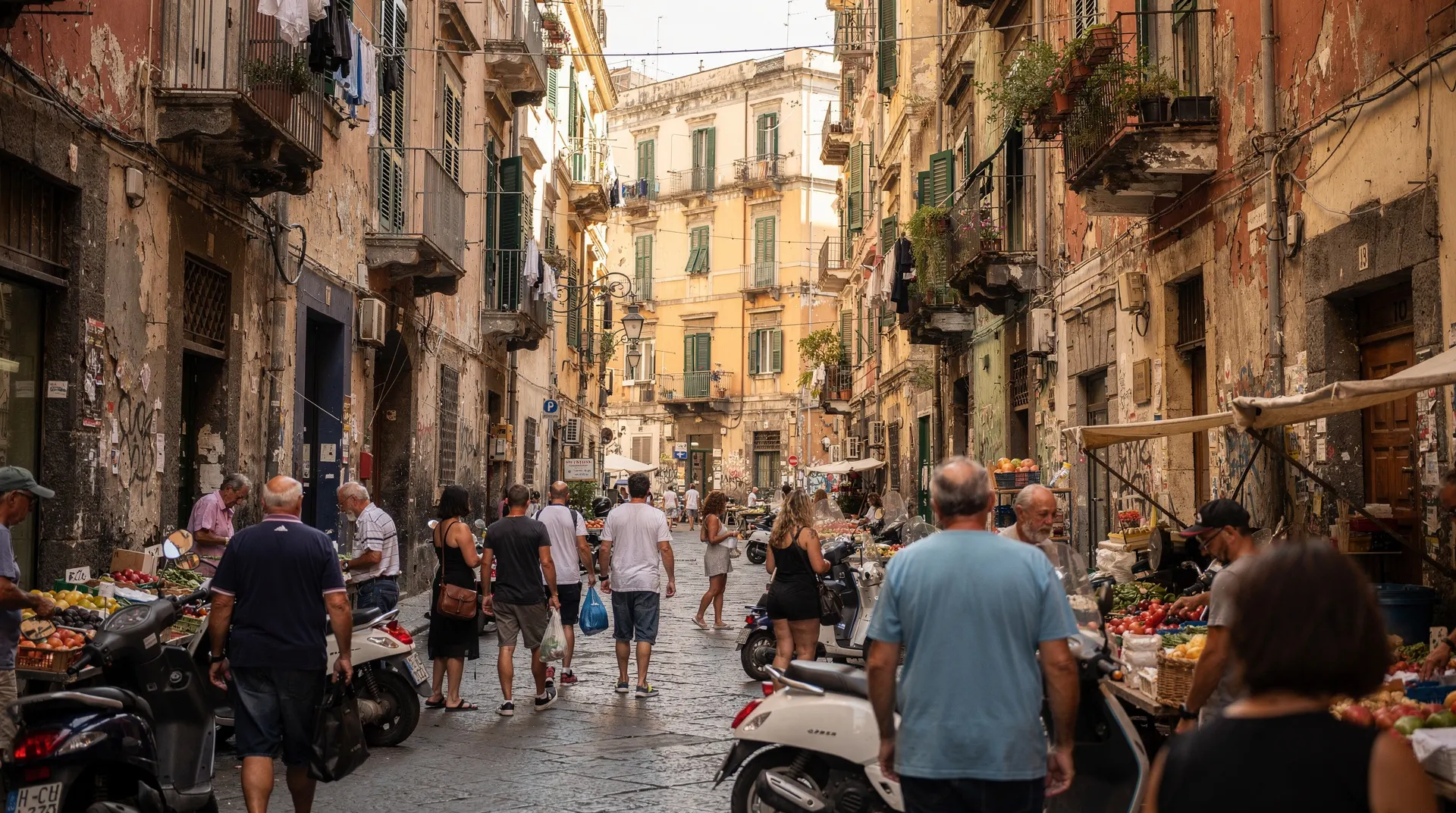
Naples is a city where locals and tourists coexist in the same dense historic centre, and the economic gap between what a local pays and what a tourist can be charged is significant. A Neapolitan espresso at a neighbourhood bar costs €1; the same espresso sitting down at a tourist-facing café can cost €4–5.
This gap is not unique to Naples — it exists in every high-tourism Italian city. What makes Naples specific is the concentration: the major sights (Spaccanapoli, Piazza del Plebiscito, Castel Nuovo, the port) are geographically close, and the gap between the tourist zone and the local zone can be a single street.
Understanding the geography of the trap zones helps you navigate around them without effort.
The restaurant trap: tourist menus and tourist streets
The most expensive trap in Naples is eating in the wrong restaurant at the wrong location.
High-risk zones for tourists:
- Via Partenope (Lungomare, seafood restaurants with views) — beautiful location, prices 2–3× Naples normal
- Streets immediately surrounding Piazza del Plebiscito
- Via Caracciolo near the ferries
- The area directly outside Napoli Centrale station
- Tourist-facing sections of Via Toledo
Signs of a tourist-trap restaurant:
- Multilingual menu with photos of dishes
- Host standing outside soliciting customers
- Tourist menu prominently signed (“Menu del giorno €12”)
- Absence of Neapolitan customers
- Prices higher than nearby alternatives
How prices should look in Naples:
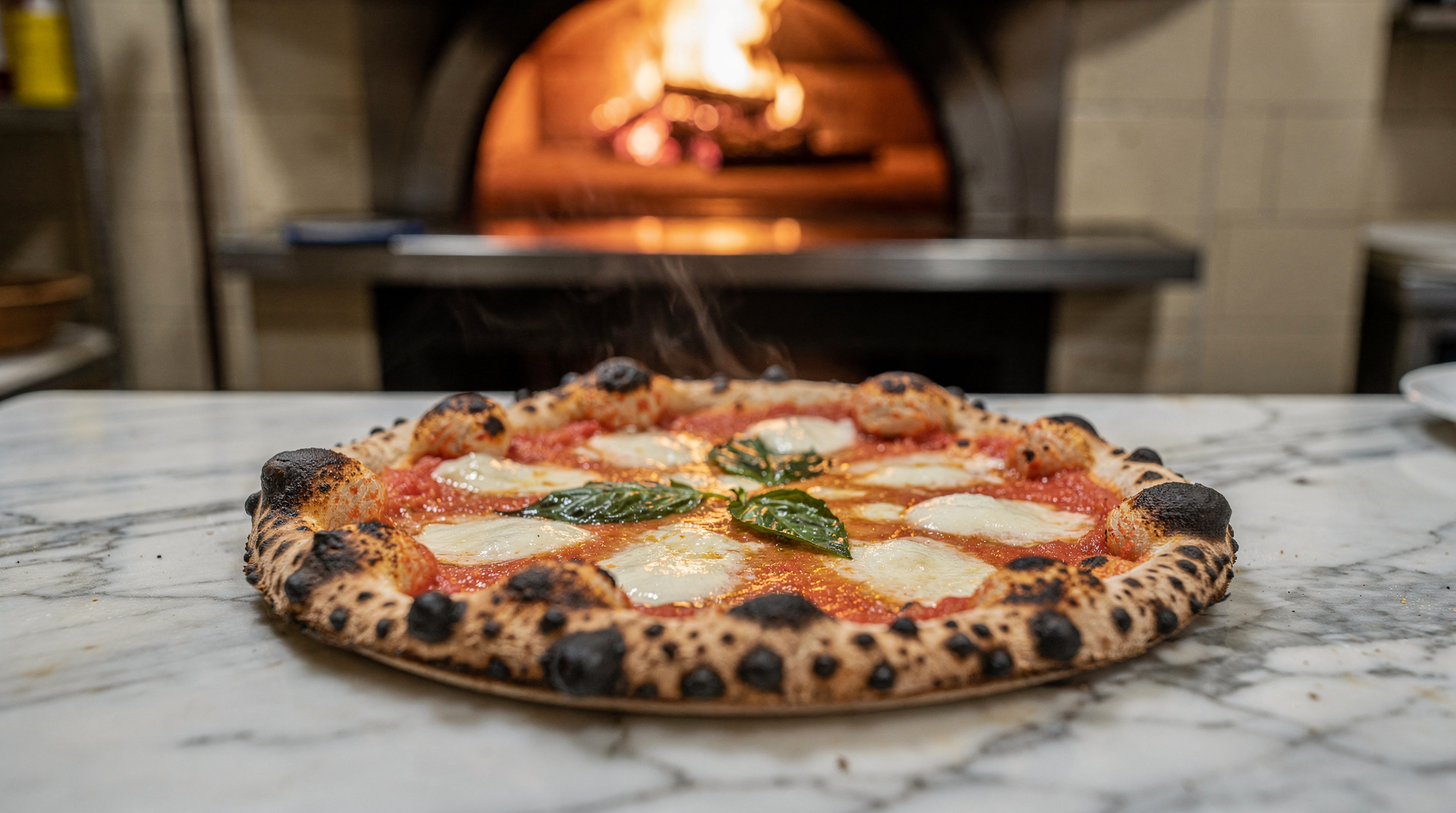
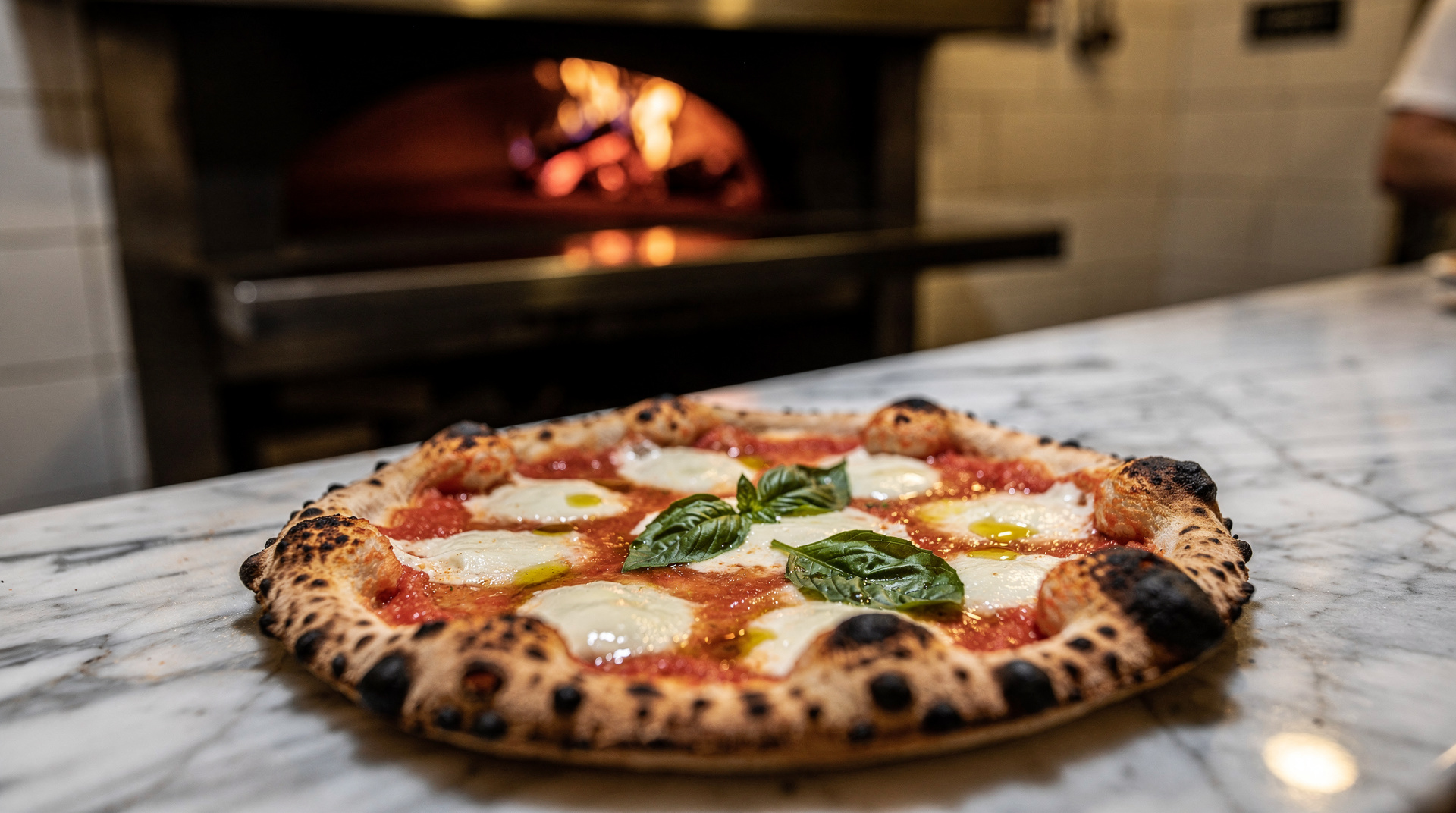
- Margherita pizza at a local pizzeria: €5–7
- Spaghetti alle vongole (clam pasta) at a mid-range trattoria: €12–16
- Espresso at a bar counter: €1–1.20
- Espresso seated at a café: €1.50–2.50 (not €4)
- House wine (quarter litre): €3–5
If the prices you see are significantly above these benchmarks and the restaurant is near a major landmark, you are in a tourist trap. Walk one or two streets away and prices normalise.
See restaurant-traps-naples for a detailed street-by-street guide to the specific establishments to avoid.
Trap price versus fair price, at a glance
| Item | Trap-zone price | Fair local price |
|---|---|---|
| Margherita pizza | €14–18 | €5–7 |
| Espresso, standing | rarely offered | €1–1.20 |
| Espresso, seated tourist terrace | €5–6 | €1.50–2.50 |
| Negroni, rooftop bar | €18–25 | €6–8 (Chiaia bar) |
| Limoncello 50cl, gift shop | €15–20 | €5–8 |
| Airport taxi (unlicensed) | €30–40 | €23 (fixed licensed rate) |
For the fuller food-price picture beyond this list, see naples-on-a-food-budget and naples-pizza-guide.
The fake guide trap
Outside Pompeii, the MANN, the Naples Underground sites, and Cappella Sansevero, you will encounter people offering impromptu guided tours for a “small fee.” They may appear knowledgeable, will approach confidently, and may follow tourists who show uncertainty.
Issues with unofficial guides:
- No licensed guide qualification (licenza di guida turistica is required by Italian law)
- Factual inaccuracy is common — Pompeii’s history is complex and unofficial guides frequently mix mythology with fact
- Fees are unclear until after the experience (and can escalate)
- Some steer tourists toward shops or restaurants that pay referral commissions
What to do instead: Book a licensed guide through the official site booking portal, GYG, or a reputable operator. The price difference between an unofficial pavement guide and a licensed archaeologist-guide is not as large as you’d expect — a licensed small-group tour with a credentialed archaeologist at Pompeii typically costs €25–35 per person including skip-the-line entry, versus an unofficial “guide” asking for €10–15 for half the information.
The taxi overcharge trap
Naples licensed taxis are white, metered vehicles regulated by the city. The drivers are not generally dishonest. The specific trap is the semi-official and unlicensed operators who target tourists emerging from the port, the ferry terminal, and the main train station.
Standard legitimate fares (2026):
- Airport (Capodichino) to city centre: fixed rate €23
- Molo Beverello (port) to Piazza Garibaldi (train station): ~€10–15 metered
- Piazza Garibaldi to Spaccanapoli: €8–12 metered
How the scam works:
- An unlicensed or semi-legal driver approaches you at the port or airport
- They offer a flat rate that sounds reasonable (“€30 to the centre”)
- The rate is 2–3× the legitimate taxi fare
- Once in the car, the price may increase for “luggage” or “traffic”
Prevention: Use the official taxi queue at Capodichino (white taxis with meters, confirm the fixed €23 airport rate before entering). At the port, use the official taxi stand rather than accepting approaches from men near the arrivals area. Alternatively, use ItTaxi or Uber which display fare estimates before booking.
The Alibus airport shuttle costs €5 and is the best value for most arrivals. See naples-airport-to-city-alibus for full details.
The bracelet and souvenir approach scam
Around Piazza del Plebiscito, near Castel Nuovo, near the ferry terminal, and occasionally near Spaccanapoli, visitors are approached by people:
- Tying a friendship bracelet onto your wrist before you can decline
- Offering a “free” gift (a small figurine, a flower)
- Posing in historical costume and offering a photo
In each case, once the interaction is accepted, payment is demanded — typically €5–20 — and the request can become intimidating when tourists attempt to refuse.
The rule is simple: do not stop, do not accept objects from strangers, and do not pose for photos with costumed individuals who approach you. Say “no” calmly and walk away without engaging further. This works reliably — persistent engagement is what these operators depend on.
These interactions are not dangerous — they are nuisances rather than safety issues. Being firm but calm ends them immediately.
The “authentic” souvenir inflation
Naples produces genuinely excellent local products: Toro coffee, pastries from specific bakeries, limoncello from certified producers, presepe (nativity scene) figurines from San Gregorio Armeno. The tourist versions sold near major sights are often mass-produced proxies.
Tells of an inflated tourist souvenir shop:
- Limoncello in decorative bottles at €15–20 for 50cl (local price: €5–8)
- “Handmade” ceramics at 5× the price of the same items in local markets
- “Traditional” Neapolitan coffee in premium tourist packaging at €8–12 for 250g (local market: €3–4 for the same quality)
Better alternatives:
- Coffee: Gran Caffè Gambrinus (historic, worthwhile for the experience, priced accordingly) or Torgal on Via Duomo (local prices)
- Limoncello: Shop in Sorrento at a certified producers’ outlet, or buy Limoncello di Capri from a specialty food shop rather than a tourist gift shop
- Presepe figurines: The workshops on San Gregorio Armeno sell to both tourists and professionals. Prices are posted; quality varies from mass-produced to handmade artisan. The artisan pieces cost €30–200 and are genuinely handmade. The €5 versions are not. See presepi-san-gregorio-armeno for what to look for.
The rooftop bar and “panoramic” experience trap
Rooftop bars and restaurants near tourist landmarks advertise views of Vesuvius and the bay. The views are often real; the prices are consistently 3–5× the Naples average.
A Negroni at a rooftop bar near Castel Nuovo: €18–25. The same drink at a local bar in Chiaia: €6–8.
This is not theft — you know the premium applies. But visitors sometimes do not realise how extreme the mark-up is. If you want a panoramic Naples view without the premium, the Certosa di San Martino terrace (€8 entry to the museum, included in the Artecard) offers one of the city’s best views, and the Piazzale di San Martino behind it is free.
See naples-viewpoints for the best free and low-cost high views across the city.
The organised tour that is not really a tour
A specific pattern: “walking tours” of Naples that are primarily a vehicle for delivering visitors to partner shops (leather goods, limoncello producers, gift shops) where the tour operator receives a commission. The tour itself is technically free or cheap.
This pattern is more common in Rome and Florence but exists in Naples. Indicators: the tour is advertised as “free” with a prominent meeting point near a major tourist drag, the itinerary includes specific commercial stops, and there is no credentialed guide listed. Paid tours from licensed operators on GYG or the official tourist bureau have no incentive to deliver you to shops.
What’s NOT a tourist trap (common misperceptions)
Coperto (cover charge): Most Neapolitan restaurants add a coperto of €1–3 per person. This is legal, standard, and should be listed on the menu. It is not a scam — it covers bread and table service. Check the menu listing rather than being surprised by the bill.
Aperitivo pricing: Sitting down for an aperitivo in Chiaia or on the Lungomare at €8–12 per drink is the normal price for that quality zone. These are legitimate upscale bars charging market rates for their location and service.
Pompeii entry fee: €18 is the genuine 2026 price for Pompeii. It is not negotiable and not inflated for tourists. All visitors pay the same rate.
Guided tour operators at sites: Not all pavement approaches are scams. Some are licensed operators with transparent pricing. The distinction is whether the price is quoted clearly upfront and whether the guide shows credentials.
This guide overlaps closely with naples-scams-to-avoid, which covers the more deliberately deceptive patterns (bonneteau, fake police) rather than pure overpricing. Both are worth reading before a first visit — see also naples-travel-tips for the broader practical picture.
Frequently asked questions about Naples tourist traps
Is Naples genuinely dangerous for tourists or just expensive near tourist sites?
Neither dangerous nor uniquely expensive. The tourist traps described above are economic extraction, not physical risk. Naples has a pickpocket problem in specific locations (see pickpockets-circumvesuviana) but the tourist trap issue is about paying over the odds, not personal safety. The broader Naples safety picture is much better than its reputation — see is-naples-safe-the-data.
Are there tourist traps at Pompeii specifically?
The main ones are: unofficial guides outside the entrance, the car parks outside the site (several unofficial operators charge €10–20 for what should be available at lower rates), and restaurants on the tourist street immediately outside the entrance. For Pompeii specifically, the street of cafés 200 metres before the entrance on Via Sacra have better food at lower prices than the immediate-entrance establishments.
How do I find a good local restaurant in Naples?
Indicators of a genuine neighbourhood restaurant: menu in Italian only or with a handwritten supplement, no host outside, full of local Neapolitans, prices below the tourist benchmarks above, closed on Sunday evenings (local custom), and not near the three or four main tourist piazzas. The best resources are local food blogs and the guidance in best-restaurants-naples.
Is it safe to buy street food from market stalls?
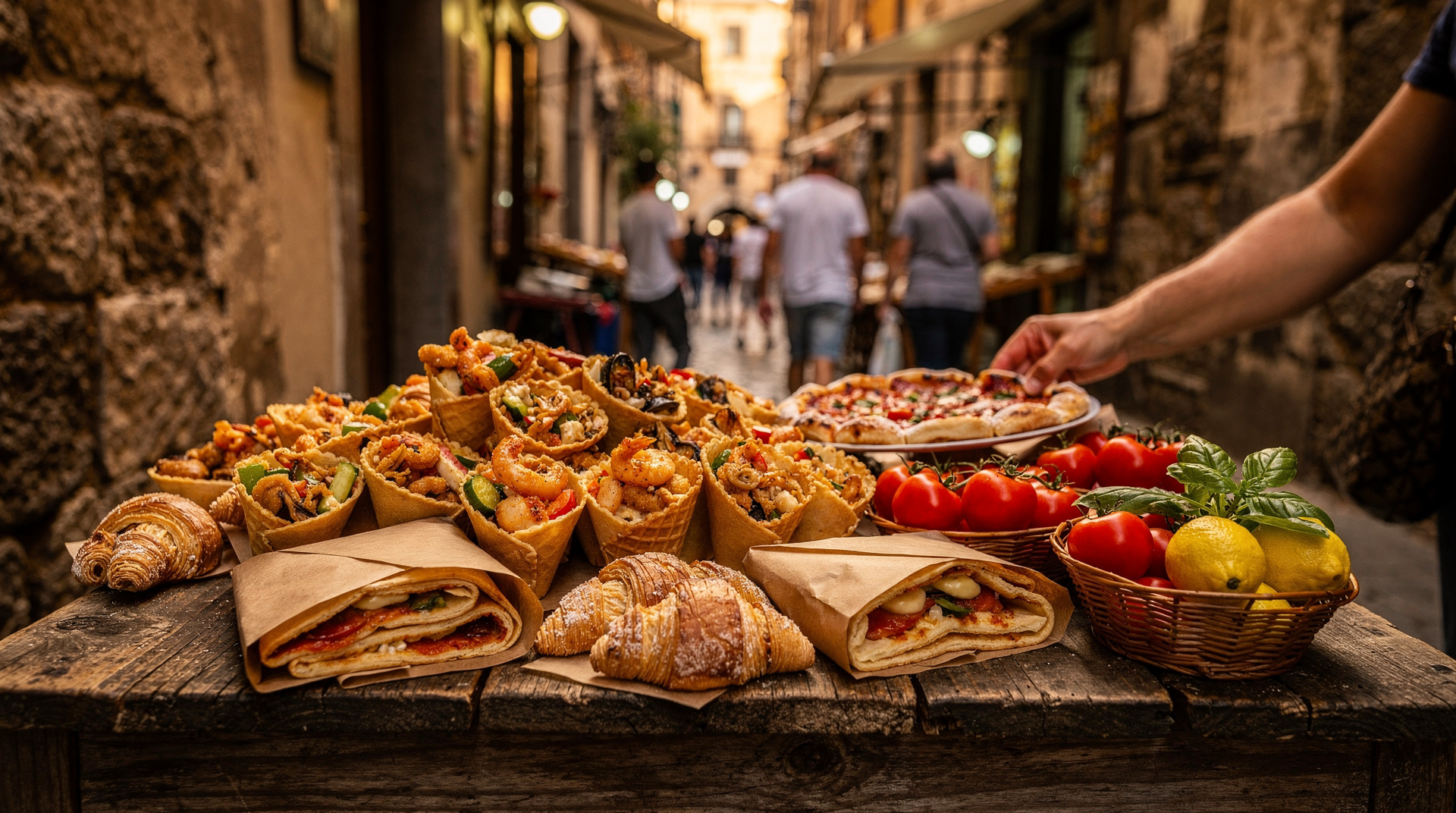
Yes. Naples’ street food (cuoppo, pizza a portafoglio, sfogliatella) from established stands in the markets (Porta Nolana fish market, Pignasecca market) is safe, genuine, and at local prices. The food stalls near major tourist monuments are slightly more expensive but generally not dramatically so — the cuoppo trap is unusual compared to the restaurant trap.