Presepi and Via San Gregorio Armeno: Naples' nativity craft street
Naples: Old Town Tour with Veiled Christ and Cathedral
What is Via San Gregorio Armeno in Naples?
Via San Gregorio Armeno is a narrow street in the centro storico specialising in handcrafted nativity scenes (presepi) and figurines. Open year-round but most active from October to January, the street is lined with workshops and stalls selling everything from traditional terracotta Nativity figures to contemporary celebrity figurines. It is genuinely the world centre of this craft tradition, not a tourist theme park.
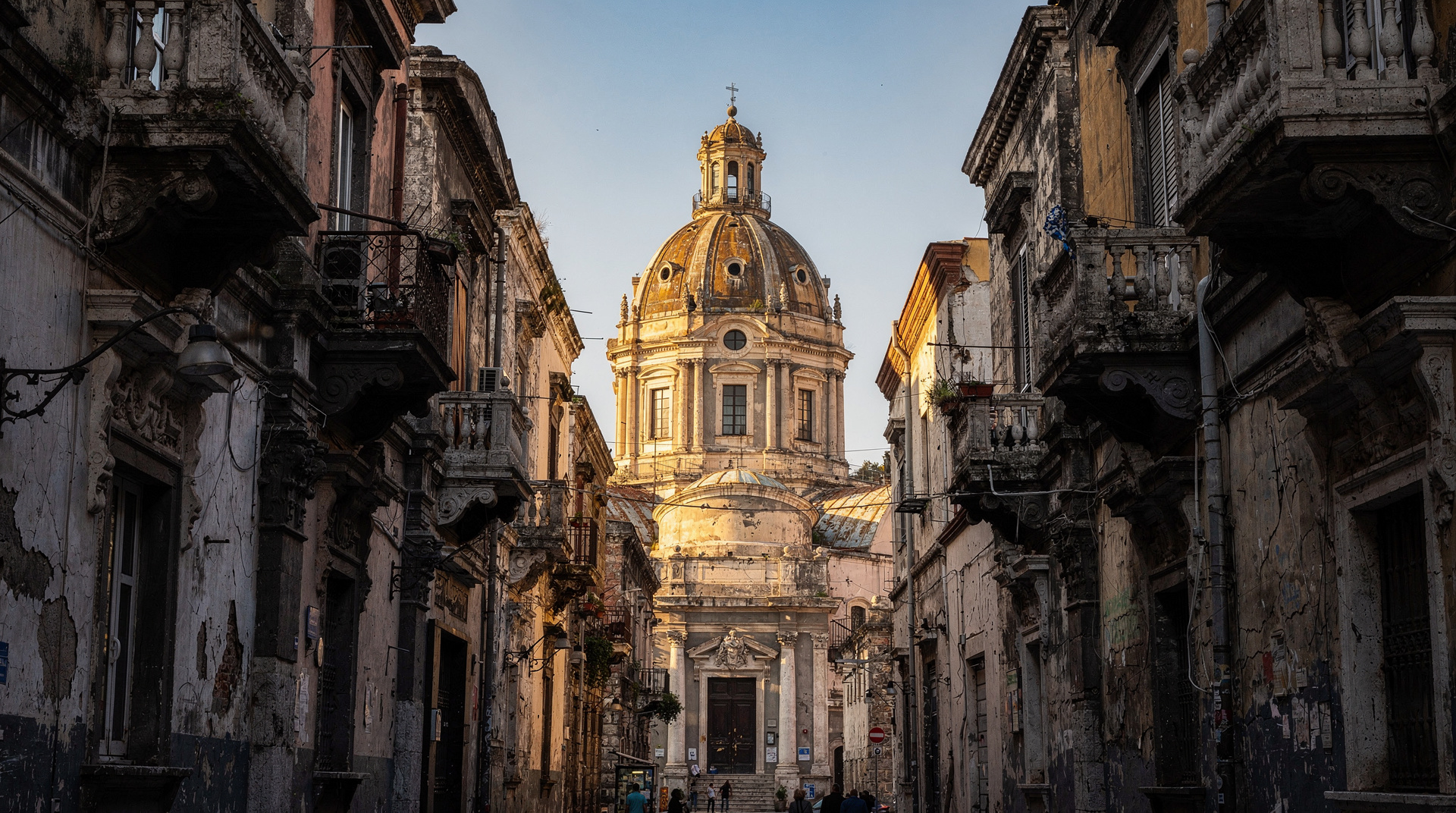
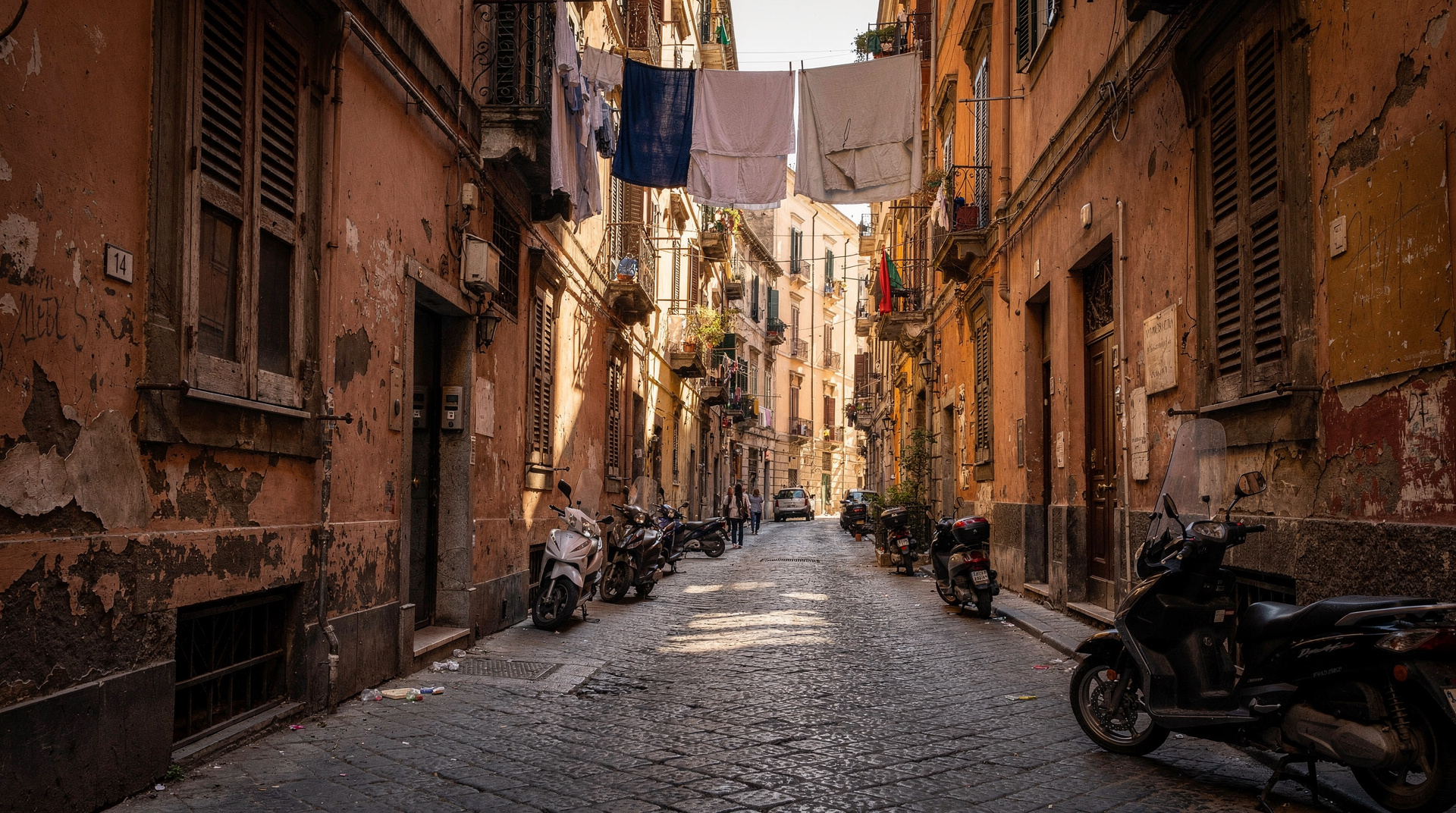
Via San Gregorio Armeno is approximately 150 metres long. It connects Via dei Tribunali to Via San Biagio dei Librai — the two main decumani of ancient Neapolis — in the heart of the centro storico. In those 150 metres, on both sides of a street just wide enough for two people to pass without touching the stalls, the entire tradition of the Neapolitan presepe — the nativity scene that is one of the most distinctive products of this city’s artisan culture — is on display, sold, made, and argued over.
The street is genuinely worth visiting, not because the atmosphere in peak December is comfortable (it is not — it is extremely crowded, loud, and difficult to navigate) but because the craft tradition represented here is legitimate and alive. The artisans who make the high-quality presepe figures are continuing an unbroken line of workshop practice from the 18th century. The nativity tradition they represent is specifically Neapolitan — different in character from the more abstract northern European or Roman Catholic variants — and understanding it is understanding something real about the culture.
| Where | between Via dei Tribunali and Via San Biagio dei Librai, centro storico |
| Cost to enter | free to walk; figurines from around €2 to €2,000+ |
| Time needed | 30–45 min walking, longer if shopping |
| Best time | October–November for shopping, December for atmosphere |
| Quietest time | spring/summer weekday mornings |
| Nearby | Naples Cathedral, Spaccanapoli |
The origin of the Neapolitan presepe
The nativity scene as a devotional practice is associated with Saint Francis of Assisi, who organised the first presepe vivente (living nativity) at Greccio in 1223. The practice spread from Franciscan communities throughout Italy over the following centuries.
Naples developed its own variant, and the variant became distinctive. The Neapolitan presepe is not simply a scene of the manger with Mary, Joseph, the baby, and perhaps the Three Kings. It is a detailed reconstruction of 18th-century Neapolitan street life, into which the biblical scene is embedded as one element among many. The marketplace vendors, the inn scenes, the pastoral landscapes with specific Campanian geographical features — all are represented with the same level of craft attention as the sacred figures. The theological content is present; the social-documentary content is equally present.
This distinctive character emerged under Bourbon patronage in the 18th century. Charles III of Bourbon was an enthusiastic presepe collector; his wife, Queen Maria Amalia, is documented as having worked on figurine costumes personally. The royal enthusiasm drove aristocratic competition — noble families competed to build the most elaborate presepe, commissioning craftsmen to produce increasingly detailed figures, landscape elements, and miniature architectural settings. By the mid-18th century, the Neapolitan presepe had become one of the most technically sophisticated crafts in European decorative arts.
The Bourbon royal presepe is now in the Museo di Capodimonte, in a gallery dedicated to it — approximately 210 figures and hundreds of landscape and architectural elements displayed in their full 18th-century context. This is the best place to understand what the mature tradition looks like.
What the street sells today: an honest breakdown
Via San Gregorio Armeno operates at several simultaneous price and quality levels, and distinguishing between them matters if you want to buy anything genuine.
Mass-produced tourist items (€2–15): Small painted figures, magnets, and decorative pieces that range from decent souvenir quality to objects that bear no relationship to the Neapolitan craft tradition. These are typically made outside Naples (often outside Italy). They are inexpensive and harmless if bought as gifts, but they are not presepi in any meaningful craft sense.
Workshop-quality handmade pieces (€20–150): Individual figures with handpainted faces, fabric costumes, and terracotta or wooden bodies, made by local craftspeople in the workshops visible behind or adjacent to the stalls. At this price level, you are buying something genuinely made by the person selling it or their immediate family. The quality is substantially higher than the souvenir category — the faces have individual character, the fabric costumes are properly made, the poses are natural.
High-end artisan commission work (€150–2,000+): Some workshops on and near San Gregorio Armeno produce figures that are significant decorative art objects — hand-modelled faces with glass eyes, period-accurate costume research, extreme anatomical detail. These pieces are typically made to order and have waiting lists. The leading craftsmen (the Ferrigno family at Via San Gregorio Armeno 8 is the most famous) are genuine artists working in a tradition that has consistent critical recognition in Italian decorative arts scholarship.
The celebrity figures — footballers, politicians, actors — are at all price levels. A small Maradona or Pope Francis or current Prime Minister in terracotta is available for €5–15. A detailed Maradona figure with authentic replica Napoli kit and properly modelled face is €50–150. The tradition of including contemporary figures is not a recent commercial innovation — it has been part of Neapolitan presepe culture since the 18th century.
The monastery: San Gregorio Armeno
The Benedictine monastery that gives the street its name was founded in the 8th or 9th century, when the relics of Saint Gregory of Armenia — a 4th-century bishop and martyr — were brought to Naples from Constantinople by a community of Byzantine nuns. The monastery has been continuously occupied since, making it one of the longest-running Benedictine communities in southern Italy.
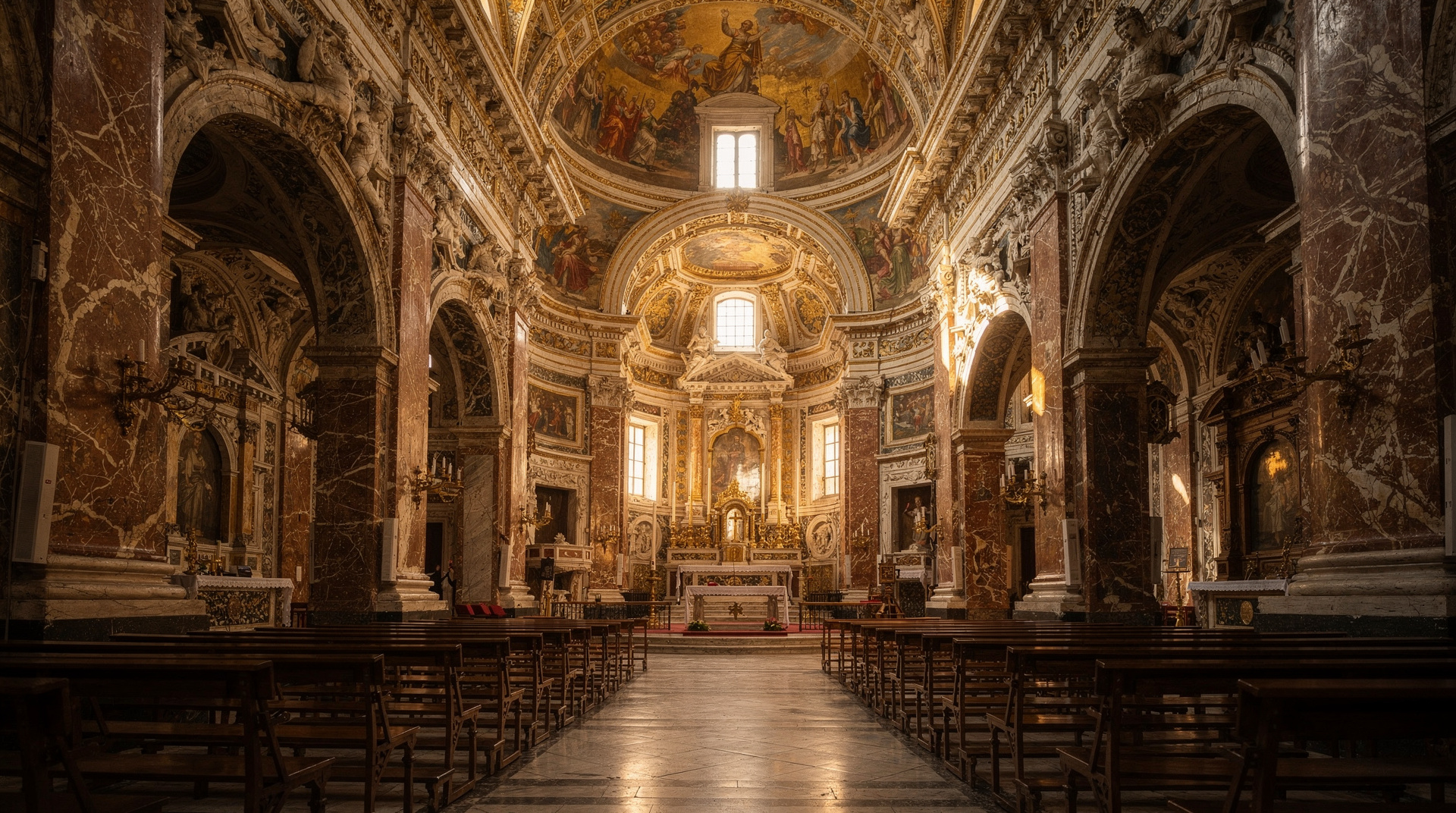
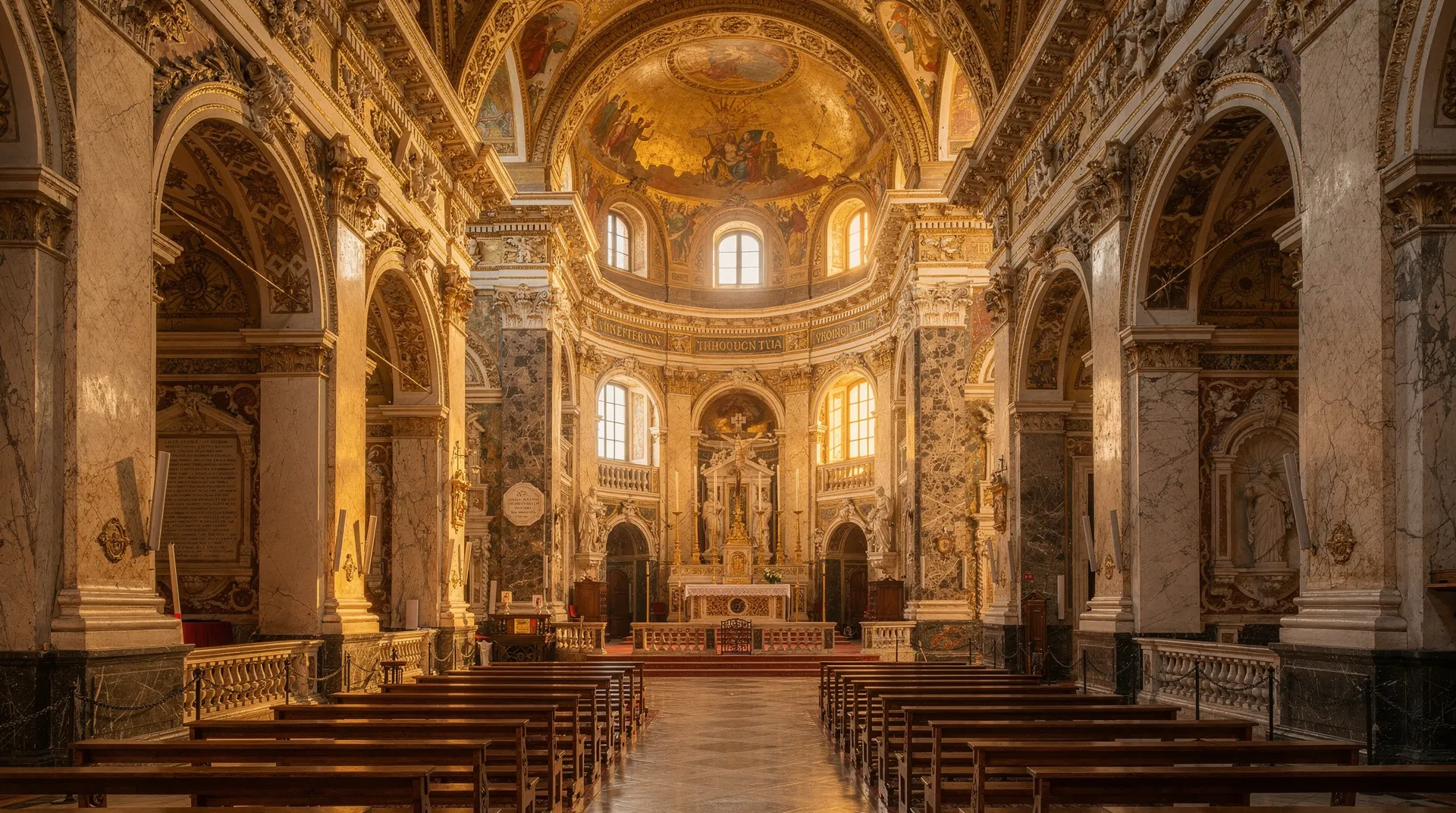
The church is Baroque — rebuilt in the 16th–17th century — with a facade on Via San Gregorio Armeno and a famous cloister behind. The church interior contains ceiling frescoes by Luca Giordano (one of the most prolific and technically accomplished painters of the Neapolitan Baroque), altarpieces, and a chapel with 16th-century majolica floor tiles of exceptional quality.
The church is open to visitors at limited times — typically mornings on weekdays and at specific hours. Entering is free but respectful dress is required. The cloister, which can sometimes be seen through the entrance gate, is one of the more beautiful in the city: an enclosed garden with an 18th-century fountain and well-maintained plantings.
The monastery nuns still live here. Their presence is occasionally visible — a door opening, sounds from the interior. The contrast between the commercial activity on the street outside and the enclosure just inside the gate is part of what makes San Gregorio Armeno an interesting place to spend time.
Best times to visit
December–early January: The peak experience. The street is at full commercial expansion, with stalls extending into the surrounding vicoli, lights strung between buildings, and a density of visitors that makes leisurely browsing almost impossible. The atmosphere is extraordinary; the practicality of buying anything other than a small figure without significant effort is low. Come before 10am on a weekday if you want space to look at things properly.
October–November: The pre-Christmas period sees stalls opening and stock refreshing without the December crowds. This is the most practical time to shop seriously — you can examine pieces, ask questions, and take time with decisions.
Spring and summer: Many workshops are open but at reduced intensity. The selection may be thinner, particularly for seasonal pieces. The street is much less crowded and easier to walk. Good for seeing the physical craft without the social event dimension of Christmas.
August: Some stalls close entirely. If this is your only option, the monastery and the street architecture are always there, but commercial activity will be patchy.
How the street fits into a centro storico walk
Via San Gregorio Armeno is perpendicular to the two main decumani — it connects Via dei Tribunali (middle decumanus) to Via San Biagio dei Librai (lower decumanus, Spaccanapoli axis). A natural routing:
- Enter from Via dei Tribunali — this is the northern entry point, close to the Pio Monte della Misericordia and the Naples cathedral (Duomo).
- Walk south through the street, taking time at specific stalls.
- Exit onto Spaccanapoli at Via San Biagio dei Librai and continue west or east along the lower decumanus.
The walk from the Duomo to Via San Gregorio Armeno to Spaccanapoli takes about 30–45 minutes without shopping, longer if you want to examine pieces in detail. It can be extended naturally into a half-day self-guided walking tour of Naples.
Shipping and bringing pieces home internationally
For visitors who fall for a larger or more elaborate figure than fits comfortably in luggage, several of the higher-end workshops on and near Via San Gregorio Armeno offer international shipping — ask directly, as this is rarely advertised prominently. Shipping costs for fragile terracotta pieces are not trivial (often €30–80 depending on size and destination), and insurance is worth paying for on anything above the low hundreds of euros.
If you’re commissioning a custom figure with a multi-week production time, factor shipping into your budget conversation with the workshop from the start rather than as an afterthought once the piece is finished — some craftsmen prefer to hand-deliver internationally at trade fairs rather than risk courier damage, which can affect your timeline if you’re hoping to receive the piece before a specific date.
The broader presepe tradition in Naples
Via San Gregorio Armeno is the commercial centre of the craft, but the presepe tradition extends throughout Neapolitan culture in ways visitors should be aware of to understand what they are seeing.
Home presepi: Many Neapolitan families maintain a presepe at home — sometimes elaborate multi-generation constructions that occupy an entire room, built up over decades. The tradition requires that figures be displayed between 8 December (Feast of the Immaculate Conception) and 2 February (Feast of the Presentation, 40 days after Christmas). More devout families display it through to the Epiphany (6 January).
Church presepi: The major churches of the centro storico display elaborate presepi during the Christmas period. The Basilica di San Giovanni Maggiore, the Gesù Nuovo, and various other churches in the area are worth checking during December visits.
The Capodimonte royal presepe: The best single concentrated example of 18th-century Neapolitan presepe craft is the Bourbon royal collection at the Capodimonte Museum, displayed year-round. The figures — made by the leading craftsmen of the Bourbon court period — are exceptional examples of terracotta figurative sculpture. The museum label identifies individual craftsmen where documentation exists.
Where San Gregorio Armeno fits in a wider Naples visit
This street is one stop on a longer centro storico walk, not a destination in itself for most itineraries. If you want a fuller sense of what else the old town holds, Naples history guide gives the background context that makes the presepe tradition make more sense against the city’s broader story, and best things to do in Naples and hidden gems in Naples help you sequence this street alongside the rest of the historic center rather than treating it as an isolated errand.
If you’re visiting specifically over the Christmas period, Naples in winter covers what else changes about the city at that time of year, from lights to opening hours.
Hungry after browsing the stalls — the street itself has little food beyond a few small bars — a short walk in either direction along the decumani puts you among some of the best street food in the historic center; see Naples street food guide for where to go next.
Seeing the craft tradition with a guide
If the workshop-versus-souvenir distinction described above feels hard to judge on your own, a guided walk with someone who knows the individual artisans removes the guesswork — a good local guide can take you directly to workshops worth spending money in and explain what you’re looking at as you go, rather than leaving you to compare quality by eye in a crowded street.
Historic centro storico walking tour including San Gregorio ArmenoFrequently asked questions about presepi and San Gregorio Armeno
Can I visit the workshops and see craftspeople working?
Many of the workshop-stalls on and near Via San Gregorio Armeno are both retail spaces and working studios — the craftsperson making figures is visible behind or in the same space as the display. Entering and observing (without touching) is generally welcomed. The Ferrigno workshop in particular is known for allowing visitors to watch the process.
What is the most famous or best presepe workshop on the street?
The Ferrigno family (Giuseppe and Marco Ferrigno, Via San Gregorio Armeno 8) is the most internationally recognised. Their work has been exhibited in museums and is collected by institutions internationally. For a broader selection of quality workshops, other well-regarded names include Mano di Fata and various unlisted family workshops that have been on the street for multiple generations.
Are there guided tours of Via San Gregorio Armeno?
Several guided walking tours of the centro storico include Via San Gregorio Armeno. The most useful tours for this specific street are those run by local artisans or cultural associations that can explain the craft tradition and introduce visitors to specific workshops — the standard tourist walking tour format typically covers the street briefly without this context.
Is it possible to have a custom figure made?
Yes, for the higher-quality workshops. Custom figures — your own face, a specific public figure, a family member — are made to commission. The process typically takes several weeks (some workshops have waiting lists months long). If you want a commission, contact the workshop directly via their website or social media before visiting.
How should I bring a presepe figure home?
Terracotta figures are fragile. Request that the seller package the piece properly — most of the better workshops have tissue and bubble wrap available. Checked luggage is safer than carry-on for larger pieces. Small figures (under 15 cm) wrapped well in clothing can travel carry-on without significant risk.