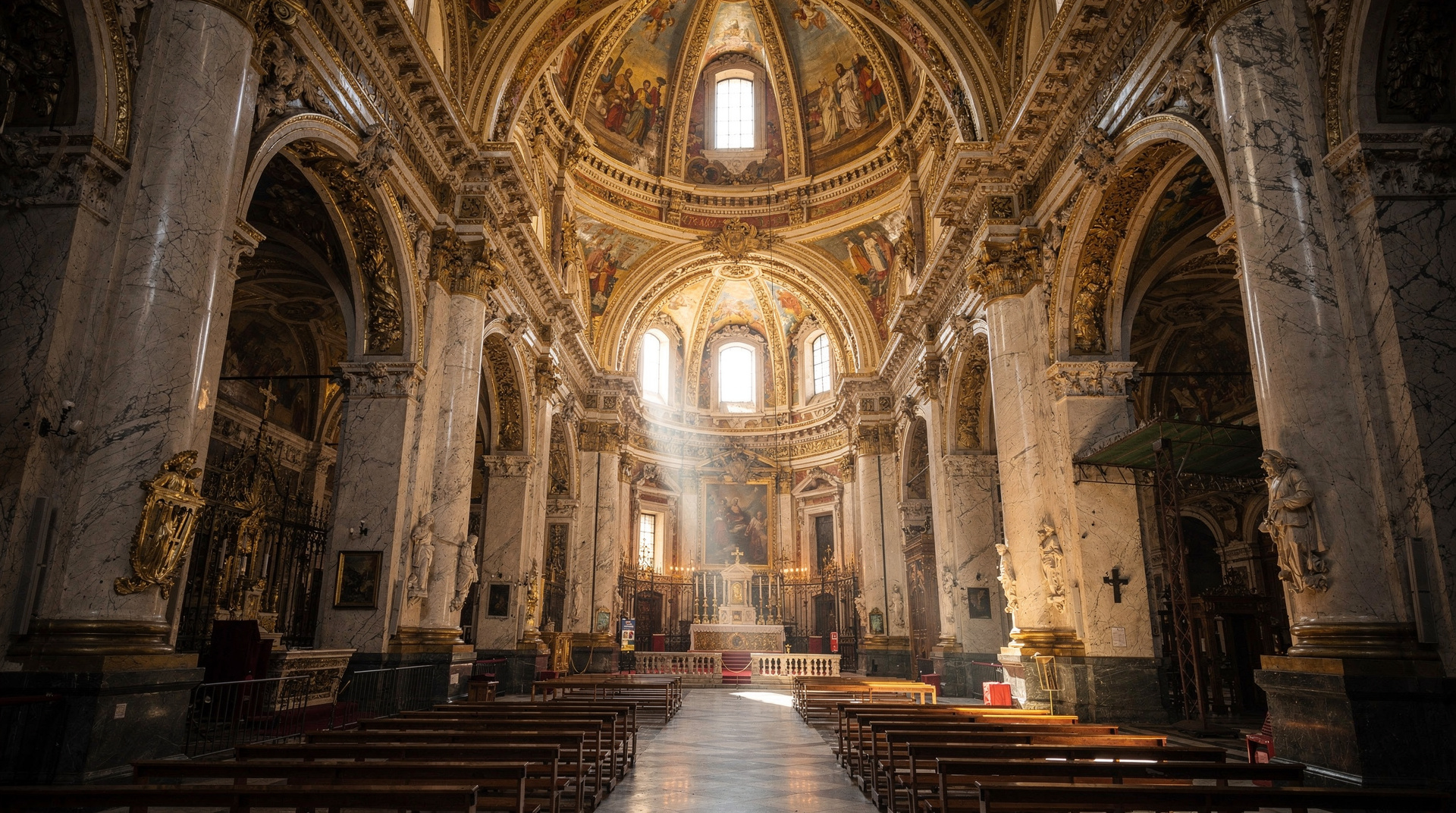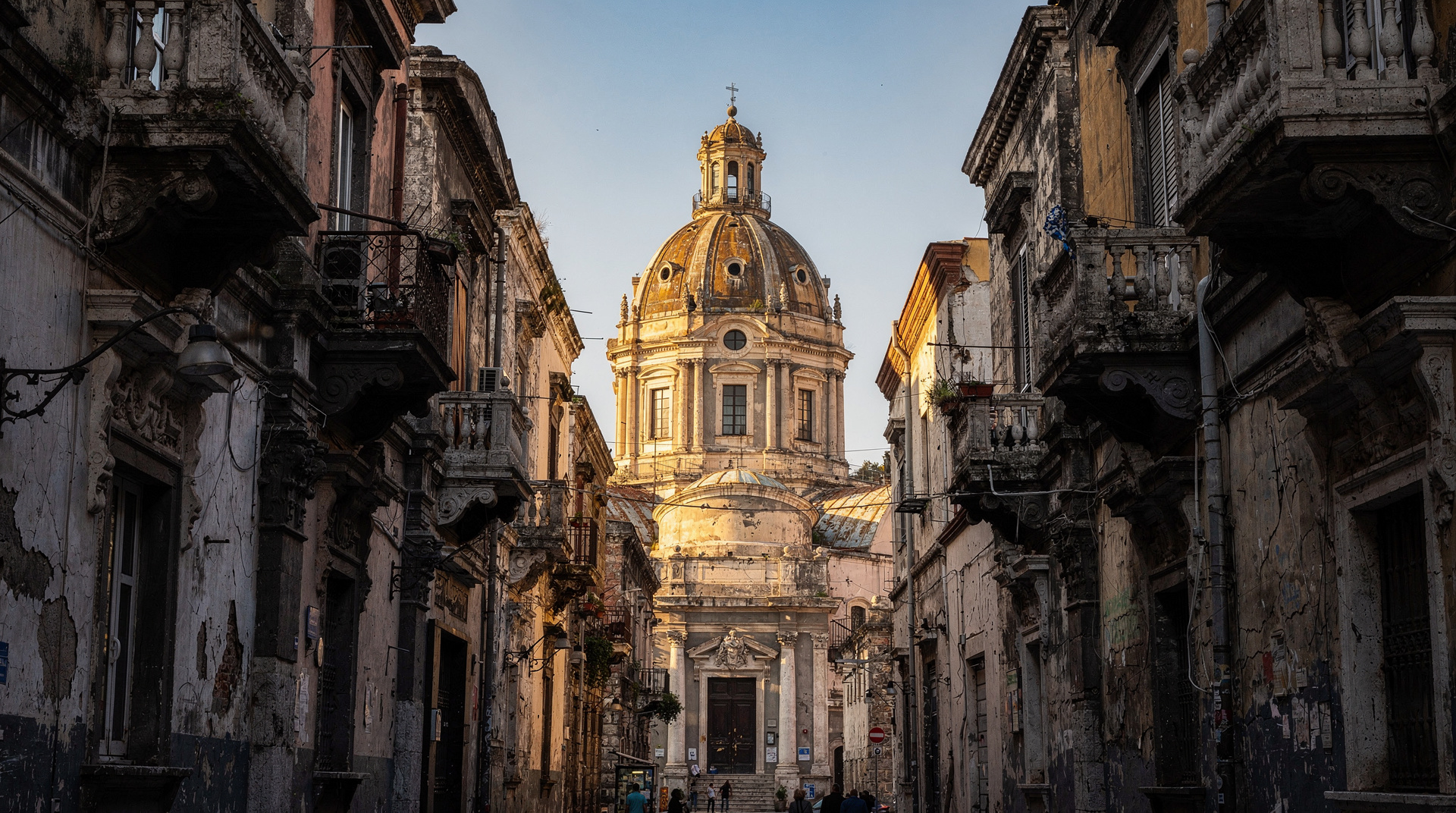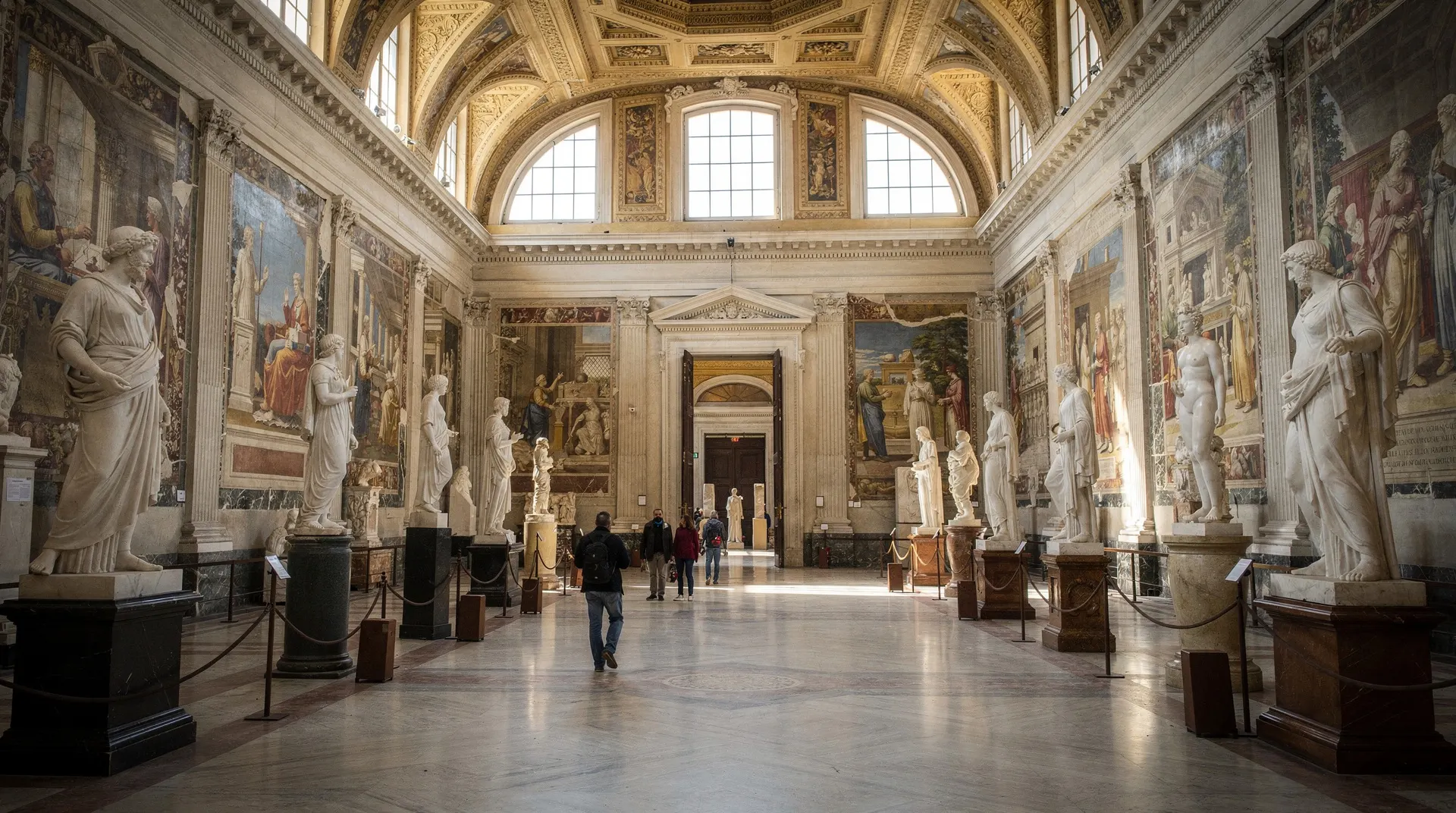
Capodimonte museum Naples — complete visitor guide
Naples: Capodimonte Museum Small Group Tour
Duration: 2h
Is the Capodimonte museum worth visiting in Naples?
Yes, for anyone interested in Italian Renaissance and baroque painting. It has one of Italy's best collections outside the Uffizi and Vatican — Titian, Caravaggio, Raphael, El Greco, Artemisia Gentileschi. Entry €20. The park surrounding it is free. Closed Wednesday.
Quick answer: Capodimonte has one of Italy’s best painting collections — Titian, Caravaggio, Raphael — in a Bourbon royal palace on the hill above Naples. Entry €20. The surrounding park is free. Allow 2–3 hours. Closed Wednesday.
| Where | Via Miano 2, on the hill above the centre |
| Cost | €20 adults; park is free |
| Time needed | 2–3 hours for the highlights; half day for everything |
| Getting there | Bus 110 or R4, ~20 min; no metro |
| Best time | weekday mornings; closed Wednesday |
The palace and its origins
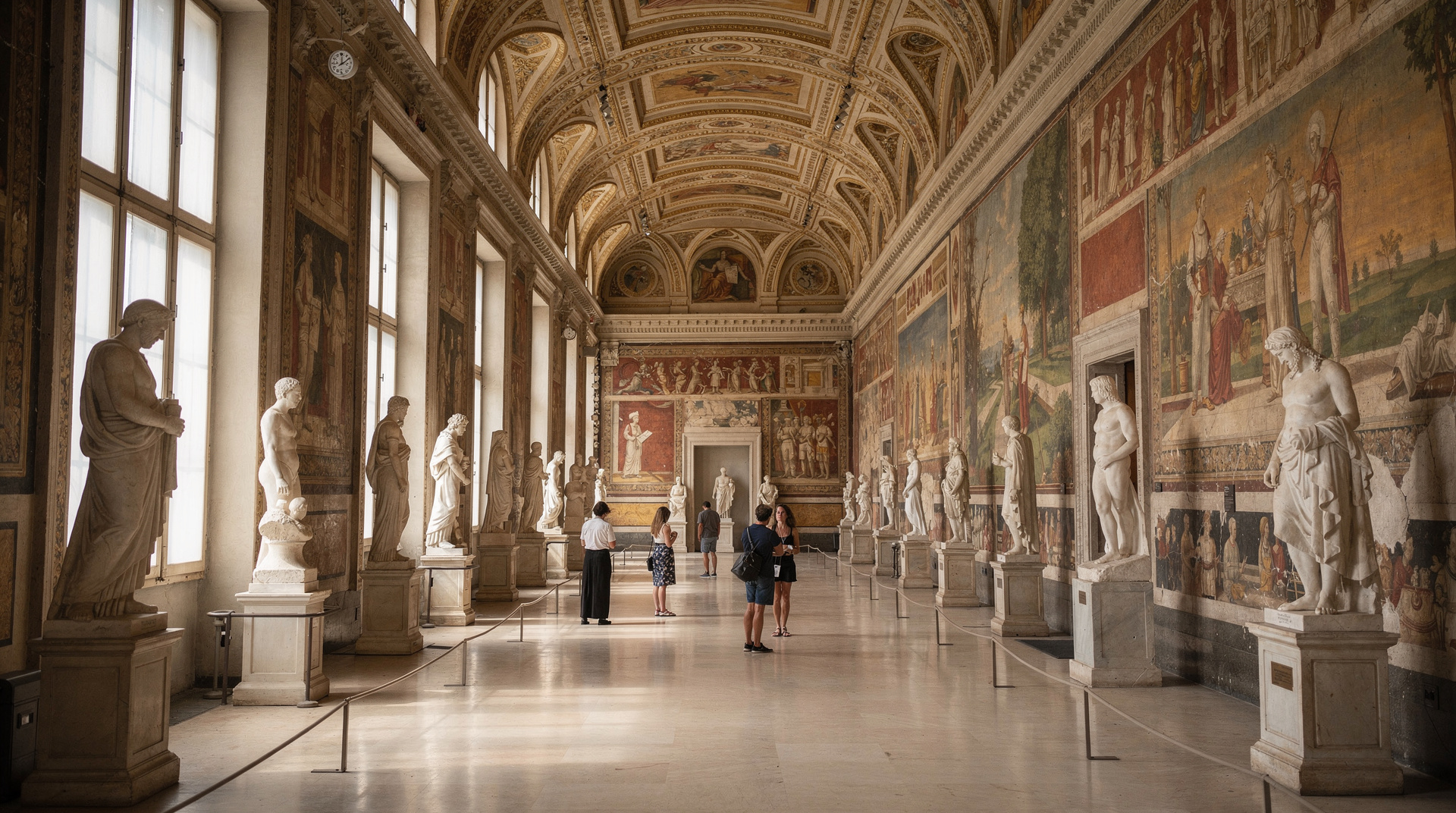
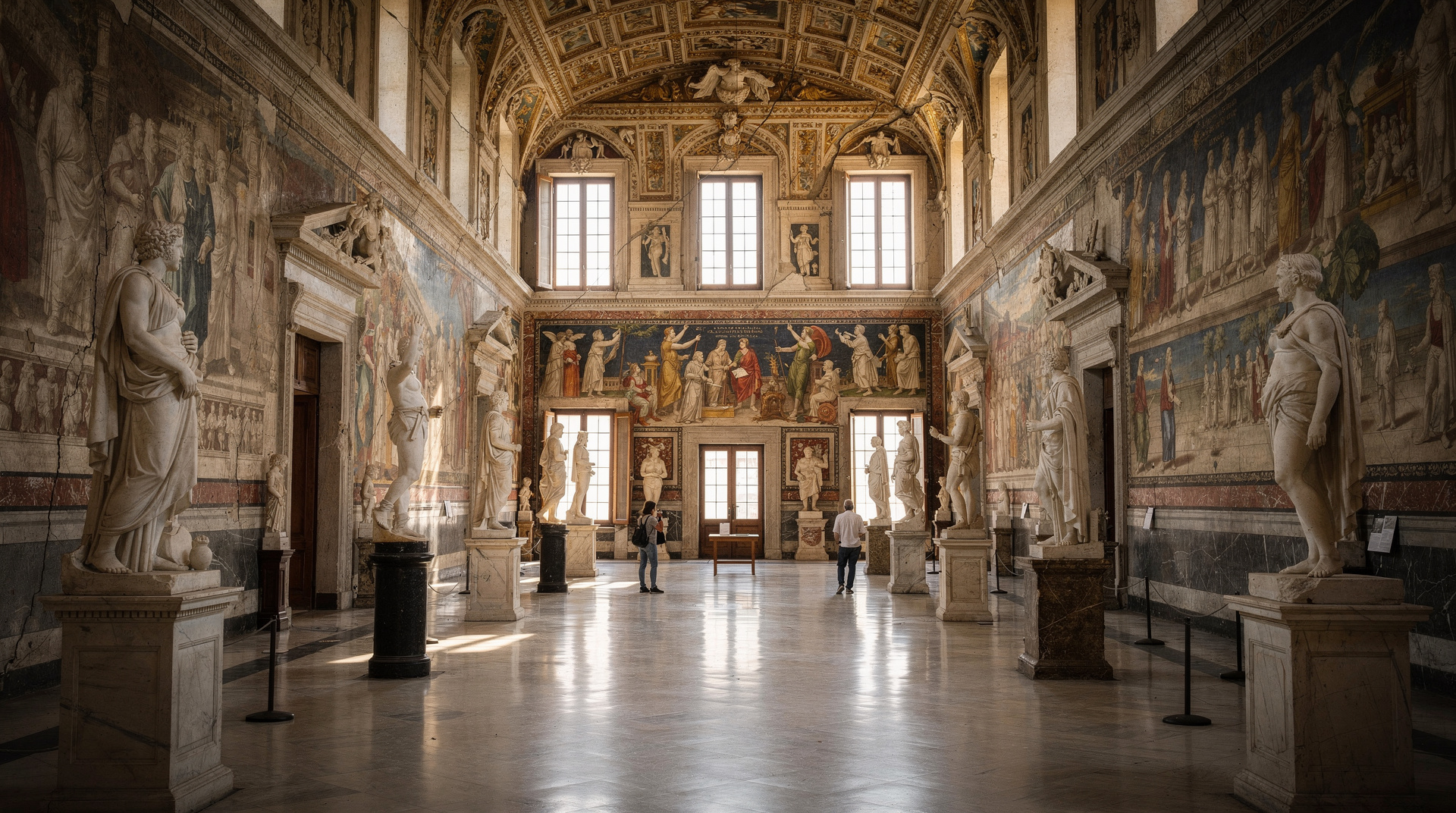
The Museo di Capodimonte occupies a massive Bourbon royal palace built for Charles VII of Naples (later Charles III of Spain) beginning in 1738. The project had a specific purpose: to house the Farnese collection, which Charles had inherited through his mother Elisabeth Farnese. The Farnese were one of the most important Renaissance collecting families in Italy, and their holdings — assembled over two centuries in Rome and Parma — formed the nucleus of what became the Capodimonte collection.
The palace took 70 years to complete and became the primary Bourbon royal residence in Naples. It is immense — 360 rooms — and sits in a 134-hectare park on a hill (Capo di Monte) overlooking the city.
Today the museum contains approximately 47,000 works including paintings, drawings, sculptures, decorative arts, tapestries, arms and armour, and one of the world’s most significant collections of Capodimonte porcelain.
Getting there
Address: Via Miano 2, Naples Bus: 110 (from Piazza Dante) or R4 (from Piazza Cavour / MANN area) — ~20 minutes, stops at the museum entrance Taxi: ~€12–15 from the historic centre By car: Not recommended unless you plan to use the park; parking available but limited
There is no direct metro connection. Plan for 20–25 minutes travel from the centre.
Opening hours and tickets
Hours: 9:00–19:00 (last entry 18:30). Closed Wednesday, January 1, May 1, December 25. Entry: €20 adults; €2 EU under-18s; discount for EU students 18–24. First Sunday of month: free entry, queues are significant — arrive at opening. ArteCard: The Capodimonte is included in the 3-day Naples ArteCard (€25). Analysis at Campania ArteCard guide.
Small-group guided tour of Capodimonte (2.5h, Caravaggio and Titian)The collection: floor by floor
First floor — the Farnese collection
The first floor is the heart of the museum and the reason most visitors come. The Farnese collection of Renaissance painting concentrates here.
Raphael, Moses before the Burning Bush (c.1514–1516): Not one of Raphael’s most famous paintings internationally, but a cabinet piece of refined draughtsmanship that shows his late Roman manner. Also here: Portrait of Pope Leo X with Cardinals (Raphael workshop, the original is in the Uffizi).
Titian, Danae (c.1544–1546): Painted for Alessandro Farnese (later Pope Paul III’s grandson) in Rome. Danae reclines in bed as Jupiter descends as a golden shower — the erotic charge is blatant and the technique is among Titian’s best. Warm, luminous flesh tones against dark drapery. The Prado has a later version; this is considered the original autograph work.
Titian, Portrait of Pope Paul III Farnese (c.1543): The aged pope seated in a chair, hunched but alert. Titian’s portrait of authority combined with physical decay. One of the most psychologically penetrating portraits of the 16th century.
Titian, Paul III with His Grandsons (1545–1546): Unfinished but arguably more revelatory — the old pope, Alessandro and Ottavio Farnese in poses of deference and negotiation. A scene of dynastic politics rendered with uncomfortable directness.
Simone Martini, St. Louis of Toulouse Crowning Robert of Anjou (1317): One of the major works of Trecento painting, commissioned by the Anjou kings of Naples. Gold leaf, Gothic refinement, and subtle psychological drama. Still in Naples after 700 years.
Giovanni Bellini, Transfiguration (c.1490): An early work showing the influence of Mantegna and Bellini’s move toward luminosity. Smaller in scale than the Farnese giants but precise and moving.
Second floor — Neapolitan painting and the royal apartments
The second floor pivots to the Neapolitan school — 17th and 18th-century painting produced in Naples during the Spanish viceroyalty.
Caravaggio, Flagellation of Christ (c.1607): Painted during Caravaggio’s second Naples stay after fleeing Malta. Three tormentors beat Christ at the column — the light source is from the upper left, the flesh tones are Caravaggio’s warmest. This is not the most theatrical of his works but is considered among his most refined. The painting stayed in Naples until the 19th century.
Artemisia Gentileschi, Judith and Holofernes (c.1612–1613): Gentileschi’s most famous treatment of this subject — made more charged by the documented biography (she was raped by Agostino Tassi; this painting was completed after the trial). The violence is explicit; the competence of Judith and her maid is cold and absolute.
Ribera (Jusepe de Ribera), multiple works: Ribera was the dominant painter in Naples in the early 17th century and is exceptionally well-represented here. His characteristic technique — dark grounds, raking light, unidealized figures — is at its best in the large canvases of saints and philosophers.
The royal apartments: Several rooms retain their 18th-century Bourbon decoration, including the famous Porcelain Room (Salottino di Porcellana) with its floor-to-ceiling Capodimonte porcelain tiles, originally made for the royal apartments at Portici. The craftsmanship is extraordinary; the visual effect is one of absolute royal excess.
Third floor — modern and contemporary art
The third floor has modern Italian art from the 19th and 20th centuries including works by Morandi, De Chirico, Andy Warhol’s Vesuvius (1985), and temporary exhibitions. Less essential than the lower floors but worth 30 minutes if time allows.
The Capodimonte park — free
The park is one of the best reasons to visit Capodimonte even if you skip the museum. It is Naples’ largest public green space — 134 hectares of wooded hills with views over the city.
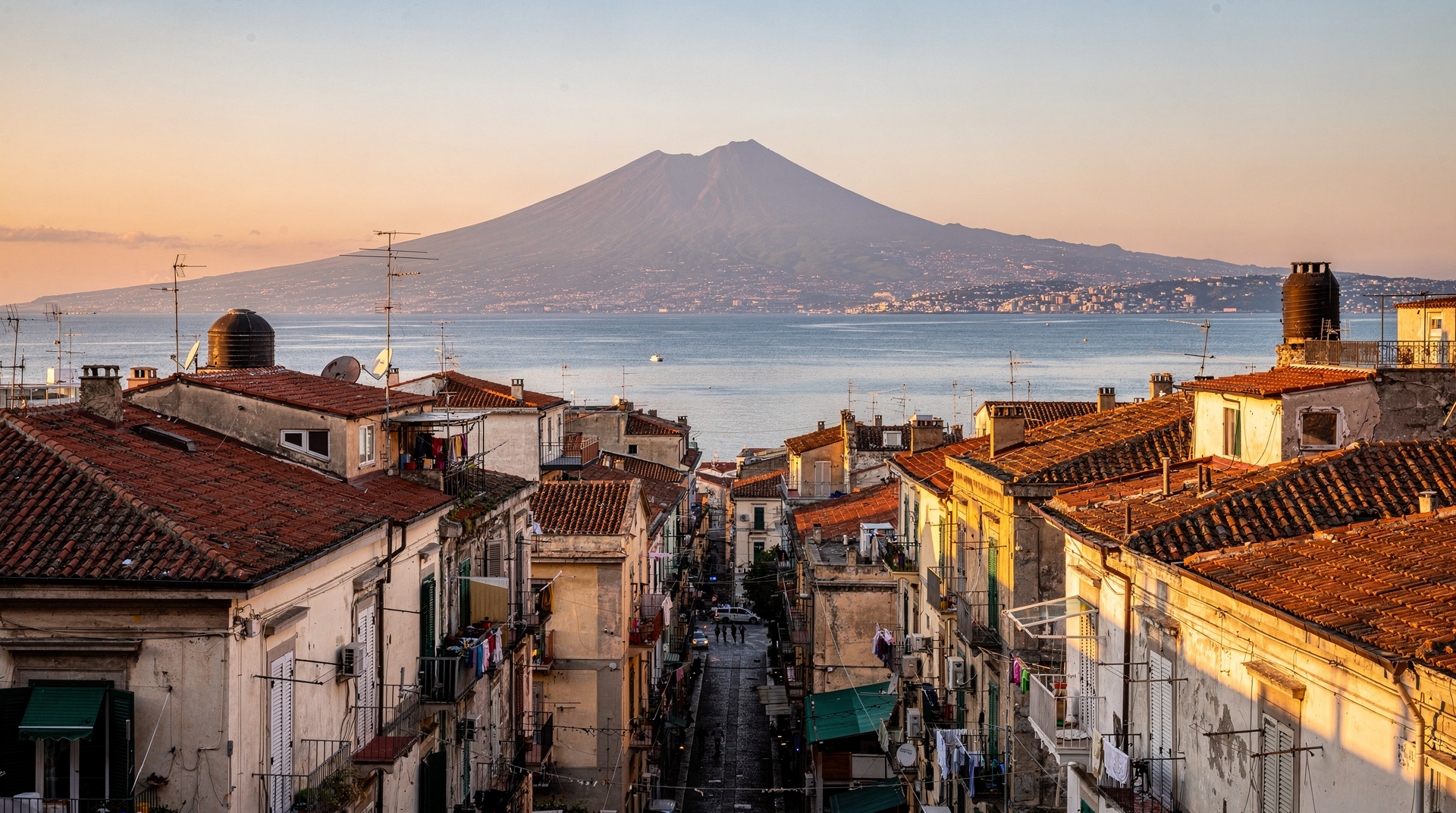
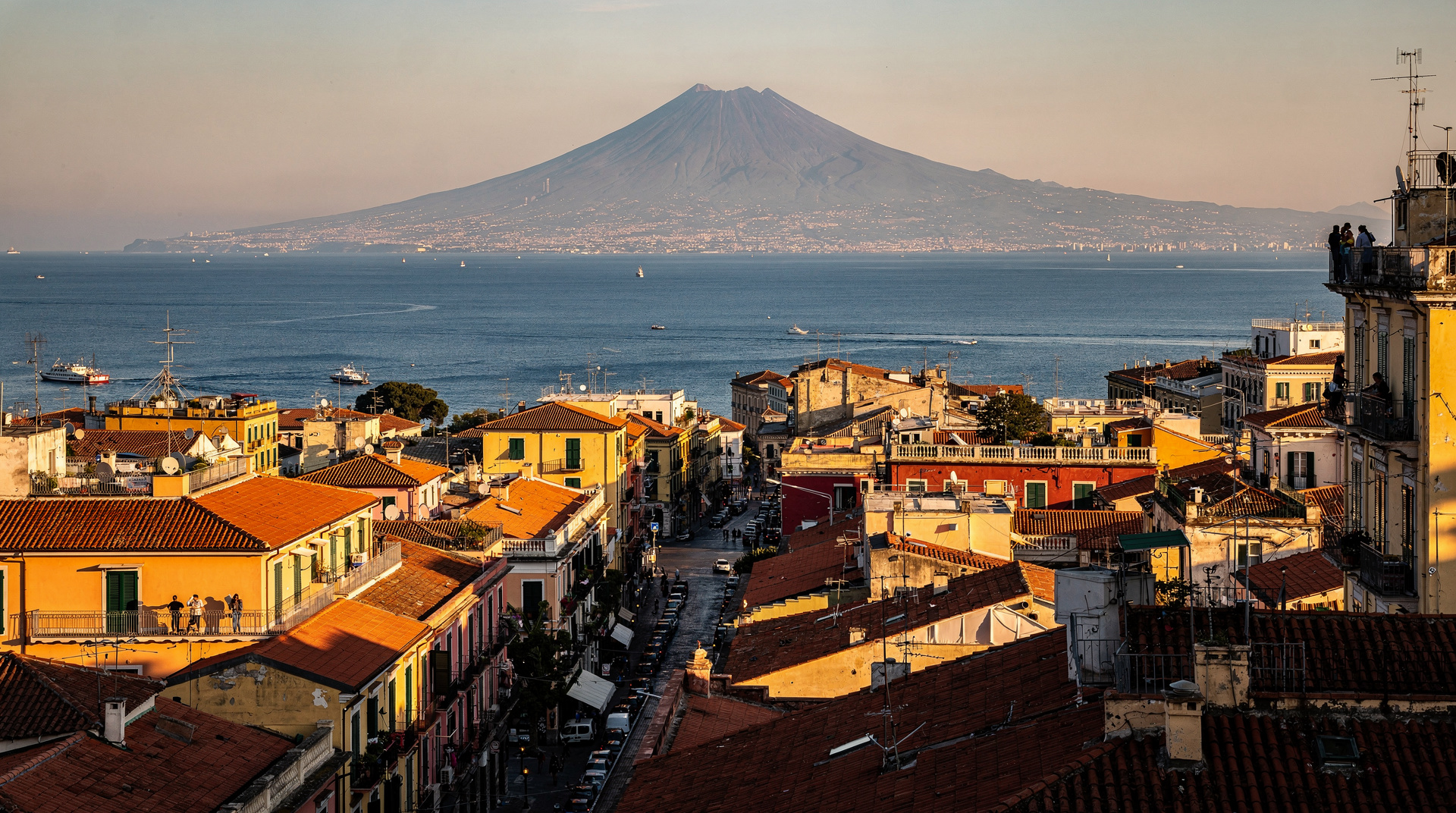
Free, open daily 7:00 to sunset (approximately 20:00 in summer, earlier in winter). Several paths wind through the grounds. The best bay views are from the northeast corner of the park, overlooking the city and Vesuvius.
The park was used for royal hunting and horse breeding; several of the original functional buildings are still standing. It is relatively unknown to tourists and genuinely pleasant on a weekday morning.
Combined visits
Capodimonte is logically combined with a visit to the nearby Catacombs of San Gennaro (15 minutes on foot, €9) or Rione Sanità neighbourhood. A day that combines Capodimonte in the morning, lunch in Rione Sanità, and the catacombs in the afternoon is efficient and covers both the artistic and archaeological layers of the city.
Capodimonte with a historian guide (private, 2h)Practical notes
Bag storage: Bags are not permitted in the galleries; storage lockers are available at the entrance.
Photography: Permitted without flash throughout. No commercial photography without prior authorization.
Café and restaurant: There is a café on the ground floor. A restaurant in the park operates seasonally.
Children: The palace is large but the Farnese sculpture (see MANN for the major pieces) and the Caravaggio work are engaging for older children. The porcelain room is a curiosity. Bring something for children to focus on specifically rather than doing a general wander.
Frequently asked questions about Capodimonte museum
How does Capodimonte compare to the MANN?
The MANN is primarily archaeological — ancient Rome, Greek, and Egyptian art. Capodimonte is primarily painting — Renaissance, baroque, and decorative arts. Both are world-class. In a short Naples stay, the MANN is the higher priority (unique Pompeii collection); Capodimonte is the better museum for Renaissance painting lovers.
Is a guided tour necessary at Capodimonte?
Not strictly necessary. The labelling in the major rooms is good and available in English. For the Caravaggio and Titian works, context significantly increases the experience. A 2-hour guided tour is worthwhile for visitors who want to understand what they are looking at.
Can I visit the park without buying a museum ticket?
Yes. The park entrance is separate from the museum and always free. You do not need a museum ticket.
Is the Capodimonte porcelain room the only one?
The original porcelain room was at the Portici palace (now largely destroyed). The Capodimonte room is a recreation or transfer of the original tiles. It is spectacular and unique.
What is the best time to visit Capodimonte?
Weekday mornings in spring or autumn. The museum is never as crowded as the MANN or Cappella Sansevero, so timing is less critical. Avoid the first Sunday of the month if you are uncomfortable with crowds.
Where Capodimonte fits in a Naples itinerary
Capodimonte sits above the Rione Sanità neighbourhood and the Catacombs of San Gennaro, making the morning-museum, afternoon-catacombs day described above one of the more efficient combinations in the city. If you are deciding how to sequence it against Naples’ other major museum, the MANN archaeological guide is the direct comparison.
For views over the bay without the museum ticket, the park itself is one of the city’s better entries in the Naples viewpoints guide, and it connects logically with an afternoon in Vomero if you have a full day free — see the Vomero neighbourhood guide. For a broader sense of where a Capodimonte morning fits into a longer stay, Naples in three days shows the full balance of museums, neighbourhoods, and food.
Frequently asked questions about Capodimonte museum Naples — complete visitor
What is the Capodimonte museum famous for?
How do I get to Capodimonte from the city centre?
How long does Capodimonte take to visit?
Is the Capodimonte park free?
What is the most famous painting in Capodimonte?
Is Capodimonte included in the ArteCard?
Is Capodimonte worth visiting if I've already seen the MANN?
Can I combine Capodimonte with Vomero in one day?
Top experiences
Bookable activities with verified prices and instant confirmation on GetYourGuide.