Best things to do in Naples
The Best of Naples Private Walking Tour
What are the best things to do in Naples?
The top experiences are visiting the MANN archaeological museum, seeing the Veiled Christ at Cappella Sansevero, eating pizza in Spaccanapoli, exploring the underground city (Napoli Sotterranea), and taking a day trip to Pompeii. Allow at least 3 full days to cover these without rushing.
Quick answer: The top experiences are visiting the MANN archaeological museum, seeing the Veiled Christ at Cappella Sansevero, eating pizza in Spaccanapoli, exploring the underground city, and taking a day trip to Pompeii. Allow at least 3 full days.
| Minimum time | 3 full days for the core sights |
| Top single sight | MANN archaeological museum, around €22 |
| Best free activity | walking Spaccanapoli and the Lungomare |
| Getting around | walk centro storico, metro line 1 + funiculars elsewhere |
| Money-saver | Campania ArteCard if visiting 3+ paid sites |
Where to start: understanding the city’s layout
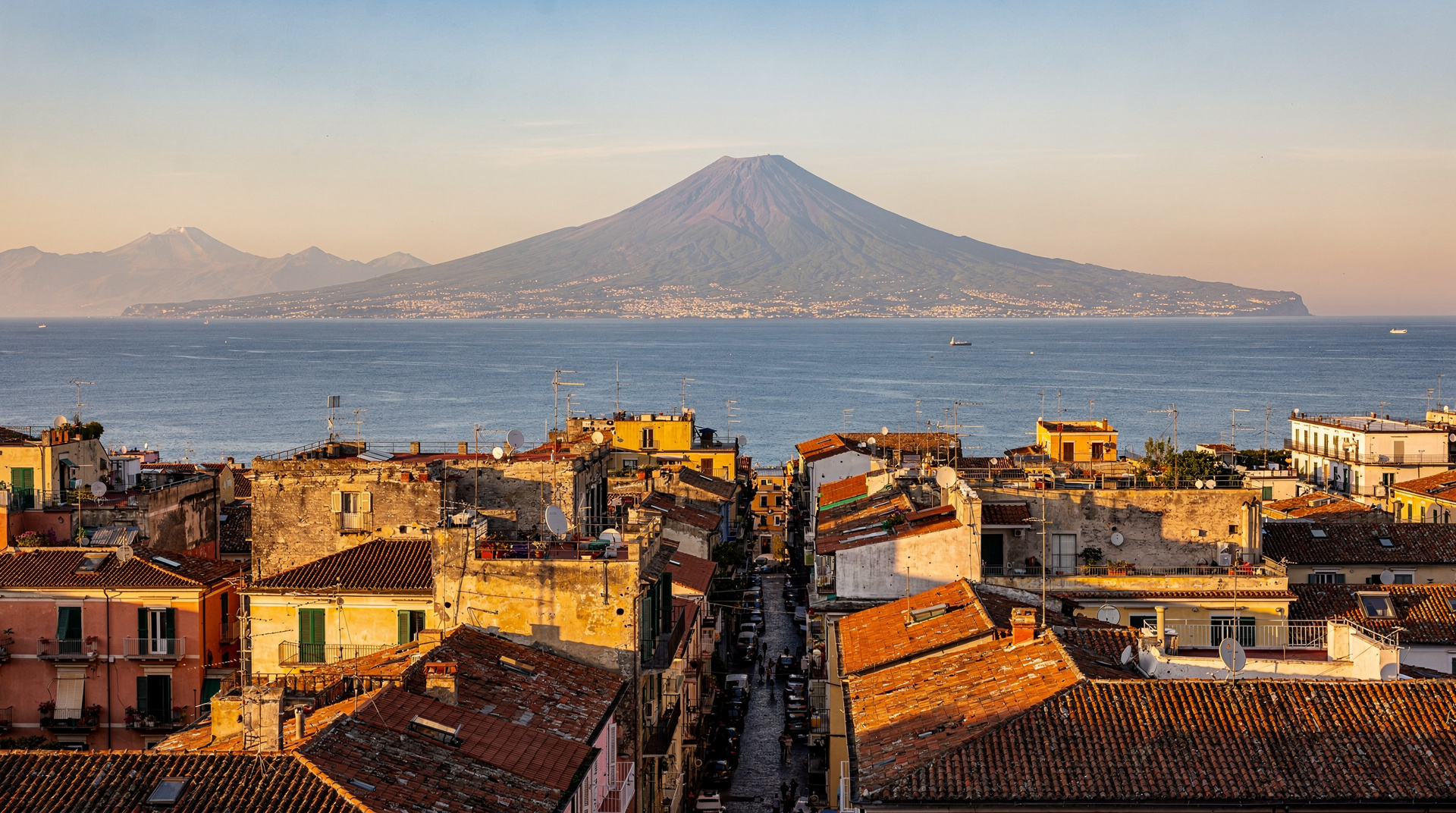
Naples is dense, loud, and intensely layered — Greco-Roman grid streets under the medieval and baroque city under the 19th-century extensions. The centro storico (historic centre, a UNESCO World Heritage Site) runs along three ancient decumani: Via dei Tribunali in the middle, Spaccanapoli below, and Via Anticaglia above. This is where you will spend most of your time.
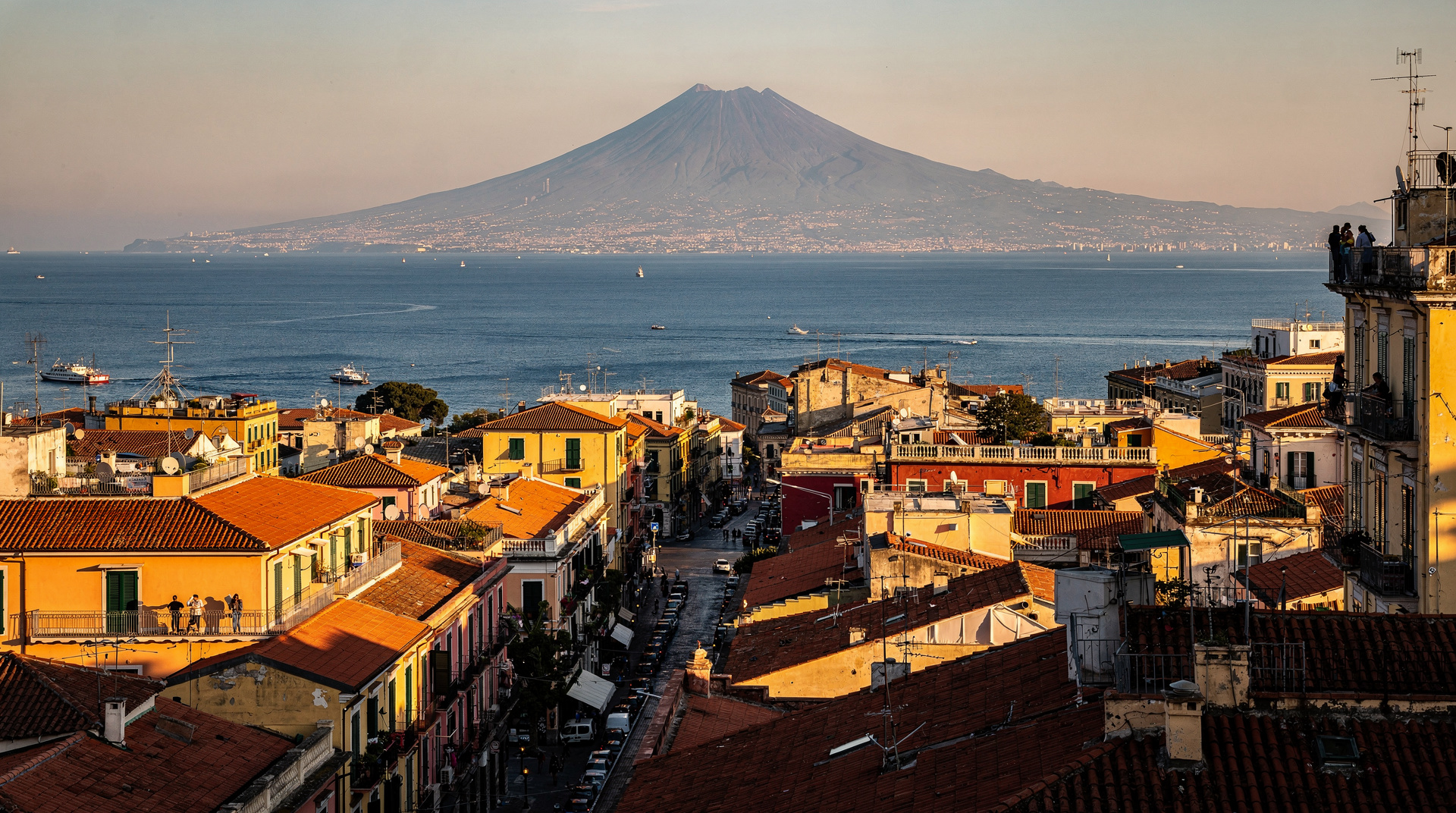
The Lungomare (seafront) and the Chiaia neighbourhood are the polished, quieter counterpart — great for an evening walk or aperitivo. Vomero, on the hill above, has Certosa di San Martino and panoramic views. The port area (Beverello, Castel dell’Ovo, Mergellina) sits between the two worlds.
The key rule: do not try to do everything in one day. Naples rewards slow walking and impromptu discoveries far more than a checklist sprint.
The MANN: Europe’s greatest collection of ancient art
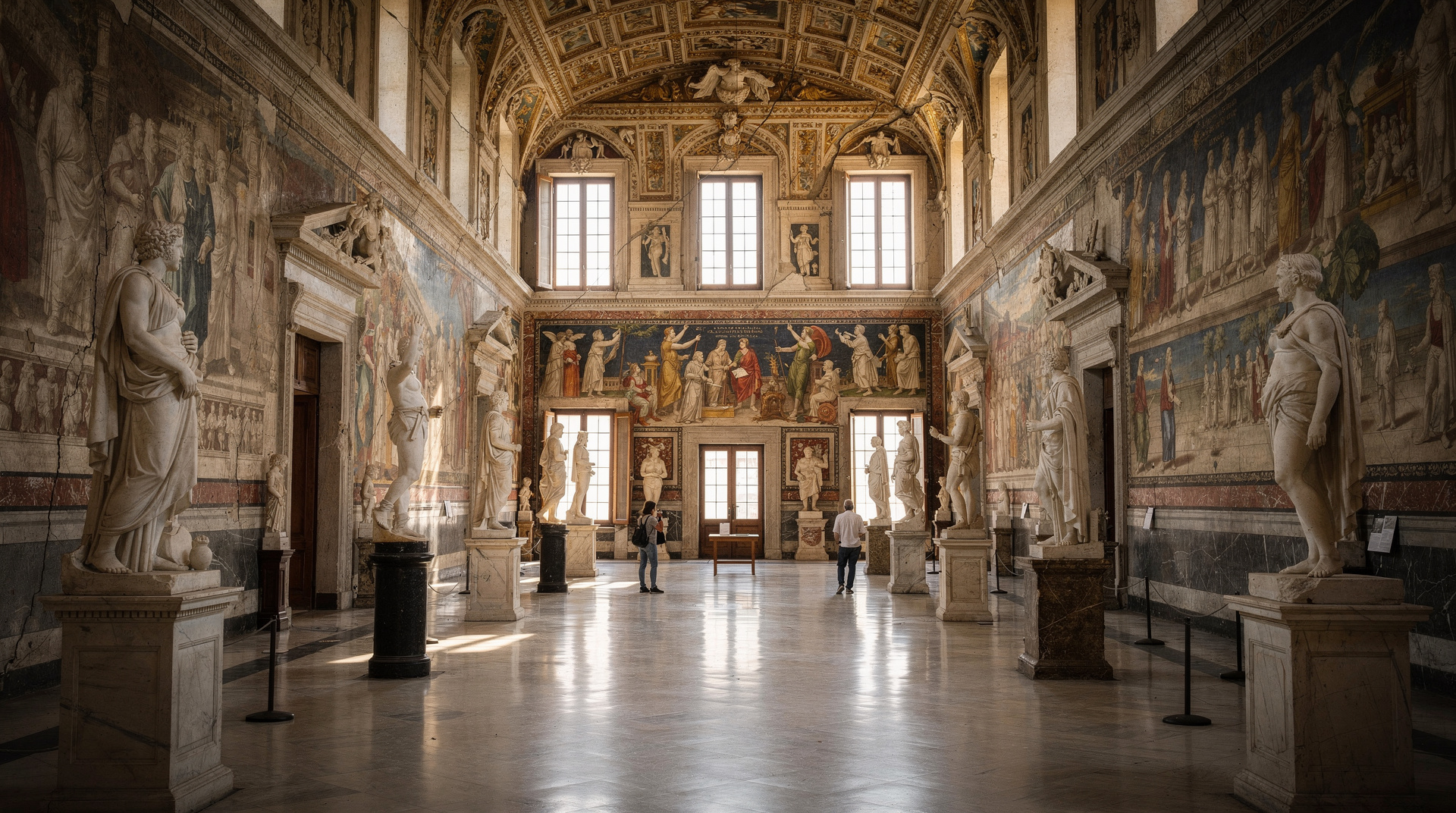
The Museo Archeologico Nazionale di Napoli — known as the MANN — is the single most important stop in the city. It holds the original mosaics, sculptures, frescoes, and bronzes excavated from Pompeii and Herculaneum, plus the Farnese collection of Greek and Roman originals (the Farnese Hercules, the Farnese Bull, the Atlas).
Entry costs €22. Budget 2–3 hours minimum; a full visit takes 4–5 hours. The Secret Cabinet (Gabinetto Segreto, erotic art from Pompeii) requires an extra €3. Skip-the-line tickets are recommended in summer — queues can reach 45 minutes.
Guided MANN tour (skip-the-line included, 3h)Naples is flat along the water and brutal uphill, which is exactly what an assisted motor solves: a sightseeing tour by e-bike links the lungomare to the Vomero without the funicular timetable.
Cappella Sansevero and the Veiled Christ
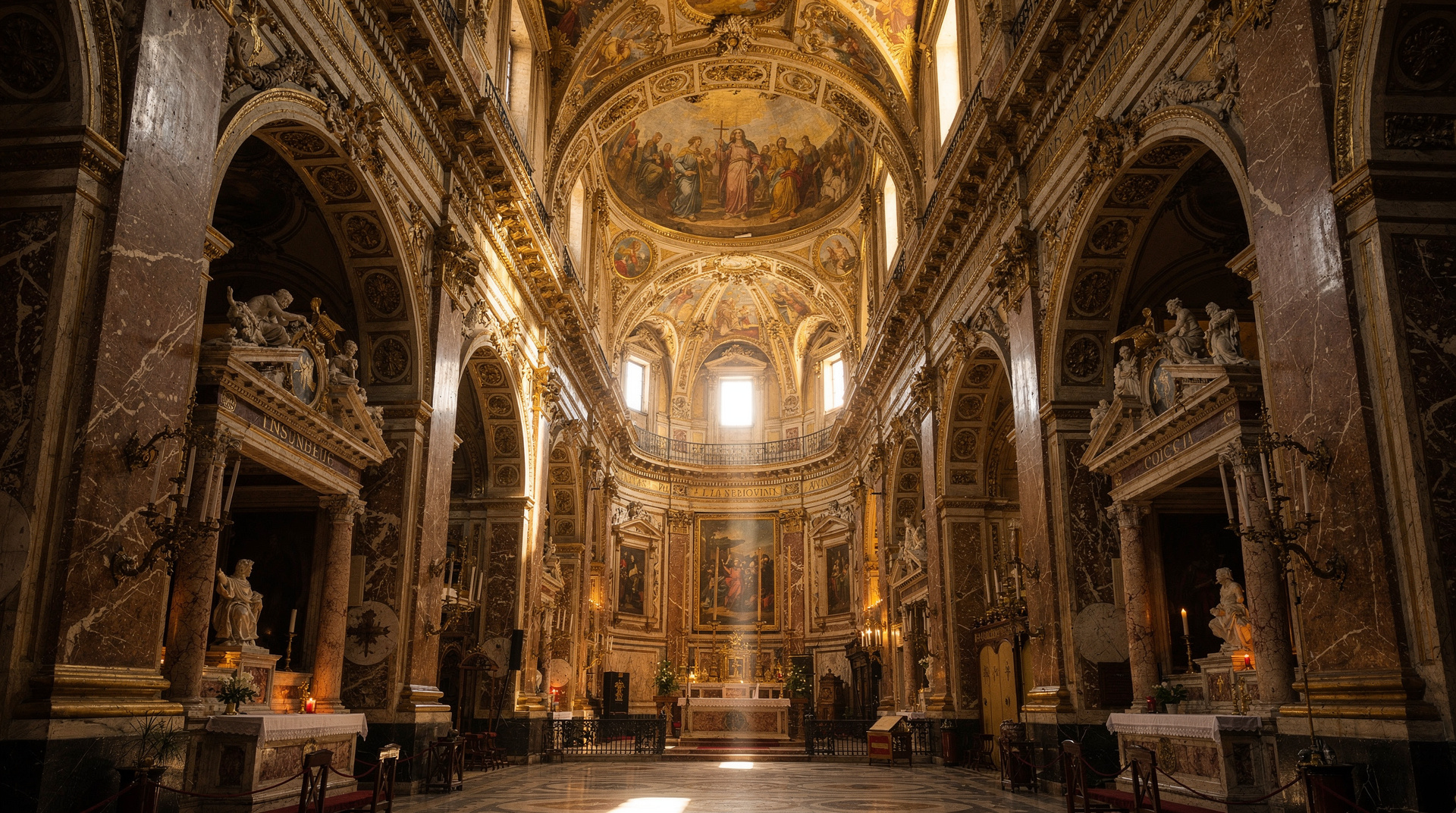
The Cappella Sansevero is the most technically extraordinary single artwork in Naples — possibly in Italy. Giuseppe Sanmartino’s 1753 marble sculpture of Christ under a veil so realistic visitors still struggle to believe it is stone. The chapel is small (capacity ~25 people), and demand is relentless.
Tickets cost €10 and must be bought online in advance — the chapel is frequently sold out for days ahead. No guided tours inside; audio guide available. Photography is not permitted.
Guided tour: Cappella Sansevero + historic centreSpaccanapoli: the street that divides Naples
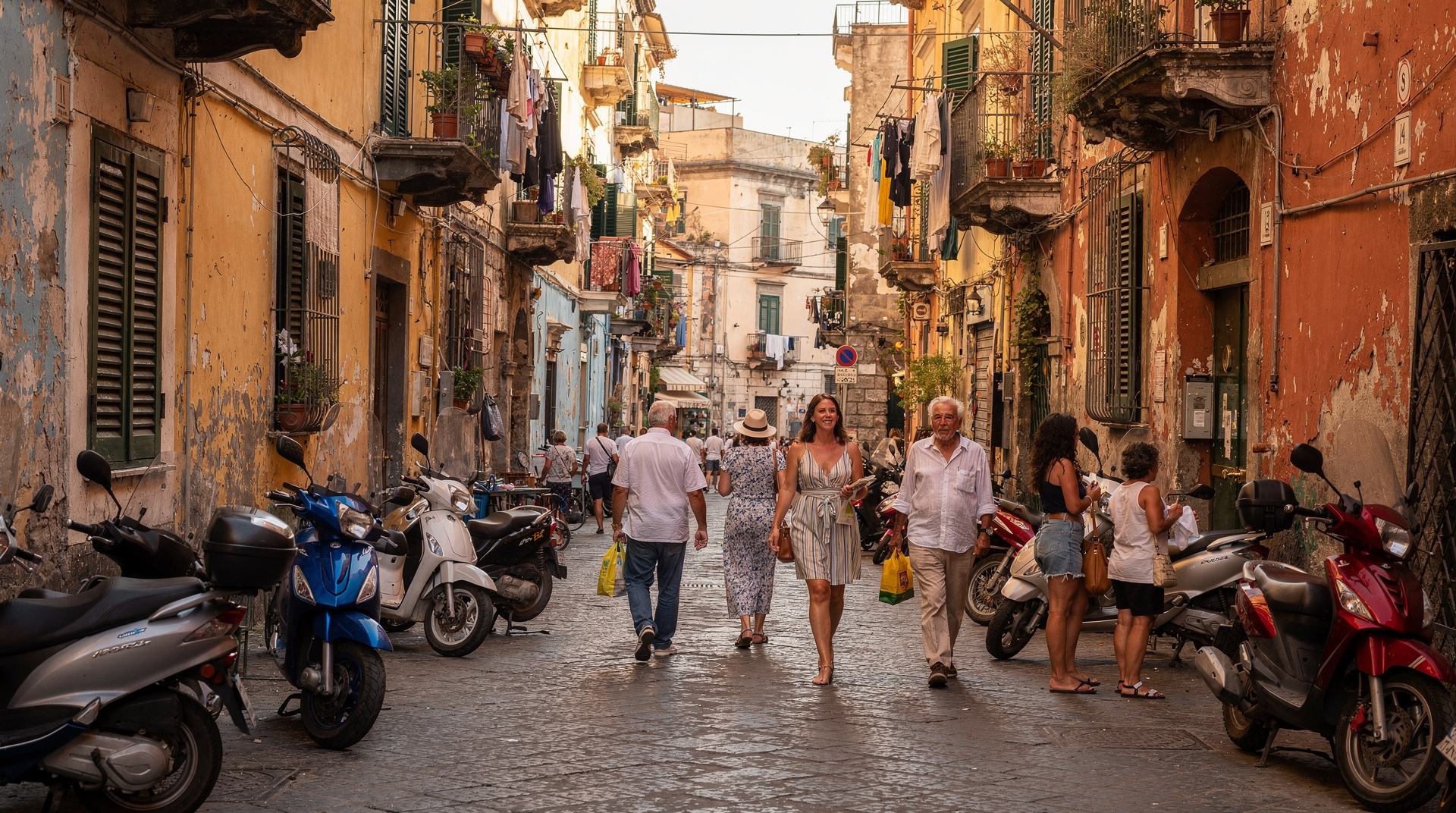
Spaccanapoli (literally “Naples-splitter”) follows the line of the ancient Greek street Plateia. It runs from Piazza del Gesù Nuovo in the west to the fish market near the port in the east. Walking the full length takes about 45 minutes but budget 2–3 hours to absorb everything: the Church of the Gesù Nuovo, Santa Chiara with its majolica-tiled cloister, San Domenico Maggiore, the presepi (nativity scene) workshops on Via San Gregorio Armeno, and the perpetual street-food procession.
This is a working neighbourhood, not a theme park. Ignore any costumed figures demanding money.
Pizza: the non-negotiable
Naples is the origin of pizza, and the gap between good Neapolitan pizza and what most visitors eat elsewhere is significant. The classic format is the margherita or marinara from a wood-fired oven, cooked in 90 seconds, with a slightly wet centre.
Benchmarks worth knowing:
- L’Antica Pizzeria da Michele (Via Cesare Sersale 1): cash only, long queues, just margherita and marinara, 5–6 €. Consistently excellent.
- Sorbillo (Via dei Tribunali 32): longer menu, livelier atmosphere, slightly higher prices (6–8 €).
- Pizza a portafoglio: folded-to-go pizza from street stalls, 2–3 €. Eat standing. Do this.
See the full breakdown in the Naples pizza guide.
Castel dell’Ovo and the Lungomare
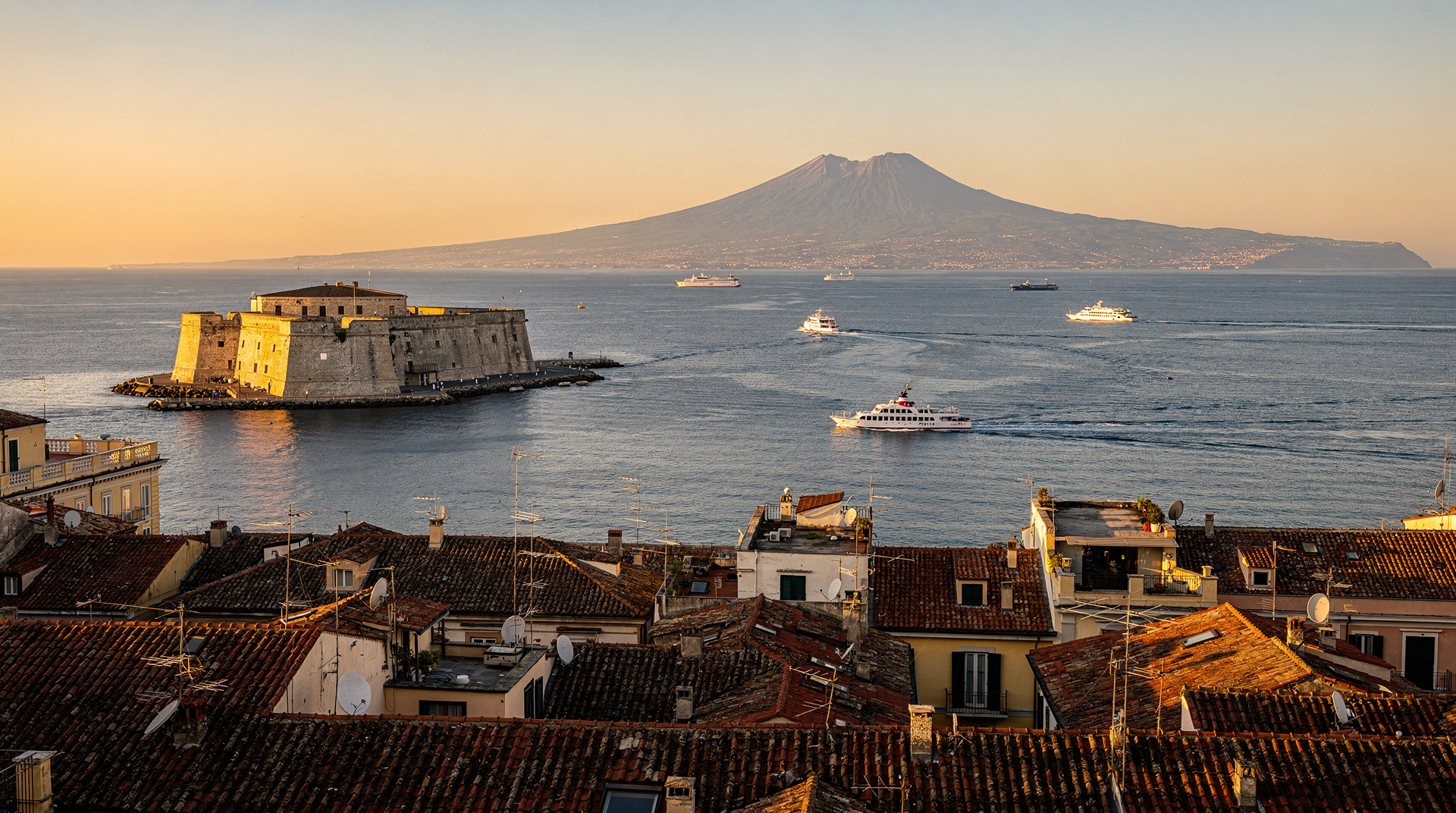
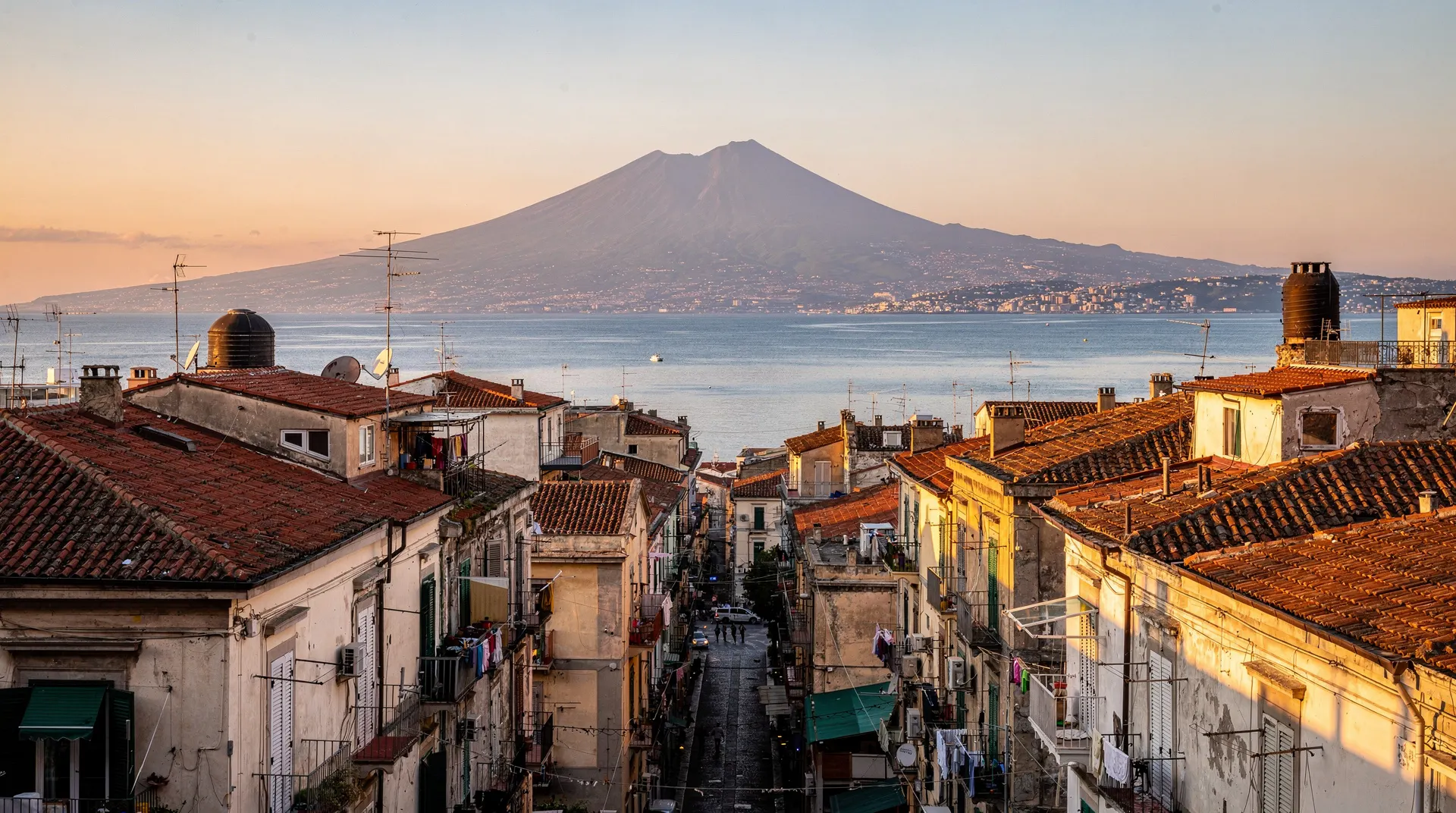
Castel dell’Ovo sits on a promontory in the Tyrrhenian Sea, connected to the mainland by a short causeway. Entry is free — just show ID. The castle’s upper terraces give some of the best views of the bay and Vesuvius. The surrounding Borgo Marinaro, once a fishing village, is now a cluster of mid-range restaurants that are fine for a slow sunset dinner but not particularly exceptional for food.
The Lungomare promenade running from Castel dell’Ovo to Mergellina is one of the best free walks in the city, especially at dusk.
Napoli Sotterranea: the underground city
Below the streets lies another city — a network of Greek-era aqueducts, Roman cisterns, WWII air-raid shelters, and tufa quarries. The Naples underground is not for the claustrophobic (passageways narrow to 40 cm in places) but gives genuine insight into how the city has been built and rebuilt over 2,500 years.
Several operators run the tunnels under Via dei Tribunali. The oldest and most comprehensive is Napoli Sotterranea (ticket ~€12, tours run frequently). The Galleria Borbonica near Piazza del Plebiscito is a 19th-century Bourbon escape tunnel — different but equally compelling.
Royal Palace of Naples and Piazza del Plebiscito
Palazzo Reale faces Piazza del Plebiscito, the city’s main square. The palace complex houses apartments of the Bourbon kings (still partially furnished), the court theatre, and the National Library. Entry €10. The piazza itself, closed to traffic, is the best open space in central Naples — good for orientation and photographs.
Across the square, the Church of San Francesco di Paola — a neoclassical copy of the Pantheon, commissioned by Ferdinand I — is free to enter.
A day trip to Pompeii
Pompeii is 30 minutes from Naples by Circumvesuviana train (3.30 €). The site is genuinely vast — 44 hectares, streets, houses, bakeries, a brothel, two theatres, temples. A serious visit takes a minimum of 3 hours; 4–5 hours is better. Entry costs €22 (€28 including the National Museum finds).
Go in April, May, September or October. July and August are brutal — the site has almost no shade and mid-afternoon temperatures regularly exceed 38 °C.
For practical details, see how to visit Pompeii independently.
Castel Nuovo (Maschio Angioino)
Castel Nuovo stands at the edge of the port, easy to spot from the ferries. The 13th-century Angevin castle has a triumphal arch (the Arco di Trionfo) that is one of the finest pieces of Renaissance sculpture in southern Italy. The civic museum inside has a modest collection of medieval Neapolitan paintings and the original bronze doors from 1474. Entry €10. Often overshadowed by more famous sights, but the architecture alone is worth 30 minutes.
Capodimonte: the museum nobody regrets
Museo di Capodimonte is housed in a Bourbon royal hunting palace on the hill above the city. It has one of Italy’s best collections of Renaissance and baroque painting — Titian, Caravaggio (the flagellation), Raphael, Annibale Carracci, El Greco. Entry €20, reduced €2 for under-18s in EU.
The park surrounding the palace (free) is one of the few genuinely green spaces in Naples and worth visiting even without the museum.
Small-group guided tour of Capodimonte (2.5h)Certosa di San Martino
The former Carthusian monastery on the Vomero hill is now a museum of Neapolitan history, art, and decorative arts — including the most important collection of presepi (nativity scenes) in the world. Entry €8. The cloistered terraces have exceptional views over the city and bay. Accessible by funicular from the city centre.
Full guide at Certosa di San Martino.
Catacombs of San Gennaro
The catacombs under the Rione Sanità date to the 2nd century CE and contain some of the oldest Christian frescoes in the south of Italy. Guided tours run from 10:00 to 17:00 (last entry). Entry €9. The tour takes about 50 minutes and is genuinely informative — far more culturally layered than the Fontanelle cemetery (which is free but less explained).
Combined catacombs + neighbourhood walk tours are available and worth the extra cost.
Beyond the checklist: quieter alternatives
If the queues at MANN or Sansevero start to wear you down, a handful of less-visited sights deliver a similar quality of experience without the crowds. Fontanelle Cemetery in Rione Sanità — a former ossuary carved into a tufa quarry, free to enter — is one of the strangest and most affecting spaces in the city, and almost nobody queues for it.
The Naples metro art stations double as a genuine contemporary art collection, free with any metro ticket, and can be worked into a normal journey rather than a dedicated visit. For a slower, more residential side of the city, the hidden gems of Naples guide collects viewpoints, churches, and streets that rarely make a first-time itinerary but reward the extra time.
Best time of day for the big sights
Timing changes the experience more than most guides admit. The MANN is calmest right at opening (08:30) or in the last two hours before closing; midday in high season means real queues even with a skip-the-line ticket for the busiest galleries. Cappella Sansevero sells timed-entry slots, so the crowding issue is less about when you go and more about booking early enough to get a slot at all — slots for popular afternoon times can sell out days ahead in summer.
Spaccanapoli and Via San Gregorio Armeno are liveliest — and most crowded — from late morning through early evening; an early walk (before 9:00) shows a much quieter, more working version of the same streets. Castel dell’Ovo and the Lungomare are at their best in the last two hours before sunset, when the light on Vesuvius is strongest and the heat of the day has broken.
Getting around without losing your mind
The metro line 1 is the fastest way across the city — and the stations (Toledo, Dante, Università, Municipio) are themselves major art installations worth seeing. Funiculars connect the centro storico to the Vomero.
Walking is the main mode for the historic centre. Most of it is pedestrian or ZTL anyway.
Full logistics in the getting around Naples guide.
A structured itinerary approach
If you have three days: Day 1 for the centro storico (MANN, Cappella Sansevero, Spaccanapoli, pizza); Day 2 for Pompeii or Herculaneum; Day 3 for Capodimonte + Certosa di San Martino + Lungomare.
If you have five days: add a day for Campi Flegrei or Ischia and a half-day for the underground.
Detailed itineraries in Naples in three days and Naples in one day.
Hop-on hop-off bus (24h pass) — good for day one orientationPractical notes
Entry prices (2026): MANN €22, Cappella Sansevero €10, Royal Palace €10, Capodimonte €20, Certosa €8, Pompeii €22. The Campania ArteCard can reduce these significantly.
Hours: Most sites close on Monday. Always verify before visiting — summer and winter hours differ by 1–2 hours.
Cash: Carry some. Street food stalls, small pizzerias, and market vendors are often cash-only. ATMs (Bancomat) are plentiful in the centre.
Language: English is widely spoken in museums and tourist areas.
Frequently asked questions about things to do in Naples
What is the single must-do in Naples?
If you can only do one thing, make it the MANN. The original mosaics, bronzes, and sculptures from Pompeii and Herculaneum are irreplaceable — and far more impressive than anything left in situ at the excavation sites. Cappella Sansevero is a close second.
Is a guided tour of Naples worth it?
For first-time visitors, yes — particularly for the MANN and Cappella Sansevero, where context matters. Self-guided walking is perfectly viable for the historic streets, but specialist guides add substantial depth at the key sites.
How do I get from Naples to Pompeii?
Take the Circumvesuviana train from Napoli Garibaldi (lower level) to Pompei Scavi–Villa dei Misteri, 30 minutes, €3.30 each way. Trains run approximately every 30 minutes. The station is adjacent to the site’s main entrance. Full details in getting to Pompeii from Naples.
What is the best neighbourhood to stay in?
Chiaia for comfort and evening atmosphere; Vomero for quiet and views; centro storico for maximum walking proximity to sights. Avoid the immediate area around Napoli Centrale station. Full breakdown at where to stay in Naples.
Can I visit Naples with children?
Yes, with some planning. Pompeii and the MANN are genuinely engaging for older children. The underground tour has a minimum age (usually 8+) for the tight passages. Full family tips at Naples with kids.
What should I eat beyond pizza?
Sfogliatella (flaky pastry with ricotta), cuoppo (fried seafood cone), fried pizza, babà al rum, and coffee. The Naples street food guide covers all of these with specific addresses and current prices.
Is the Campania ArteCard worth buying?
For a 3-day stay focused on museums, yes. The 3-day Naples card (€25) breaks even at two paid entries and includes metro travel. The 7-day card is better value for longer trips. Full analysis at campania ArteCard guide.
Frequently asked questions about Best things to do in Naples
How many days do you need in Naples?
Is Naples safe for tourists?
What is the best free thing to do in Naples?
Can you do Naples on a tight budget?
Is the hop-on hop-off bus in Naples worth it?
What is the Campania ArteCard and is it worth buying?
What should I avoid in Naples?
Top experiences
Bookable activities with verified prices and instant confirmation on GetYourGuide.