Rione Sanità
Rione Sanità is Naples' most authentic neighbourhood — Catacombs of San Gennaro, street art, a social renaissance, and zero tourist infrastructure.
Naples: Catacombs of San Gennaro Entry Ticket & Guided Tour
Duration: 1h
Quick facts
- Character
- Working-class neighbourhood in social and cultural revival
- Key attractions
- Catacombs of San Gennaro, Catacombs of San Gaudioso, street art
- Access
- 15-min walk north of the centro storico; bus from Piazza Cavour
- Safety
- Fine by day on tourist routes; stick to main streets, avoid side alleys at night
- Admission
- Catacombs San Gennaro ~10 €; San Gaudioso ~8 €
| Where | 15 min walk north of the centro storico, past Piazza Cavour |
| Cost | Around €10 (San Gennaro) + €8 (San Gaudioso) for both catacombs |
| Time needed | Half a day; the two catacomb tours together run about 2 hours |
| Getting there | Metro Line 1 to Museo, or bus from Piazza Garibaldi |
| Best time | Year-round by day; avoid walking alone after dark |
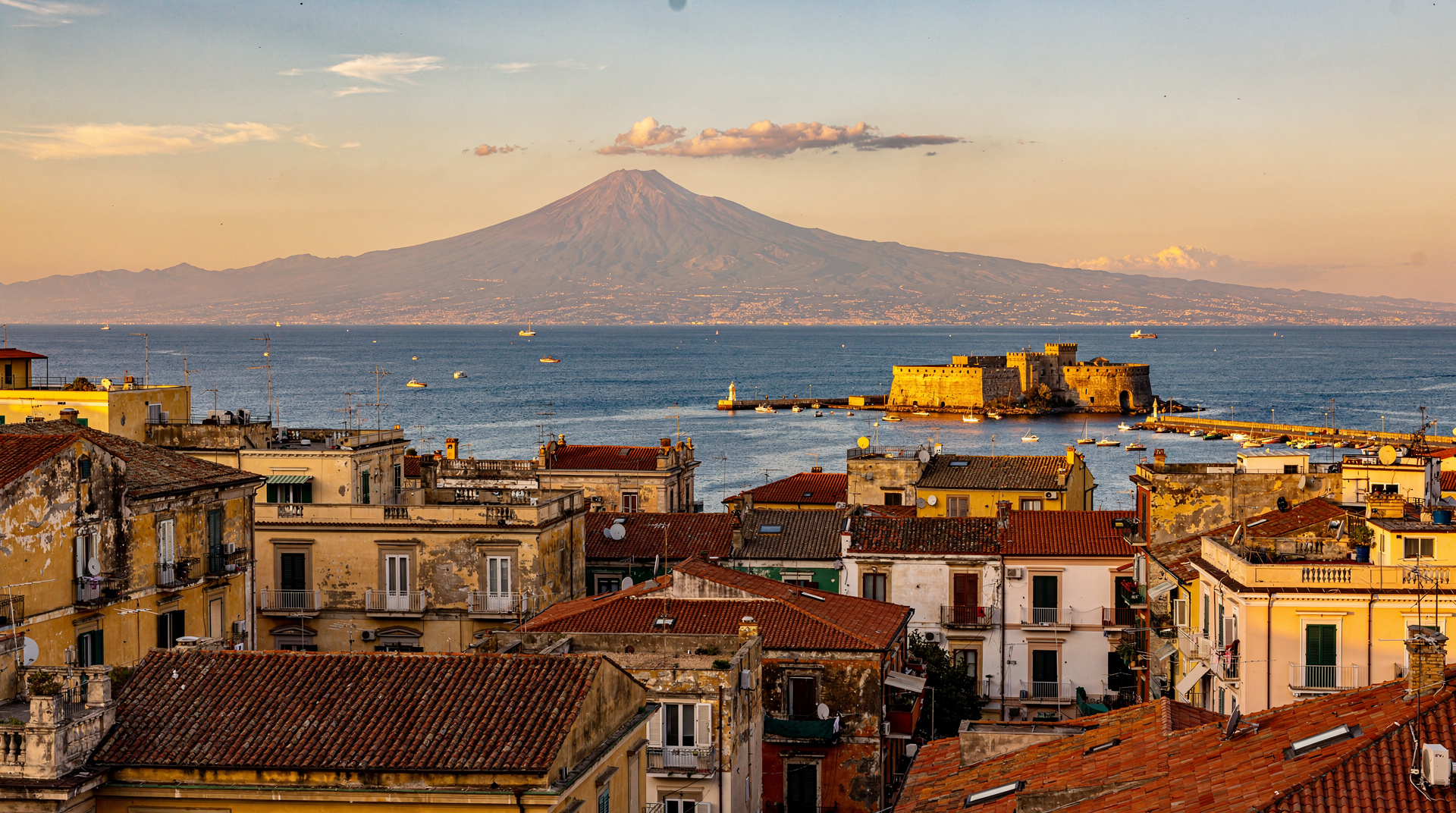
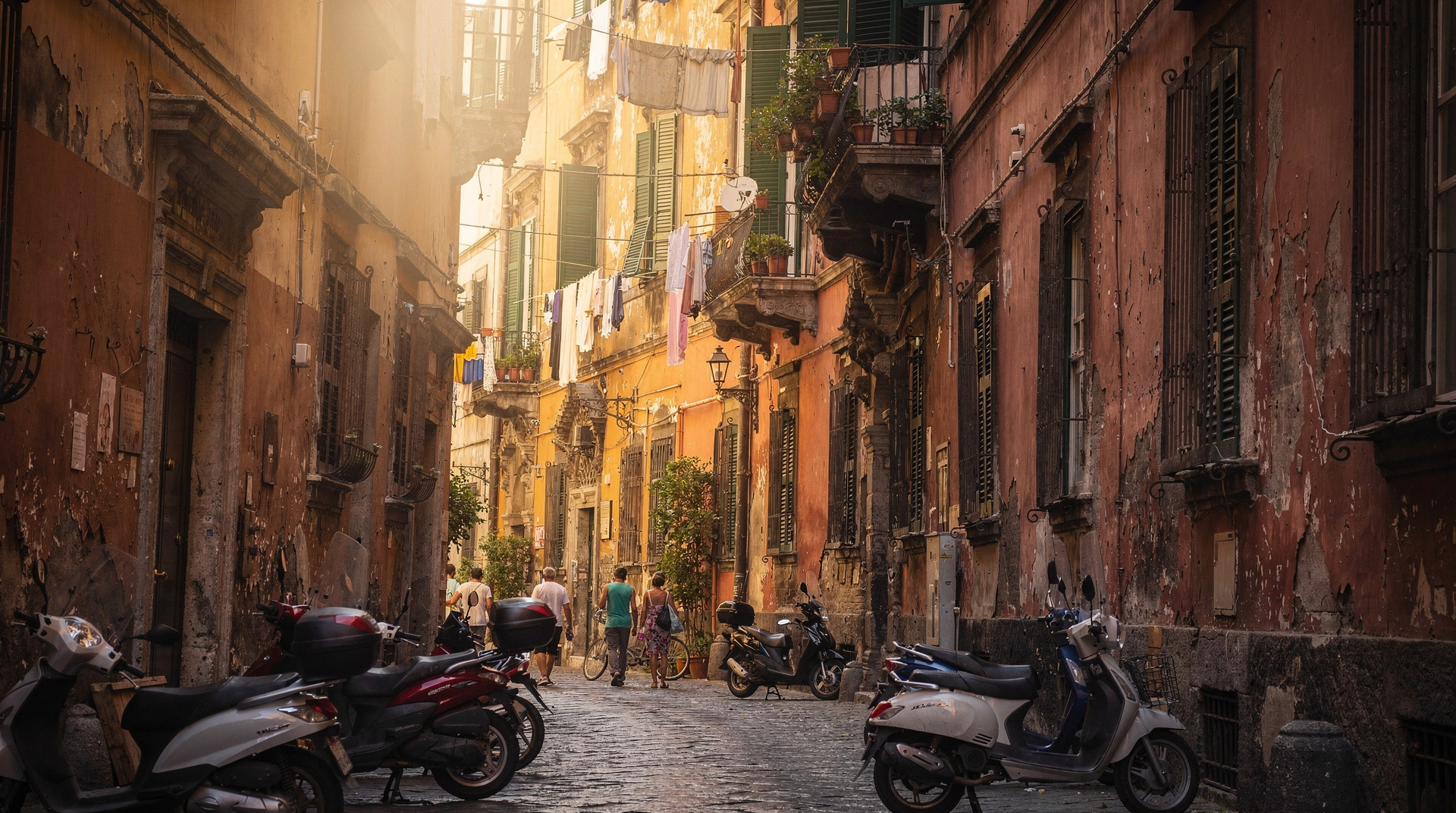
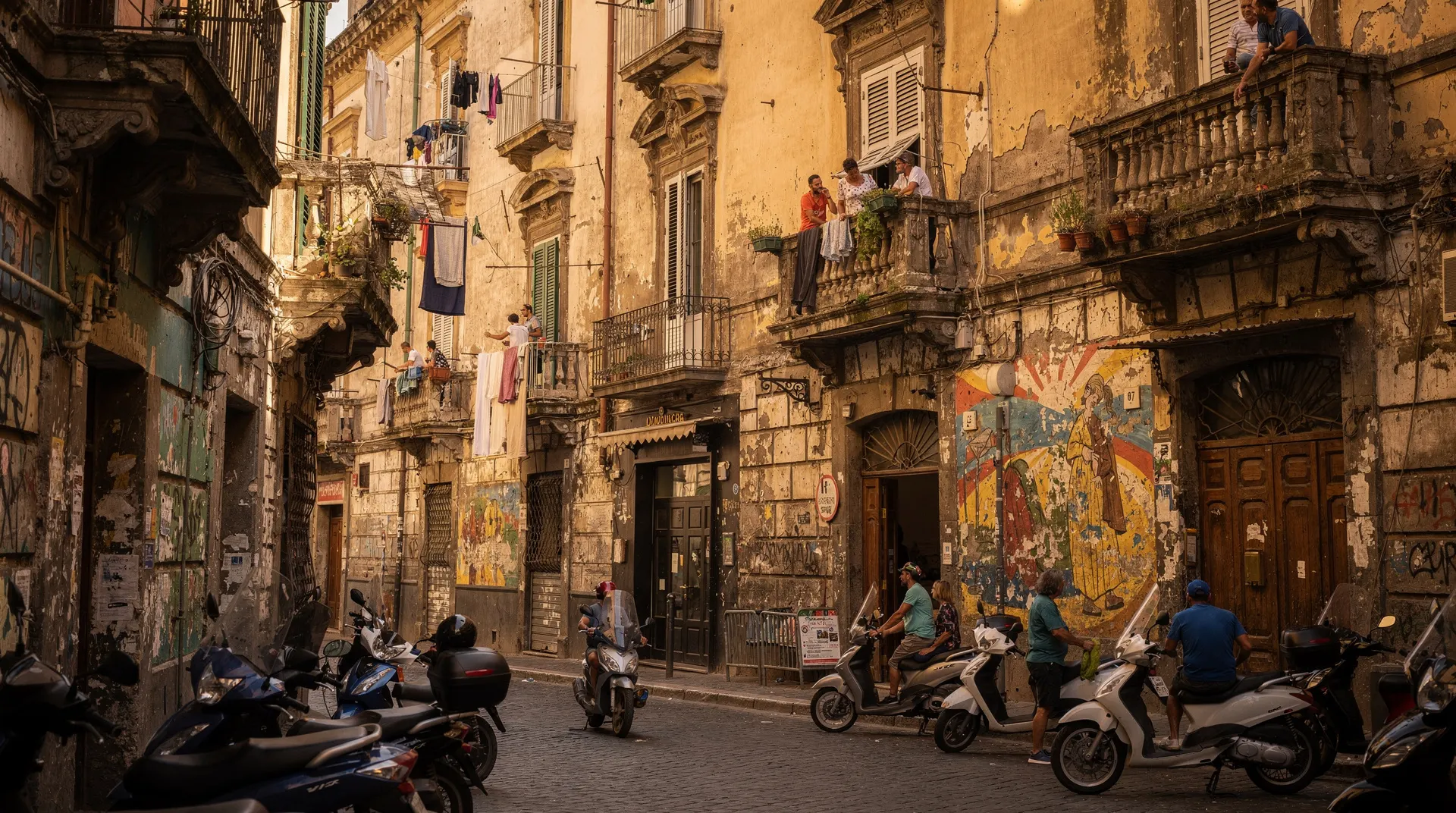
Rione Sanità was, for decades, Naples’ most stigmatised neighbourhood — associated in journalistic shorthand with the Camorra and urban poverty. That narrative has been changing since the early 2010s, and by the 2020s the change is visible. The neighbourhood that housed the catacombs beneath its churches — largely inaccessible or neglected — has become a case study in community-led regeneration. Youth cooperatives now run the catacomb tours, street artists have mapped the walls with large-scale murals, and a tourism infrastructure has emerged that is genuinely oriented toward the neighbourhood rather than extracting from it.
The result is an interesting paradox: Rione Sanità is both the most “authentic” neighbourhood a Naples visitor can walk through and one that is increasingly aware of its visitors and prepared to engage with them.
The Catacombs of San Gennaro
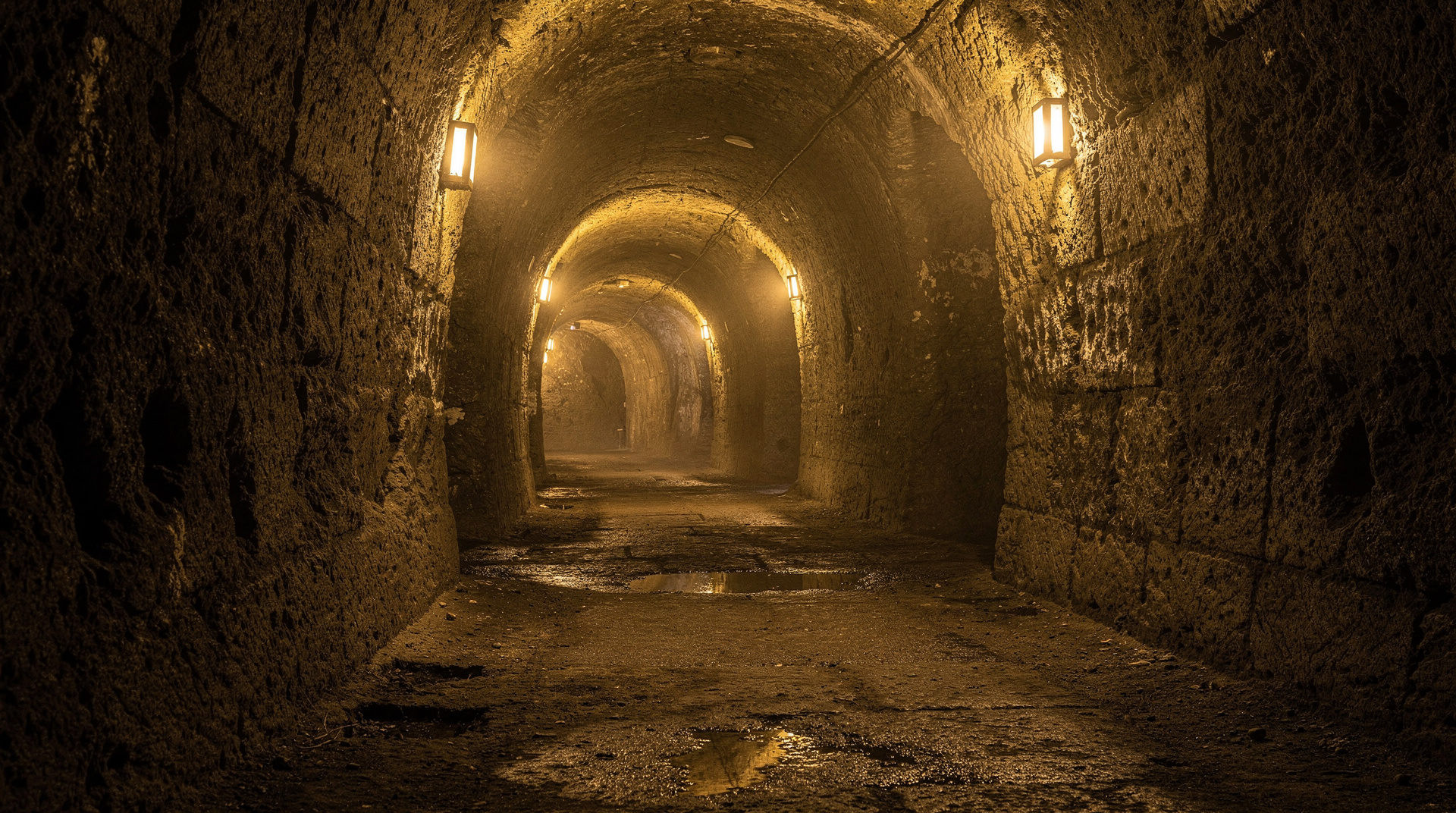
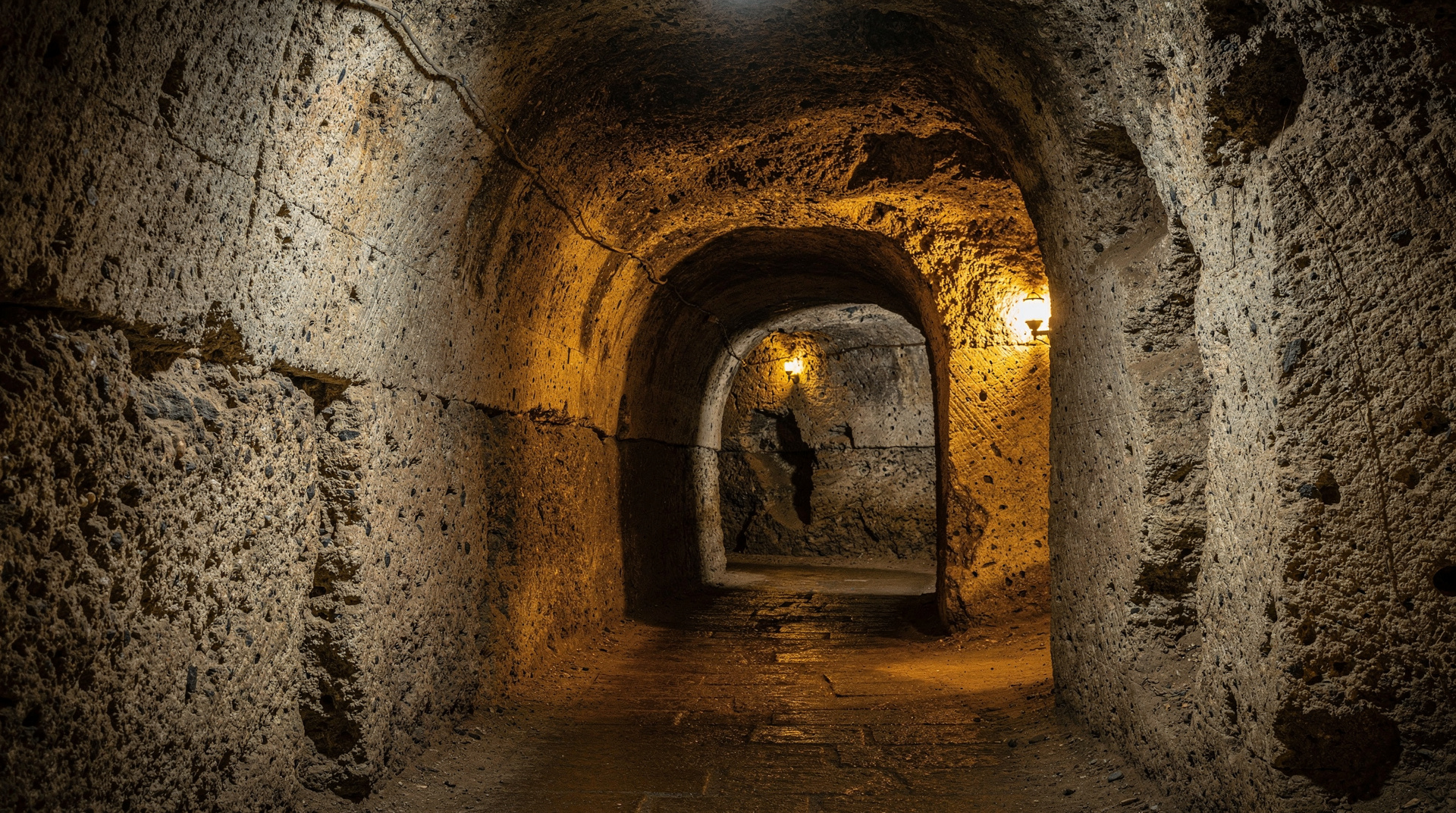
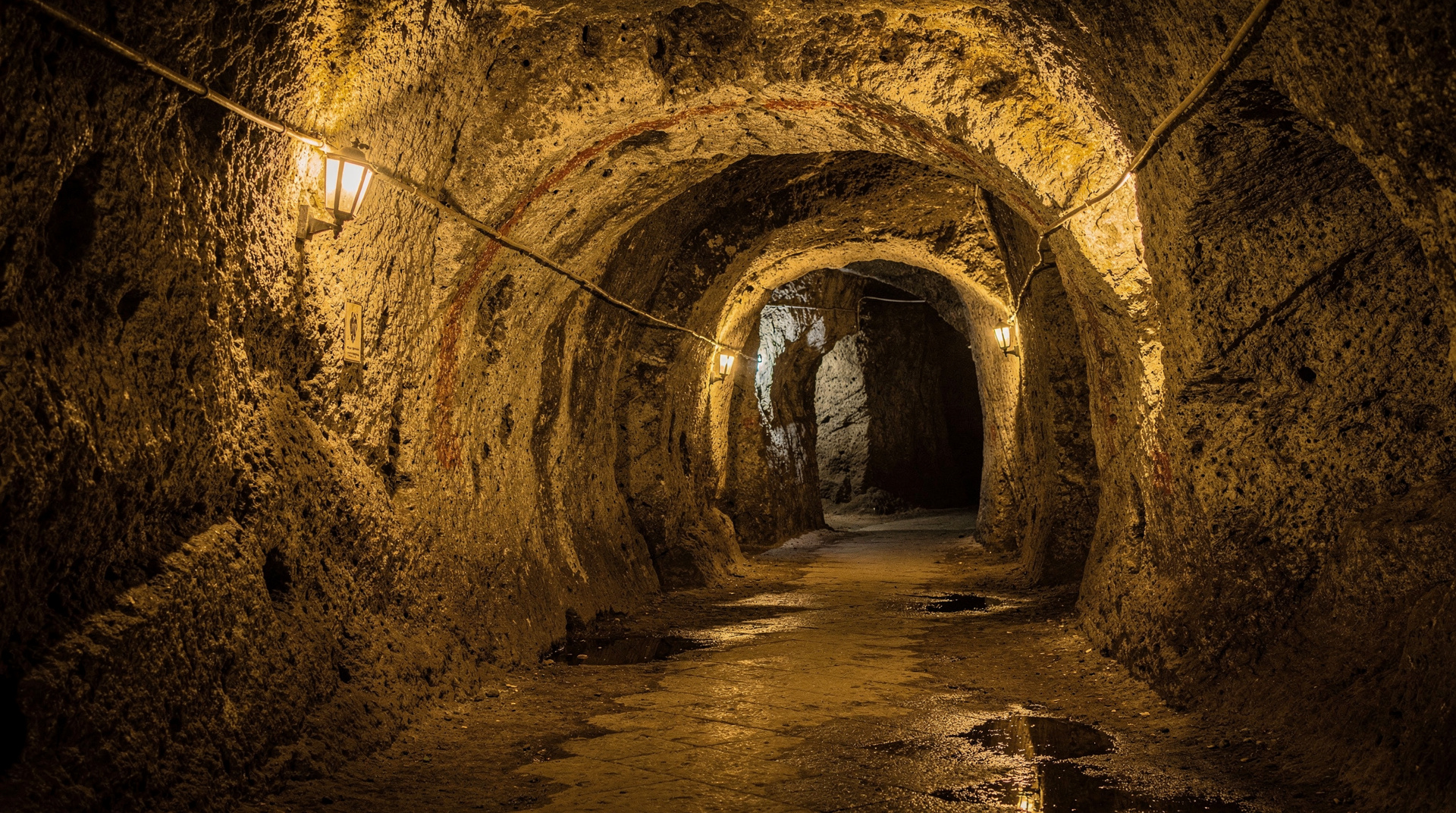
The catacomb complex beneath the Basilica di San Gennaro extra Moenia (outside the walls) is the most extensive early-Christian underground burial system in Naples. Dating from the 2nd century AD, the catacombs held the remains of several early bishops of Naples and, eventually, the relics of San Gennaro (Saint Januarius) — the patron saint of the city — before they were moved to the Duomo in the 9th century.
The space is remarkable: two levels connected by passages, with vestibules, cubicles, and a large upper basilica decorated with 5th–6th century frescoes. The tour (currently run by a youth cooperative, La Paranza, which has won national recognition for social enterprise work) takes about 50 minutes and covers the main areas with a bilingual guide.
Entry: around 10 €. Advance booking is strongly recommended — the cooperative’s website allows online reservation and the tours sell out in high season. For more on the site, see the catacombs San Gennaro guide.
Catacombs of San Gennaro — guided tour with La Paranza cooperativeThe Catacombs of San Gaudioso
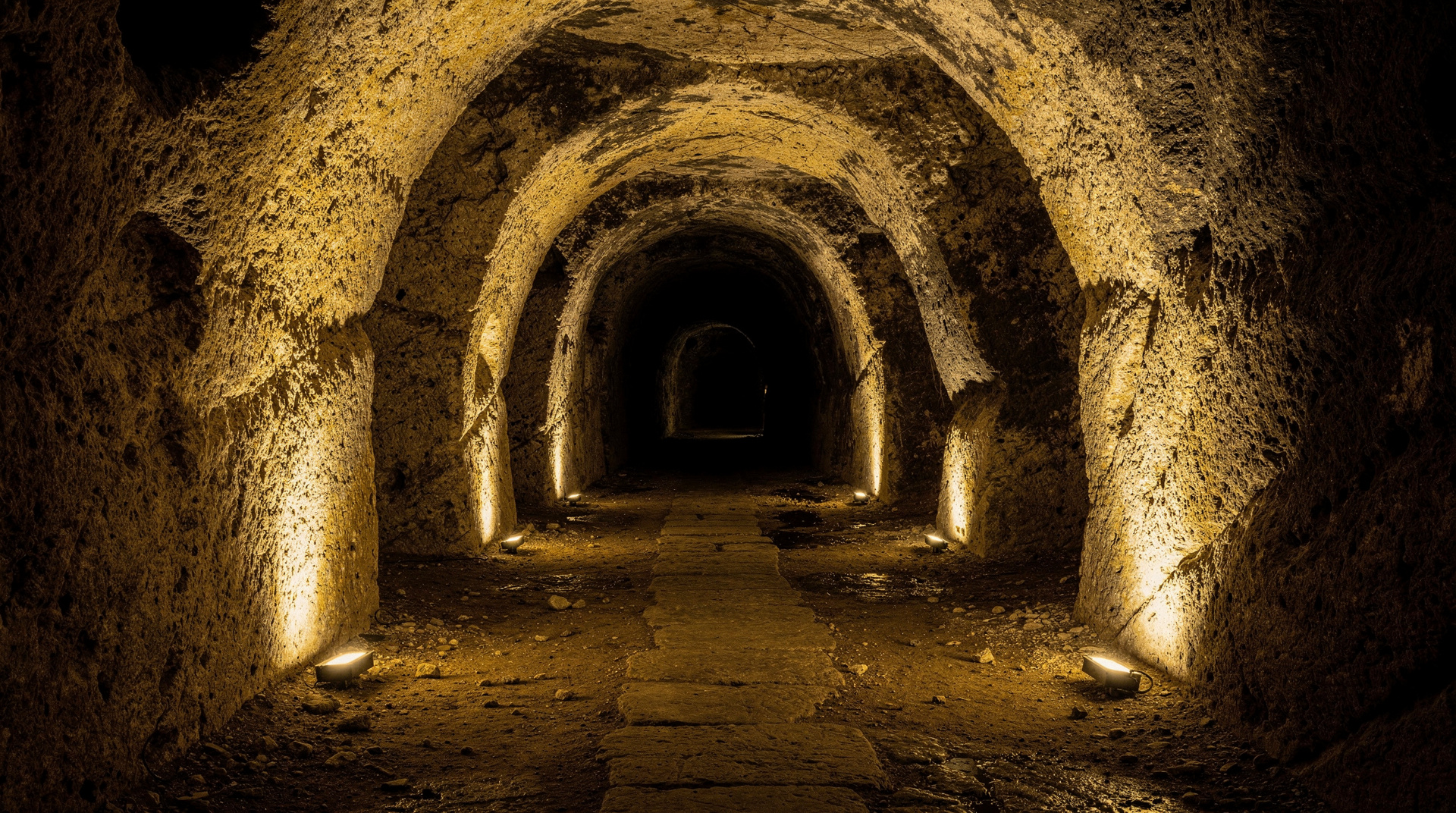
The second catacomb system in Rione Sanità, accessed through the Baroque church of Santa Maria della Sanità (the “church of the Sanità” — the neighbourhood’s name comes from this church), is smaller and less visited than San Gennaro. Dating from the 5th century and associated with an African bishop who died in Naples, it contains unusual 17th-century frescoes — specifically, the skeletal remains of wealthy individuals embedded in the walls with their portraits painted above them, creating a macabre gallery of Baroque patronage.
Entry: around 8 €. Tours depart from inside the church on a fixed schedule; times change seasonally, so verify before visiting. See the catacombs San Gaudioso guide.
Catacombs of San Gaudioso — guided tour through the Baroque undergroundThe street art of Rione Sanità
The neighbourhood has become one of the largest open-air contemporary art spaces in Naples. Large-scale murals cover entire building facades on Via Sanità, Via Santa Teresa degli Scalzi, and surrounding streets. The subjects are eclectic: Maradona appears (as in much of Naples), but also local figures, abstract compositions, and social commentary.
The artists include both Italian and international names. Several were commissioned directly by neighbourhood associations or by the local municipality as part of urban regeneration programmes. The murals are not concentrated in one place — the neighbourhood is the gallery.
A useful approach is to combine the catacombs visit with a walk through the neighbourhood, which the La Paranza cooperative sometimes offers as an extended tour. The hidden gems of Naples guide includes specific mural locations.
The Ponte della Sanità
The neighbourhood sits in a valley — below the historic centre and separated from it by the Palazzo dello Spagnuolo and its street. The 19th-century viaduct, Ponte della Sanità (or Ponte Maddalena), crosses the valley and connects the upper city to the lower quarter. Walking over it gives good views of the neighbourhood below and is itself an interesting piece of infrastructure.
The Palazzo dello Spagnuolo
One of the most photographed architectural details in Naples is the double-spiral “Neapolitan staircase” (scalinata a chiocciola) inside the Palazzo dello Spagnuolo on Via Vergini, at the upper edge of Rione Sanità. Built in 1738 by Ferdinando Sanfelice (who designed several such staircases in Naples), it is a dramatic piece of Baroque engineering with two interweaving helical stairways visible from the central courtyard.
The palazzo is residential; the courtyard is typically accessible during daylight hours. No charge. Check that the gate is open before making a detour.
The neighbourhood’s social story
The transformation of Rione Sanità is worth noting because it is not typical of how “regenerating” neighbourhoods usually work. The key actors were not developers or external investment but local organisations: the Cooperativa la Paranza (catacombs), the Fondazione di Comunità San Gennaro (a Catholic social enterprise), and the Cimitero delle Fontanelle initiative. The model has attracted academic attention and has been cited as a rare example of community-led urban recovery in a southern Italian context.
For the Fontanelle cemetery — the ossuary where 40,000 skulls from plague victims are kept, and which is in a similar neighbourhood north of Rione Sanità proper — see the dedicated guide.
Rione Sanità, catacombs, and Neapolitan folklore tourThe Fontanelle Cemetery
The Cimitero delle Fontanelle, in a natural tufa cave in the Materdei hill about 10 minutes’ walk west of Rione Sanità proper, is a different kind of underground experience from the catacombs. The cave — a large natural cavity — was used from the 16th century onward to store skeletal remains from plague and cholera epidemics. At its peak it held an estimated 40,000 skulls and bones, stacked in rows.
The practice of capuzzella — ordinary Neapolitans adopting a skull (a ‘o pezzentiello, a “little poor one”), bringing it flowers and prayers, and asking for protection and lottery numbers in return — developed here in the 17th and 18th centuries. The Catholic Church eventually prohibited the practice (1969), but evidence of it is visible throughout the cemetery.
The space itself is extraordinary: long rows of skulls in stone niches, the occasional skull with a silk cloth covering it (a sign of former devotion), the deep quiet of the cave. Free entry. Guided visits available through local organisations. See the Fontanelle Cemetery guide.
The Villa Floridiana and its connection
The Vomero hill neighbourhood to the west of Rione Sanità holds another related site: the Catacombe di San Severo (partially accessible) and the network of underground passages connecting the hilltop to the valley. The full system of Naples’ underworld is described in the underground Naples guide.
Pastry and food in Rione Sanità
The neighbourhood’s food scene is not primarily oriented toward tourists, which is part of its appeal. A few names worth knowing:
Pasticceria Poppella. On Via Arena della Sanità: famous for its fiocco di neve — a small brioche bun filled with ricotta and cream, light and not overly sweet. The shop has developed a following across Naples and the queue on weekends reflects this. Arrive before 10h or after 17h. Around 1,50–2 € per bun.
Local bars. Espresso at a neighbourhood bar in Rione Sanità costs the same as anywhere in Naples: 1–1,20 € at the counter. The experience is the same — fast, unremarkable from the outside, excellent from the cup.
Street food. The Pignasecca market is a 20-min walk south (nearer the historic centre); within the neighbourhood, food shopping is from small local vendors rather than street-food counters as in Spaccanapoli.
The Palazzo Sanfelice
About 200 metres from Palazzo dello Spagnuolo, another Sanfelice staircase — different in form, equally dramatic — is in the Palazzo Sanfelice on Via Arena della Sanità. The two palaces give a good picture of Sanfelice’s approach to the theatrical staircase as an architectural statement. The courtyard of Palazzo Sanfelice is also typically accessible during the day.
The history of the neighbourhood’s name
“Sanità” means “health” in Italian — specifically, the health of souls. The neighbourhood sits on land that was extra-urban in the early Christian period, used as a burial ground precisely because of its distance from the city walls. The catacombs are why the quarter is called what it is: it was the zone of holy burials, the sacred ground outside the city where the dead were kept.
The church of Santa Maria della Sanità, built in the early 17th century over the earlier catacomb complex, gave the neighbourhood its name, and the name stuck even as the area urbanised and was absorbed into the city in the 18th and 19th centuries.
Getting to Rione Sanità
The neighbourhood is about 15 minutes’ walk north of the centro storico, past Via dei Tribunali and through Piazza Cavour.
- Metro: Museo station (Line 1) on Via Pessina puts you at the southern edge; from there Via Sanità is a short walk.
- Bus: lines connecting from Piazza Garibaldi and the centre pass through.
- Walking from the MANN: the museum is at the southern end of Rione Sanità’s access route; combine the two for an efficient morning.
Safety in Rione Sanità
The neighbourhood is safe on the main tourist routes (the streets to and from the catacombs, Via Sanità, Via Vergini) during the day. This is not a neighbourhood to explore on foot alone at night; stick to taxis after dark. The mainstream tourist experience — catacombs tour, street art walk, coffee at a local bar — is entirely comfortable.
For broader context on safety in Naples, see Is Naples safe? The data.
Combining Rione Sanità with the MANN
The Museo Archeologico Nazionale is about 10 minutes’ walk south of the Rione Sanità catacomb entrance. A sensible half-day structure: morning catacombs tour (book 9h or 10h slot), coffee at a neighbourhood bar, 20-minute walk to the MANN for the afternoon. Both institutions close around 19h (MANN closed Tuesdays; catacombs have specific tour times — check the La Paranza website). This combination covers early-Christian underground history and the greatest collection of Greco-Roman classical antiquity in the world in a single morning/afternoon. See the MANN guide for what to see.
What first-time visitors get wrong
The most common mistake is treating Rione Sanità as a quick add-on squeezed between the centro storico and the MANN, arriving without a catacomb booking and finding the tours full. The second is walking straight to the catacombs and back without any time for the street art or the Sanfelice staircases, which are the neighbourhood’s other genuine draws and cost nothing beyond a short detour. The third is judging the neighbourhood’s safety from its reputation rather than its current daytime reality — Rione Sanità in 2026 is materially different from how it was described a decade ago, and the tourist route through it is comfortable and well-trodden by day.
Social enterprise and responsible tourism
A note for travellers interested in the ethics of tourism spending: buying a catacomb ticket from La Paranza cooperative means the revenue stays in the neighbourhood. The cooperative was founded in 2006 by young people from Rione Sanità with the explicit goal of creating local employment in a neighbourhood with high unemployment. Before their involvement, the catacombs were inaccessible and largely unknown; their management transformed the site into one of Naples’ most-visited attractions. They also run a bakery (Poppella) and various cultural programmes.
This is not a typical heritage site managed by a national museum — it is a social enterprise with a specific community mandate. The guided tour reflects this: guides are from the neighbourhood, the interpretation includes the social history of the area alongside the archaeology, and the cooperative’s story is part of the narrative.
A practical half-day route
For a first visit, a workable sequence starts at the Catacombs of San Gennaro on a booked morning slot (9h or 10h), followed by a short walk to Santa Maria della Sanità for the San Gaudioso catacombs if the second tour is running that day. After the underground visits, surface for coffee at a neighbourhood bar and a slow walk along Via Sanità and Via Vergini for the street art and the Palazzo dello Spagnuolo staircase, finishing at the Ponte della Sanità for the elevated view back over the valley. Visitors combining the neighbourhood with the MANN should plan the catacombs first — the museum’s afternoon hours are more forgiving than the fixed tour slots underground.
Travellers with more time can extend west to the Fontanelle Cemetery (about 10 minutes on foot), which pairs naturally with the neighbourhood’s themes of underground history and community memory, before returning toward the centro storico or Spaccanapoli for the afternoon.
The neighbourhood’s architecture
Beyond the Palazzo dello Spagnuolo and Palazzo Sanfelice, Rione Sanità has several notable buildings worth noting on a walk:
Basilica di Santa Maria della Sanità (the “parish of the Sanità”): built 1602–1613, with a striking 17th-century interior and the crypt-access to the San Gaudioso catacombs. The facade faces the valley; the main entrance is from the street above.
The valley bridge. The 19th-century viaduct (Ponte della Sanità or Ponte Maddalena) that crosses the valley provides the physical connection between the upper historic centre and the lower neighbourhood. The engineering is notable — it allowed the upper city to bypass the valley rather than descend into it. The views from the bridge down into the neighbourhood are some of the best for understanding the topography.
Street art on Via Sanità and Via Vergini. The mural programme has continued to add new works; by 2026 the coverage is extensive. A walking map is available from the La Paranza cooperative and from various neighbourhood information points.
Frequently asked questions about Rione Sanità
Do I need to book the catacombs in advance?
Yes, especially for San Gennaro in spring and autumn. La Paranza runs timed tours with limited capacity; weekend tours in peak season sell out days ahead. Book through the cooperative’s official website.
Are both catacomb systems worth visiting?
If you have time, yes — they are different in character and period. San Gennaro is larger, more impressive architecturally, and has better-preserved early Christian frescoes. San Gaudioso is smaller but the Baroque fresco-over-skeleton wall treatment is genuinely unusual and not found elsewhere.
Is the neighbourhood safe for solo female travellers?
By day, on the tourist route (catacombs to Via Sanità), yes. The same caveats apply as for any urban neighbourhood in Naples: be aware of your surroundings, don’t flash expensive equipment, leave before dark.
How much time does Rione Sanità need?
The two catacomb tours together take about 2 hours. Add a walk for street art and the Palazzo dello Spagnuolo staircase: half a day total. The most efficient combination is a morning starting at San Gennaro catacombs, then San Gaudioso, then a coffee at a local bar and a street art walk, then down to the MANN or the historic centre for the afternoon.
Is Rione Sanità a good neighbourhood to stay in?
It is not typically recommended for most first-time visitors due to its distance from the main transport hubs and the limited hotel infrastructure. For a longer stay or a specific interest in the neighbourhood’s culture, it is an option — but Chiaia, Vomero, or the centro storico are more practical bases.
What food is there in Rione Sanità?
Local bars and small restaurants serve traditional Neapolitan fare at neighbourhood prices — typically lower than the historic centre or touristy areas. The neighbourhood’s pastry shops (including Pasticceria Poppella, known for its fiocco di neve cream-filled bun) have developed a following beyond the neighbourhood.
Top experiences
Bookable activities with verified prices and instant confirmation on GetYourGuide.