Is Naples safe? The data, the reality, and what to actually watch for
Is Naples safe for tourists?
Safer than Rome, significantly safer than Barcelona, and far safer than its reputation suggests. Campania records approximately 3 pickpocketing incidents per 1,000 inhabitants annually vs Rome's 14 and Barcelona's 20+. The specific risks for tourists are concentrated and predictable — the Circumvesuviana train, crowded tourist areas, and specific scam patterns near monuments. The broad city threat that Naples' reputation implies does not reflect the statistical or experiential reality for tourists in 2026.
Is Naples safe? For tourists in the standard areas, yes — significantly safer than its reputation and safer than Rome by the numbers. Specific risks are real but concentrated and predictable. Understanding what they are eliminates most of the risk.
| Overall risk level | Low-moderate, concentrated in a few predictable spots |
| Main risk | Pickpocketing on the Circumvesuviana train |
| Areas to avoid | Scampia/Secondigliano (irrelevant to tourist itineraries) |
| Safest bases | Chiaia, Vomero, Lungomare |
| Emergency number | 112 (general emergency, all services) |
The reputation vs the data
Naples has one of the most persistent negative safety reputations of any major European tourist city. Search “is Naples safe” and you will find forum threads, travel blogs, and media articles suggesting a city in the grip of organised crime and street violence where tourists are routinely targeted.
The data presents a different picture.
ISTAT (Istituto Nazionale di Statistica) crime statistics 2023:
- Rome: ~14 pickpocketing incidents per 1,000 inhabitants
- Milan: ~7 per 1,000
- Naples / Campania: ~3 per 1,000
- Barcelona (for comparison): ~20+ per 1,000
These are not cherry-picked numbers. They are the national statistics agency’s figures. The most common tourist crime in Naples — pickpocketing — occurs at a rate roughly one-fifth that of Rome and one-quarter that of Barcelona.
Why does the reputation persist?
Several reasons compound each other:
- Legacy media narrative: Naples’ association with the Camorra was heavily covered in the 1980s–2000s and the narrative has not updated to reflect the city’s genuine transformation since then
- Extrapolation from specific incidents: Incidents in the Circumvesuviana or near the port are real and well-documented; their frequency is extrapolated into a general city-wide risk assessment that is inaccurate
- Comparison with other Italian cities: Northern Italian cities (Florence, Venice, Milan) are genuinely very low crime. Compared to these benchmarks, Naples looks elevated. Compared to European visitor cities with similar socioeconomic profiles, Naples is average or below
- Self-reinforcing travel advice: Visitors warned by earlier visitors generate more warnings, creating a cycle not anchored to current conditions
The actual risk map for tourists
Understanding where risk is genuinely concentrated helps you manage it without avoiding the city entirely.
High awareness zones (specific risks):
-
Circumvesuviana train: Pickpocketing is the documented pattern. Summer trains between Naples and Pompeii in July–August are standing-room-only. The risk period is the crowded boarding/disembarking moment at the main stations. See pickpockets-circumvesuviana for a full tactical guide.
-
Piazza Garibaldi / Napoli Centrale area: The area around the main train station is one of the most chaotic in Naples. Bag-grab scams and “helpful” strangers who then demand payment are documented here. This is a transit zone, not a sightseeing zone — pass through it with awareness rather than lingering.
-
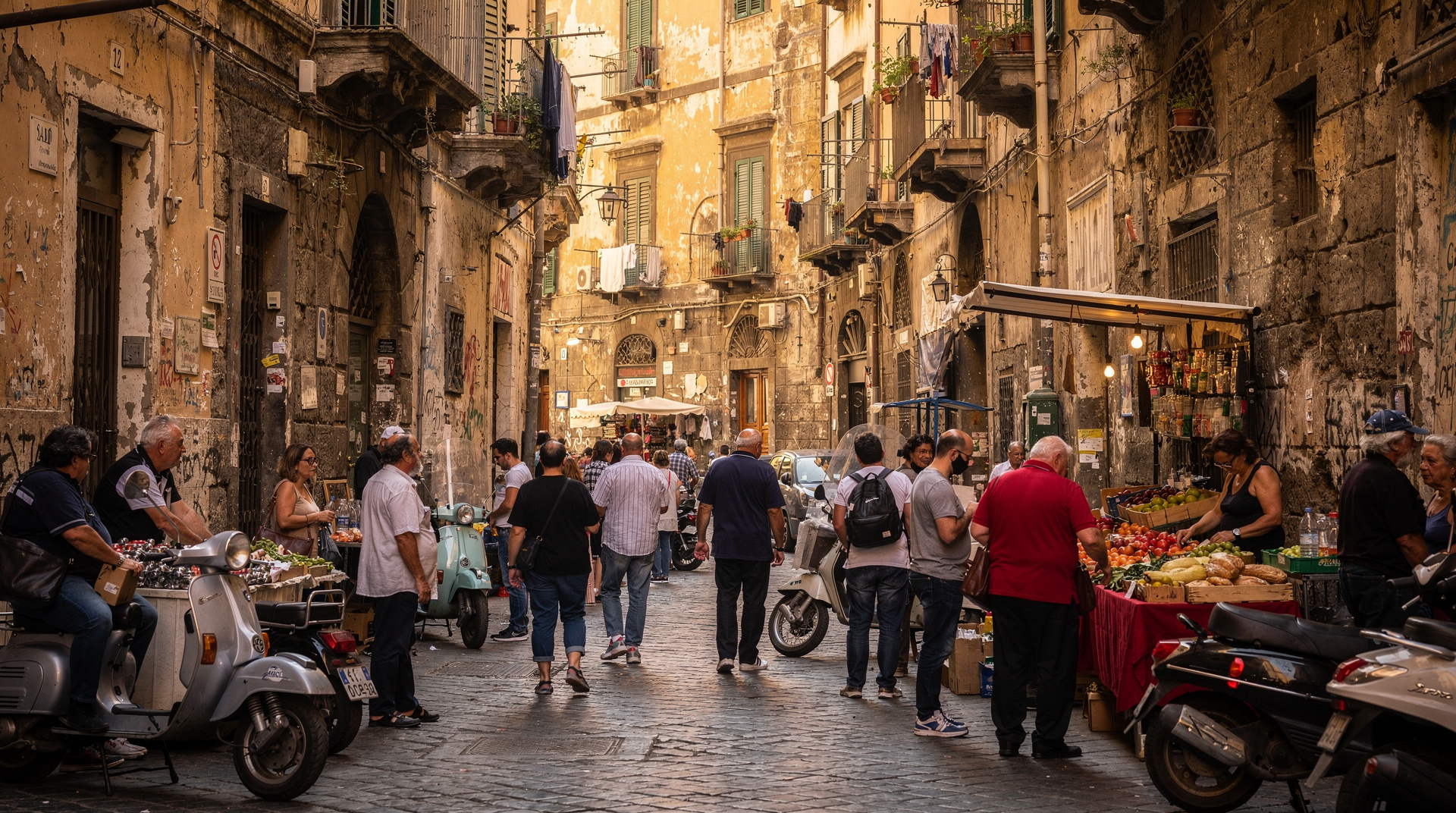
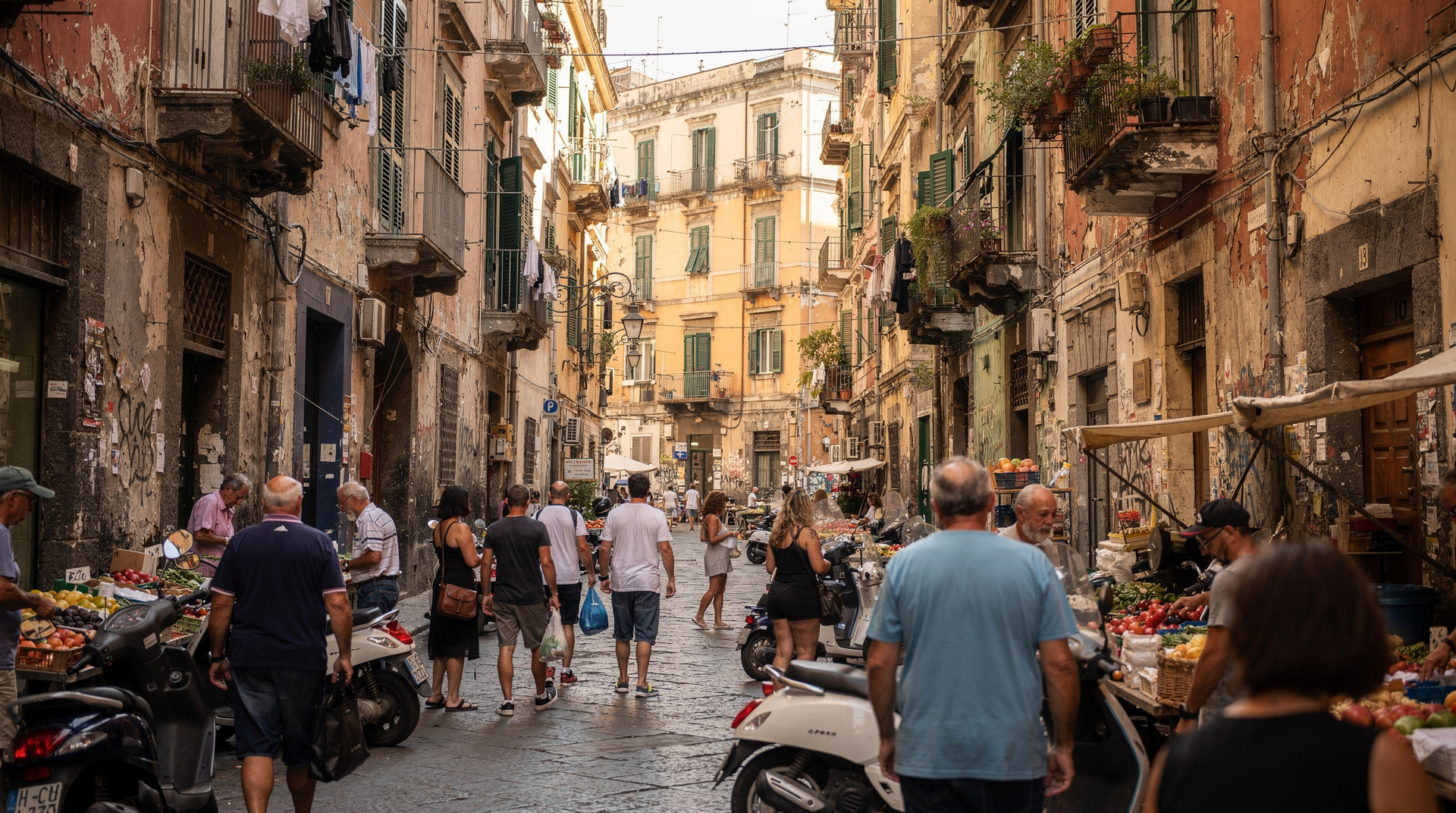
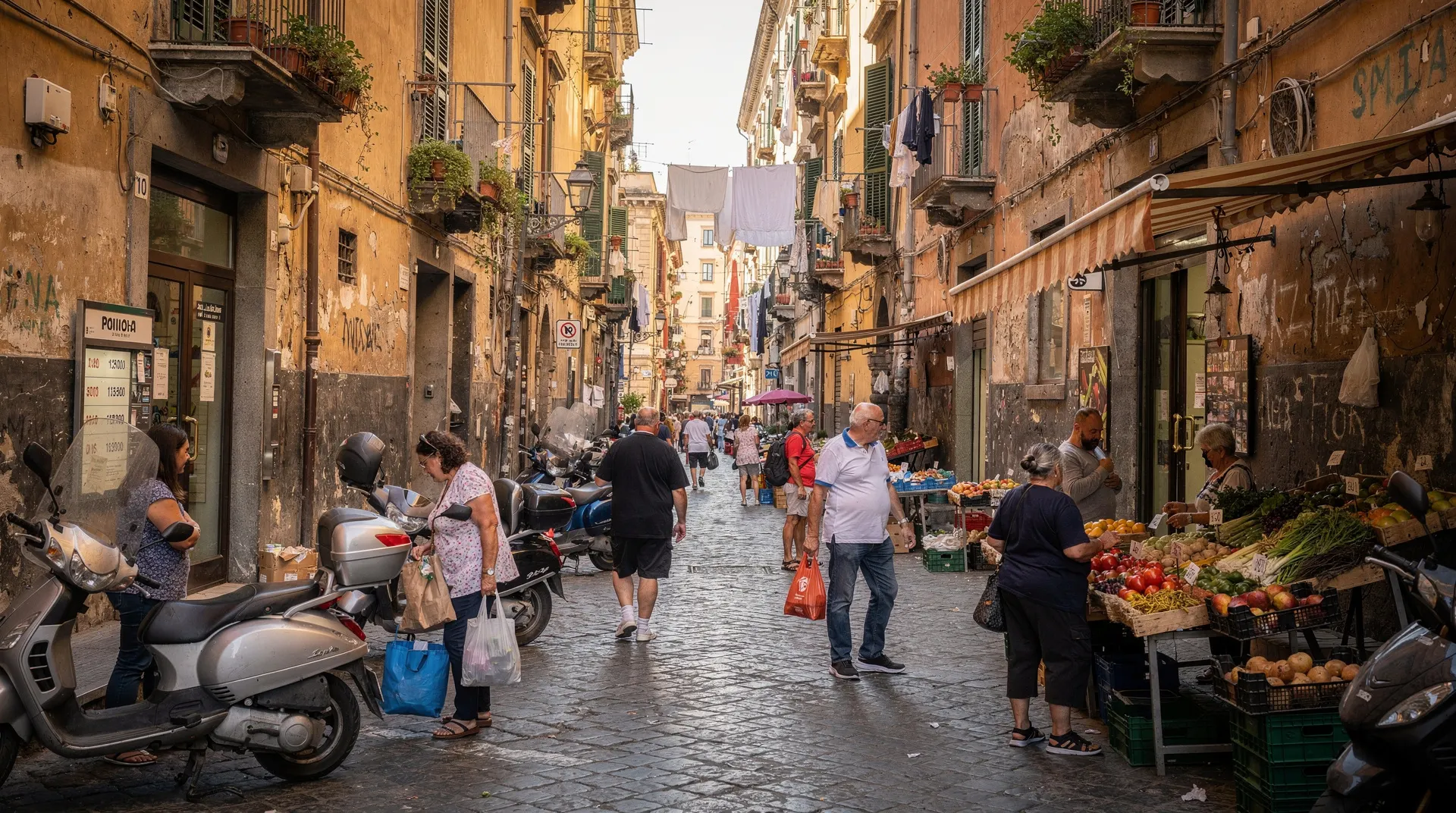
Narrow lanes on motorbike routes: Bag-snatching from moving scooters or motorcycles is the most documented non-pickpocket tourist crime in Naples. The prevention is straightforward: when walking on narrow streets, wear bags crossbody on the inner (wall) side rather than the road side. Do not hold phones at street level in narrow lanes.
Normal tourist areas (no specific elevated risk):
- Piazza del Plebiscito and the area around Castel Nuovo
- Via Toledo and the main shopping street
- Spaccanapoli (Via dei Tribunali, Via San Biagio dei Librai)
- Chiaia neighbourhood
- Vomero hilltop
- Lungomare seafront (evening walking is extremely popular with locals)
- The MANN museum area
- Posillipo
Areas to avoid or use with daytime awareness:
- Scampia and Secondigliano: These names appear regularly in crime coverage. They are outer residential neighbourhoods 10+ km from the tourist centre with no tourist attractions. They are irrelevant to any visitor’s trip. No tourist guidebook lists anything there.
- Deep Forcella lanes at night: Forcella, east of the Duomo, is fine to walk through in daylight. Late at night the back lanes are less advisable.
- Piazza Garibaldi late at night: Standard transit precaution zone.
What about the Camorra?
The Camorra is real. It operates in Naples and is associated with drug distribution, extortion, construction, and waste management sectors. Camorra-related violence, when it occurs, is almost exclusively internal to the organisation and concentrated in outer neighbourhoods (Scampia, Secondigliano, Ponticelli).
For tourists, the Camorra is operationally irrelevant. No documented pattern of Camorra-targeted tourist crime exists. The city’s tourism economy is a clean-revenue sector that even the Camorra has no incentive to contaminate. The restaurant district, historic centre, museums, and waterfront are not zones of organised crime activity.
The Camorra’s presence in Naples means it is not a crime-free city in its deeper sociology. It does not mean tourists are at risk from organised crime.
Neighbourhood-by-neighbourhood guide
Chiaia: The upscale residential neighbourhood along the seafront west of the city centre. Excellent restaurants, bars, and proximity to the Lungomare. Safety profile closest to any comfortable European tourist district. Recommended as a base area for visitors who want maximum ease.
Posillipo: The clifftop residential zone west of Chiaia. Expensive, quiet, scenic. No tourist crime profile.
Vomero: The hilltop neighbourhood connected by funicular. Upscale, quiet, good views. Low crime profile. The main tourist draw is the Certosa di San Martino museum.
Centro Storico / Spaccanapoli: The UNESCO-listed historic core. The highest concentration of tourist activity in the city. Standard urban awareness applies — bags front-facing, phones not displayed in crowds. Completely safe for day walking and evening restaurant use on the main streets. The deeper, less-visited lanes away from Via dei Tribunali are interesting (and safe) to explore with daytime awareness.
Quartieri Spagnoli: The Spanish Quarter is a complex residential neighbourhood behind Via Toledo. Often described as intimidating due to narrow streets and urban density. In practice, the main tourist paths through it (following the tourist art trail) are completely safe. The deep lanes away from tourist routes have the standard urban Naples character — not dangerous but not the place for late-night wandering without specific knowledge.
Rione Sanità: One of Naples’ most characterful neighbourhoods, recently undergoing genuine regeneration driven by cooperative social enterprises. The catacombs, street art, and neighbourhood food scene make it increasingly popular. Daytime use is safe and recommended. Evening use has a slightly elevated awareness profile. Several organised walking tours are available that explain the area’s complex social history and are a good introduction.
Piazza Garibaldi area: The main train station neighbourhood. High foot traffic, urban chaos, some crime pressure. This is a transit zone rather than a sightseeing zone. Move through it purposefully rather than lingering.
Practical safety measures that work
In priority order:
1. Bag management on the Circumvesuviana: Wear bags crossbody and front-facing on all Circumvesuviana journeys. Do not keep phones in outer pockets. This single measure prevents the majority of documented tourist theft incidents.
2. Road-side bag positioning: In any narrow Naples lane, position your shoulder bag on the wall side (away from the road). Motorcycle bag-snatch theft specifically targets road-side bags.
3. Declining scam approaches: Men selling bracelets, offering photos in costume, or providing “free” gifts near monuments will become persistent if you engage. Walk past without stopping or responding. No engagement is the complete solution.
4. Taxi verification: Use the fixed-rate airport taxi (€23, white licensed cab, verify before getting in) or ride-hail apps for pricing transparency. Do not accept approaches from unlicensed drivers at the port or airport.
5. Evening awareness zones: The Lungomare, Chiaia, and Piazza del Plebiscito are perfectly safe for evening use. Piazza Garibaldi and deep Forcella after midnight: use a taxi or app rather than walking alone.
What incidents actually get reported
Looking at what tourists actually report in Naples forums and travel communities (TripAdvisor, Reddit’s r/italy, Lonely Planet Thorn Tree):
- Most common: Phone taken from hand or bag on the Circumvesuviana or at Garibaldi station
- Second most common: Bag-snatch from motorbike on narrow streets
- Third: Overcharging by taxi or unofficial transport
- Occasional: Scam interactions near monuments (bracelets, gladiators)
- Very rare: Any incident involving direct confrontation or violence
The vast majority of reported incidents involve property theft by opportunistic methods, not violence or physical threat. Loss of a phone or bag is a bad experience; physical confrontation with tourists is extremely uncommon and not a documented pattern in the tourist zones.
The honest comparison with other major tourist cities
For context, Naples’ crime profile for tourists compares favourably with:
- Barcelona: The most pickpocket-intensive major European tourist city. Aggressive theft groups operate on the Ramblas, the Metro, and in tourist restaurants. Bag-snatch rates are dramatically higher than Naples.
- Rome: Higher pickpocket rate than Naples in absolute statistics. The Vatican and Colosseum areas are among Italy’s most intensive pickpocket zones.
- Paris: Particularly around the Eiffel Tower and on the Metro, Paris has persistent theft issues that are well-documented and worse than Naples.
- Florence: Lower crime overall, but specific zones (Santa Croce market, Uffizi queue) have pickpocket activity.
None of this means Naples is problem-free. It means the comparison that matters — other major European tourist destinations — puts Naples in a moderate position, not an extreme one.
Safety by neighbourhood, at a glance
| Neighbourhood | Daytime | Evening |
|---|---|---|
| Chiaia | Very safe | Very safe |
| Centro Storico main streets | Very safe | Safe, standard awareness |
| Vomero | Very safe | Very safe |
| Posillipo | Very safe | Very safe |
| Rione Sanità (tourist paths) | Safe | Slightly elevated awareness |
| Quartieri Spagnoli (tourist paths) | Safe | Slightly elevated awareness |
| Piazza Garibaldi area | Use awareness, transit zone | Elevated awareness, use taxi late |
| Deep Forcella lanes | Safe by day | Avoid without local knowledge |
| Scampia / Secondigliano | Irrelevant — no tourist sites | Irrelevant — no tourist sites |
This table is deliberately conservative — none of the “elevated awareness” ratings mean genuinely dangerous, only that the standard precautions (bag position, taxi over walking alone, avoiding empty back lanes) matter more there than in Chiaia or Vomero. If you’re choosing where to sleep, any neighbourhood rated “very safe” above works well as a base for a first visit, with Chiaia and the centro storico offering the best balance of safety, walkability, and proximity to the sights.
How Naples safety fits into your trip planning
Safety concerns shouldn’t dictate where you stay or what you see in Naples — they should inform a handful of specific habits. Choosing a base in Chiaia or near the centro storico puts you in the lowest-risk zones by default; see where to stay in Naples for the full neighbourhood breakdown.
If your itinerary includes the Circumvesuviana to Pompeii or Herculaneum, that single train ride is where the bulk of tourist-crime prevention effort should go — everything else on a standard Naples itinerary carries only routine city-travel risk. Solo travellers, especially women travelling alone, should read the dedicated solo travel in Naples guide, which covers evening-specific guidance this article only summarises.
Frequently asked questions about Naples safety
Do I need travel insurance for Naples specifically?
Travel insurance is advisable for any international trip regardless of destination. For Naples specifically, the insurance component that matters most is theft coverage for electronics and documents. Medical facilities in Naples (Ospedale del Mare, Clinica Santa Maria del Poggiorale) are functioning and adequate for standard tourist medical needs.
Are there areas I should specifically not visit?
Scampia and Secondigliano are irrelevant to tourist itineraries and there is no reason to visit them. No tourist guidebook or sight is located there. The Gomorra TV series (set partially there) has raised their profile in international awareness without any corresponding tourist-relevant activity. Avoid these areas not because they are particularly threatening to passing visitors but because there is simply nothing there for tourists.
How should I handle a theft if it happens?
Report to the Polizia Municipale or nearest police station (questura) for a theft report (denuncia) — required for insurance claims. Naples’ main police station for tourist incidents is near Piazza del Plebiscito. Cancel bank cards immediately. Your embassy can issue emergency travel documents if your passport is stolen. The overall tourist theft rate in Naples is low enough that most visitors leave without incident; having the reporting process clear in advance is simply prudent travel practice.
Is it safe to leave valuables in a hotel room?
In standard accommodation with hotel safes, yes. Do not leave large amounts of cash or passports unattended in a room without a safe. Most hotels and guesthouses in the tourist centre have room safes or front-desk safes at no charge.
Do scams count as a safety issue?
They’re a nuisance rather than a safety risk, but they belong in the same planning conversation because they’re the most common negative experience tourists actually report. Overcharging taxis, bracelet sellers who become pushy, and inflated restaurant bills near the major piazzas are all documented patterns — none involve physical risk, and all are avoidable with the same “decline and walk on” approach that works for street vendors. See Naples scams to avoid and Naples tourist traps for the specific, current patterns.
Has Naples safety improved in recent years?
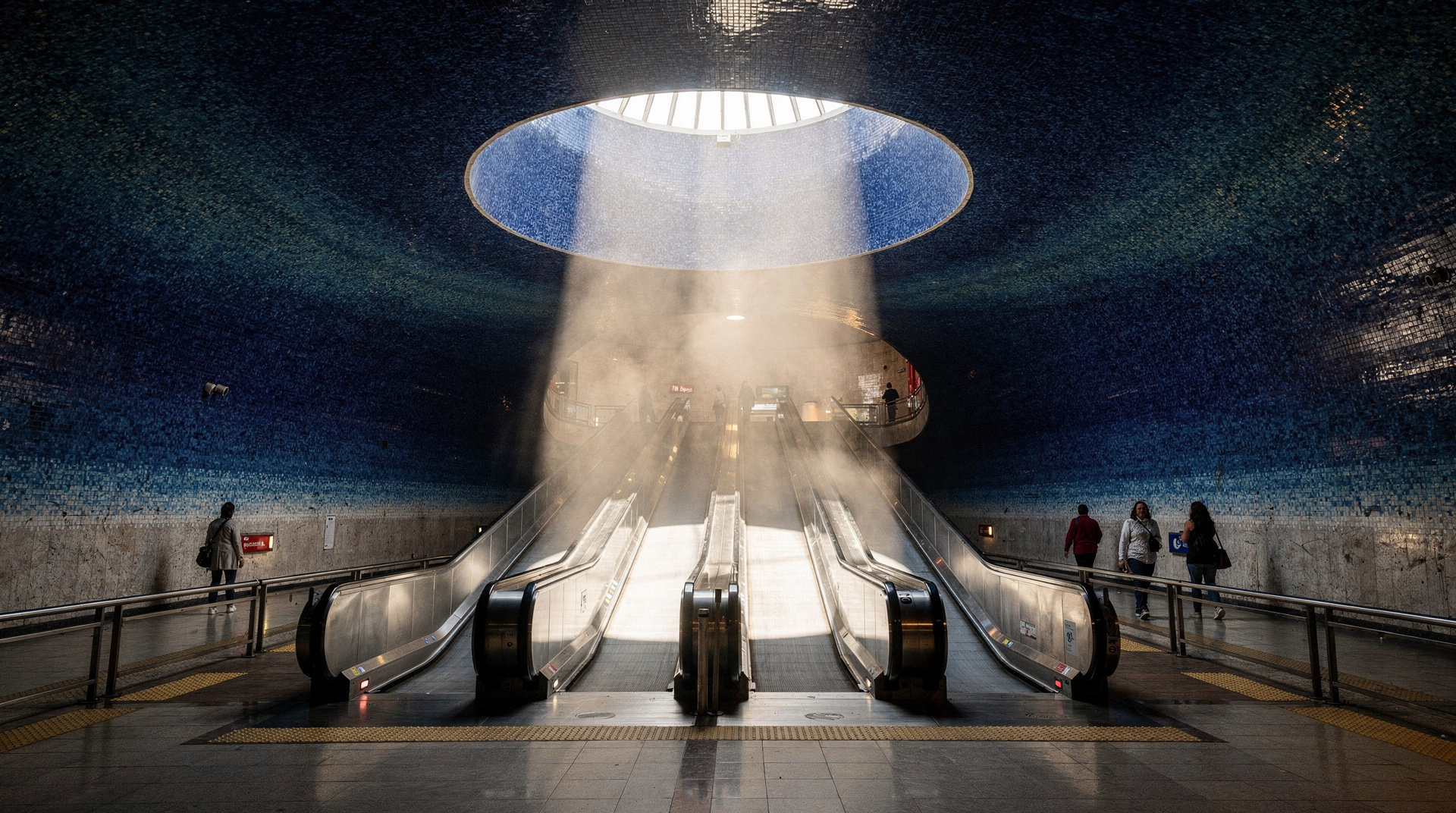
Yes. The period from roughly 2010 to the present has seen Naples make genuine improvements in tourist-zone security, centre-city regeneration, and international profile. The Rione Sanità regeneration (driven by social enterprises like Coop Officine Gomitoli and the catacombs cooperative), the Via Toledo pedestrianisation, and the Art Stations metro programme have all contributed to raising the quality and safety perception of central Naples. The current safety situation is better than the media narrative suggests and better than it was ten or fifteen years ago.