Vesuvius tickets explained: what you pay for and how to buy
Mount Vesuvius: Skip-the-Line Ticket and Smart Digital Guide
Duration: 2.5h
How much does it cost to visit Vesuvius and where do you buy the ticket?
The crater access ticket costs €15, purchased at the ticket booth at the Quota Mille car park (1000m elevation). There is no advance online booking for the standard ticket — purchase at the gate. Guided tours with transport from Naples typically bundle the entry at €30–60 per person. There are no concession prices for EU citizens.
The Vesuvius ticket: what it is and isn’t
The €15 crater ticket gives you access to the path from the Quota Mille car park (1000m elevation) to the crater rim and around the rim trail. That is all. There are no concessions, no advance booking system for individuals, and no combination with other sites.
This is simpler than Pompeii’s ticket system — and also less flexible. At Pompeii you can book a time slot in advance online. At Vesuvius the standard ticket is only available at the gate. For most visitors this isn’t a problem — the gate rarely has a meaningful queue — but it does mean you can’t guarantee access if conditions change.
| Price | Around €15/person at the gate, no online booking for individuals |
| Where to buy | Quota Mille car park ticket booth (or bundled in a guided tour) |
| Concessions | None — everyone pays the same regardless of age or nationality |
| What’s not included | Transport, parking (~€3), guide, audioguide |
| Best time to buy | Arrive at opening (9:00) to beat the 10:30–14:00 crowd window |
What the €15 ticket covers
Included:
- Entry to the path from Quota Mille car park to crater rim
- Use of the crater rim trail (full circuit approximately 1.8 km)
- Access to all viewpoints on the rim
- Use of toilet facilities at the car park
Not included:
- Transport to the car park (bus, taxi, or car — separate cost)
- Parking (€3)
- Guide (optional, hired separately at the car park)
- Audioguide (€5 extra if available on site)
- Any food or drink
The ticket structure: The ticket booth is at a gate on the path above the car park. You cannot proceed up the path without it. The €15 fee is charged to all visitors regardless of age, nationality, or residency — there are no EU concessions here.
Vesuvius crater ticket with digital guideWhere and when to buy
Standard independent visit: Purchase at the Quota Mille car park ticket booth on arrival. The booth opens at 9:00 (same as the crater). Bring cash (€15 exact is helpful) — card payment is usually accepted but the machines occasionally fail. There is rarely a queue of more than 5–10 minutes.
Via tour operator: If you’ve booked a guided tour that includes Vesuvius, the crater ticket is typically bundled into the tour price. The guide or driver purchases for the group or has pre-allocated tickets. No individual purchase required.
No online individual booking: As of 2026, there is no system for individuals to pre-purchase a Vesuvius crater ticket online. Pre-purchase is only available through commercial tour operators.
Guided tours that include the ticket
Several GetYourGuide operators sell bundled Vesuvius experiences that include the crater ticket, transport, and optionally a guide:
Vesuvius with transport from Naples (no guide at the crater): Typically €25–35 per person. You hike independently; the price covers a minibus from Naples to the car park and back. Useful if you just want the logistics handled.
Guided Vesuvius tour from Naples: €35–50 per person. Includes transport, crater entry, and a guide for the hike. The guide provides geological and historical commentary.
Combo Pompeii + Vesuvius tour: €60–90 per person. The most complete option — covers transport from Naples, guided Pompeii tour with entry, transport to Vesuvius, crater entry, and guide. All logistics managed.
Vesuvius visit with bus and skip-the-line entryComparing the cost: independent vs guided
Independent:
- Circumvesuviana Naples → Pompeii: €3.30
- EAV bus Pompeii → Vesuvius: €3
- Vesuvius crater: €15
- EAV bus return: €3
- Circumvesuviana Pompeii → Naples: €3.30
- Total transport + entry: ~€27.60 per person
Guided combo from Naples:
- Typically €60–90 per person
- Includes transport, entries, and guide
The premium for guided + transport: €32–62 per person. For that, you get: a licensed guide at Pompeii (2.5 hours, significant value for first-time visitors), all transport handled, no bus schedule management, and a guide at Vesuvius.
For visitors going independently and self-guiding both sites, the €27.60 base cost is good value. For visitors who want guide commentary — especially at Pompeii — the combo package is reasonable.
The Campania ArteCard and Vesuvius
The Campania ArteCard (€32 for 7 days) is a worthwhile pass for visitors seeing multiple cultural sites in the region — Pompeii, Herculaneum, MANN, Capodimonte, Caserta. However, it does not cover Vesuvius.
The ArteCard is operated by Regione Campania and covers archaeological and museum sites under its cultural heritage remit. Vesuvius falls under the Parco Nazionale del Vesuvio (a national park system, not a regional cultural authority). The two systems are separate.
If you’re buying an ArteCard for Pompeii + Herculaneum + Naples museums, budget €15 additionally for the Vesuvius crater ticket.
Combined Pompeii and Vesuvius entry with transportWine tours: the Lacryma Christi add-on
Several Vesuvius tours include a visit to a winery on the volcano’s slopes for Lacryma Christi wine tasting. These are typically located on the lower slopes (300–600m elevation), between the motorway and the car park.
What you get: 45–60 minute winery tour, tasting of 2–3 wines, sometimes with a light meal. The wines — Aglianico-based reds and Coda di Volpe whites — are made from grapes grown in volcanic mineral soil and are genuinely interesting (and not easily found outside the region).
Combined tour cost: €50–70 per person (transport from Naples, Vesuvius crater, winery tasting). See Lacryma Christi Vesuvius wine.
Vesuvius and Pompeii with wine tastingWhat a guide at Vesuvius costs
If you want a guide at the crater specifically (not a pre-booked tour), there are licensed guides available for hire at the Quota Mille car park. In peak season, a group guide hire for the crater hike costs approximately €20–30 for up to 8 people.
The guide accompanies you up the path, explains the geological banding in the crater walls, discusses eruption history, and identifies the fumarole zones. For geology enthusiasts, this adds real value. For casual visitors, the path is clear and safe without a guide.
The guided tour market: choosing an operator
The market for Vesuvius tours from Naples is large, with dozens of operators. Standards vary. Here’s what to look for:
Reputable operators: Use licensed guides for the crater narration (look for the Guida Turistica Abilitata badge), provide accurate pickup times, include the €15 crater fee in the advertised price, and have clear weather cancellation policies.
Red flags: Advertised price that doesn’t include the €15 crater fee (so you pay extra at the gate), no licensed guide mentioned, group sizes over 20 (impractical for the path), and marketing language like “secret routes to the crater” (there is only one path).
Price check: Any Vesuvius tour from Naples with transport and crater entry that costs under €25 per person is likely cutting corners on guide quality or group size. A fair price for transport + entry + guide from Naples is €35–50.
For the Pompeii + Vesuvius combination, see best Pompeii tours for a full assessment of combo tour operators.
Planning your Vesuvius visit around the summer schedule
Summer visitors should note two specific patterns that affect the Vesuvius experience:
Peak hours: Vesuvius crater is most crowded between 10:30 and 14:00 in July–August. Tour groups from Naples typically arrive in this window. Arriving at 9:00–10:00 (first EAV bus from Pompeii) gives you a significantly quieter path and more space on the rim.
Afternoon thunderstorms: In July and August, Campania experiences afternoon convective storms — essentially daily thunder events that develop from midday heat. These can close the crater briefly (1–3 hours). If you’re planning Vesuvius in summer, morning visits are safer than afternoon ones.
School groups: Italian school trips concentrate in May and early June, and again in late September and October. On school group days, the car park area can be very busy, though the path itself remains manageable.
What to do at the Quota Mille car park before and after the hike
The Quota Mille area itself (the car park and its immediate surroundings) offers several facilities:
Before the hike: A bar/café at the car park serves espresso (€1.20–1.50), cornetti, sandwiches (€3–4), and cold drinks. Use the toilet facilities here — there are no toilets on the path. Apply sunscreen and check that you have enough water before starting.
Guide hire point: A small booth or kiosk near the ticket gate offers licensed guide hire for groups. In summer, arrive early to secure a guide — they can fill up quickly on busy days.
Souvenir stands: The car park has vendors selling volcanic rock specimens, post-eruptive lava samples, and Vesuvius-themed souvenirs. Prices are tourist-oriented but the volcanic material specimens (pumice, obsidian, lava samples) are genuine and make unusual mementos.
After the hike: Take your time at the bar before the return bus. The car park terrace has benches with views toward the Gulf of Naples. If you’re waiting for the bus, this is a more pleasant waiting area than standing at the bus stop. The next bus to Pompei Scavi runs roughly every hour — confirm the time at the car park before sitting down.
Connecting Vesuvius to the broader Pompeii–Herculaneum circuit
The Vesuvius ticket is only one component of what can be an extended exploration of the 79 AD eruption’s landscape:
The four eruption sites: Pompeii (€18), Herculaneum (€11), Oplontis (€4), and Stabiae (included in the combined €22 ticket for the first three) — all covered by the combined Pompeii park ticket. Vesuvius (€15) sits separately.
Viewing the sites from the crater: On a clear day, you can see the approximate locations of Pompeii (southeast, near the modern town of Torre Annunziata), Herculaneum (northwest, below modern Ercolano), and the Sorrentine Peninsula where refugees may have fled. Standing at the crater rim and connecting the geography to the written accounts of Pliny the Younger (who watched the eruption from across the bay at Misenum) is one of the more powerful moments in Campanian travel.
The eruption sequence from the crater: A guide can explain the phases of the 79 AD eruption from the vantage point of the Gran Cono: the initial Plinian column (rising vertically for 12+ hours, initially depositing pumice on Pompeii), followed by the collapse of the column into pyroclastic surges (which destroyed Herculaneum and eventually Pompeii). The geological record in the crater walls shows how similar eruptions have played out over centuries.
Should you book independently or through a tour?
The right choice depends mostly on how confident you are managing Circumvesuviana and EAV bus timetables, and whether you value guide commentary at the crater. Going independently — training to Pompeii or Ercolano Scavi, then the EAV bus up — saves money and gives you full control over timing, which matters if you want to arrive right at opening to beat the crowds described above.
Booking through a tour removes the schedule management entirely and, for first-timers juggling Pompeii and Vesuvius in one day, that reliability is often worth the premium. See getting to Vesuvius for the full independent-transport breakdown, and hiking the Vesuvius crater for what the walk itself actually involves once you’re through the gate.
If your main goal is Pompeii with a Vesuvius add-on rather than the reverse, it’s worth reading Pompeii tickets explained first — the two ticket systems are entirely separate (as covered above), and planning the Pompeii side properly often shapes what time you realistically reach the Vesuvius gate.
A middle-ground option many visitors overlook: book only the transport (a shared minibus with no guide) rather than either a full guided package or the fully independent Circumvesuviana-plus-EAV-bus route. This removes the timetable risk of public transport connections while skipping the premium charged for a licensed guide you may not need if you’re happy reading the geological context yourself.
It typically lands closer to the independent price than the full guided combo, and it’s worth comparing both before assuming a guide is mandatory. Whichever route you pick, build in slack — the shuttle and bus frequencies drop outside peak season, and missing a connection at Ercolano Scavi or Pompei Scavi can cost you 45–60 minutes waiting for the next one.
Refunds, reschedules, and weather risk
Because the standard ticket is bought at the gate rather than online, the usual “non-refundable e-ticket” problem mostly doesn’t apply to independent visitors — you simply don’t buy until you’re there and conditions are known. The risk sits instead with pre-booked guided tours: if a closure hits mid-tour or before departure, refund and reschedule policies vary by operator, so check the cancellation terms before paying, particularly for combo Pompeii + Vesuvius packages booked weeks in advance.
For the underlying closure patterns (wind, volcanic monitoring alerts, and the summer thunderstorm pattern described above), see Vesuvius closures and weather — reading it before you commit to a fixed-date guided package is the best way to avoid losing money to weather.
Frequently asked questions about Vesuvius tickets
Is the €15 fee for Vesuvius worth it?
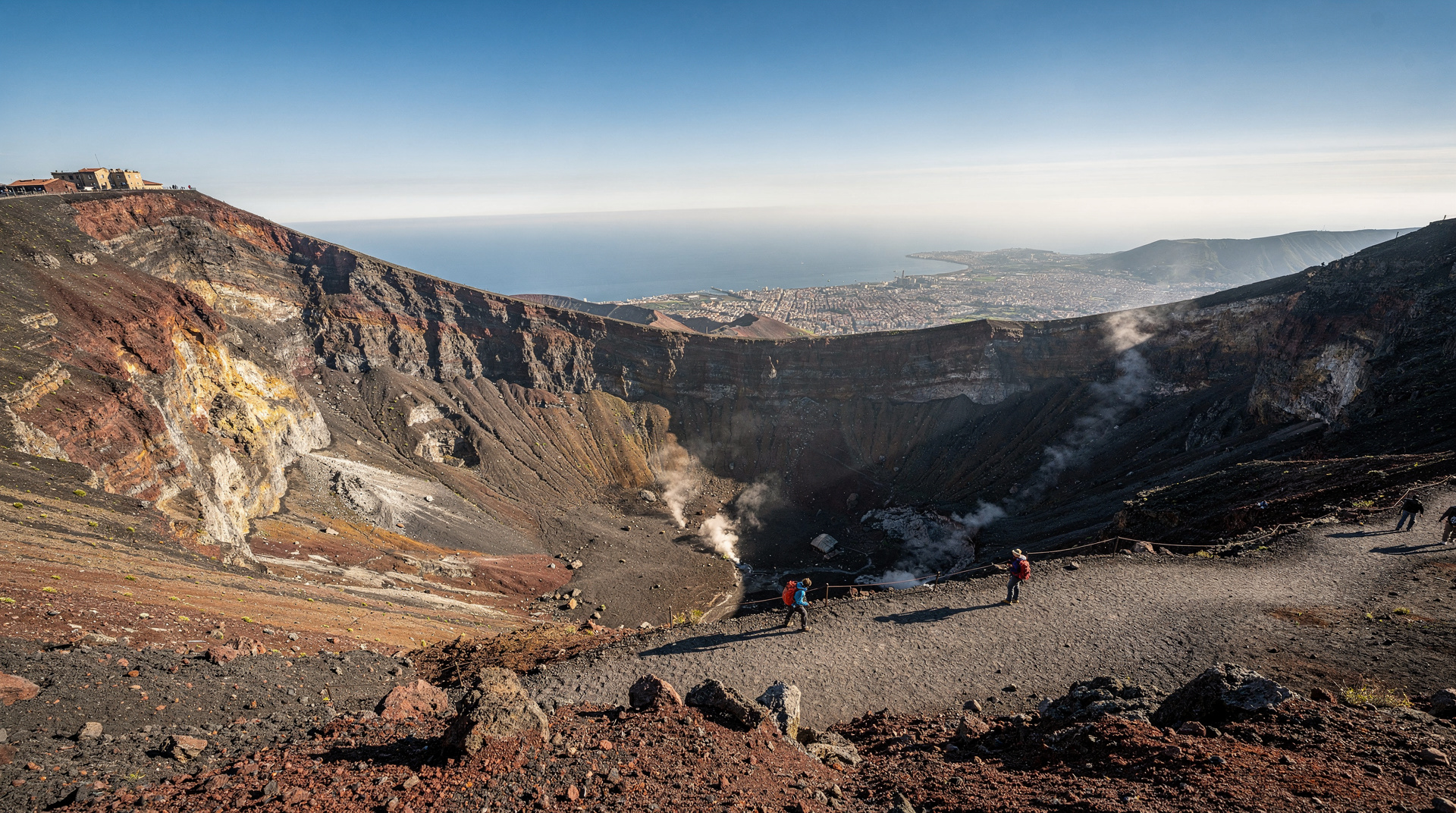
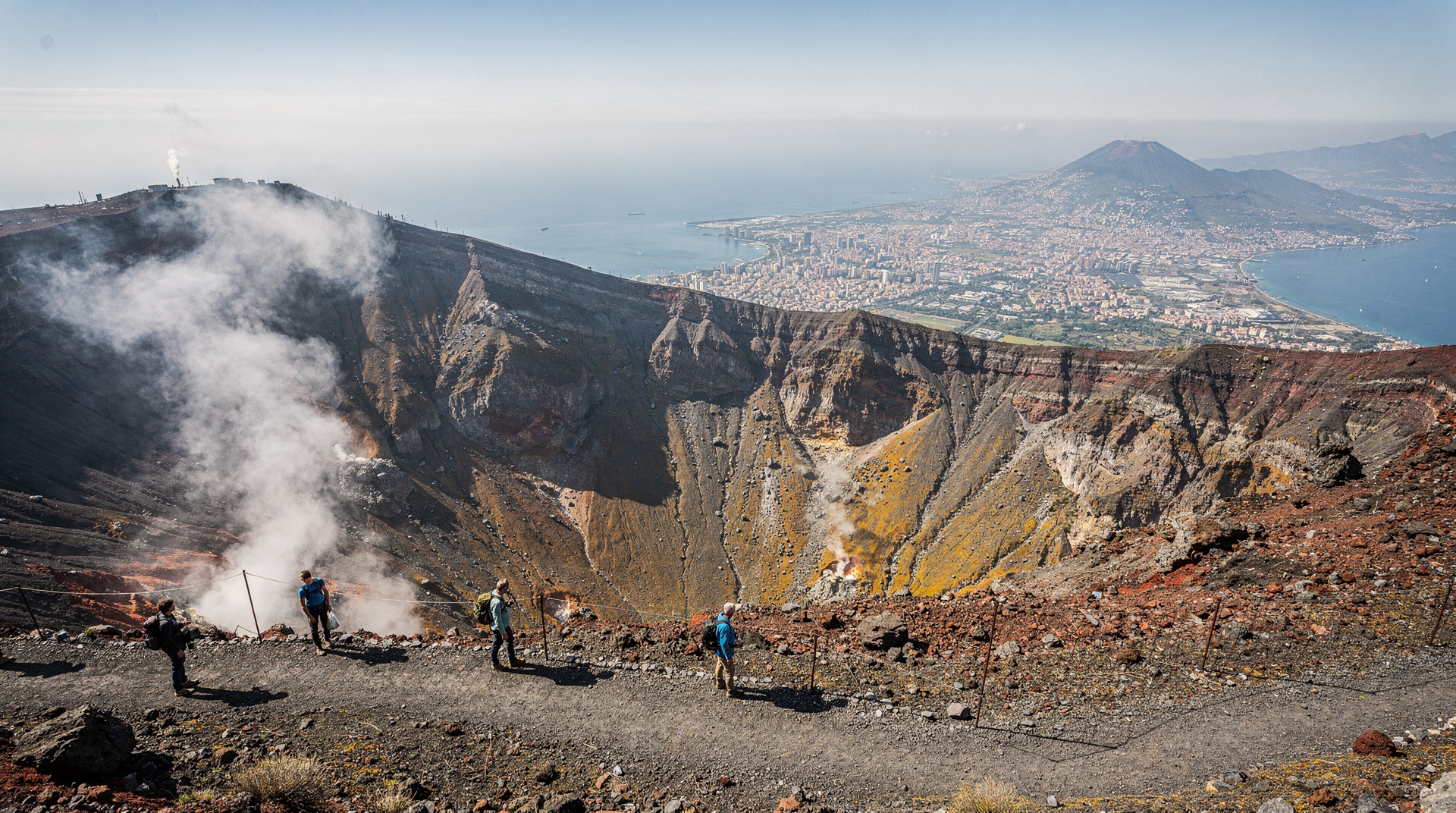
For a first-time visitor to the Naples/Pompeii area: unequivocally yes. The crater itself — 500 metres across, 300 metres deep, active fumaroles, panorama of the Gulf of Naples — is one of the most dramatic natural experiences in Europe. The hike is not difficult. The ticket price is reasonable.
Do children pay the full €15?
Yes. There are no age-based concessions at Vesuvius. Children of all ages pay €15 if they hike to the crater.
Are there free entry days at Vesuvius?
As of 2026, there is no equivalent of the Italian museum “first Sunday free” scheme at Vesuvius. It is not a state museum but a national park, which is a separate administrative system.
Can I buy a ticket at my hotel or in Naples city?
Not for the standard ticket. If you’re booking a tour through a Naples hotel concierge or tour desk, they’ll add a markup. Booking directly through GetYourGuide or the tour operator website is cheaper.
Frequently asked questions about Vesuvius tickets explained: what you pay for and how to buy
Is there a concession price at Vesuvius for EU citizens or students?
Can I book a Vesuvius ticket in advance online?
Is Vesuvius covered by the Campania ArteCard?
What does the €15 ticket cover?
How much does transport to Vesuvius cost on top of the ticket?
Are there combo tickets for Pompeii and Vesuvius together?
What happens to my ticket if the crater is closed?
Top experiences
Bookable activities with verified prices and instant confirmation on GetYourGuide.