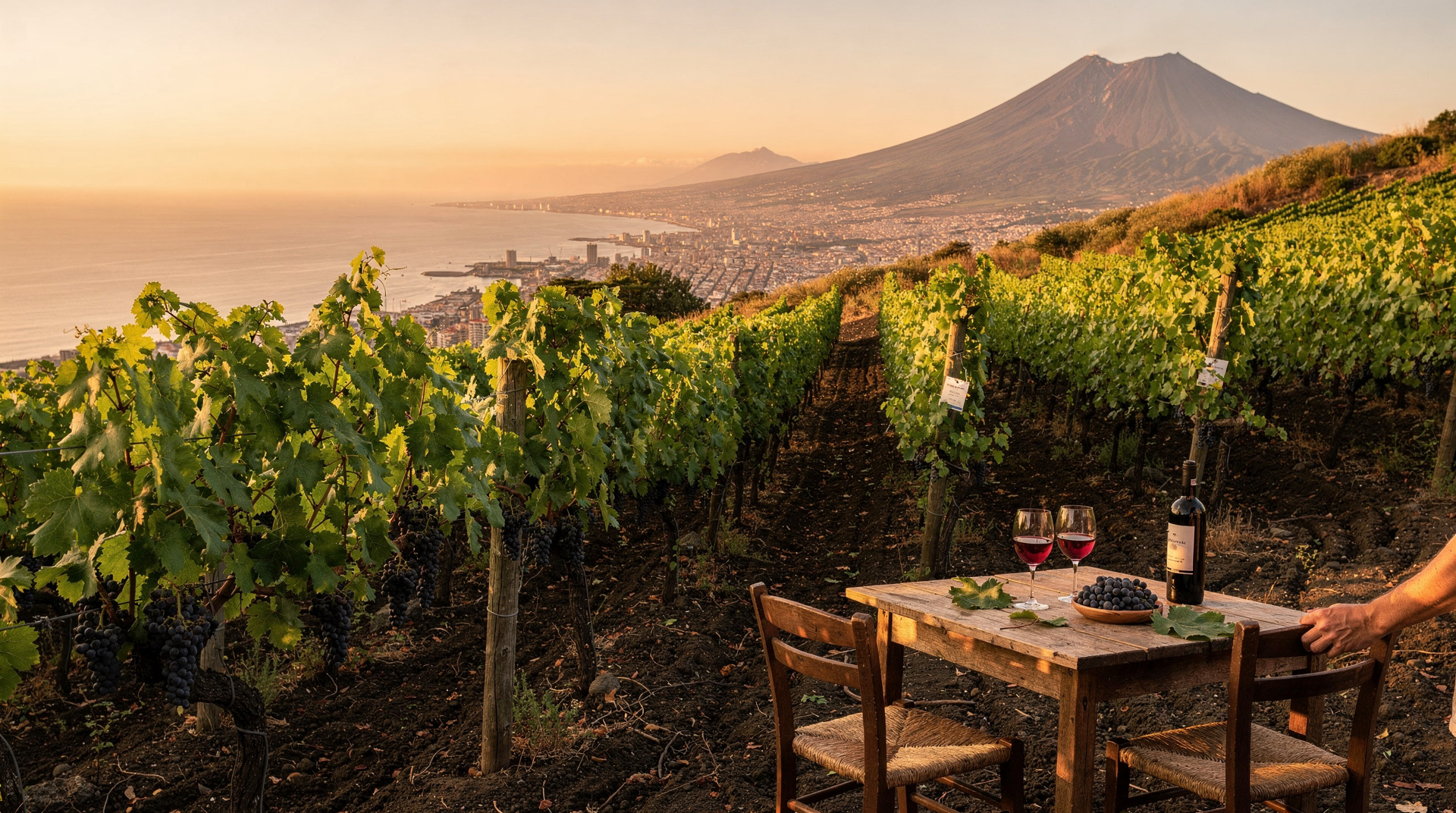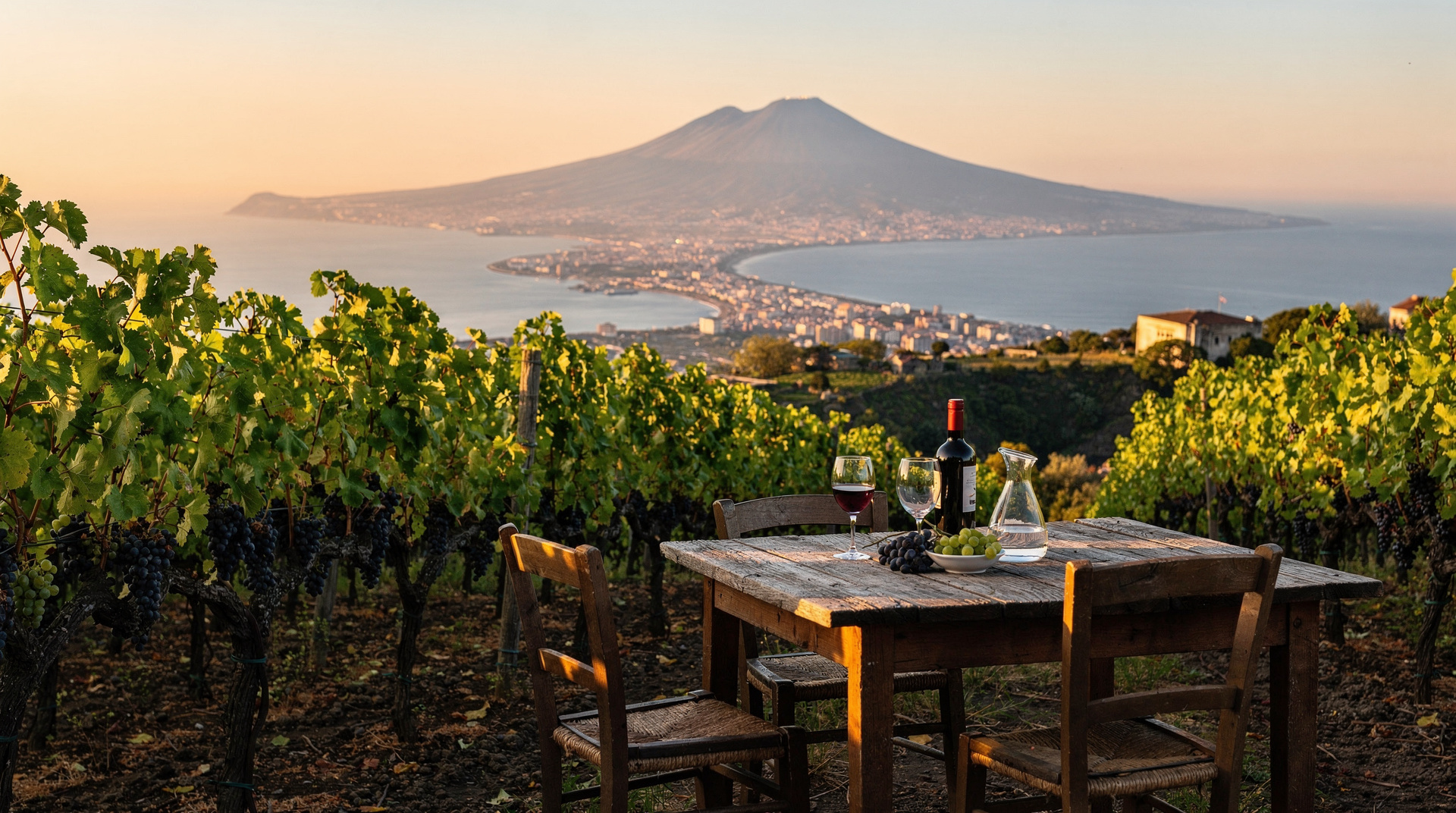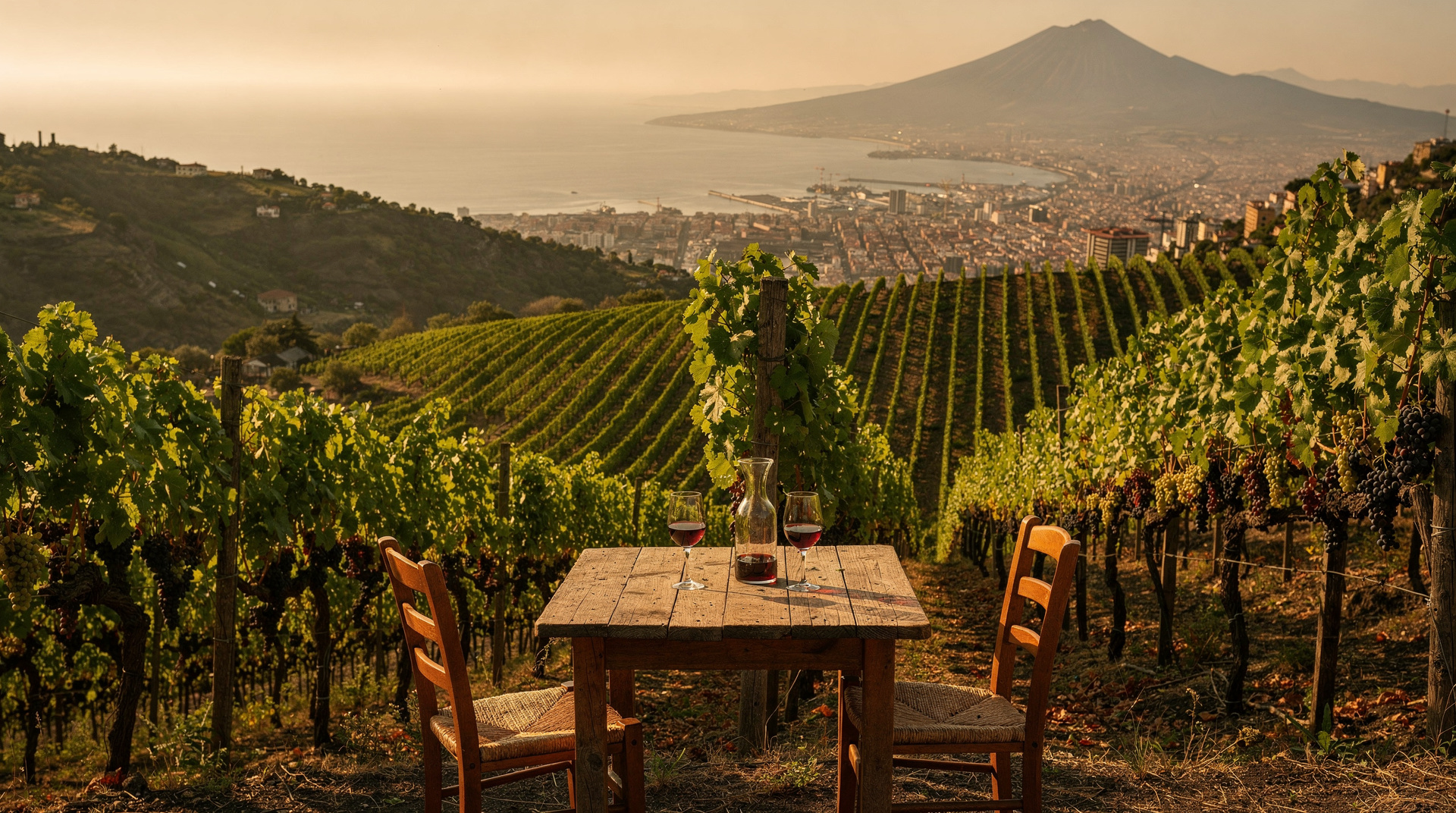
Lacryma Christi — wine from the slopes of Vesuvius
Mount Vesuvius: Vineyard Tour with Wine Tasting and Lunch
What is Lacryma Christi wine?
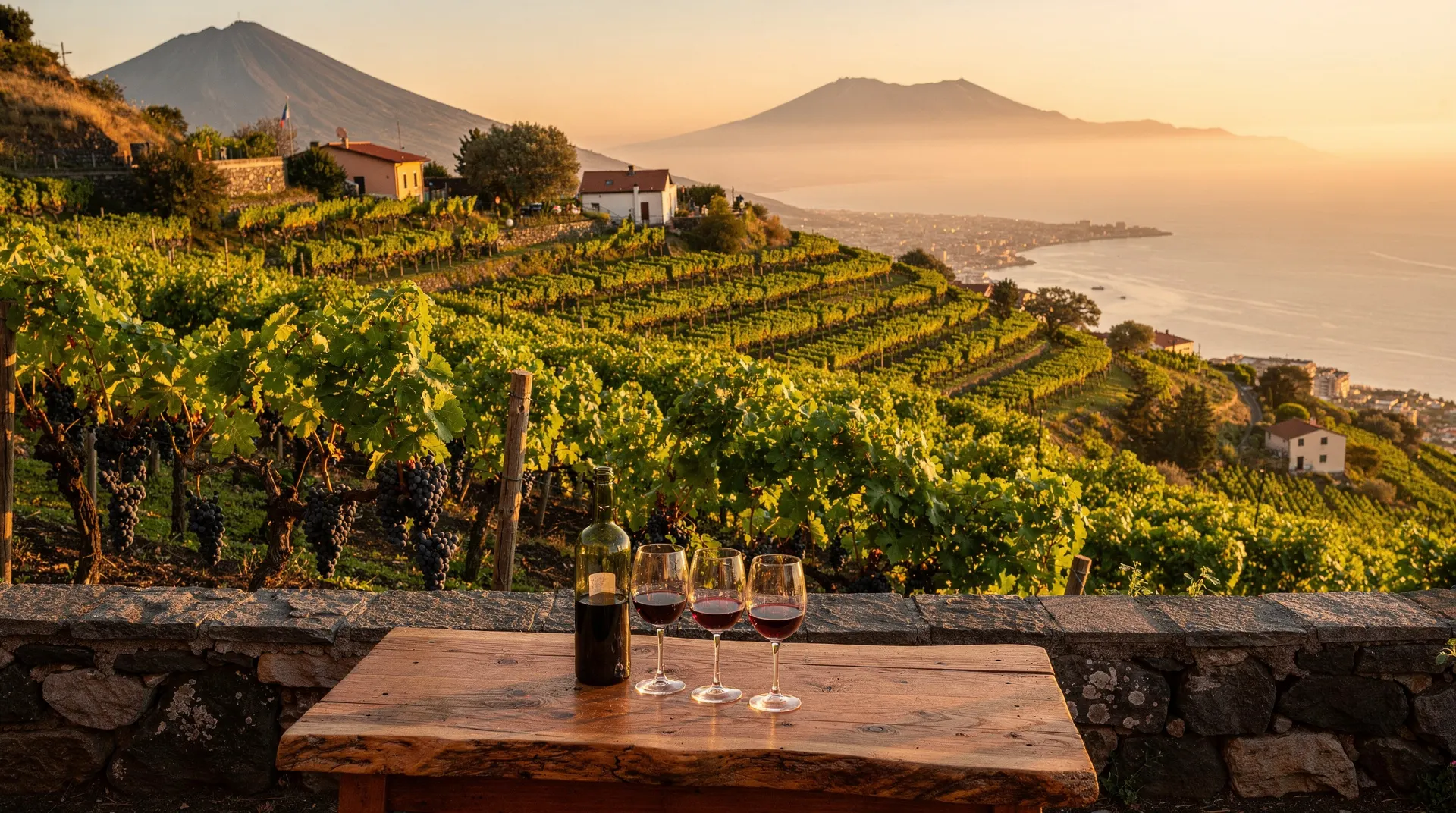
Lacryma Christi del Vesuvio (Tears of Christ of Vesuvius) is a DOC wine produced on the volcanic slopes of Mount Vesuvius. The white uses Coda di Volpe and Falanghina grapes; the red uses Piedirosso (locally called "Per' 'e Palummo"). The volcanic soil — rich in minerals with excellent drainage — produces wines with a distinctive character. They are rarely exported and best experienced on site.
Wine from an active volcano
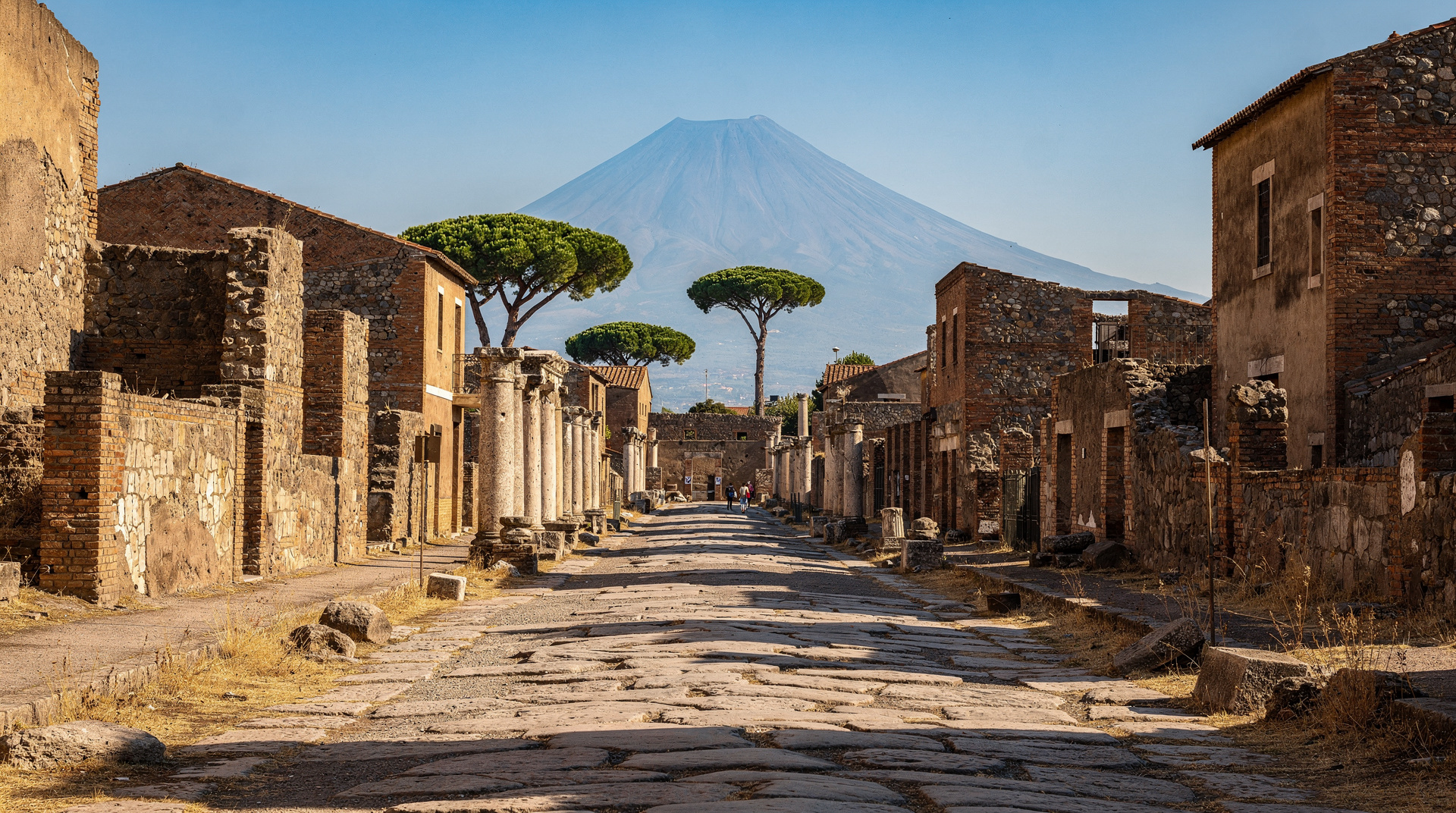
Lacryma Christi del Vesuvio is produced on the slopes of a volcano that last erupted in 1944 and is classified as active. The three million people living in the Vesuvius red zone continue to farm the volcanic soil because it is extraordinarily fertile — ancient Roman writers (Pliny the Elder, Martial) described the Vesuvian slopes as producing the finest wine in the empire, before the 79 AD eruption buried Pompeii and Herculaneum.
The wine was never entirely lost — production continued on the surviving slopes throughout the medieval and modern periods — but the DOC designation (1983) and the modern wine quality movement have returned Vesuvian wine to the attention of wine professionals for the first time since antiquity.
The result is a wine that is genuinely interesting, extremely well-priced, difficult to find outside the region, and most meaningfully experienced at the source. This guide covers everything you need to know for a vineyard visit.
| Where | Vesuvius slopes — Ercolano, Torre del Greco, Terzigno, Pompei, Boscotrecase |
| Cost | Around €8–18/bottle at source; €35–55/person for a guided lunch and tasting |
| Time needed | Half-day for a vineyard visit; full day combined with the crater hike |
| Best combined with | Vesuvius crater hike or a Pompeii/Vesuvius day trip |
| Booking | Appointment required for small producers; combo tours bookable online |
The appellations: Vesuvio DOC and Lacryma Christi
The Vesuvio DOC covers the entire production zone on the volcano’s slopes — approximately 600 hectares across several municipalities including Ercolano, Torre del Greco, Trecase, Boscotrecase, and parts of Pompei and Terzigno.
Lacryma Christi del Vesuvio is a stricter subset of the Vesuvio DOC, with higher minimum alcohol content, lower maximum yields, and specific regulations about varietal composition. The name can be applied to white, red, rosé, and sparkling versions.
The Vesuvio DOC also covers table wines (rosso, bianco, rosato) and the liqueur wine Lacrima Christi Liquoroso. In practice, when someone refers to “Lacryma Christi wine” they typically mean the still dry white or red under the Lacryma Christi Vesuvio subdenomination.
The grape varieties
White: Coda di Volpe and Falanghina
Coda di Volpe (literally “fox’s tail” — named for the elongated cluster shape) is an ancient Campanian variety that grows particularly well on volcanic soils. It produces wines of moderate alcohol, fresh acidity, and a distinctive mineral, almost saline quality. The Romans called it Caudata and described it in agricultural texts.
Falanghina is the most widely grown white wine grape in Campania and contributes aromatics (floral notes, green apple, citrus), freshness, and structure to Lacryma Christi Bianco. A straight varietal Falanghina (not blended with Coda di Volpe) is also an excellent Campanian white in its own right — see the Falanghina and Aglianico guide.
A good Lacryma Christi Bianco: pale straw colour, delicate floral and citrus aromas, a fresh and slightly mineral palate, moderate body, dry. Best with the seafood of the Naples coast — fried paranza, spaghetti alle vongole, grilled fish.
Red: Piedirosso (Per’ ‘e Palummo)
Piedirosso — “red foot,” named for the red stems of the vine — is the primary red grape in Lacryma Christi Rosso. The Neapolitan dialect name Per’ ‘e Palummo (“pigeon foot,” for the same characteristic) is used interchangeably. It is an ancient variety, documented in Roman agricultural writing and almost certainly one of the grapes the Romans were drinking from these slopes.
Piedirosso produces lighter-bodied red wines (light to medium by most standards) with pronounced red fruit (cherry, wild strawberry), earthy volcanic notes, and lively acidity. Tannins are moderate. It is best drunk relatively young (2–5 years) rather than aged.
A good Lacryma Christi Rosso pairs naturally with Neapolitan food — pizza with rich toppings, pasta al ragù, braised meats. The lighter body means it works well with the same seafood dishes as the white, which is unusual for a red wine.
Rosato and frizzante
The rosato (rosé), made from Piedirosso with limited skin contact, is the most immediately approachable style — light, fruity, and easy to drink chilled on a hot afternoon at a vineyard terrace. It rarely gets the critical attention of the bianco or rosso but is often the crowd favourite on a tasting visit. A frizzante (lightly sparkling) version, made using the same base grapes with a secondary fermentation, is less common commercially but worth asking for at smaller producers — it makes an unusual aperitivo alternative to Prosecco or a Falanghina spumante.
The producers
Cantine Olivella — the critical favourite
Location: Ercolano (Herculaneum), on the lower slopes of Vesuvius
Visit: appointment required; contact via their website
Cantine Olivella is consistently cited by wine critics and Campanian food professionals as producing the best Lacryma Christi. The estate is small (under 10 hectares), the vineyards are old (some vines 40+ years), and the winemaking is attentive. The Lacryma Christi Bianco and Rosso are both excellent; the Riserva Rosso (aged 24+ months) is the flagship.
Cantine del Vesuvio — the major producer
Location: Torre del Greco
Visit: tours and tastings available; check their website for schedule
The largest and most commercially visible Lacryma Christi producer. Their wines are widely distributed in Italian restaurants and wine shops. Quality is solid rather than exceptional — this is the bottle you will find in most Naples restaurants. The vineyard visit programme is well-organised and accessible, making it the most convenient option for visitors who want to combine a tasting with the Vesuvius itinerary without advance planning.
Bosco de Medici (Federico Graziani)
Location: Pompei
Visit: by appointment
The Bosco de Medici label, run by Federico Graziani, is considered by many Campanian wine specialists to produce the most serious modern interpretation of Piedirosso from the Vesuvius zone. The approach combines traditional varieties with careful canopy management and extended maceration — the result is a Piedirosso with more depth than most Lacryma Christi Rosso. More expensive (€20–35 per bottle) but genuinely different in class.
Villa Dora
Location: Terzigno
A well-regarded small estate producing Lacryma Christi Bianco and a single-vineyard Piedirosso. Available at select Naples wine shops and at the estate.
Vineyard visits and lunch programmes
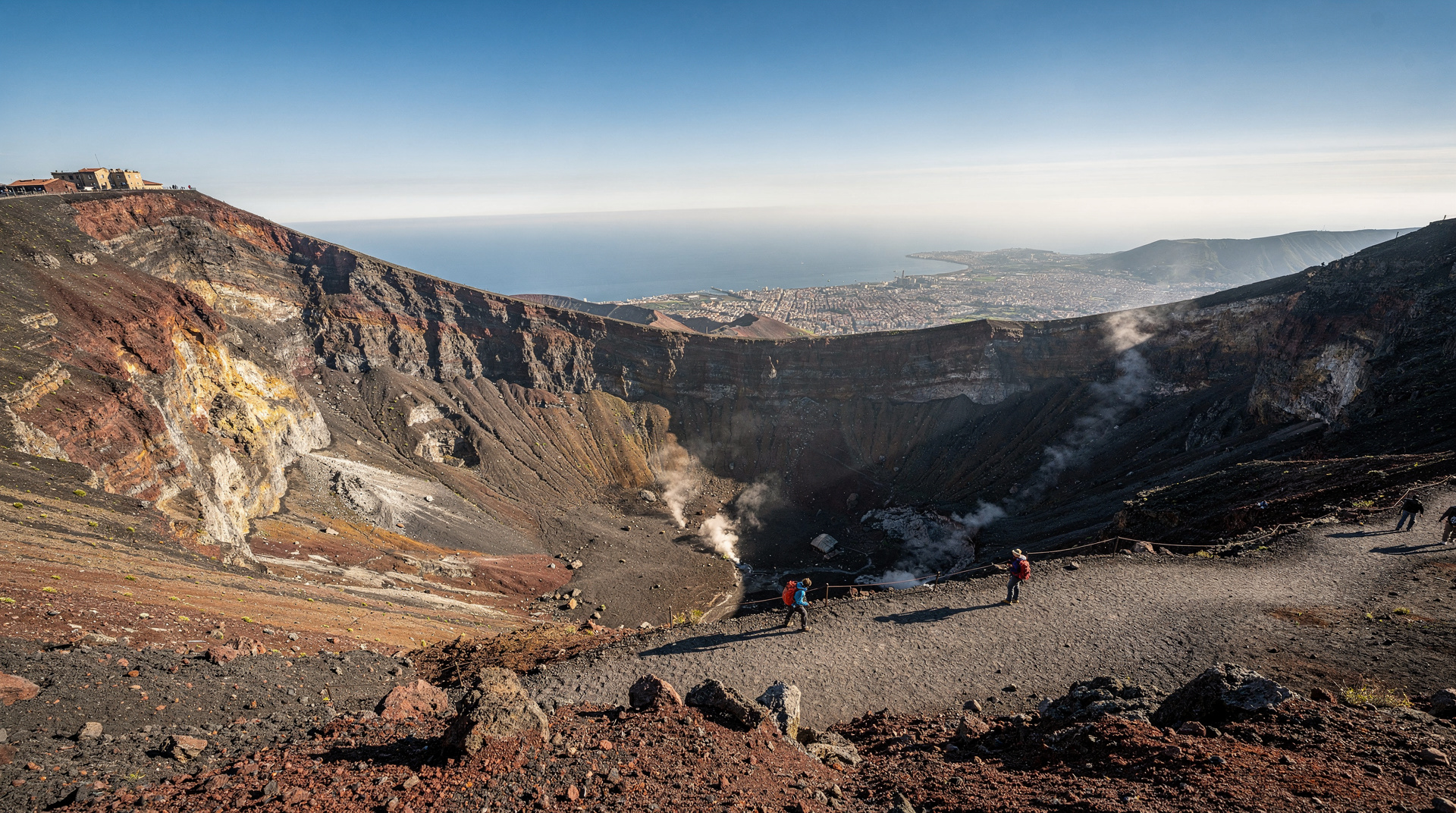
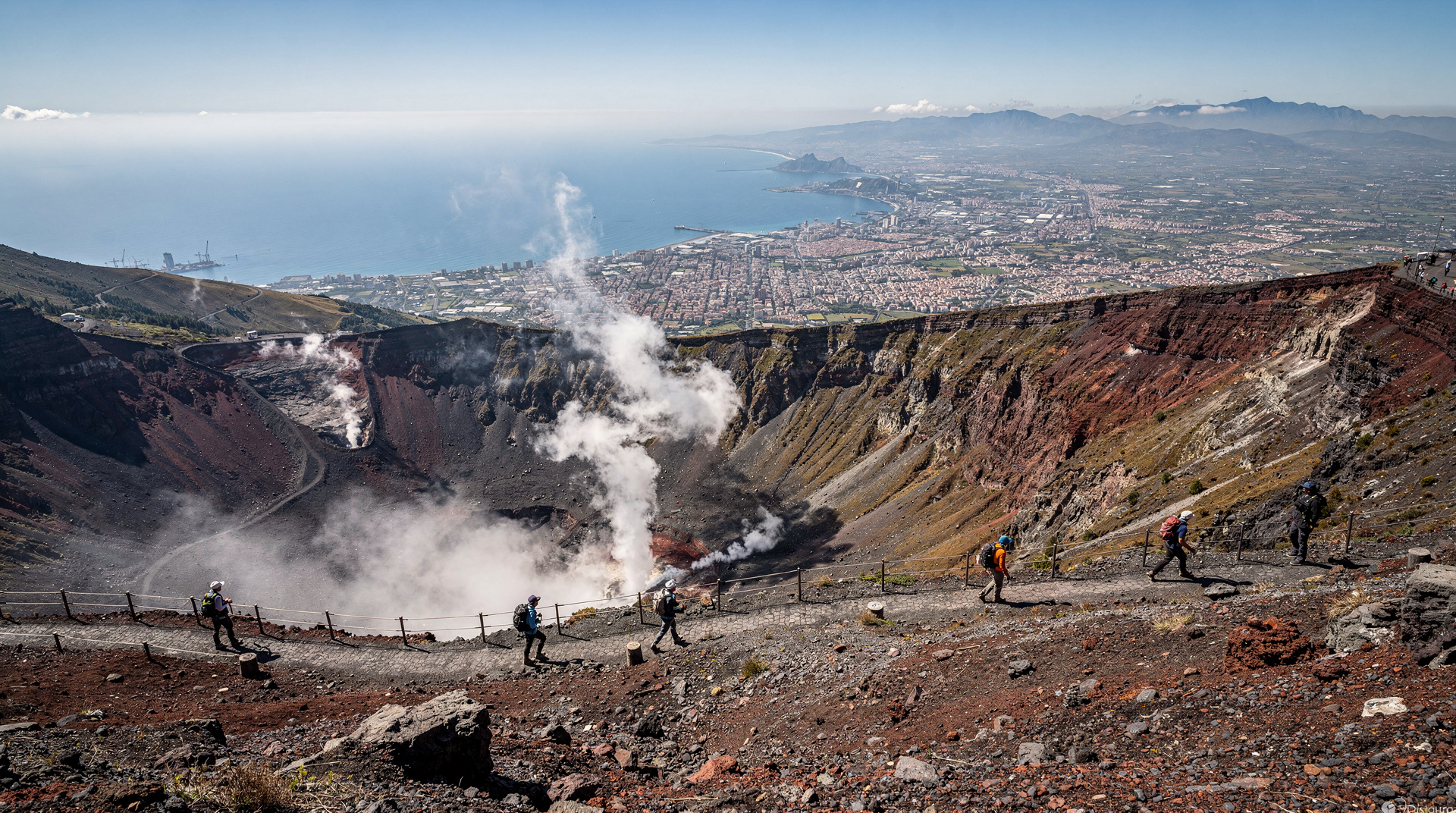
The most efficient and enjoyable way to experience Lacryma Christi is a guided tour that combines the Vesuvius crater hike with a lunch at a vineyard on the slopes below. The logic is sound — you climb in the morning when the crater is least crowded, descend through the vineyards you have been looking at from the rim, and arrive at a winery for lunch with the wines.
Vesuvius hike with vineyard wine lunch Wine and lunch at Vesuvius vineyard — full experienceThe combo tours that include Pompeii in the morning and a vineyard lunch at the volcano in the afternoon cover a lot of ground but are logistically straightforward:
Pompeii and Vesuvius with vineyard wine tastingFor the hiking logistics alone — tickets, opening hours, what to wear, and how the crater path works — see the Mount Vesuvius guide. If you’d rather sequence the wine visit with the archaeological sites instead of the hike, Pompeii and Vesuvius same day covers that itinerary logic, and Vesuvius tickets explained breaks down the various ticket combinations.
Buying Lacryma Christi in Naples
In central Naples, the best places to find quality Lacryma Christi are specialist wine shops (enotece) rather than tourist-area shops. Look for enotece in the Chiaia and Vomero neighbourhoods. Supermarkets carry the major brands (Cantine del Vesuvio) at €8–12; the smaller producers are not typically in supermarkets.
The Pignasecca market occasionally has wine vendors with local Campanian bottles at market prices. See the Naples food markets guide.
For a restaurant glass of Lacryma Christi in Naples, a trattoria in the centro storico will typically have it on the house wine list at €4–6 per glass or €18–28 per bottle.
For a broader tour of Campania’s wine region beyond the Vesuvius slopes — Taurasi, Fiano di Avellino, Greco di Tufo — see the Campania wine guide and the dedicated wine tasting near Naples roundup of tours and cellar visits within reach of the city.
Comparing Lacryma Christi with other volcanic wines
The “volcanic wine” category has become a recognised niche in the wine world. The key comparison points:
Santorini Assyrtiko (Greece): volcanic, highly mineral, white wine. More structured and higher acidity than Lacryma Christi Bianco. More widely exported and more expensive.
Etna Bianco (Sicily): volcanic, Carricante grape, mineral. More elegant and complex than Lacryma Christi at the premium end.
Etna Rosso (Sicily, Nerello Mascalese): light-to-medium bodied volcanic red — the closest structural comparison to Piedirosso. Etna Rosso at the same price point often outperforms Lacryma Christi Rosso in complexity.
Lacryma Christi occupies a specific niche: it is genuinely distinctive, historically important, and only available in its original context. It is not the best wine in Campania by most critical measures (that title belongs to Taurasi, made from Aglianico). But for a wine that pairs with the volcanic landscape you are looking at, it has no equivalent.
What to pair Lacryma Christi with
| Style | Best pairing | Avoid |
|---|---|---|
| Bianco | Fried seafood, spaghetti alle vongole, grilled fish | Very rich cream sauces |
| Rosso | Pizza with rich toppings, ragù, braised meats | Very heavy game or aged cheeses |
| Rosato | Antipasti, light lunches, aperitivo | Formal, heavy multi-course dinners |
| Frizzante | Aperitivo, light starters | Long-aged mains |
If you plan to do a food-and-wine day around Naples more broadly rather than focused only on Vesuvius, the Naples pizza guide is a useful companion for matching a rosso to your pizza order.
Frequently asked questions about Lacryma Christi wine
What does Lacryma Christi taste like?
White: floral, slightly mineral, fresh, dry, moderate body. Red: light to medium, red fruit (cherry, strawberry), volcanic earth, moderate tannins. Rosé: fresh, light. All have a characteristic mineral-saline quality from the volcanic soil.
Is Lacryma Christi expensive?
No — €8–18 at a vineyard or wine shop; €18–32 in Naples restaurants.
What is the Vesuvio DOC?
The DOC covers wines from approximately 600 hectares on Vesuvius slopes. Lacryma Christi is a stricter subset with higher standards.
Who are the best producers?
Cantine Olivella (critical favourite), Cantine del Vesuvio (most accessible), Bosco de Medici/Federico Graziani (most acclaimed modern interpretation).
Can I visit a Vesuvius vineyard?
Yes — several producers accept visitors; guided tour programmes combining crater hike and vineyard lunch are available.
What is the mythological origin of the name?
Christ wept over Lucifer’s theft of a piece of paradise (the Bay of Naples). His tears fertilised the volcanic earth. The origin story is post-medieval but now deeply embedded in Neapolitan culture.
What is Piedirosso?
The main red wine grape for Lacryma Christi. Light to medium body, red fruit, earthy volcanic notes. Ancient Campanian variety documented by Roman writers.
Frequently asked questions about Lacryma Christi — wine from the slopes of Vesuvius
What does Lacryma Christi taste like?
Is Lacryma Christi expensive?
What is the Vesuvio DOC?
What are the best Lacryma Christi producers?
Can I visit a vineyard on the slopes of Vesuvius?
What is the mythological origin of the name?
How does the volcanic soil affect the wine?
What is the difference between Piedirosso and Aglianico?
Can I combine a Lacryma Christi tasting with the Vesuvius crater hike in one morning?
Does Lacryma Christi pair well with pizza?
Top experiences
Bookable activities with verified prices and instant confirmation on GetYourGuide.