Wine tasting near Naples
Vesuvius: Vineyard Tour, Wine Tasting & Traditional BBQ
Where can I go wine tasting near Naples?
The most accessible wine tasting from Naples is on the slopes of Mount Vesuvius — 30–40 minutes from the city centre. The Lacryma Christi DOC produces distinctive white and red wines from volcanic soil. For a broader Campanian wine experience, Sorrento and the Sorrento peninsula offer small-producer tastings with limoncello and local wines, easily combined with a day trip.
A wine region that nobody exports
Campania makes more wine than any other southern Italian region. Almost none of it is exported. This is not because the wines are poor — several Campanian wines, notably Taurasi (made from Aglianico) and the best Greco di Tufo, rank among the most serious red and white wines in Italy. The issue is history, distribution infrastructure, and the Campanian wine culture’s orientation toward local consumption rather than international markets.
For the visitor, this creates an unusual situation: wines that are genuinely distinguished and interesting, available at local prices in their production zones, that cannot be found at home. The case for doing wine tasting near Naples is made partly by quality and partly by the fact that you cannot replicate this experience elsewhere.
| Where | Vesuvius slopes, Sorrento peninsula, Campi Flegrei, or Ischia |
| Cost | Around €25–65/person for a guided tasting with food |
| Time needed | Half a day for a vineyard lunch, less for a self-guided tasting |
| Getting there | Circumvesuviana (Vesuvius/Sorrento) or Metro Line 2 (Campi Flegrei) |
| Best time | September–October for harvest, but tastings run year-round |
The volcanic wine zones: Vesuvius
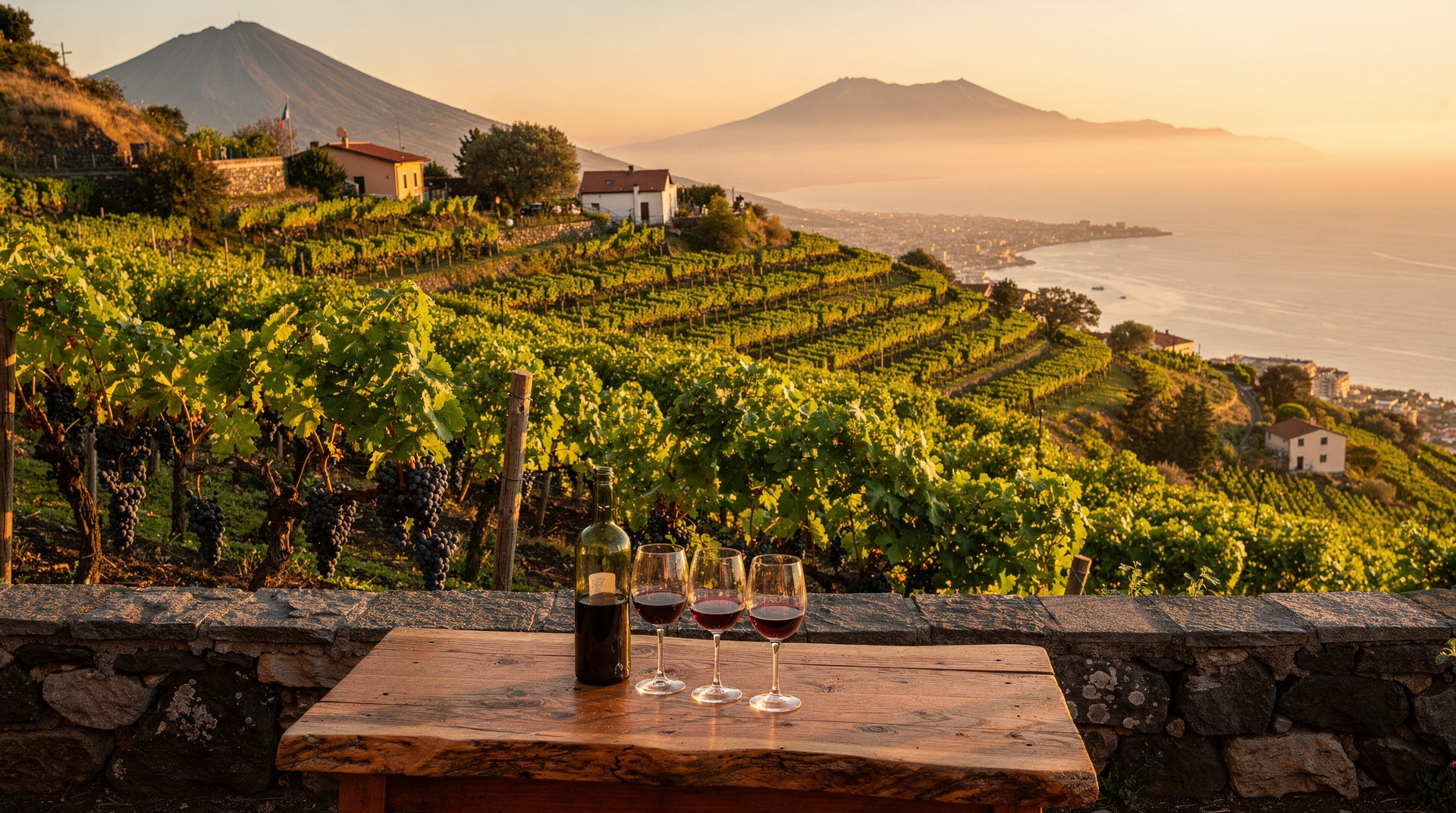
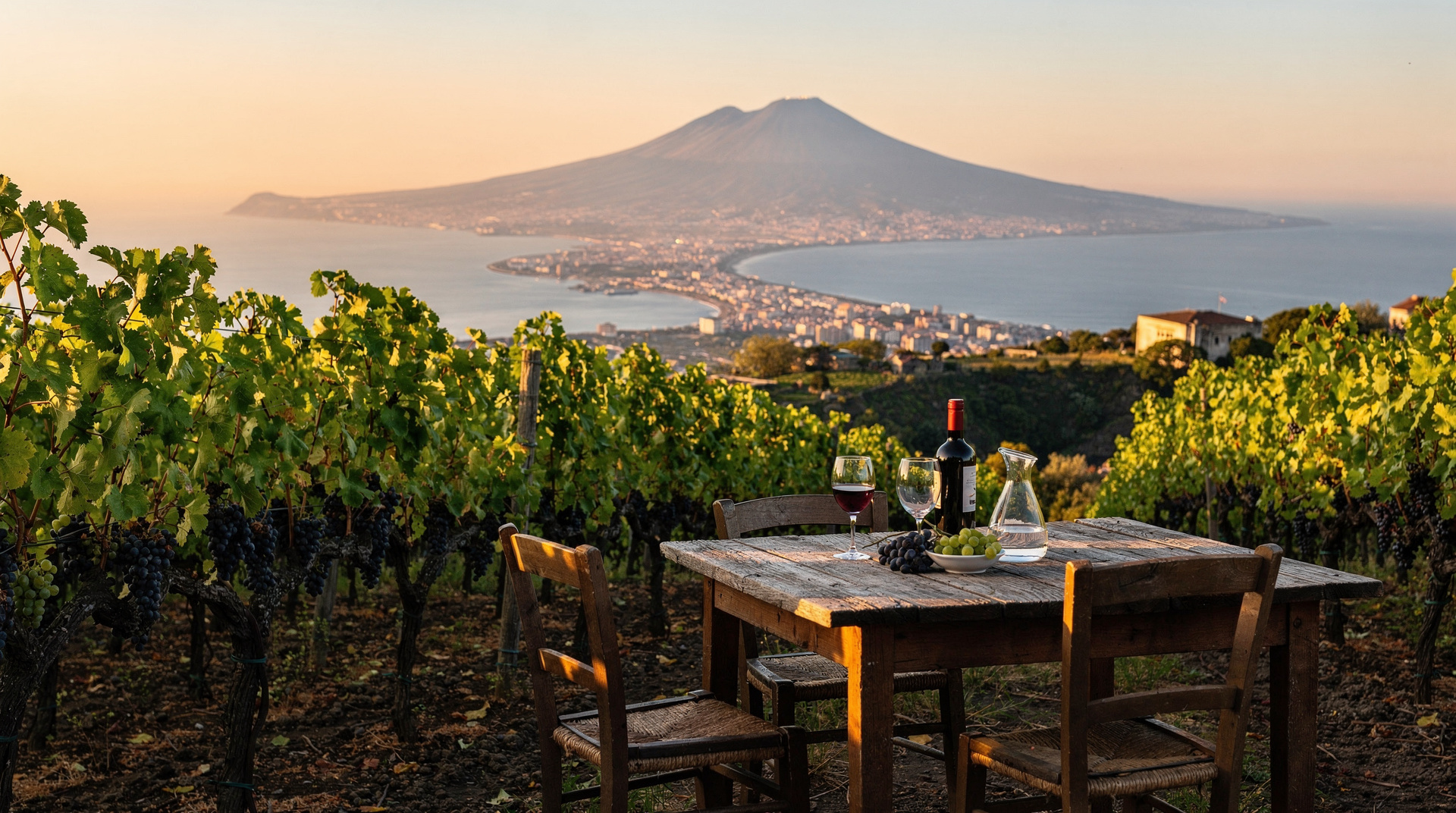
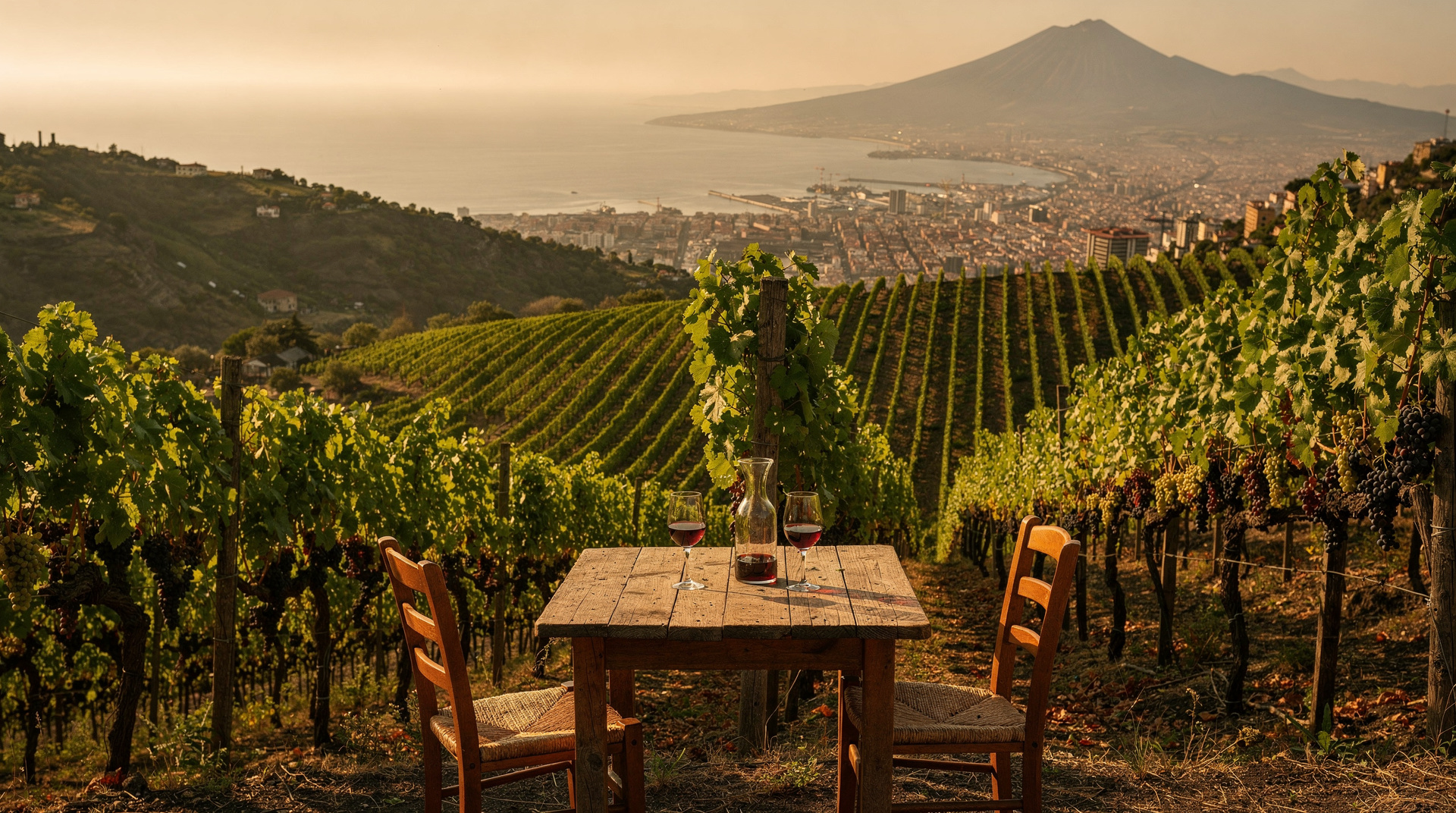
The vineyards on the slopes of Mount Vesuvius are the most dramatic wine destination near Naples — aesthetically, historically, and in terms of the specific character they produce.
The Vesuvio DOC covers approximately 600 hectares of vineyard on the volcano’s slopes, in municipalities including Ercolano, Torre del Greco, Terzigno, Trecase, and parts of Pompei. The full guide to Lacryma Christi (the flagship wine of the zone) is at Lacryma Christi Vesuvius wine.
The key wines:
- Lacryma Christi Bianco (white): Coda di Volpe + Falanghina, dry, mineral, floral
- Lacryma Christi Rosso (red): Piedirosso, light to medium body, red fruit, volcanic earth
- Lacryma Christi Rosato (rosé): fresh, approachable
Visiting the Vesuvius vineyards:
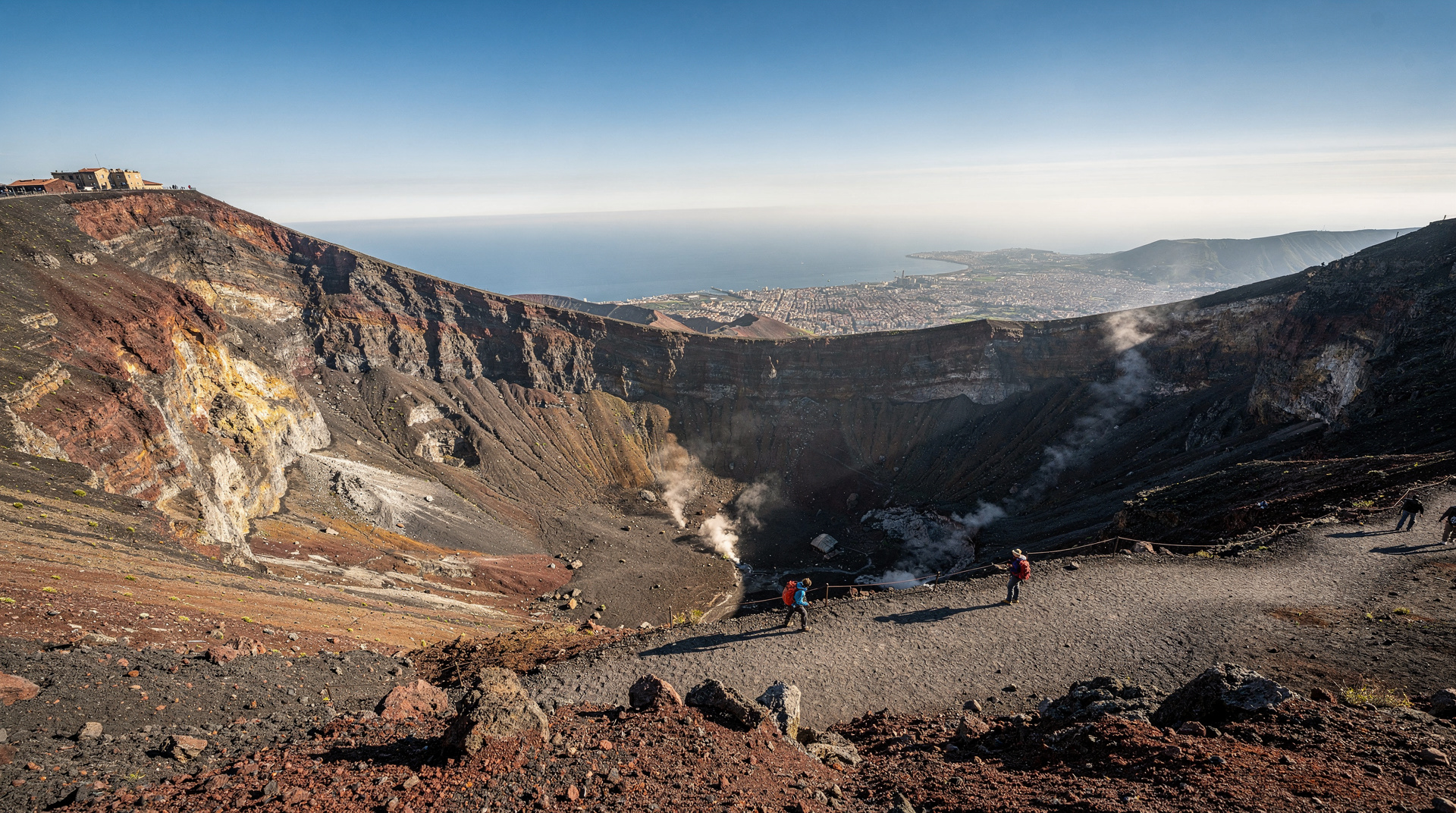
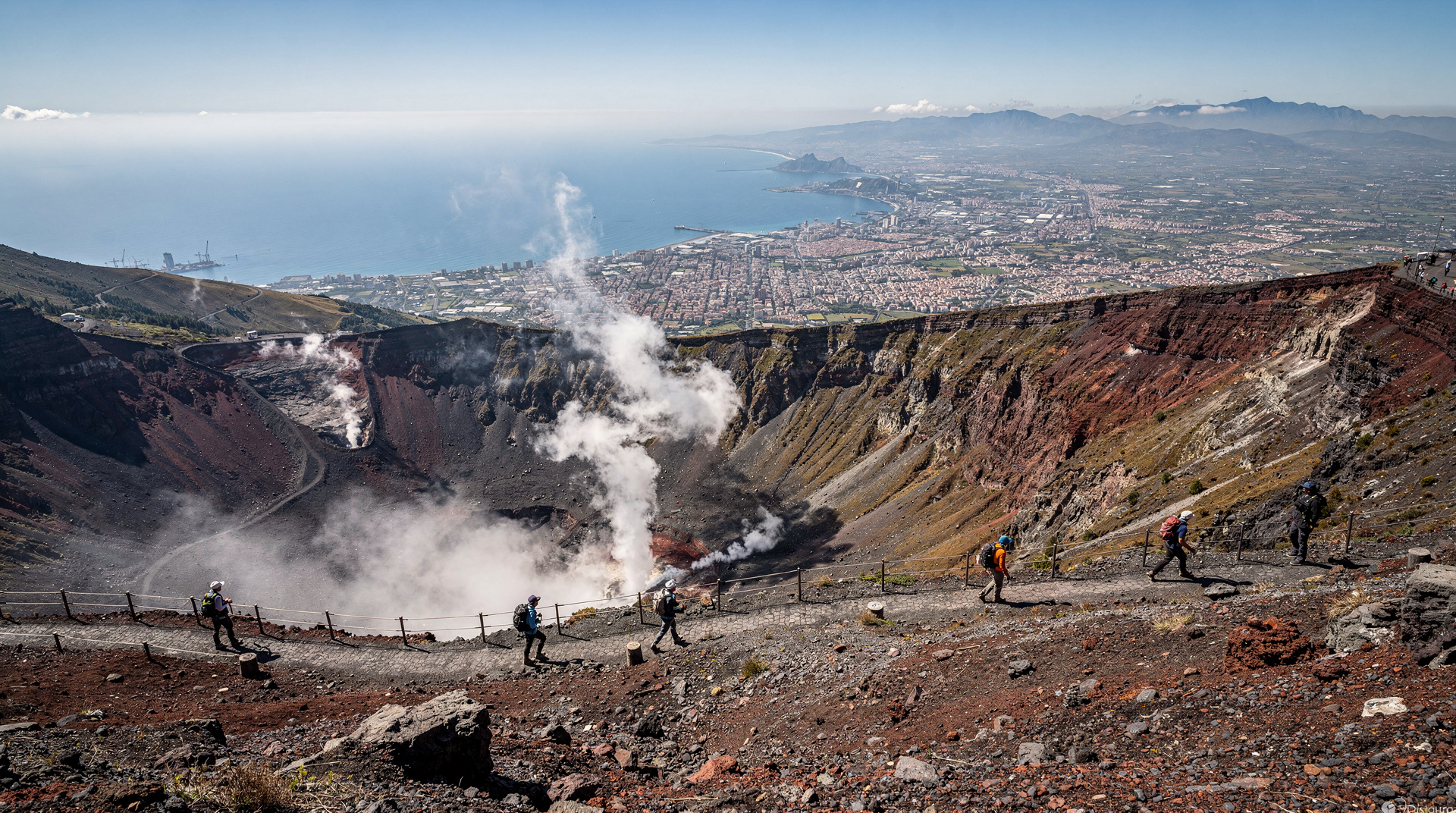
The most rewarding format combines the Vesuvius crater hike with a vineyard lunch on the slopes below. You hike in the morning (crater trail from the Ercolano car park), descend through the vine terraces with views over the Bay of Naples, and arrive at a producer for a multi-course lunch with wines.
Vesuvius vineyard BBQ — volcanic slope wine and food experience Vesuvius vineyard lunch with Lacryma Christi winesGetting there independently:
- Circumvesuviana from Napoli Centrale to Ercolano Scavi: €2.60, approximately 15 minutes
- From Ercolano, taxi or arranged transport to the vineyard (most producers can arrange collection from the station)
- Alternatively, the Vesuvius bus from Ercolano Scavi (EAV, approximately €3, every 40 minutes) passes through the vine zone on the way up
Sorrento and the peninsula: limoncello and local wines
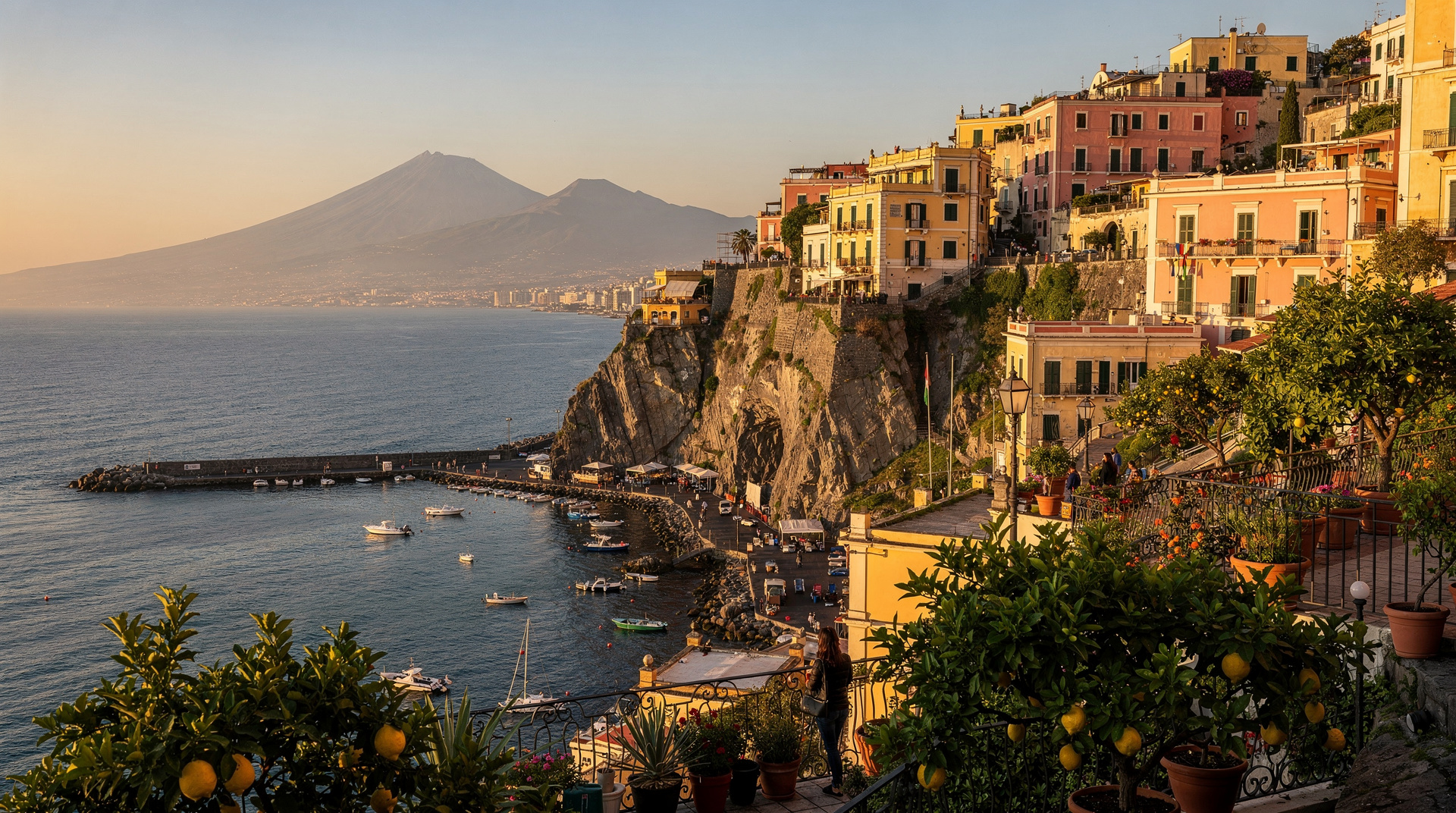
The Sorrento peninsula (accessible by Circumvesuviana to Sorrento, approximately 1 hour from Naples) has a distinct wine and spirits culture centred on the Femminello sfusato lemon.
Limoncello: the Sorrento peninsula and Amalfi coast produce limoncello from the Femminello sfusato lemon (IGP), which has an exceptionally aromatic peel. The commercial limoncello found throughout Italy bears little resemblance to the small-producer version from Sorrento — the colour is deeper, the lemon aroma is more natural and less synthetic, and the finish is cleaner.
Several small producers in Sorrento (Via San Cesareo has a concentration of limoncello shops) offer tastings without booking. The further from the main tourist promenade, the more genuine the product and the lower the price. A 500ml bottle from a serious producer costs €12–20; tourist-facing shops charge €20–35 for identical or inferior products.
Penisola Sorrentina DOC: the peninsula also produces still wine under the Penisola Sorrentina DOC — white wines from Falanghina, Greco, and indigenous varieties; red wines from Piedirosso. Quality is variable but the best examples (from producers in Massa Lubrense and Sant’Agata sui Due Golfi) are worth seeking.
Sorrento winery and wine tastings:
Sorrento historic winery — wine tasting with local guide Sorrento garden wine tasting — 4 local winesFor context on visiting Sorrento itself, see the Sorrento guide.
Campi Flegrei: the specialist option
The Campi Flegrei (Phlegraean Fields) is the volcanic zone west of Naples — an area of geothermal activity, ancient Roman harbours, and a DOC wine zone that produces what some specialists consider the most interesting Campanian whites.
Falanghina dei Campi Flegrei grows on volcanic tuff soils adjacent to the sea. The combination of volcanic minerals and sea-influenced climate produces a Falanghina with more saline, briny character than the inland versions from Sannio or Benevento. The zone is small and the wines are largely unknown outside Campania — prices reflect this (€8–14 per bottle).
Getting there: Pozzuoli is accessible by metro from Naples (Line 2, approximately 20 minutes). Several enotece in Pozzuoli and Bacoli stock local Campi Flegrei wines. The Campi Flegrei day trip guide covers the area in full.
Ischia DOC
The island of Ischia produces wine under its own DOC — primarily whites from indigenous varieties (Forastera, Biancolella) and reds from Piedirosso. The volcanic island soil produces wines with the characteristic mineral quality of the Campanian volcanic zone.
Ischia wine is best tasted on the island itself — several small producers offer tastings in their cellars. The Ischia day trip guide covers the island in full.
Organised wine tasting programmes
For visitors who want a structured introduction to Campanian wine without navigating the transport independently:
The Vesuvius vineyard lunch programmes are the most logistically straightforward — transport from Naples is typically included, the winery visit is guided, and the lunch with multiple wines is a complete experience.
The Sorrento wine experiences are better suited to visitors who have a day trip to the Sorrento peninsula planned and want to add wine tasting to that itinerary rather than making it a standalone trip.
Wine tourism vs wine buying
For drinking on site: vineyard lunch programmes at Vesuvius (€35–55 per person) or Sorrento wine tastings (€25–45) offer the best combination of wine and food.
For buying bottles to take home: the best-value point for quality Campanian wine is the Enoteca Dante area shops in central Naples (near Piazza Dante), where serious Campanian wines from all zones are available at realistic prices. A bottle of Taurasi Riserva (the most serious Campanian wine) costs €18–35 at a good enoteca.
Airport: Naples Capodichino airport has a small selection of Campanian wine in the departure lounge. Quality is limited and prices are higher than city enotece, but manageable for carrying a bottle home.
Budget summary
| Experience | Price per person |
|---|---|
| Vesuvius vineyard lunch with wine | €35–55 |
| Vesuvius BBQ and wine experience | €45–65 |
| Sorrento winery tasting | €25–45 |
| Self-guided enoteca tasting (Naples) | €5–15 for glass/tasting flight |
| Bottle of Lacryma Christi (vineyard) | €8–18 |
| Bottle of Taurasi (enoteca) | €18–35 |
See the Campania wine guide for the full regional overview.
Choosing between the four zones
With four distinct wine zones within day-trip range, it helps to think about what you actually want from the visit rather than trying to cover all of them. Vesuvius offers the most complete package — dramatic scenery, an active hike, and lunch with wine all in one outing — and is the right choice if you want a single memorable half-day rather than a deep wine education. Sorrento suits travellers who already have a peninsula day trip planned and want to fold in a winery or limoncello stop without a dedicated excursion.
Campi Flegrei rewards genuine wine enthusiasts prepared to seek out small enotece rather than a packaged tasting experience — the Campi Flegrei day trip guide covers pairing the wine with the area’s Roman ruins. Ischia is the outlier: worth it only if wine tasting is a bonus to an island day rather than the main reason for going, since a dedicated ferry crossing purely for wine is hard to justify against the other three options.
For a broader sense of Campanian reds beyond the volcanic whites covered here, the Falanghina and Aglianico guide goes further inland to Sannio and Irpinia, useful context if a Naples enoteca tasting sparks interest in exploring further afield on a return trip.
Combining wine with other day trips
Wine tasting rarely needs to be a standalone excursion. The Vesuvius vineyard lunch pairs naturally with the crater hike, as covered above, and Sorrento wine tastings slot easily into a peninsula day that might otherwise focus on limoncello shopping or a Path of the Gods walk. If you’re planning your day-trip calendar more broadly, the best day trips from Naples guide helps sequence wine stops against archaeological sites and coastal excursions so you’re not trying to fit too much into one day — a vineyard lunch followed immediately by an afternoon of serious walking is a combination best avoided.
Frequently asked questions about wine tasting near Naples
How far are the vineyards from Naples?
Vesuvius vineyards: 25–40 minutes. Sorrento: 1–1.5 hours. Campi Flegrei: 20–30 minutes. All achievable as half-day excursions.
What wines are produced near Naples?
Vesuvio DOC (Lacryma Christi), Campi Flegrei DOC (Falanghina, Piedirosso), Penisola Sorrentina DOC, Ischia DOC. All volcanic-influenced, all primarily consumed locally.
What is the best format for wine tasting at Vesuvius?
Vineyard lunch programme combining morning crater hike with afternoon lunch and wine at a vineyard on the slopes. Cost €35–55 per person.
Is limoncello from Sorrento worth visiting for?
Yes — small-producer limoncello from Sorrento Femminello sfusato lemons is genuinely different from commercial versions. Via San Cesareo in Sorrento town has the highest density of producers.
Can I do self-guided wine tasting?
Yes — Cantine del Vesuvio and Cantine Olivella accept visitors at their tasting rooms. Sorrento’s Via San Cesareo has shops with limoncello tastings. Naples enotece sell Campanian wine by the glass.
What wines pair best with Neapolitan food?
Lacryma Christi Bianco with fried seafood and pasta alle vongole. Falanghina with pizza and lighter pasta. Piedirosso with ragù and braised meats.
Frequently asked questions about Wine tasting near Naples
How far are the vineyards from Naples?
What wines are produced near Naples?
What is the best tour for wine tasting at Vesuvius?
Is limoncello from Sorrento worth visiting specifically for?
Can I do a self-guided wine tasting without a tour?
What is the Campi Flegrei wine zone?
Is there a dedicated wine route (Strada del Vino) near Naples?
What wines pair best with Neapolitan food?
Top experiences
Bookable activities with verified prices and instant confirmation on GetYourGuide.