Campania wine guide
From Naples: Wine Tasting Tour on Vesuvius Slopes with Lunch
Duration: 4h
What are the best wines from Campania?
Campania's top wines — Taurasi DOCG (powerful Aglianico red, Italy's "Barolo of the South"), Greco di Tufo DOCG (mineral white from volcanic soil), Fiano di Avellino DOCG (complex aromatic white, ages well), Falanghina del Sannio (fresh, floral, widely planted), and Lacryma Christi del Vesuvio (volcanic white and red from Mount Vesuvius slopes). Most are rarely exported and best tasted in the region.
| Top red | Taurasi DOCG (Aglianico), around €20–50 |
| Top whites | Greco di Tufo and Fiano di Avellino DOCG, around €12–28 |
| Everyday white | Falanghina, around €8–14 |
| Most accessible tasting from Naples | Vesuvius vineyards, 25–40 min |
| Best enotece in Naples | Chiaia and Vomero neighbourhoods |
The most underrated wine region in Italy
Campania has four DOCG (the highest Italian wine quality designation) and over 30 DOC zones. It produces wines that rival the best in Tuscany and Piedmont at a fraction of the price. Almost none of it leaves the region. The explanation is partly distribution infrastructure, partly historic international ignorance of southern Italian wine, and partly a Campanian cultural preference for drinking locally.
The consequence for the visitor is that Campania is one of the few Italian wine regions where you can still discover genuinely excellent wine without competing against international buyers who have already driven prices up. Taurasi Riserva at €40–50 per bottle would be €120–200 if it were Barolo.
This guide covers the major wine zones accessible from Naples, the grape varieties and what they taste like, and how to experience them in context.
The DOCGs: Campania’s top tier
Taurasi DOCG — the flagship red
Zone: Irpinia hills, approximately 50 km east of Naples
Grape: 100% Aglianico
Character: dark fruit (black cherry, plum, blackberry), pronounced tannins, high acidity, earthy volcanic notes, significant ageing potential
Ageing requirement: minimum 3 years (1 in oak); Riserva minimum 4 years
Price range: €20–50 (Riserva €40–80)
Taurasi is called the Barolo of the South because Aglianico and Nebbiolo share similar structural characteristics — both produce powerful, tannic wines that need time to open up and that can age for decades. A young Taurasi (2–4 years old) is typically austere and grippy; at 8–10 years it has developed complexity and the tannins have integrated. The Riserva versions from good years and top producers are world-class wine by any standard.
Key producers: Mastroberardino (the historic house; their Radici is the reference Taurasi), Feudi di San Gregorio (largest quality producer; excellent Riserva), Cantina del Taburno (outstanding value), Donnachiara (quality modern winemaking), Caggiano (boutique quality).
Not easily accessible from Naples without a car, but worth the effort for serious wine visitors.
Greco di Tufo DOCG — the premier mineral white
Zone: Tufo and Montefusco, Avellino province
Grape: Greco (Greco Bianco) minimum 85%, with some Coda di Volpe permitted
Character: citrus (lemon, grapefruit), mineral/saline, volcanic notes from the tufo soil, dry, medium-bodied, some complexity with age
Ageing: best within 3–5 years; premium examples age 7–10 years
Price range: €12–22
The Greco grape has been grown in Campania since before Roman times — the name is believed to refer to its Greek origin, introduced by Greek colonists before the 5th century BC. The tufo (soft volcanic rock) soil of the Tufo municipality in Avellino province produces the most distinctive expression — mineral, saline, with a characteristic bitter almond finish.
Greco di Tufo pairs excellently with the seafood of the Naples coast — the mineral character amplifies the flavours of fresh fish and shellfish.
Key producers: Mastroberardino (Novaserra), Feudi di San Gregorio, Benito Ferrara (single-vineyard versions), Di Meo.
Fiano di Avellino DOCG — the aromatic white
Zone: Around Avellino, on limestone-clay slopes
Grape: Fiano minimum 85%
Character: white flowers, hazelnuts, white peach, honey (with age), rounded texture, excellent acidity, ages remarkably well
Ageing: best at 3–8 years; exceptional vintages from top producers age 15+ years
Price range: €15–28
Fiano di Avellino is often considered the most complex and age-worthy white wine in southern Italy. Young versions are floral and fruity; with 5+ years, the wine develops honeyed, nutty, and mineral complexity that has been compared to aged white Burgundy. The grape has Roman documentation — Pliny the Elder described it as apianum (bee-wine, because bees were attracted to the ripe berries).
Key producers: Mastroberardino (Radici Fiano), Feudi di San Gregorio (Pietracalda — one of the finest expressions), Colli di Lapio (Carmen), Cantine Lonardo.
Aglianico del Taburno DOCG — the second great red
Zone: Taburno Camposauro mountain area, Benevento province
Grape: Aglianico
Character: similar to Taurasi but typically lighter and earlier-drinking; red and dark fruit, earthy, moderate tannins
Price range: €12–25
Less famous than Taurasi but often delivering comparable quality at lower price. Worth seeking out at enotece in Naples.
The DOCs near Naples
Vesuvio DOC and Lacryma Christi
The most accessible quality wine zone from Naples — see the full Lacryma Christi guide for complete coverage. Key producers: Cantine Olivella, Cantine del Vesuvio, Bosco de Medici.
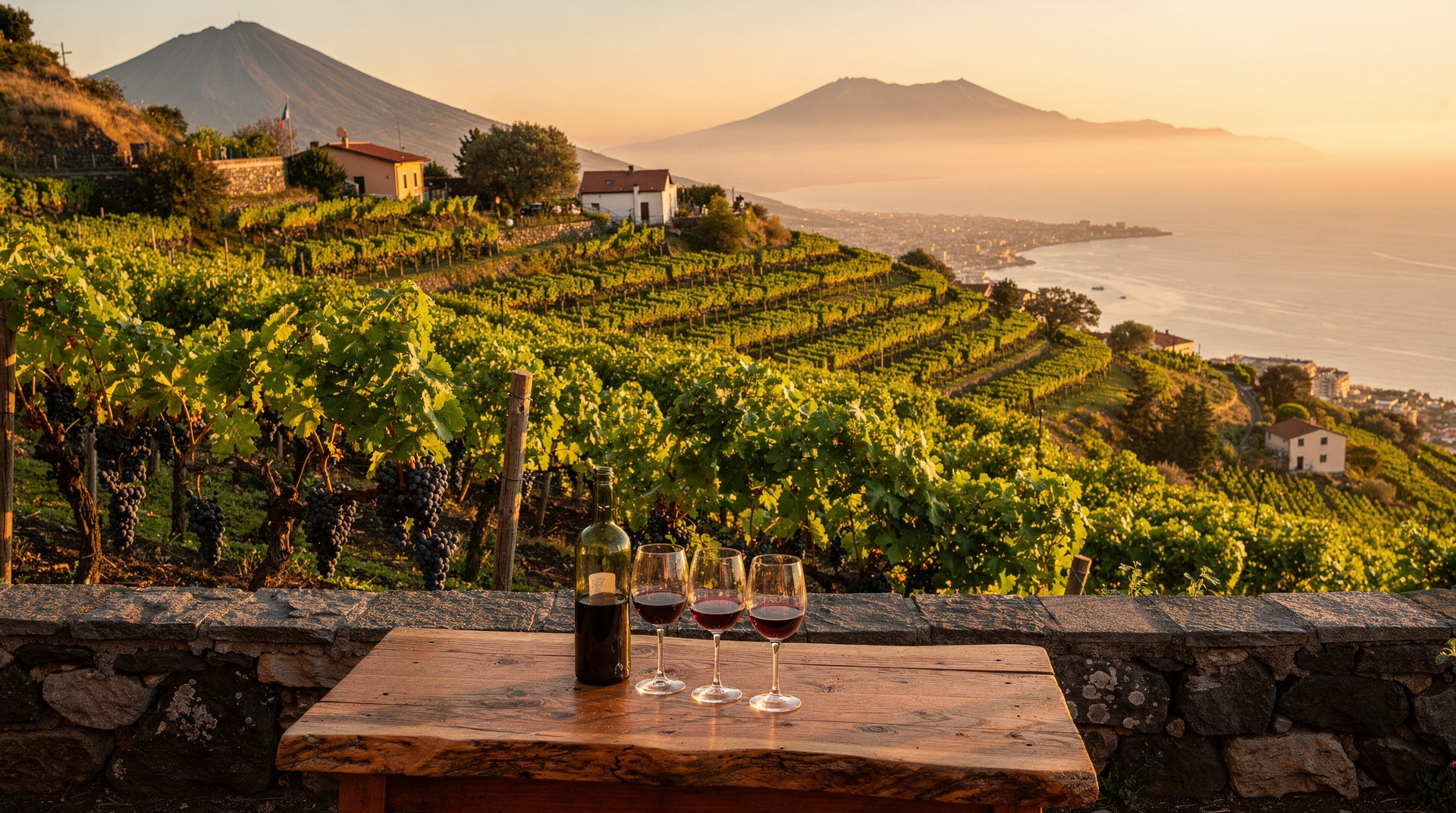
A vineyard lunch combining wine with the Mediterranean landscape of the Vesuvius slopes:
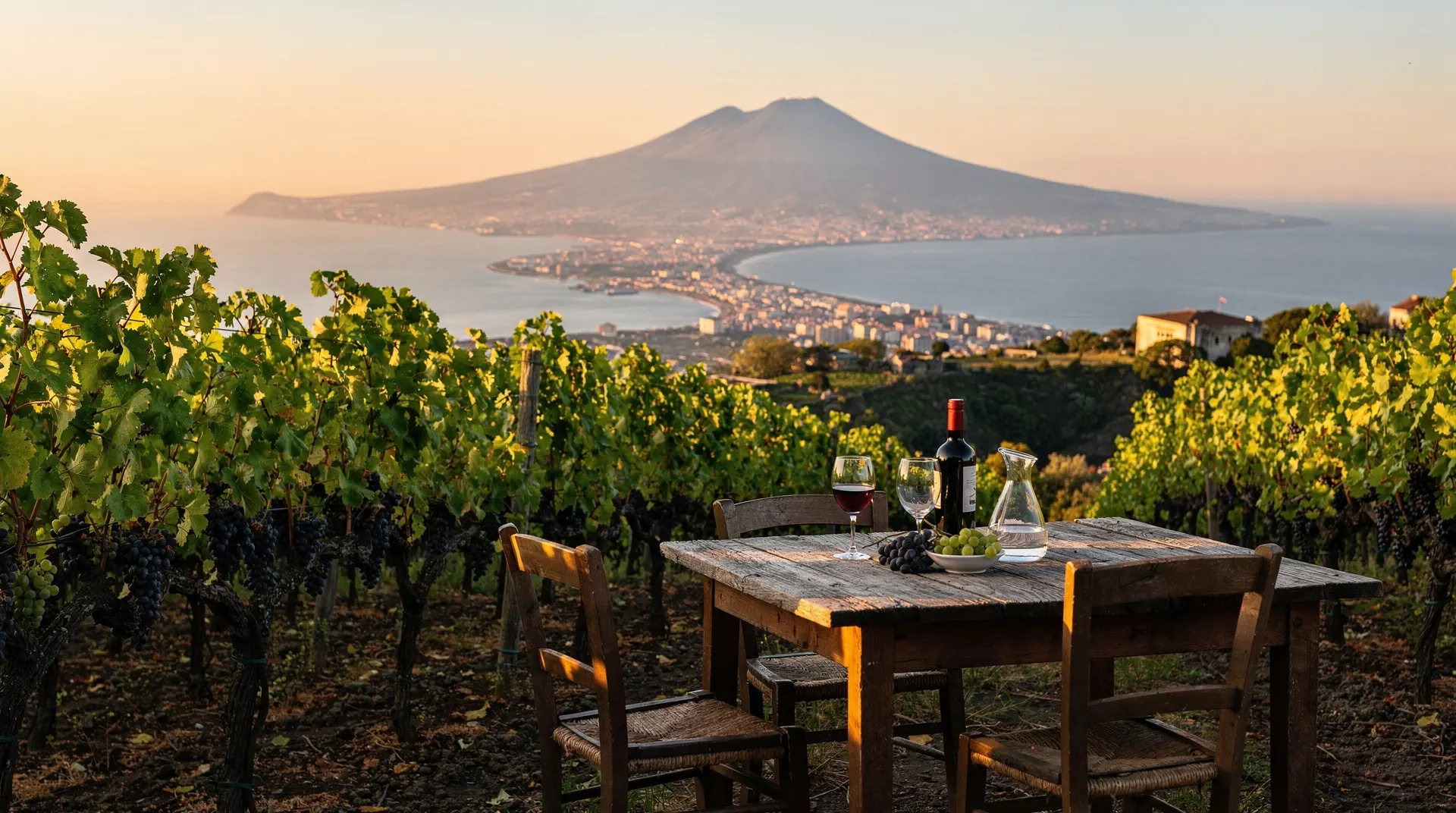
Wine and Mediterranean lunch on Vesuvius slopesCampi Flegrei DOC
The volcanic zone west of Naples — Falanghina with notable mineral and saline character from the volcanic tuff soils. Cantine Astroni (inside the Astroni nature reserve, a volcanic crater near Pozzuoli) is the most distinctive producer — their Falanghina dei Campi Flegrei consistently earns critical attention. Worth seeking at enotece; not easily visited without specific transport.
Penisola Sorrentina DOC
White wines from the Sorrento peninsula. Modest critical reputation but the best examples from producers in Massa Lubrense and Sant’Agata sui Due Golfi have the character of the volcanic and limestone soils of the peninsula. Widely available in Sorrento restaurants and wine shops.
Combined with the lemon and olive oil culture of the peninsula:
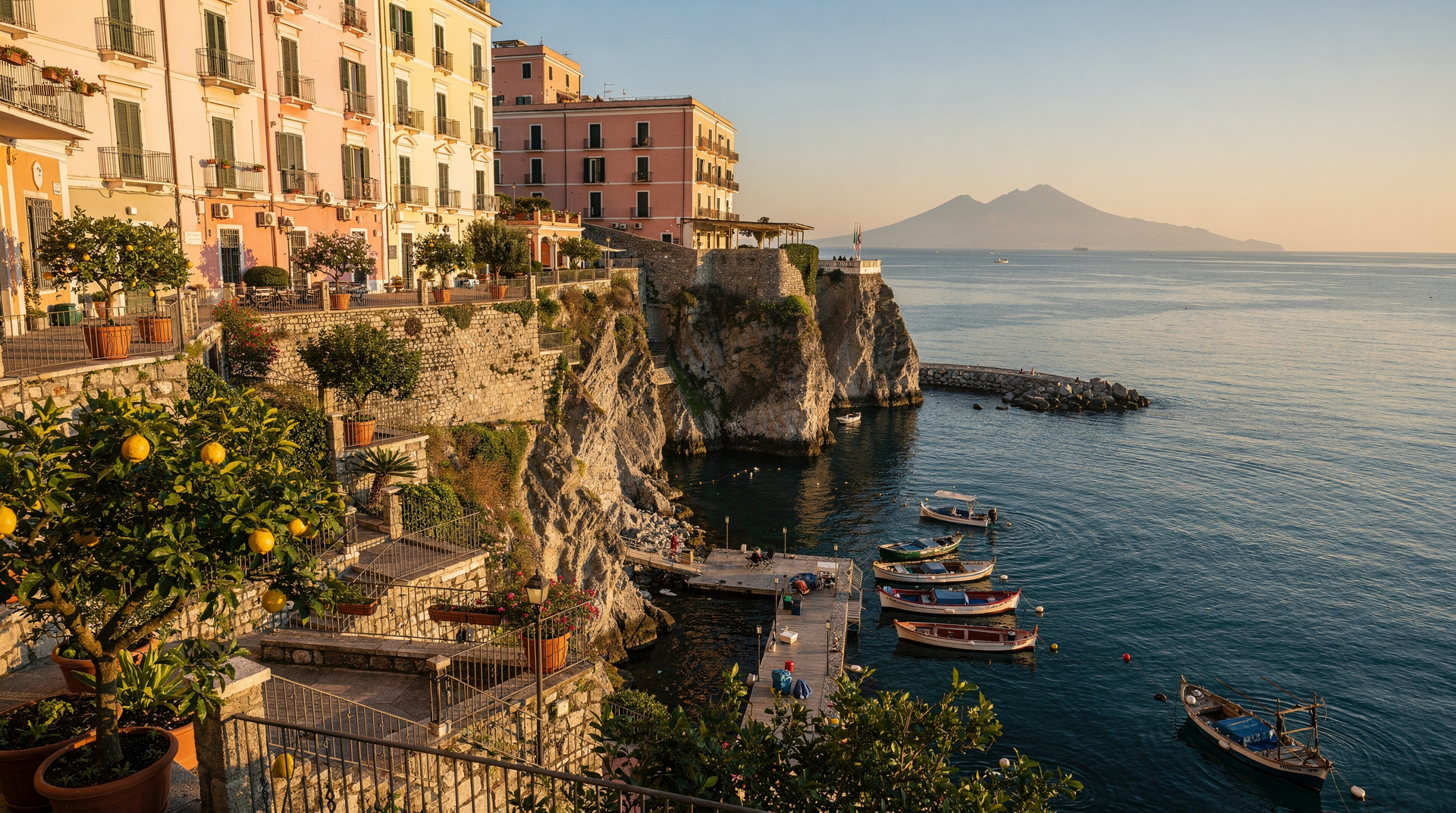
Sorrento lemon grove, olive oil, and wine lunchIschia DOC
Volcanic island wines from indigenous varieties. Forastera and Biancolella (white), Piedirosso (red). Best experienced on the island itself. See the Ischia day trip guide.
The native grape varieties
Campania has one of the richest collections of native grape varieties in Italy — most are found nowhere else. Key varieties for the visitor:
Aglianico: the great red grape. High tannin, high acidity, dark fruit, volcanic earth. The Nebbiolo of the south.
Falanghina: the versatile white. Floral, fresh, mineral depending on site. Early drinking.
Greco: the mineral white. Citrus, volcanic, saline. Best with seafood.
Fiano: the complex aromatic white. Nutty, floral, honeyed with age. Ages remarkably.
Coda di Volpe: the local volcanic white. Used primarily in Lacryma Christi Bianco blends.
Piedirosso: the light volcanic red. Red fruit, earthy, approachable. Used in Lacryma Christi Rosso and Campi Flegrei Piedirosso.
The Falanghina and Aglianico guide provides more depth on the two most widely planted varieties.
Buying Campanian wine in Naples
Best enotece in central Naples:
- Enoteca area near Piazza Dante (multiple shops, good range, knowledgeable staff)
- L’Ebbrezza di Noè (Vico Vetreria 9, Chiaia) — specialist in Campanian wine, strong Irpinia range
- Enoteca Belledonne (Via Belledonne a Chiaia, Chiaia) — high quality, broader Italian range
At producers’ tasting rooms: Cantine del Vesuvio and Cantine Olivella both have tasting rooms near Ercolano; several Sorrento limoncello and wine producers have tasting rooms on Via San Cesareo.
Supermarkets: carry the major commercial Campanian labels (Feudi di San Gregorio, Mastroberardino entry-level). Not suitable for the smaller producers but fine for taking home a bottle of recognisable Falanghina.
Airport: Naples Capodichino has a limited selection. Better to buy at a city enoteca before departure.
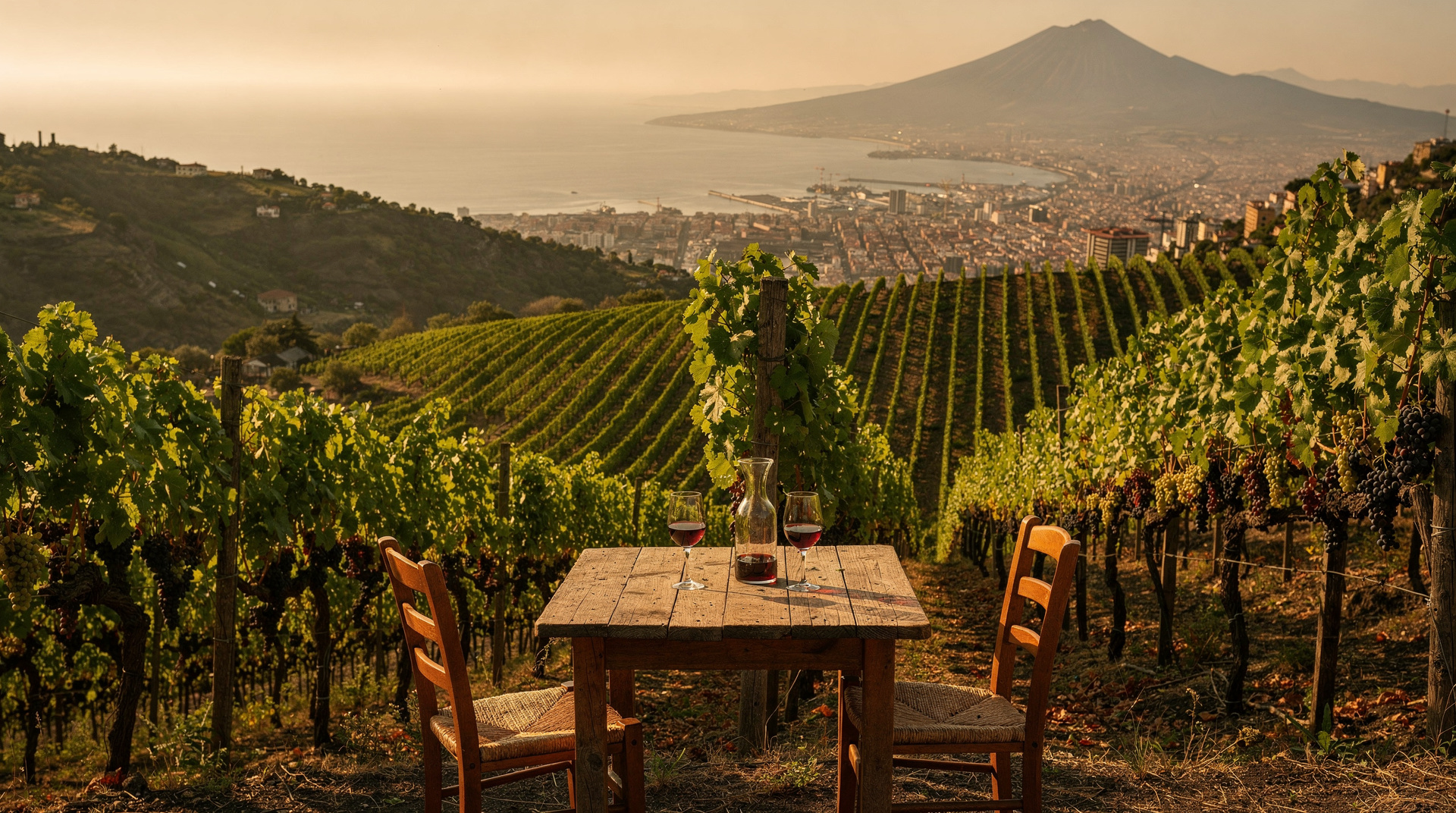
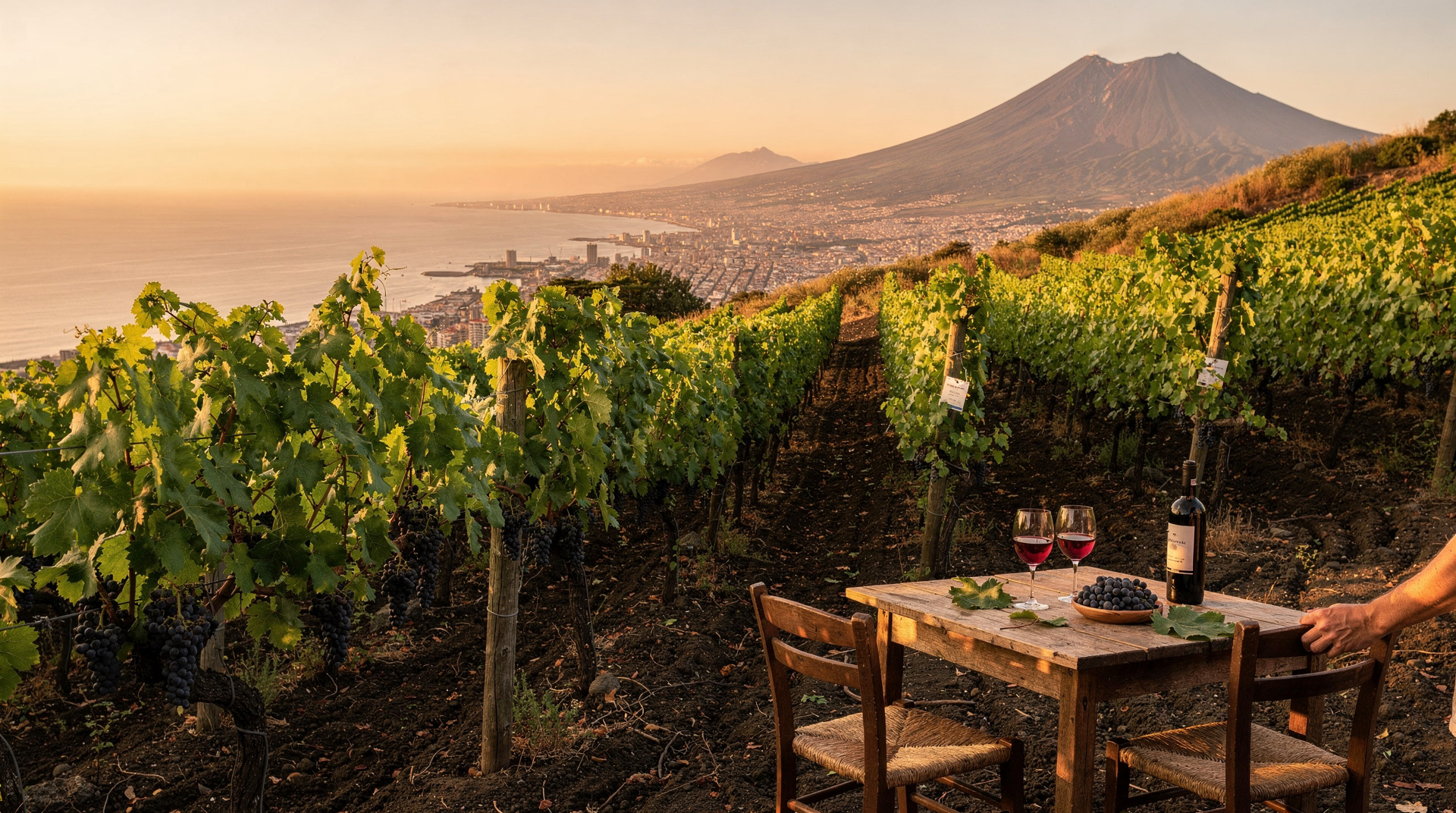
Vesuvius vineyard lunch with Lacryma Christi wine tastingMatching Campanian wine with Neapolitan food
The geography makes the pairing logic obvious: wines from the volcanic soils around the bay pair with the seafood from the bay and the tomato-based cooking of the region.
| Food | Wine |
|---|---|
| Spaghetti alle vongole | Falanghina or Greco di Tufo |
| Frittura di paranza | Lacryma Christi Bianco |
| Pizza Margherita | Falanghina del Sannio |
| Pasta al ragù | Piedirosso or light Aglianico |
| Braised meats (genovese, ragù) | Taurasi or Aglianico |
| Aged cheeses | Taurasi Riserva |
| Parmigiana di melanzane | Aglianico del Taburno |
Frequently asked questions about Campania wine
What are the best wines from Campania?
Taurasi DOCG (powerful Aglianico red), Greco di Tufo DOCG (mineral white), Fiano di Avellino DOCG (complex aromatic white), Falanghina (fresh, floral), Lacryma Christi del Vesuvio (volcanic white and red).
What is Taurasi?
Italy’s “Barolo of the South” — 100% Aglianico from Irpinia. High tannins, high acidity, dark fruit, significant ageing potential. Minimum 3 years ageing required. Price €20–50.
What is the difference between Greco di Tufo and Fiano di Avellino?
Greco di Tufo: more mineral, saline, citrus. Fiano di Avellino: more complex, aromatic, nutty with age, ages longer. Both are DOCG whites from the Avellino hills.
What is Falanghina?
The most widely planted Campanian white grape. Produces fresh, floral wines in several zones — Sannio, Campi Flegrei, Vesuvio. Generally for early drinking.
Is Campanian wine expensive?
No — dramatically underpriced versus comparable quality from Tuscany or Piedmont. Falanghina €8–14, Greco di Tufo €12–22, Taurasi Riserva €40–80.
Where can I buy Campanian wine in Naples?
Enotece in Chiaia and Vomero for the best range; near Piazza Dante for several specialist shops. Producers’ tasting rooms in Ercolano and Sorrento. Supermarkets for major commercial labels.
Planning a wine day trip from Naples
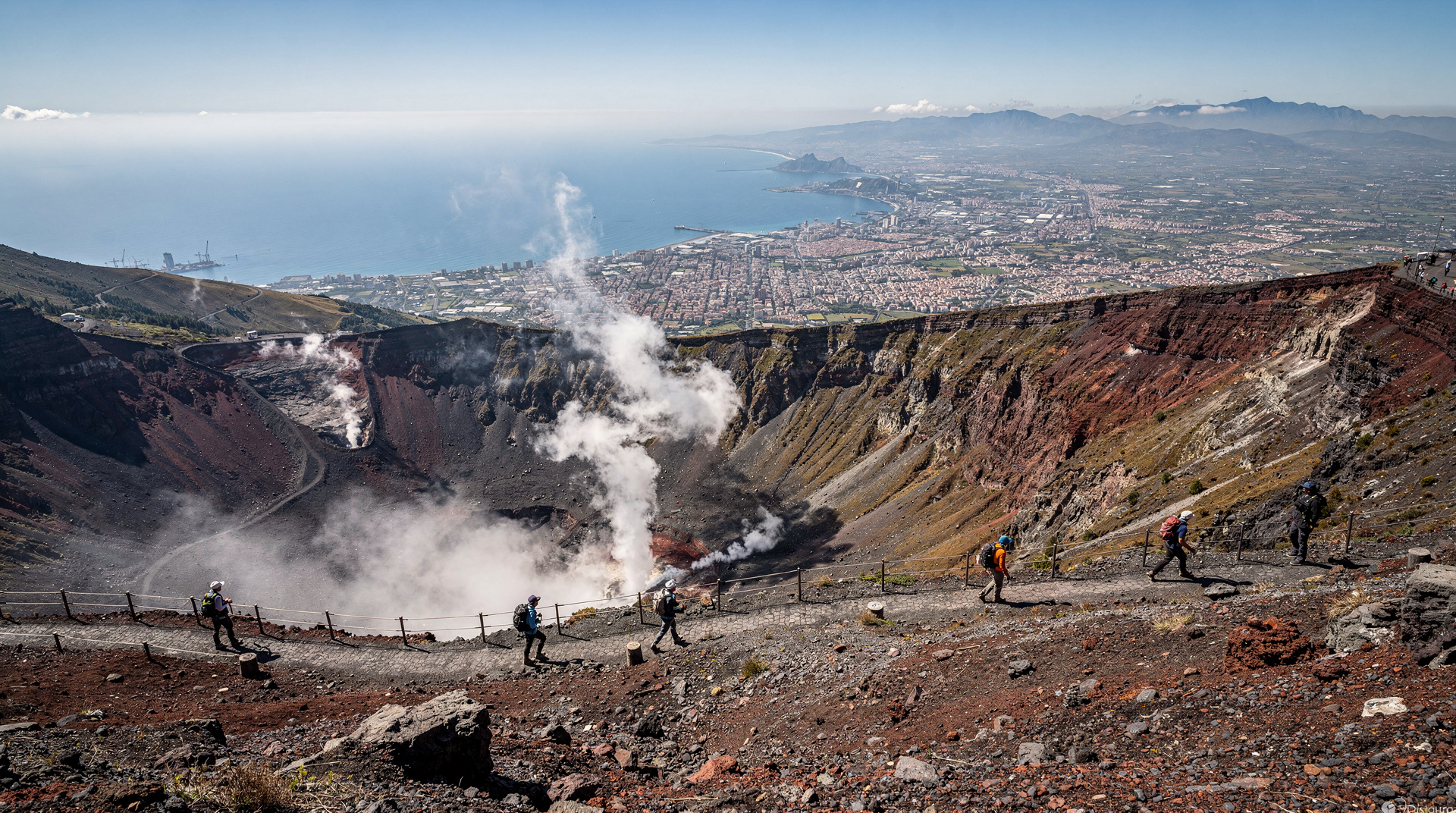
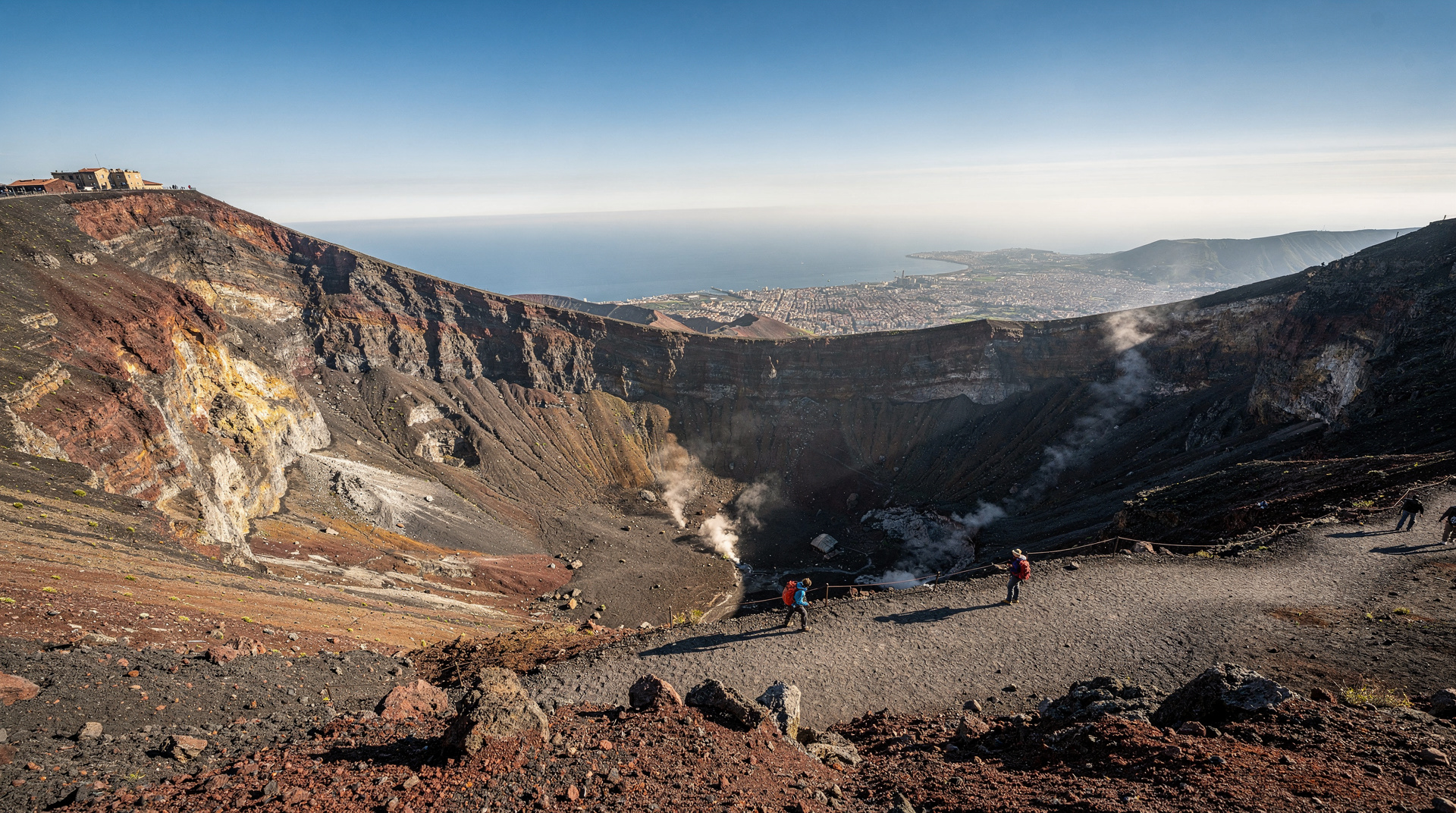
The easiest wine day trip pairs a Mount Vesuvius hike with a vineyard lunch on the volcano’s lower slopes — you get the crater walk in the morning and the Lacryma Christi tasting in the afternoon without changing transport mode. If you would rather stay closer to the coast, a Sorrento base gives easy access to Penisola Sorrentina producers alongside the peninsula’s lemon and olive oil culture. For a more offbeat volcanic-wine detour, combine tasting with the sulphur craters and Roman ruins on a Campi Flegrei day trip — Cantine Astroni sits inside the same volcanic zone.
Sorrento wine tasting — four wines in a garden settingFrequently asked questions about Campania wine
What is Taurasi and why is it called the Barolo of the South?
What is the difference between Greco di Tufo and Fiano di Avellino?
What is Falanghina and where is it grown?
What does Aglianico taste like and which wines use it?
What is the Campi Flegrei wine zone?
Where can I buy Campanian wine in Naples?
Is Campanian wine expensive?
Can I visit Campanian wineries from Naples?
What is Lacryma Christi and why does it have that name?
Is it worth doing a dedicated wine tour, or can I just buy bottles?
Top experiences
Bookable activities with verified prices and instant confirmation on GetYourGuide.