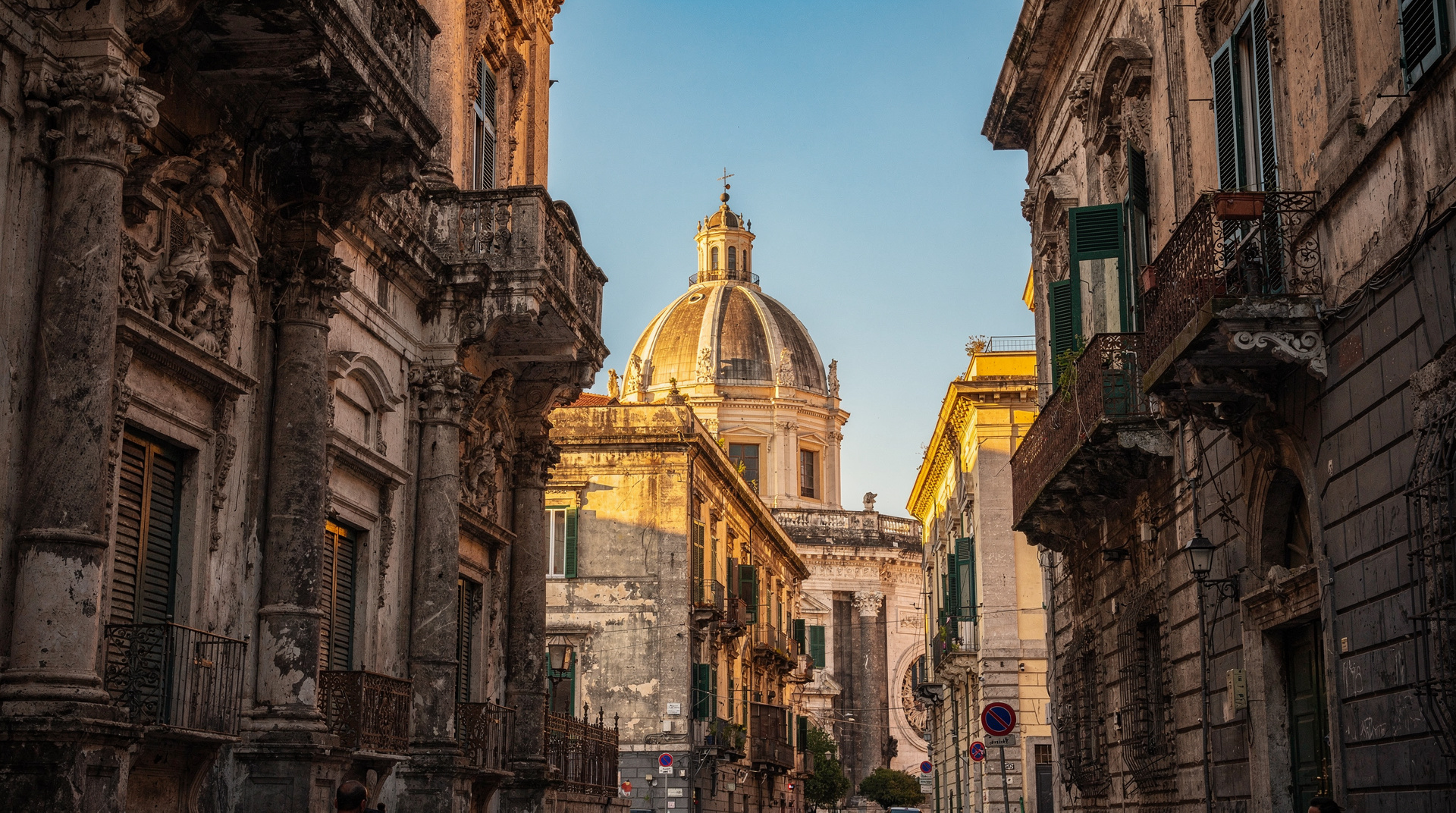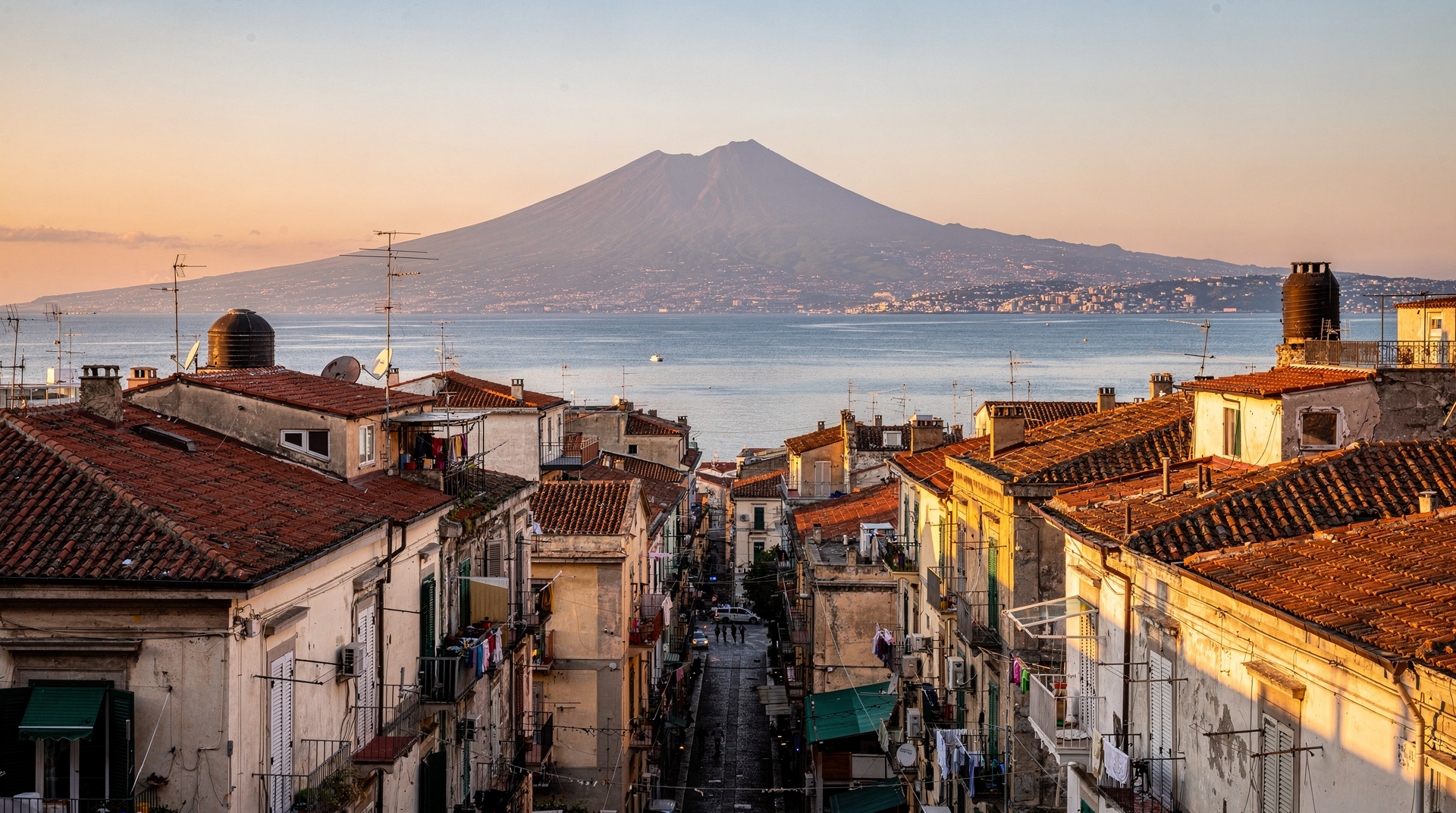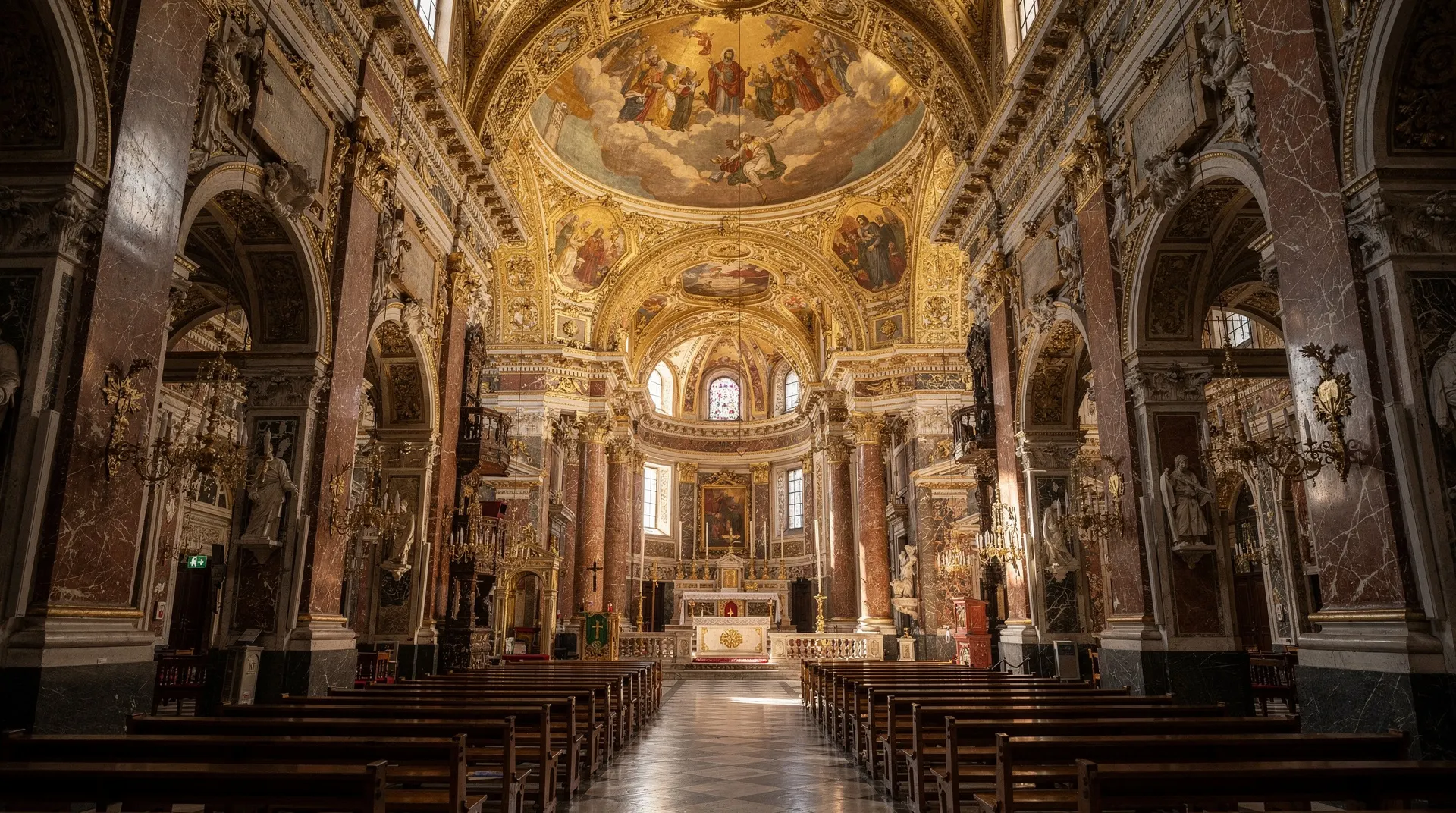
Teatro di San Carlo Naples — the world's oldest working opera house
The Best of Naples Private Walking Tour
Can tourists visit Teatro di San Carlo in Naples?
Yes, in two ways. Guided tours of the auditorium and backstage run daily (approximately €10). Opera and concert tickets are available for the season (October–June) from about €25 for upper gallery seats. The theatre opened in 1737 and predates La Scala (1778) by 41 years.
Quick answer: San Carlo is the world’s oldest continuously operating major opera house, built 1737 — 41 years before La Scala. Guided tours run daily (~€10, 30 minutes). Opera season October–June, tickets from €25. The building is directly adjacent to Palazzo Reale.
| Where | Via San Carlo 98/F, next to Palazzo Reale |
| Cost | Around €10 for a guided tour; opera tickets from around €25 |
| Time needed | 30–45min for a tour; a full evening for a performance |
| Getting there | Metro Line 1 Municipio, 8min walk |
| Best time | Morning tours for smaller groups; October–June for opera season |
Why San Carlo matters
When Stendhal visited in 1817, he described San Carlo as “the finest theatre in Europe” — this at a time when the Vienna Hofoper, the Paris Opéra, and the Teatro alla Scala were all active competitors. The San Carlo’s reputation rested on three things: the acoustic, the visual grandeur of the horseshoe auditorium, and the quality of the productions it commissioned.
The theatre’s history includes the world premieres of operas by Donizetti (Lucia di Lammermoor, 1835), Rossini (Mosè in Egitto, 1818; Armida, 1817; La donna del lago, 1819; Maometto II, 1820), and Verdi (Alzira, 1845; Luisa Miller, 1849). The San Carlo was the major opera house of Italy in the first half of the 19th century — before La Scala consolidated its international reputation.
History: from 1737 to today
The original theatre (1737): Charles III of Bourbon commissioned the theatre immediately after becoming King of Naples in 1734. He wanted a royal opera house adjacent to his palace. The architect Giovanni Antonio Medrano and the engineer Angelo Carasale built the theatre in approximately 180 working days — an astonishing construction pace that required the king’s personal daily supervision. It opened November 4, 1737, the feast day of San Carlo Borromeo (Charles of Bourbon’s patron saint).
The original capacity was approximately 3,000. The original interior was baroque in character — blue and silver rather than the current red and gold.
The fire of 1816: On February 13, 1816, the theatre caught fire and burned completely. The rebuilding was ordered by Ferdinand I with urgent speed — the theatre reopened just 10 months later, rebuilt by Antonio Niccolini in a neoclassical style. The current interior (red, gold, and cream, six tiers of 185 boxes) is essentially Niccolini’s design.
After unification: The theatre continued as the main Neapolitan opera house under the Italian state. 20th-century directors and conductors including Tullio Serafin and later Riccardo Muti raised its international profile. Major renovations in the 2000s and 2010s updated technical infrastructure while preserving the Niccolini interior.
The auditorium
The main auditorium is horseshoe-shaped, with six tiers of 185 boxes plus a royal box (now director’s box) directly opposite the stage. The colour scheme is a warm red-gold-cream — the visual impression is simultaneously grand and intimate.
Acoustic: The acoustic is justly famous. The horseshoe shape, the wooden structure of the boxes, and the relatively shallow depth (compared to later theatres) create a sound that surrounds the audience rather than projecting from the stage. Opera conductors consistently note the acoustic as exceptional.
Capacity: Approximately 1,386 seats in current configuration (reduced from the original 3,000 to meet modern safety standards and improve sight lines). The boxes are not all forward-facing; side boxes have angled views.
The royal box: The original royal box for the Bourbons is now used for ceremonial occasions. Its decoration — blue and gold with royal crest — is a deliberate preservation of the 18th-century original.
Getting there
Address: Via San Carlo 98/F, Naples Location: Directly adjacent to Palazzo Reale, facing Piazza Trieste e Trento Metro: Line 1 Municipio stop, 8 minutes’ walk From Piazza del Plebiscito: 3 minutes on foot north/east
The theatre’s main entrance faces the small Piazza Trieste e Trento between Via Toledo and the Lungomare.
Guided tours
Tours run most days of the year except when technical preparations prevent access. Typical schedule: morning tours 10:30, 11:30, 12:30; afternoon tours vary.
Duration: 30–45 minutes Entry: Approximately €10 (verify on official website teatrosancarlo.it) Languages: English tours typically available; check schedule
The tour covers:
- The main auditorium (the acoustic is audible during the guide’s speech)
- The royal box
- Sometimes the backstage (wing space, fly tower)
- History and significant premieres
Photography is generally permitted in the auditorium without flash.
Booking: Recommended but often walk-in is possible. Book via the official website or at the theatre box office.
If you would rather see San Carlo as one stop on a broader morning through the royal district, a guided city walk typically includes the theatre’s exterior and the Piazza del Plebiscito area alongside other highlights:
Best of Naples guided walking tourAttending a performance
The regular season runs October to June. Summer often has limited programming; the Ravello Festival and other outdoor events in Campania partially fill the gap.
Ticket prices (2026 approximate):
- Loggione (upper gallery, restricted/no view): €25–35
- Balcony and upper boxes: €40–80
- Main floor and stalls: €80–200+
- Premium stalls and first tier boxes: €200+
The loggione: Naples’ opera culture includes a vocal audience in the upper gallery — the loggione is where the knowledgeable but budget-constrained music lovers sit, and they are not shy about expressing displeasure with underperforming singers. Attending a significant production from the loggione is a genuine cultural experience.
Getting tickets: Via the official website (teatrosancarlo.it) or the theatre box office (Via San Carlo 98/F). Third-party resellers exist but add margin.
What is on: The season programme is published in spring. Recent seasons have balanced Verdi, Puccini, Rossini, and 20th-century works.
The exterior
The theatre’s Via San Carlo facade is relatively understated for a building of this importance — a neoclassical front added in Niccolini’s 1816 reconstruction. The main artistic statement is inside.
The adjacent loggia (at the junction with Galleria Umberto I) is part of the 1890s urban expansion that added the great glass-roofed arcade to the neighbourhood. The Galleria is worth a quick walk-through — it is a good coffee stop before an evening performance.
Combining with other sights
San Carlo is directly adjacent to Palazzo Reale. A half-day combining both (guided tour of the opera house in the morning + Palazzo Reale in the afternoon) is a coherent and efficient combination.
The Galleria Umberto I is across the street — designed in 1890 as a companion piece to the theatre and palace district.
Practical tips
Evening performances: Most begin at 20:00. Arrive 15–20 minutes early to find your seat, review the programme, and absorb the auditorium at rest.
Dress code: Smart casual is acceptable for most performances. Opening night and gala performances warrant smarter dress. No strict enforcement but extremely casual dress (shorts, flip-flops) is conspicuous.
Interval drinks: The theatre has bars on multiple levels. The champagne and prosecco served at the interval bars are expensive (€12–20) but the tradition of standing in the foyer during interval is part of the experience.
Transport from the theatre: Post-performance taxis from Piazza del Plebiscito are available but in demand after major productions. Consider pre-booking a return or using the metro (Municipio is 8 minutes).
Frequently asked questions about Teatro di San Carlo
Is San Carlo older than La Scala?
Yes. San Carlo opened in 1737; La Scala in 1778. San Carlo is also older than the Vienna State Opera (1869), the Paris Opéra (1875 Palais Garnier), and the Royal Opera House in London (current building 1858). It is the oldest continuously operating major opera house in the world.
What was the first opera performed at San Carlo?
Achille in Sciro by Domenico Sarro, with a prologue by Metastasio, on November 4, 1737 — the opening night. The theatre was inaugurated in the presence of Charles III.
Can I visit backstage at San Carlo?
Some tour formats include backstage access (wing space, fly tower). Check the tour description when booking. Full backstage access during production periods is restricted.
Are there English-language opera performances at San Carlo?
Opera in Italy is performed in the original language (Italian for most Italian operas; German for Wagner; French for French operas). Supertitles are provided in Italian and English at most performances.
Is the acoustic really as good as the reputation suggests?
Consistently reported as exceptional by conductors and regular attendees. The horseshoe geometry and wooden box structure create a natural reverb that integrates well with orchestral and vocal sound. Comparisons with La Scala typically rate San Carlo more favourably for acoustic; La Scala more for visual grandeur in the auditorium.
Making an evening of it
San Carlo works best as the centrepiece of an evening rather than a rushed stop between other sights. Naples has a genuine after-dark culture around the royal district — see the Naples at night guide for how the area around Piazza del Plebiscito and Via Toledo comes alive once the museums close, and the Naples for couples guide if a performance is the anchor for a special evening. Pair a daytime visit to Palazzo Reale with an evening tour or performance at San Carlo, and you have covered Bourbon Naples’ two most important surviving royal institutions in a single day.
For travellers planning around the opera calendar specifically, the Naples events calendar tracks season openings and major premieres, which is useful if a specific production is the reason for your trip dates.
Frequently asked questions about Teatro di San Carlo Naples — the world's oldest working opera house
Is Teatro di San Carlo the oldest opera house in the world?
How do I take a guided tour of San Carlo?
How do I buy opera tickets for San Carlo?
Is San Carlo better for a tour or for seeing a performance?
When was Teatro di San Carlo built?
Is San Carlo included in the Campania ArteCard?
Top experiences
Bookable activities with verified prices and instant confirmation on GetYourGuide.