Capri day trip guide — everything you need to plan a realistic visit
From Naples: Guided Capri Island Day Trip
Duration: 8h
Is Capri worth a day trip?
Yes — but plan carefully. The island is genuinely beautiful, but summer crowds are brutal and the Blue Grotto is often closed or disappointing. May, June, and September offer the best balance. Budget around €80–130 per person including ferry, chairlift, and a sit-down lunch.
Is Capri worth a day trip? Yes — but plan carefully. The island is genuinely beautiful, but summer crowds are brutal and the Blue Grotto is often closed or disappointing. May, June, and September offer the best balance. Budget around €80–130 per person including ferry, chairlift, and a sit-down lunch.
What you are actually getting into
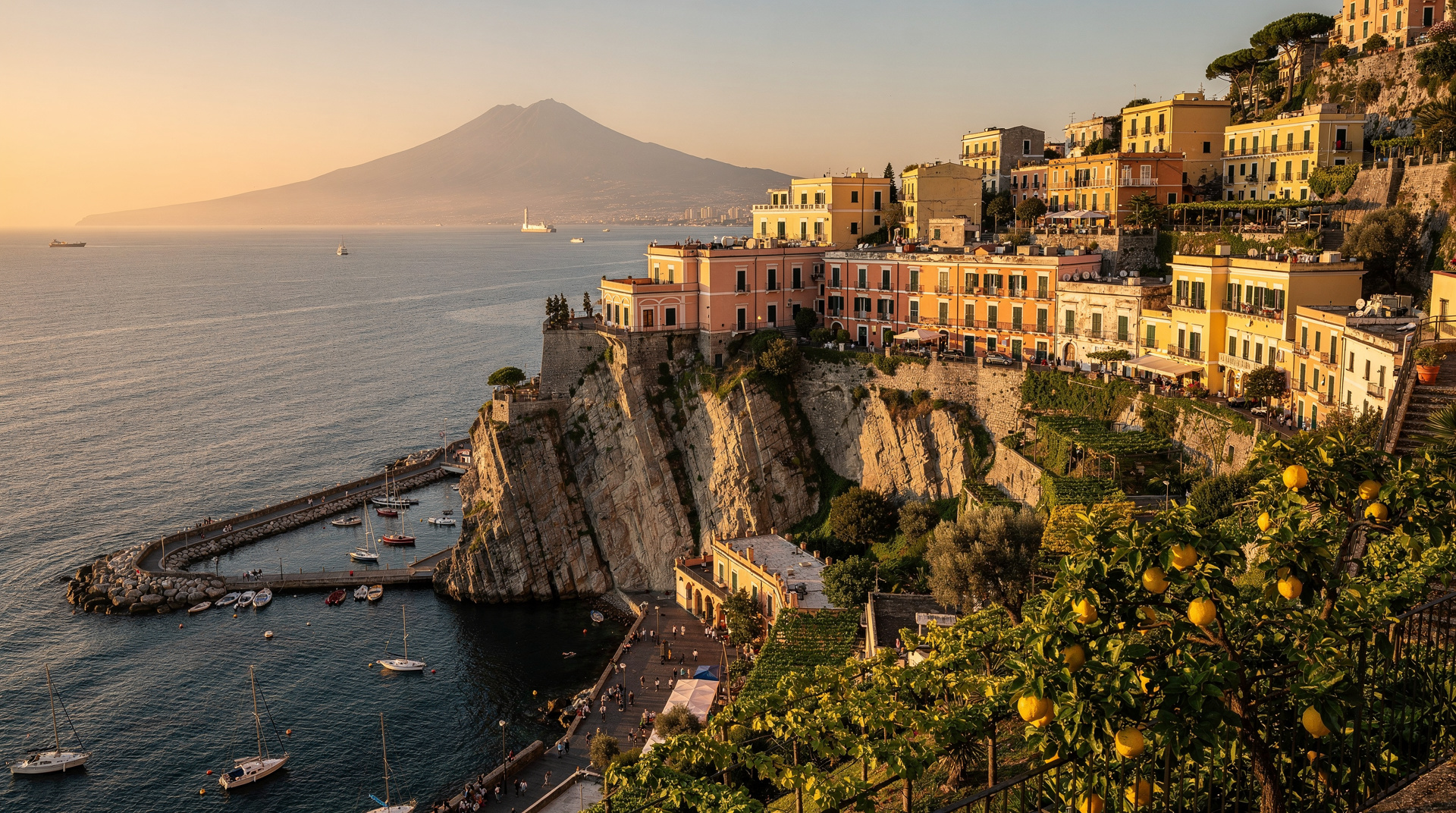
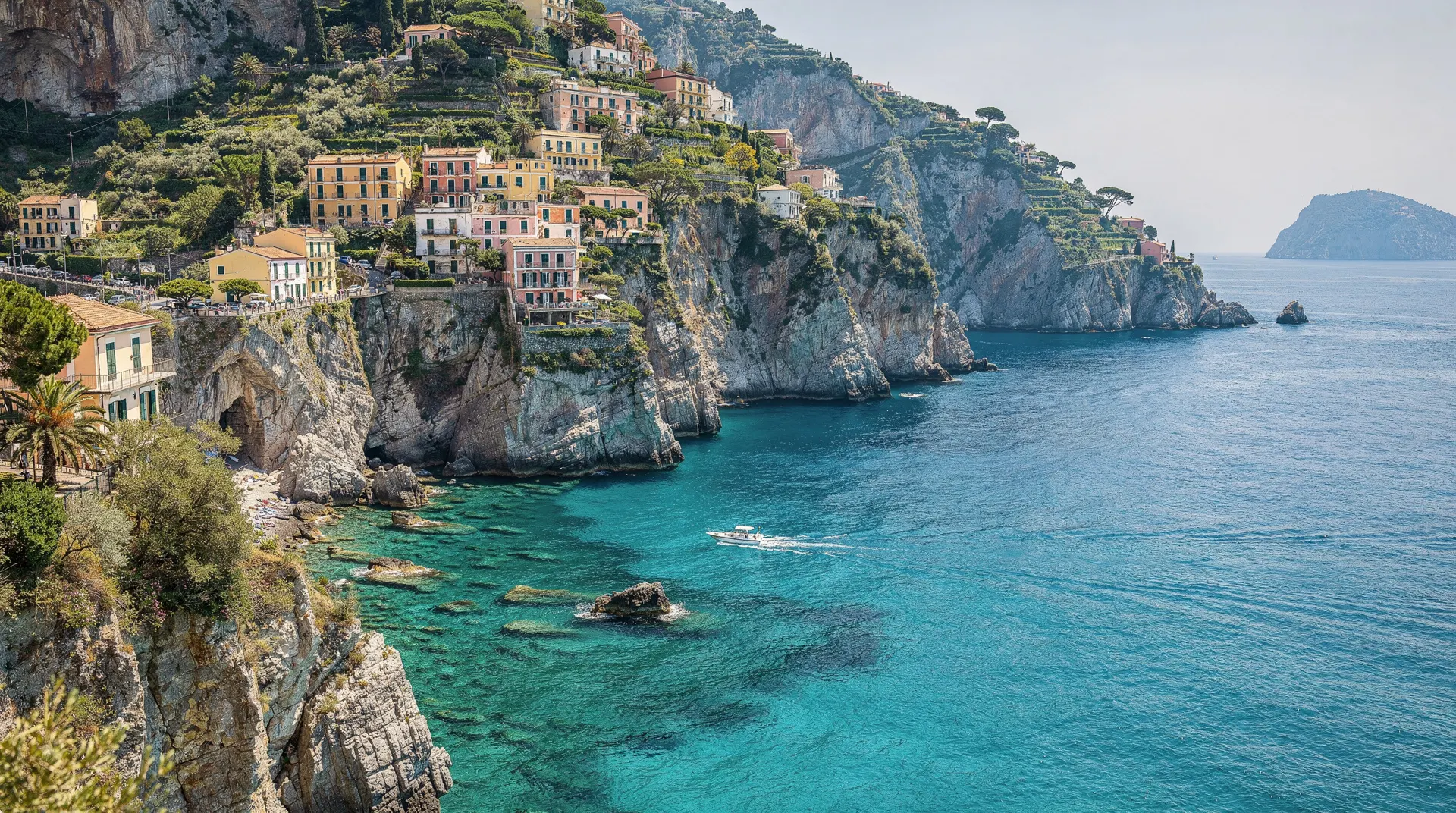
Capri is one of those places that inspires superlatives in guidebooks and mild bewilderment in people who visit in August. The island itself is genuinely lovely — dolomitic limestone cliffs, turquoise water, a historic Piazzetta that still has charm if you arrive before 10am. But it is also small (just 10 sq km), intensely touristic, and structurally designed to funnel visitors into narrow bottlenecks.
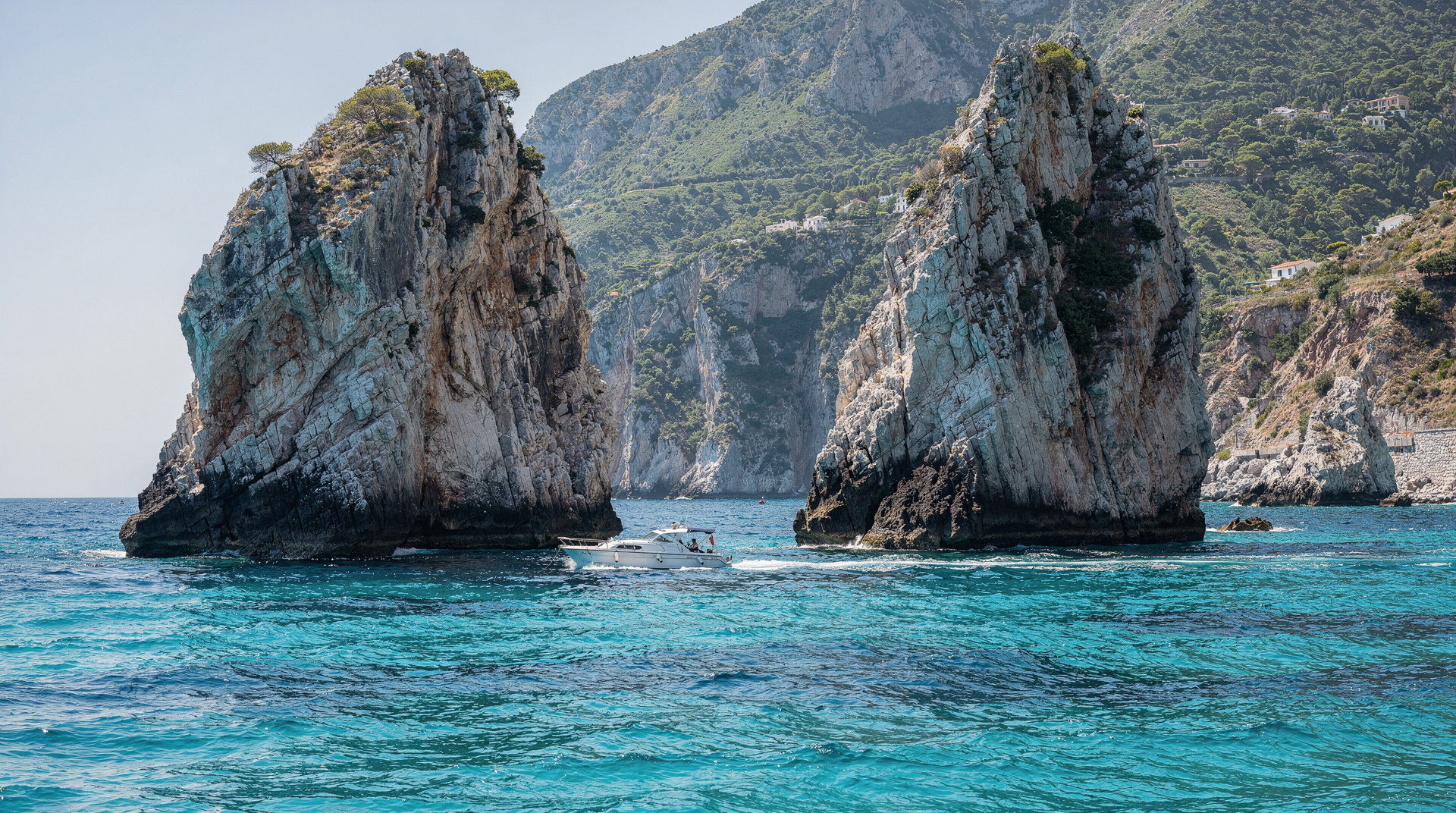
On a good day — mid-May, early morning ferry, lunch at a terrace overlooking the Faraglioni — Capri earns its reputation. On a bad day — late July, delayed hydrofoil, Blue Grotto closed, Piazzetta completely rammed — you will wonder why you bothered.
This guide will help you have the former.
| Where | Ferry from Naples Beverello (45–50 min) or Sorrento (20–25 min) |
| Cost | around €80–130/person including ferry, chairlift, lunch |
| Time needed | full day, arrive by 08:30 for a comfortable pace |
| Best time | May, early June, September |
| Booking | book outbound ferry online for July–August |
Getting there: ferry options and what they actually cost
Ferries and hydrofoils to Capri depart from two Naples ports and from Sorrento. Understanding the difference saves money and time.
From Naples Molo Beverello — this is the main departure point for fast hydrofoils. Journey time is 45–50 minutes. Operators include SNAV, Alilauro, and NLG. A single ticket costs around €22–24 in high season; a return is €42–48. Services run roughly every 30–60 minutes from early morning until early evening. During July and August, the queue at the ticket booths can be long; buy online the day before.
From Naples Calata Porta di Massa — conventional car ferries run by Caremar and SNAV take 80–90 minutes. They are cheaper (around €12–14 single) and more comfortable for luggage, but less practical for a tight day trip. Useful if you are very price-sensitive or travelling with a pushchair.
From Sorrento — the fastest crossing at 20–25 minutes. Tickets cost €20–22 single from operators including NLG and Alilauro. The port in Sorrento (Marina Piccola) is calmer than Naples and the overall experience tends to feel less chaotic. If you are basing yourself on the Sorrentine peninsula, this is the natural departure point. See our capri-from-naples-vs-sorrento guide for a full comparison.
For full details on which ferry terminal to use from Naples, see our ferries-from-naples and getting-to-capri guides.
Arriving at Marina Grande: your first decisions
All ferries dock at Marina Grande. From here you have three ways up to Capri town:
- Funicular — the classic choice. Runs continuously from around 6:30am–22:30 (shorter hours in winter). Ticket is €2 each way. The queue in high season can be 20–30 minutes, but it is short enough to be worth it for the views.
- Bus — cheaper and more frequent, but packed. Takes you to Capri Piazzetta or onwards to Anacapri. Tickets around €1.80.
- Taxi — fixed-rate convertibles, a Capri trademark. Fun once, expensive (€15–20 to Capri town). Worth it if you have heavy bags.
Don’t skip Anacapri. Most day-trippers stay in Capri town and miss the other half of the island entirely. The anacapri-and-chairlift guide has more detail, but the short version is: take the bus from Capri Piazzetta to Anacapri (€2.20), catch the Monte Solaro chairlift (€14 return), spend 30 minutes at the summit with the best panorama in the Bay of Naples, and then walk through the village back to the bus stop. This takes about two hours total and far fewer tourists make the effort.
The Blue Grotto: what the brochures do not tell you
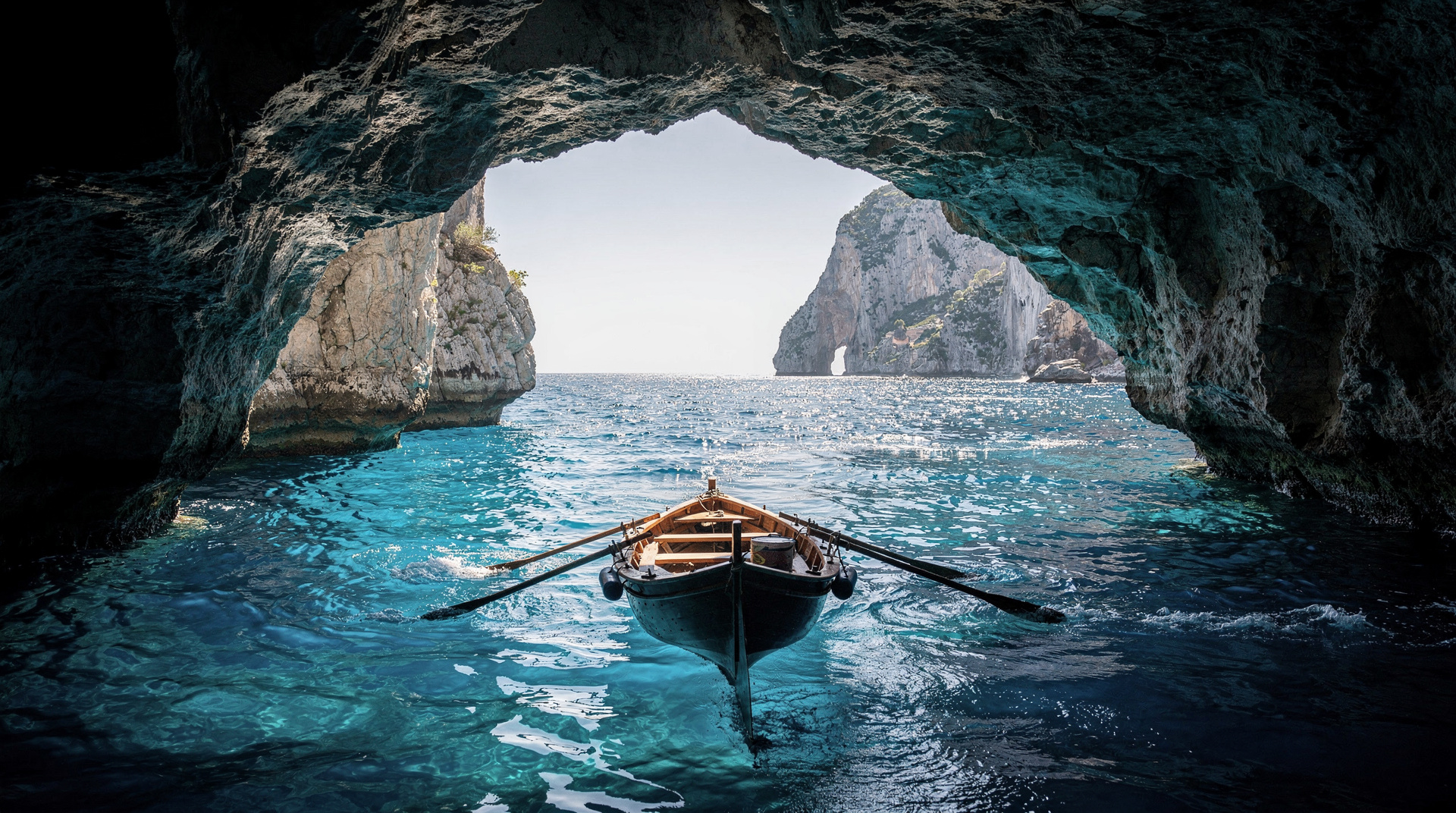
The Blue Grotto (Grotta Azzurra) is one of the most famous sea caves in the world. It is also genuinely spectacular when conditions are right — the light effect produced by sunlight refracting through a submerged opening creates an iridescent blue glow that photographs cannot fully capture.
The problem is the conditions. The entrance is barely 1 metre high and 1.3 metres wide. If seas are even slightly choppy, the opening submerges and the grotto closes. On average, this happens on around 30–40% of days in summer — and significantly more in spring and autumn. There is no reliable way to predict closure in advance; you find out at the boat.
The fee structure also frustrates visitors. You pay around €18–20 total: €3.50 for the official entry ticket, around €14 for the mandatory rowboat operated by local boatmen, and a small tip is expected. You get approximately 5 minutes inside. The boatmen sing. Some people love this; others feel it is a tourist trap at full price.
Our dedicated blue-grotto-capri guide covers the logistics in detail, including whether it is worth going at all and what to do if it closes on the day.
A practical day itinerary
Here is a realistic day that works for most visitors departing from Naples:
7:30am — Take an early hydrofoil from Molo Beverello. You want to be on the island before 9am to walk the Piazzetta while it is still quiet and before cruise ships start disgorging passengers.
8:30am — Arrive Marina Grande. Take the funicular up to Capri town (skip the queue by walking the zigzag path for free if you are fit).
9:00am–11:00am — Wander the Piazzetta, walk down to the Giardini d’Augusto for views over the Faraglioni, and take the Via Krupp steps if they are open (check locally — they are periodically closed for rockfall risk). The path to Arco Naturale is an excellent 45-minute walk with almost no crowds.
11:00am–1:00pm — Take the bus to Anacapri and the Monte Solaro chairlift. This is arguably the best two hours you can spend on the island.
1:00pm–2:30pm — Lunch in Anacapri rather than Capri town. Prices are measurably lower, service is calmer. A pasta and glass of local wine at a trattoria off the main square will cost around €18–25.
2:30pm–4:30pm — If conditions allow, take a small-group or private boat tour to see the Blue Grotto and the other sea caves from the water. Even if the grotto is closed, circling the island by boat to see the Faraglioni and the Green Grotto costs around €15–20 for a shared boat tour departing from Marina Grande.
5:00pm — Return hydrofoil to Naples or Sorrento.
Organised tours vs going independently
For first-time visitors, an organised day-trip from Naples can smooth the logistics: round-trip transport, a guide, and sometimes guaranteed Blue Grotto access (though that guarantee is usually subject to conditions). Operators also handle the ferry booking in high season, which saves queuing.
The tradeoff is cost and flexibility. An organised day-trip from Naples typically runs €80–120 per person. Going independently costs €40–70 depending on which ferry you take and what you do on the island.
If this is your first visit and the idea of managing ferries and island buses independently feels daunting, a structured tour makes sense:
Full-day Capri tour from Naples with guide and ferryIf you want to go at your own pace but with a guide once on the island:
Guided Capri and Anacapri walking experienceSwimming and beaches
Capri has no sandy beaches. Swimming is from rocks, concrete platforms, and lido steps. The main options:
Bagni di Tiberio — accessible by boat from Marina Grande (shared water taxi around €7 each way). Sun beds cost around €15–25 per person. The water here is calm and very clear.
Marina Piccola — small pebble beach on the south side, accessible by bus. Gets crowded by 11am in summer. A few private lido concessions hire out beds and umbrellas.
Boat swimming — the most flexible option. Many boat tours include stops at sea caves and swimming spots accessible only from the water. This is how most visitors actually swim at Capri.
Honest cost summary for 2026
| Item | Low estimate | High estimate |
|---|---|---|
| Return ferry from Naples | €42 | €48 |
| Return ferry from Sorrento | €38 | €44 |
| Funicular (×2) | €4 | €4 |
| Monte Solaro chairlift | €14 | €14 |
| Lunch (sit-down) | €18 | €40 |
| Blue Grotto (if open) | €18 | €20 |
| Boat tour around island | €15 | €25 |
| Total (Naples, moderate) | €80 | €130 |
These are 2026 estimates. Capri is expensive and prices trend upward each year.
When to visit (and when to avoid)
Best months: May, early June, September — comfortable temperatures (20–26°C), fewer crowds, lower accommodation prices, and the ferry schedule is still in full summer operation. Sea temperature is warm enough for swimming from June onwards.
Avoid: late July through August — temperatures above 30°C, Marina Grande completely overwhelmed when cruise ships dock (up to four simultaneously), Piazzetta barely walkable at midday. If you must go in August, take the first ferry of the day and leave by 2pm.
Winter (November–March) — the island is quiet, locals run the restaurants, and prices drop substantially. But ferry schedules thin out dramatically and some places close entirely. Worth considering if you are not focused on swimming.
What to skip
The perfume shops on Via Camerelle — Capri perfume is marketed aggressively to tourists. The “exclusive” floral scents are not meaningfully different from what is available elsewhere in Italy at lower prices.
Overpriced harbour restaurants at Marina Grande — the first row of restaurants facing the ferry terminal exists primarily to catch disembarking tourists. Prices are 30–50% higher than equivalent places 200 metres inland. Walk past them.
The Piazzetta between 11am and 4pm in summer — it is extraordinarily crowded and the bars are famously expensive even by Capri standards. Visit early or in the evening if you are staying overnight.
Comparing Capri to Ischia and Procida
Capri is the most dramatic scenically, Ischia is the most complete holiday destination (larger, with thermal baths and proper beaches), and Procida is the most authentic. See our capri-vs-ischia-vs-procida comparison for a full breakdown, or best-island-near-naples if you are still deciding which island to visit.
Frequently asked questions about Capri day trips
How early should I book ferry tickets to Capri?
In July and August, book at least 2–3 days in advance for morning departures. The 7:30–9:00am sailings from Naples fill up first. Out of peak season, same-day tickets are usually available at the dock, but it is still worth checking online the evening before to avoid surprises.
Is there a tourist tax on Capri?
Yes. Capri charges a landing tax of €2.50 per person (May–October, day-trippers only). This is collected at the ticket booth or included in the ferry ticket depending on the operator. It is modest but worth knowing about.
Can children do the Capri day trip easily?
Yes, with some caveats. The funicular and buses are child-friendly. The Monte Solaro chairlift is a single-seat open-air gondola (minimum height usually 1.1 metres, children must sit with an adult on their lap or be old enough to sit alone). The walking paths can be uneven. Bring water and snacks; children’s menus exist but are not always great.
What should I wear for Capri?
Comfortable walking shoes with grip (the cobbled lanes and stone paths are slippery). Light summer clothes. A small bag is better than a rolling suitcase — bus steps and boat boarding are not suitcase-friendly. Bring a swimming costume if you plan to swim from a lido.
Are there lockers or luggage storage at Capri?
Not at the port itself, but a couple of shops near Marina Grande offer informal luggage storage for around €5–8 per bag. Check with your ferry operator — some private day-trip services handle bags for you.
Is Capri accessible for visitors with mobility issues?
Partially. The funicular is accessible, and the Piazzetta is reasonably flat. However, much of the island’s appeal involves steep stairs, narrow lanes, and cliff paths that are not wheelchair-friendly. The accessible-naples guide has more detail on the Campania region broadly.
How do I get from the Blue Grotto back to Marina Grande?
If you arrive by boat tour, your boat returns to Marina Grande or to your departure port. If you take the bus independently to Anacapri and then a taxi-boat down to the grotto from the cliff road, you catch a public boat back to Marina Grande for around €7 one way. The whole round-trip from Marina Grande by local boat tour costs €15–20.
What if the Blue Grotto is closed on my visit?
Ask the boat operator before you commit — they should know the status. If it is closed, the coastal boat tour is still worthwhile: the Faraglioni rocks, the White Grotto, and the Green Grotto are all visible from the water and less dependent on conditions. Many visitors who skip the grotto entirely still have an excellent time.
The Capri boat tour: why it is often the best part of the visit
If you take away one recommendation from this guide, it is this: book a boat tour around Capri. Most day-trippers walk around the Piazzetta and take the funicular and consider they have seen the island. They have seen about 10% of it.
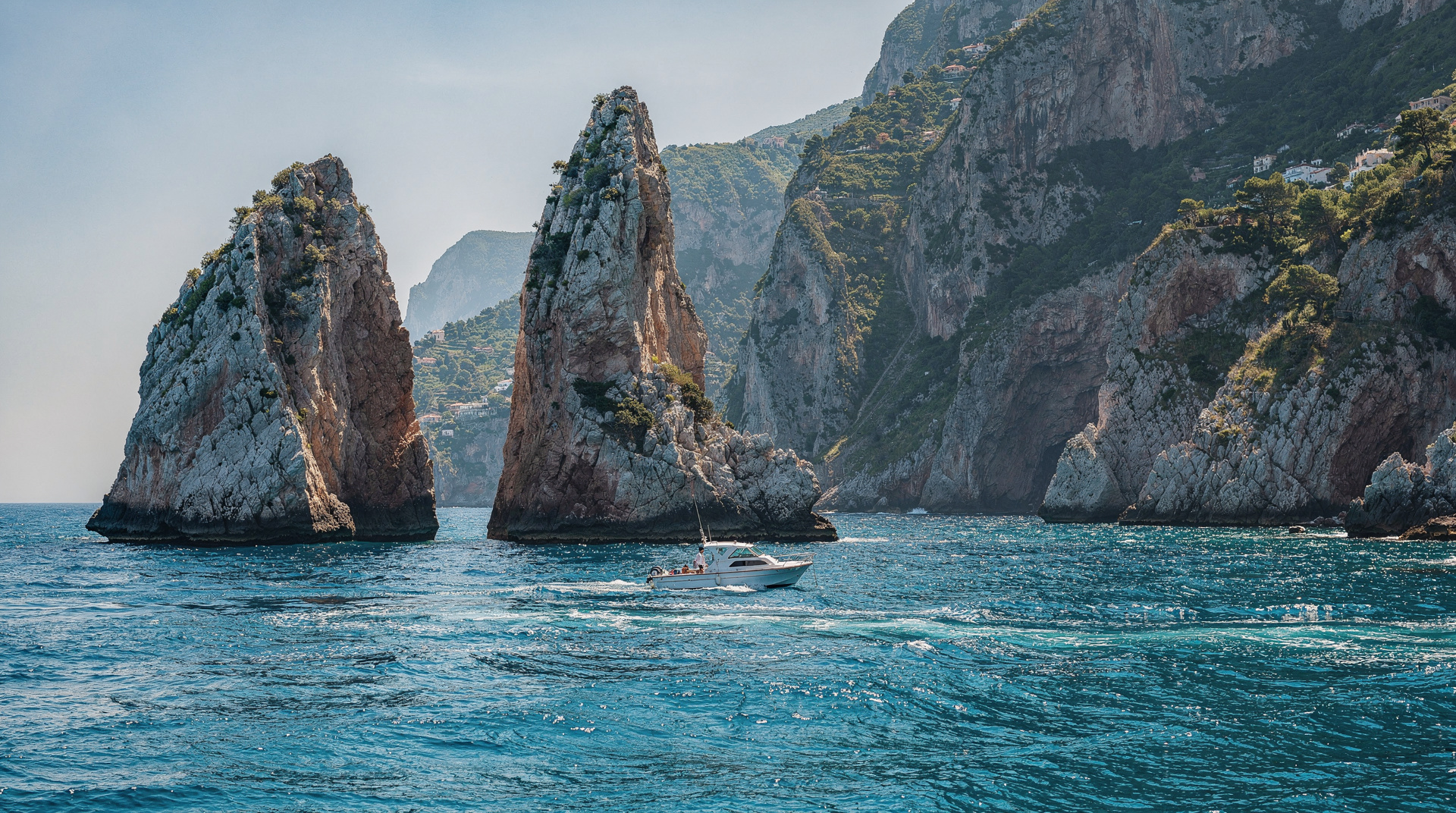
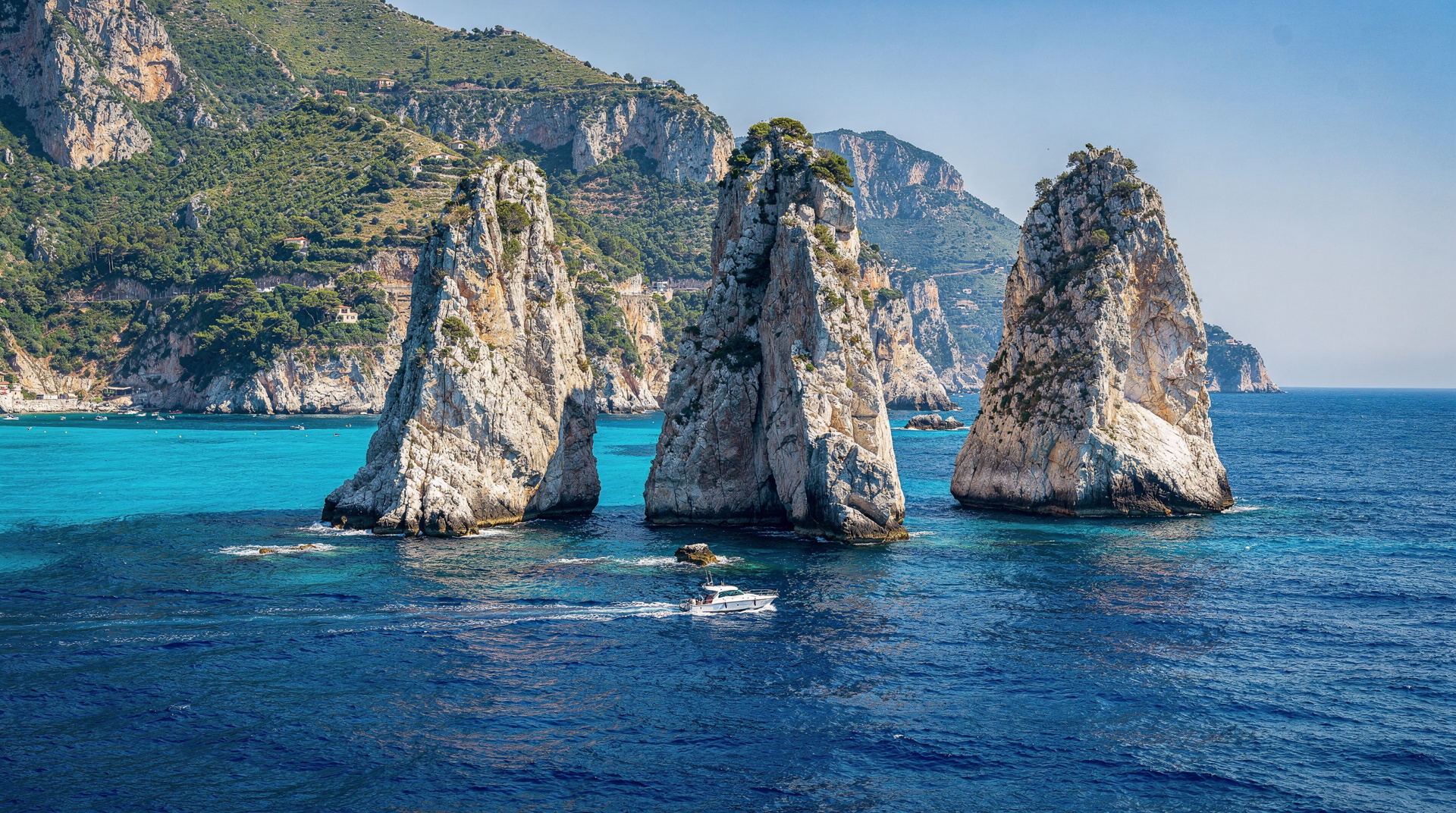
Capri’s drama is a coastal phenomenon. The 14 km of cliff coastline visible only from the sea contains a completely different experience from what you see walking the lanes above: sea caves the colour of raw emerald, the Faraglioni rocks emerging from the water at their full 109-metre height (from land you see their top; from a boat you see their scale), the Villa Malaparte (the distinctive red modernist house on a Faraglioni promontory), the Punta Carena lighthouse, the natural arch at Punta del Tuono.
Small-group boat tours departing from Marina Grande run approximately 2–2.5 hours and cost €15–25 per person for a shared experience. Private boats cost €120–200 per hour for up to 6 people. The shared tours are perfectly good and give you all the main views.
If the Blue Grotto is open when you are at sea, the tour boat will stop and offer the option to transfer to a rowboat for entry. This is the best way to attempt the grotto — the boat is already there, the logistics are handled, and if it closes before you reach it you have lost nothing.
Practical information summary
Ferry from Naples Beverello: €22–24 single, 45–50 min, every 30–60 min in summer. Book online for July–August morning crossings.
Ferry from Sorrento: €20–22 single, 20–25 min. See capri-from-naples-vs-sorrento for the comparison.
On the island: funicular €2, bus €2.20, taxi (fixed rate) €15–25. Monte Solaro chairlift €14 return. Blue Grotto €18–20.
Best months: May, early June, September.
Avoid: late July and August unless you arrive on the first ferry and leave before 3pm.
Total day cost (moderate): €80–130 per person from Naples.
For more planning resources, see best-island-near-naples to compare with Ischia and Procida, or the capri-vs-ischia-vs-procida guide if you are still deciding which island to visit.
If you’ve done Capri before: a second-visit itinerary
Repeat visitors tend to skip the Piazzetta entirely and structure the day around the parts most first-timers miss. A strong alternative: take the earliest ferry, go straight to Anacapri, walk the Path of Materita toward Punta Carena lighthouse (free, dramatic, almost empty even in August), come back for a late lunch in Anacapri, then hire a boat from Marina Grande for the last few hours to see the Faraglioni and sea caves properly — see the Capri boat tour guide for the full range of options. This version of the day trades the Piazzetta and Blue Grotto queue for genuine quiet and better views, and is arguably the smarter plan even for a first visit if crowds are your main concern.
Anacapri and Path of Materita guided walking experienceFrequently asked questions about Capri day trip guide — everything you need to plan a realistic visit
How long does the ferry from Naples take to Capri?
Can I visit Capri without a guided tour?
Is the Blue Grotto worth it?
How much does a Capri day trip cost?
When is the best time to visit Capri?
Should I go from Naples or Sorrento?
What is there to do beyond the Blue Grotto?
Can I swim at Capri?
Is it better to do Capri as a day trip or stay overnight?
Top experiences
Bookable activities with verified prices and instant confirmation on GetYourGuide.