How to enjoy Capri without the day-tripper crush
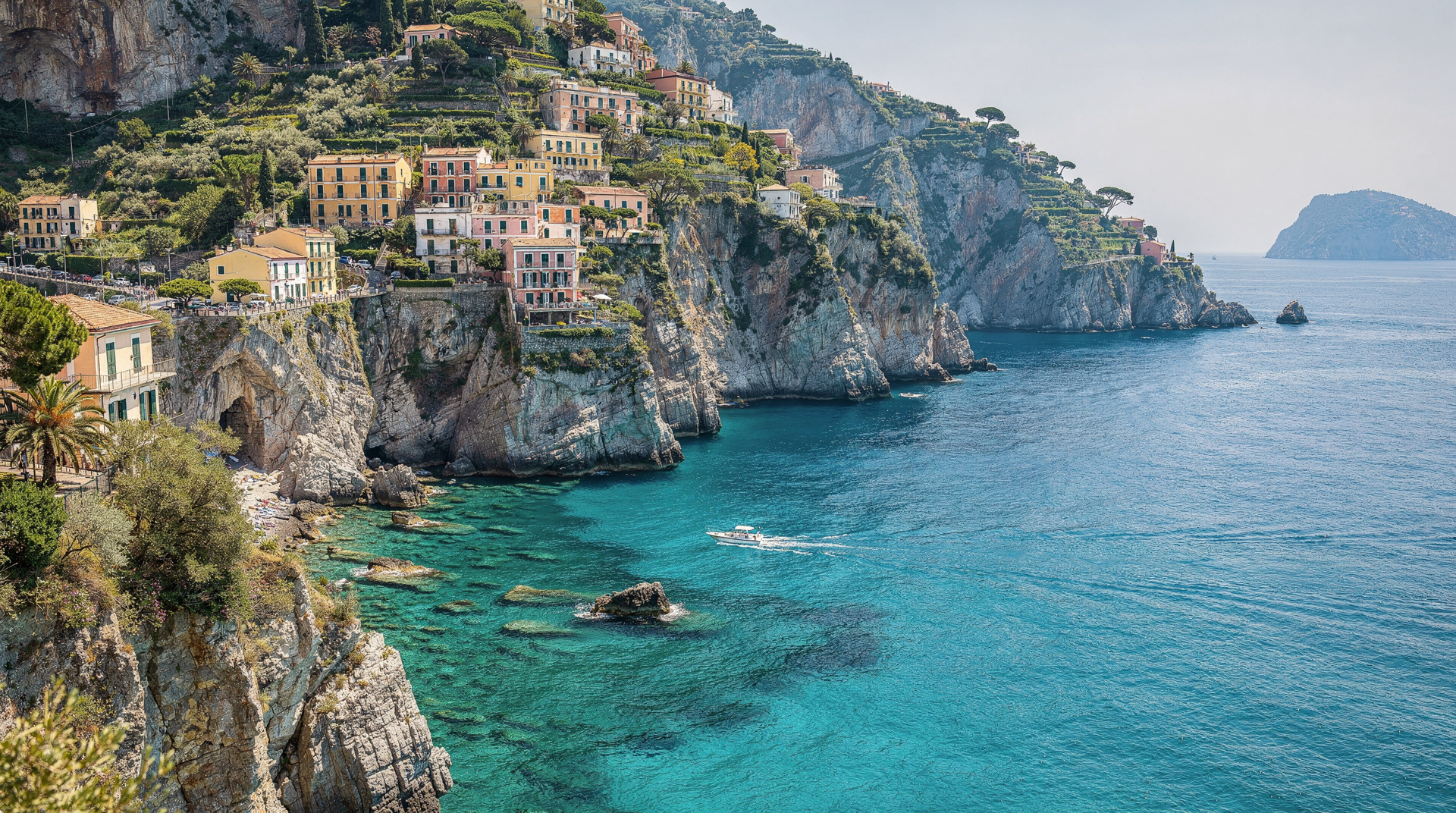
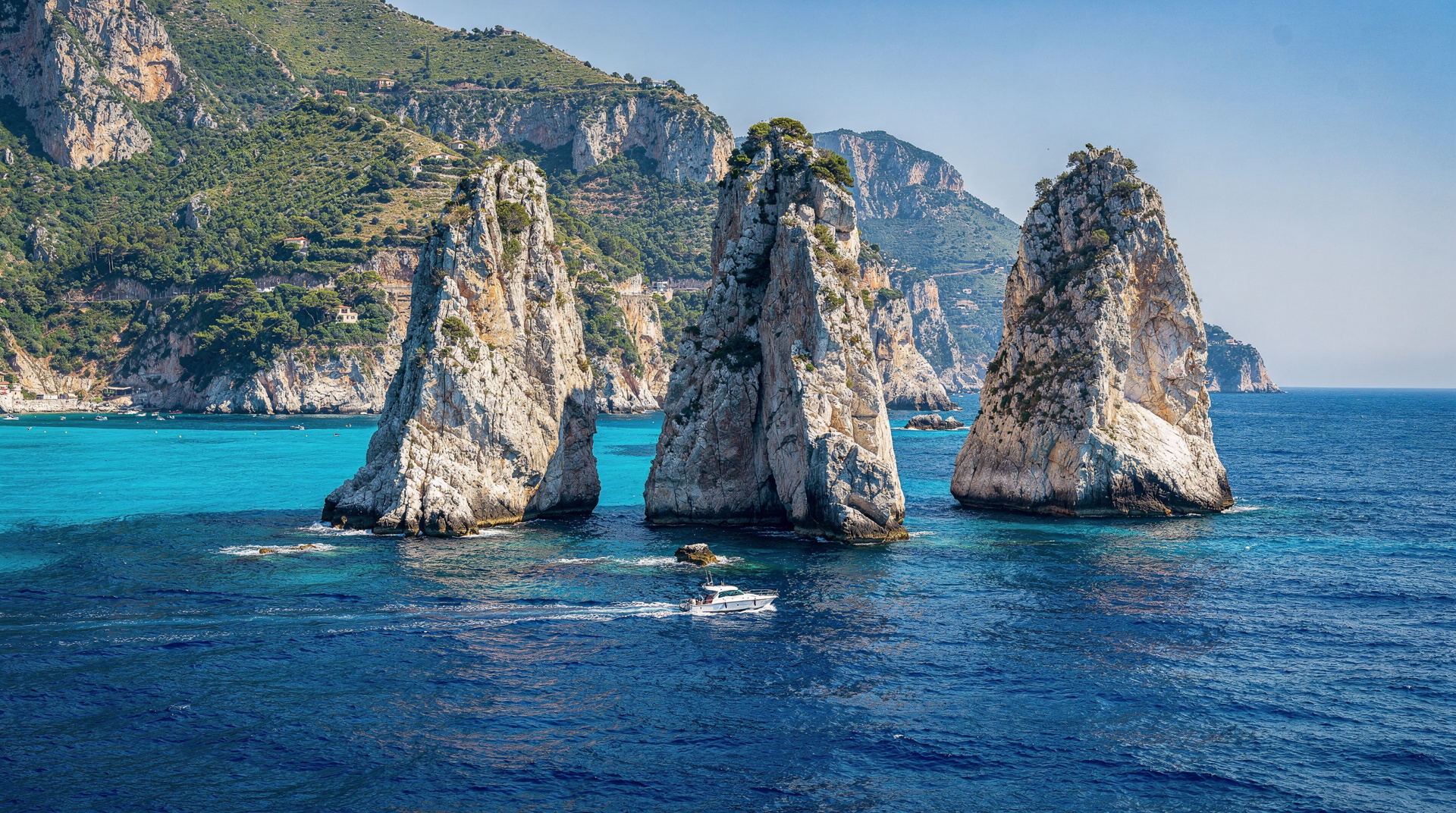
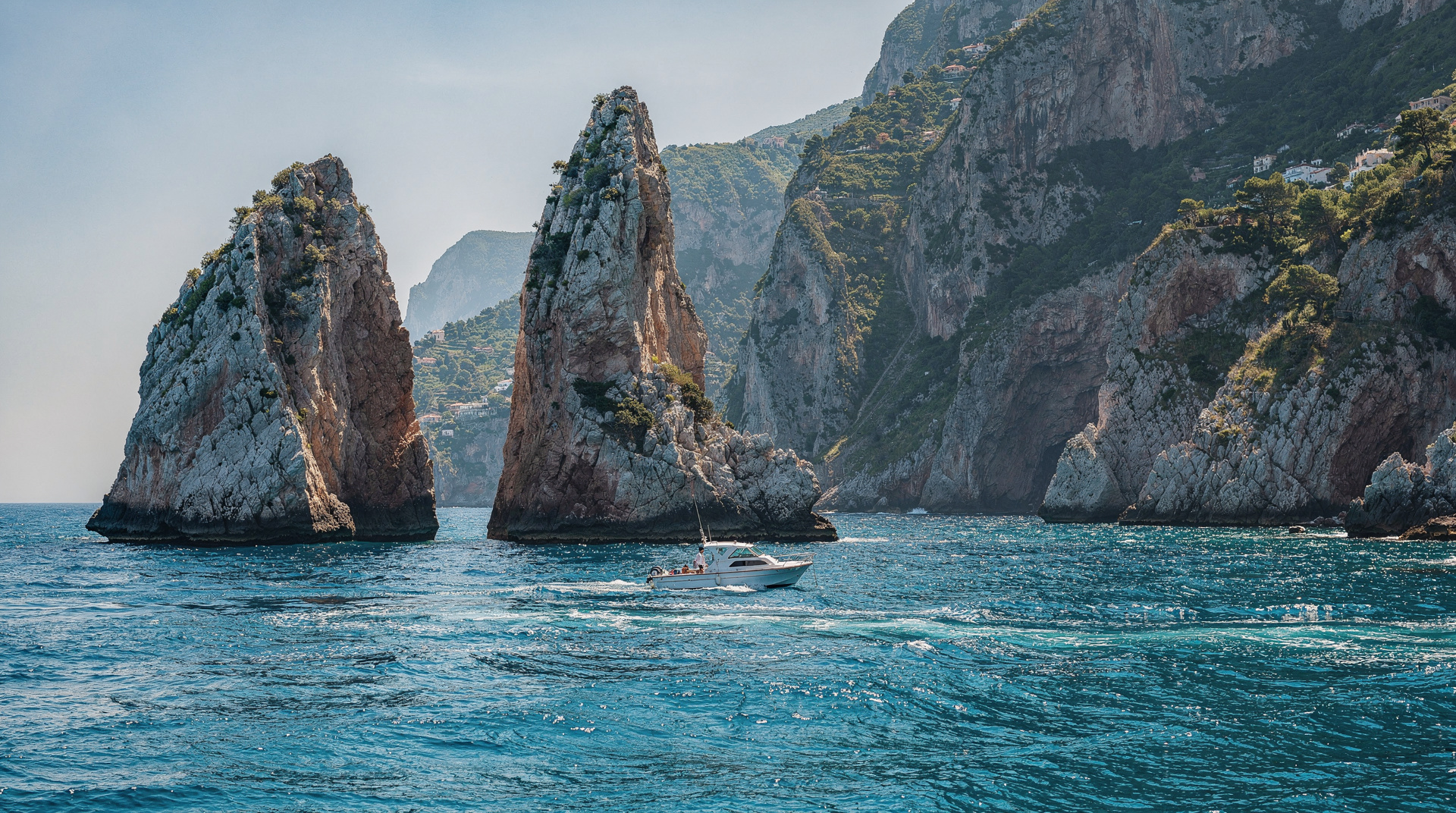
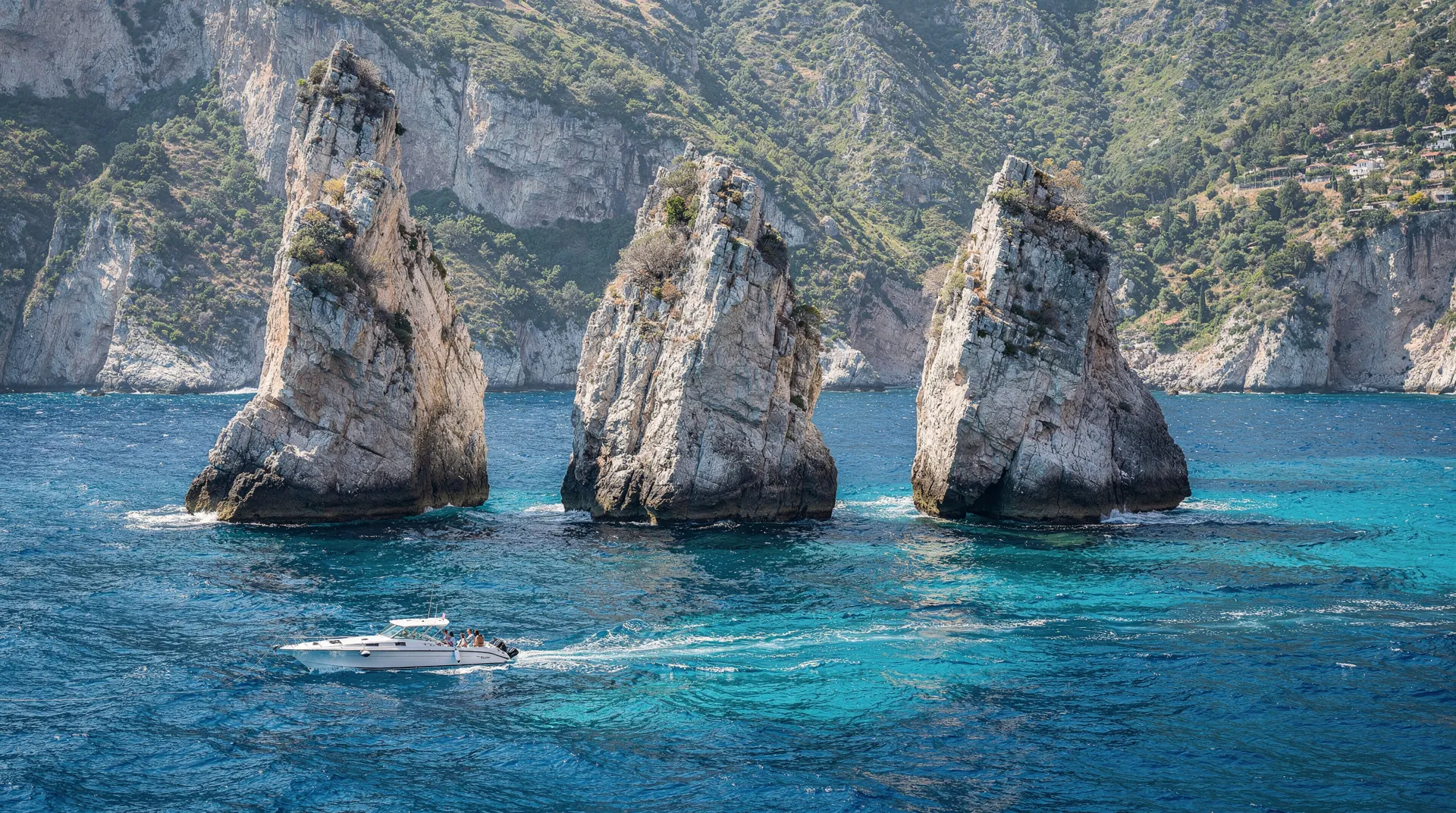
There is a version of Capri that looks like the postcards — the white-washed lanes, the bougainvillea spilling over limestone walls, the impossible blue of the water below the Faraglioni. And then there is the version most people actually get: a gridlocked harbour, a queue for the funicular that stretches back to the jetty, and the Piazzetta so packed by noon that you’re essentially queueing to stand still.
The difference between the two is almost entirely about timing and intention. Capri is not too small for visitors — it handles millions a year — but it is too small for everyone to arrive on the same boats between 10 a.m. and 4 p.m. That window is when the cruise liners tender and the day-tripper hydrofoils from Naples and Sorrento disgorge. If you’re inside it, you’re in the crowd. If you’re outside it, you’re on a different island.
| Crowd peak | 10 a.m.–4 p.m. (cruise tenders + hydrofoils) |
| Quiet window | Before 8:30 a.m., after 6 p.m. |
| Ferry cost | Around €22 one-way from Naples |
| Best months | April and October |
| Overnight budget | From around €180–250/room in shoulder season |
The ferry arithmetic
The first hydrofoil from Naples Molo Beverello leaves around 7:00–7:15 in summer, arriving Marina Grande at roughly 7:50. There is almost nobody on it. The ticket costs the same as any other — around €22 one-way depending on operator — and you can book the night before without stress.
By the time you reach the Piazzetta at 8:15, you’ll find the café chairs empty, the light low and golden, and the shopkeepers hosing down the stone. Have a coffee and a sfogliatella. Walk up Via Krupp before the chain goes on (it sometimes closes at midday due to rock-fall risk). Stand above the Faraglioni with the sea to yourself.
The return logic works the same way. The last hydrofoil back to Naples typically leaves around 19:45–20:00. Everyone else leaves at 17:00–18:00 on the same instinct, so the island empties and goes soft in the late afternoon light. This is the Capri of the travel writers.
Full-day Capri island tour including the Blue Grotto from Naples — if you prefer a guided structure, this option handles the logistics and gets you to the Blue Grotto early, before the queue for rowboats becomes prohibitive.
Why overnight changes everything
Staying on Capri is expensive — budget at least €180–250 per room in a modest hotel in shoulder season, considerably more in July and August. It is also, without question, the best thing you can do for the experience. After the last day-tripper ferry leaves, the island settles. The Piazzetta becomes what it was always meant to be: a few dozen people, an aperitivo, conversation that carries across the square.
Book the cheapest acceptable room and think of the premium as buying access to those evening and early-morning hours rather than paying for the room itself. Villa Krupp, Hotel Quattro Stagioni, and the lower end of Anacapri’s pension options all come in significantly below the cliff-top luxury tier. For two nights you get three mornings and two evenings on the island — that’s where the value lives.
Anacapri is another world
Most day-trippers never get further than Capri town and Marina Grande. The bus to Anacapri takes twelve minutes and costs around €2. The difference in atmosphere is enormous. The streets are quieter, the shops less aggressive, and the views north toward the Bay of Naples are broader and less postcard-familiar than the standard Faraglioni angle.
From Anacapri, the Monte Solaro chairlift (€13 one-way, €16 return) takes you to 589 metres in about twelve minutes — a single seat, open-air, floating over the macchia. At the top on a clear morning you can see Vesuvius, the entire curve of the Bay, and on exceptional days, the silhouette of the Calabrian coast. Go up, have the summit to yourself for half an hour, and come back down before the first tour buses reach Anacapri.
Capri day trip with lunch from Naples — a comfortable halfway option if you want the organisation of a guided day but with a proper sit-down meal built in rather than fighting for a table solo.
The quiet corners worth finding
The path from Anacapri to the Lighthouse at Punta Carena (about 45 minutes walking) passes through scrubland that feels nothing like the busy harbourside. The lighthouse rocks below are a local swimming spot — bring shoes for the approach and a towel. It’s the kind of place where Capri families spend a weekday afternoon.
Villa Jovis, Tiberius’s cliff-top palace on the eastern tip, takes about 35 minutes to walk from Capri town. It’s never empty but it’s rarely jammed either — most visitors don’t fancy the uphill, and the cruise passengers rarely have enough time. The €8 entry is worth it for the views from the loggia alone, and the path through the village of Tiberio on the way back is genuinely unspoiled.
The honest version of the Blue Grotto
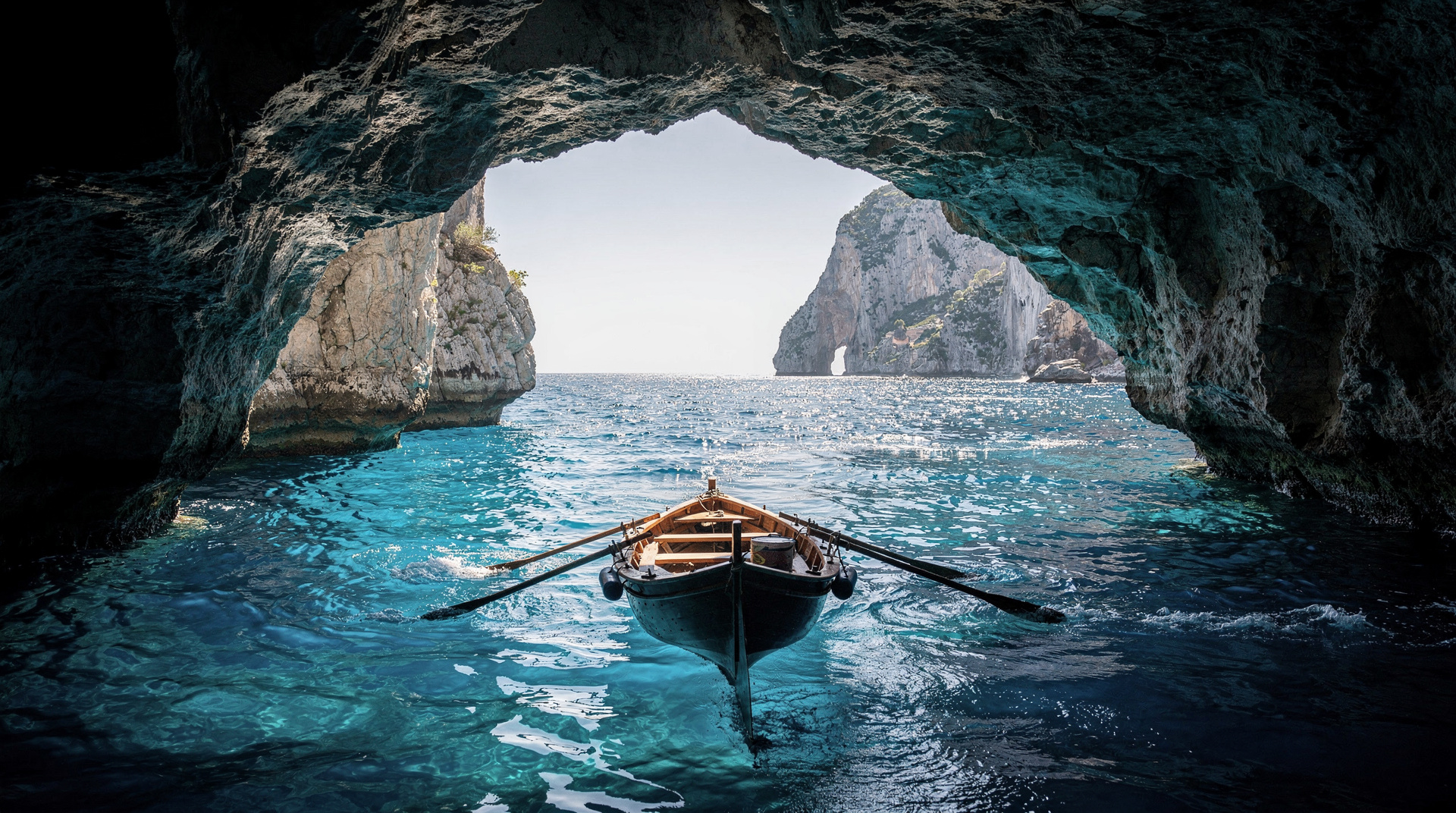
Go early or don’t go at all. The Blue Grotto (€18 entry plus €14 for the rowboat, plus the cost of the motorboat from Marina Grande) is real and genuinely beautiful, but the experience degrades rapidly once the queue for rowboats stretches past thirty minutes. Morning entry — arriving by motorboat at 8:30–9:00 — is a six-minute wait. Midday can mean an hour on the water in the sun, and the boatmen sing in shifts.
If the sea is even slightly choppy the grotto closes entirely, so treat it as a bonus rather than the reason you’re there. The island is spectacular without it.
A note on prices and seasons
April and October are the sweet spots — the island is open, the weather is mild, and the worst of the summer crush hasn’t arrived. Prices drop meaningfully from their August peak: a hotel that costs €300 a night in August might be €160 in mid-April. The sea is cold for swimming until late May but the light for photography is better in spring than at any other time of year.
June and September are the compromise months — warmer water, busier, but still manageable if you apply the timing tactics above. July and August are perfectly doable with discipline, but you need to be ruthless about early starts and midday shade.
Capri rewards the people who treat it as a place rather than a landmark. The crowds are real, but they’re also avoidable. You just have to want to avoid them enough to set an early alarm.
Deciding whether to bother at all
If crowds are your main concern, it’s worth asking the more basic question first: is a Capri day trip worth it for your particular trip? Our is a Capri day trip worth it guide tackles that head-on before you commit ferry tickets and a full day to the island. If the answer is yes, the fuller Capri day trip guide covers logistics this piece doesn’t — routes, timing, and how to structure the day beyond crowd-avoidance alone. And if getting there at all feels like the unclear part, getting to Capri walks through every departure point from Naples, Sorrento and Positano.
Blue Grotto, in more detail
The section above gives the honest short version, but if the Blue Grotto is a must-do for you specifically, our dedicated Blue Grotto Capri guide goes deeper into booking logistics, weather cancellation policy, and alternatives if the grotto is closed the day you’re there. It’s worth reading before you build a whole itinerary around a sea cave that can shut with an hour’s notice.
Comparing quiet-hour strategies
| Strategy | Best for | Trade-off |
|---|---|---|
| First hydrofoil (7:00–7:15) | Day-trippers wanting the Piazzetta and Faraglioni quiet | Early alarm, one long day |
| Overnight stay | Anyone who can afford 1–2 nights | Higher cost, but the biggest quality gain |
| Anacapri focus | Travellers who’ve done Capri town before | Requires the extra bus/chairlift leg |
| Shoulder season (April/October) | Photographers, budget-conscious visitors | Cooler sea for swimming |
Frequently asked questions about How to enjoy Capri without the day-tripper crush
Is Capri worth visiting if I can only do a day trip? Yes, with the right timing — the first and last hydrofoils of the day give you the quiet version of Capri even without staying overnight; see our is a Capri day trip worth it guide for the fuller trade-offs.
What’s the single best thing I can do to avoid the Capri crowds? Take the first hydrofoil of the morning. It costs the same as any other sailing, requires no special booking beyond the night before, and delivers the biggest single improvement in experience of anything covered here.