Every Naples Day Trip, Honestly Ranked — What's Worth It and What Isn't
The question arrives in every Naples itinerary eventually: which day trips are actually worth your time, and which ones are mostly hype dressed up in travel-magazine photography? Naples has an embarrassing surplus of options — ancient ruins, volcanic craters, glamorous islands, terraced coastline, Bourbon palaces — and the honest answer is that not all of them deserve a full day.
What follows is my ranking after doing most of them, some more than once. It is not a ranking of beauty — they are almost all beautiful. It is a ranking of whether the effort, expense and logistics produce something genuinely rewarding, or whether you come back to Naples feeling vaguely underwhelmed and tired. For a broader planning view before you commit to any of these, see our best day trips from Naples guide and the fuller Naples day trips compared breakdown.
| Best overall | Pompeii — non-negotiable, allow 3–4 hours |
| Best value | Herculaneum — smaller, better preserved, fewer crowds |
| Best splurge | Capri, in shoulder season |
| Most overrated in peak season | Amalfi Coast by road in July/August |
| Most underrated | Paestum |
Tier One: Do Not Skip
Pompeii is the single most essential day trip from Naples and it is not particularly close. The combination of scale, preservation and sheer human weight of the place is unlike anything else in southern Italy. The streets, the bakeries, the garden frescoes, the body casts — it takes three to four serious hours to cover adequately and rewards every minute. Go early. The site fills rapidly after 10am and the midday heat in summer is punishing.
Entry runs about €18 without a guide; a guided morning that combines Pompeii with a Vesuvius summit afterwards saves the logistical headache of two separate transports and tends to front-load the site visit before the crowds arrive. A combined Pompeii and Vesuvius day tour from Naples handles both in a single clean arc and is one of the better value propositions in the region. Our Pompeii day trip guide covers the logistics in full if you’d rather go independently.
Herculaneum sits just below Pompeii in the tier but deserves separate mention rather than being treated as its consolation prize. It is smaller — you can cover it in two hours — but the preservation is, in many respects, better. Wooden furniture, painted walls, carbonised food. The site receives a fraction of Pompeii’s crowds and the intimacy of walking its streets feels different, quieter. If you have limited time and have already seen Pompeii, Herculaneum wins. If you have not, do Pompeii first and Herculaneum on a second visit or as a half-day pairing — the Herculaneum guide has the specifics. Entry is around €13.
Vesuvius stands at about 1,281m and the crater walk from the upper car park takes roughly forty minutes each way. It is not a difficult hike but it is dusty, the path is loose in places, and the view — into a live, smoking caldera, with the bay of Naples spread out below you — is one of those things that does what it promises. Access ticket runs €10 at the crater rim. Combined with Pompeii below, it makes logical sense geographically and emotionally: you see the mountain that buried the city, then the city the mountain buried.
Tier Two: Excellent with Caveats
Capri is glamorous, absurdly so, and the Blue Grotto remains one of those natural phenomena that justifies the fuss. The island’s hiking paths — particularly the walk from Anacapri down to the Faraglioni — are genuinely spectacular and do not require spending money in the boutiques. The caveat is cost and crowds: a high-season day on Capri with hydrofoil, Blue Grotto rowing boat, and lunch will run €80–120 per person without trying hard.
It is also extremely crowded from June through August. Go in April, May or October and the island becomes a different, quieter proposition. A full-day Capri island tour from Naples including the Blue Grotto takes the transport logistics off the table and tends to time the grotto visit before the peak midday rush. The Capri day trip guide has the full breakdown of routes and timing.
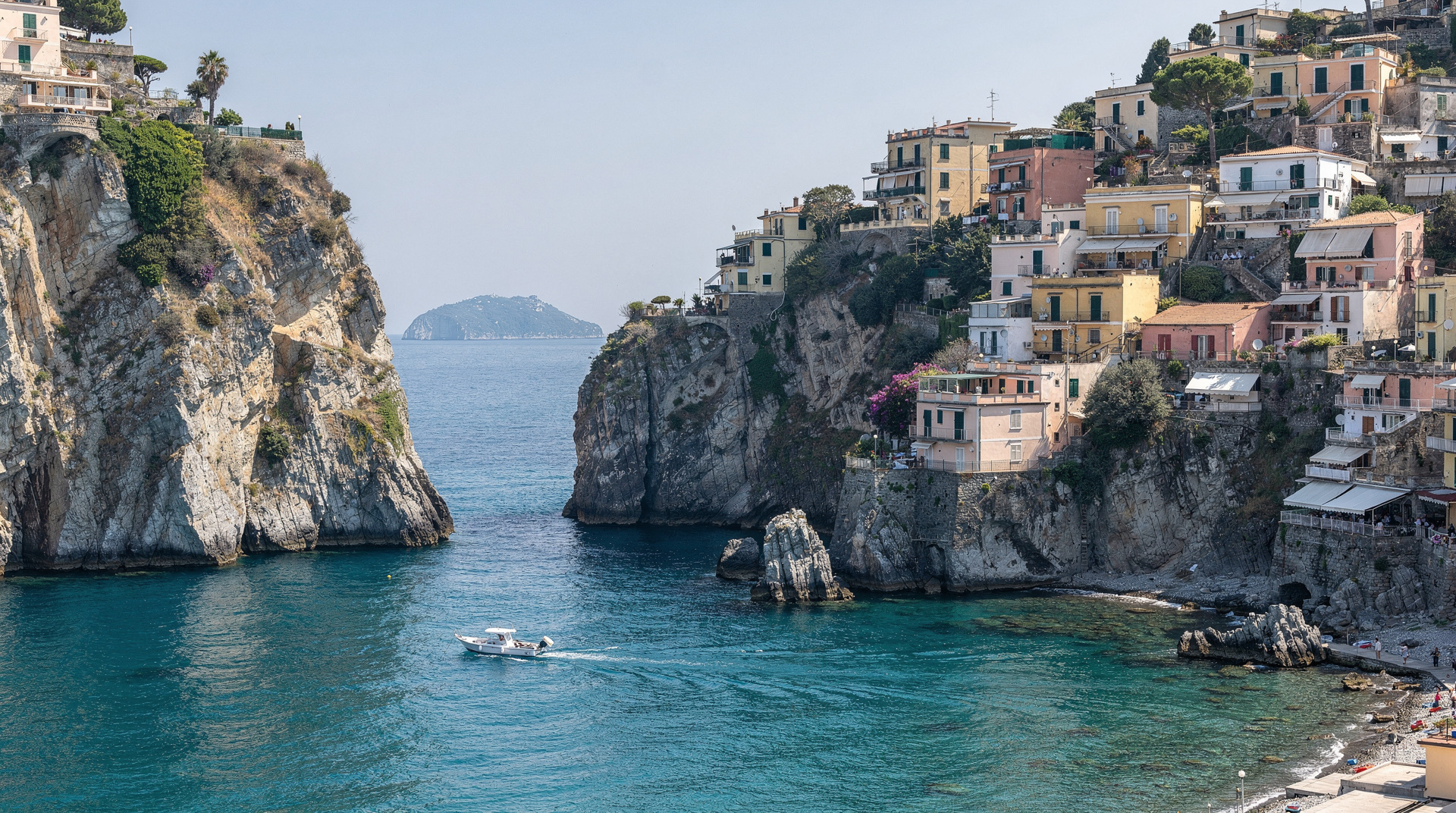
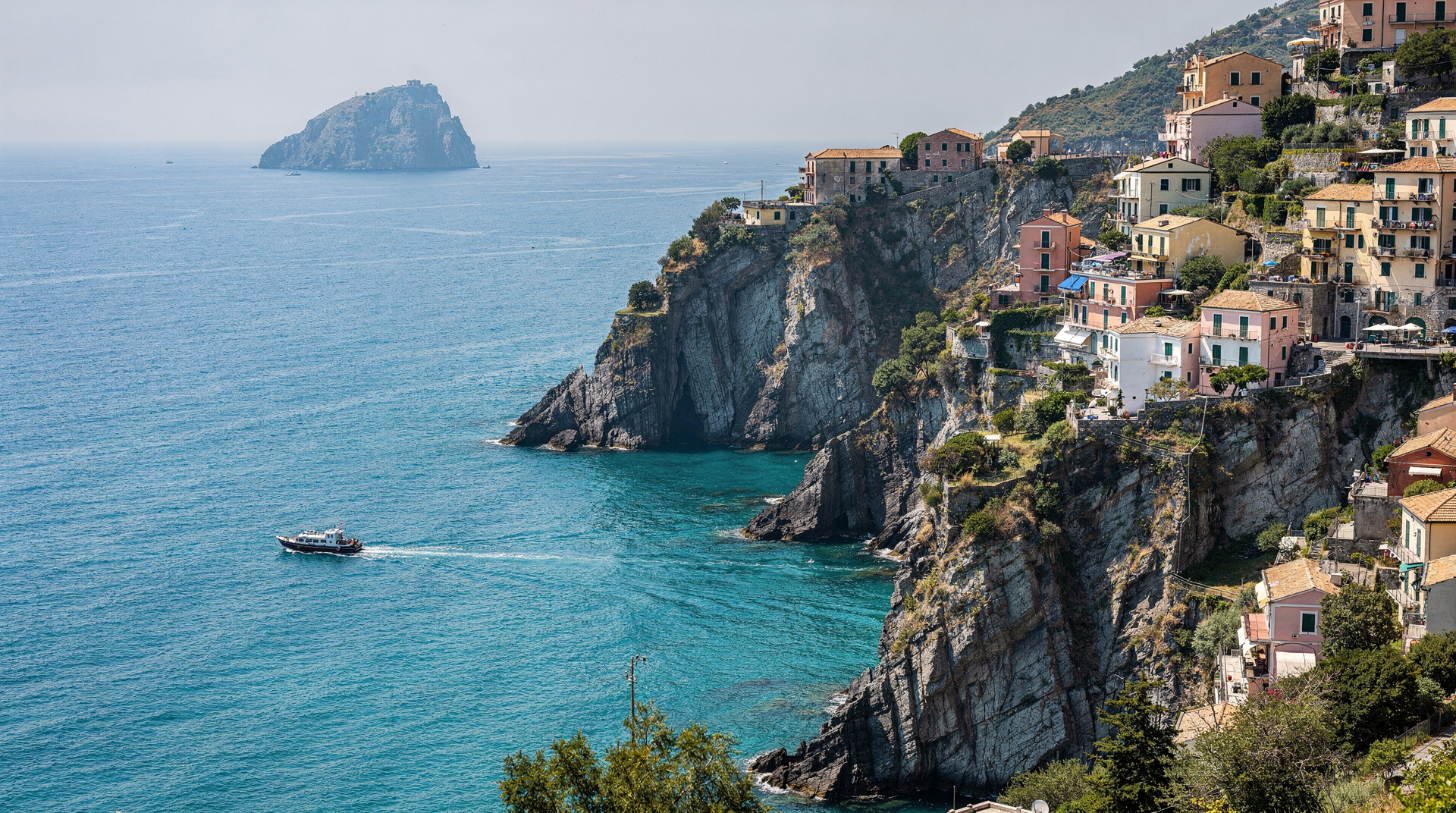
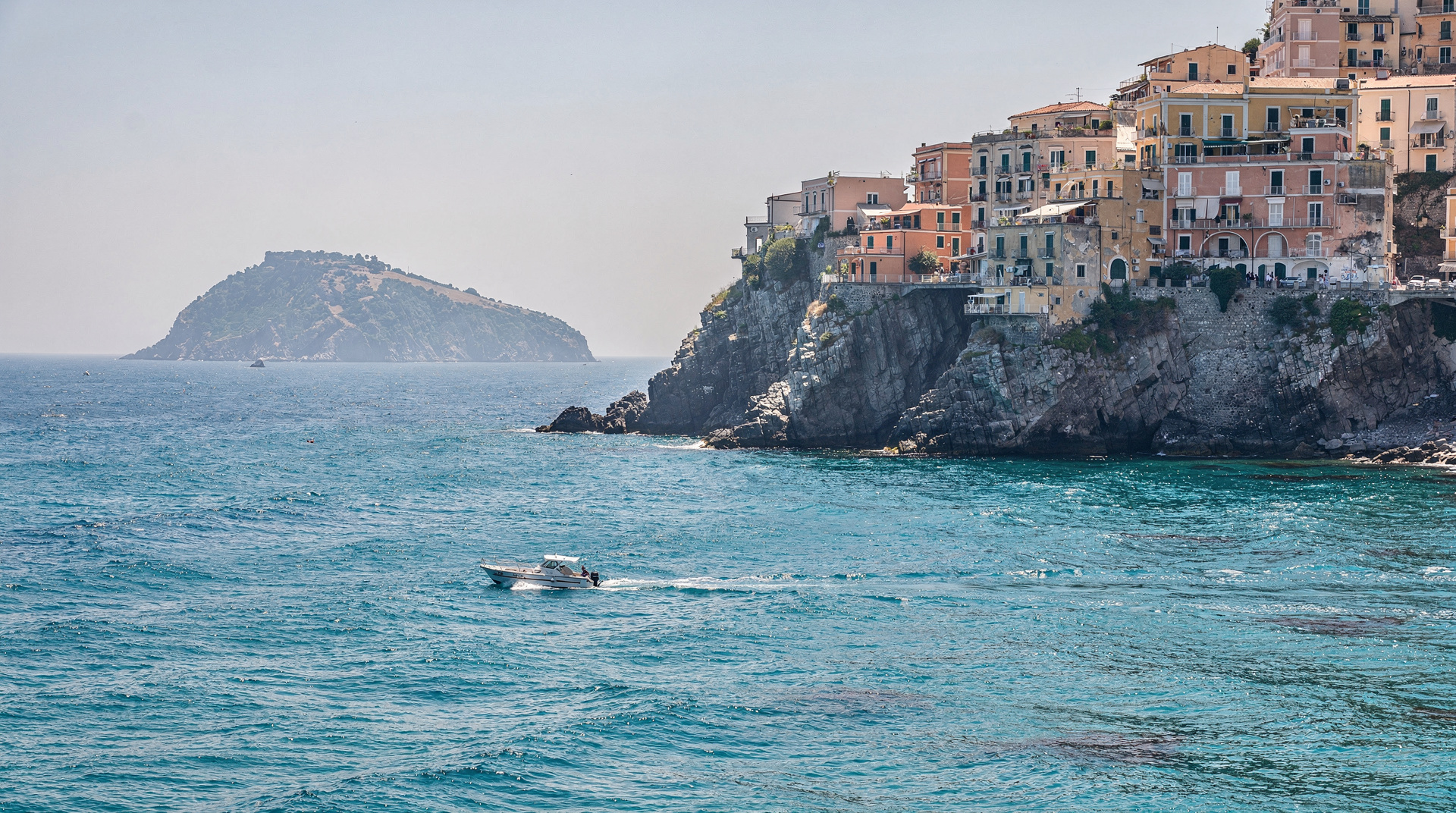
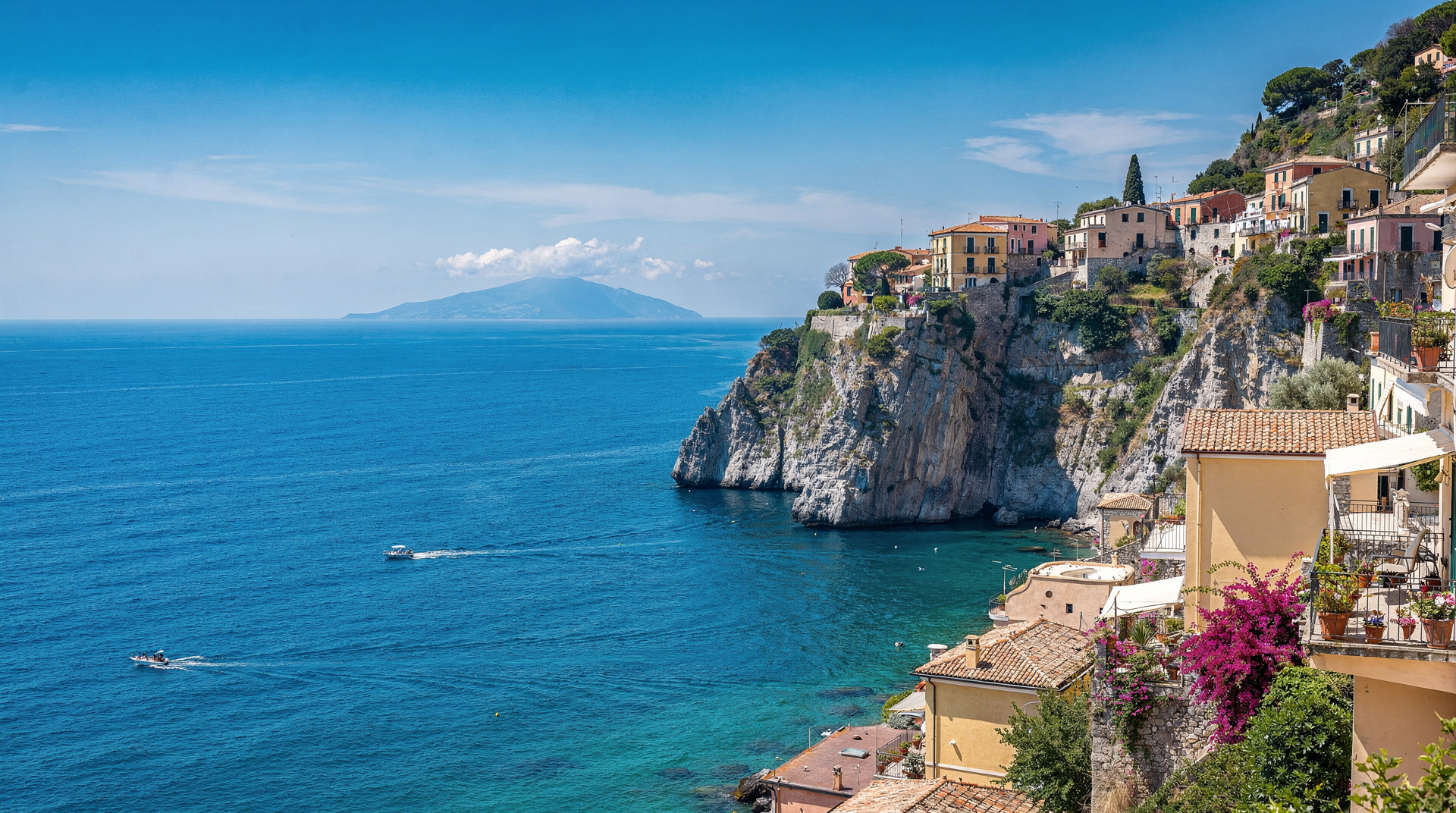
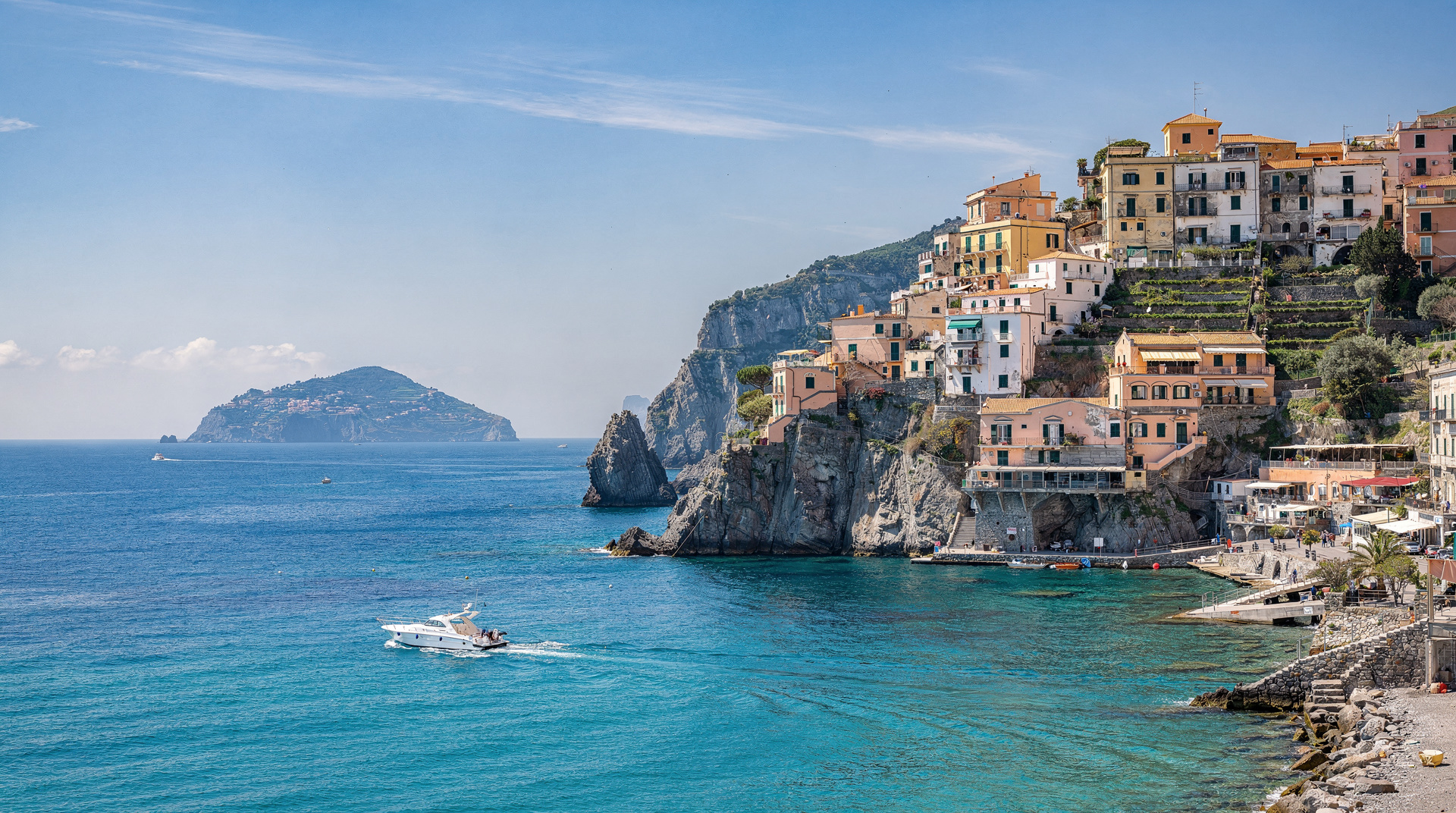
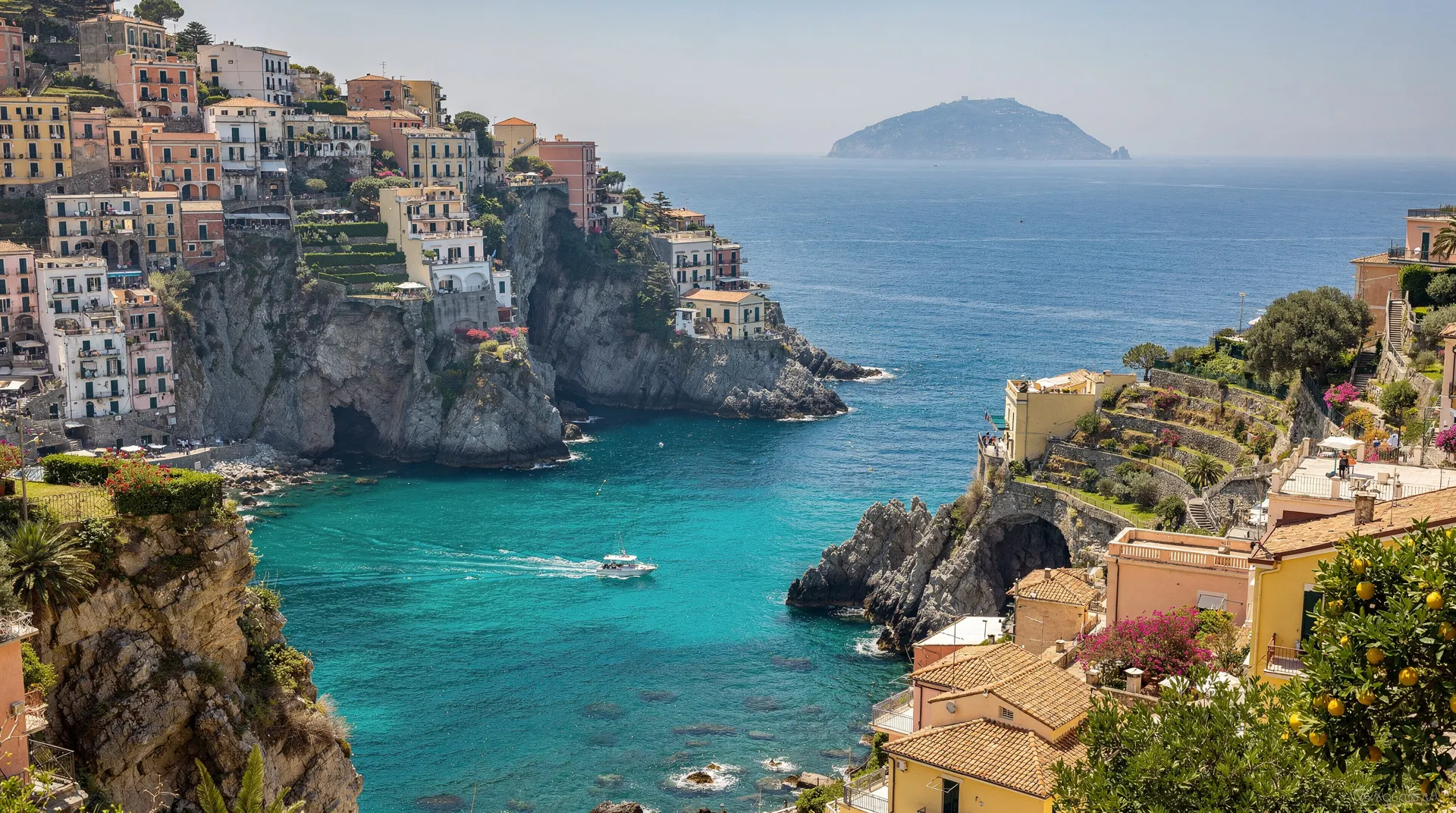
Amalfi Coast by boat or bus is visually overwhelming — the terraced cliffs, the pastel towns, the improbable road carved into rock. The reality on the ground is more complicated. The SS163 in summer is a traffic catastrophe. Buses from Sorrento can run forty-five minutes late. Positano charges tourist-premium prices for everything. The coast is at its best early in the season or from a boat, when the road is not a factor. If you go, avoid driving yourself and manage expectations about how much coast you can actually cover in a day — the Amalfi Coast day trip guide lays out the realistic options.
Paestum is the under-visited answer to Pompeii fatigue. Three Doric temples standing in flat farmland south of Naples, better preserved than anything in Greece, with almost no one around them. The archaeological museum next door contains the Tomb of the Diver, a fifth-century BC painted burial that is one of the most remarkable objects in southern Italy. The trip by train from Naples takes about ninety minutes and the whole thing feels like a secret. Suited for a second or third visit when you want to escape the crowds — see the Paestum day trip guide for the train timetable and entry details.
Tier Three: Good for the Right Traveller
Ischia is a full island day and it works best if you are happy to slow down. The thermal pools at Poseidon Gardens (around €33 entry) or the Negombo spa park are genuinely good, the wine from the island’s vineyards is interesting, and the crowds are lighter than Capri. But it takes ninety minutes by ferry each way and rewards surrendering to the rhythm of the place rather than trying to tick things off a list. Not for the impatient — our Ischia day trip guide covers ferry timings in detail.
Procida is small, photogenic and uncommercialised in the way that Italian islands very rarely are. The pastel harbour of Marina Corricella looks exactly as it does in photographs, and the lack of major tourist infrastructure means prices remain reasonable. A €25 return ferry gets you there. The honest limitation is that once you have walked the island and eaten lunch, there is not a great deal more to do — which is, for many people, precisely the appeal. The Procida day trip guide has a suggested walking route.
Caserta suits history enthusiasts and anyone who responds to the grandeur of the Bourbon court. The Royal Palace is enormous — modelled on Versailles and in some respects more ambitious — and the gardens stretch for over three kilometres up a hill behind it. Entry is €16. The town of Caserta itself has little to recommend it, so this is purely a pilgrimage to the palace. The train from Naples takes thirty minutes. Worth it for the right visitor; wasted on someone who finds formal gardens and royal apartments tedious. The Caserta Royal Palace day trip guide covers ticket options and how to combine it with the gardens’ tram.
The Full Ranking at a Glance
| Day trip | Time needed | Typical cost | Best for |
|---|---|---|---|
| Pompeii | 3–4 hours | ~€18 entry | Everyone, first-timers especially |
| Herculaneum | 2 hours | ~€13 entry | Second visit, less crowded alternative |
| Vesuvius | Half day incl. transport | ~€10 crater ticket | Combining with Pompeii |
| Capri | Full day | €80–120 all-in | Splurge, shoulder season |
| Amalfi Coast | Full day | Varies, boat pricier but calmer | Scenery, avoid peak-season road |
| Paestum | Half to full day | Train + ~€15 entry | Escaping crowds, ancient history fans |
| Ischia | Full day | ~€33 thermal entry + ferry | Slow travellers, thermal spas |
| Procida | Half to full day | ~€25 return ferry | Photography, quiet islands |
| Caserta | Half day | ~€16 entry + train | Bourbon history enthusiasts |
The Honest Summary
If you have one day: Pompeii, without hesitation. If you have two: add Herculaneum or Vesuvius (or both together). If you want the sea: Capri in shoulder season, Procida for calm, Ischia for thermal indulgence. If you want the coast: Amalfi by boat, not by road, in May or September. If you want something unexpected: Paestum, almost any time. If you have a specific interest in Bourbon grandeur: Caserta, in and out on the train.
The mistake most visitors make is trying to do too many in a short stay. One or two properly experienced days outside Naples will serve you better than four rushed ones. The city itself — its churches, its underground, its markets and its chaos — deserves at least the same attention as the things around it.