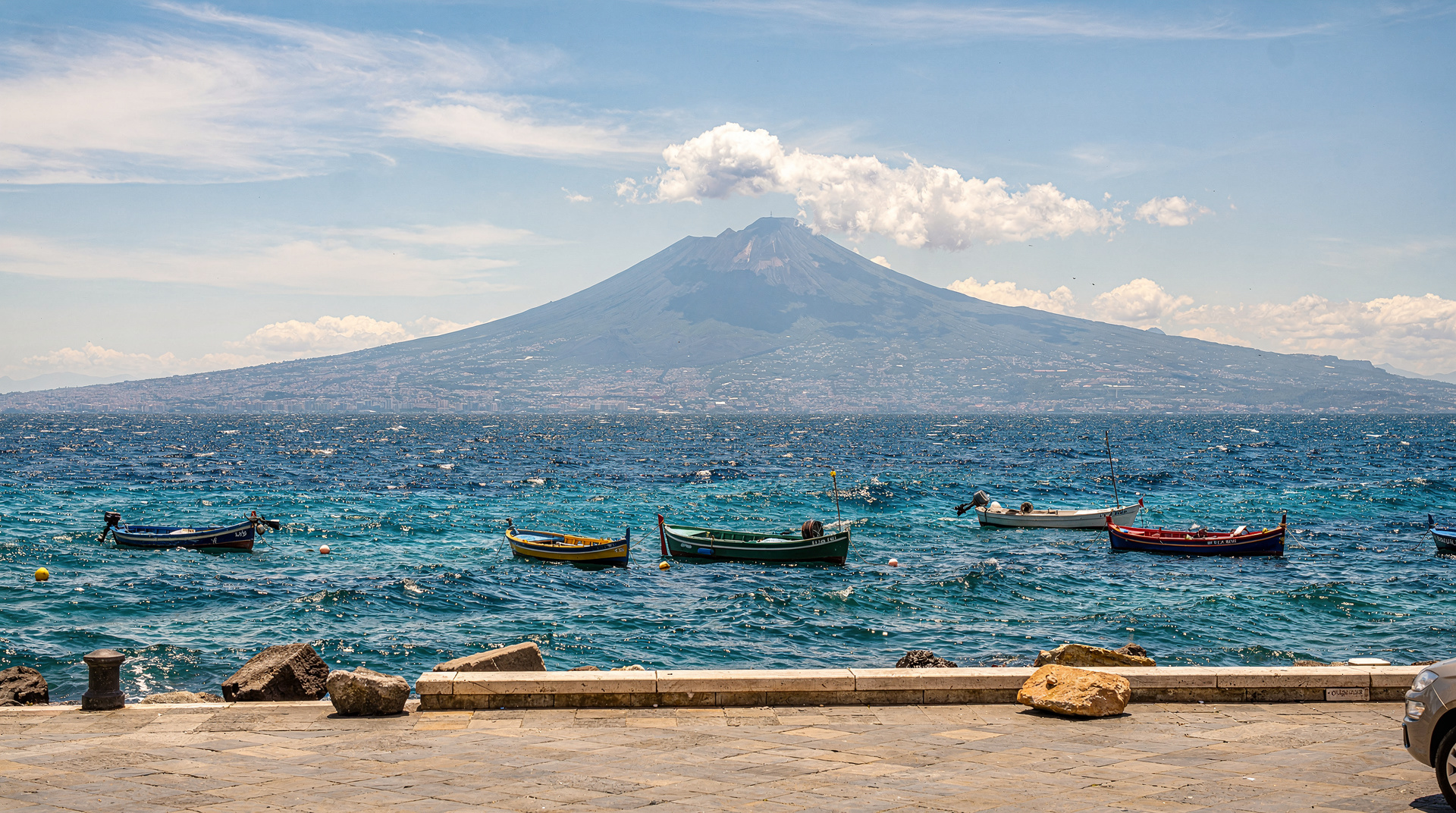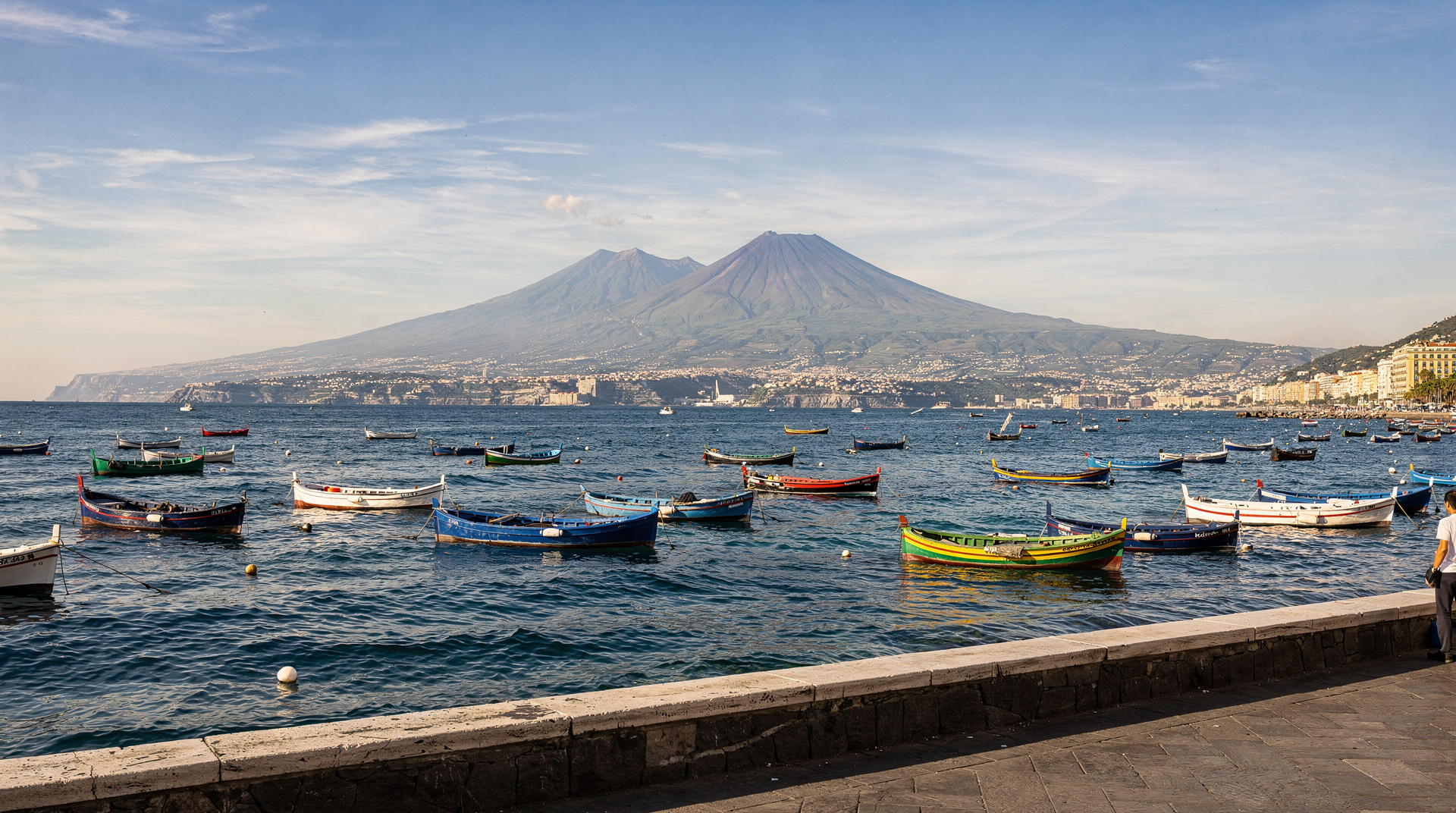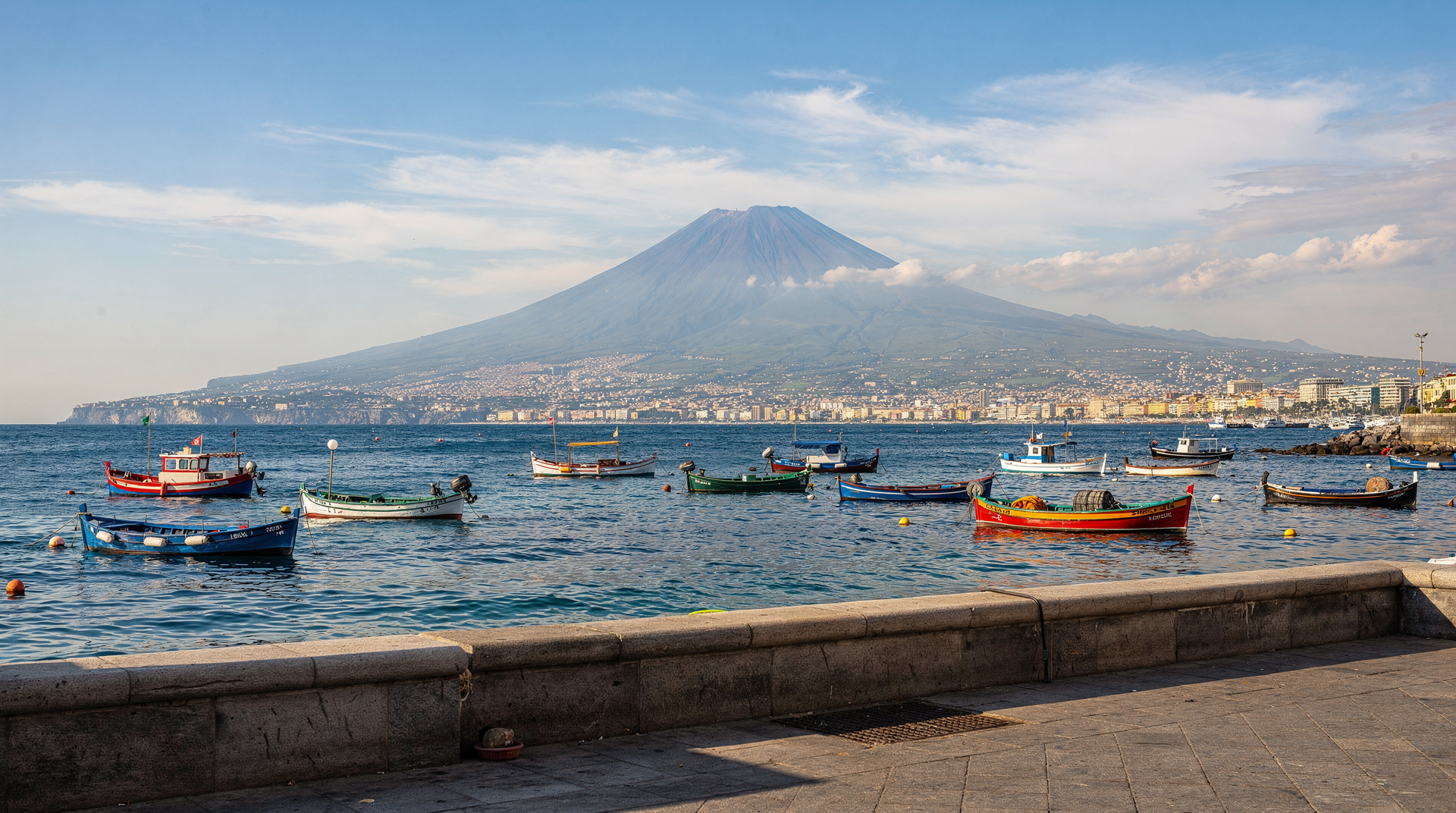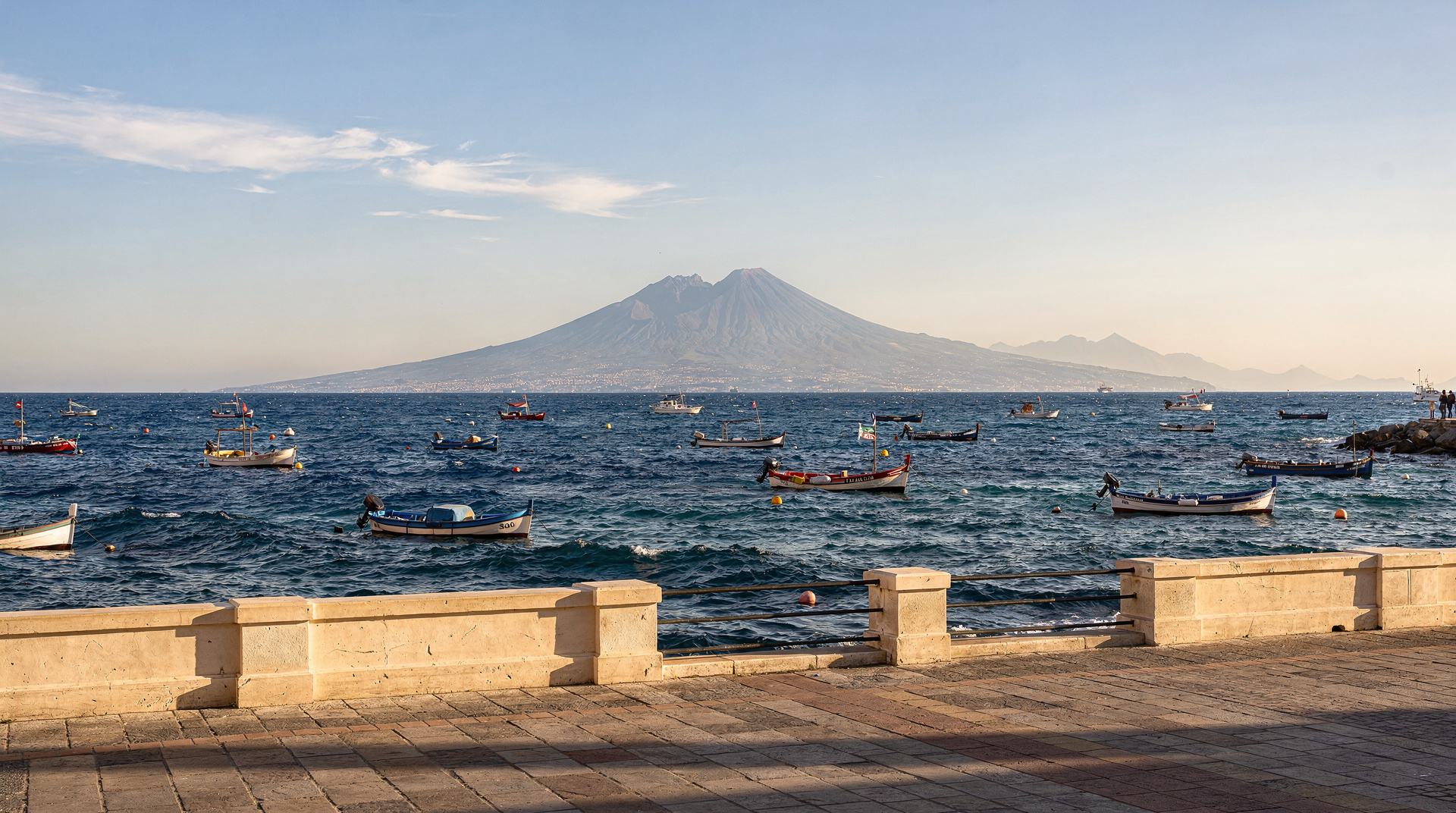
The Naples Nobody Warns You About in May and October
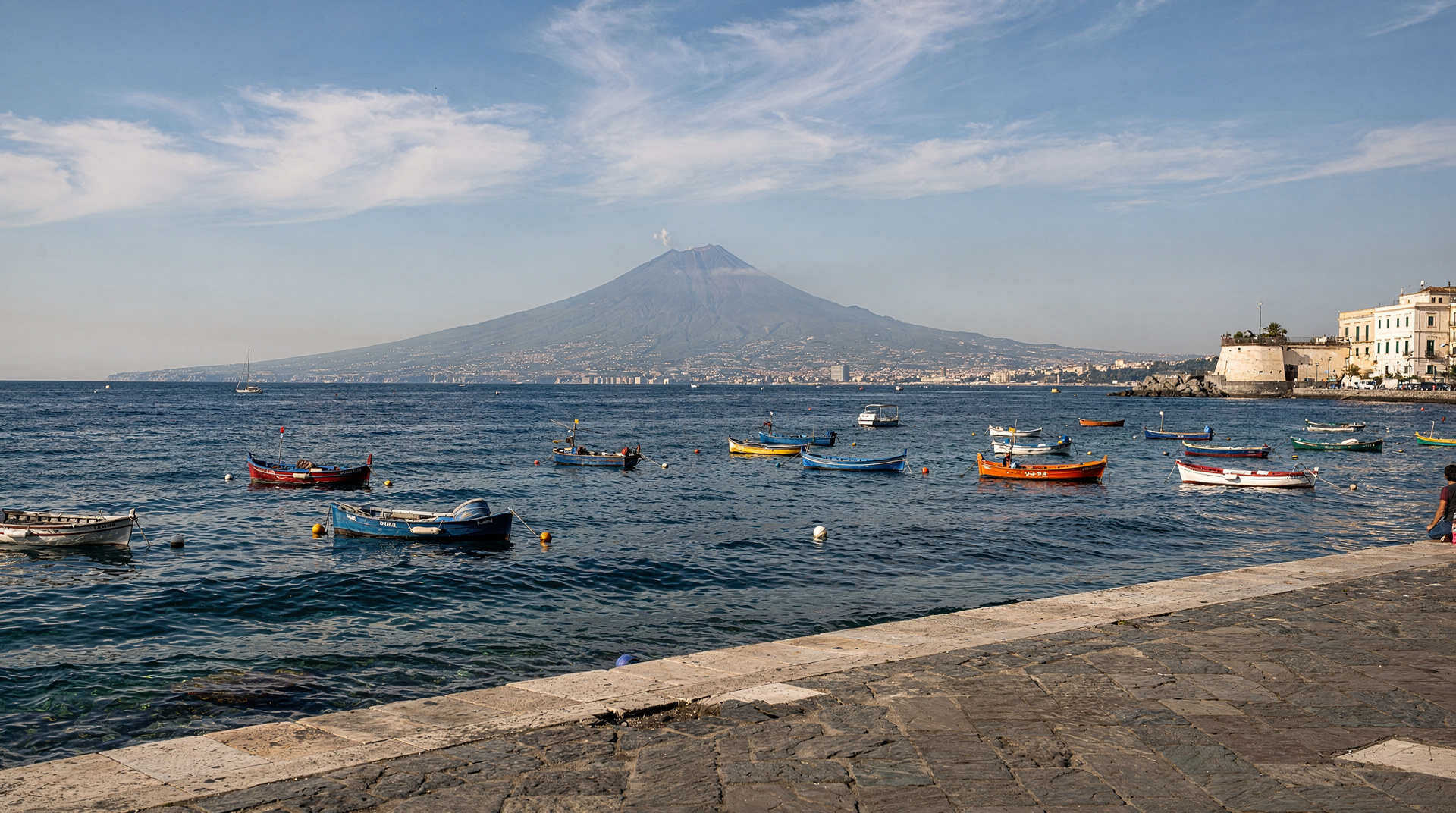
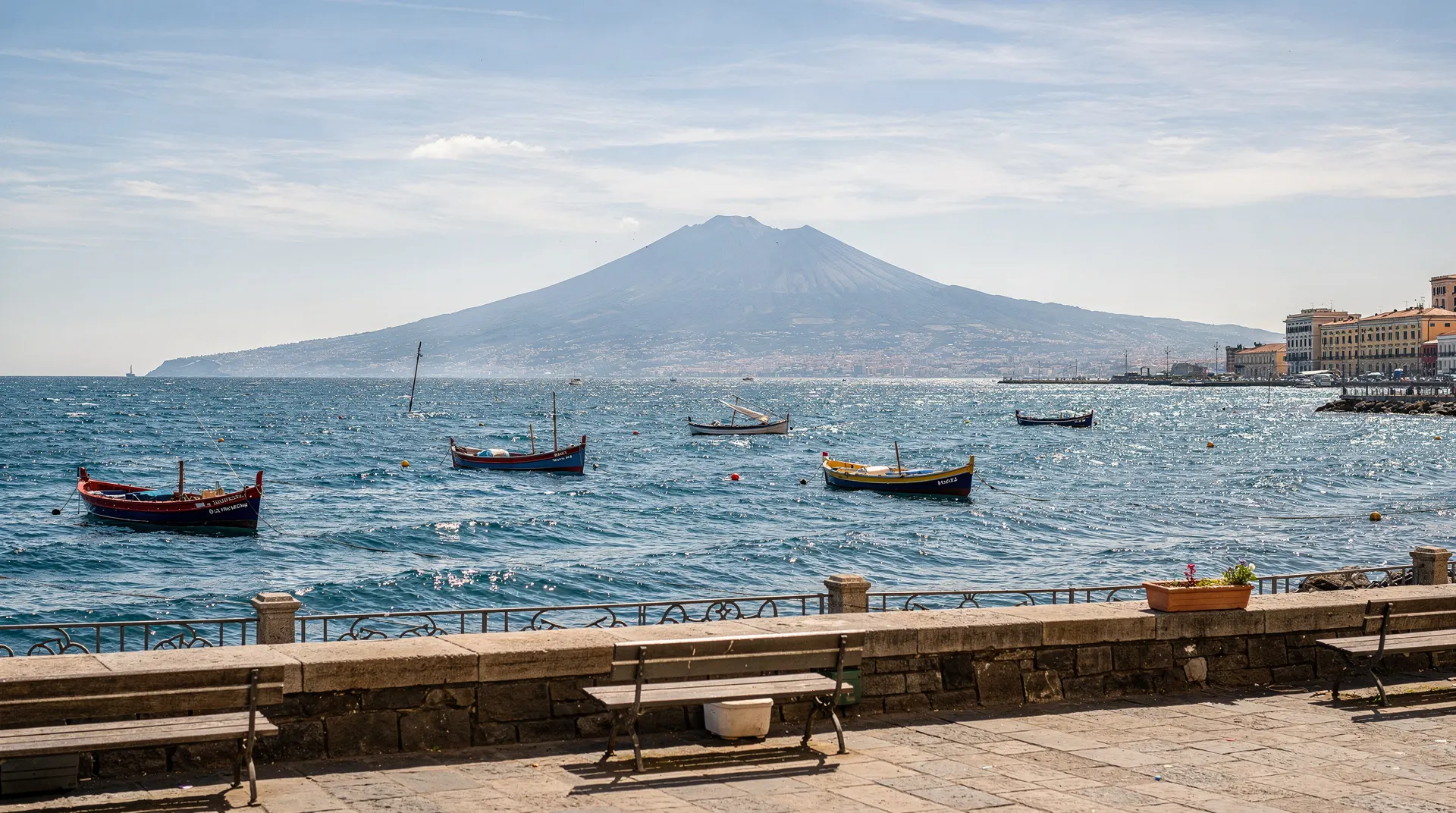
Every travel piece about Naples eventually says the same thing: avoid August. The heat is brutal, the city empties as Neapolitans leave for the sea, the best trattorias close, and the Amalfi Coast road becomes a parking lot with a view. This is all true. What those same pieces tend not to say is that the months immediately before and after August — May, June, September and October — are when Naples is genuinely at its best, and not merely by default.
The shoulder seasons here are not the consolation prize. They are the point. Our full best time to visit Naples guide covers every month in detail if you want the complete year-round picture beyond these four.
| Best months | Second half of May, first three weeks of October |
| Temperatures | 17–28°C depending on the month |
| Hotel savings | Around 30–40% off July/August rates |
| Ferries | Full schedule, shorter queues |
| Avoid | Ferragosto fortnight (roughly Aug 10–25) |
The Weather Case
May in Naples runs between 17°C and 24°C, with low humidity and reliable sunshine. The city is warm enough for a light jacket at night and a short sleeve at noon. June inches up — 20°C to 28°C — still comfortable, with sea temperatures reaching 22°C by the end of the month, which is warm enough to swim properly. Our Naples in spring guide covers May and June specifically, including what’s blooming and what’s in season.
September is the mirror of May: the summer heat has broken, the evenings are cool, the sea still holds warmth from August (typically 25°C+), and the sky has the crystalline quality that only autumn light delivers. October is slightly cooler and marginally wetter but the colours shift and the city takes on a different quality — quieter, more itself, less aware of being observed. The Naples in autumn guide has the September and October specifics, including which festivals land in this window.
In August, by contrast, you are looking at 32°C–36°C in the centre with high humidity, midday heat that makes the historic streets genuinely unpleasant between noon and four, and a tourism infrastructure that has not quite scaled for demand. The shoulder months ask none of this of you — our Naples in August closures guide explains exactly what shuts down if you do end up travelling then.
Shoulder Season vs Peak Summer, Month by Month
| Month | Temp range | Sea temp | Hotel price trend | Crowd level |
|---|---|---|---|---|
| May | 17–24°C | Cool, not yet swimmable early | Low | Light |
| June | 20–28°C | ~22°C, swimmable | Rising | Moderate |
| July–Aug | 32–36°C | Warm | Peak | Very heavy |
| September | 22–28°C | 25°C+ | Moderate | Light–moderate |
| October | 18–24°C | Cooling | Low | Light |
The Crowd Question
The data point that changed how I think about Naples timing was not the weather but the Amalfi ferry. In July and August, the hydrofoil from Molo Beverello to Positano and Amalfi runs full — booking three or four days ahead is not unusual. In May, you walk up and buy a ticket at the dock. The ferry takes forty minutes. The sea is calm. There is nowhere to sit on the cliff walk to Positano that requires a queue. Our Amalfi Coast in shoulder season piece goes deeper into the coast-specific timing if that’s the main draw of your trip.
The same principle applies across the city. The National Archaeological Museum in June has a queue of perhaps twenty minutes at the entrance — in August it can run to an hour. Pompeii in October, on a Tuesday, feels the way an archaeological site should feel: atmospheric, spacious, the scale of the thing properly legible because you can stand in the forum without being shuffled. In peak season, Pompeii is a shuffle.
Hotel prices in Naples reflect this difference clearly. A three-star room in the centro storico that costs €180–€220 per night in July typically runs €110–€140 in May or October. The one-star and B&B tier follows the same curve. You are not sacrificing much and gaining a great deal.
What Opens and What Closes
The shoulder season question that matters most for Naples is ferries and island transport. The full Amalfi Coast schedule — the routes to Capri, Ischia, Procida, Positano, Amalfi — runs from approximately Easter through late October, with peak frequency in July and August. In May and September the schedule is complete, with slightly reduced frequency on less-popular routes, but nothing that requires significant planning. In early April or November, some routes are reduced to weekends only or suspended entirely.
Capri, specifically, deserves mention: in May and early June, before the full summer onslaught, the island is navigable. The Piazzetta is not empty — it is never empty — but the ratio of people to place is human rather than absurd. The Blue Grotto queues are shorter. The walking paths around the island are accessible without shoulder-to-shoulder foot traffic.
The Food Calendar
The produce calendar alone makes a case for May through June. Campanian tomatoes come into season in July and peak in August, but the courgette flowers (fiori di zucca) and peas and artichokes that define Neapolitan spring cooking are at their best in April and May. The lemon pastries — the delizia al limone, the lemon granitas — improve noticeably as the Sorrento and Amalfi lemon harvest arrives in spring.
September and October bring porcini mushrooms, figs, and the first of the new olive oil. A Neapolitan autumn menu, in a serious trattoria, is one of the better reasons to visit southern Italy.
For a comprehensive introduction to the city’s street food — the pizza fritta, the frittatina, the cuoppo — the six-stop street food tour of the historic centre operates year-round and covers the canonical stops efficiently. In shoulder season, the walks feel less rushed and the stops are less crowded.
The Coast in Shoulder Season
The Amalfi Coast is a genuinely different experience in May compared to August. The road — the SS163, one of the most dramatic coastal drives in Europe — still requires nerve and patience in shoulder season, but the difference in traffic density is significant. The towns of Positano, Ravello and Amalfi are accessible on foot rather than by managed queue. The restaurants take walk-in bookings.
Sunset over the Tyrrhenian from the Amalfi Coast is its own argument. An Amalfi–Positano sunset cruise with prosecco captures this properly — the coast from the water at dusk, in May or September, with the villages lit gold against the cliffs, is one of those things that justifies the journey from wherever you started.
Events Worth Timing Your Trip Around
Shoulder season also happens to coincide with a handful of events worth building a trip around, from spring religious processions to autumn food festivals in the surrounding countryside. The Naples events calendar is worth a look before you fix your dates — a well-timed weekend can turn an already-good shoulder-season trip into something more specific and memorable.
Making the Decision
The simple version: if you have flexibility, aim for the second half of May or the first three weeks of October. These are the windows where weather, price, crowd and seasonal produce align most cleanly. Early June works almost as well — the sea is warmer than May and the schools are not yet out in most of Europe, which keeps the family-holiday volume lower.
Late September is the autumn equivalent — post-summer, pre-school-holiday, with the added advantage that the Amalfi restaurants are still fully open and the ferry schedule is complete.
Avoid the Ferragosto fortnight (roughly August 10–25) unless you have a specific reason. The heat and crowds are real constraints, not travel-writer clichés. The city is not unvisitable — it functions, and the pizza is still excellent — but it asks more of you than it needs to.
Naples in shoulder season asks very little and gives a great deal back.