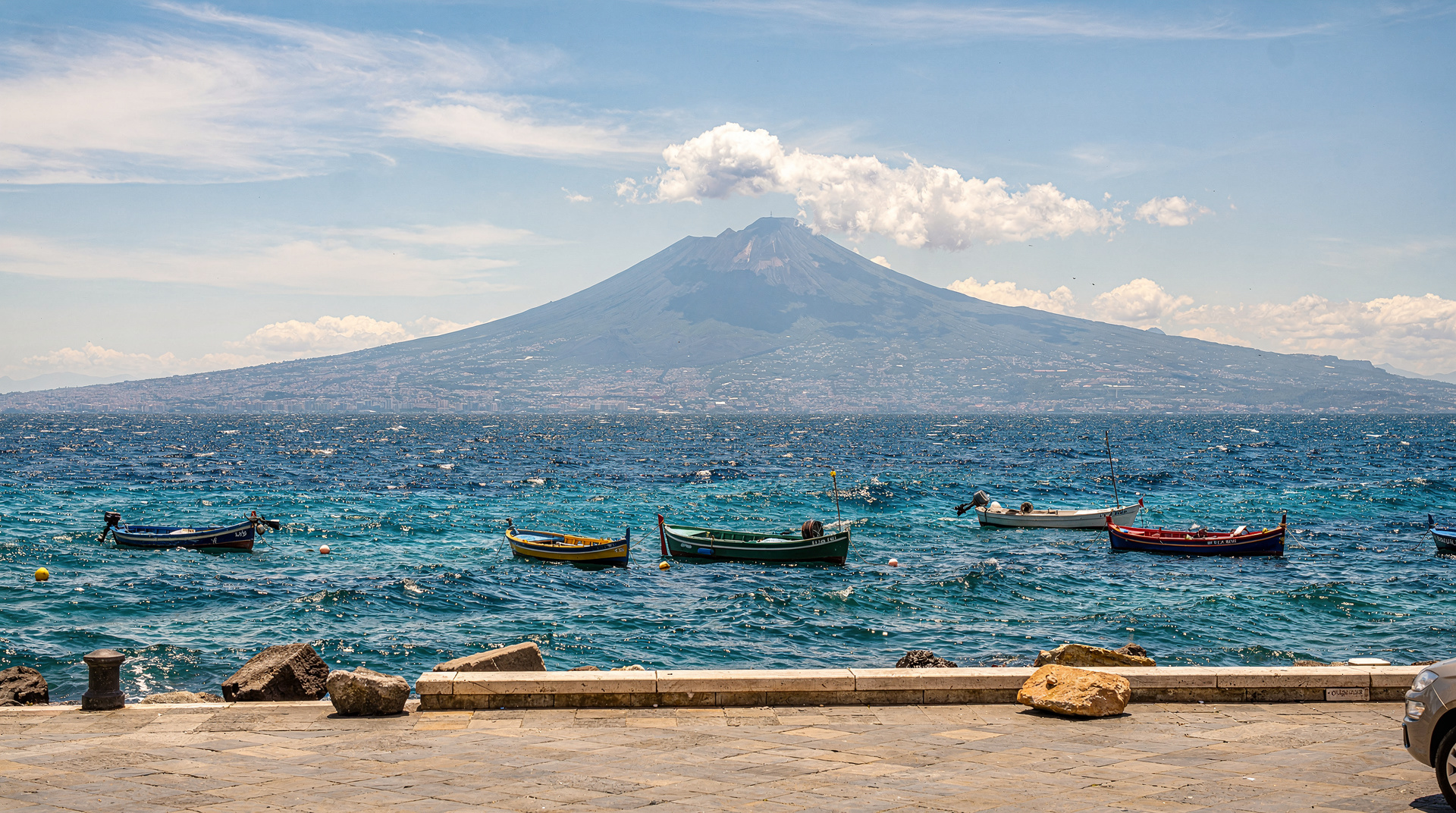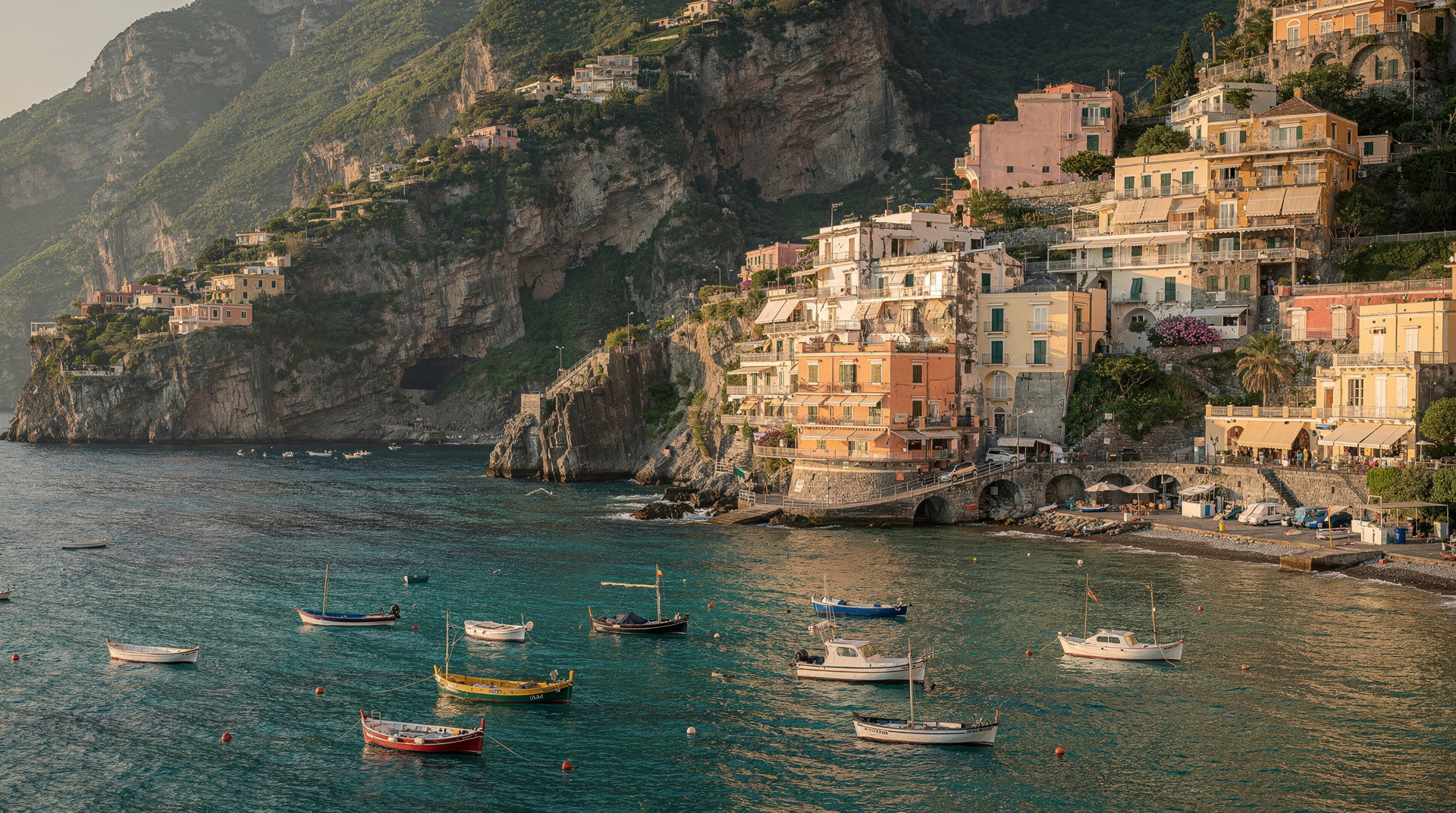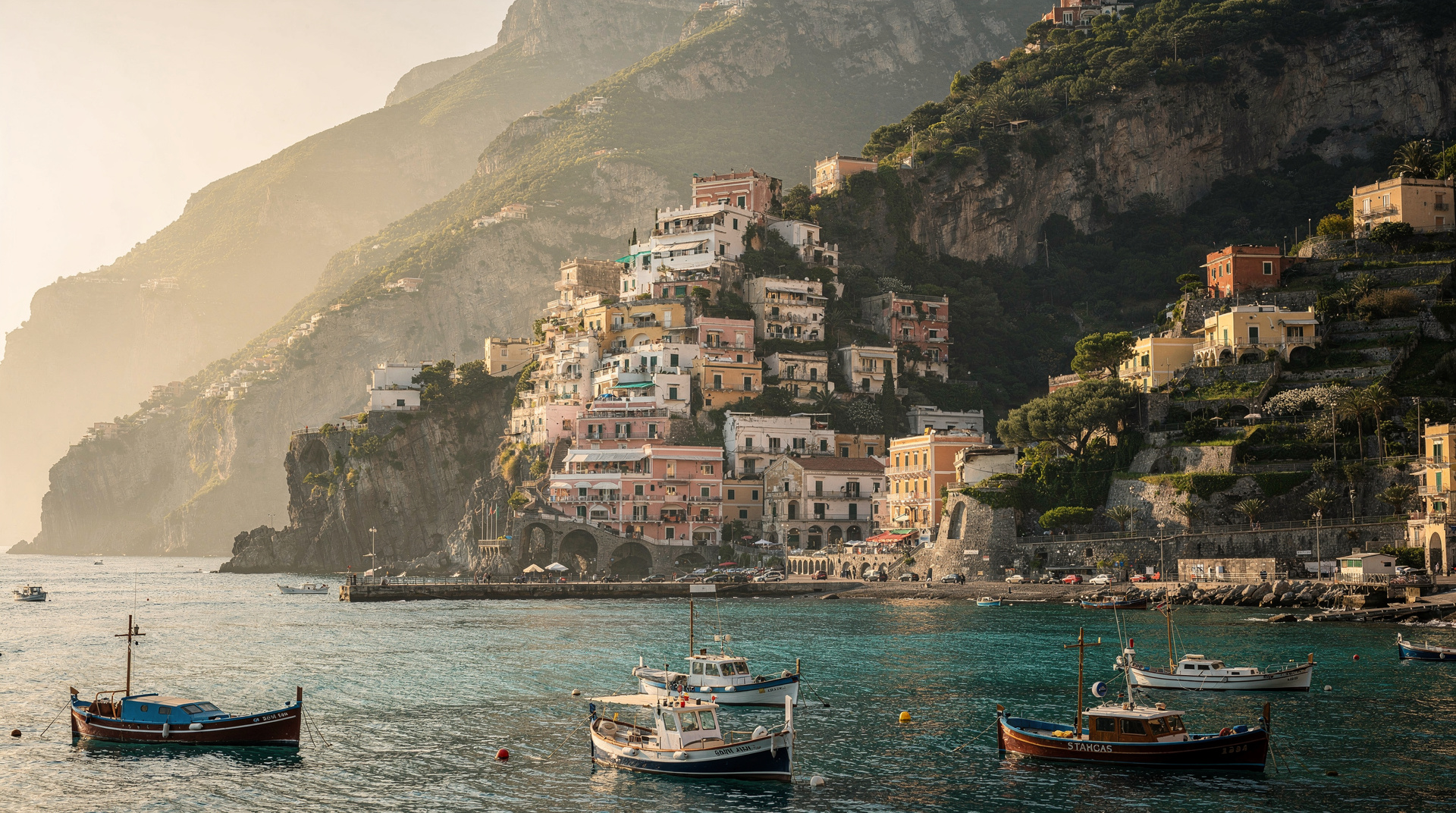
Why the Amalfi Coast in May or September beats August every time
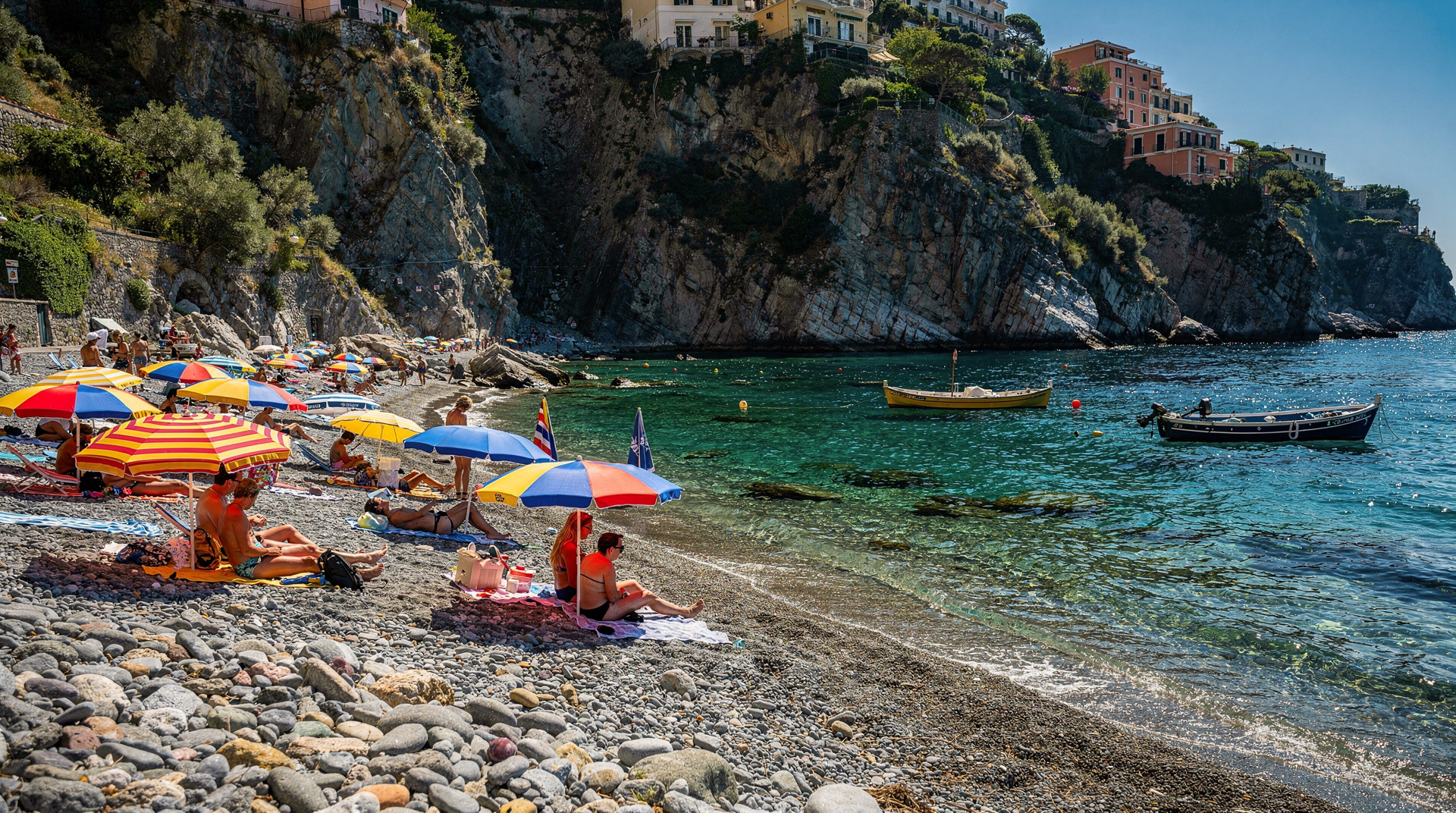
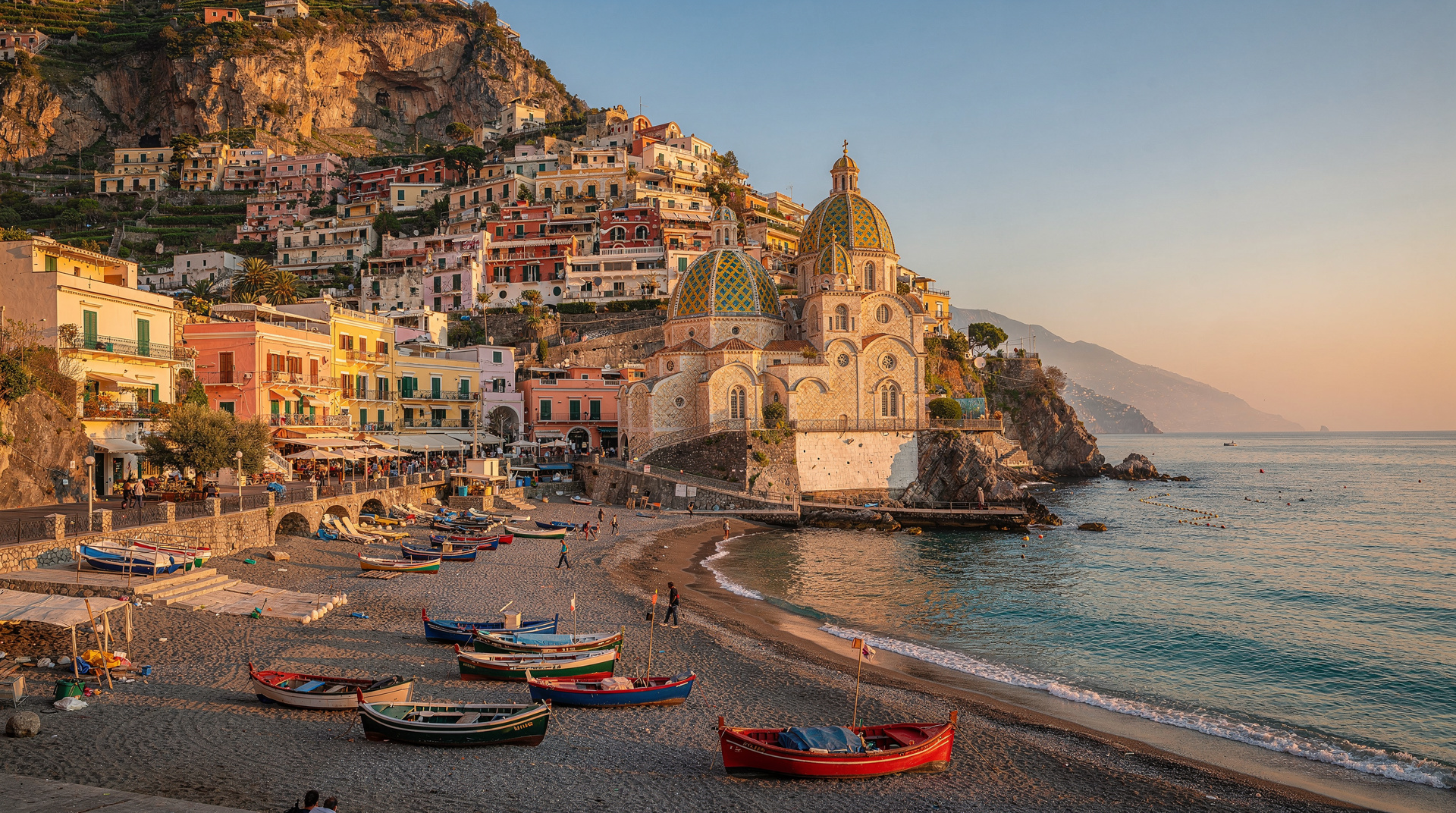
The Amalfi Coast exists in most people’s imagination as an August place — the photos always seem drenched in that late-summer haze, the terraced lemons golden, the sea an unreasonable shade of turquoise. What those photos don’t capture is the bumper-to-bumper traffic on the SS163, the forty-minute wait for a table at anything worth eating in, or the Positano beach in late July where you are effectively lying on a towel the size of a yoga mat surrounded by several hundred other people doing the same thing.
The coast doesn’t need August to be beautiful. It just needs light, warmth, and a sea warm enough to swim in. Both May and September deliver all three, and they deliver the rest of the experience — the towns, the restaurants, the terraces at sunset — at a pace that lets you actually be there rather than simply surviving it.
| Best months | May and September (mid) |
| Sea temperature | 19–21°C (May), 24–25°C (September) |
| Hotel savings vs August | Around 40–45% |
| Getting around | SITA bus, ferry, or hired scooter — all manageable |
| Booking lead time | 2–4 weeks is usually enough, vs months for August |
What May looks like on the coast
May on the Amalfi Coast is, genuinely, close to perfect. The broom is in full yellow flower along the cliffsides, the wisteria is finishing, and the light has that clear spring quality that August’s heat haze blurs. Temperatures settle around 22–26°C during the day — warm enough for a light dress or shorts, cool enough to walk comfortably up and down the staircase streets without collapsing.
The sea in May is around 19–21°C — bracing but entirely swimmable for anyone who’s ever been in the North Sea, and positively tropical by northern European standards. The beach clubs and waterfront restaurants are open and welcoming the first proper wave of visitors. You can book a table at almost anywhere you want. Hotels are running at maybe 60–70% capacity.
Prices in May are meaningfully lower than August. A room in Positano that costs €350 a night in August might be €190 in mid-May. Car hire is cheaper. The ferries run on the shoulder timetable but all the key routes are operating — Naples to Amalfi, Salerno to Positano, the inter-village boats that make the coast navigable without a car.
September: the sea is warm, the crowds have gone
September does something August never quite manages: it combines a properly warm sea with a less frantic coast. The water temperature peaks in late August and holds through most of September at 24–25°C — genuinely warm, soft to swim in, the colour at its most saturated in the afternoon light.
The human geography shifts markedly after the first week of September. Italian families return to school on the 15th in most regions, and the shift before that date is already visible. By mid-September, Positano is still busy but you can walk the Via Pasitea without turning sideways. Ravello has its gardens to a handful of people on a Tuesday morning. The restaurants are still excellent — the produce is at its late-summer best, the tomatoes are extraordinary — but the kitchen isn’t overwhelmed.
The light in September has a quality that photographers describe as golden hour stretched across an entire afternoon. The sun is lower than in July, softer, and the coastline glows in a way that is genuinely different from the flat brightness of midsummer. If you’re coming for photographs or painting, September is the answer.
Amalfi and Positano sunset boat tour with prosecco from Sorrento — a September sunset on this stretch of water, from the sea looking back at the cliffs, is one of the better views in the Mediterranean. This kind of evening departure is the format that makes the most of the light.
The coast without the car problem
One of August’s genuine miseries on the Amalfi Coast is the traffic. The SS163 is a single-lane coastal road engineered for mule carts and now carrying several thousand cars a day in peak season. Tailbacks of an hour between Positano and Amalfi town are not unusual in August. The SITA buses are air-conditioned but standing-room only, jolting around hairpin bends with your face in someone else’s daypack.
In May and September the same road is still narrow but it moves. The bus has seats. You can hire a scooter from Sorrento for around €35 a day and actually enjoy the drive rather than endure it. The ferries between towns — roughly €8–12 per leg depending on the route — run regularly and are never packed enough to make boarding unpleasant.
Naples to Sorrento, Positano and Amalfi small-group day tour — if you’re basing yourself in Naples rather than along the coast, a small-group day tour in May or September gives you the highlights without any transport stress, and the groups are smaller than the August equivalent.
Where to stay and what it costs
Positano is the most famous and the most expensive. Even in shoulder season, expect to pay €150–220 for a mid-range room with a sea view. Praiano, ten minutes further east along the coast, offers similar views and atmosphere at roughly 40% less and almost no tourist crowds — it has become something of an insider favourite precisely because it avoids the Positano premium.
Amalfi town itself is practical and central — ferries in every direction, reasonable restaurants, a cathedral worth seeing. Ravello, perched 350 metres above the sea, runs cooler and quieter than anywhere on the coast, with the Villa Rufolo gardens (€7 entry) among the most beautiful in southern Italy.
The honest case for not doing August
None of this is to say the Amalfi Coast is bad in August — it’s still extraordinary. But it’s extraordinary in the way that demands something from you: patience, early starts, advance bookings for everything, a tolerance for crowds that makes you feel like you’re consuming a beautiful place rather than experiencing it.
May and September ask nothing of you except to show up. The coast is open, warm, accessible, and calm enough to sit on a terrace in Ravello or Atrani and feel, for an hour, that you might be the only person who thought of coming here. That feeling is worth planning your holiday around.
Month by month, in brief
| Month | Sea | Crowds | Verdict |
|---|---|---|---|
| April | Cold (17–18°C) | Light | Flowers and light are gorgeous; swimming is a stretch |
| May | 19–21°C | Light–moderate | The best all-round month |
| June | 22–23°C | Building fast | Warm but school-holiday crowds arrive late in the month |
| July–August | 25–26°C | Peak | Beautiful but demanding — see our best time to visit Naples guide for the trade-offs |
| September | 24–25°C | Falls after the 15th | Warm sea, thinning crowds — arguably better than May |
| October | 21–22°C | Light | Still swimmable, quieter, some closures begin late in the month |
Getting the logistics right
Shoulder season doesn’t remove the need to plan the coast’s transport, it just makes it far less stressful. Our Amalfi Coast guide covers the full picture of buses, ferries and driving; the short version for May and September is that the SITA buses run a fuller timetable than winter but a lighter one than August, so check times the day before rather than assuming August frequency. If you’d rather not deal with any of it, day tours from Naples run year-round and simply get easier to book with a smaller group in shoulder season.
Where to base yourself
Choosing a base matters more than people expect, and it’s worth deciding before you book anything else — our where to stay on the Amalfi Coast guide breaks down the trade-offs between Positano’s glamour, Amalfi’s convenience, and Ravello’s quiet altitude in more depth than fits here. If beach time matters as much as town-hopping, cross-reference against the best beaches on the Amalfi Coast before locking in a base, since not every pretty town has swimmable water on its own doorstep. For a single-town deep dive, the Positano guide is the most requested of the bunch, for obvious reasons.
Frequently asked questions about Why the Amalfi Coast in May or September beats August every time
Is the sea really warm enough to swim in May? Yes, at around 19–21°C it’s swimmable for most people, though it feels bracing on first entry compared with the 24–25°C of September. Anyone used to northern European or British seas will find it comfortable.
Is September better than May overall? Both are excellent, but September after the 15th arguably edges it: the sea is at its warmest of the year and the crowds have thinned with the return to school, whereas May has cooler water but the freshest light and flowers.