An Honest Love Letter to the City That Refuses to Be Easy
Read the reviews. Not the carefully curated ones — the raw ones, the ones people leave after three days in the city. They divide into two groups with an almost comical precision. One half writes about the best food of their lives, the warmth of strangers, the electric feeling of a city that exists for its own sake rather than for tourists. The other half describes chaos, grime, near-misses with scooters, and a general sense that the city does not care whether they have a good time.
Both groups are right. That’s the thing about Naples. For the practical version of this same question, see is Naples worth visiting and is Naples safe: the data.
| What splits opinion | Noise, density, visible grime vs. food, warmth, energy |
| Who loves it | Travellers who want authenticity over polish |
| Who struggles | Low tolerance for chaos, unpredictability |
| Best mitigation | Base in Chiaia/Posillipo for more calm, Decumani for full intensity |
| Verdict | Go, with honest expectations |
What the City Actually Looks Like
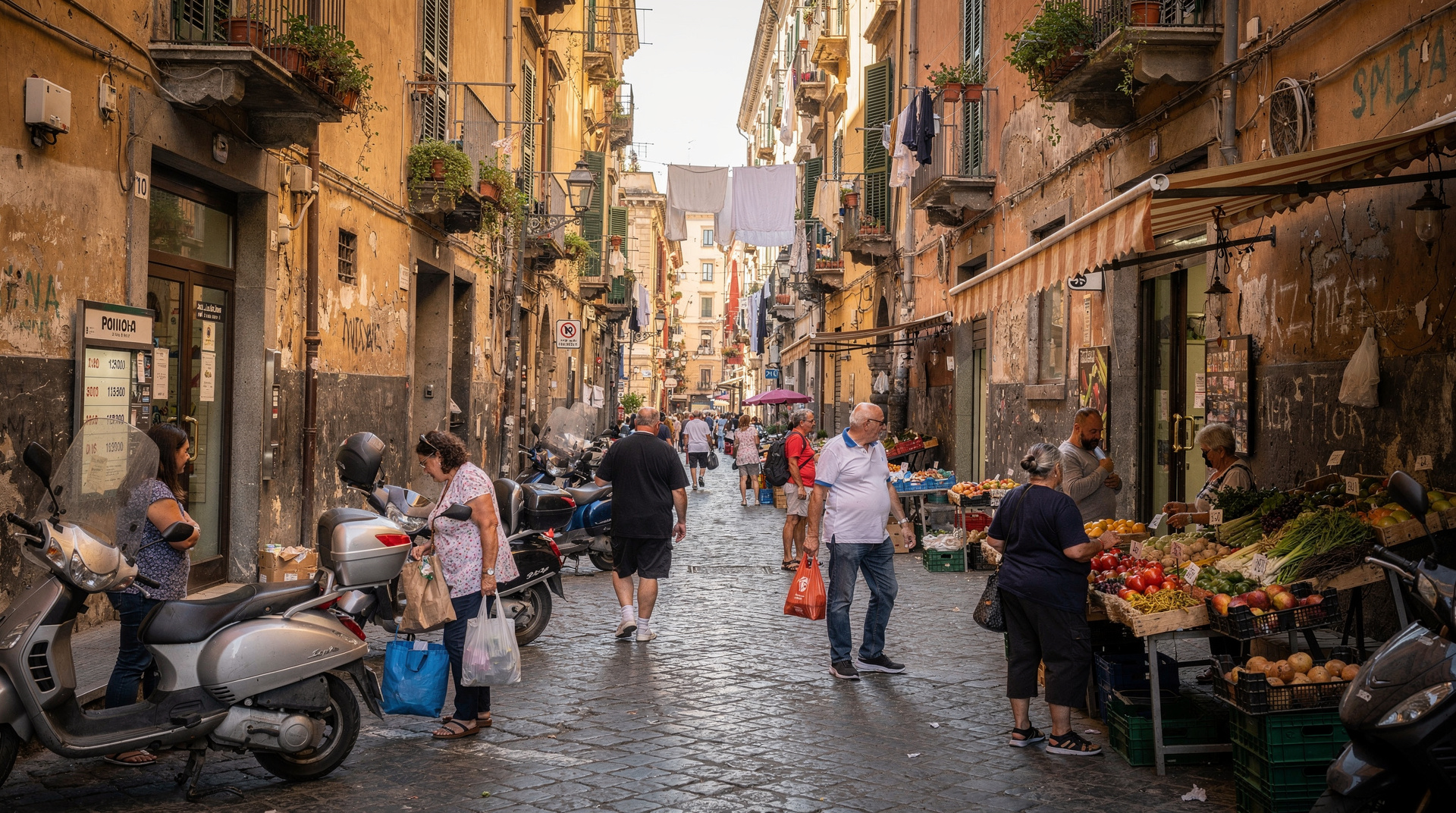
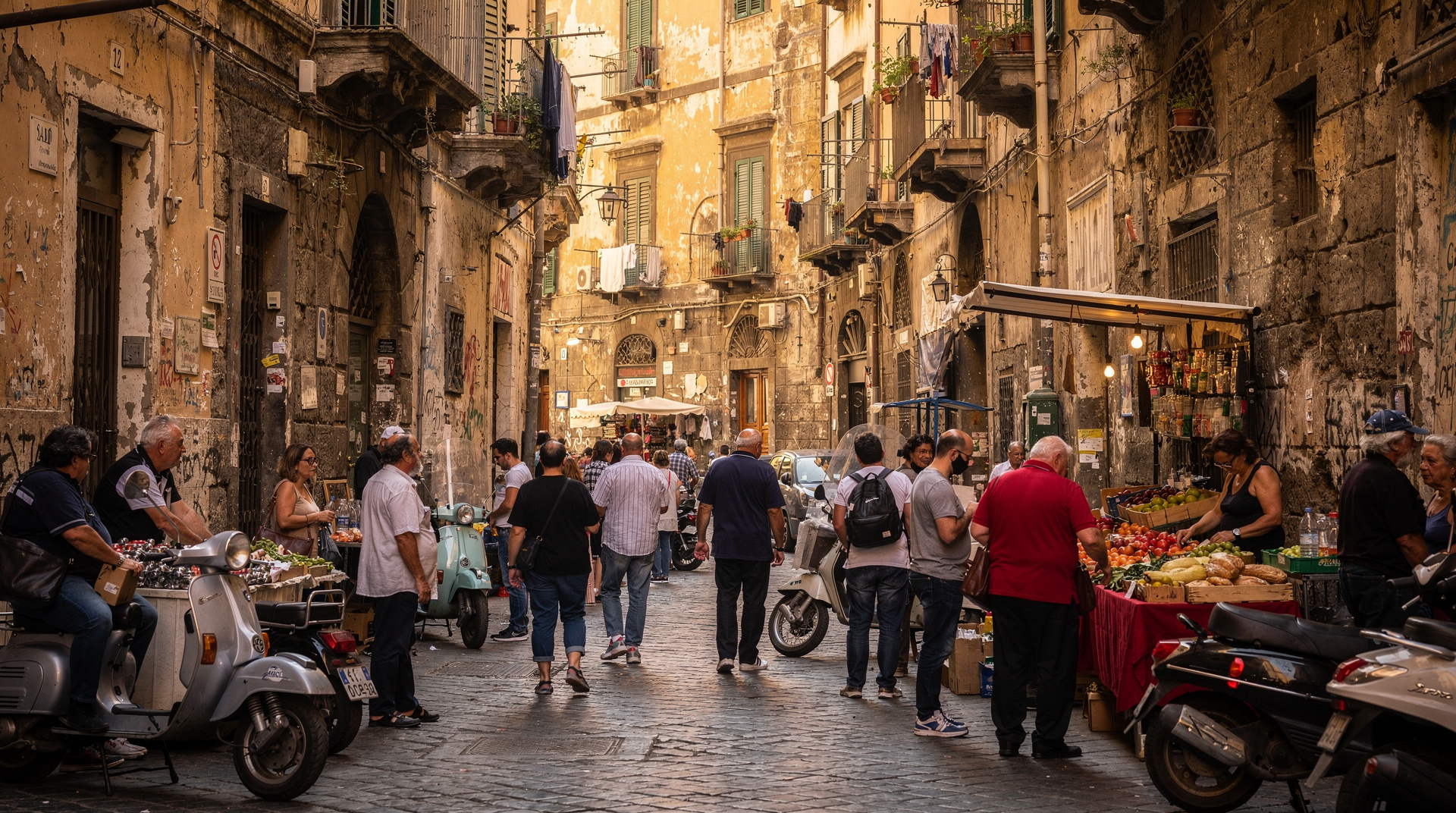
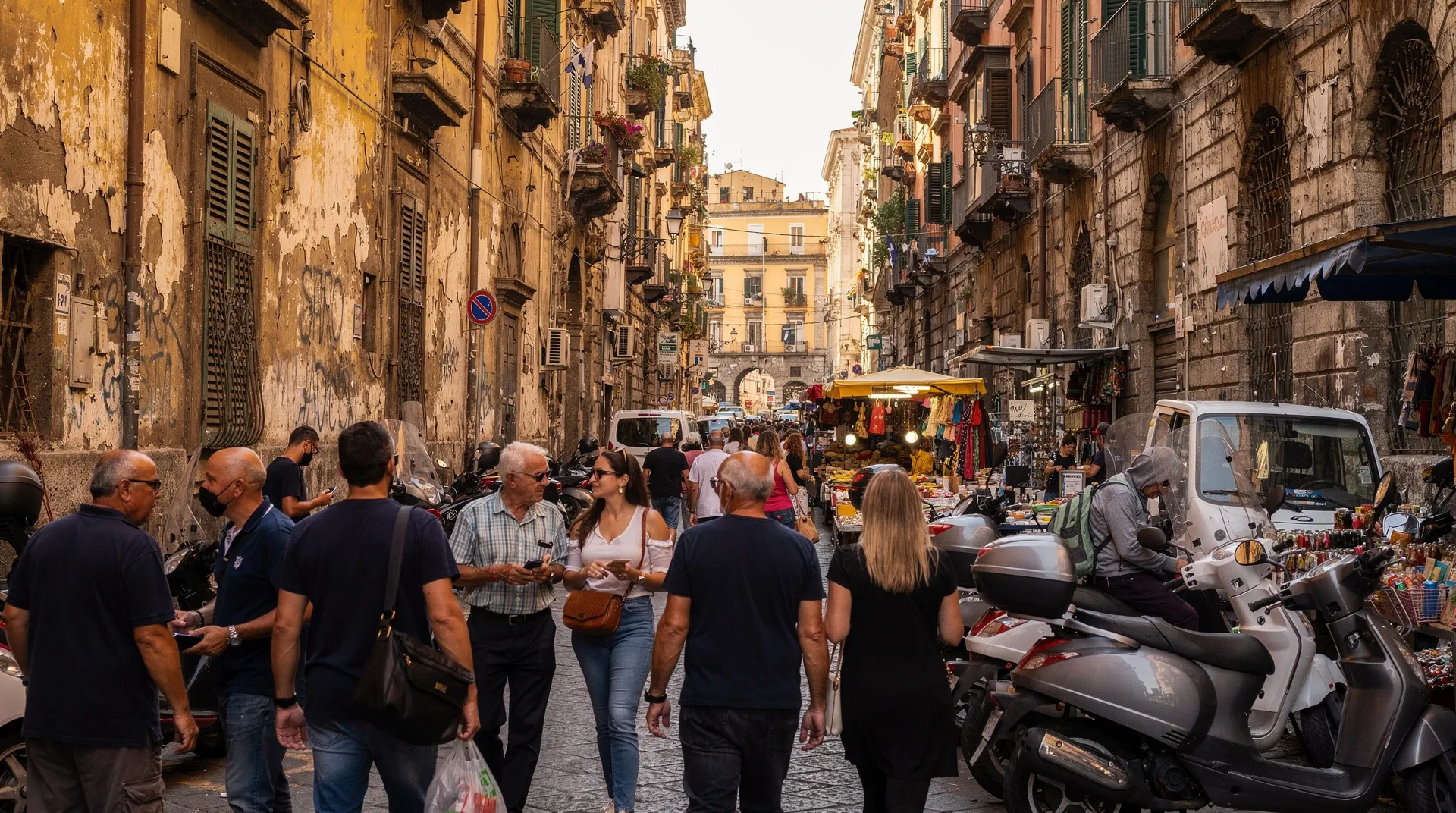
The centro storico — the Spanish Quarter, the Decumani, the streets around Spaccanapoli — is dense in a way that photographs don’t fully communicate. Buildings lean toward each other. Laundry crosses overhead. Scooters take pavements as suggestions. The noise is continuous: delivery bikes, arguments, children, the slap of pizza dough, dogs.
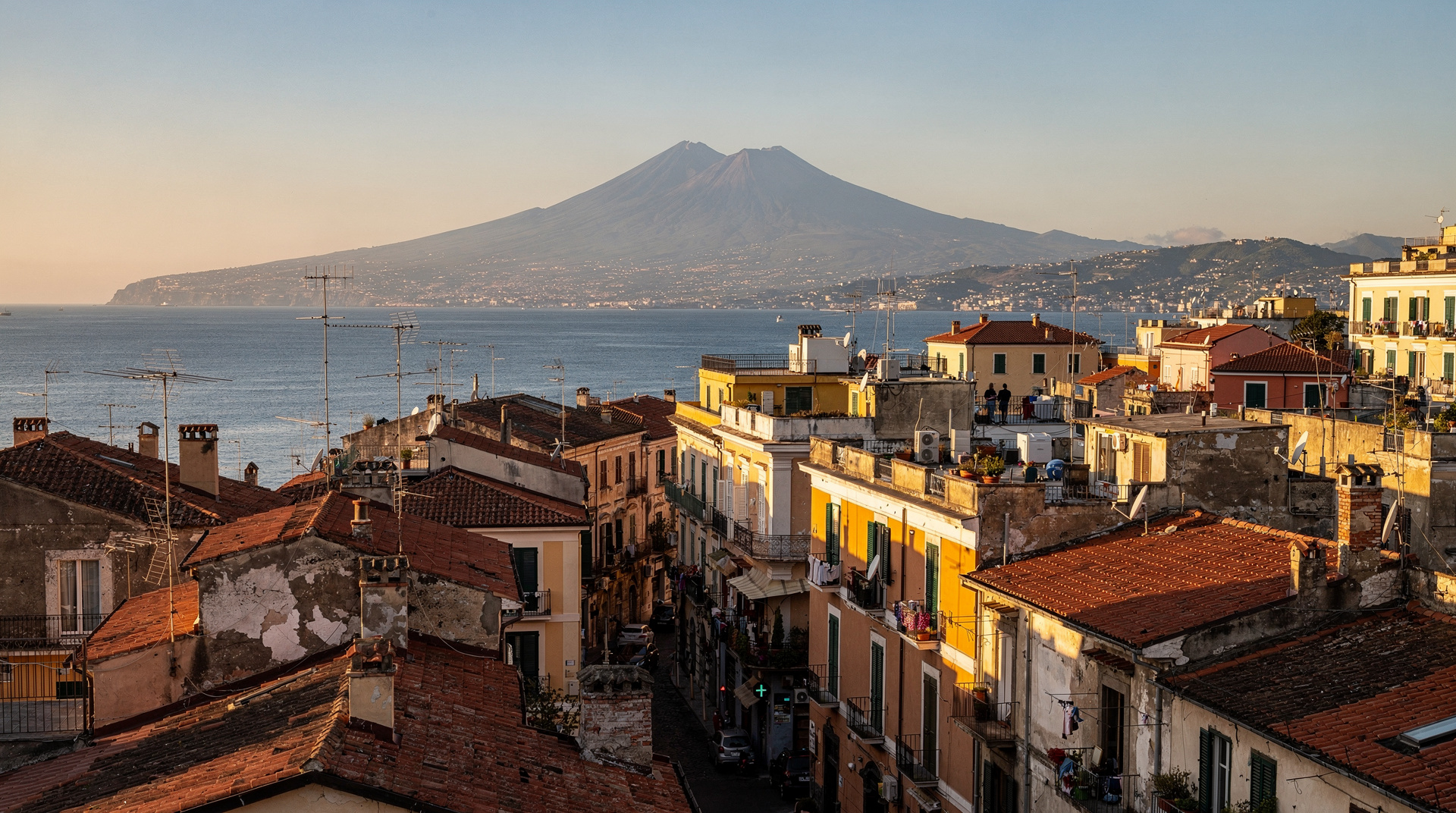
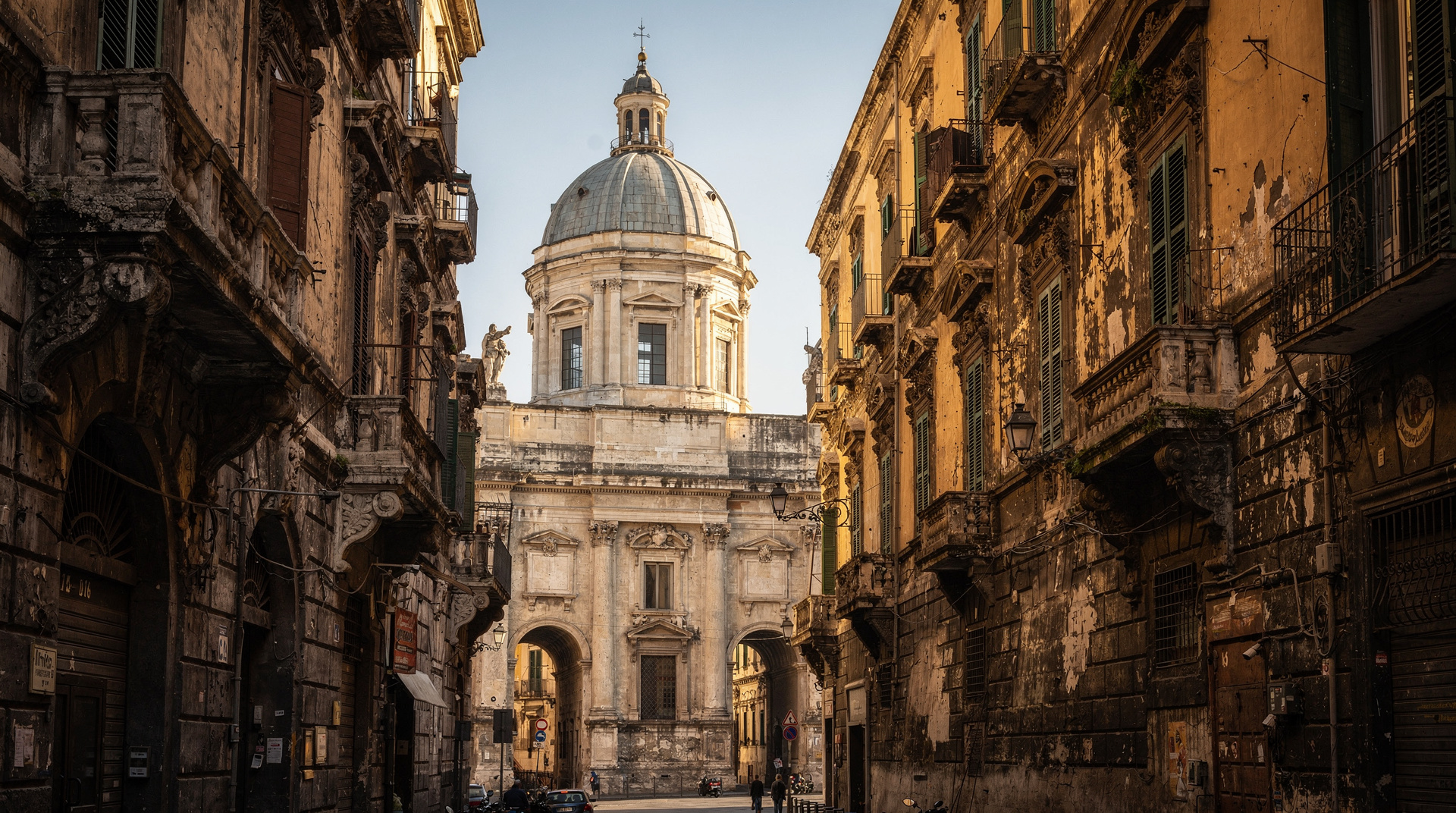
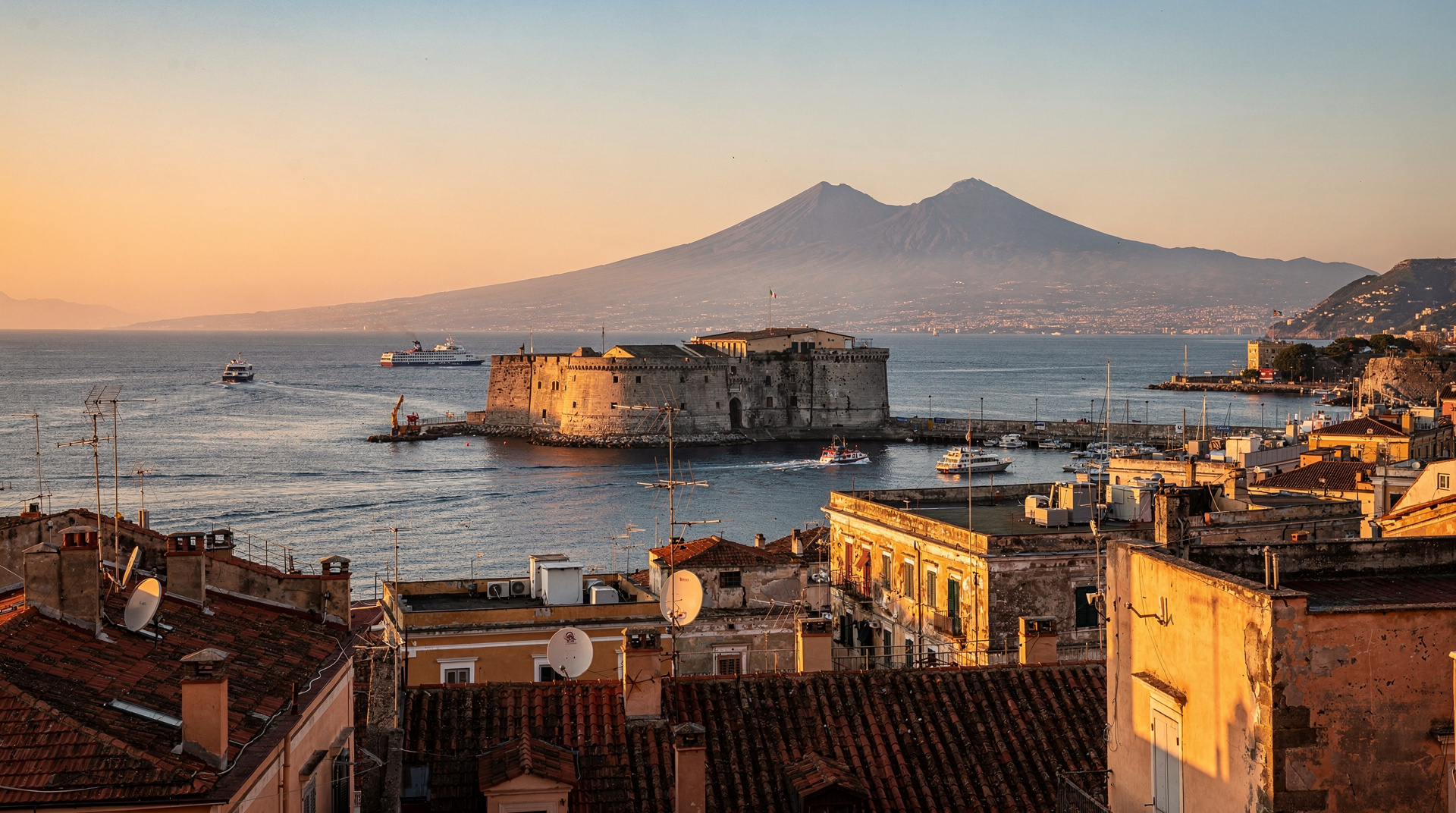
It is also, in the right light, extraordinarily beautiful. Baroque churches opening onto sunlit piazzas. Street shrines with real flowers. The way the city falls downhill toward the bay and you catch glimpses of the water between buildings. Naples has more UNESCO-listed historic centre per square kilometre than almost anywhere in Italy, but it wears the designation without performing it. The heritage is buried under daily life, and that’s actually the point.
The dirt is real. Rubbish collection has historically been inconsistent (this is not new — Goethe complained about it in 1787). Some streets smell. The infrastructure is visibly strained. If your tolerance for urban chaos is low, Naples will test it within the first two hours.
The Food Argument Is Not Overstated
Let me say this plainly: the food in Naples is as good as people say. Not most of what people say — all of it. The pizza, made in ways that have been iterated and defended here for three centuries, is categorically different from pizza made anywhere else. The fried food — cuoppo di frittura, montanara, crocchè — is some of the best street food in Europe. The espresso, pulled short and fast at a zinc bar for €1–1.20, is worth travelling for on its own terms.
This matters because the food is not separate from the city’s character — it’s an expression of it. Neapolitans cook with pride and with seriousness, and they’ll tell you about it at length if you give them the opening. The same intensity that makes the traffic frightening makes the sfogliatella extraordinary.
A Naples street food tour with six stops cuts through the decision paralysis of where to eat and gives you a grounding in what the city actually tastes like — fried dough, pizza fritta, local cheeses, all in the right sequence in the right neighbourhoods.
The Warmth Is Real and It’s Not Performed
This is the part that surprises people who came expecting to be robbed or ignored. Neapolitans — and this is a generalisation that happens to be accurate — are genuinely hospitable, frequently funny, and interested in people in a way that northern European cultures have trained out of themselves.
Ask for directions and you’ll get a five-minute explanation with hand gestures. Get lost in a market and someone will redirect you without being asked. Make an effort with even three words of Italian and the warmth increases perceptibly. The city has a deep culture of getting on with strangers, probably because it has always been a port city, always had outsiders arriving, always needed to absorb difference at pace.
This doesn’t mean everyone you meet is saintly. Naples has its scammers, its touts, its opportunists — as every major city does, and the Naples scams to avoid guide is worth reading before you go. But the baseline social texture of the place is genuinely warmer than most European capitals.
The Cultural Layer Underneath the Chaos
What separates the people who end up loving Naples from the ones who leave frustrated is often whether they engage with the culture behind the noise, rather than just enduring it. Neapolitan traditions — the presepe (nativity scene) workshops on Via San Gregorio Armeno that operate year-round, the deep football devotion to Napoli that borders on civic religion, the specific etiquette around espresso (drunk standing, fast, never as a to-go cup) — are not obstacles to a good trip.
They’re the actual content of it. Our Neapolitan culture and traditions guide goes deeper into this than a single opinion piece can, and it’s the single most useful thing to read before a first trip if you want to understand rather than merely tolerate what you’re seeing.
What the Underground Tells You
Below the streets, there’s another city. The ancient Greek and Roman subterranean network — cisterns, tunnels, bomb shelters, burial chambers — runs beneath the entire centro storico. Some of it has been explored, mapped, opened to the public. More hasn’t.
Napoli Sotterranea’s underground hidden city tour takes you through passages that are 40 metres below current street level, past Greek tunnels adapted by Romans adapted by medieval builders adapted by Neapolitans who used them as air raid shelters in World War II. The continuity is the story: this city has been lived in, intensively and without interruption, for 2,500 years. That’s why the surface looks the way it does.
Cities that carry that much history in continuous occupation don’t look polished. They look like Naples.
The Intensity Is the Feature
Here’s the argument I’d make to the people who leave negative reviews: what you experienced as overwhelming was the city operating normally. The scooters, the noise, the street food smell bleeding into the church smell bleeding into the coffee smell — that’s not dysfunction. That’s density, history, and a population that has always had to fit too much life into too little space.
Whether that’s appealing or exhausting depends on what you brought with you. If you came wanting a Mediterranean city that’s organised and quiet and predictable, Naples will refuse you that. If you came ready to be uncomfortable and surprised in roughly equal measure, it will give you more than you asked for.
So Should You Go?
Yes, without much hesitation — but with preparation and honest expectations. Stay in Chiaia or Posillipo if you want some distance from the intensity; stay in the Decumani if you want to be inside it. Eat where there’s no English menu. Take a tour of the underground. Spend a morning in the Archaeological Museum looking at what was pulled out of Pompeii, and then walk ten minutes to a bar and have a €1.20 coffee.
Naples divides travellers because it refuses to adjust itself to them. That’s not a flaw in the city. It’s the city telling you, not unkindly, that the adjustment is yours to make.
If this piece has you leaning toward going, the first time in Naples guide is the natural next stop — the practical companion to this more argumentative one.
Most people who make it come back.