Best beaches near Naples: from Procida to the Amalfi Coast
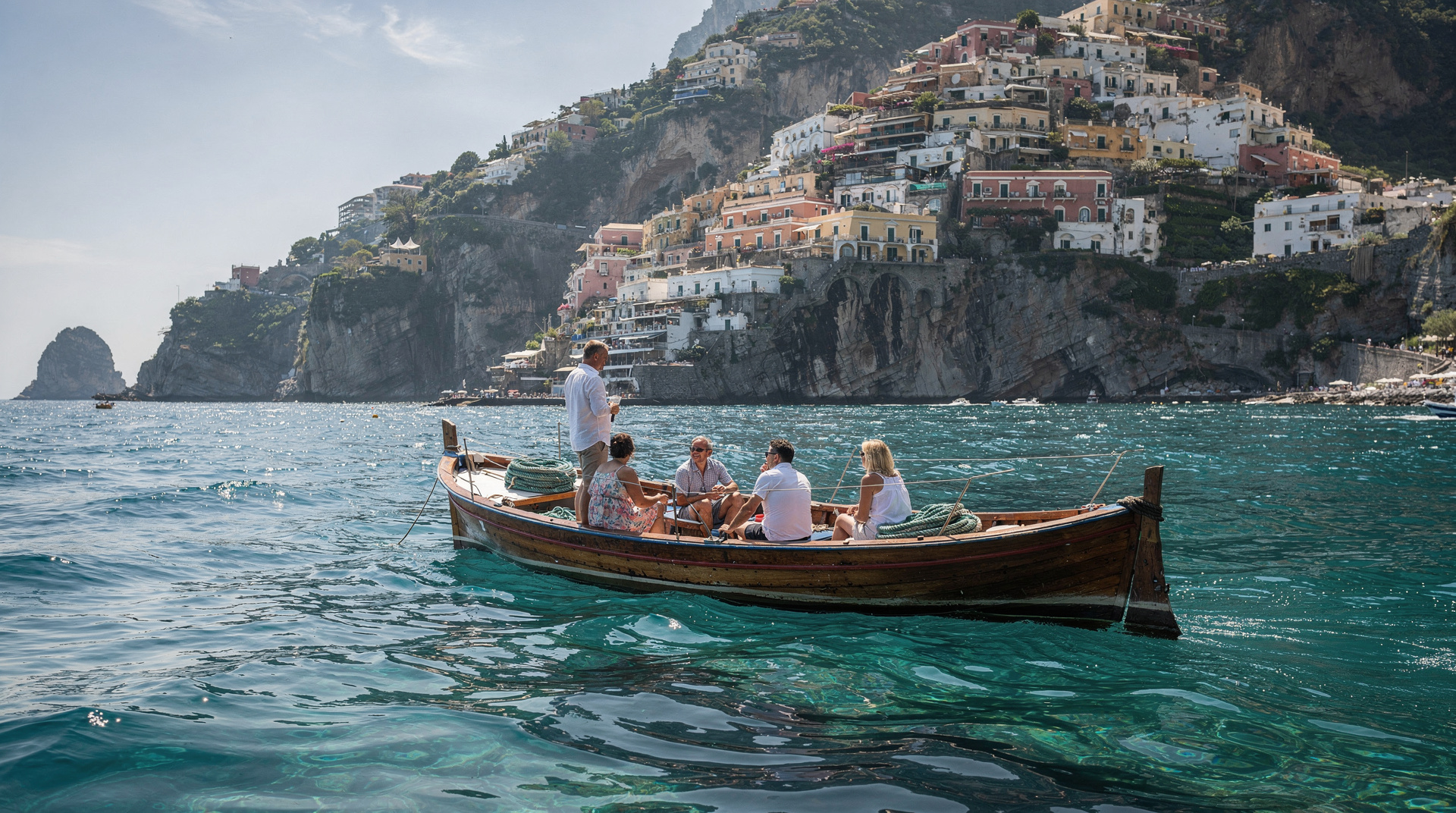
Procida: Sea View Boat Tour with Snorkeling
Where are the best beaches near Naples?
Procida has the best sand beaches close to Naples (30–40 min ferry). Ischia has sand beaches combined with thermal springs. The Amalfi Coast has dramatic gravel-and-cove beaches. For day-accessible options, Bagnoli or Pozzuoli (Phlegraean coast) are reachable by metro but water quality varies. For genuinely good swimming, the islands win.
| Closest good option | La Gaiola, Posillipo — 30 min, metro + walk |
| Best sand near Naples | Procida — 30–35 min hydrofoil |
| Best overall island | Ischia — beaches + thermal springs |
| Most dramatic | Amalfi Coast coves — gravel, boat access, 2–3 hours |
| Typical hydrofoil fare | around €18–35 return depending on island |
| Best time to go | June–September, with September the calmest |
The beach landscape around Naples
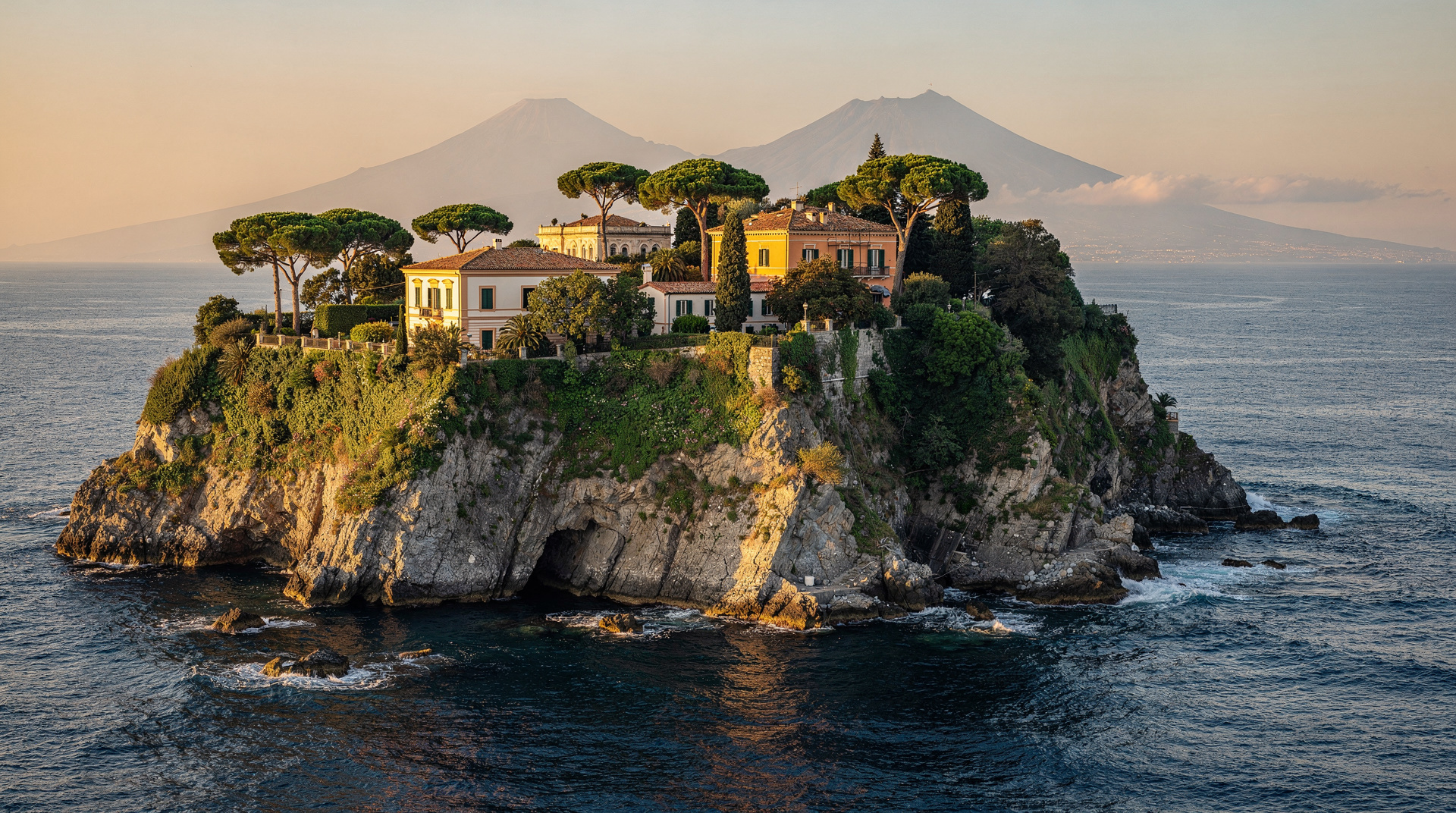
Naples is not primarily a beach city. It is a port city on a bay, fronted by the sea but historically more interested in commerce and culture than in coastal leisure. However, the bay of Naples and the sea around the Amalfi Coast and islands contain some of the best swimming and beach destinations in Italy.
The key insight: the quality of beaches improves with distance from Naples. The city beaches (Posillipo, Lungomare) are accessible and usable but variable in water quality. The islands — Procida, Ischia, Capri — have excellent water quality and more substantial beaches. The Amalfi Coast has dramatic cove beaches with the clearest water in the region.
This guide covers the spectrum, from the nearest option (30 minutes by metro to Posillipo) to the most rewarding (2.5 hours to the Amalfi Coast or islands by ferry).
Close to Naples: Posillipo and La Gaiola
Distance from Naples centre: 4 km (metro + walk) Water quality: Good at La Gaiola (marine protected area); variable elsewhere
The Posillipo district runs along the western cliffs of the Naples bay, with several small rocky beaches and bathing lidos accessible from the waterfront road (Via Posillipo). The most notable:
La Gaiola marine park: An underwater archaeological park around two small islets connected by a sandy isthmus. The protected area has good snorkelling (old Roman villa structures visible on the seabed). Access by descending stone steps from the road. Small fee (€5–8) for the snorkelling area. One of the closest good snorkelling spots to Naples city.
Bagno Elena (Via Posillipo 14) is Naples’ most historic bathing establishment, open since 1928. The setting is a rocky cove with good views. Small entrance fee.
These beaches work for a half-day from Naples but are not worth a dedicated visit over the islands.
The Phlegraean coast: Bagnoli and Pozzuoli
Distance from Naples: 20 minutes by Metro Line 2 or Cumana railway to Pozzuoli Water quality: Improving but historically variable due to industrial legacy
The Phlegraean coast (west of Naples, around Pozzuoli and Baia) has expanded bathing areas and some pleasant rocky coves. The water quality has significantly improved since industrial facilities closed but remains variable — check the current ARPA Campania bathing water data before swimming.
The main appeal of the Phlegraean coast is the combination of volcanic landscape and Roman ruins (Baia underwater archaeological park, Rione Terra in Pozzuoli) rather than beach quality per se. See Campi Flegrei day trip.
Procida: best sand beaches near Naples
Distance from Naples: 30–35 minutes by hydrofoil from Molo Beverello Ferry cost: Approximately €18–22 return Best beaches: La Chiaiolella, Spiaggia della Corricella (rocky)
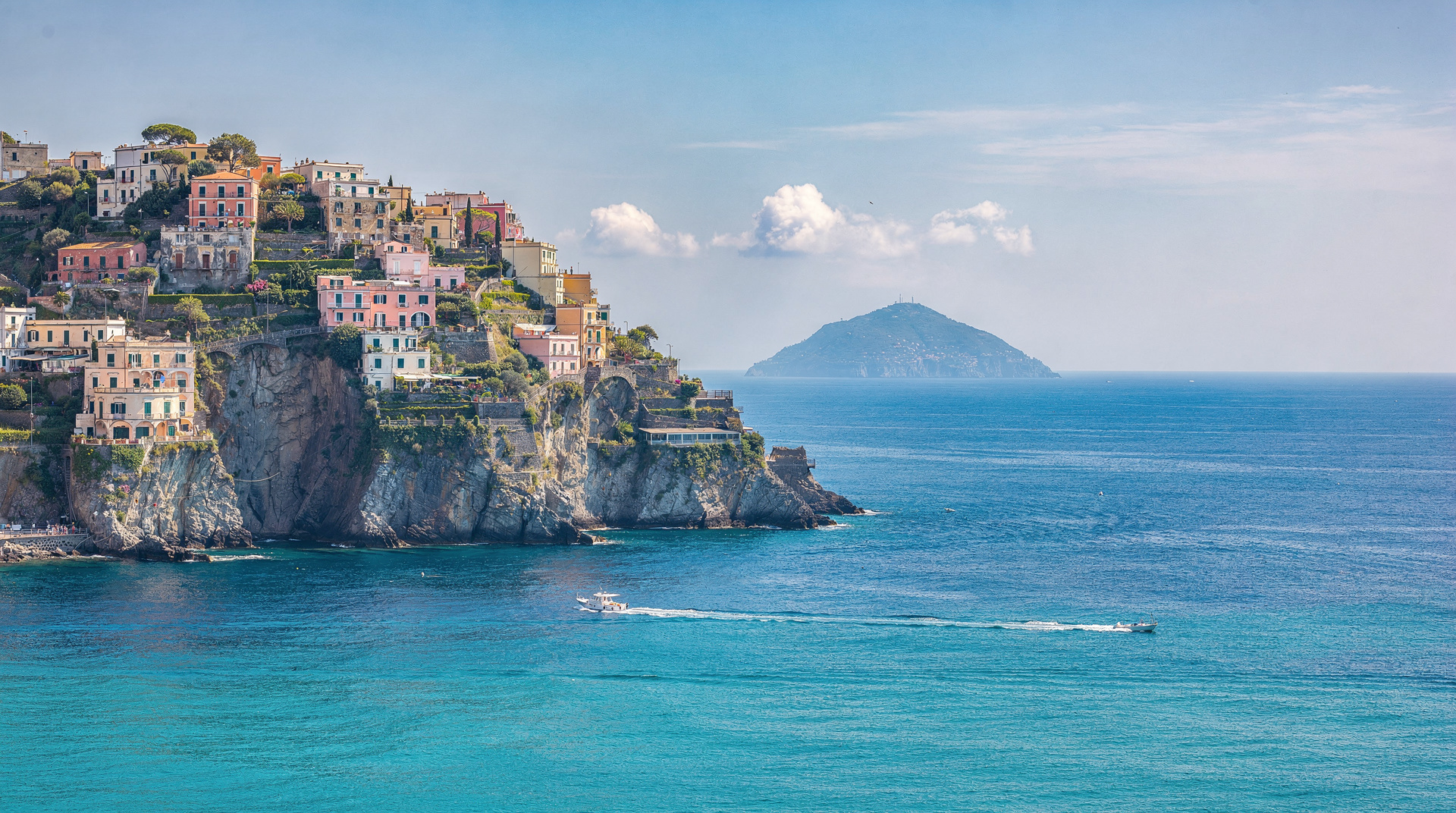
Procida is the smallest of the three main islands in the Bay of Naples (population ~10,000) and the least touristic. The island is compact enough to walk across in 45 minutes. The colours — pastel-painted fisherman’s houses, turquoise water, working harbour boats — are among the most photogenic in the Italian south.
La Chiaiolella is the island’s main beach: a sheltered cove on the south side with dark volcanic sand, calm water, and a good mix of free and private lido sections. Smaller than Ischia’s beaches but with more local character.
Spiaggia della Lingua di Luca (Lido di Procida area) is a sandier option on the north coast, quieter and less developed.
Corricella is a photogenic harbour rather than a swimming beach, but the old fishing village and its coloured facades are worth seeing while on the island.
Practical: No car needed. The island is small enough to explore by moped (hire available from the ferry dock, €25–35/day) or on foot. See Procida day trip guide.
Procida sea view snorkelling and boat experienceIschia: best overall beach island
Distance from Naples: 50 minutes (hydrofoil) or 90 minutes (ferry) from Molo Beverello Ferry cost: Approximately €25–35 return (hydrofoil); €18–22 (ferry) Best beaches: Citara, Maronti, Spiaggia dei Pescatori
Ischia is the largest island in the Bay of Naples and has the most extensive beach infrastructure. The island’s volcanic origin means the sea around it is warmer than elsewhere (thermal springs heat the shallow water near some beaches) and the sand is dark volcanic.
Citara beach (on the west coast) is one of the island’s best — about 400 metres of dark sand, relatively calm water, and proximity to the Poseidon thermal gardens (entry ~€30–35). You can combine a day on Citara beach with thermal pool access for a relaxed full day.
Maronti beach (south coast) is Ischia’s longest and widest beach — about 2 km of dark volcanic sand, reachable by water taxi from Sant’Angelo (€5 each way) or a long walk. Less commercial than Citara, more local character.
Spiaggia dei Pescatori (near Ischia Porto) is a small fishing harbour beach with more local character than the larger tourist beaches.
See Ischia day trip guide for the full island overview. Ischia’s thermal gardens are a significant draw beyond the beaches — see Ischia thermal gardens.
Ischia full-day boat trip with lunch and swimmingCapri: boat access coves over beaches
Distance from Naples: 50 minutes (hydrofoil) from Molo Beverello Best swimming: Marina Piccola, Faraglioni rocks, boat-access coves
Capri does not have significant sandy beaches. What it has is extraordinary sea colour (the famous blue of the water around the Faraglioni rocks and in the Blue Grotto) and numerous boat-accessible swimming coves with clean, deep blue water. The swimming experience on Capri is primarily from boats or from rocky entry points.
Marina Piccola on the south coast is the island’s most significant beach — about 100 metres of gravel and rock, pleasant for swimming in calm conditions. Managed lido operations. More famous for the view of the Faraglioni than for beach quality.
For swimming on Capri, hire a small boat (€80–120 for half-day) and anchor off the Faraglioni rocks or any of the coves on the southern coast. See Capri day trip guide.
Amalfi Coast coves: most dramatic
Distance from Naples: 2–3 hours (ferry or bus) Best beaches: Arienzo, Santa Croce, Marina di Praia (Praiano), Fiordo di Furore
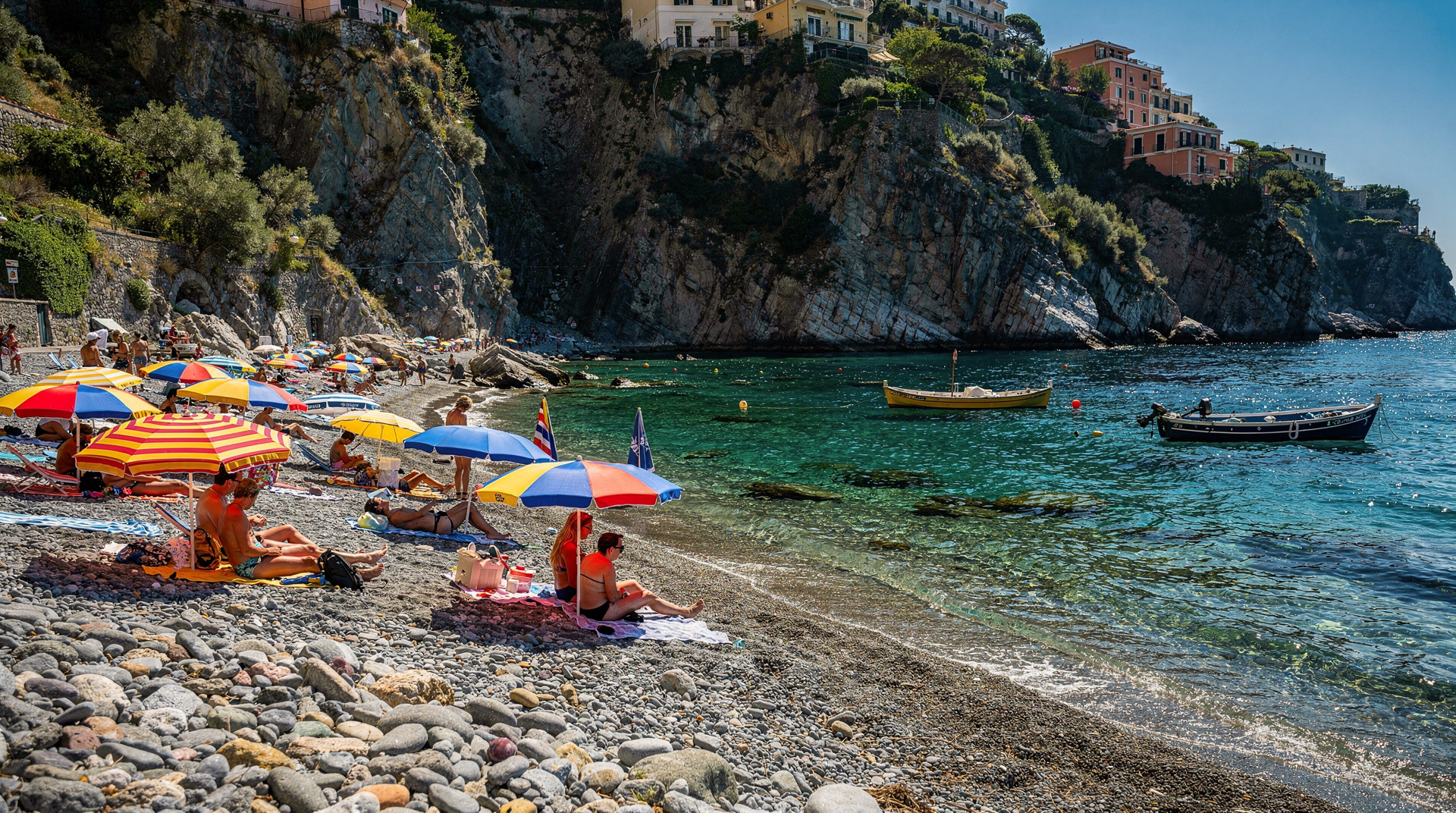
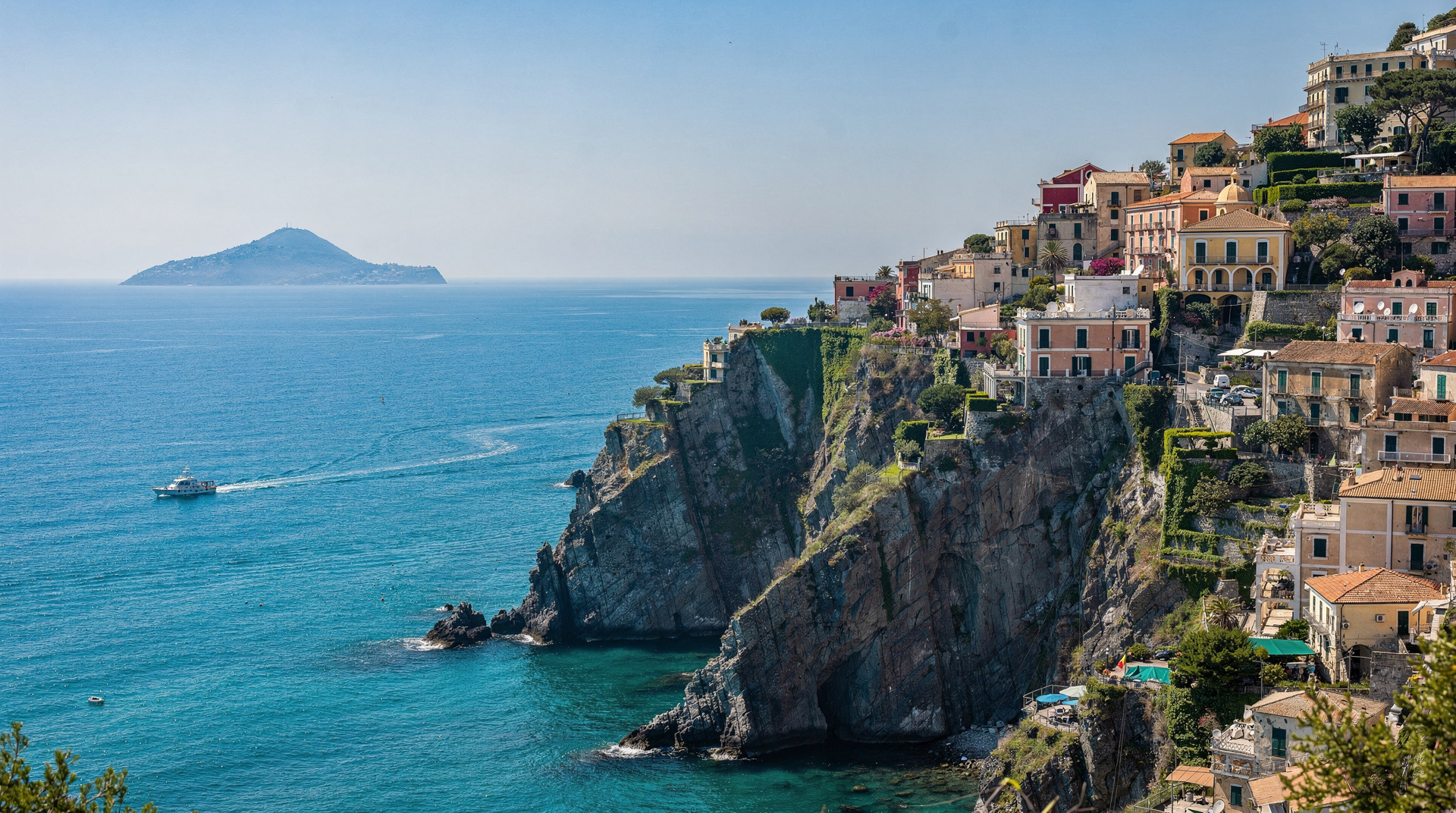
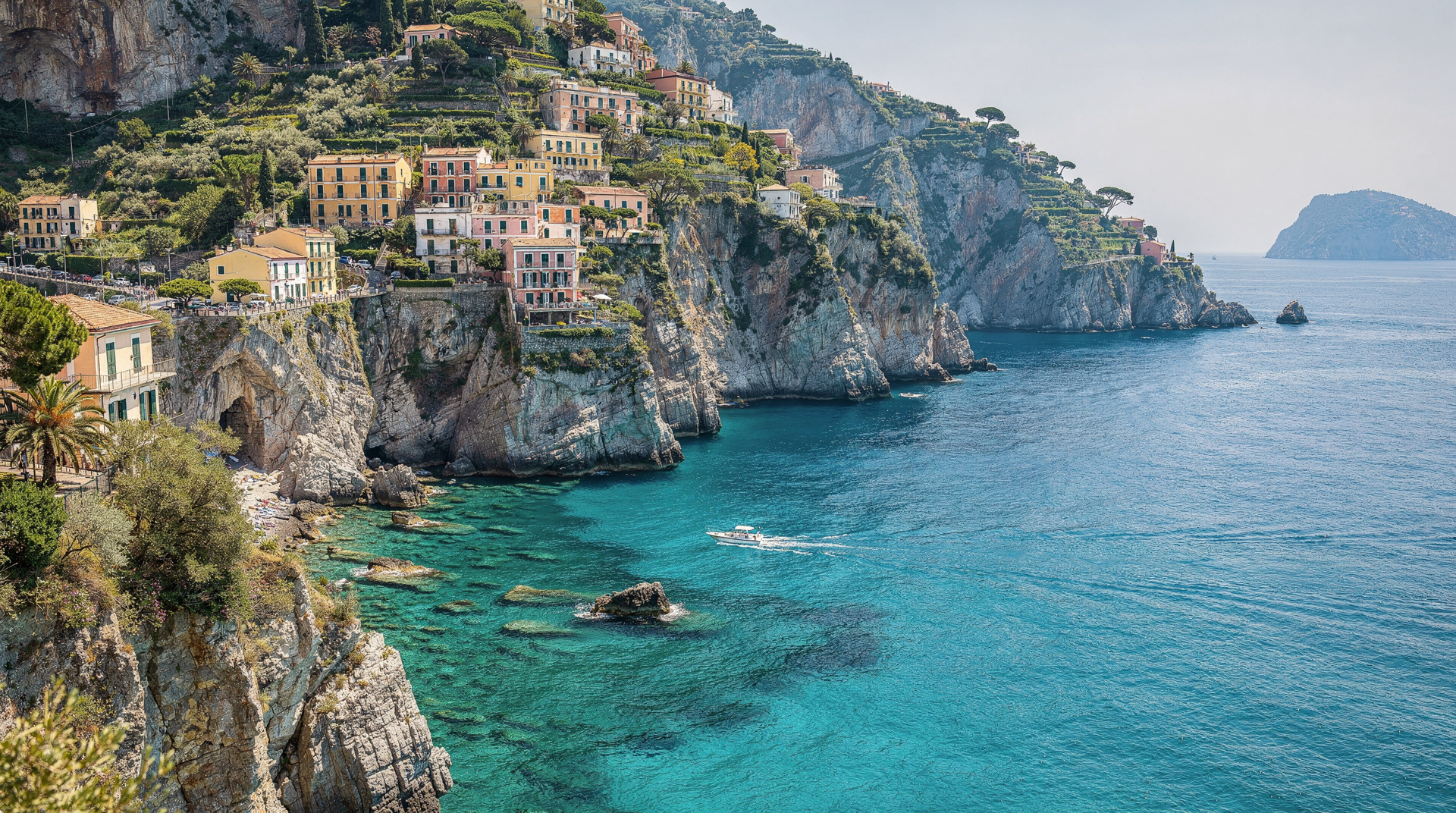
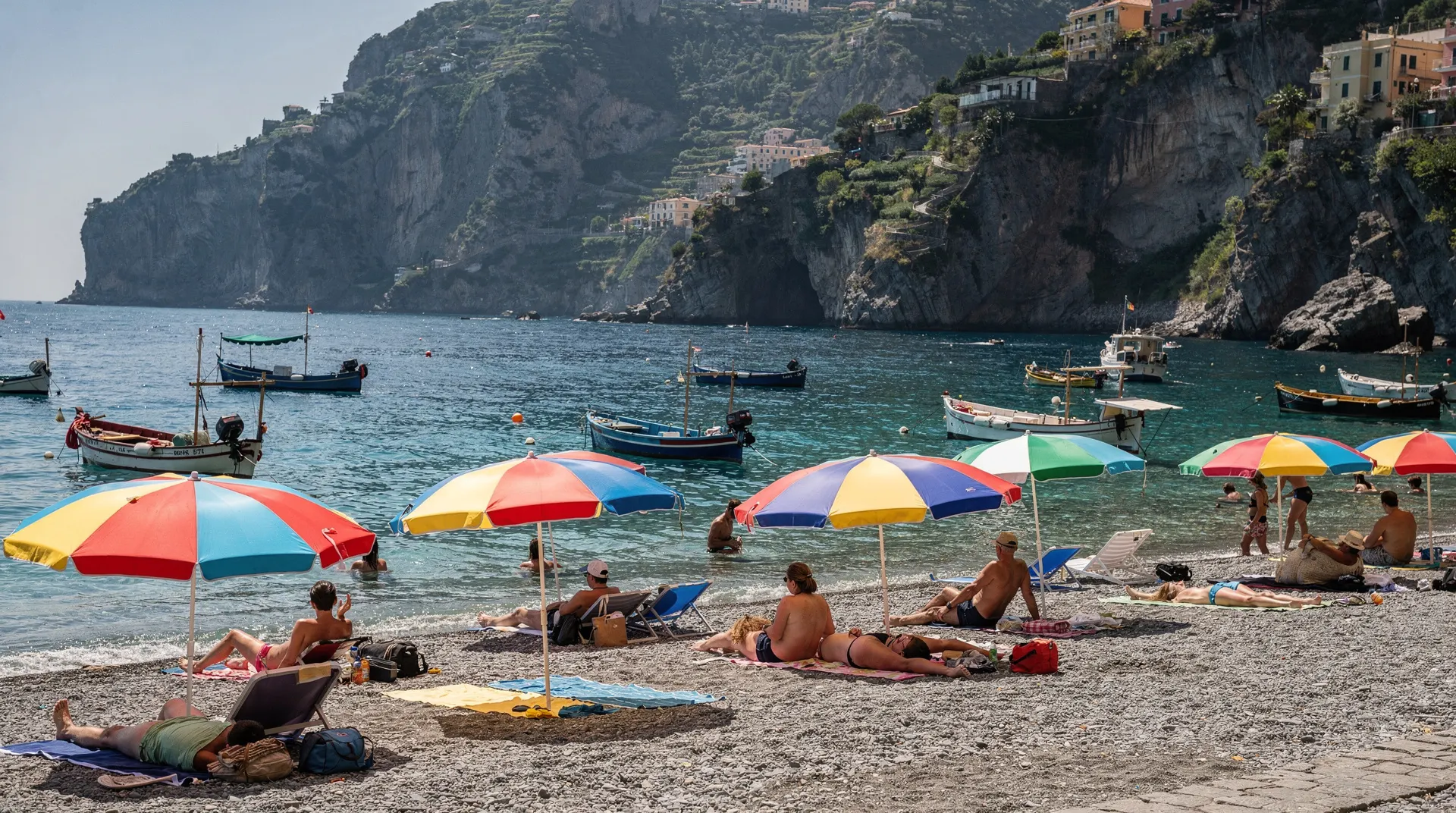
The Amalfi Coast beaches are gravel, not sand, but the setting — narrow coves at the base of 200-metre cliffs, clear blue-green water, no commercial development at some coves — is genuinely extraordinary.
The best swimming beaches require boat access (water taxi from Positano or Amalfi, €5–10 each way): Arienzo, Santa Croce, and the many unnamed coves between Conca dei Marini and Praiano. Marina di Praia in Praiano is accessible by steep steps from the road.
See best beaches on the Amalfi Coast for the full guide.
Comparing the options
| Location | Sand | Water quality | Distance from Naples | Cost |
|---|---|---|---|---|
| La Gaiola, Posillipo | Rocks | Good | 30 min | Low |
| Procida (Chiaiolella) | Dark sand | Excellent | 35 min | Moderate |
| Ischia (Citara/Maronti) | Dark sand | Excellent | 50–90 min | Moderate |
| Capri (Marina Piccola) | Gravel/rocks | Excellent | 50 min | Higher |
| Amalfi Coast coves | Gravel | Excellent | 2–3 hours | Moderate-higher |
Practical notes
For a single beach day from Naples: Procida is the best combination of accessibility, sand, and water quality. 35 minutes each way, reasonable ferry costs, and a genuinely beautiful island with less tourist saturation than Capri.
For an island holiday: Ischia if you want beach size, thermal pools, and island infrastructure. Procida if you want quiet and local character.
For dramatic scenery with swimming: The Amalfi Coast by boat — rent a small motorboat or join a coastal boat tour and access the coves inaccessible by land.
Getting there: ferries at a glance
All the island beaches are reached from Molo Beverello or, for some Ischia and Procida hydrofoils, Porta di Massa — the Beverello vs Porta di Massa guide explains which terminal serves which route, which matters if you’re timing a connection tightly. In summer, book hydrofoil tickets a day ahead for popular midday departures; ferries are slower but rarely sell out and cost less. The ferries from Naples guide has the full route and timetable breakdown across operators.
If you’re building a whole beach-focused trip rather than a single day out, the best island near Naples guide compares Procida, Ischia, and Capri head-to-head beyond just their beaches, and Naples in summer covers how heat and crowds affect the choice between city, coast, and islands.
Beach day budget, roughly
A single beach day from Naples typically breaks down as: return hydrofoil around €20–35, lido chairs around €20–35 per person if you don’t want to lie on sand or gravel directly, lunch at a beach bar around €15–25, and incidentals (water, gelato, a bus or moped hire on the island) around €10–15. A frugal day using free beach sections and a packed lunch can come in well under €40 per person; a comfortable day with rented loungers and a proper lunch runs closer to €80–100.
Timing matters as much as budget. Hydrofoils to Procida and Ischia run roughly every 30–45 minutes in peak summer but thin out sharply outside July–August, so shoulder-season visitors should check the return schedule before settling in for the afternoon — missing the last boat back means an expensive late ferry or an unplanned night on the island. Arriving at the port 20–30 minutes before departure is sensible in August, when queues at the ticket booths can be long even with a ticket already booked online.
Naples boat and snorkelling trip around Castel dell’Ovo is a lower-commitment option if a full island transfer doesn’t fit your day — it swims and snorkels the closer bay water without the ferry logistics.
Frequently asked questions about beaches near Naples
Is the sea clean near Naples?
The open sea around the islands and the Amalfi Coast meets EU bathing water standards and is consistently clean. The Naples bay itself is more variable — the beaches at Posillipo and La Gaiola are generally acceptable, but the central waterfront (Lungomare) is not a swimming area. Check the most recent ARPA Campania data for specific beaches.
What is the best beach for children near Naples?
Procida’s La Chiaiolella or Ischia’s Maronti beach — both have calm water, gradual entry, and good facilities. The ferry journey is manageable for children. Avoid the Amalfi Coast coves with young children due to the steep access and gravel/rocks.
Can I swim off the Castel dell’Ovo area in Naples?
The rocks at the base of Castel dell’Ovo on the Lungomare have informal swimming access but the water quality is variable depending on recent rainfall and sea conditions. It is used by local teenagers and some tourists but is not a monitored or official bathing area.
Are there nude or topless beaches near Naples?
Topless sunbathing is tolerated at most Italian beaches though less common than on some other Mediterranean coasts. There are no official naturist beaches in the Naples area. At remote coves (accessible by boat), informal nudity is not unusual.
Frequently asked questions about Best beaches near Naples: from Procida to the Amalfi Coast
Is there a beach in Naples itself?
How do I get to Procida for its beaches?
Does Ischia have better beaches than Capri?
What is the beach water quality like near Naples?
Are there free beaches near Naples?
When does the sea get warm enough for swimming near Naples?
Top experiences
Bookable activities with verified prices and instant confirmation on GetYourGuide.