Naples in two days: historic centre to the hills and waterfront
Naples: Sansevero Chapel Ticket and Guided Tour
Duration: 35min
Quick answer: Two days is the sweet spot for the city itself, without day trips. Day one stays low in the dense historic centre — museum, Sansevero, Spaccanapoli, street food. Day two climbs to Vomero and Capodimonte for the views and the art, then drops to the waterfront for sunset. Easy pacing, all on foot, metro, and the funiculars. No car.
| Where | Centro storico, Vomero, Capodimonte, Chiaia |
| Cost | mid-range — around 22 € MANN, around 6 € Certosa, around 15 € Capodimonte |
| Time needed | 2 days, easy pace, no day trips |
| Getting there | on foot, funiculars and Metro Linea 1, no car |
| Best time | year-round; spring/autumn for the most comfortable walking |
Why two days, and how this splits
Two days lets you separate Naples into its two natural halves: the low, loud historic core, and the higher, greener city of hills, museums, and sea views. Trying to mix them daily means crossing the city twice and wasting time on the funiculars. Keep them apart and each day has its own rhythm.
Day one is dense and walkable — you’ll barely cover a kilometre but it’ll feel like a marathon because of the noise and the stopping. Day two is more spread out and uses the funiculars and Metro Linea 1, with longer pauses and bigger views. The pacing is comfortable; this is not a forced march. If you have only the city and no interest in Pompeii, two days is genuinely enough to feel like you’ve met Naples.
Day 1: the historic centre
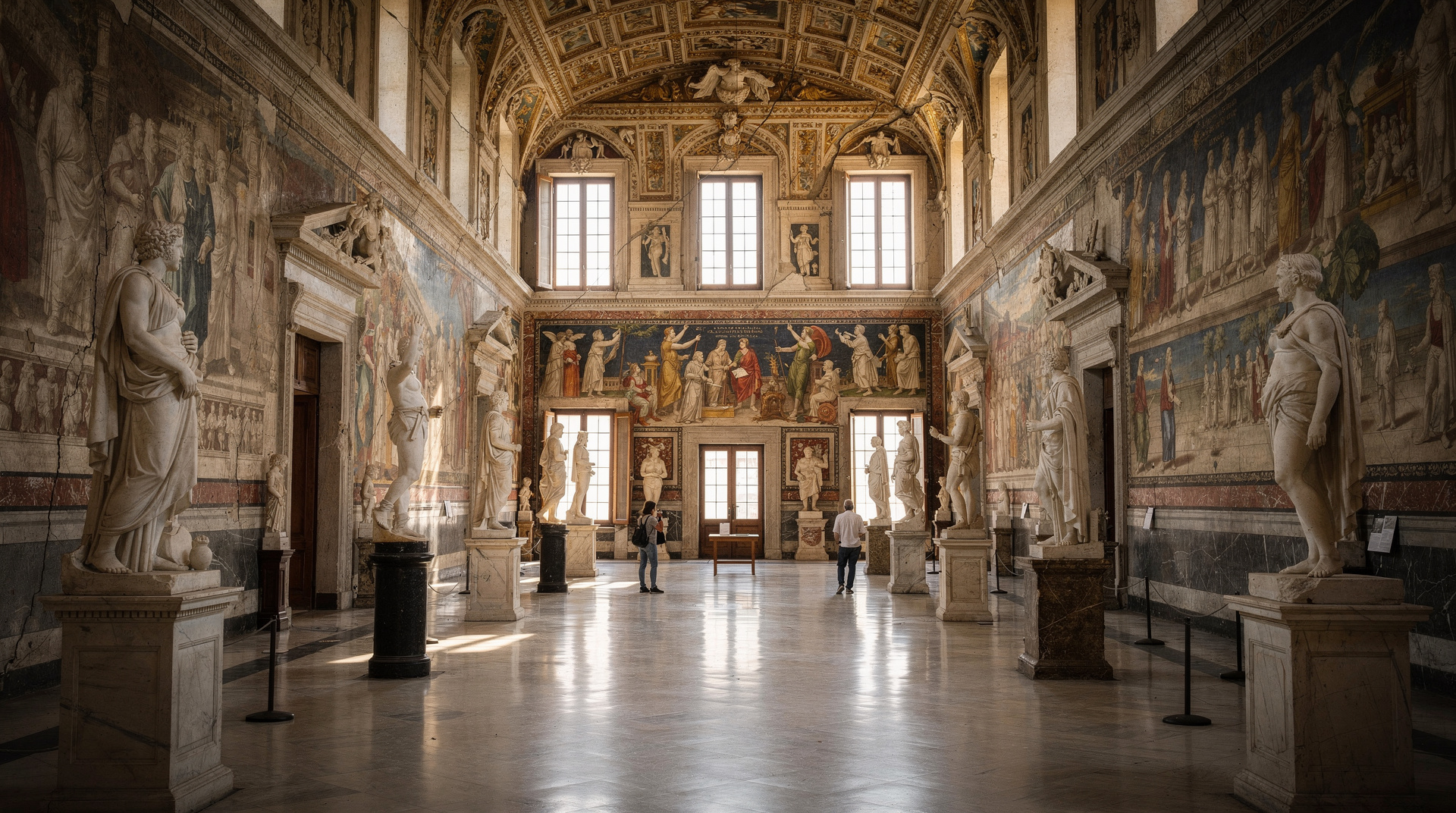
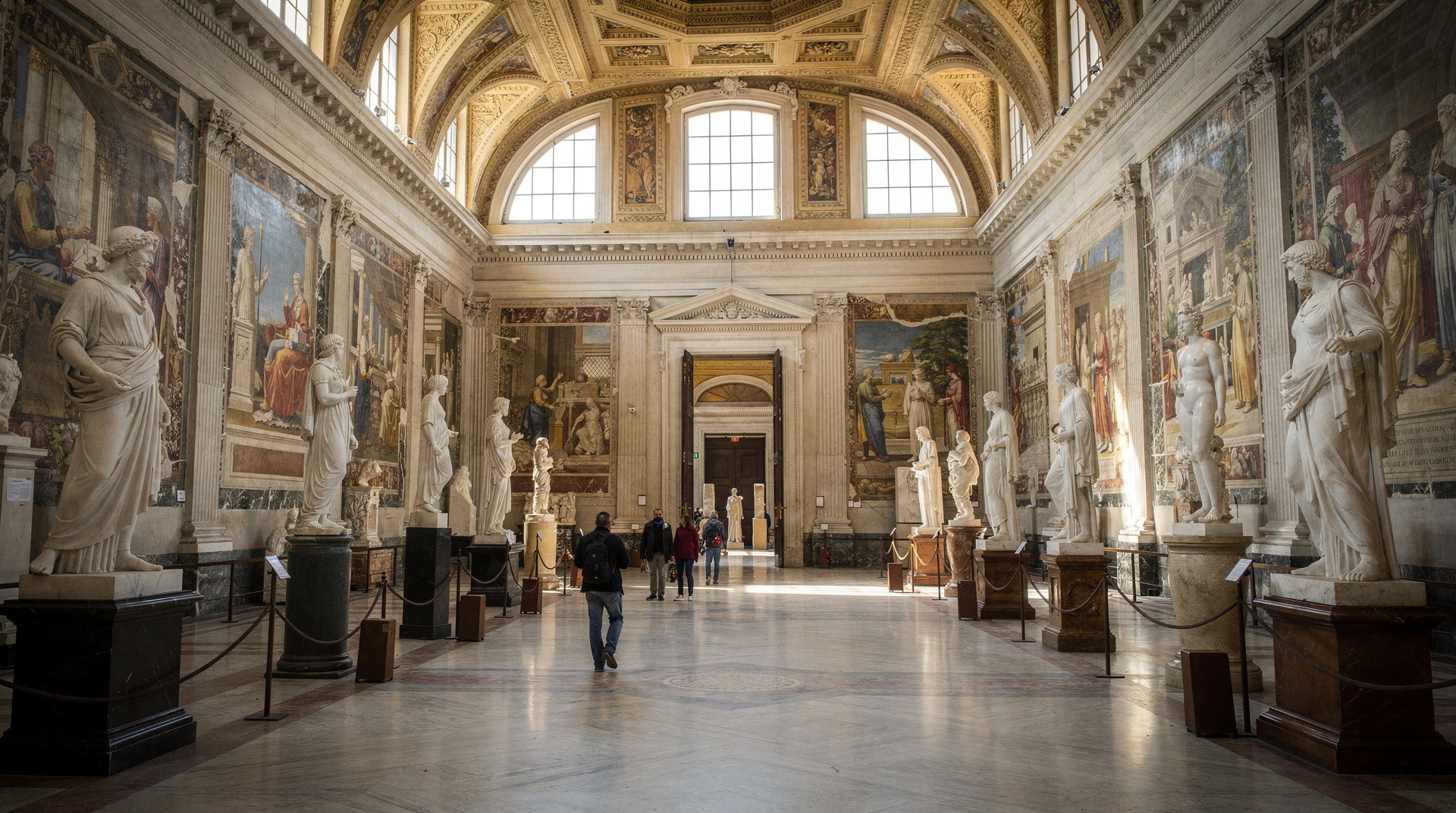
Morning — the MANN. Start where the city’s deep history lives: the Museo Archeologico Nazionale (Metro Linea 1, Museo stop, or a 10-minute walk from the centro storico). The Pompeii frescoes and mosaics, the colossal Farnese marbles, and the Secret Cabinet make this the best archaeology museum in Italy outside Rome. Entry around 22 €; give it a full two hours. A guided MANN tour earns its cost here — the collection is huge and under-labelled, and context turns objects into a story.
Midday — Spaccanapoli and lunch on the move. Walk down into the centro storico and pick up Spaccanapoli, the ruler-straight street following the ancient decumanus. Lunch is street food: a folded pizza a portafoglio (2–3 €), a cuoppo of fried bits, a sfogliatella still warm. Detour to Santa Chiara’s tiled cloister (about 6 €) and the strange façade of the Gesù Nuovo. A guided street-food walk is the efficient way to eat the best stalls without trial and error.
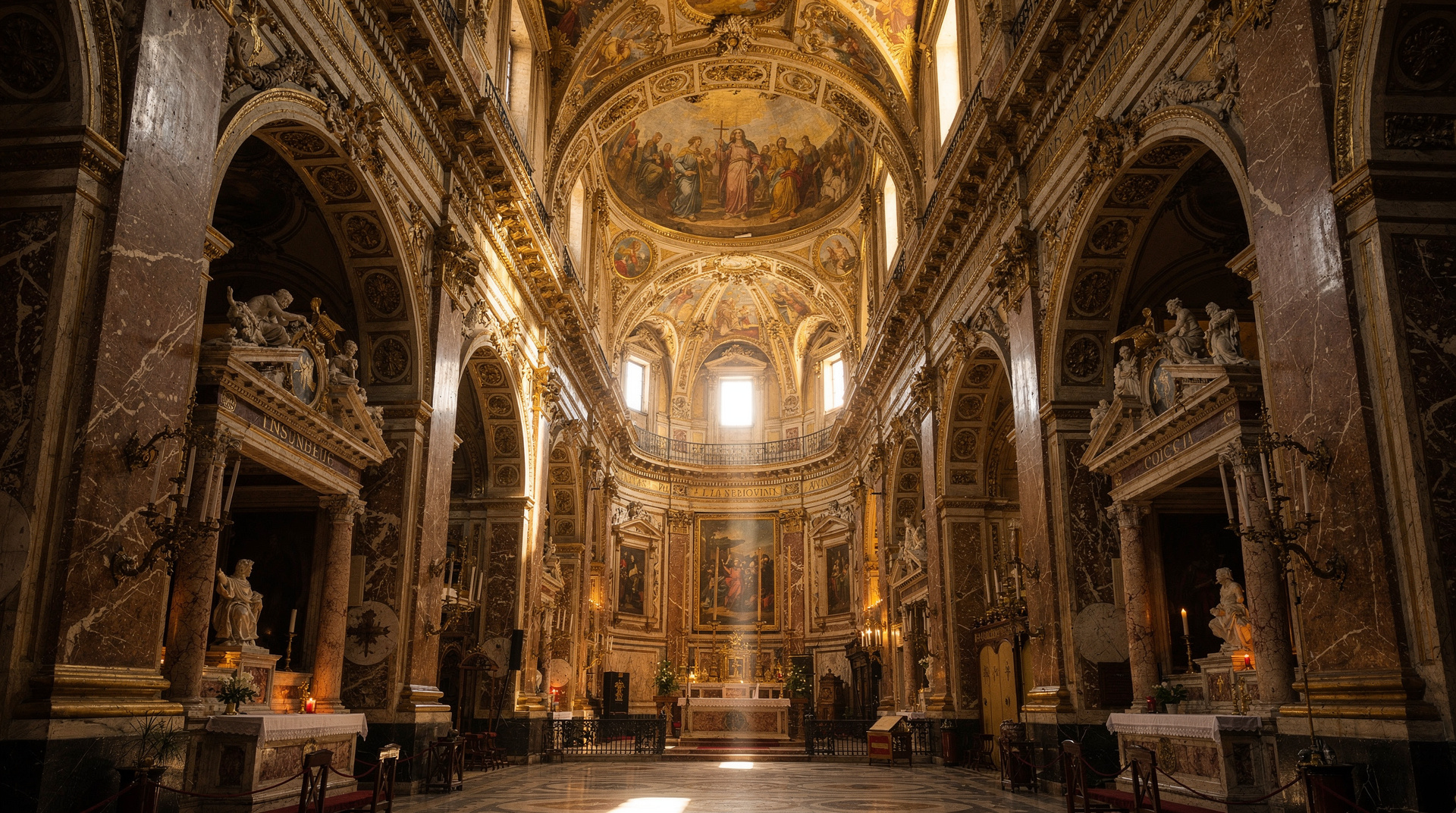
Afternoon — the Veiled Christ. Right off Spaccanapoli sits Cappella Sansevero. Sanmartino’s marble veil over the dead Christ is one of the most extraordinary things you’ll see in Italy — and the chapel is tiny, so a timed slot is essential. A guided Sansevero entry skips the queue and unpacks the eccentric prince and his anatomical machines. About 10 € for the ticket; 45 minutes inside.
Late afternoon — go underground. If there’s energy left, drop 40 metres beneath the streets with a decumani and underground tour through the Greek-Roman aqueducts and a hidden Roman theatre. It’s the most atmospheric hour in the centre and a cool escape from a hot afternoon.
Evening — pizza. End on a sit-down Margherita at one of the Via dei Tribunali names (Sorbillo, Di Matteo, Da Michele). Expect a wait; expect a 5–8 € pizza that recalibrates your standards. Eat at 19:00 to dodge the worst queues.
Day 2: Vomero, Capodimonte, and the waterfront
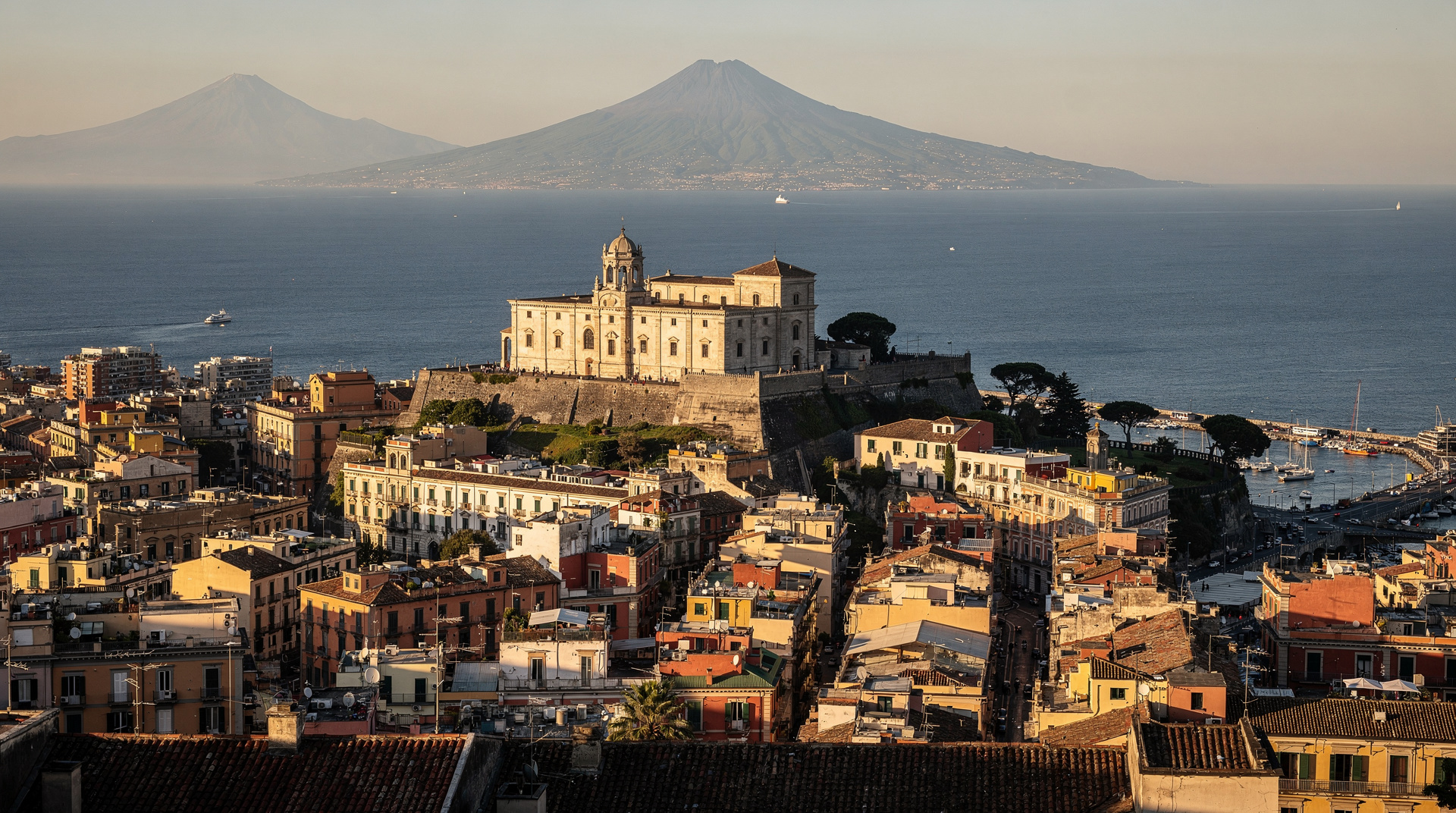
Morning — up to Vomero. Take one of the three funiculars (the Centrale from Via Toledo is the classic, about 1.30 € with a metro ticket) up to Vomero, the leafy hilltop neighbourhood. Walk to the Certosa di San Martino, a vast Carthusian monastery turned museum with baroque interiors, a famous presepe (nativity) collection, and — the real reason to come — a terrace with the single best panorama of Naples, the bay, and Vesuvius. Entry around 6 €. Next door, Castel Sant’Elmo offers an even higher rampart view for a few euros more.
Midday — lunch in Vomero. Vomero is residential and good for a relaxed, non-touristy lunch — proper trattorie and the covered Mercato di Antignano. Prices are gentler than down in the tourist core.
Afternoon — Capodimonte. Cross town (bus or taxi; the museum sits in a park away from the metro) to the Museo di Capodimonte, a Bourbon royal palace holding one of Italy’s great picture galleries — Caravaggio’s Flagellation, Titian, Masaccio, the Farnese collection. Entry around 15 €. The surrounding park is free and a lovely place to slow down. A Capodimonte tour with an art historian is worth it if you want the paintings explained rather than guessed at; otherwise the audio guide does fine.
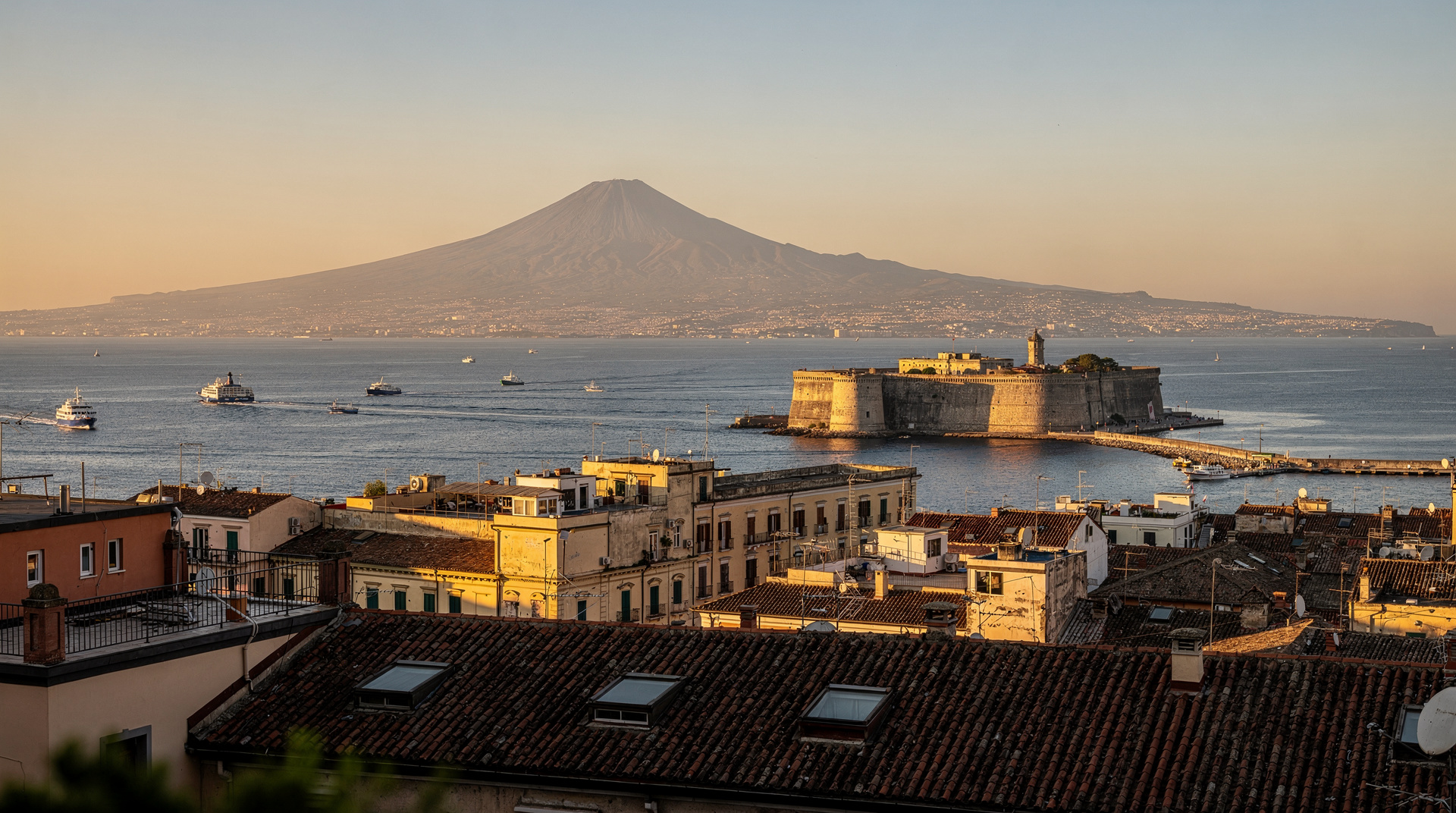
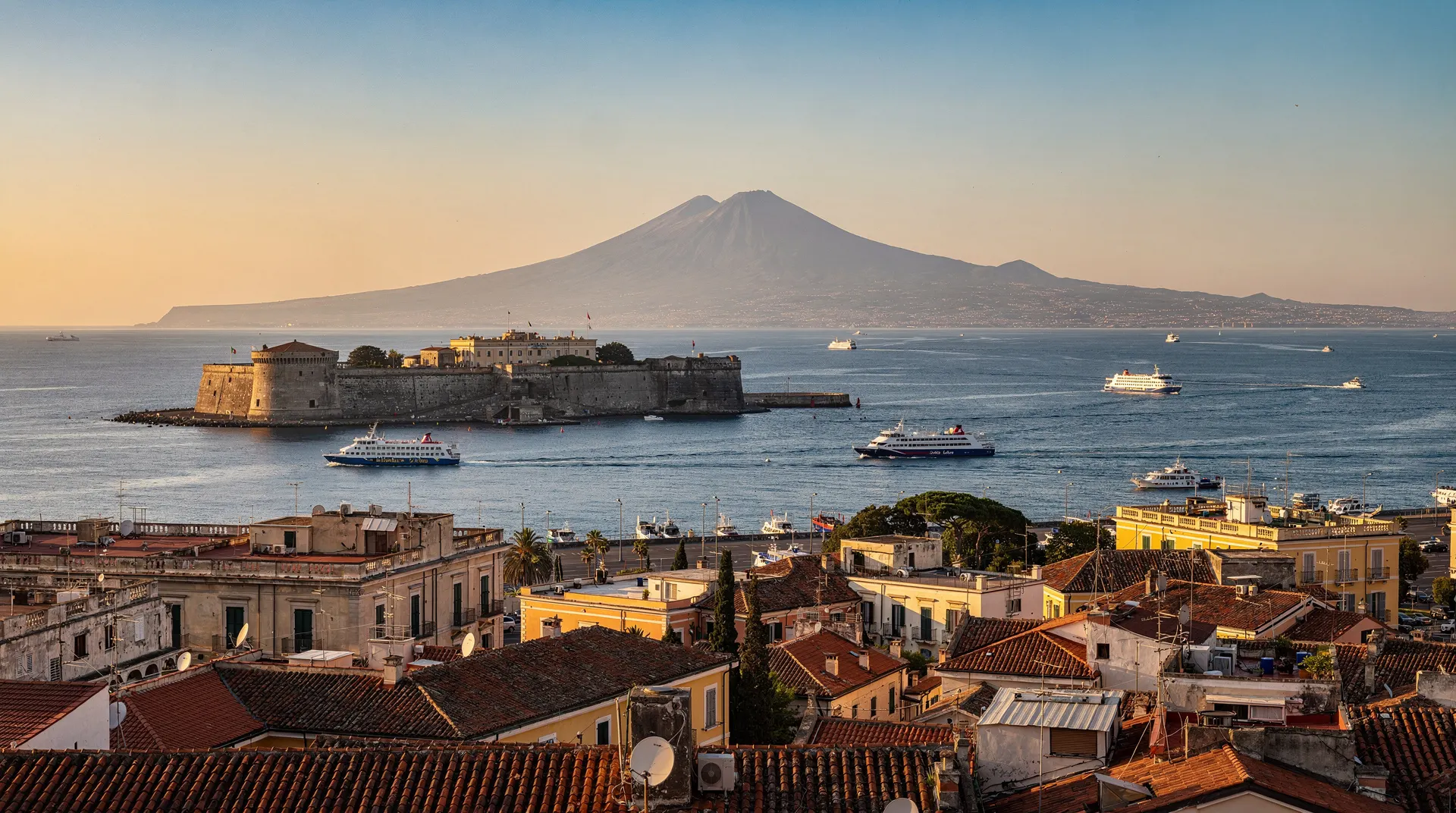
Evening — the Lungomare at sunset. Drop down to Chiaia and the Lungomare, the car-free seafront from Castel dell’Ovo to Mergellina. Walk it as the light goes, Vesuvius across the water, the castle floodlit on its islet. Aperitivo in Chiaia (a spritz runs 6–9 €) or a drink in the Borgo Marinari, then dinner of seafood near the water. It’s the perfect closing image of the city.
Where to stay
Base yourself in the centro storico or Chiaia and you can do both days without a long transfer. The historic centre puts you inside day one and a short funicular from day two; Chiaia is calmer, smarter, and sits right on the sunset walk. Vomero is a pleasant, quieter alternative if you don’t mind funicular rides into the centre each morning. Skip the area immediately around Napoli Centrale unless price is everything.
The two days at a glance
| Day | Neighbourhood | Character |
|---|---|---|
| Day 1 | Centro storico | Low, dense, loud — museum and Sansevero |
| Day 2 | Vomero, Capodimonte, Chiaia | Spread out, funiculars, views and art |
If you have a third day
Two days is genuinely enough for the city, but it’s the one length on this site that deliberately excludes Pompeii. If you can stretch to a third day, the Naples in three days itinerary keeps these same two city days intact and adds a full Pompeii day by Circumvesuviana. The vomero neighbourhood guide and Naples funiculars guide are worth a skim before day two either way — they cover the three funicular lines and which one saves the most walking depending on where you’re staying.
Practical tips
- One transport ticket covers it all. The TIC/integrated ticket works on metro, funiculars, and buses — buy a daily pass if you’ll ride several times.
- Funiculars stop relatively early (around 22:00–23:30 depending on line); check the last run if you’re up in Vomero for dinner.
- Capodimonte is the awkward one to reach — budget a taxi or the dedicated shuttle bus, and don’t leave it too late in the day.
- Book Sansevero ahead; it sells out same-day in peak season.
- The MANN is closed Tuesdays. Plan day one accordingly.
Two days won’t exhaust Naples, but it will let you meet it properly — the chaos and the calm, the street food and the sea views. Leave a third day spare and you’ve got Pompeii within reach.
Top experiences
Bookable activities with verified prices and instant confirmation on GetYourGuide.