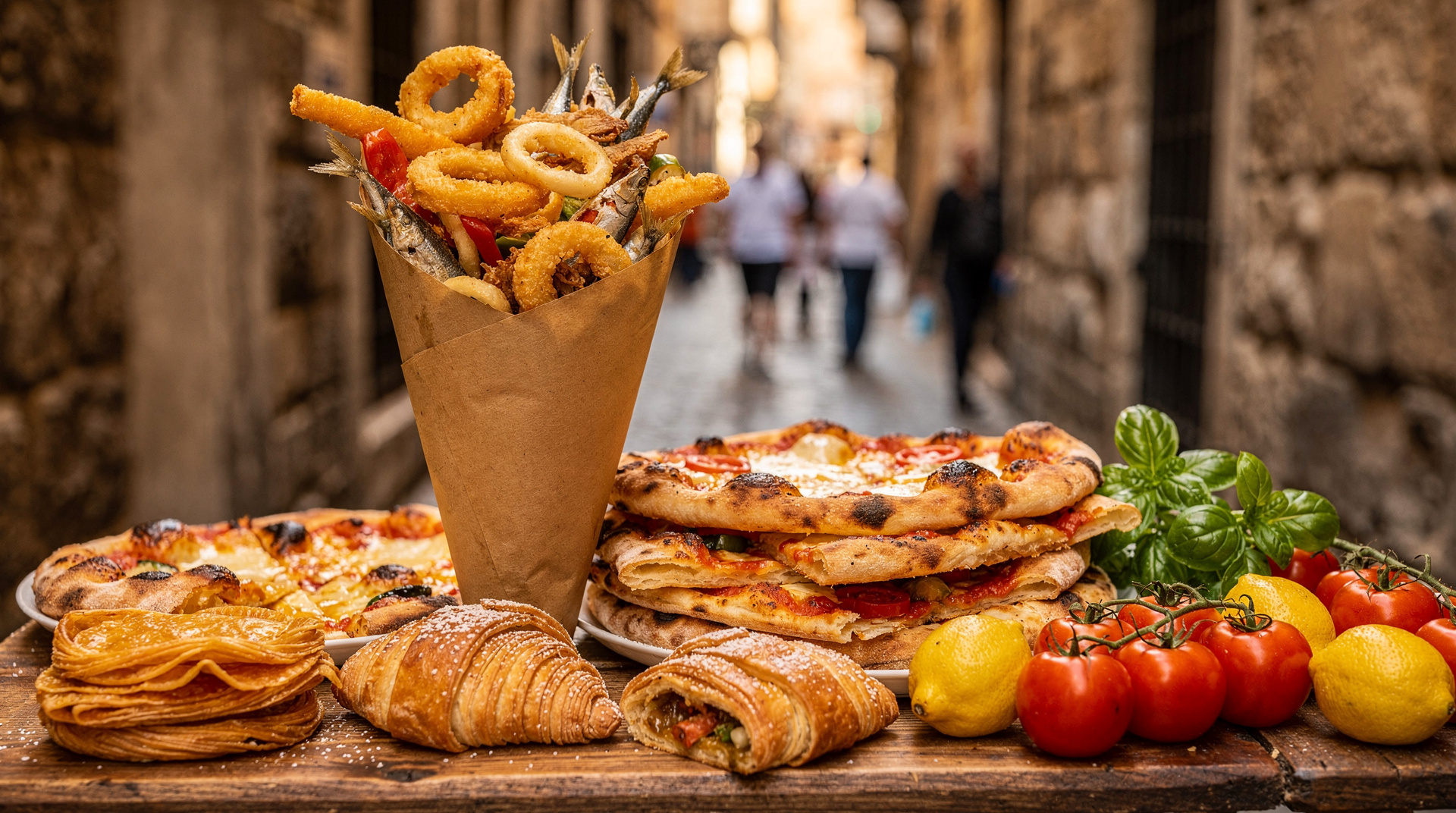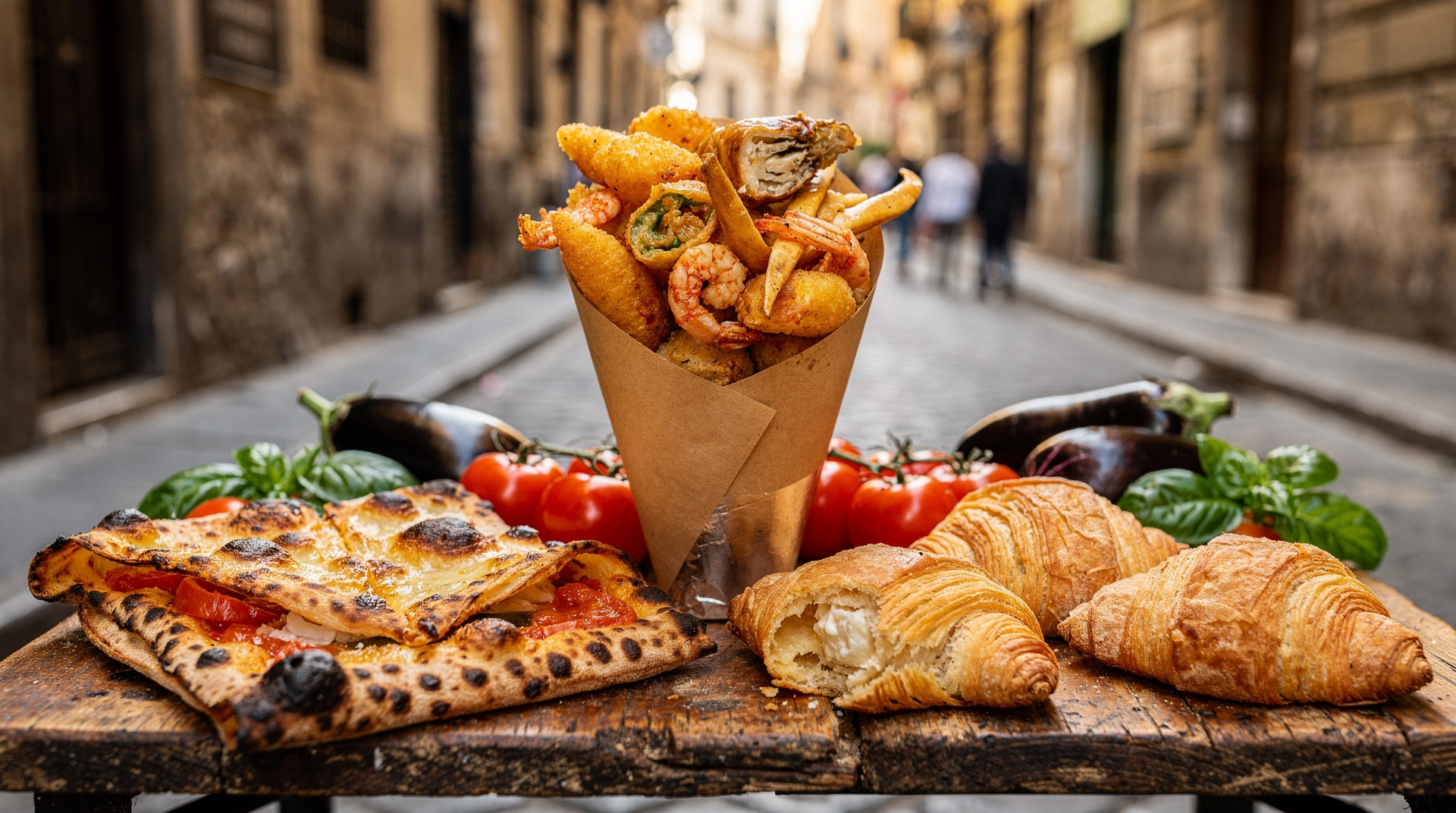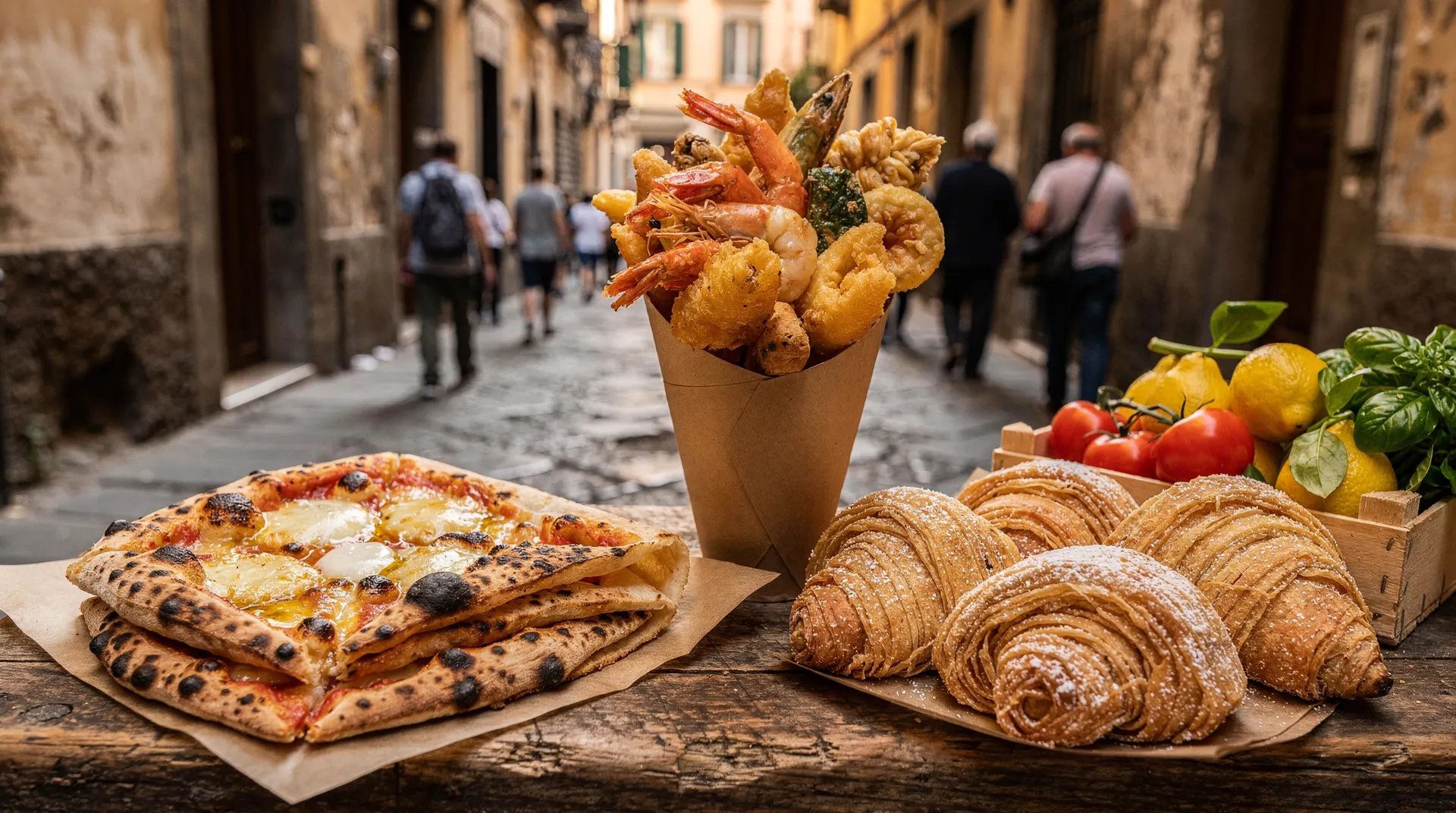
Cuoppo and fried street food in Naples
Naples Street Food Scene Tour: Small-Group Tasting Adventure
What is a cuoppo and where do I get the best one in Naples?
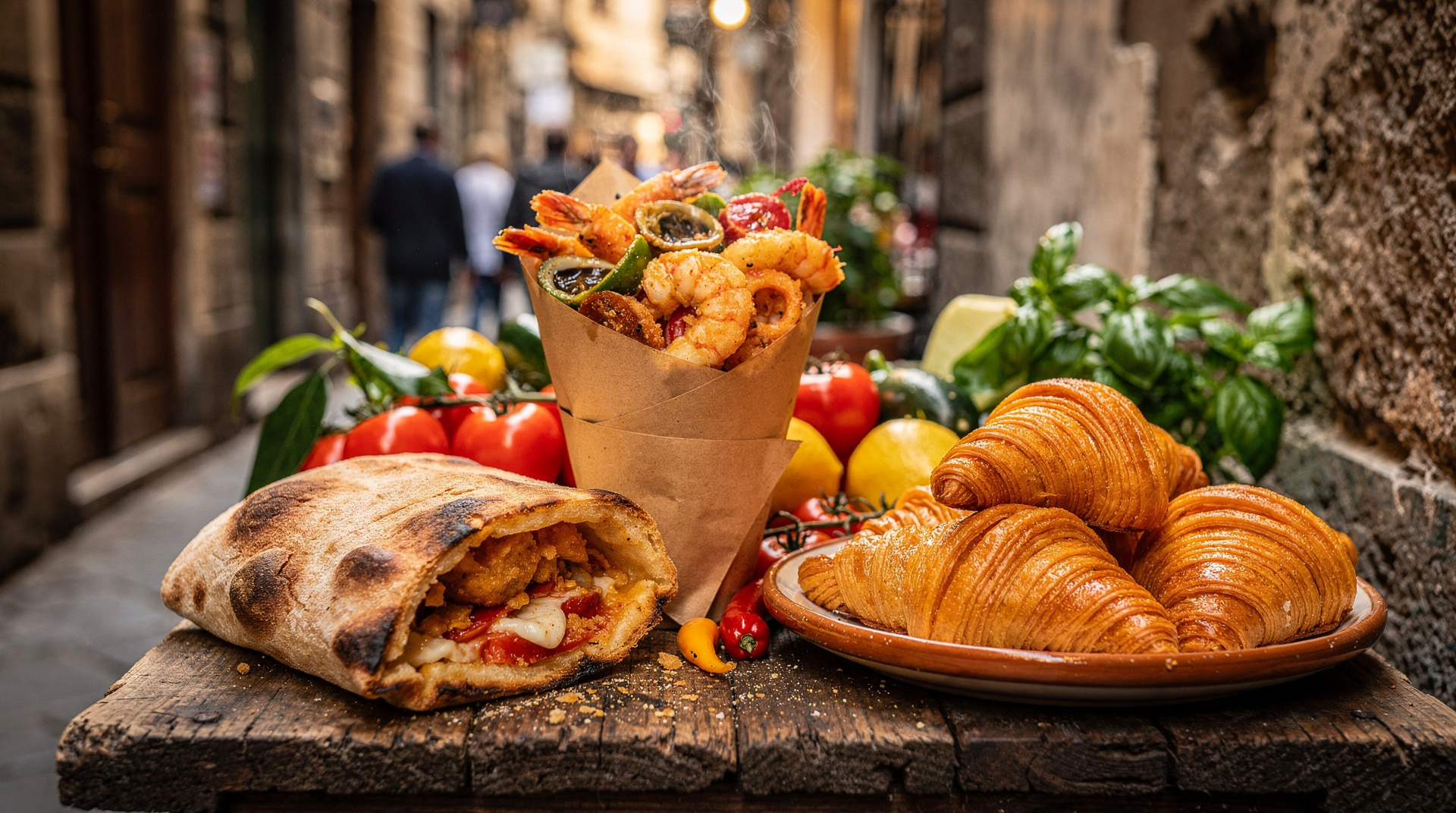
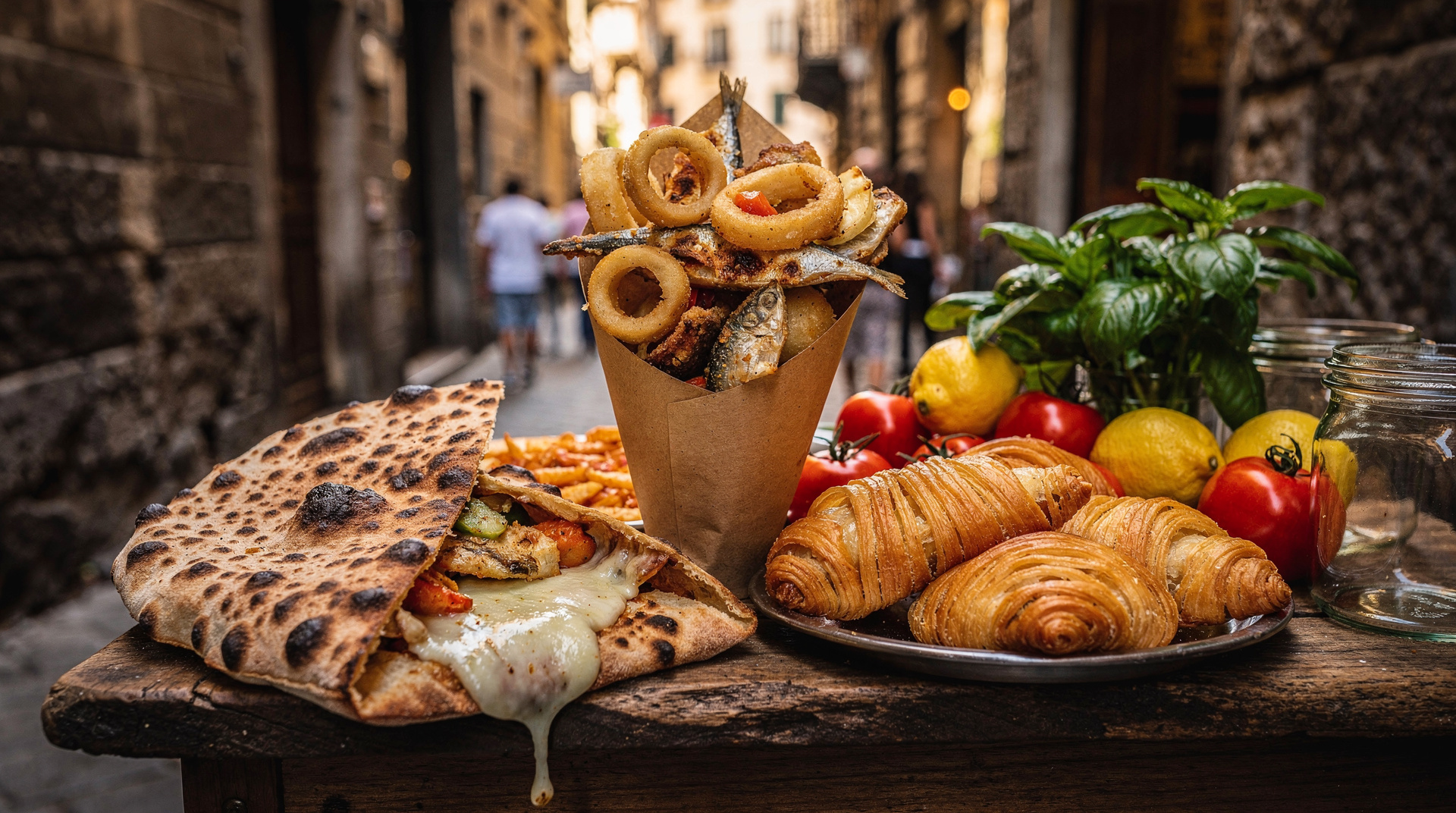
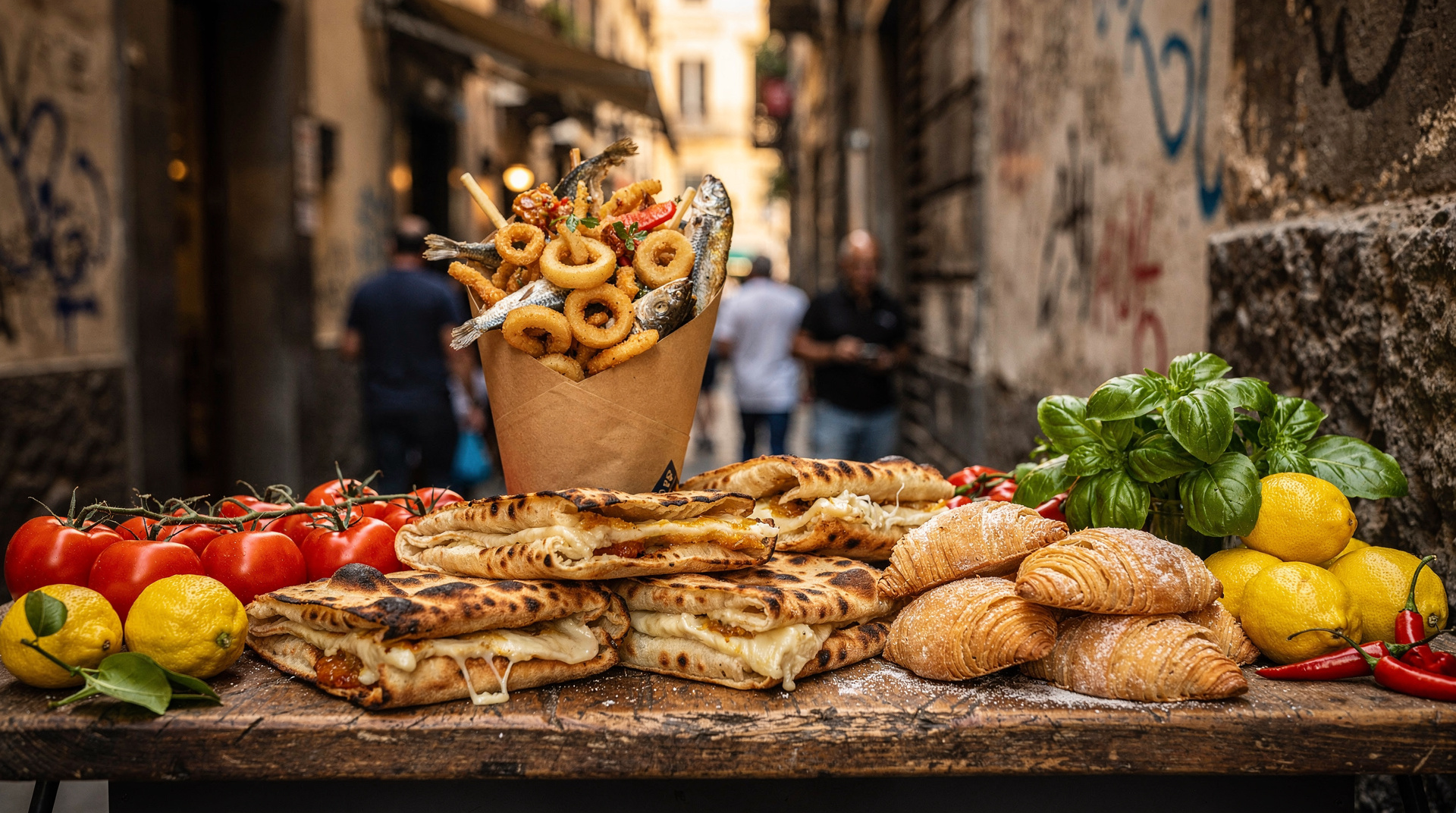
A cuoppo is a paper cone filled with small fried items — the seafood version (di mare) has squid rings, shrimp, and anchovy; the land version (di terra) has fried vegetables, potato croquettes (crocchè), and dough fritters. Cost €4–6. Best address is Friggitoria Fiorenzano (Piazza Montesanto 1), open from around 12:00. Di Matteo on Via dei Tribunali 94 is the most central option.
The art of frying in Naples
Naples fries things better than almost anywhere in Italy, and the reason is not mysterious: centuries of poverty forced the transformation of cheap, abundant ingredients (fish from the bay, starchy vegetables, leftover pasta) into delicious street food using minimal equipment. A cauldron of lard and a paper cone — the cuoppo — were sufficient.
The result is a frying tradition that is technically precise (oil temperature, oil quality, batter thickness, draining time all matter), historically layered (each item has a specific origin and technique), and genuinely delicious. It is also cheap — €4–6 for a cuoppo that constitutes a complete meal for most people.
| Cost | €4–6 for a full cuoppo, €1–4 for individual items |
| Best time | Late morning to early afternoon, 11:30–14:00 |
| Where | Friggitoria Fiorenzano, Di Matteo, Cuoppolab, and Vomero-area friggitorie |
| Payment | Cash only at nearly every address |
| Eating style | Standing, on the street — no seating at most friggitorie |
The cuoppo: format and varieties
The cuoppo (from the Neapolitan word for “cone”) is the standard presentation format for Naples street frying. A cone of paper or card, pointed at the bottom, filled with hot fried items. The shape serves a practical purpose — it allows the items to stack and retain heat while the excess oil drains to the bottom of the cone and away from your hands.
Cuoppo di mare (seafood)
The seafood version is the most prized. Contents typically include:
- Anelli di calamaro (squid rings): floured and fried, with the characteristic slight chew of fresh squid
- Gamberi fritti (small fried shrimp): whole small shrimp with the shell on, fried until crispy enough to eat in one bite
- Alici fritte (fried anchovies): small whole anchovies, floured, fried until golden and slightly crispy — one of the most overlooked pleasures in Neapolitan cooking
- Mazzancolle (local small prawns): larger than the gamberi, slightly meatier
- Sometimes a small piece of fried mussels or octopus at better friggitorie
Price: €5–6 for a full portion (roughly palm-sized pile).
Quality indicator: the best cuoppo di mare uses the freshest fish available that morning. At Porta Nolana market (see the food markets guide), the friggitorie adjacent to the fish vendors open at 07:30 and fry from the morning catch — this is the freshest version available in Naples.
Cuoppo di terra (land)
The vegetable and starch version:
- Crocchè di patate (potato croquettes): the headline item — see below for full description
- Frittura di verdure (fried vegetables): zucchini rings, cauliflower florets, eggplant slices, battered in a light flour-and-water batter
- Zeppoline (fried dough balls): small puffy balls, sometimes plain, sometimes with anchovy
- Panzarotti: small fried parcels filled with mozzarella and tomato
- Scagliozzi (fried polenta triangles): golden, crispy, lightly salted
Price: €4–5 for a full portion.
Cuoppo misto (mixed)
Most friggitorie will assemble a mixed cone on request — half seafood, half land. The combination of the crocchè (rich, starchy) with the squid rings (light, slightly chewy) is particularly good. Price: €5–6.
The crocchè: the essential item
The crocchè di patate is arguably the single best item in the Naples fried street food repertoire, and it is available individually for €1–1.50.
Composition: mashed potato, seasoned with salt, pepper, and parsley, packed around a piece of smoked provola cheese (and sometimes a small piece of salami), rolled into an oval shape (approximately 8 cm long, 4 cm wide), breaded in fine breadcrumbs, and deep-fried until the outside is golden and crispy.
When the crocchè first comes out of the oil, the inside is still hot enough to melt the provola into a stretchy, smoky interior surrounded by warm potato and crispy crumb. The combination of textures — the crunch of the crust, the creaminess of the potato, the smokiness of the cheese — is more sophisticated than the ingredient list suggests.
Eaten cold, a crocchè is a mediocre potato cake. Eaten hot, within 5 minutes of leaving the oil, it is exceptional. This is why buying from a high-turnover friggitoria matters — items sitting in a display case under a heat lamp are a different product from freshly fried items.
Pizza fritta: the predecessor to wood-fired pizza
Before wood-fired ovens became standard in Neapolitan homes and streets, the dominant pizza-like food was pizza fritta — fried pizza. The technique required only lard in a cauldron, which was cheaper and more portable than an oven. The tradition is documented from at least the early 19th century.
Classic pizza fritta: a calzone-shaped pocket of pizza dough (the same high-hydration dough used for baked pizza, though some friggitorie use a slightly stiffer dough for stability during frying), sealed around a filling of:
- Fresh ricotta (salted)
- Salami napoletano (a coarse-cut pork salami)
- Cicoli (dried pork crackling — a byproduct of lard rendering, with a concentrated pork flavour)
- Smoked provola
- Sometimes black pepper
The pocket is sealed by pressing the edges together and fried in hot lard (or vegetable oil at modern addresses) until golden. The inside becomes molten as the cheese melts and the ricotta thins slightly.
Price: €2.50–4 depending on size.
Best addresses: Starita a Materdei (Via Materdei 27) — the oldest and most cinematically famous, as Sophia Loren sold pizza fritta here in the 1954 film L’oro di Napoli. Di Matteo’s window counter (Via dei Tribunali 94) for the most central location. Several vendors on Via Spaccanapoli also make it.
One is generally enough. Pizza fritta is filling in a way that the cuoppo is not — a full one weighs roughly 250g and has substantial fat content from the frying and the pork filling.
Frittatina di pasta: leftovers elevated
The frittatina di pasta (pasta fritter) is a perfect example of cucina povera logic: yesterday’s pasta, bound with béchamel, rolled into a disc or cylinder, breaded, and fried. The outside becomes crispy; the inside stays creamy and slightly elastic. Common additions include ragù, peas, or ham.
Price: €2–3 per piece.
Why it matters: the frittatina is not an afterthought or a cheap filler. At the best friggitorie, the béchamel is made fresh, the pasta is properly seasoned, and the result has a distinct creaminess that contrasts with the crispy exterior. At mediocre addresses, it can be dry and flavourless — the difference is immediately obvious.
Where to eat fried street food in Naples
Friggitoria Fiorenzano
Piazza Montesanto 1, Montesanto — operating since 1897 and consistently cited by Naples food professionals as the best friggitoria in the city. The window opens around 11:30–12:00; the freshest items sell out by 13:30. Speciality is the cuoppo di mare and the crocchè. Cash only. No seating — eating while standing on the piazza is the norm.
Di Matteo
Via dei Tribunali 94 — the most convenient centro storico option. The street counter sells pizza fritta, pizza a portafoglio, crocchè, and cuoppo. Quality is consistently good; the Bill Clinton photographs inside (he ate here during the 1994 G7 summit) are the tourist draw, but the food is the real reason to visit.
Cuoppolab
A small address that specifically specialises in cuoppo — different sizes, seafood and land options, with a clear focus on oil quality and fresh produce. More than one branch now exists in the centro storico. Slightly more expensive than the traditional friggitorie (€6–7 per cuoppo) but very consistent quality.
Friggitoria Vomero area
The Vomero hilltop neighbourhood has several friggitorie near the market at Piazza degli Artisti. More local, less documented in tourist guides, with a slightly calmer eating environment than the centro storico streets. Worth finding if you are visiting the Vomero for other reasons.
How cuoppo fits into a wider food day
Fried street food works best as one stop in a longer eating itinerary, not a standalone meal plan. A practical sequence: a mid-morning espresso and a sfogliatella from a good pastry counter — see the sfogliatella and pastries guide for where to find the best — followed by a cuoppo or crocchè around midday, then a proper sit-down pizza or trattoria dinner in the evening. Trying to fit a full pizza meal and a full cuoppo into the same short window means neither gets the appetite it deserves.
For the fried items themselves, the Porta Nolana and Pignasecca markets are good anchors — friggitorie cluster near both, and the Naples food markets guide covers the layout and what else to look for while you’re there. If you want the fuller picture of Naples street food beyond frying — sfogliatelle, taralli, panino napoletano — the Naples street food guide is the companion piece to this one.
Comparing cuoppo to Naples’ other signature foods
Fried street food sits alongside pizza and pastry as one of the three pillars of eating in Naples, but the three serve different moments of the day:
| Food | Best moment | Typical cost | Where to start |
|---|---|---|---|
| Cuoppo / fried street food | Midday snack or light lunch | €4–6 | Friggitoria Fiorenzano |
| Pizza | Sit-down lunch or dinner | €5–10 | See the Naples pizza guide |
| Sfogliatella / pastry | Breakfast or mid-morning | €2–4 | See the pastries guide |
None of the three substitutes for the others — a full Naples food itinerary makes room for all three across a few days. The Naples food budget guide has a realistic day-by-day cost breakdown, and the best restaurants in Naples guide covers the sit-down side once you’re ready for a proper meal.
A brief history of the friggitoria
The friggitoria as an institution predates unified Italy. Naples’ poorer neighborhoods historically lacked home ovens, so cooking — and especially frying, which needs only a pot and fuel — moved to shared street-level shops. A friggitoria required minimal capital: a cauldron, lard or oil, a supply of cheap ingredients, and a counter facing the street.
This is why the tradition concentrated in the historic center’s narrower streets rather than the wealthier districts, and why the best addresses today are often multi-generational family businesses rather than modern openings. Understanding this history changes how the food reads — a crocchè or a cuoppo is not a tourist snack invented for visitors, it is the direct descendant of necessity cooking that happens to also be delicious.
Guided experiences covering fried food
A guided street food tour that specifically includes the friggitoria circuit is the most efficient way to cover all the major items in a single session.
Naples street food tour — cuoppo, pizza fritta, and crocchè includedA broader food tour covering markets and street food together:
Naples food and market tour — street food with market contextBudget and practical notes
| Item | Price |
|---|---|
| Cuoppo di mare (full) | €5–6 |
| Cuoppo di terra (full) | €4–5 |
| Crocchè (each) | €1–1.50 |
| Pizza fritta (full) | €2.50–4 |
| Frittatina di pasta | €2–3 |
| Zeppoline (each) | €0.50–1 |
| Scagliozzi (each) | €1–1.50 |
A complete fried street food lunch — cuoppo di mare, a crocchè, and an espresso — costs approximately €8–9. See the Naples food budget guide for full day-by-day planning.
Timing: the best fried street food is available late morning to early afternoon (11:30–14:00). Many friggitorie reduce their range or close after 15:00. Evening friggitorie exist but with a narrower range.
Cash: friggitorie are almost universally cash-only.
Dress: there is no way to eat a cuoppo without some oil ending up somewhere. This is expected. Napkins are provided but insufficient — accept this as part of the experience.
Frequently asked questions about fried street food in Naples
What is the difference between cuoppo di mare and cuoppo di terra?
Di mare has squid rings, shrimp, and anchovies. Di terra has fried vegetables, potato croquettes, and dough fritters. Mixed versions combine both. Price approximately the same (€4–6).
What is a crocchè?
Potato croquette filled with smoked provola and sometimes salami, deep-fried until golden. Price €1–1.50. Best eaten hot, within 5 minutes of frying.
What is pizza fritta?
Calzone-shaped dough pocket filled with ricotta, salami, cicoli (pork crackling), and provola, deep-fried in lard. Price €2.50–4. Starita a Materdei is the reference address.
What is a frittatina di pasta?
Round deep-fried fritter of pasta bound with béchamel, sometimes with ragù or peas. Price €2–3. Cucina povera invention from leftover pasta.
What are zeppoline?
Small fried dough balls, plain or with anchovy. Light, puffy, mildly savoury. Part of the cuoppo di terra mix or sold individually (€0.50–1 each).
Is fried street food safe to eat in Naples?
Yes, at high-volume friggitorie that change their oil frequently. Look for pale golden oil and high turnover. Avoid unmarked stalls with items sitting out in heat.
What is paranza?
Small fish caught in coastal trawl nets — whitebait, tiny sardines, small squid. Floured and fried whole. One of the defining tastes of Neapolitan coastal cooking.
Frequently asked questions about Cuoppo and fried street food in Naples
What is the difference between cuoppo di mare and cuoppo di terra?
What is a crocchè?
What is pizza fritta?
What is a frittatina di pasta?
What are zeppoline?
Is fried street food safe to eat in Naples?
What is paranza and how is it different from cuoppo di mare?
Top experiences
Bookable activities with verified prices and instant confirmation on GetYourGuide.