Sorrento Cooking Class in a Lemon Grove — Honest 2026 Review
From Sorrento: Cooking Class in Lemon Grove
A Sorrento cooking class set among lemon trees is one of those experiences that sounds like a tourist cliché until you are actually standing in a Campanian grove at nine in the morning, apron on, pulling fresh pasta dough across a floured board while the owner explains exactly why the lemons here smell different from every other lemon you have ever encountered. This review covers what the Sorrento lemon grove cooking class delivers in practice — the setting, the food, the long lunch, and whether the price is honest.
| Where | working lemon grove/farmhouse in the hills above Sorrento |
| Duration | 3–4 hours, including the shared lunch |
| Cost | around €75–95 per person, most inclusions bundled |
| Group size | usually 8–12 people; private options available |
| Getting there | some pick-up from Piazza Tasso; others need a short taxi |
The setting: a family-run lemon grove above the bay
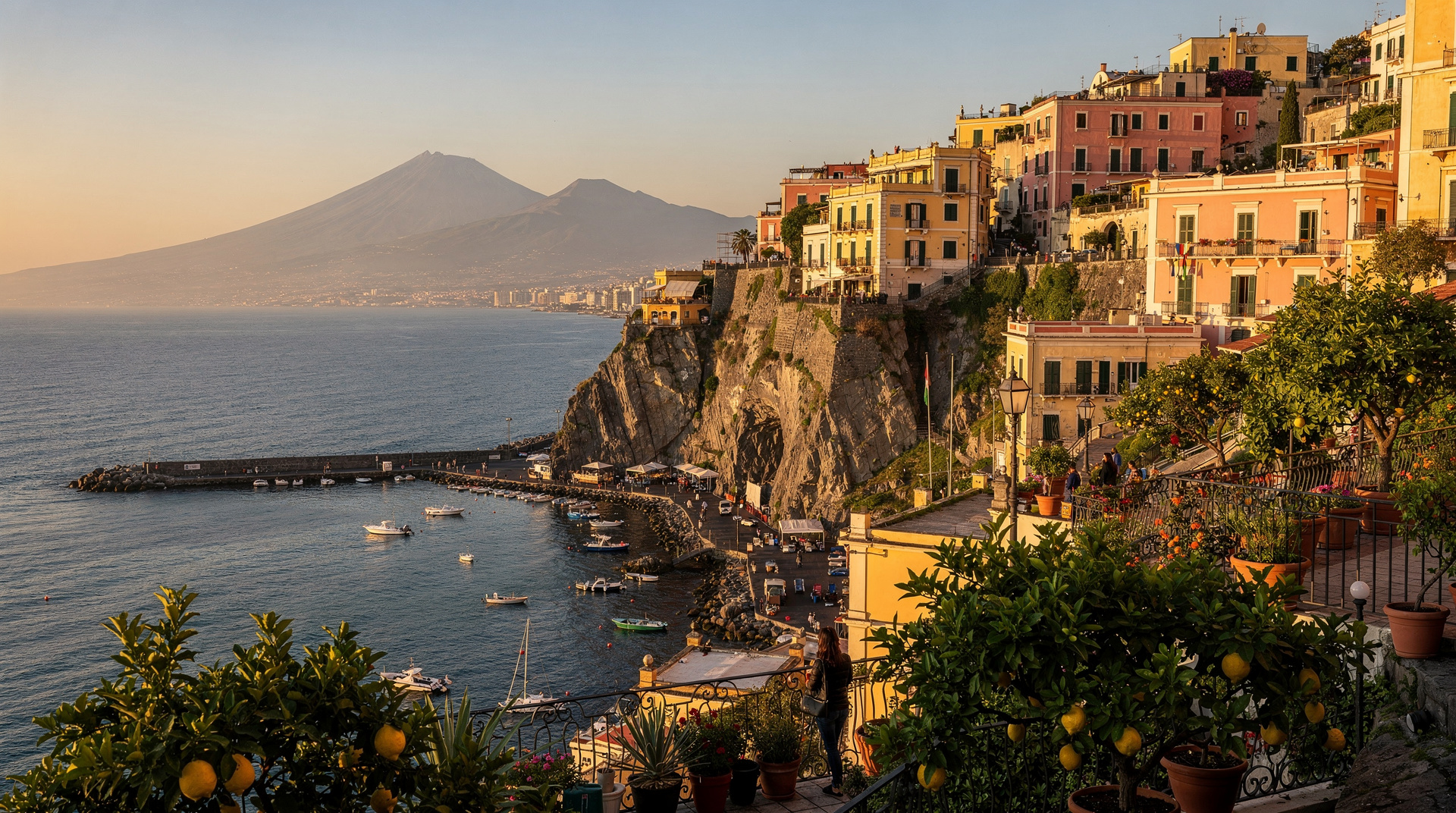
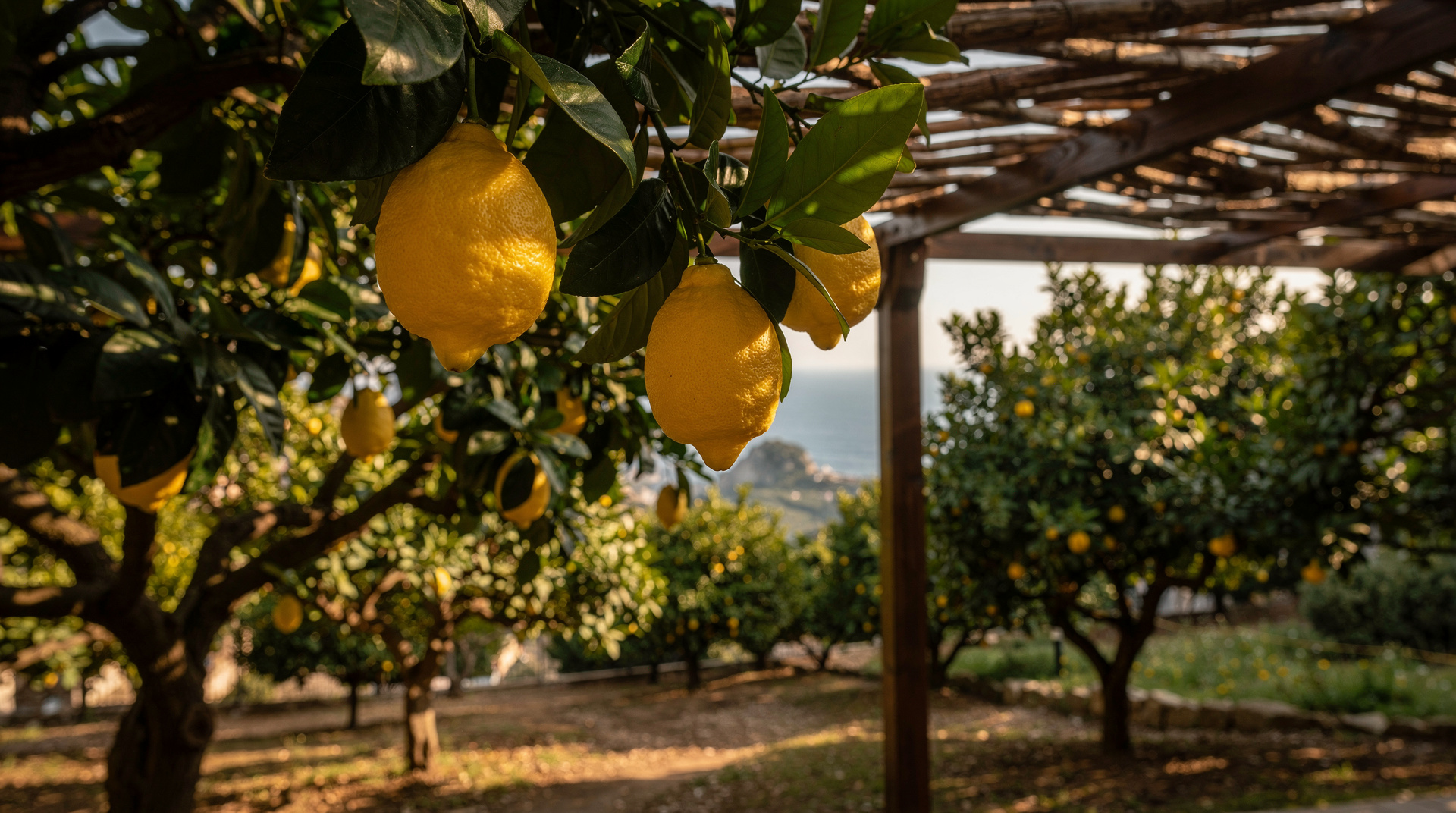
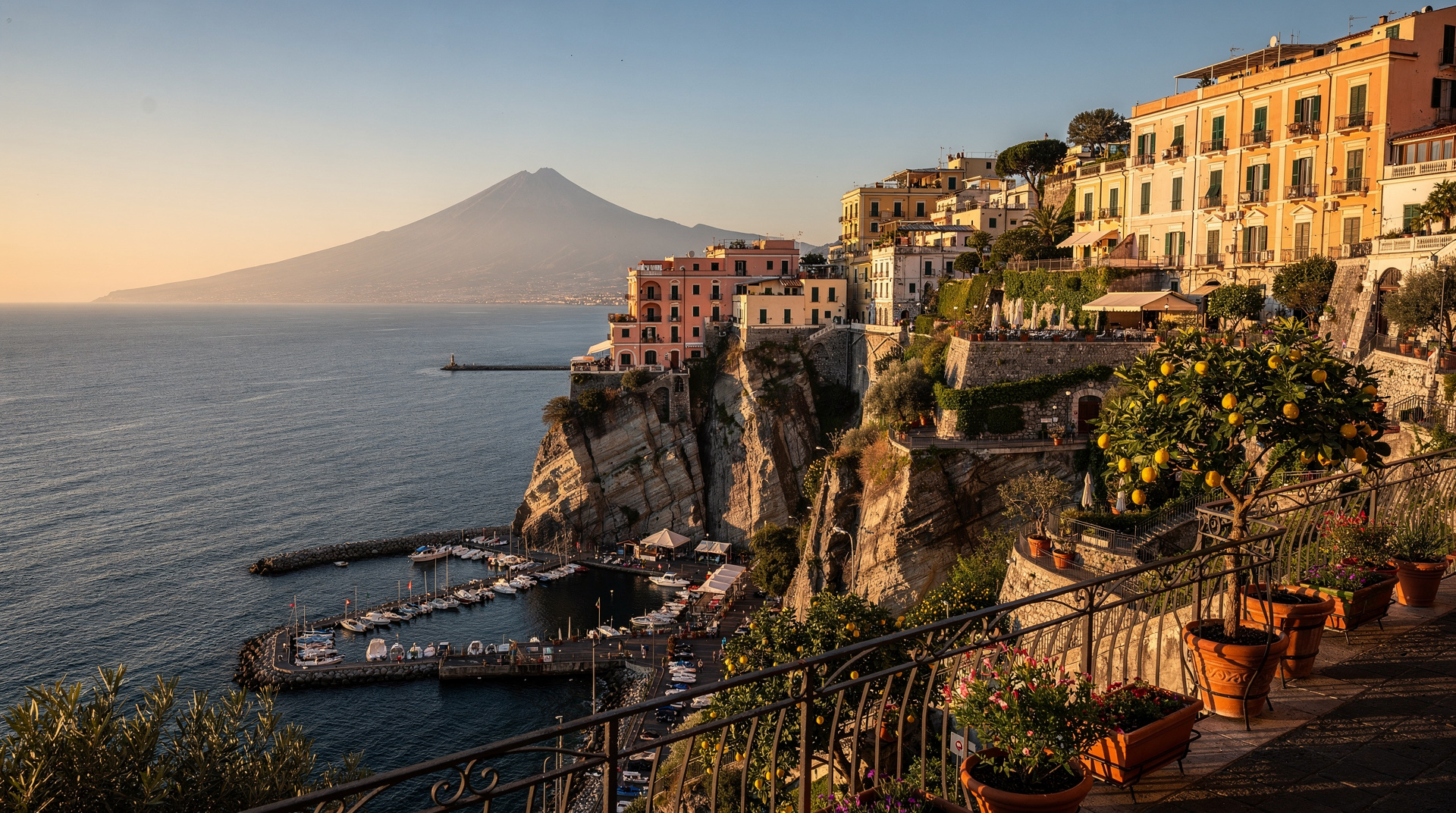
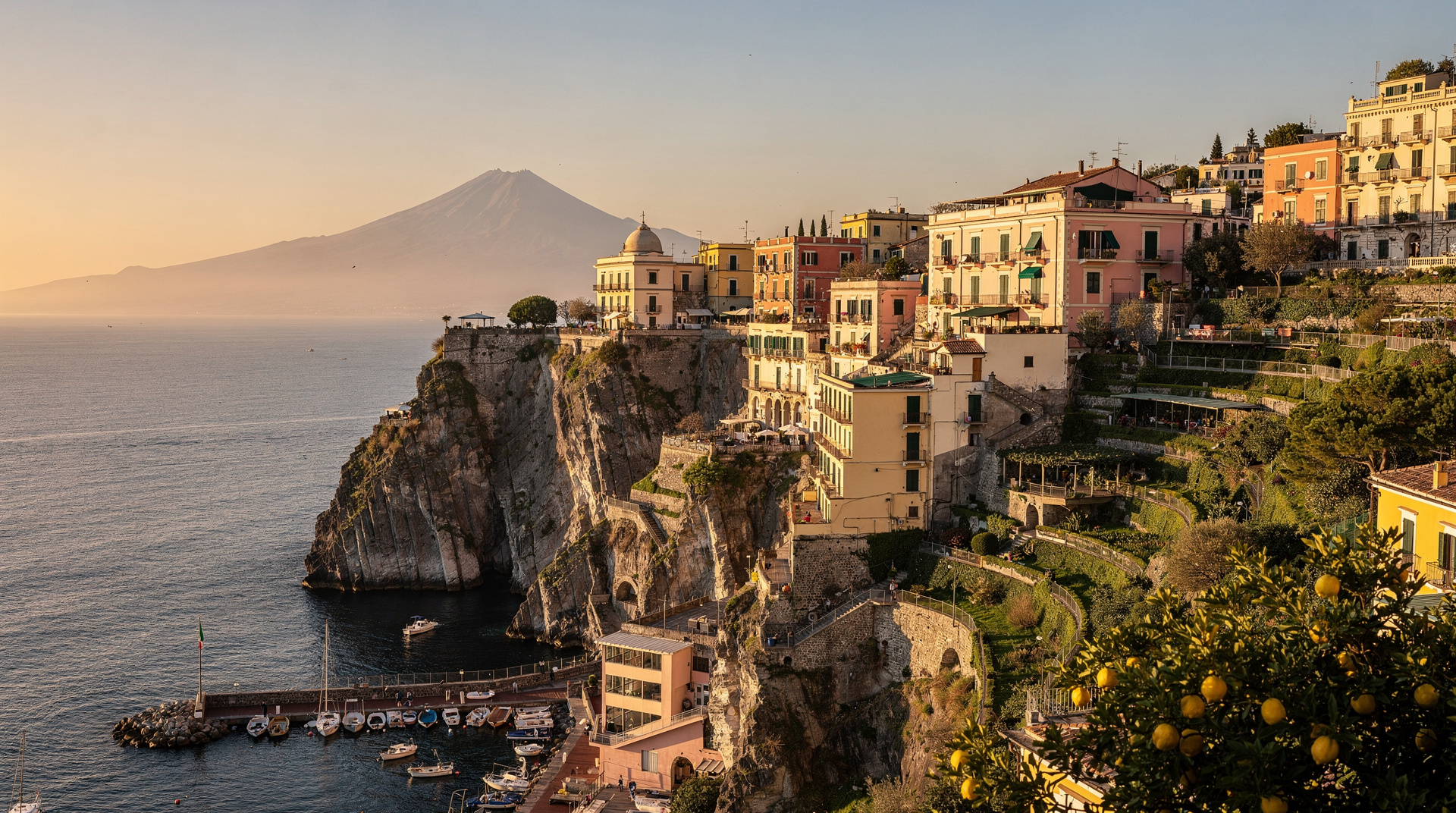
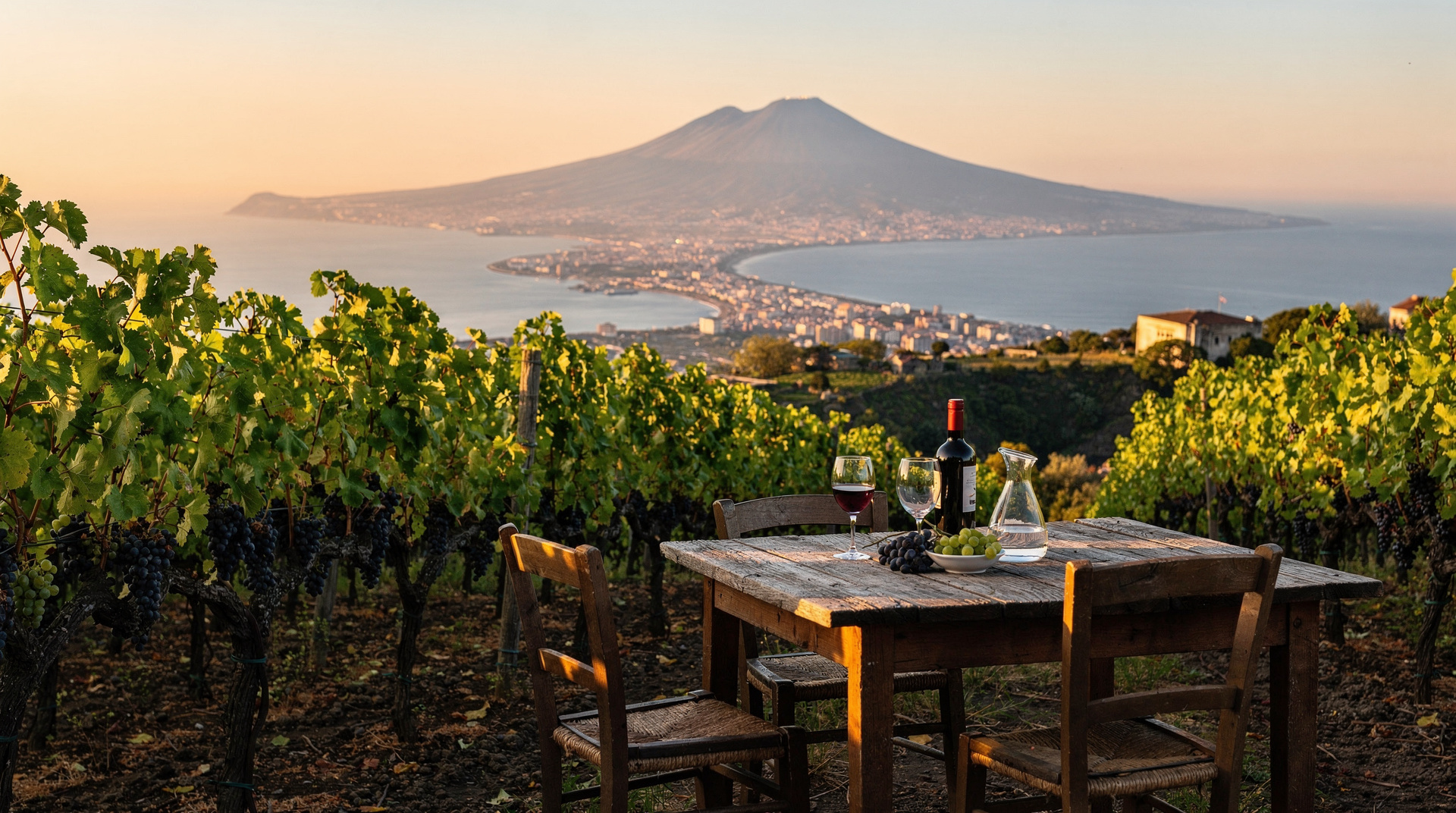
The class takes place on a working citrus property in the hills behind Sorrento — the kind of terraced smallholding that has been producing the IGP-certified sfusato sorrentino lemon for generations. Gnarled trees grow in rows supported by low pergolas, their heavy fruit hanging at eye level. On a clear morning the light through the canopy is striking, and on most days the view over the Gulf of Naples opens up between the trees. The farmhouse kitchen where you actually cook is simple and domestic — terracotta tiles, copper pans, a long wooden table — rather than a professional cooking school setup, which is precisely the point.
Your host is typically a member of the family that owns the property, sometimes a grandmother or an aunt who has been making this food for fifty years and has strong opinions about the correct ratio of egg yolk to flour. Groups are small, usually capped at twelve people, which keeps the ratio of instruction to waiting time sensible. The tone is unhurried and genuinely warm rather than performative. You are not watching a demonstration; you are handling the dough from the first minute.
What you cook: pasta, gnocchi, tiramisù and limoncello
The session runs three to four hours and covers three recipes, moving in roughly chronological order through a Campanian home lunch.
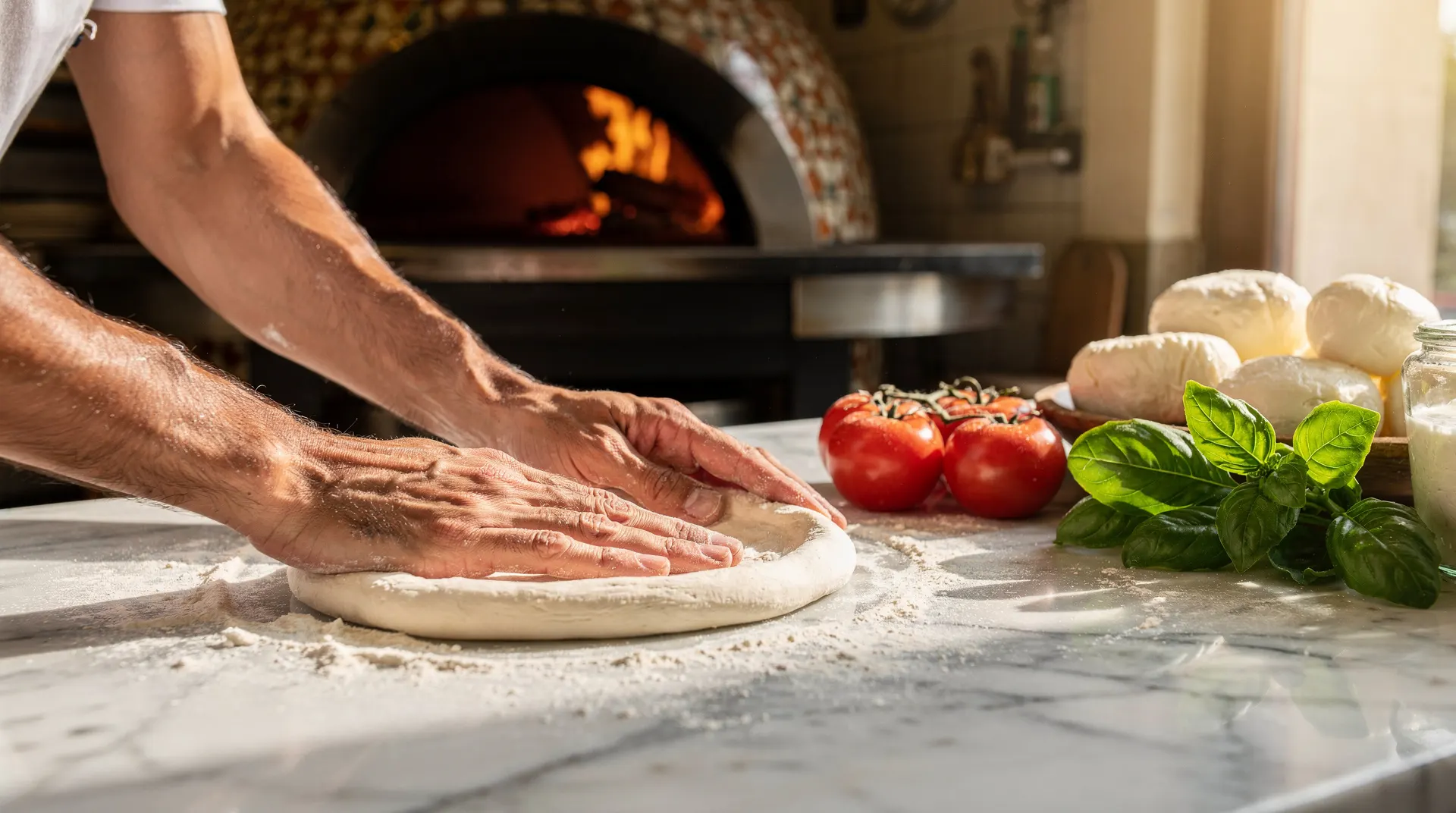
Fresh pasta. You start with an egg dough — 00 flour, local eggs, a pinch of salt — and learn to knead it correctly before feeding it through a hand-cranked pasta machine to produce tagliatelle or fettuccine. The sauce is a quick fresh tomato with basil and a thread of olive oil, made while the dough rests. Simple enough that you will actually replicate it at home, which is not always true of elaborate cooking class recipes.
Potato gnocchi. Boiled and riced Campanian potatoes, flour, egg. The technique is tactile and surprisingly forgiving once you understand what the right texture feels like. These go into a sauce of tomato passata or, depending on the week, a light Gorgonzola cream.
Tiramisù. Made from scratch in a large ceramic bowl, using proper mascarpone, egg yolks beaten with sugar until pale, savoiardi soaked briefly in espresso. The quantities here are generous — there will be more than enough for lunch.
Limoncello tasting. The class closes with a tasting of the property’s own limoncello alongside a brief explanation of the maceration process. If you like it, bottles are available to buy. The quality is noticeably different from supermarket limoncello — less sweet, more aromatic, with the full citrus oil character that Sorrento lemons carry.
The citrus grove variant of the class follows essentially the same structure but places more emphasis on the lemon itself throughout — a lemon-pasta dough, a lemon curd dessert instead of tiramisù, and a longer grove walk at the start.
The long lunch you earned
Once the cooking is done, everything moves to the table. This is the part that distinguishes a genuine home-cooking class from a ninety-minute tourist exercise. You sit down to eat the pasta you made, the gnocchi you shaped, and the tiramisù you assembled, accompanied by a local white wine — typically a Falanghina or Greco di Tufo poured without stinting. The limoncello arrives after dessert.
The meal runs sixty to ninety minutes. Conversation is easy because you have spent the morning working alongside the other participants; the shared effort makes a room of strangers comfortable with each other. The host usually eats with the group, answers questions about Campanian food culture, and is happy to suggest where to eat in Sorrento that evening. By the end you have eaten well, drunk well, and have three recipes you genuinely know how to make.
Who this class is for
This is not a class for serious home cooks looking for advanced technique. It is a class for people who want to understand the fundamentals of a Campanian home kitchen in a beautiful setting, eat a good lunch, and leave with practical recipes. It works well for couples, for small groups of friends, and for solo travellers who want a social half-day that produces something tangible. If you are still deciding how to spend a day in town, our things to do in Sorrento guide has this class in context alongside the other options.
Families with children are welcome and the recipes — pasta rolling, gnocchi shaping — are well suited to younger hands. The physical activity is light; the main requirement is that you can stand at a table for a few hours. No prior cooking experience is needed or assumed.
If you want more emphasis on professional technique rather than domestic tradition, the Amalfi class with a trained chef in Pianillo covers similar dishes with a more instructional approach, or the Amalfi cooking class in Minori adds coastal specialities like fresh anchovies and pasta alle vongole for those whose primary interest is seafood.
Practical information: duration, prices and what’s included
Duration: Three to four hours including the cooking session and the shared lunch. Most classes start at 10:00 or 11:00 and finish by 14:00–15:00, leaving the afternoon free.
Price: Approximately €75–95 per person. This includes all ingredients, wine with lunch, water, coffee and the limoncello tasting. A few operators charge slightly less (~€65) but exclude wine; read the inclusions carefully. There are no significant hidden extras once you are there.
Transport: As noted, some operators include a Sorrento-centre pick-up; others require you to reach the property independently. The farmhouses are typically 15–20 minutes from Piazza Tasso by taxi (€10–15) or reachable by local bus. Confirm the meeting arrangement at booking.
Group size: Usually 8–12 people maximum. Private bookings for two to four people are available on most calendars at a modest surcharge and are worth it for the additional attention and pace.
What to wear: Casual clothing you don’t mind getting flour on. An apron is provided but it only covers so much.
Getting to the class from Sorrento or Naples
If you are based in Sorrento itself, most farmhouses are a short taxi ride from the centre, and our getting to Sorrento guide covers the wider transport picture if you are arriving that same day. Travellers based in Naples can day-trip in via the Circumvesuviana train; see Sorrento as a base for how a cooking-class day fits around a longer Campania stay, and Sorrento vs Amalfi if you are still deciding where to spend the bulk of your trip.
How it compares to the Amalfi Coast alternatives
| Class | Setting | Emphasis | Price band |
|---|---|---|---|
| Sorrento lemon grove class | Family farmhouse, citrus terraces | Pasta, gnocchi, tiramisù, limoncello | €75–95 |
| Sorrento citrus grove variant | Same property, longer grove walk | Lemon-forward menu | Similar |
| Amalfi class with a trained chef (Pianillo) | Instructional kitchen | Technique-led | Comparable, sometimes higher |
| Amalfi coastal class (Minori) | Coastal home kitchen | Seafood specialities, vongole | Comparable |
If seafood and coastal technique interest you more than citrus and home-style pasta, the Amalfi options above are worth comparing before you book; our Amalfi Coast guide and Amalfi town guide cover logistics for basing a day around either.
Verdict
A Sorrento lemon grove cooking class is one of the more honest half-days you can spend on this coast. The price is reasonable, the setting is genuinely lovely, and you leave with a full stomach and recipes that work. It does not over-promise: this is home cooking in a family kitchen, not a masterclass. If that is what you are after — and it is the right thing to be after in Sorrento — the lemon grove cooking class delivers exactly what it says. Book early in the week if your schedule allows; morning sessions on weekdays tend to draw smaller groups and a more relaxed pace than weekend departures.