What I learned stretching dough with a Neapolitan pizzaiolo
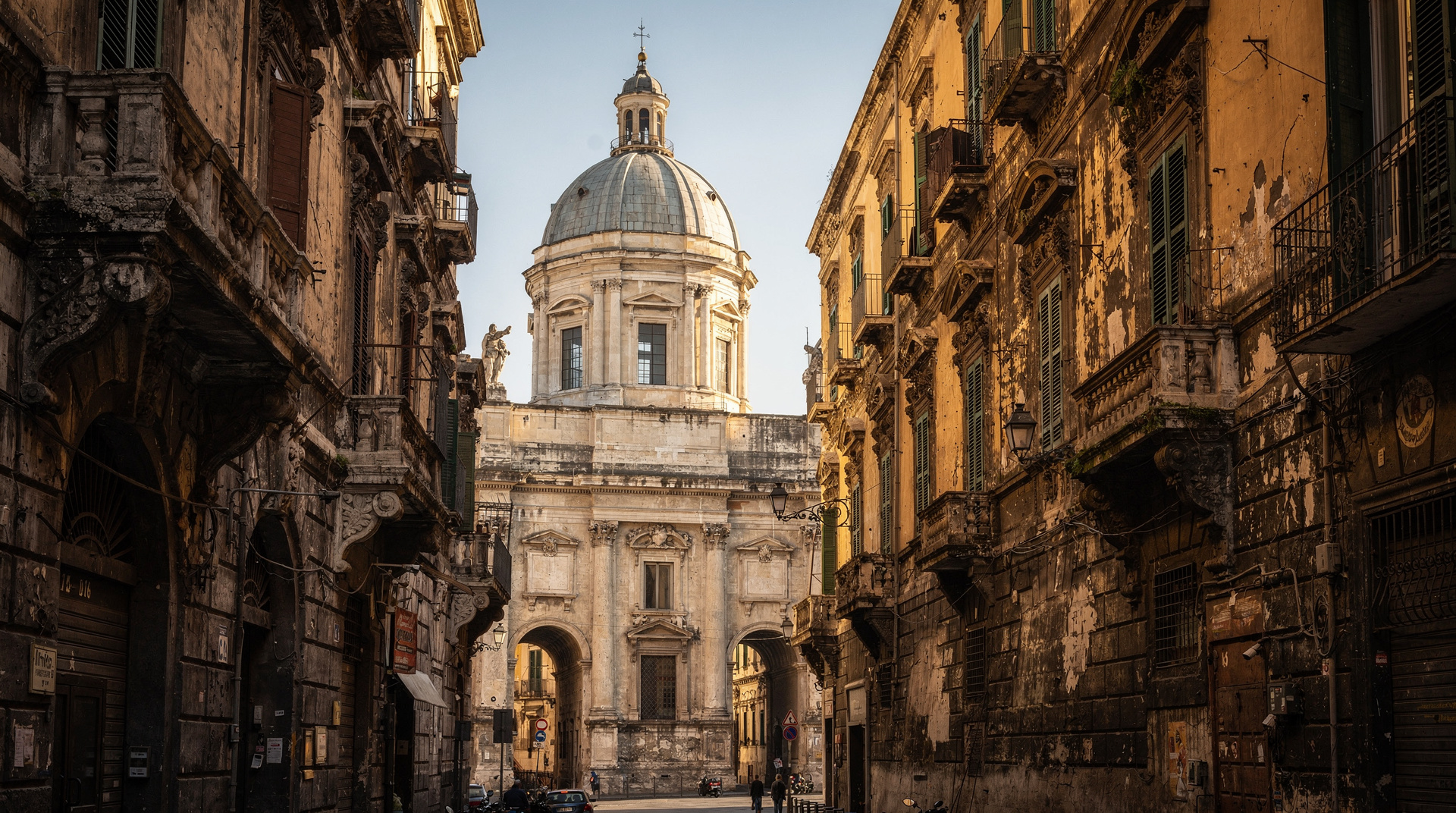
I had eaten a lot of Neapolitan pizza before I tried to make one. I knew the theory: tipo 00 flour, San Marzano tomatoes, fior di latte, wood-fired oven at 450–480°C, ninety seconds. I had watched pizzaioli in L’Antica Pizzeria da Michele work with an ease that looked effortless from the customer side of the counter. I thought I had a decent idea of what I was getting into when I booked a morning class in the centro storico.
I was wrong in all the right ways.
| Cost | Around €45–80 per person, incl. ingredients and a meal |
| Time needed | 2–3 hours |
| Where | Centro storico, near Spaccanapoli |
| Group size | Best when kept to 6–10 people |
| Booking | A few days ahead in high season |
The dough is the point
We started at 9:30 in a narrow teaching kitchen a few streets from Spaccanapoli. Our instructor — Gennaro, third generation, who had trained under his grandfather at a pizzeria in Pozzuoli — placed a ball of dough in front of each of us. It had been fermenting for twenty-four hours. It felt alive.
“The flour is everything,” he said, in the way Neapolitans say things about pizza: as if stating something so obvious it shouldn’t need saying but clearly does. The dough was silkier than any bread dough I’d worked with, more extensible, less forgiving of aggression. The moment you pushed too hard it fought back. The secret, Gennaro explained, was to coax rather than press — the back of your knuckles, the weight of the dough doing most of the work, gravity pulling the disc wider as you rotated it.
I tore mine twice in the first attempt. He fixed both holes with a pinch and a look that was kindly but direct. “Again.”
Naples pizza school with lunch — the class I took, which includes a full lunch with wine after the practical session. Worth booking a few days ahead in high season.
The AVPN rules and why they matter
Gennaro had framed AVPN certification on the wall — the Associazione Verace Pizza Napoletana, the body that codified the rules of genuine Neapolitan pizza in 1984. He talked about it without reverence but with clear conviction. The rules exist because before codification, “Neapolitan pizza” was being claimed by restaurants in Germany, Japan, and Ohio that were using bread dough and electric deck ovens.
The specifications are precise: the disc must be formed by hand, never by rolling pin. The diameter must not exceed 35cm. The crust — cornicione — must be 1–2cm high and soft enough to fold without cracking. San Marzano tomatoes from the Agro Sarnese-Nocerino DOP. Mozzarella di bufala Campana DOP or fior di latte from Agerola. The oven must burn wood. The bake must be 60 to 90 seconds.
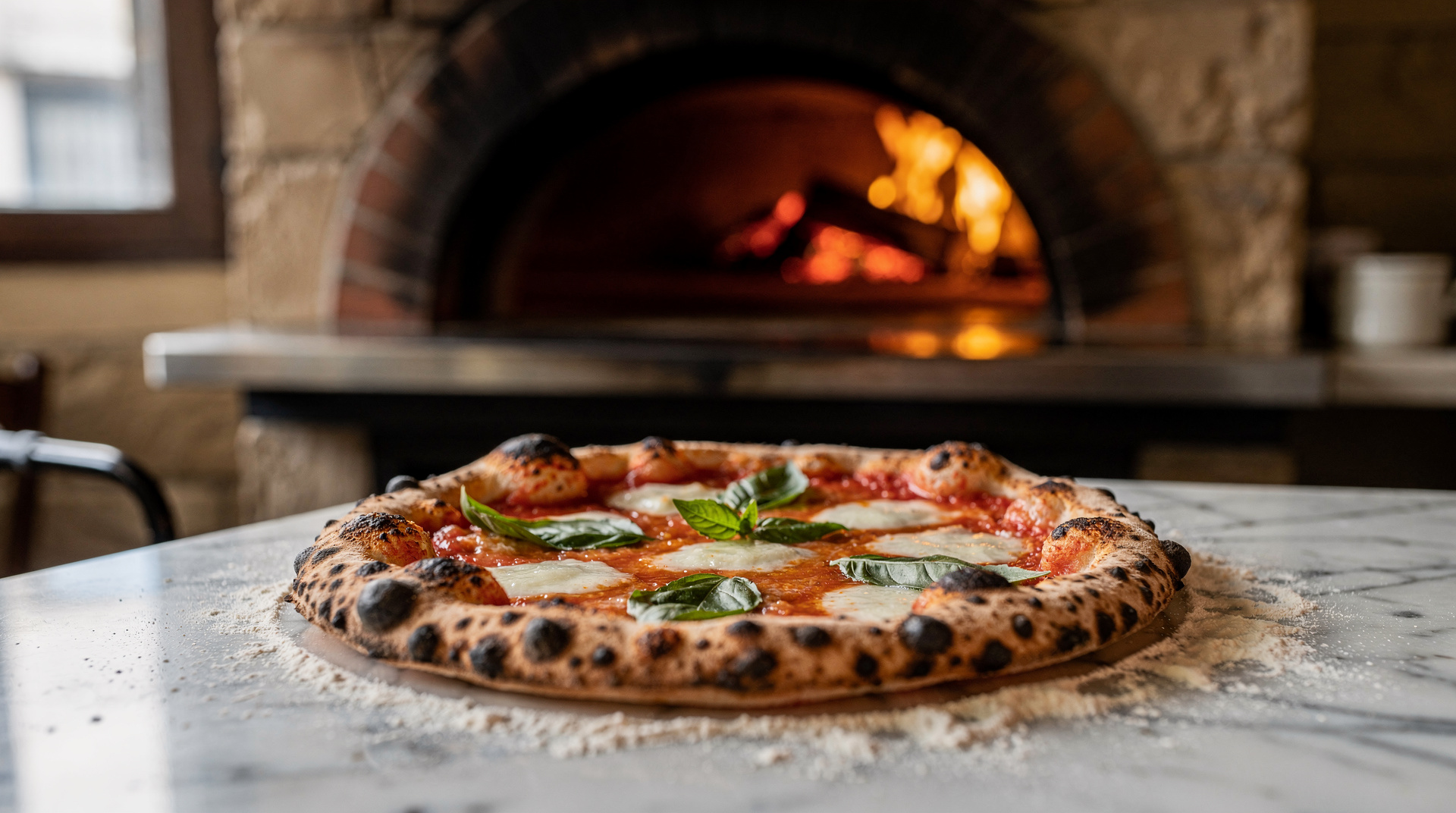
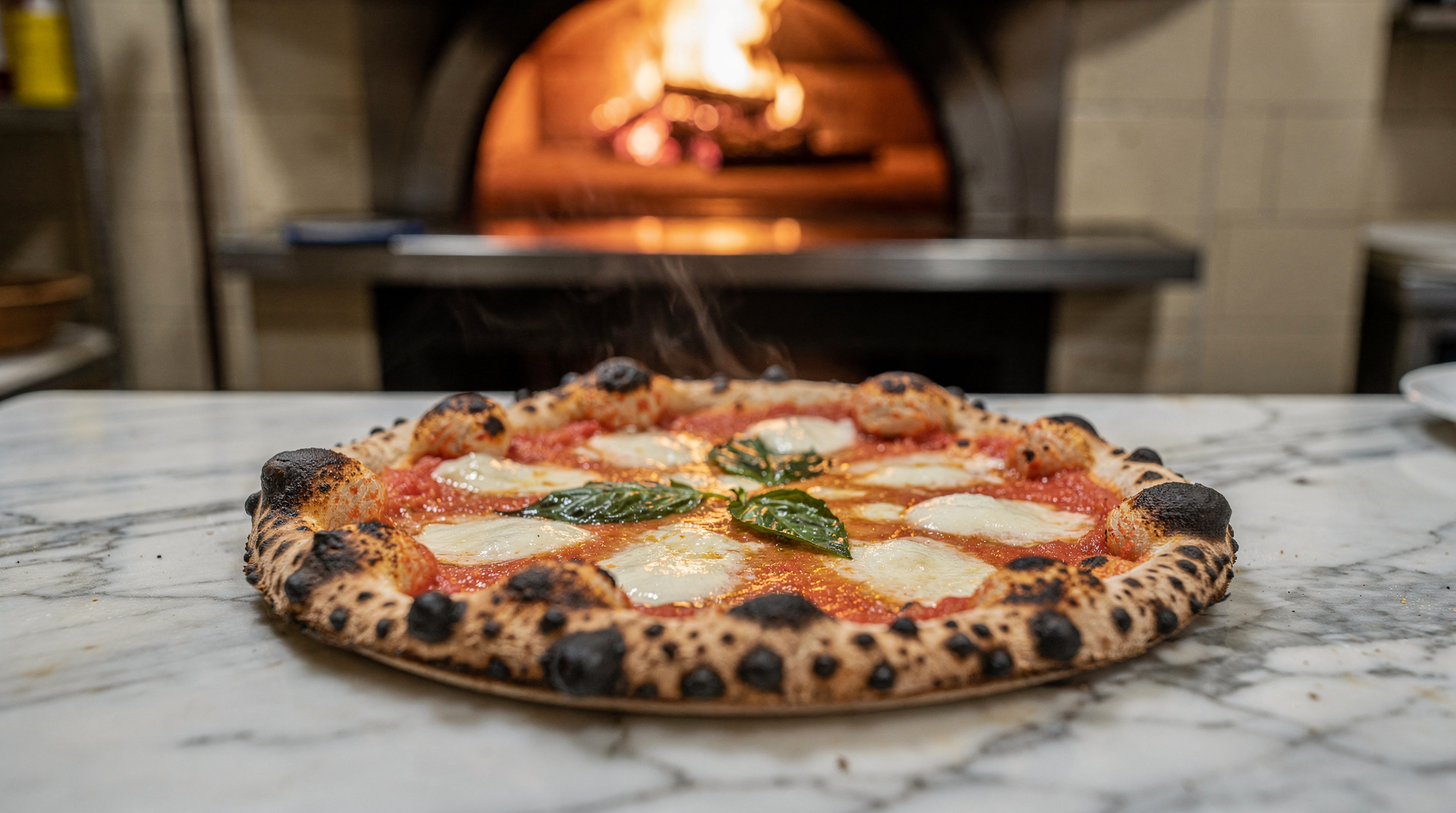
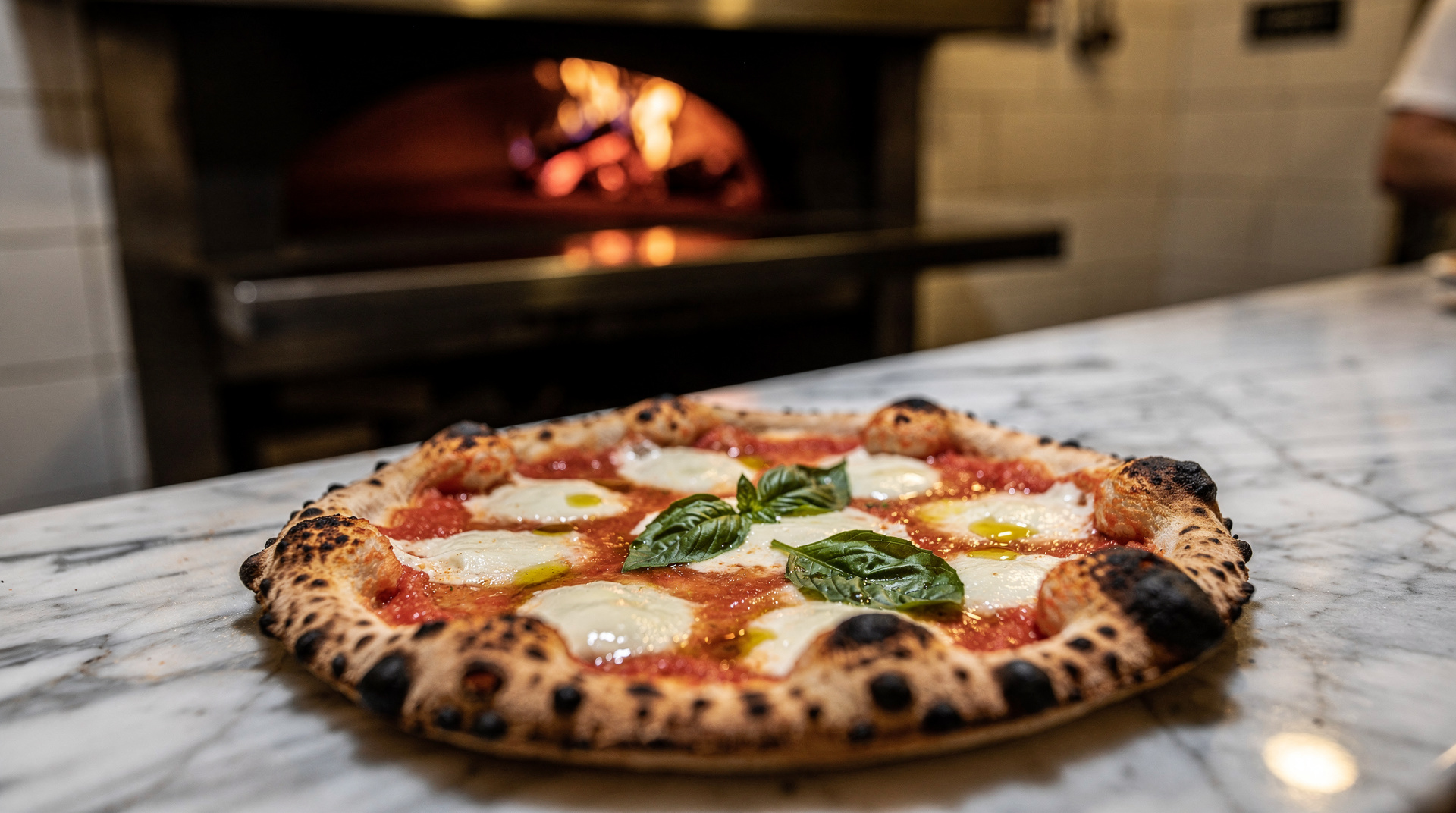
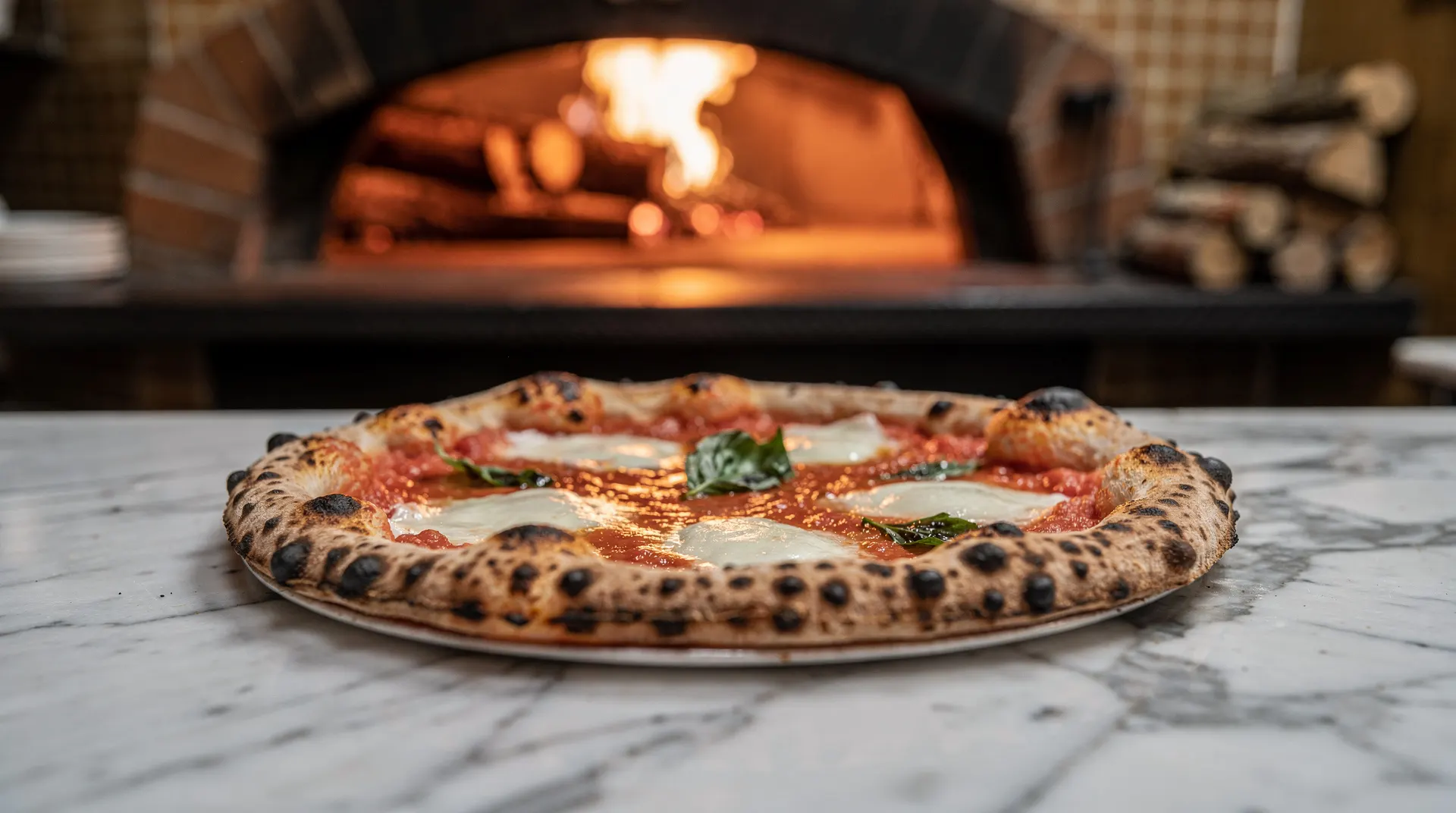
None of this is bureaucracy for its own sake. Every specification tracks back to a flavour or texture outcome. The short bake at extreme heat is what creates the leopard spotting on the crust — the char blisters that give a proper Margherita its faint smokiness. An oven at 300°C bakes in four minutes and creates something different: a drier, crispier base that is genuinely a different food.
Inside the oven
The pizza oven in the teaching kitchen was smaller than a restaurant oven but the same temperature, fed with oak and beech. Standing next to it was like standing next to an open kiln. Gennaro showed us how to load the pizza onto the wooden peel — a gesture that looks casual and requires nerve — and how to rotate it a quarter turn after about thirty seconds so the side nearest the fire didn’t char completely.
My first one went slightly oval when I slid it off the peel. The second was rounder. By the third I understood what Gennaro meant when he said the peel is an extension of your hand — not a shovel but something you read through your palms.
The tomato went on raw, spread with the back of a ladle in a circular motion from the centre outward, stopping about two centimetres from the edge. The fior di latte was torn rather than sliced, distributed loosely so it would melt in irregular pools. A drizzle of olive oil — DOP from Campania, Gennaro specified — and then into the oven.
Naples pizza class with a local pizzaiolo — a slightly more intimate small-group option in a traditional setting if you prefer a less structured format.
What the pizza tastes like when you made it
This is the part I didn’t expect. I’ve eaten pizza from Sorbillo, from Di Matteo, from Starita. All of them were objectively better than the pizza I pulled out of that oven — the crust on mine was uneven, the topping distribution imperfect, one edge was slightly underbaked. And yet it was the best pizza I have eaten in my life, and I think that’s true for everyone who came out of the class. Something happens when you’ve spent two hours learning that a disc of dough is difficult to shape, and then you eat the disc of dough you shaped. It tastes like effort and patience and the specific warmth of a very hot room.
We ate at a long table, with local wine from Campania — a light Falanghina that cut through the richness of the cheese — and a spread of antipasti that arrived before the pizzas: fried montanarine, bruschetta with lard and chilli, a bowl of Puglian olives. Gennaro sat at the end of the table and told us about his grandfather’s oven, which was still in use in Pozzuoli.
What it costs and what to expect
Most Naples pizza-making classes run for two to three hours and cost between €45 and €80 per person, usually including ingredients and a meal. The better ones keep groups small — six to ten people maximum — and are run by active pizzaioli rather than cooking schools. Book early if you’re visiting in summer; the morning sessions sell first because they fit naturally into a Naples day without eating the whole afternoon.
You will not leave able to replicate the pizza at home — the domestic oven problem is essentially unsolvable without a dedicated pizza oven — but that isn’t the point. You’ll leave understanding why the pizza in Naples tastes different from the pizza everywhere else. That understanding changes how you eat for the rest of the trip.
A short practical note
The class I took met at the studio entrance at 9:30 sharp, which Gennaro was serious about. Bring nothing — aprons and equipment are provided. Wear something you don’t mind getting flour on. The kitchen is warm. Everyone’s first dough ball tears, and the instructor will fix it without making it a moment.
Book a class for earlier in your trip rather than the last day. Knowing what you know after the session makes every pizzeria visit the rest of the week more interesting. You’ll find yourself looking at the cornicione differently, watching how the pizzaiolo loads the peel, noticing the leopard spots and understanding why they’re there.
Putting the lesson into practice
Once you understand the AVPN rules described above, the rest of your trip changes. Our Naples pizza guide is the fuller reference on the city’s pizza culture beyond a single class, and where to eat pizza in Naples lists the pizzerias worth judging against what you learned in the kitchen — Sorbillo, Di Matteo and Starita among them, all mentioned above. If pizza is just one part of a wider interest in Neapolitan food traditions, neapolitan culture and traditions situates the AVPN story within the city’s broader relationship with craft and identity.
Choosing a class
Not every pizza-making class in Naples is run the same way. The dedicated pizza-making class in Naples guide compares formats and price points across the city’s main options, including the two mentioned in this piece, if you want more choice before booking. If you’d rather build a market visit into the same trip, the Naples food markets guide covers where the San Marzano tomatoes and fior di latte used in classes like Gennaro’s actually come from.
Frequently asked questions about What I learned stretching dough with a Neapolitan pizzaiolo
Do I need any cooking experience to take a Naples pizza-making class? No — these classes are designed for complete beginners, and everyone’s first dough ball tears, as mine did twice; a good instructor fixes it without making it a big moment and teaches the technique from scratch.
What’s the difference between AVPN-certified pizza and regular pizza? AVPN (Associazione Verace Pizza Napoletana) certification means the pizza follows precise 1984-codified rules — hand-formed dough, a maximum 35cm diameter, San Marzano tomatoes, Mozzarella di bufala Campana or fior di latte, a wood-fired oven, and a 60–90 second bake — all of which combine to produce the leopard-spotted crust and light, foldable texture that define genuine Neapolitan pizza.