A Christmas Diary from the City of Presepi
There is a street in Naples that smells of sawdust and lacquer for four straight months of the year. Via San Gregorio Armeno, tucked into the historic centre between Via dei Tribunali and Via San Biagio dei Librai, is the world capital of the presepe — the Neapolitan nativity scene — and from October through January it operates at a controlled frenzy that the rest of the year quietly prepares for. I arrived in mid-December, which is precisely the right time: the workshops are at full production, the illuminations are up, and the whole neighbourhood smells of chestnuts and cold stone.
| Where | Via San Gregorio Armeno, Spaccanapoli, centro storico |
| When to go | Mid-December, weekday mornings before 11am |
| Cost | Free to walk; figures from €4 to €400+ |
| Weather | 8–15°C, occasional rain |
| Highlight | Christmas Eve church-hopping to see the presepi lit |
The Workshops of San Gregorio Armeno
The street is narrow enough that two people with bags cannot pass each other without negotiating. On both sides, the workshops spill into the alley — finished figures crowded on folding tables, half-painted terracotta drying in the doorways, the artisans working steadily behind glass. The range is extraordinary: you can buy a humble shepherd for €4 or a hand-sculpted, glass-eyed ox for €400.
In between there are Madonnas, kings, angels, grotesque comic figures, and — a Neapolitan tradition that sounds strange until you see it — contemporary celebrities alongside the biblical cast. Pope Francis, local football heroes, politicians, pop stars: they occupy the stalls with the same authority as the Three Wise Men. Our dedicated presepi of San Gregorio Armeno guide goes deeper into which workshops are worth seeking out by name.
The presepe tradition in Naples is not folk craft. It is a serious art form, several centuries old, and the families on this street carry inherited techniques. The best workshops let you watch the process — clay modelling, kiln-firing, the meticulous painting of faces. Even if you are not buying, the watching is free and the artisans do not mind an audience. The wider Naples at Christmas presepi guide covers the tradition’s history if you want the context before you walk the street.
Spaccanapoli After Dark
The long straight slash of Via Benedetto Croce — Spaccanapoli in the vernacular, the street that cuts the city from east to west — is dressed in lights from the first of December. After dark, the effect is theatrical. The palazzi on either side rise four and five storeys, the balconies are strung with LED and paper lanterns, and the street-level churches glow gold through their open doors. The contrast of baroque grandeur and neighbourhood Christmas decoration is entirely Neapolitan — excessive, cheerful, and somehow correct. The centro storico is at its most atmospheric in this stretch between early December and Epiphany.
The piazzas fill up in the evenings. Piazza del Gesù Nuovo, Piazza San Domenico Maggiore — these are outdoor living rooms in December, the locals doing their shopping and their socialising in the cold, the coffee bars doing brisk business, the Christmas market stalls selling caldarroste (roasted chestnuts) at €2 a cone and vin brulé at €3 a cup.
Struffoli and Roccocò
Naples has its own Christmas pastry calendar and it is not negotiable. Struffoli — tiny fried dough balls tossed in honey and heaped into a mound with coloured sprinkles and candied citrus — appear in every pasticceria and most family kitchens from mid-December. They are cloyingly sweet in the best possible way, and the honey-to-dough ratio varies by cook in ways that inspire genuine argument. A generous portion costs around €5–8 at a proper pasticceria; most sell them by weight.
Roccocò are the other essential: hard, ring-shaped biscuits made with spices and almonds, baked dark and served with wine or coffee. They are not the sort of thing you eat absent-mindedly — they require attention and a good beverage — but they are the authentic taste of a Neapolitan Christmas and they keep for weeks. A box of six costs around €6.
The pastry shops along Via Toledo and in the Quartieri Spagnoli are busiest on the 23rd and 24th of December, when entire families queue for their Christmas order: the struffoli, the roccocò, the pastiera (the Easter cake that refuses to stay seasonal), and the inevitable sfogliatelle.
December Week by Week
| Period | What’s happening |
|---|---|
| Early Dec (1–8) | Lights go up, workshops ramp up production, still quiet enough to browse easily |
| Mid Dec (9–20) | Peak workshop activity, Christmas markets open, crowds build on weekends |
| Final week (21–23) | San Gregorio Armeno at its most crowded — go before 11am on a weekday |
| Christmas Eve (24) | Shops close at noon, churches open in the evening, presepi lit inside |
| 25 Dec – Epiphany | Quieter city, family time, many trattorias closed |
Christmas Eve in the Historic Centre
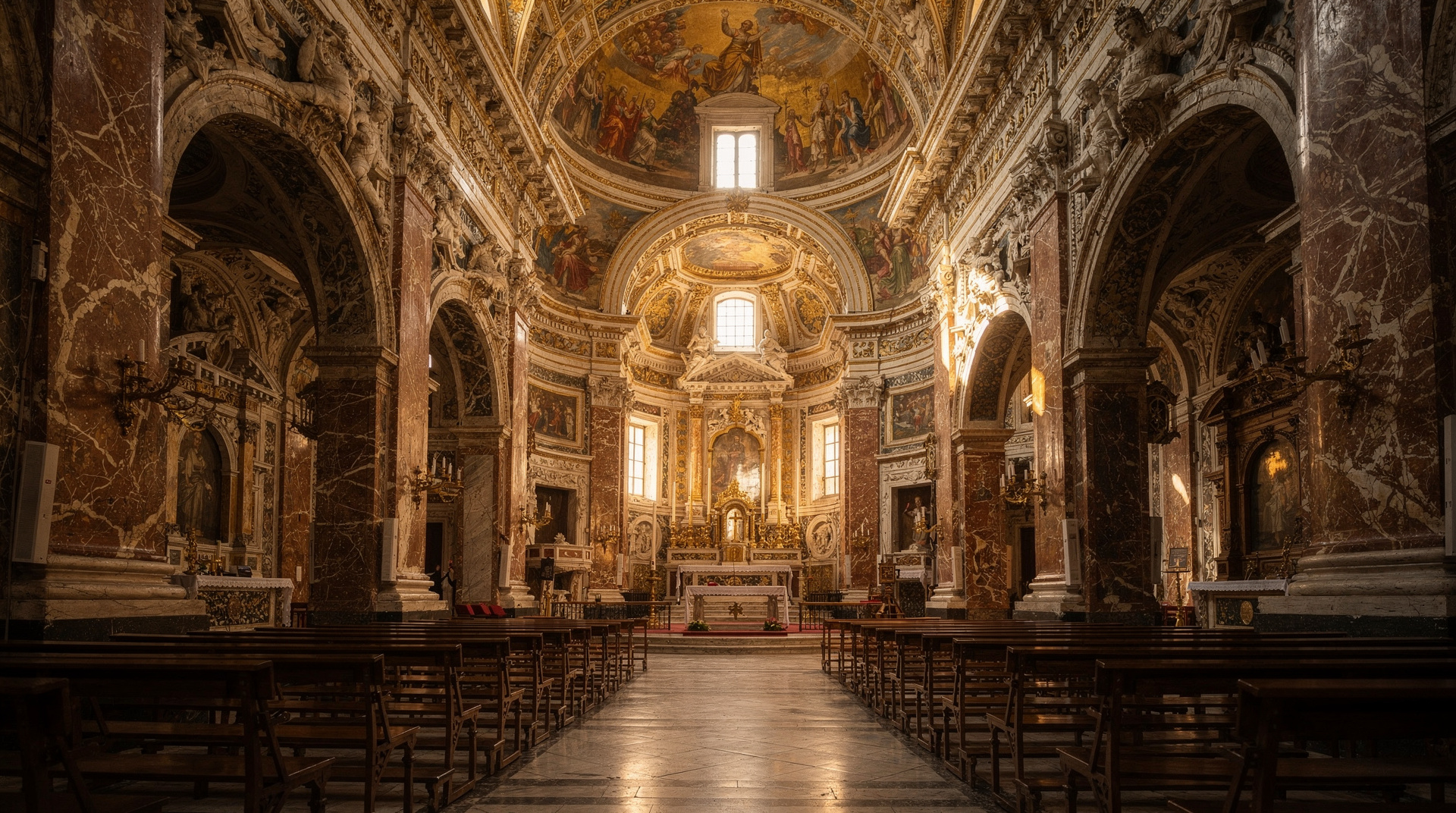
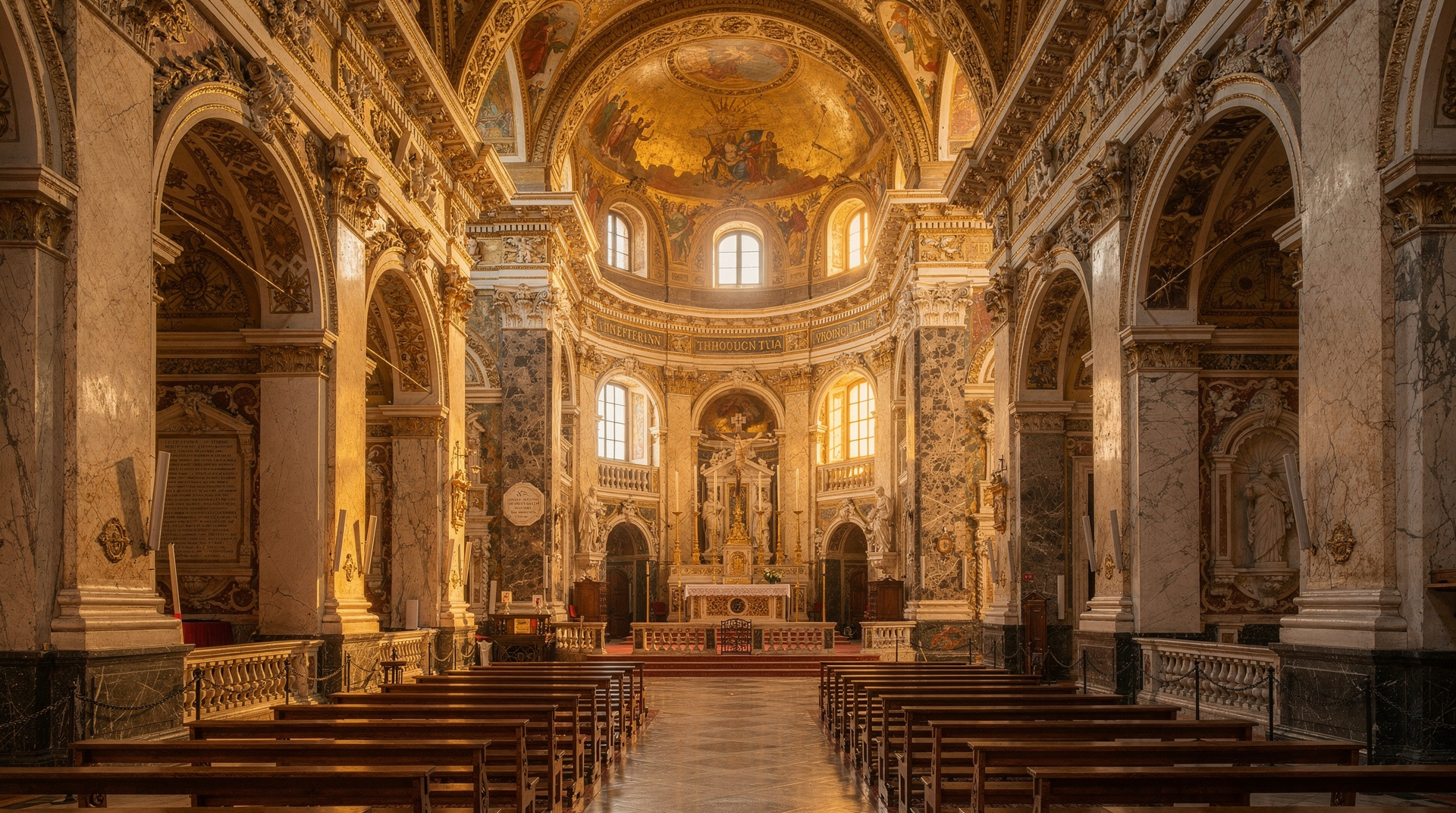
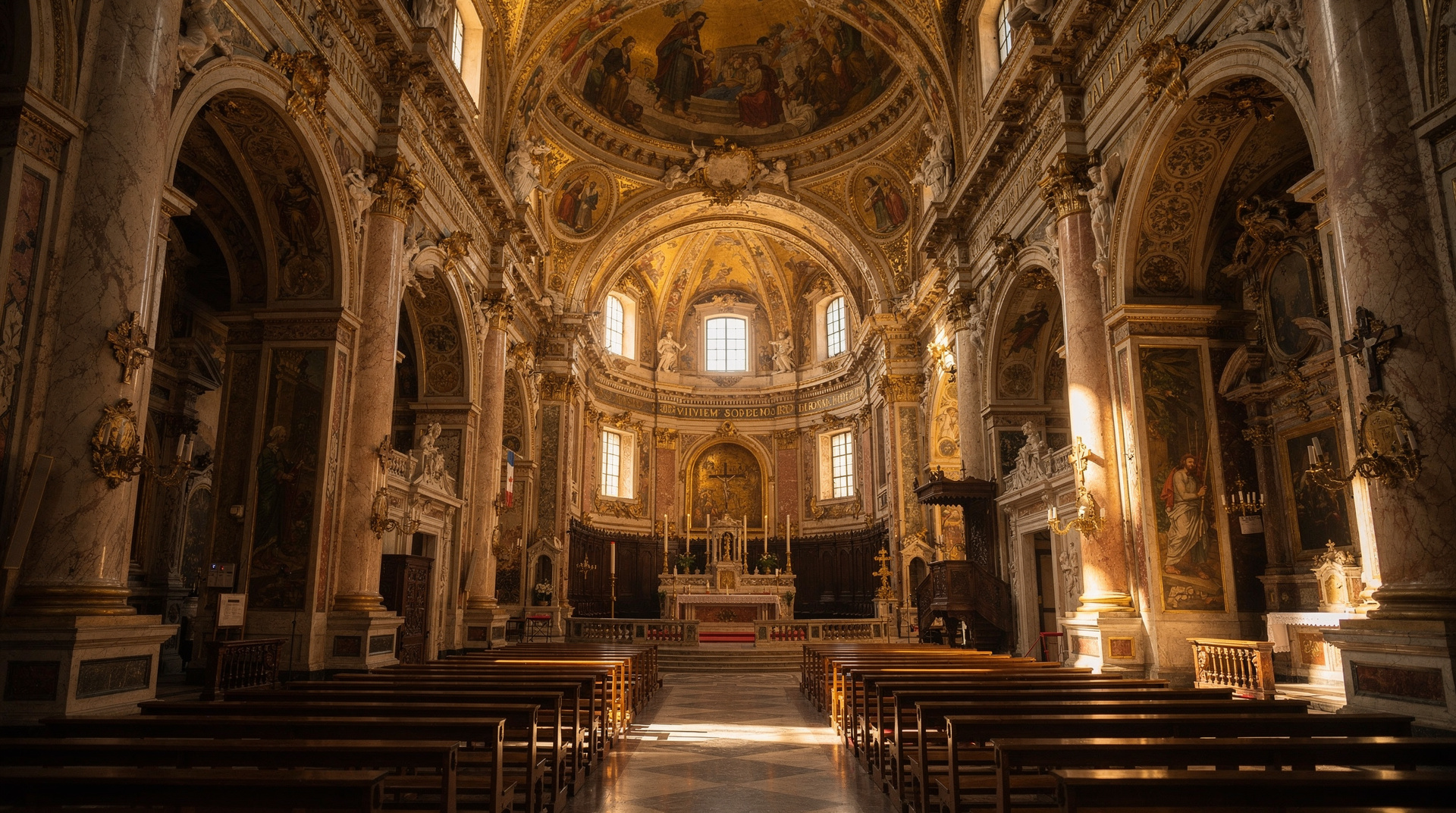
On the 24th, the city slows into a different gear. The shops close at noon. The streets thin out. By late afternoon, the only people still on Spaccanapoli are tourists and the small clusters of locals finishing last-minute errands. Then, around seven or eight in the evening, something changes: the churches open wide, the organ music begins, and the presepi go on full display inside. Every church in the centro storico has one — some modest, some extraordinary — and the tradition is to walk between them, church by church, on Christmas Eve.
The Duomo keeps late hours on the 24th, and the Cappella di San Gennaro is lit properly on this night. To understand the deeper Neapolitan layer beneath the Christmas decoration — the ancient underground city that predates the nativity tradition by a millennium — a tour of Naples Underground and the hidden city gives the full depth of what is beneath your feet as you walk.
Morning Coffee, Christmas Morning
Christmas morning in Naples belongs to the bar. By 8 am, the espresso counters are full — families in their good clothes, stopping for coffee before or after mass, greeting each other over the machine. The ritual is identical to every other morning except slightly more formal, slightly more cheerful, and accompanied by a roccocò from the paper bag someone has brought from the pasticceria.
The sfogliatella, layered and hot from the oven, is the canonical Christmas morning pastry. A good way to understand the full geography of Neapolitan morning ritual — the coffee culture, the pastry stops, the etiquette of the bar — is through a dedicated coffee and sfogliatelle tasting tour of the historic centre, which puts you in the right places and explains what you are eating. December mornings in Naples are cold enough to make the coffee taste better.
Practical Notes for December
December temperatures sit between 8°C and 15°C, occasionally lower at night. Rain is more likely than in spring but not constant — pack a light waterproof and expect to use it perhaps one day in three. The crowds on Via San Gregorio Armeno peak in the final week before Christmas; if you want to browse without being crushed, a weekday morning before 11 am is the window. The full Naples in winter guide covers what else changes seasonally, from opening hours to what to pack.
Most major restaurants keep normal service through December. The Christmas holiday itself — the 24th evening through the 26th — sees many family-run trattorias closed, so book ahead or accept that you will be eating from a pasticceria counter. The museums are generally open, with the National Archaeological Museum running normal hours into the holiday week. The Naples events calendar is worth checking before you travel, since exact market dates and church opening hours shift slightly year to year.
Come for the presepi, stay for the chestnuts, leave with a box of roccocò. Naples at Christmas does not underdeliver.