One day, four pizzerias, and a very serious stomach: a Naples pizza pilgrimage
I want to be honest with you about the day I’m going to describe: I ate four pizzas before 3pm, queued twice on the same street, had a mild argument with a stranger about whether Da Michele or Sorbillo makes the better Margherita, and ended up sitting on a kerb eating a folded pizza out of wax paper. It was one of the best days I have ever spent in a city. Welcome to the Naples pizza pilgrimage.
| Where | Via Cesare Sersale, Via dei Tribunali, Materdei |
| Stops | 4 pizzerias, one afternoon |
| Cost | Around €15–20 total across all four stops |
| Best start time | 11:30am, before the queues build |
| Pace | Eat halves, share where you can |
The rules of engagement
A few things to understand before you attempt this. First, pace matters — a Neapolitan pizza is roughly the size of a dinner plate and is not a light snack. If you eat a full margherita at every stop you will be finished by midday. Eat halves where you can, share where you can’t, and order the pizza a portafoglio (folded in four, eaten standing, 2–3 €) at least once to give yourself a smaller hit. Our full Naples pizza guide covers the wider pizzeria landscape beyond the four classics on this route.
Second, the queues are real. Da Michele and Sorbillo both have lines that start forming before noon and stretch down the pavement by 12:30. Go early — 11:30 is not embarrassing, it is strategic — or accept a significant wait and use it to study the menu you already know by heart.
Third: the Margherita is the benchmark. Not the Diavola, not the specials, not the truffle version that exists nowhere near Via dei Tribunali. Order the Margherita and you will understand what everyone is arguing about.
Stop one — L’Antica Pizzeria da Michele
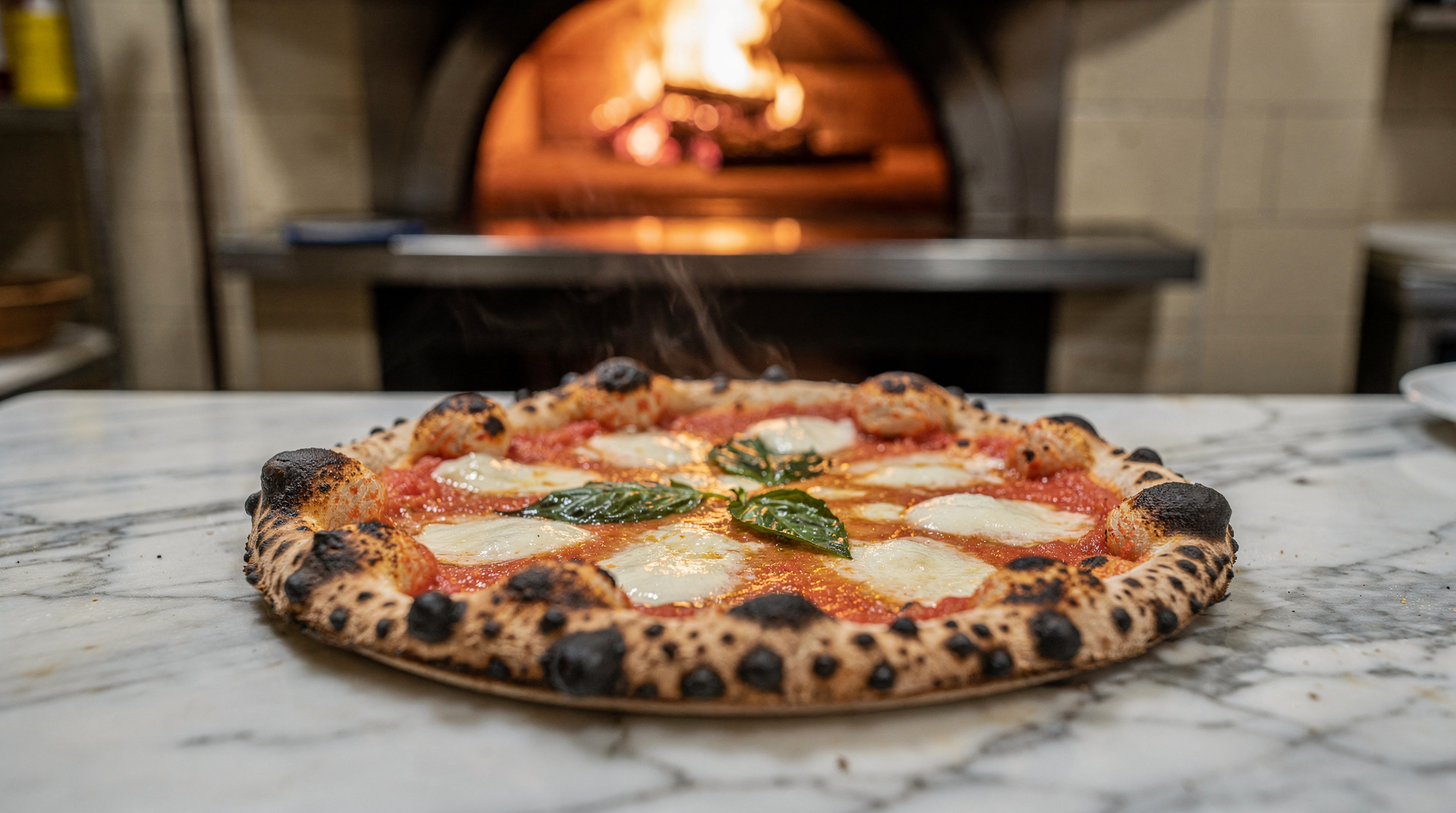
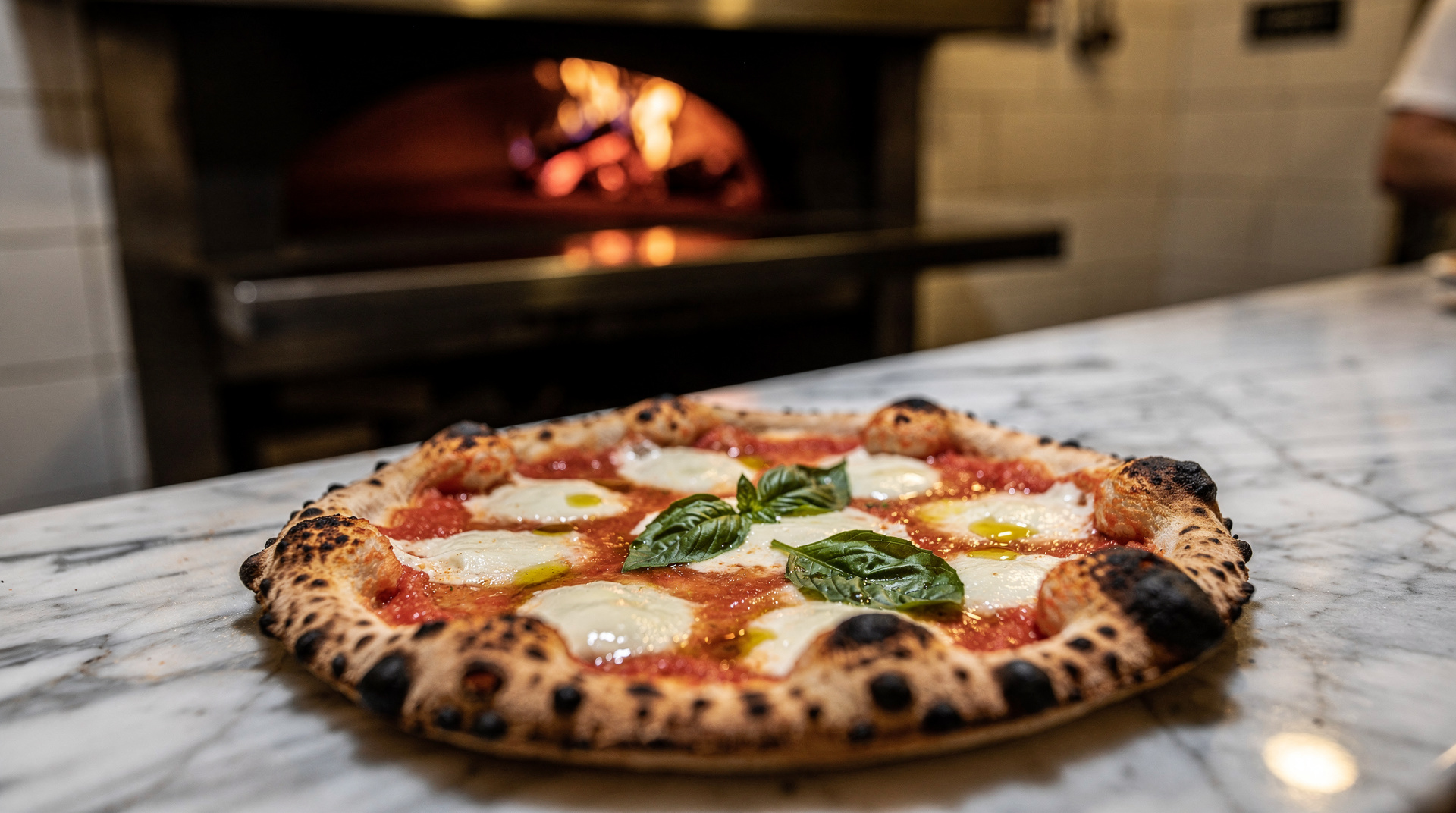
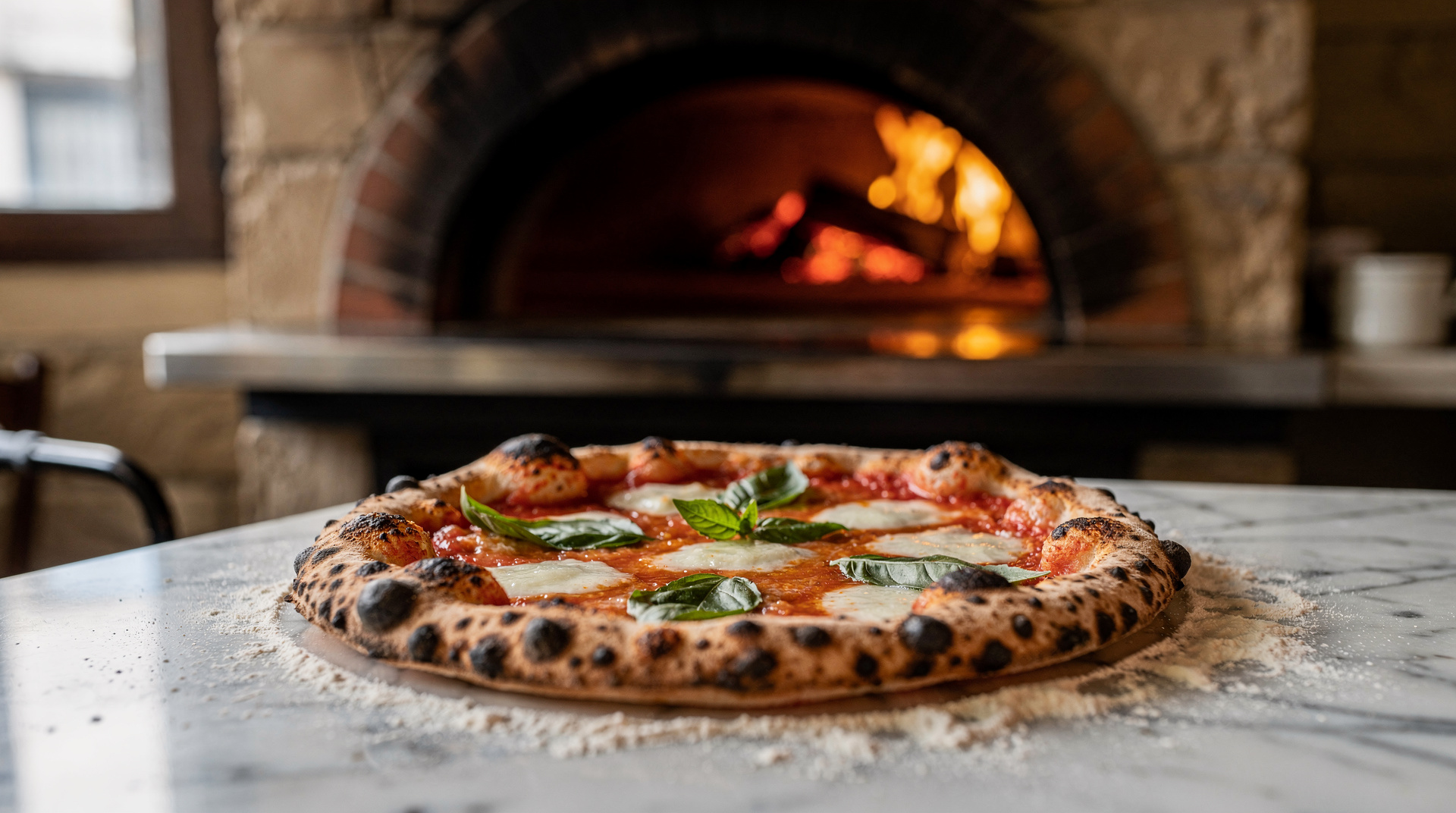
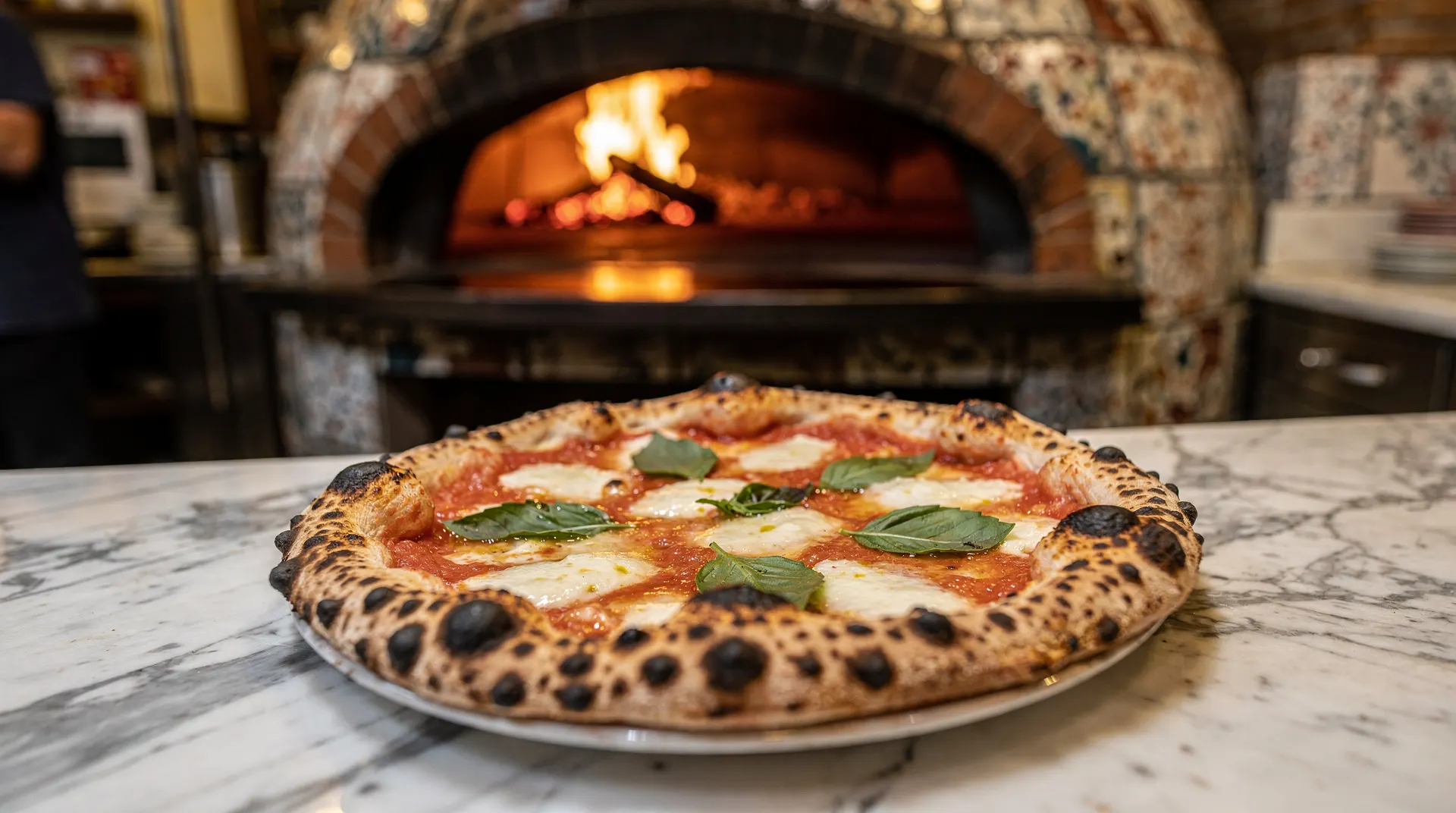
Da Michele is the Vatican of Neapolitan pizza. It has been open since 1870, it serves exactly two pizzas (Margherita and Marinara), and it has been making both in exactly the same way for longer than anyone alive can remember. The décor is functional. The service is brisk. The pizza is extraordinary — the crust slightly charred, the cornicione puffy and blistered, the tomato vivid, the fior di latte pooled and melting at the centre. A Margherita is 5 €.
The queue on Via Cesare Sersale moves faster than it looks. You’ll get a numbered ticket, wait on the pavement, and be called into one of the two rooms when a table opens. Do not walk in and ask for a seat — follow the system. The whole experience takes about 45 minutes including the queue, which is also part of the experience.
Stop two — Gino Sorbillo on Via dei Tribunali
Walk 200 metres up the road and you are at Sorbillo, which is Da Michele’s great rival and the source of the argument I mentioned earlier. Sorbillo is noisier, more theatrical, and serves a longer menu. The pizza itself is slightly softer, the crust slightly more airy, the toppings piled a touch more generously. It is also 5–7 €.
Whether Sorbillo or Da Michele makes the superior Margherita depends on who you ask and probably on which one you ate first. I have tried both in the same afternoon and reached no firm conclusion. This seems correct. The city doesn’t need this debate to be settled.
Stop three — Di Matteo and the politics of the portafoglio
Di Matteo, a little further along Via dei Tribunali, is slightly less famous than its two great neighbours and therefore slightly less crowded. It has been here since 1936, has a counter on the street for pizza a portafoglio, and was visited by Bill Clinton in 1994 — a photograph commemorating this event hangs inside. The portafoglio from the street window costs 2.50 € and is the correct midday move: folded pizza, eaten in four bites, sauce on your fingers.
Eating pizza folded, standing on the pavement, in the street where it was invented — this is the thing the restaurants don’t quite replicate. If you do nothing else on this list, do this. The Spaccanapoli eating guide has more street-window options along the same stretch if Di Matteo has a queue.
Stop four — Starita in Materdei
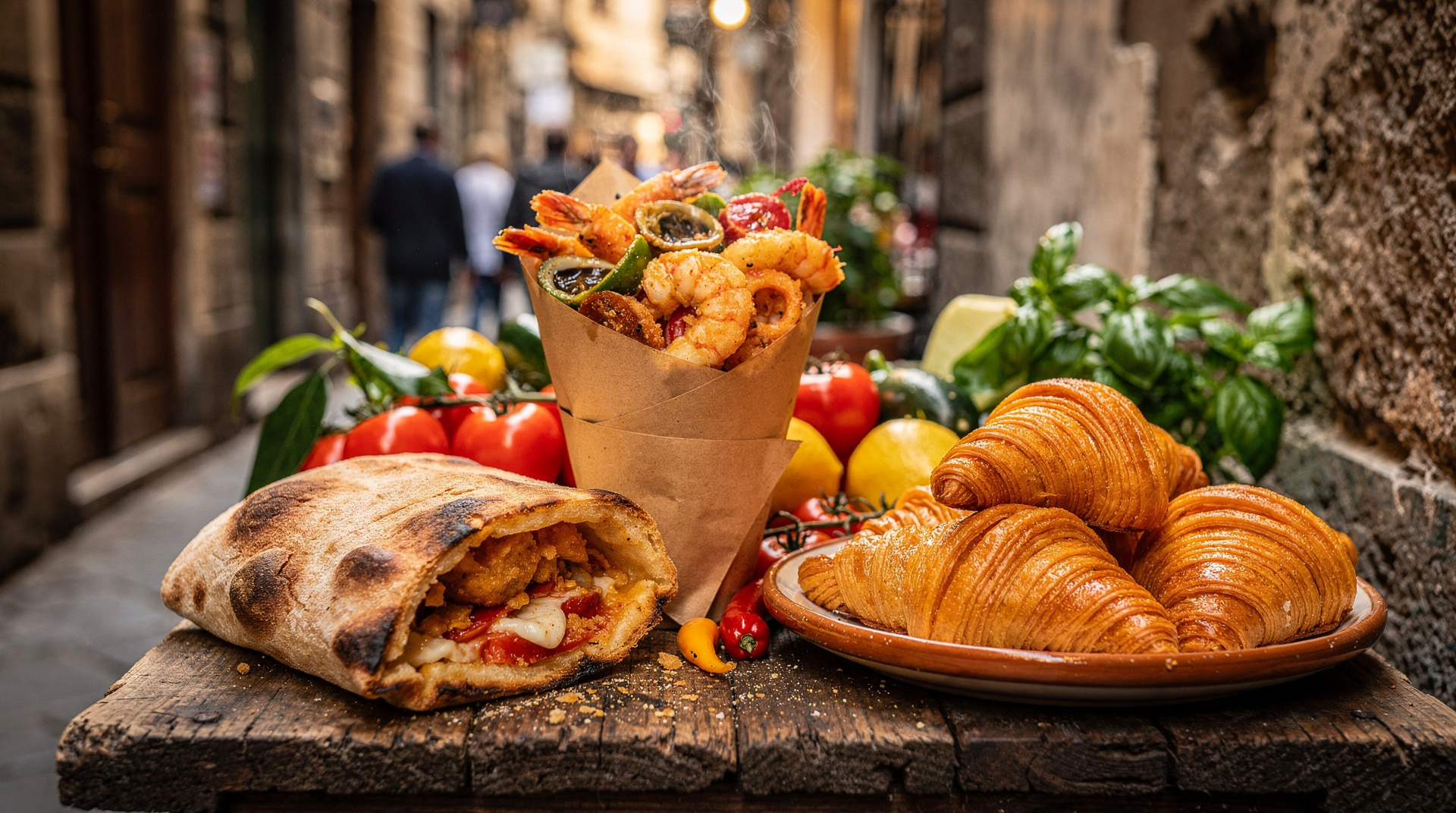
Starita requires a short detour north to the Materdei neighbourhood, which is worth it both for the pizza and for escaping the tourist density of Via dei Tribunali. The pizzeria is in a narrow street and has been open since 1901. It’s famous for fried pizza (pizza fritta) — a deep-fried folded pocket stuffed with ricotta, cicoli (pork crackling), and tomato, the version Sophia Loren allegedly sold from a stall in the 1954 film L’Oro di Napoli. It costs about 3 €, it is the size of a small pillow, and it is exceptional.
By this point in the afternoon you will either be in a state of deep contentment or mild distress. Both are appropriate.
The Four Stops Compared
| Pizzeria | Signature order | Price | Wait |
|---|---|---|---|
| Da Michele | Margherita | €5 | ~30–45 min queue |
| Sorbillo | Margherita | €5–7 | ~30–45 min queue |
| Di Matteo | Pizza a portafoglio | €2.50 | Minimal, street window |
| Starita | Pizza fritta | ~€3 | Minimal, off the main strip |
Beyond the pizzerias — context that helps
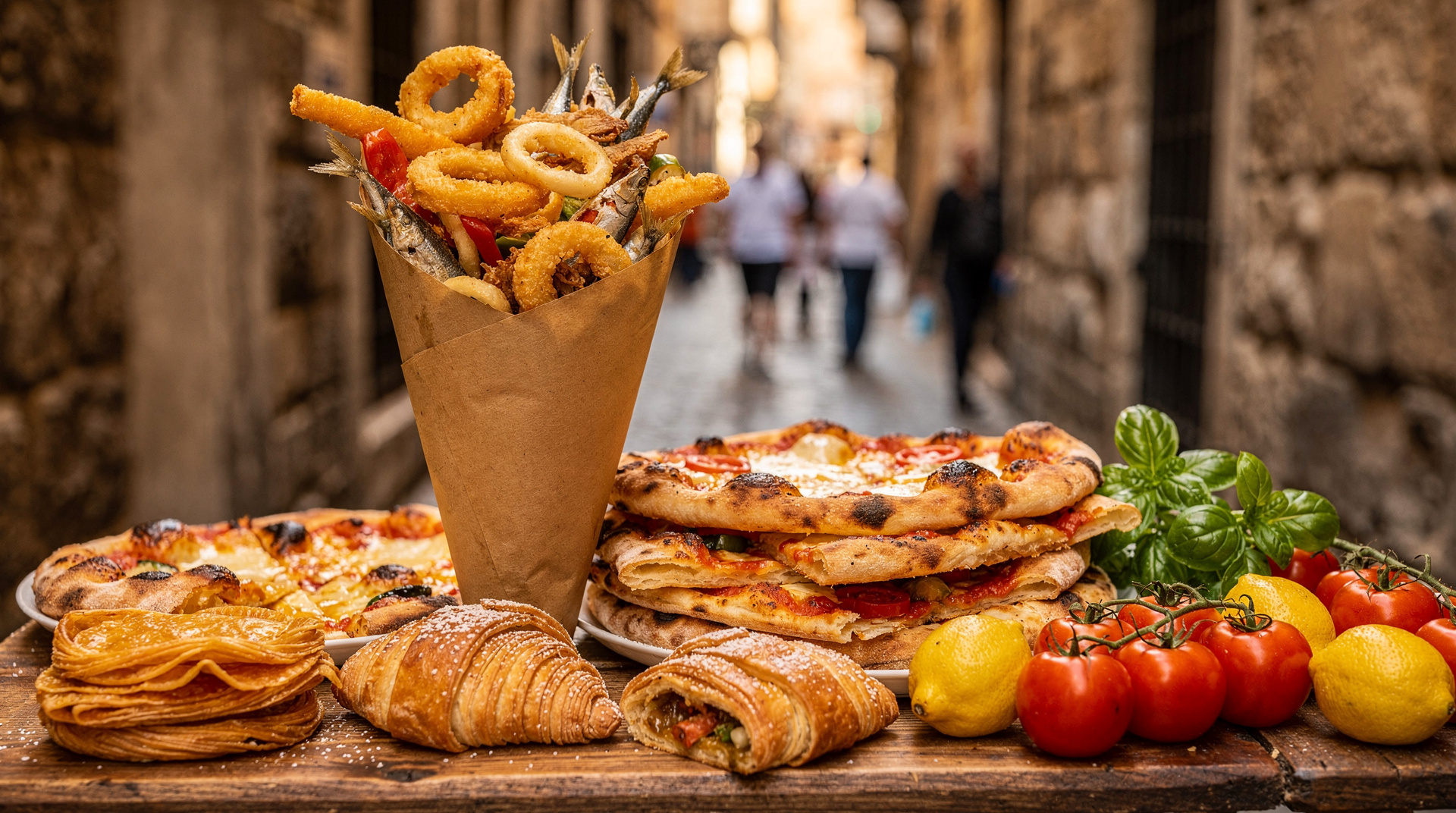
If you want to go deeper than the four classics, the six-stop street food tour covers the wider picture — cuoppo, frittatina, taralli, the whole fried-and-folded ecosystem that surrounds Neapolitan pizza culture. It’s a good way to understand that pizza, for all its global fame, is just one part of a street food tradition that is rich and largely unknown outside the city — our Naples street food guide maps the rest of it.
And if you want to get your hands in the dough yourself, the pizza-making class with lunch gives you a proper technical grounding — you’ll learn why the dough is wetter than you expect, why the oven temperature is non-negotiable, and why the perfect Neapolitan pizza is genuinely difficult to replicate at home. It makes the pilgrimage more interesting, not less. For a more curated, guided version of this whole day, the best food tours in Naples roundup covers other operators worth considering.
The Margherita question, finally answered
Here is my honest verdict after years of this argument: the Margherita at Da Michele is the more austere, more concentrated pizza — it tastes of doctrine. The one at Sorbillo is more exuberant, more alive to variation. Both are magnificent. The correct position is to eat both on the same afternoon and refuse to choose. The kerb is waiting.