Naples food and pizza in three days: a greedy eater's plan
Naples: Pizza Making Workshop and Lunch
Quick answer: Three days, no car, no museums (unless you insist), and a serious caloric ambition. This itinerary follows the food: the legendary pizzerias of Via dei Tribunali, the street-food chaos of the centro storico, a morning espresso standing at a marble bar, a hands-on pizza-making class, and a full day trip to Paestum for the mozzarella di bufala that started it all. Easy pace, world-class eating.
| Where | Centro storico, Spaccanapoli, Via dei Tribunali, Paestum |
| Cost | mid-range — pizza and street food are cheap, the classes and Paestum trip add most of the spend |
| Time needed | 3 days, easy pace, mostly walking |
| Getting there | on foot in Naples; Circumvesuviana or Trenitalia to Paestum |
| Best time | year-round, though summer heat makes the queueing less pleasant |
The idea behind this eating itinerary
Naples doesn’t need a sightseeing agenda. The city is the spectacle — and the food is the reason you came. Everything here is within walking distance or a short metro ride: the centro storico, Spaccanapoli, the Pignasecca market, the great old-city pizzerias. You won’t need a car for a single minute of this plan.
The structure is deliberately loose. Nothing is scheduled tightly except the pizza class and the Paestum day trip — both need booking in advance. Everything else follows appetite. Eat slowly. Order more than you think you need. Stand at the bar for your espresso. Come back for seconds.
Day 1 — The pizzerias and the centro storico
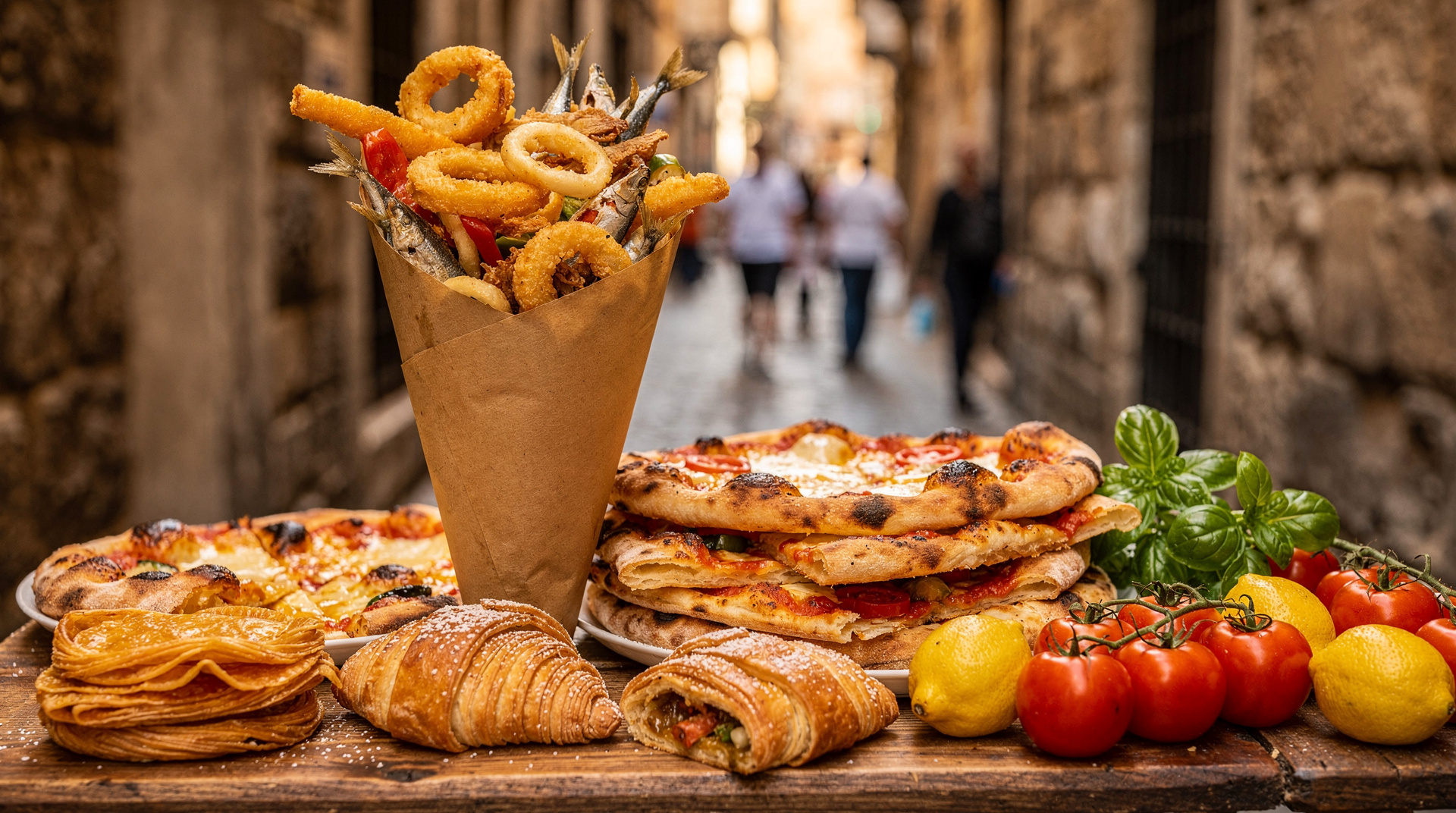
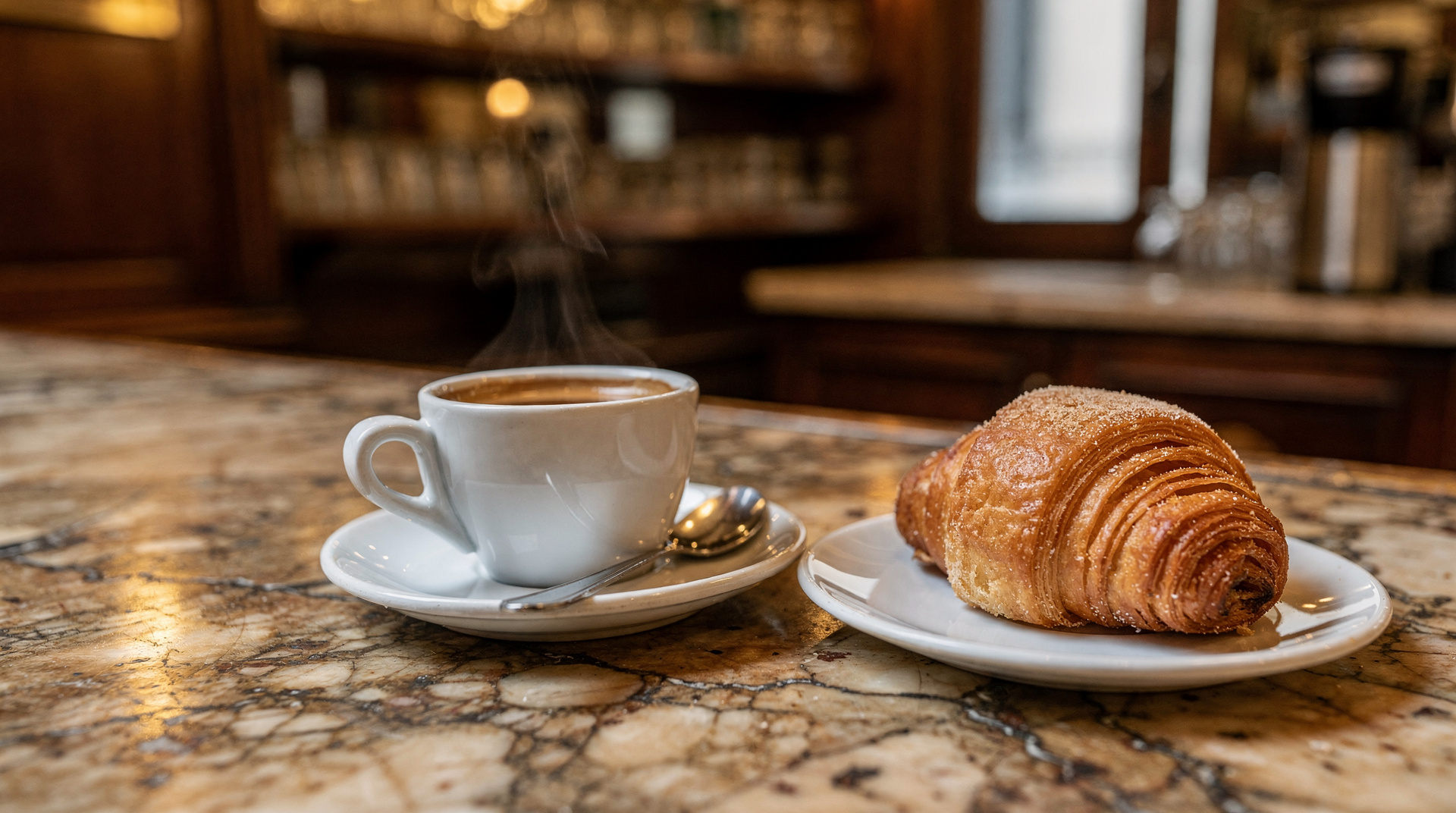
Morning — Land, drop your bags and walk straight to Via dei Tribunali. This is the axis of Neapolitan food culture: a single ancient street lined with the city’s most storied pizzerias, crammed into the UNESCO-listed Greek grid of the old town. Start gently. Stop at a bar for a caffè — espresso, standing, paid for at the counter before you order (that’s the Neapolitan ritual) — and a sfogliatella. You want the riccia, the ridged, flaky, clam-shaped one filled with ricotta and candied citrus, not the frolla, which is softer and less interesting. Pintauro on Via Toledo is the classic address; Attanasio near Piazza Garibaldi is the other pilgrimage.
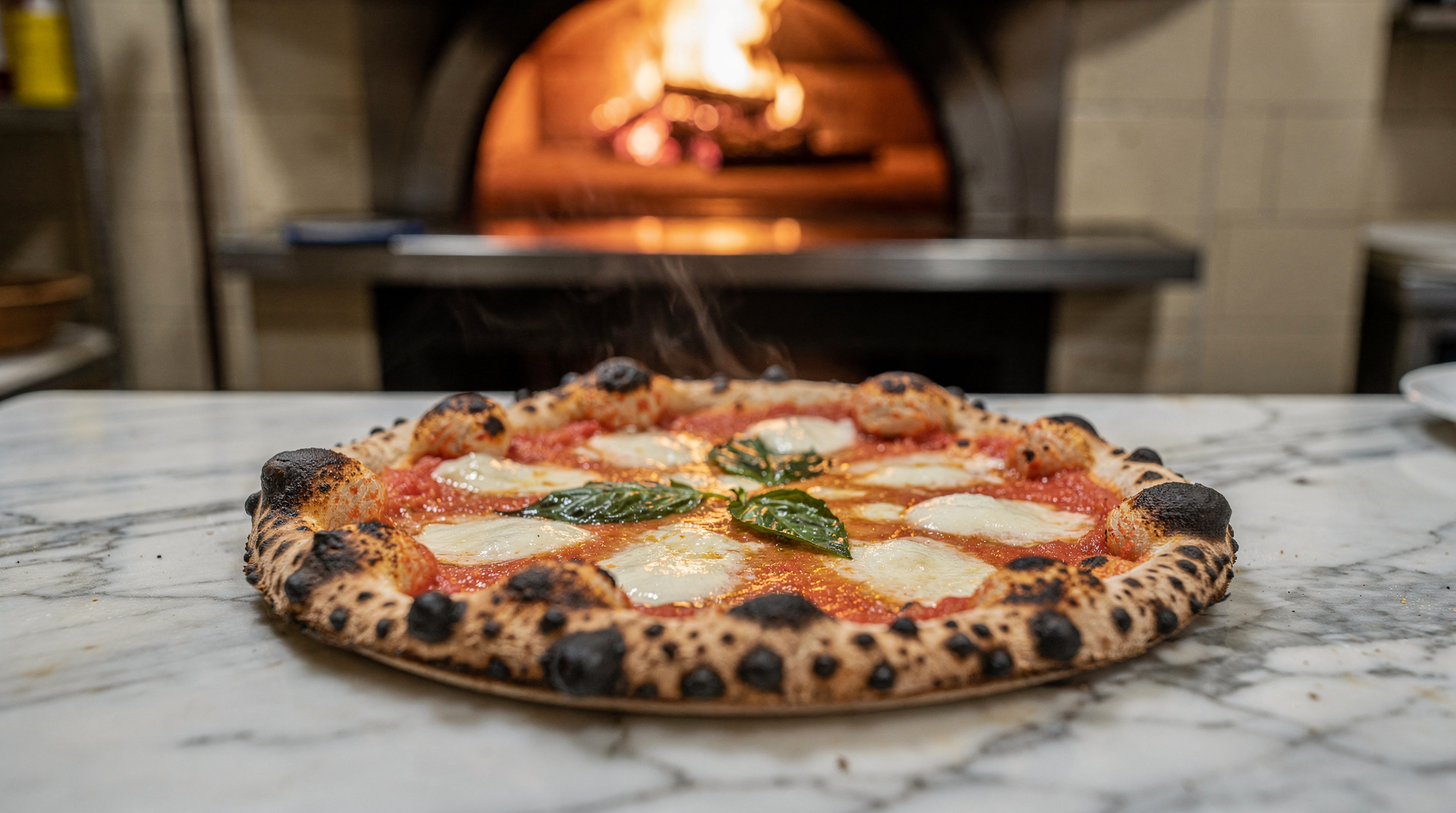
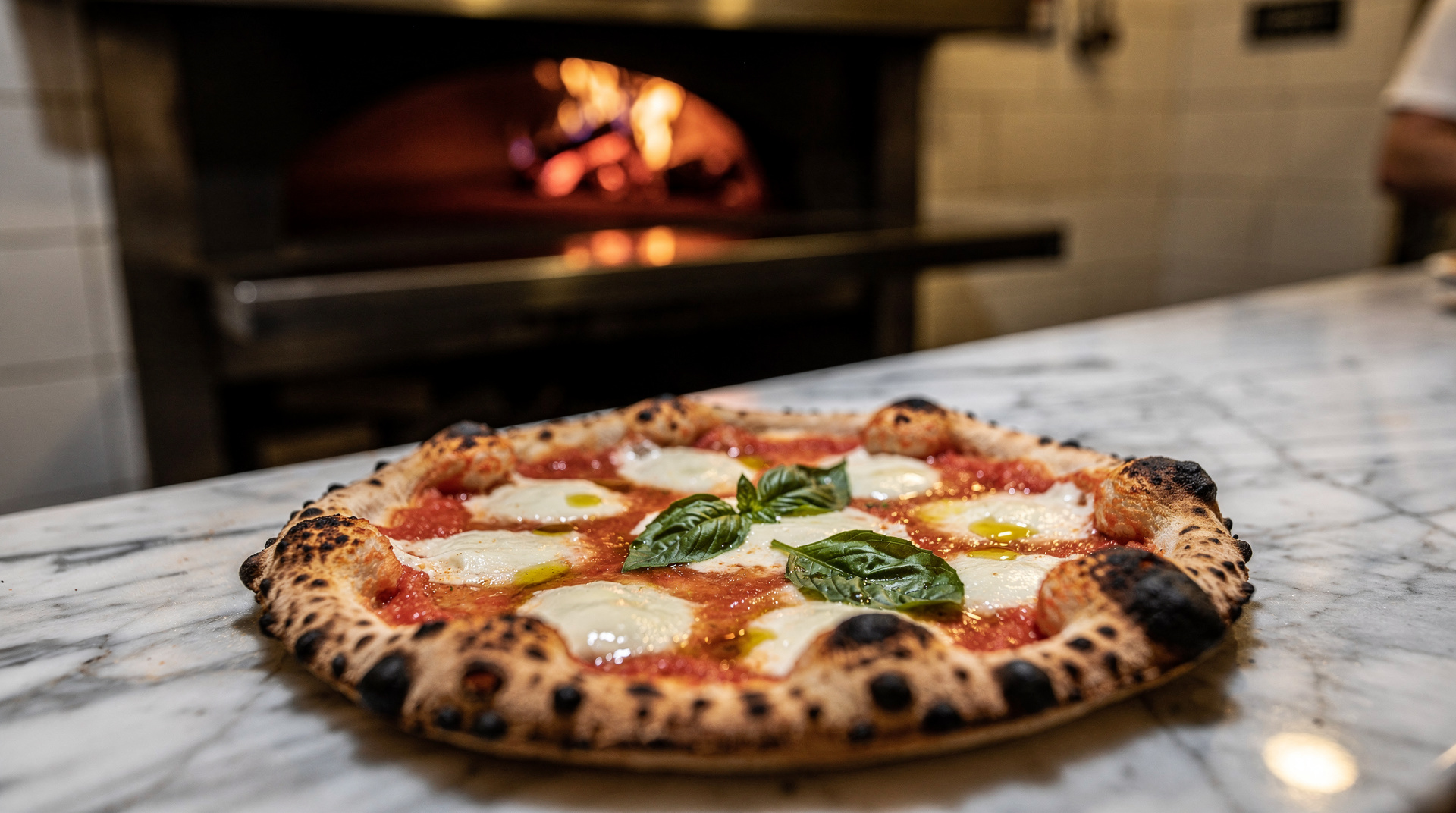
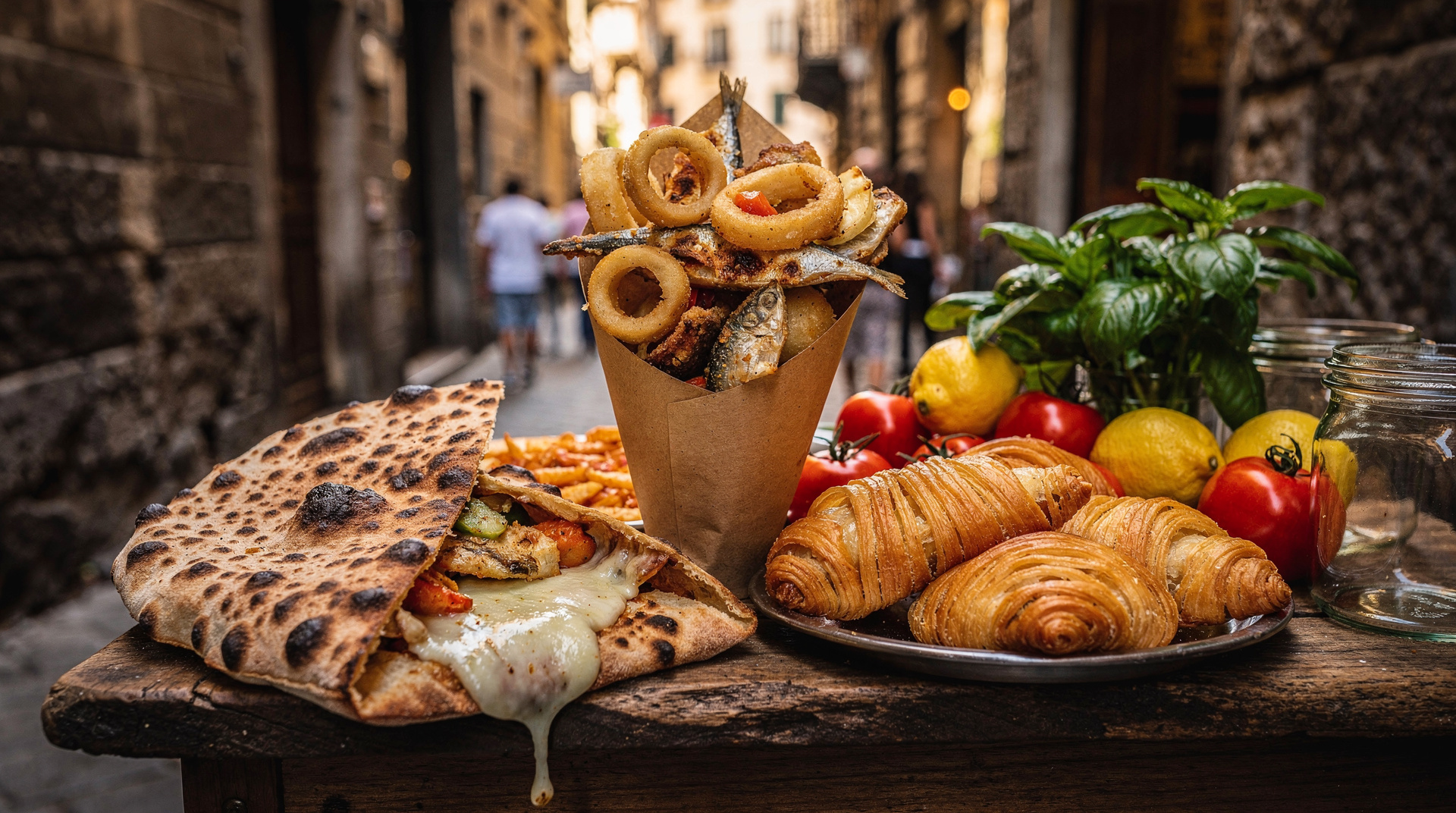
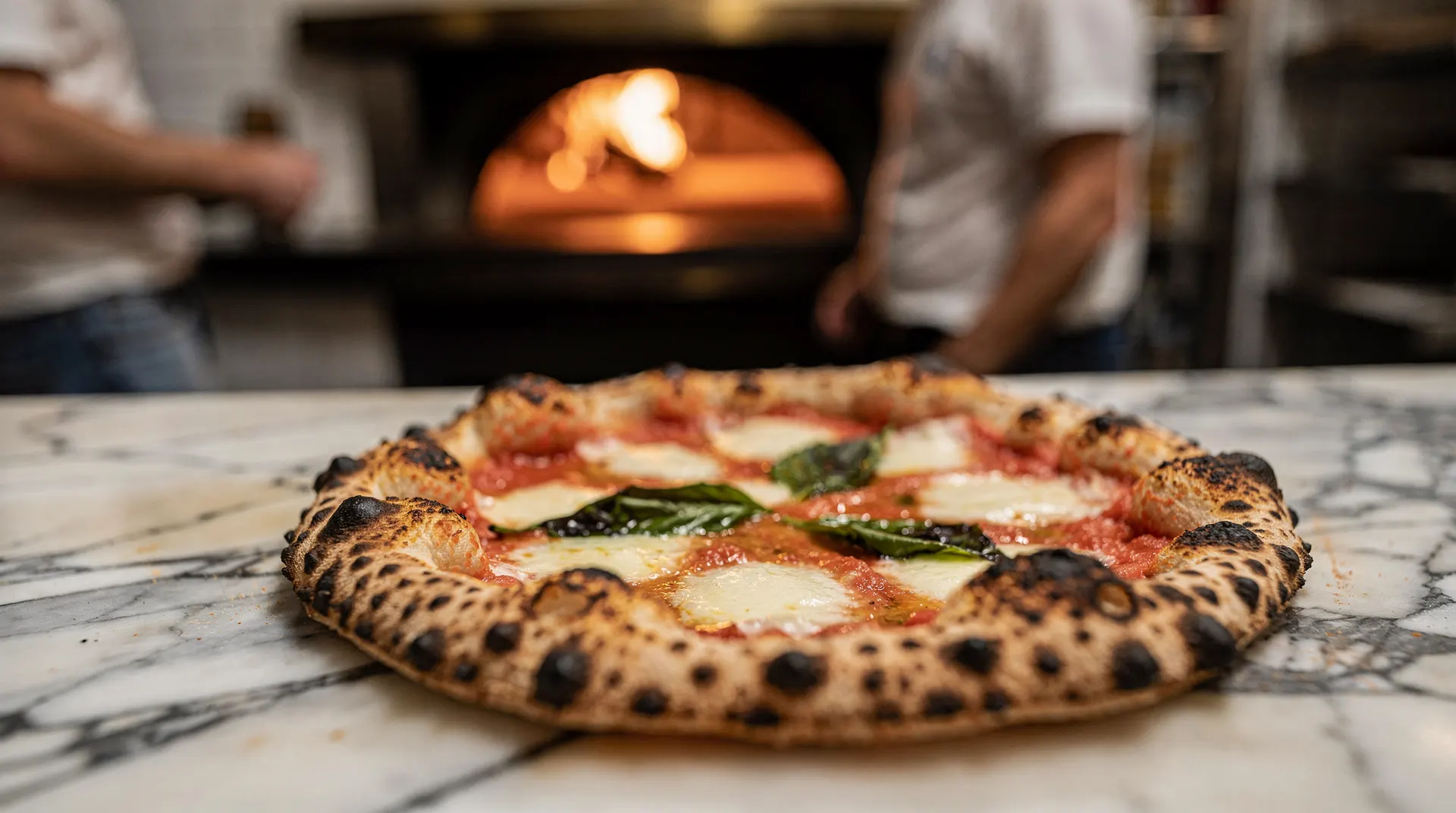
Midday — The pizza debate starts here. Three names define Neapolitan pizza and all three are on or just off Via dei Tribunali: L’Antica Pizzeria da Michele (the purist’s choice, only marinara and margherita, queues out the door), Gino Sorbillo (a longer menu, electric atmosphere, equally long queue), and Di Matteo (slightly less famous, which means you might actually get a table). Each one has its partisans and each one is legitimately great. For a first visit, Da Michele for the religion of it, Sorbillo for the buzz. A margherita runs 5–7 €. If the queue defeats you, grab a pizza a portafoglio — a pizza folded in four for eating on the move, 2–3 € — from any of the street windows. It is not a lesser thing.
Afternoon — Walk it off down Spaccanapoli, the dead-straight street that bisects the old city. Browse, observe, absorb. In the afternoon, cut across to the Pignasecca market — Naples’s oldest street market, chaotic and beautiful, with fish vendors, cheese stalls, and vegetable pyramids that look like still-life paintings. Buy nothing you can’t eat immediately. The mozzarella at the cheese stalls is the right call.
Evening — Book the evening food tasting tour for tonight, or save it for Day 2. If you go solo, pick a trattoria in the Quartieri Spagnoli for dinner — fried stuff, pasta e fagioli, a glass of local Falanghina. Keep it cheap and local.
Day 2 — Street food, coffee culture and a pizza class
Morning — Today starts with the coffee and sfogliatelle ritual tour if you want a guided version, or a self-directed espresso crawl if you prefer to wander. Either way: at least two bars, standing, paying before you drink. The espresso in Naples is darker, shorter, and slightly sweeter than anywhere else in Italy — they add a little sugar to the machine — and arguing about which bar is best is a Neapolitan sport. Gran Caffè Gambrinus on Piazza Plebiscito is the grand old institution. Caffè Mexico near the university is the cult favourite. Both are worth the detour.
Midday — The pizza-making class with lunch is the centrepiece of the trip and needs to be pre-booked. You’ll learn to stretch and top a Neapolitan pizza, fire it in a wood-burning oven, and eat the results over a long, sociable lunch. The technique is genuinely difficult — the dough is wetter than you expect, the oven is ferociously hot, and the result is either beautiful or amusingly misshapen. Either way, you eat it.
Afternoon — Recover. A slow walk to the waterfront along Via Caracciolo, a sit-down at the Castel dell’Ovo, a gelato. The city looks different from the water. Come back through the Chiaia neighbourhood, which is calmer and more elegant than the centro storico — good for a late-afternoon aperitivo.
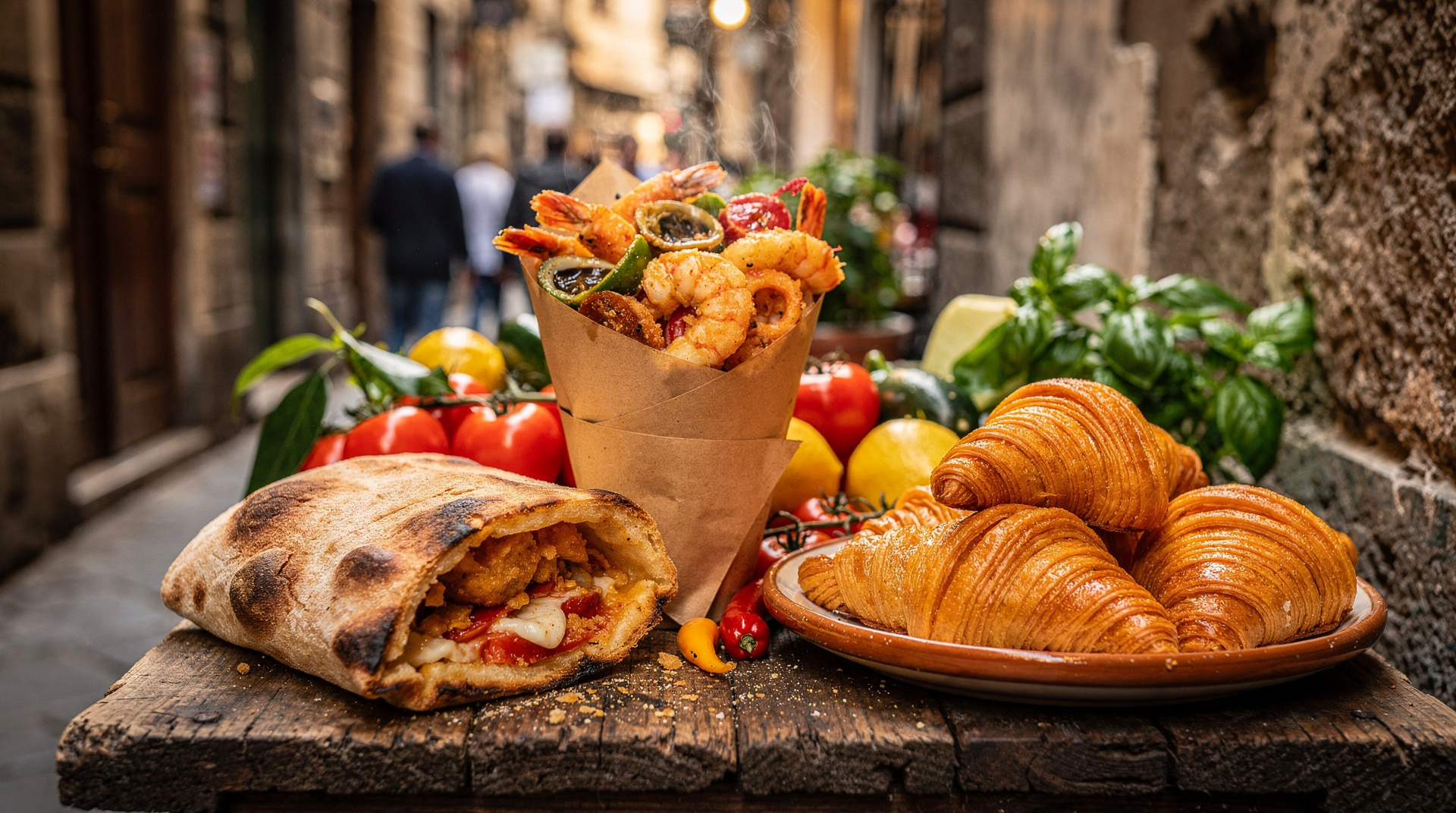
Evening — Join the street food tour with six stops for a guided circuit of the old city’s best bites, or go it alone with this list: cuoppo (a paper cone of fried seafood or vegetables, 3–5 €) from the stalls around Piazza Monteoliveto; frittatina di pasta (fried pasta cake, 1–2 €); taralli sugna e pepe (ring-shaped savoury biscuits with lard and black pepper, the Neapolitan aperitivo snack). Pace yourself — this is a marathon, not a sprint.
Day 3 — Paestum and the mozzarella pilgrimage
Morning — Today is the day trip. Take the Circumvesuviana or the faster Trenitalia regional service south to Paestum — roughly 1h 15m, about 5 € each way — or book the guided Paestum mozzarella day trip which handles transport, a working buffalo farm visit, and lunch. The mozzarella di bufala Campana DOP made in this area — the Piana del Sele — is the original, the benchmark everything else is judged against. At a good farm you eat it still warm, pulled within the hour, with a drizzle of local olive oil. It tastes almost nothing like the supermarket version. This is the point.
Midday — Lunch at a farm or agriturisimo near Paestum: fresh mozzarella, smoked provola, burrata, ricotta, and whatever pasta the kitchen is making. Eat as much as is reasonable, then slightly more.
Afternoon — The Greek temples of Paestum are genuinely astonishing — three Doric temples from the sixth and fifth centuries BC, better preserved than anything in Athens, standing in a flat plain with almost nobody around. They’re worth an hour even on a food trip. Back to Naples by early evening.
Evening — Final dinner. You’ve earned a proper sit-down. Return to whichever pizzeria you didn’t make it to on Day 1, or try a seafood restaurant in the Borgo Marinari, in the shadow of the Castel dell’Ovo. Order spaghetti alle vongole, a whole grilled fish, a dessert of babà al rum — the soft, rum-soaked yeast cake that Naples invented and does better than anywhere. Walk home slowly.
Where to stay
The centro storico puts you inside the food. Via dei Tribunali, the Spaccanapoli axis, Piazza Bellini and the university quarter are all walkable in minutes — which matters when you’re eating your way through the city and don’t want to think about transport. The neighbourhood is noisy and chaotic by day and evening; ear plugs are a legitimate packing item. For a quieter base with easy centro storico access, the Chiaia district or the area around Piazza del Gesù Nuovo both work well.
The three days at a glance
| Day | Focus | Booking needed |
|---|---|---|
| Day 1 | Pizzerias, sfogliatella, Pignasecca market | None — walk-in |
| Day 2 | Coffee crawl, pizza-making class, street food | Pizza class, book ahead |
| Day 3 | Paestum and mozzarella di bufala | Train or guided day trip |
Going deeper on Naples’ food scene
This itinerary covers the essentials, but Naples’ food culture runs deeper than three days can fully capture. The Naples pizza guide and where to eat pizza in Naples expand well beyond the three names on Via dei Tribunali, with quieter neighbourhood pizzerias that reward a short walk. For the street food beyond the highlights listed here, the Naples street food guide and the dedicated cuoppo and fried street food guide are worth reading before Day 1.
If coffee is as much your reason for coming as pizza, the Naples coffee culture guide explains the standing-bar ritual in more depth than fits here, and the sfogliatella and pastries guide settles the riccia-versus-frolla debate for good. For the markets themselves, the Naples food markets guide covers the Pignasecca and Porta Nolana beyond the brief mention on Day 1.
And if you’d rather book a structured tour than freestyle it, the best food tours in Naples guide rounds up the options against this itinerary’s picks, while the pizza-making class guide goes deeper on what to expect from Day 2’s centrepiece.
Practical tips
- Come hungry. This sounds obvious and is not. Eat a light breakfast before you leave home on Day 1. Neapolitan portions are generous and street food accumulates fast.
- Pizzerias queue at lunch. Arrive before noon (11:30 if possible) or go at 14:30 when the main rush has thinned. Evening queues are often shorter at the less-famous places.
- Cash for street stalls. Most markets, cuoppo vendors and the smaller pizzerie a portafoglio take cash only. Keep coins and small notes.
- Pace the fried food. Cuoppo and frittatina are irresistible but rich. Don’t eat three cuoppi and then wonder why you can’t face dinner.
- Book the pizza class early. The pizza-making class fills up quickly in spring and summer. Book at least a week ahead, ideally more.
- Book the Paestum trip. If you want the guided farm experience rather than a DIY train journey, the Paestum mozzarella day tour needs to be reserved in advance. The DOP farm visits are limited to small groups.
- Sfogliatella: riccia over frolla. The ridged, flaky version is the one. Don’t let anyone talk you into the softer one until you’ve tried the real thing first.
- Don’t plan too much. The best eating in Naples happens by following your nose down a side street. Leave room to deviate.
Naples rewards greed. Three days isn’t enough to eat everything, but it’s enough to understand why people come back just for the pizza, the coffee, and the mozzarella pulled from the whey that morning in a field south of the city.
Top experiences
Bookable activities with verified prices and instant confirmation on GetYourGuide.