The Perfect Campania Week: 7 Days
Pompeii & Vesuvius: Full-Day Tour from Naples
Quick answer: Seven days is the sweet spot for Campania: enough to see Naples properly, the three big Roman sites, a real island, and the Amalfi Coast without rushing or backtracking. Split your stay - three nights in Naples, four in Sorrento - and let one travel day do double duty. No car required; ferries, the Circumvesuviana and SITA buses cover everything.
This is the grand tour, and the structure matters more than the list. You stay in just two places, so you unpack twice and never lose a morning to logistics. Naples anchors the first half (city, museum, and the archaeological sites that ring Vesuvius). Sorrento anchors the second (Capri, the Amalfi Coast, and a slow finish). Pompeii and Herculaneum get separate days because cramming both into one does justice to neither.
Honest pacing: this week has two genuinely big days (the volcano day and the Capri day) and several gentle ones. If you only have the energy for one Roman site, do Pompeii. If you want the better-preserved, less-crowded one, Herculaneum quietly wins.
| Bases | Naples (nights 1-3), Sorrento (nights 4-7) |
| Cost | Mid-range; around €900-1,400 per person excl. flights |
| Getting around | Circumvesuviana train, SITA buses, ferries - no car |
| Book ahead | Cappella Sansevero, Pompeii, Capri/Amalfi boat |
| Best time | May, June, September, early October |
Day 1: Naples old town
Settle in and walk the centro storico. Trace Spaccanapoli east, ducking into the Cappella Sansevero for the Veiled Christ (book ahead) and San Gregorio Armeno’s nativity workshops. Go underground at Napoli Sotterranea to see the Greek-Roman aqueduct.
Lunch is street food: fried pizza, a cuoppo, a sfogliatella to follow. Evening is a proper sit-down pizza - skip the hour-long queue at the famous names and eat just as well a street over. Budget €6-10 a pizza.
Day 2: MANN, Vomero and the seafront
Spend the morning at the MANN archaeological museum. It’s the prequel to your whole week - the Pompeii and Herculaneum frescoes, the Farnese marbles, the Secret Cabinet. Two hours minimum.
Afternoon: funicular up to Vomero for the Certosa di San Martino and the city’s best viewpoint, then down to the Lungomare seafront and Castel dell’Ovo for sunset. A guided Naples highlights walking tour is a good way to anchor either day if you’d rather not self-navigate.
Day 3: Pompeii and Vesuvius
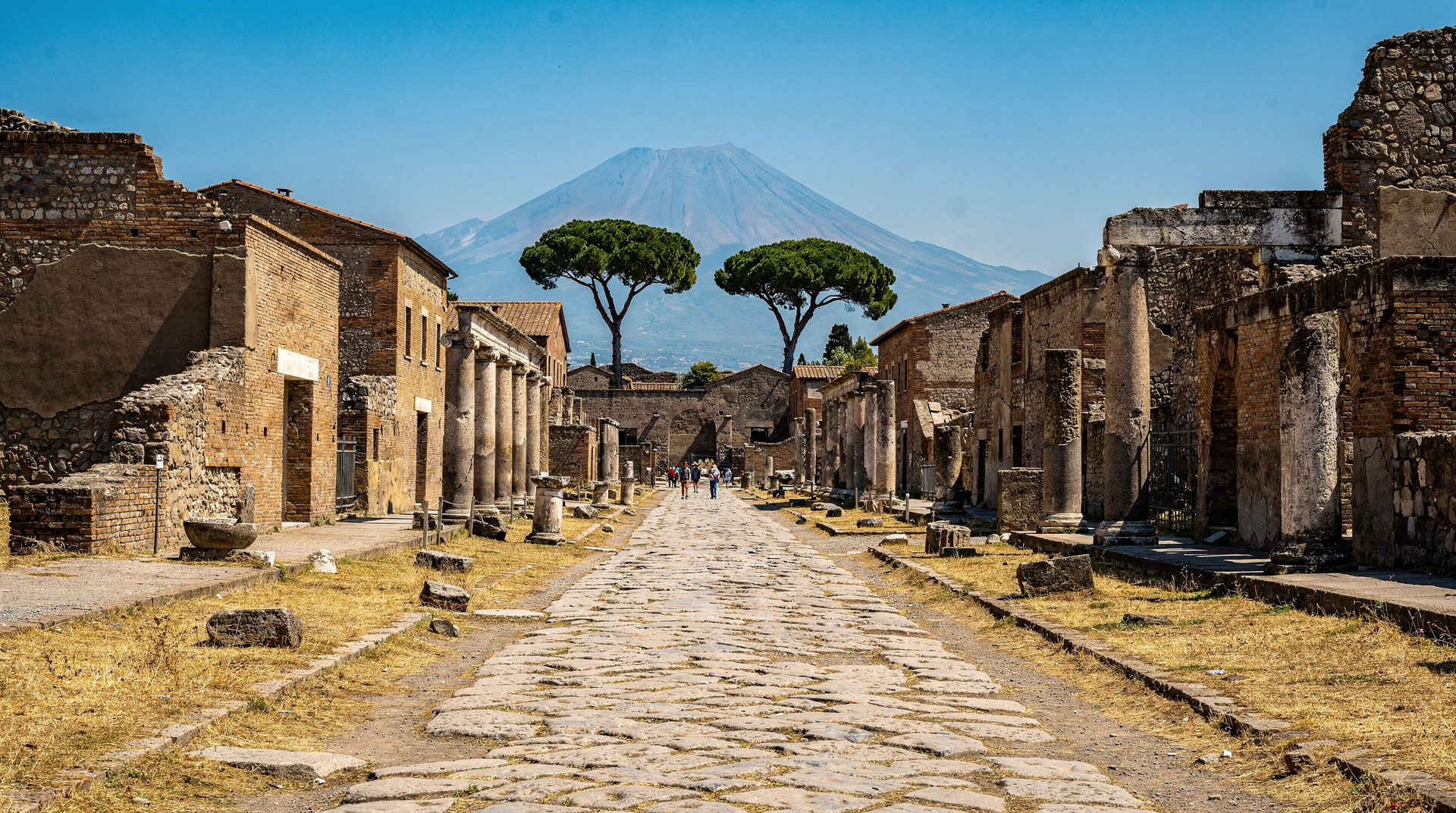
The big one. Take the Circumvesuviana to Pompei Scavi (about 35 minutes from Garibaldi). Pompeii plus the crater is a full, hot, rewarding day, and the cleanest way to do it without a car is a combined tour - a Pompeii and Vesuvius full-day trip handles the awkward shuttle up the volcano that’s a pain to arrange solo.
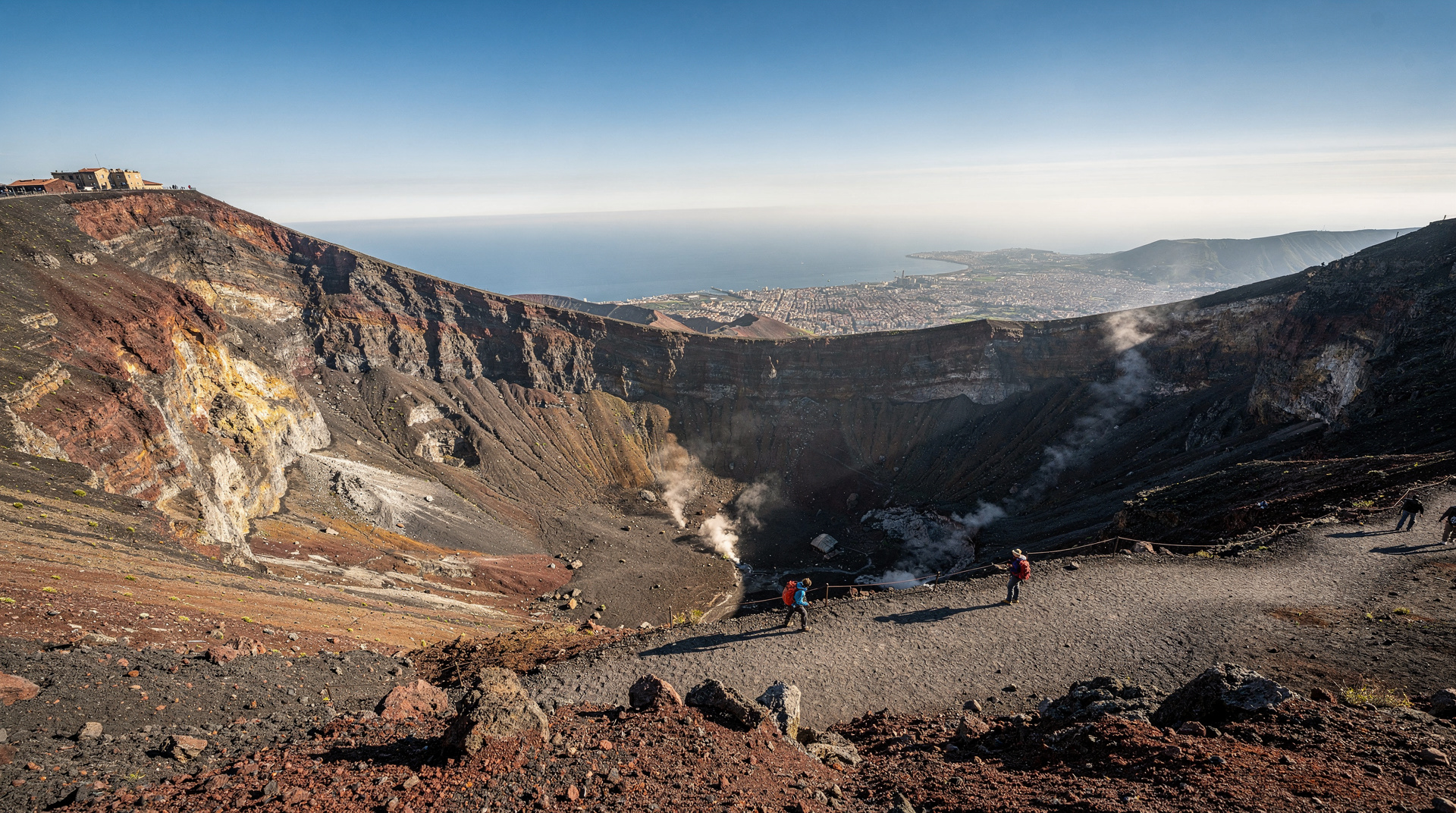
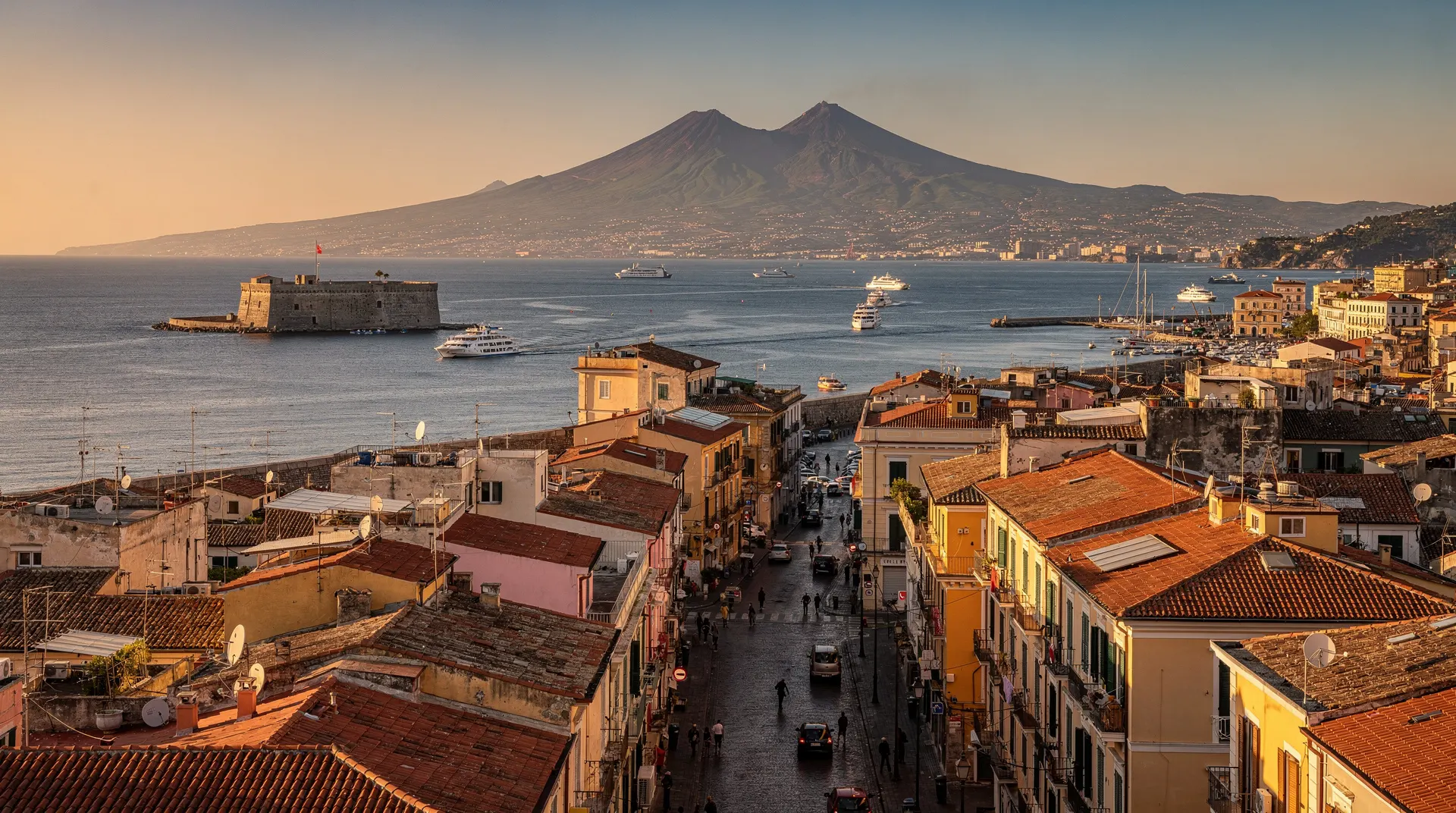
Do Pompeii first (three hours: Forum, Villa of the Mysteries, body casts, baths). Then up Mount Vesuvius, where a 30-minute gravel walk takes you to the crater rim and the view back over the bay that explains the whole region. Wear real shoes; bring water and a hat. Back to Naples for dinner.
Day 4: Herculaneum, then relocate to Sorrento
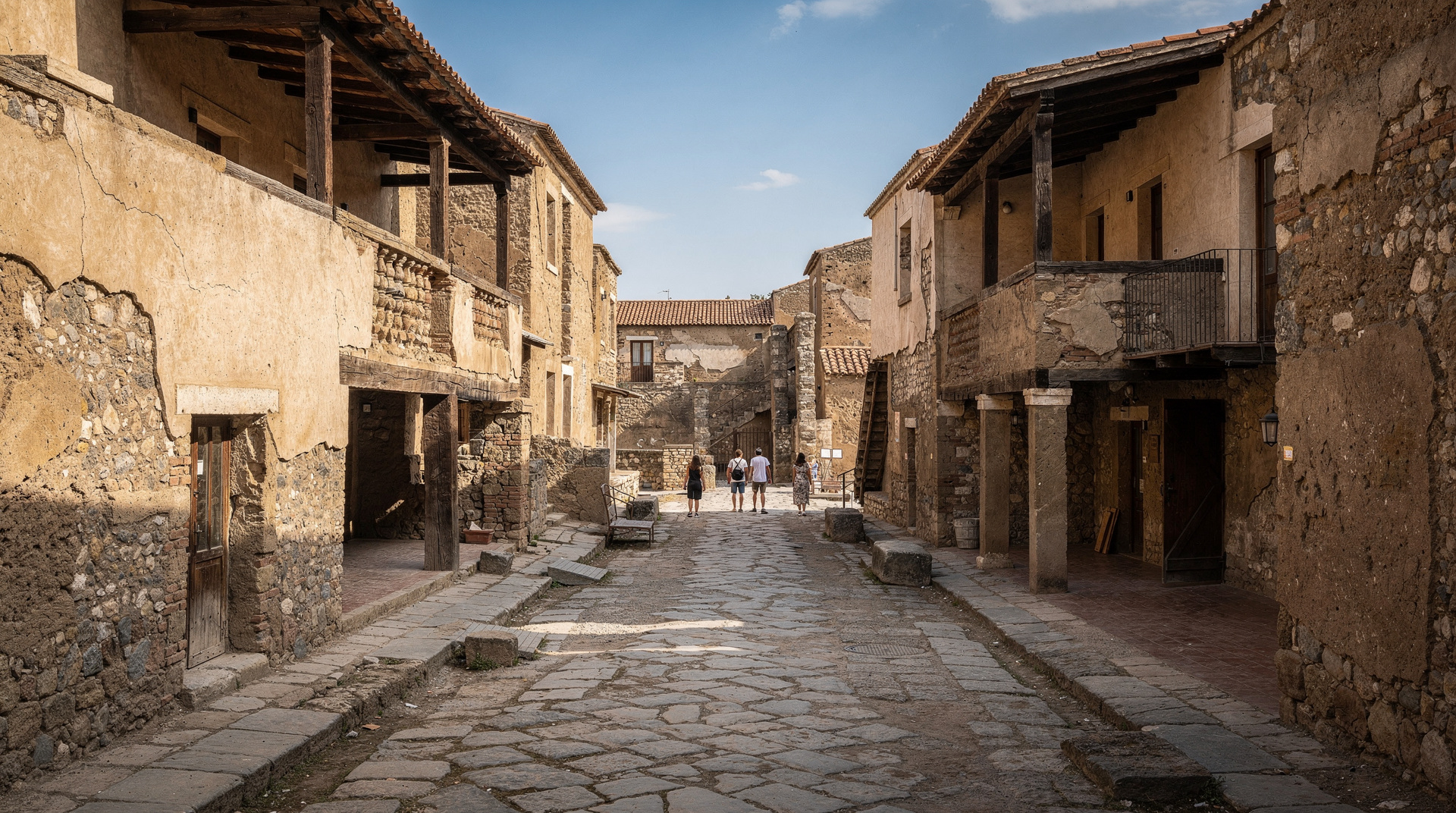
Check out. On the way to Sorrento, stop at Herculaneum (Ercolano Scavi on the Circumvesuviana). It’s a tenth the size of Pompeii and far better preserved - upper floors, wooden furniture, carbonised food, vivid frescoes. You can do it justice in two hours. A skip-the-line Herculaneum ticket with audio guide fills in the context the sparse signage leaves out.
If you’re templed-out, swap this for a slow morning and head straight to Sorrento - no shame in it. Either way, continue on the same line to Sorrento, check in, and have your first coast aperitivo on Piazza Tasso.
Day 5: Capri
From Sorrento’s Marina Piccola, ferries reach Capri in 20-25 minutes. Go early to beat the day-trip crush off the Naples boats. Take the funicular up to Capri town, wander the Piazzetta and the Gardens of Augustus for the Faraglioni view, then bus or taxi to Anacapri for the chairlift up Monte Solaro - the best panorama on the island and worth every euro.
The Blue Grotto is the famous draw and also the most overrated: long waits, a rushed 90 seconds inside, and it closes with any swell. A round-island Capri boat tour with optional Blue Grotto lets you see the sea caves and Faraglioni from the water and decide on the grotto in the moment, which is the honest way to handle it. Last ferry back to Sorrento is usually around 18:00-19:00 - check times.
Day 6: Amalfi Coast - Positano, Amalfi, Ravello
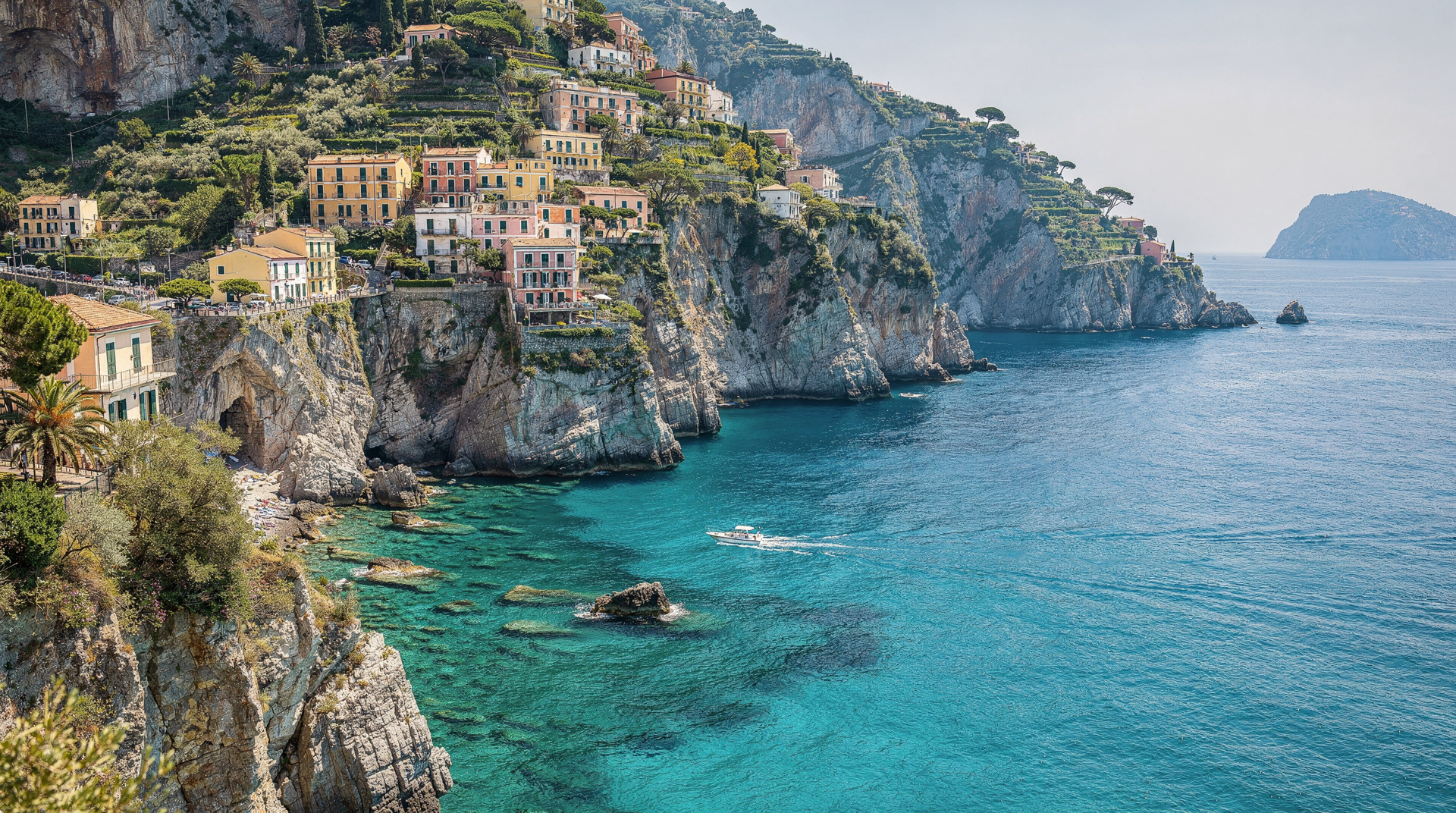
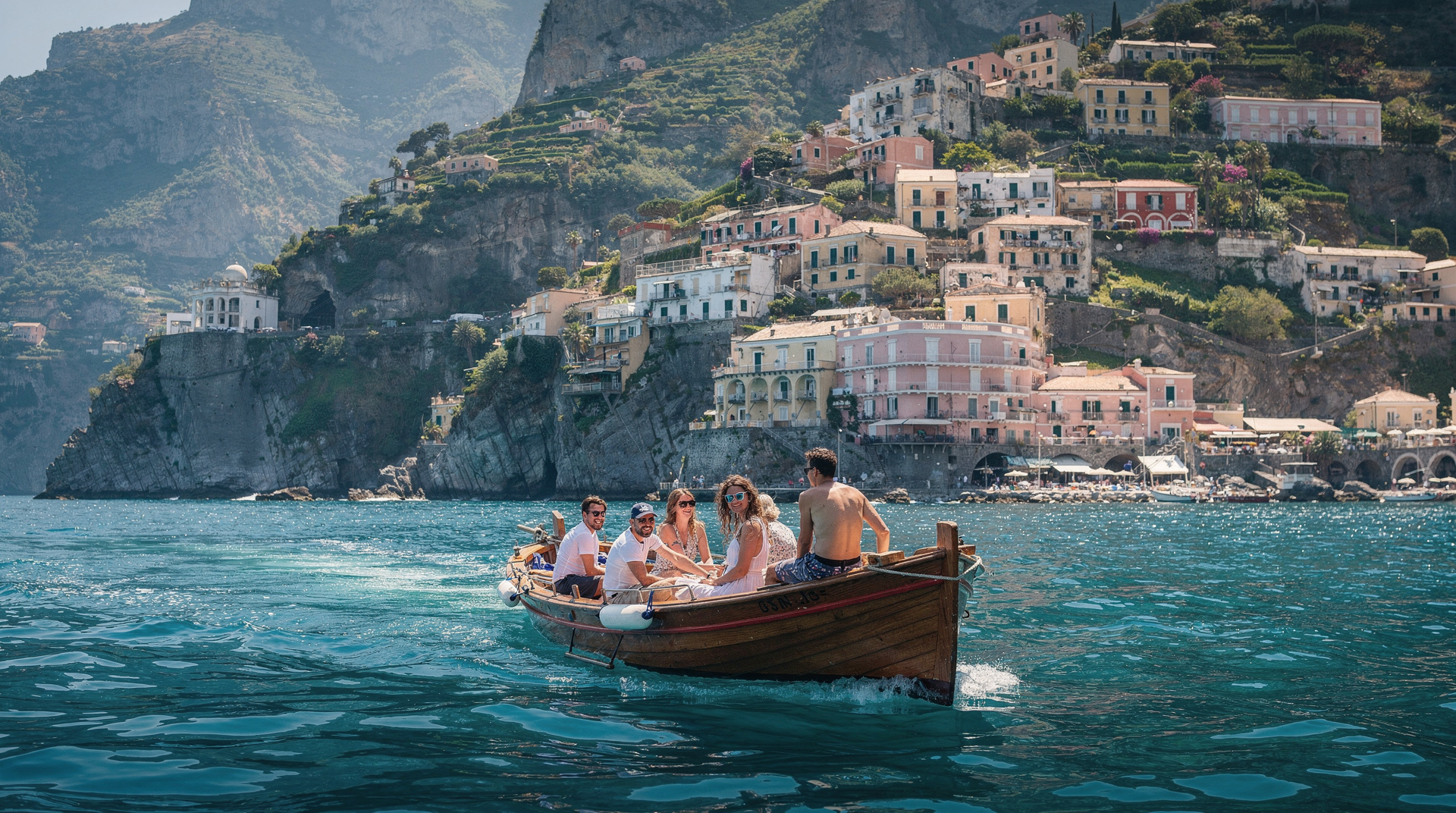
Your coast day. In season, take the ferry from Sorrento to Positano and Amalfi rather than the bus - faster, no nausea, and the views are the postcard. A full-day Amalfi Coast boat tour strings the towns together with swim stops.
Positano is for the wander down and the stairs back up; Amalfi for the striped cathedral and the bus connection up to Ravello, the high, quiet garden town with Villa Rufolo and Villa Cimbrone. If buses and ferries feel like too much choreography, a guided Sorrento-Positano-Amalfi-Ravello day tour does the whole loop for you.
Day 7: Sorrento and a slow finish
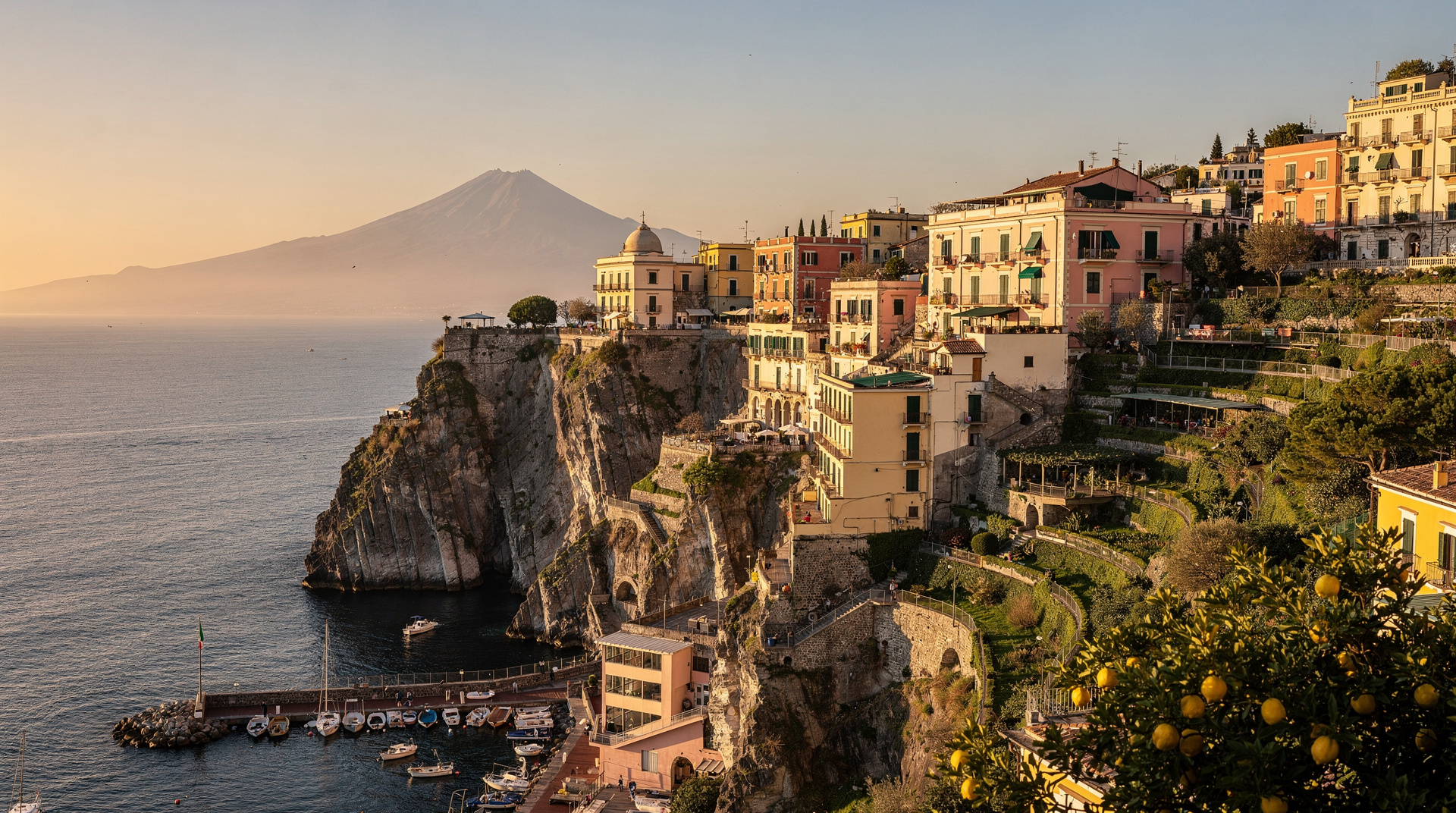
End gently. Sorrento itself deserves a morning: the cliff-top gardens, the lemon groves, a limoncello tasting, the Marina Grande fishing harbour for lunch away from the crowds. Do a cooking class or just shop for ceramics and citrus.
If your flight allows, a final swim or a short ferry hop to Procida (the quietest, most photogenic island) is a lovely coda. Otherwise it’s a clean Circumvesuviana ride or transfer back to Naples airport.
Where to stay
Naples (nights 1-3): Centro storico for atmosphere and walkability, or Chiaia for calmer, smarter streets near the seafront. Both put the museum, old town and station within reach. Avoid the blocks right around the central station after dark.
Sorrento (nights 4-7): Stay near Piazza Tasso so the port, station and restaurants are all on foot. Sorrento beats a coast base for a seven-day, no-car trip: it’s the ferry-and-bus hub for Capri and the entire Amalfi Coast, it’s flat, and it costs a fraction of Positano. Choosing Positano instead means higher prices, endless stairs, and worse onward connections.
Practical tips
- No car. This whole week runs on ferries, the Circumvesuviana and SITA buses. A car is a liability here: ZTL fines, no parking, terrifying roads.
- Book the big-ticket sites ahead: Pompeii, the Cappella Sansevero, and your Capri/Amalfi boat in high season.
- Ferries are seasonal (roughly April-October). In winter, Day 5 and Day 6 shift to buses and the coast goes quiet - rebalance toward Naples.
- Two big days, plan rest. The Pompeii-Vesuvius day and the Capri day are tiring. Keep the evenings either side easy.
- Best months: May, June, September, early October. Avoid August’s heat, crowds and closures.
- Guard your bags on the Circumvesuviana - it’s the one genuine pickpocket risk on this route.
- Carry cash for buses, ferries kiosks and small coast cafés.
Day-by-day at a glance
| Day | Focus | Overnight |
|---|---|---|
| 1 | Centro storico, Spaccanapoli, San Gregorio Armeno | Naples |
| 2 | MANN museum, Vomero, Lungomare | Naples |
| 3 | Pompeii and Mount Vesuvius | Naples |
| 4 | Herculaneum, relocate | Sorrento |
| 5 | Capri | Sorrento |
| 6 | Positano, Amalfi, Ravello | Sorrento |
| 7 | Sorrento, slow finish | - |
Budget for the week
Mid-range travellers should budget roughly €900-1,400 per person for the week, excluding international flights. That covers three nights in Naples, four in Sorrento, the Circumvesuviana and SITA buses, Pompeii and museum entry, the Capri ferry and boat tour, the Amalfi Coast ferries or a guided day, and meals that mix street food with sit-down dinners. The two biggest single costs are usually the Capri boat day and the Amalfi Coast day - both worth it, but budget for them separately from your daily food money.
If you’re tracking every euro, the Naples trip cost and budget guide breaks down typical prices by category, and the Campania Artecard is worth checking before you buy individual museum tickets - it can bundle Pompeii, Herculaneum and the MANN with transport for a flat fee. A Naples Artecard with museum and transport access is the easiest way to buy it in advance.
Getting to and from Naples airport
Naples’ Capodichino airport sits close to the centre - the Alibus shuttle runs every 20 minutes or so to the station and port area for a few euros, and is the simplest option for arriving on Day 1. At the end of the week, the same shuttle or a short taxi from Sorrento gets you back for a flight; budget extra time on Sundays and public holidays, when the Circumvesuviana runs a reduced timetable.
If seven days feels too long
Not everyone has a week. If you can only spare three to five days, this itinerary compresses reasonably well - drop either the second Naples day or the final slow Sorrento day first. The Naples and Amalfi Coast in 5 days plan follows the same logic on a shorter runway, and Naples in three days is the version for a long weekend that skips Sorrento and the coast entirely in favour of the city and Pompeii.
Top experiences
Bookable activities with verified prices and instant confirmation on GetYourGuide.