Overrated things to do in Naples — and the better alternatives
What is overrated in Naples?
The hop-on-hop-off bus for a city designed for walking, the Piazza del Plebiscito funicular views you can get for free from Vomero, peak-season Pompeii without an early start, the tourist pizza at inflated prices near monuments, and paying for crowded rooftop bars when Certosa di San Martino gives a better view at a fraction of the cost. Naples is one of Europe's most rewarding cities precisely when you skip these and go deeper.
What is overrated in Naples? The hop-on-hop-off bus, peak-summer Pompeii without early arrival, the Piazza del Plebiscito as a destination rather than a backdrop, paid rooftop bars for views, and tourist-menu pizza near major sights. None of these is irredeemably bad — all become significantly better with a small adjustment.
| Overrated as sold | Better alternative | Extra effort |
|---|---|---|
| Hop-on-hop-off bus | Metro Art Stations + funiculars (€1.50/ride) | None — same fare tier |
| Paid rooftop bar view | Certosa di San Martino terrace (€8) or Belvedere (free) | 10-min walk uphill |
| Pizza near Piazza del Plebiscito | Via dei Tribunali pizzerias (Sorbillo, Di Matteo) | 15-min walk |
| Pompeii coach tour at 11am | First Circumvesuviana, gate at 9am | Earlier alarm |
| Napoli Sotterranea large-group slot | Galleria Borbonica or Catacombe di San Gennaro | Book ahead |
| Generic port-area “food tour” | Small-group market tour (Pignasecca, Porta Nolana) | Same price tier |
Why honest evaluations matter for Naples
Naples is a city where the gap between the tourist-facing version and the actual city is wider than almost anywhere in Italy. The tourist version — hop-on bus, tourist menu pizza, photo at the piazza, guided group to Pompeii at 11am — delivers something recognisably Neapolitan but at a fraction of the depth available for the same investment of time and money.
This guide is not about dismissing Naples attractions. Most of the things on this list are genuinely worth experiencing — just not in the default way most visitors encounter them.
The hop-on-hop-off bus
Why it’s sold: A panoramic bus circuit is a sensible way to orient yourself quickly in a large city. In Naples, the hop-on-hop-off buses go to the main tourist checkpoints: Piazza Garibaldi, Piazza del Plebiscito, Castel Nuovo, the Lungomare, Mergellina, and occasionally Posillipo.
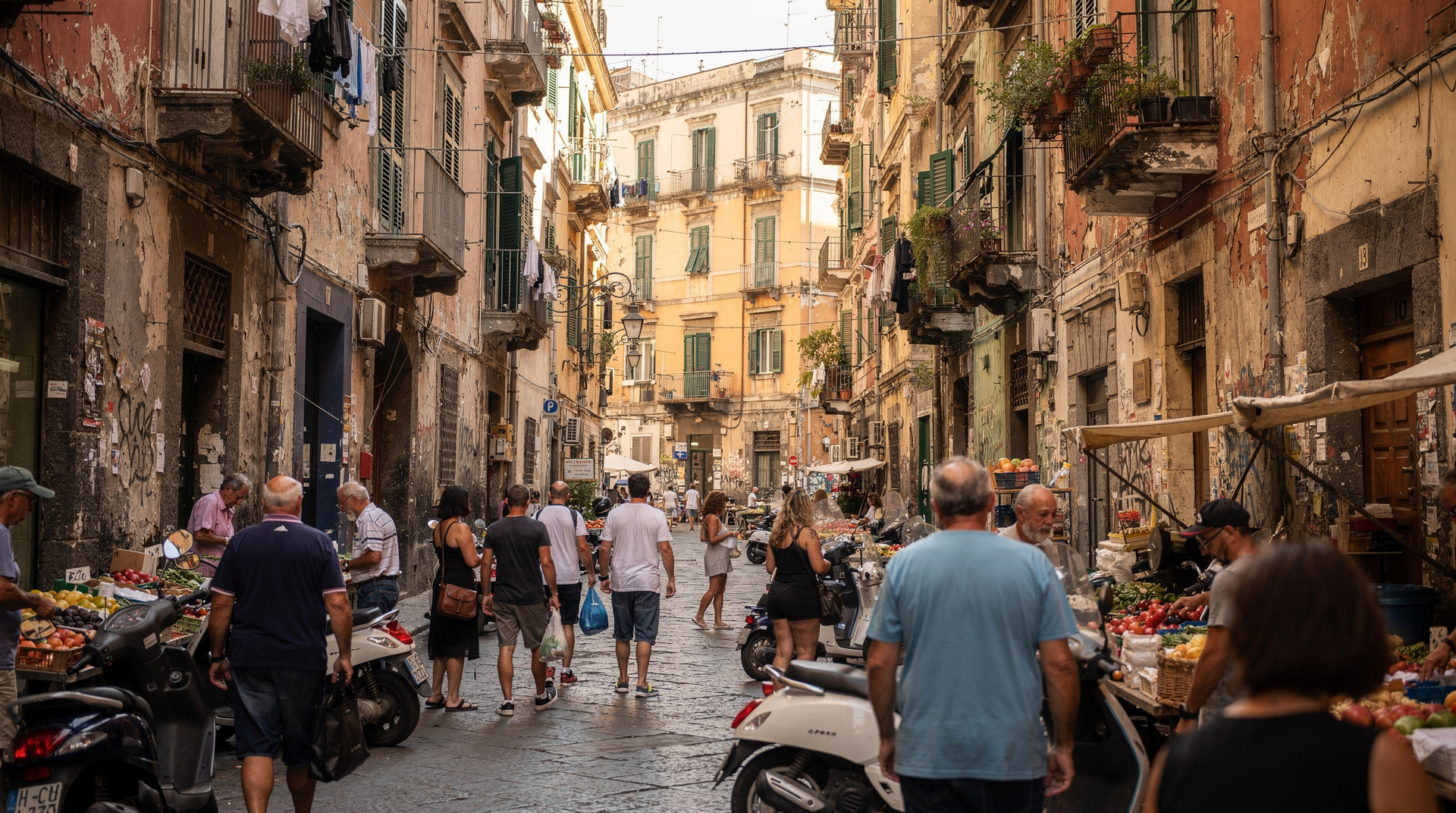
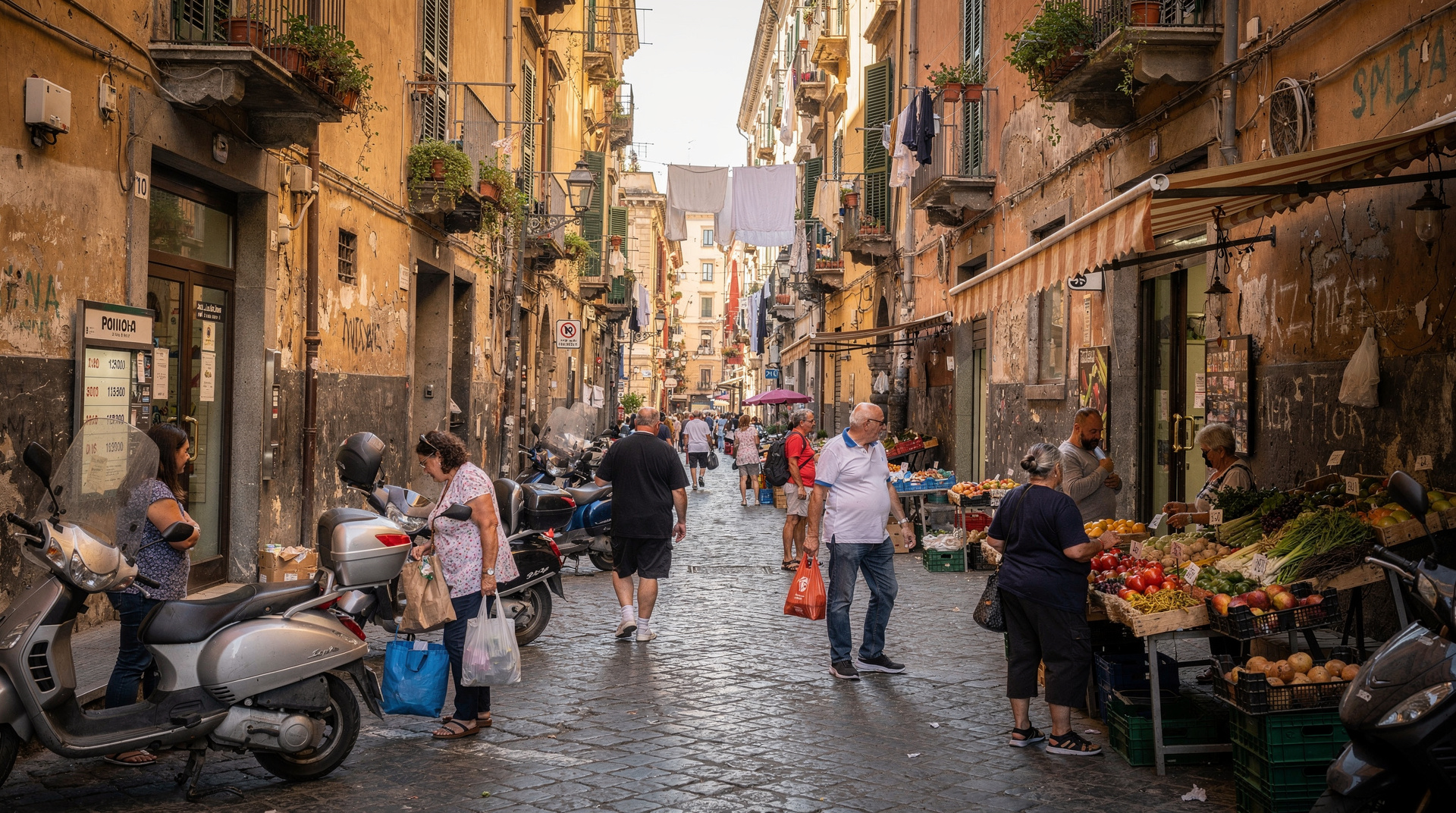
Why it underdelivers: Naples’ appeal is in its density and its street-level textures. A bus route shows you the outside of buildings and squares. The Spaccanapoli experience — the narrow street, the churches open at noon with no queues, the sfogliatella baker with smoke coming from the door, the San Gregorio Armeno presepe workshops — is entirely invisible from a panoramic bus.
The city is also compact. Walking from Piazza Garibaldi to the Lungomare takes about 30 minutes. Every major sight in the centre is within 3 km. Using the funicular to Vomero (€1.50) gives a better panoramic experience than the bus, and costs 15× less.
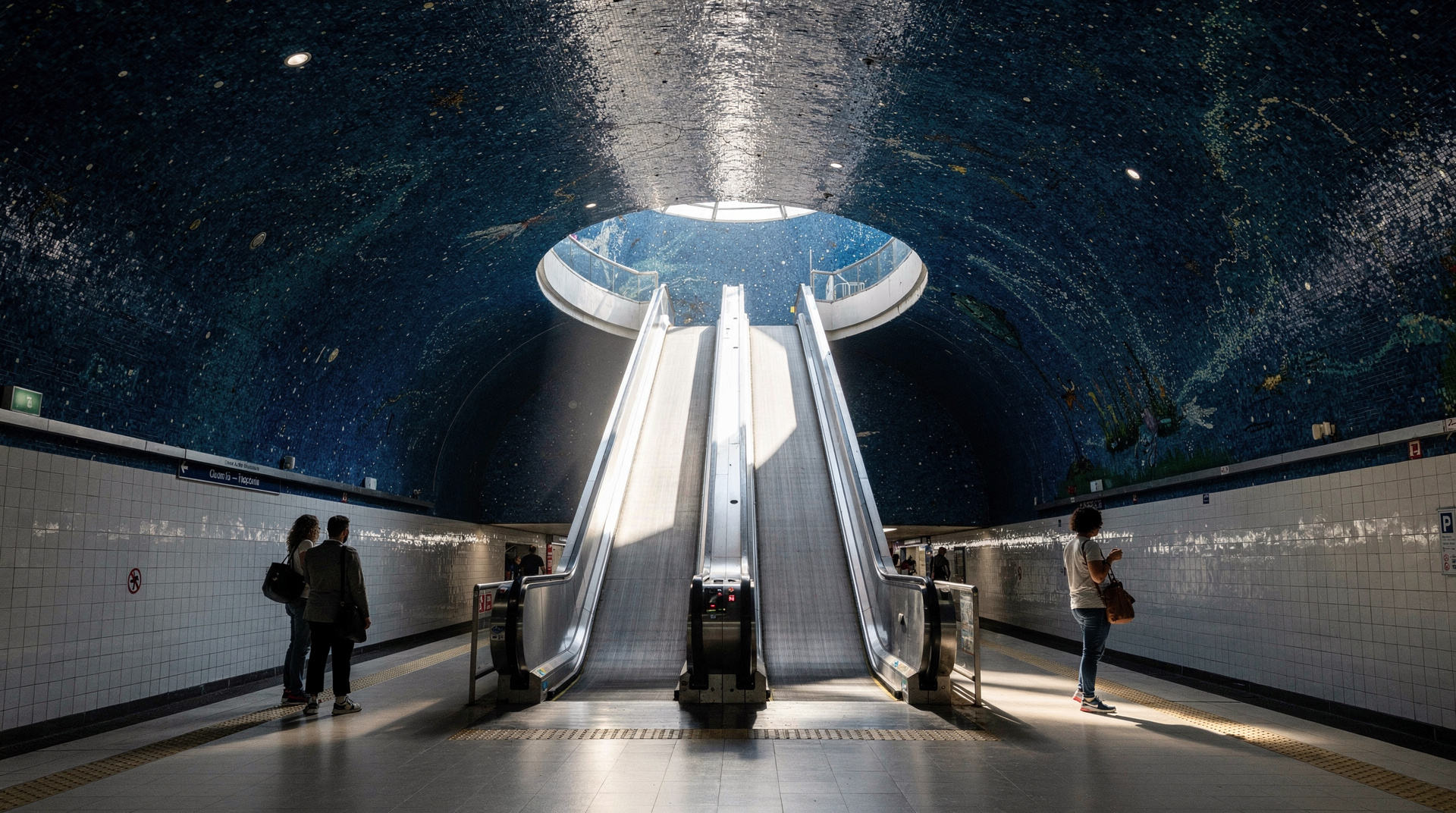
Better alternative: The Linea 1 metro Art Stations tour is free (just pay the metro fare, approximately €1.50 per journey) and takes you through Toledo station (voted Europe’s most beautiful station), Garibaldi, Municipio, and others. The metro journey itself is the attraction. See naples-metro-art-stations.
Paid panoramic bars and rooftop views
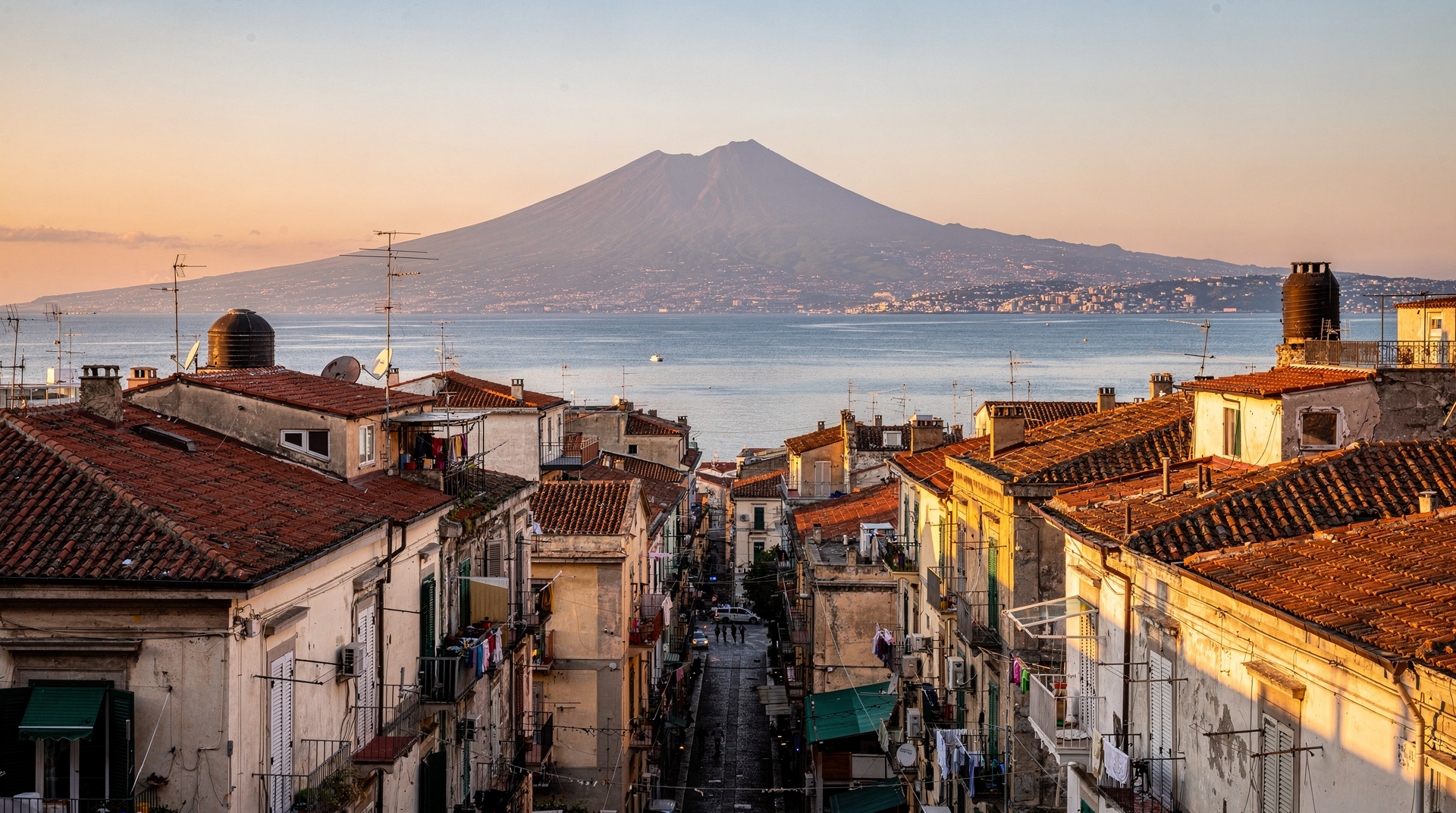
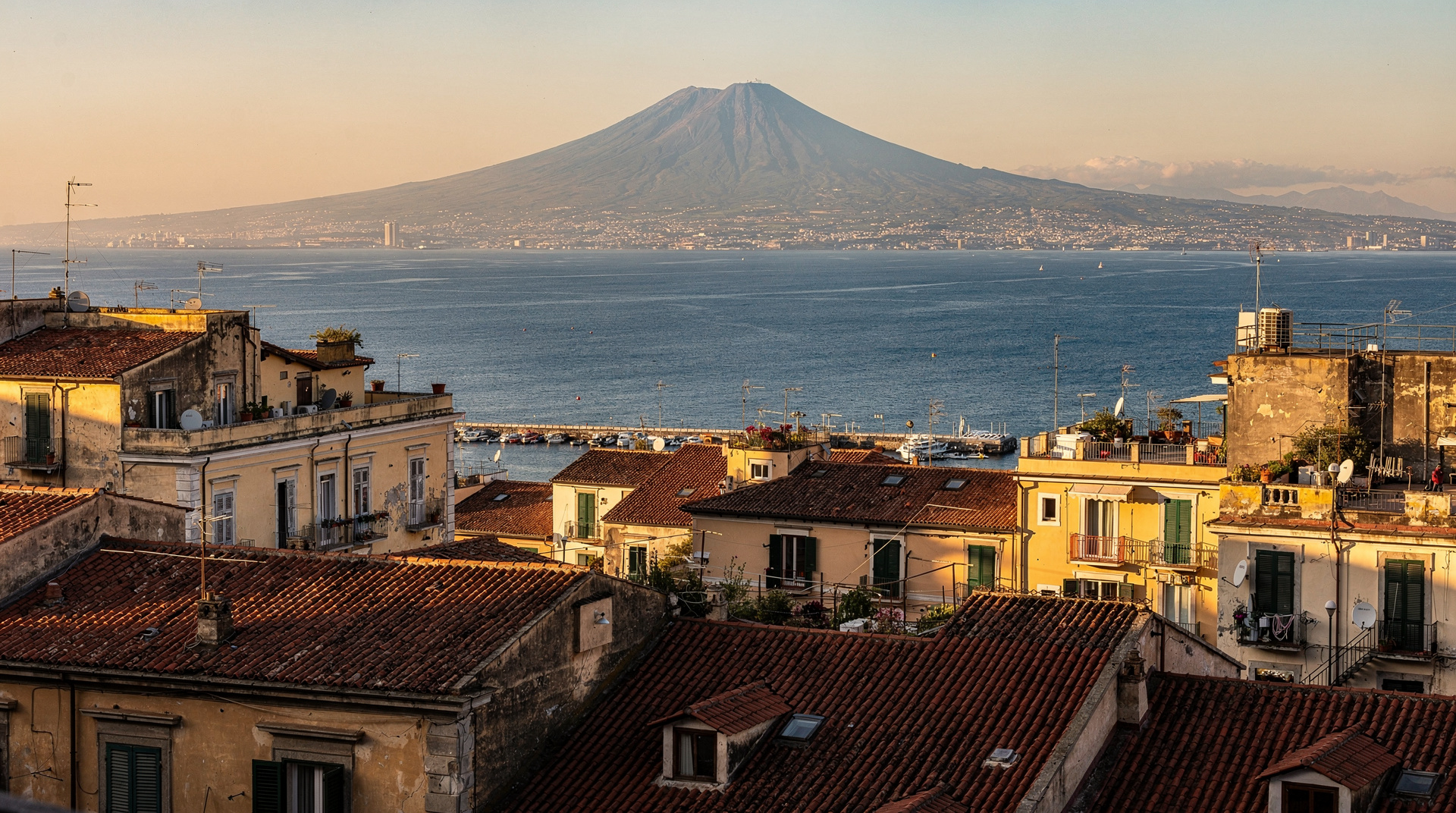
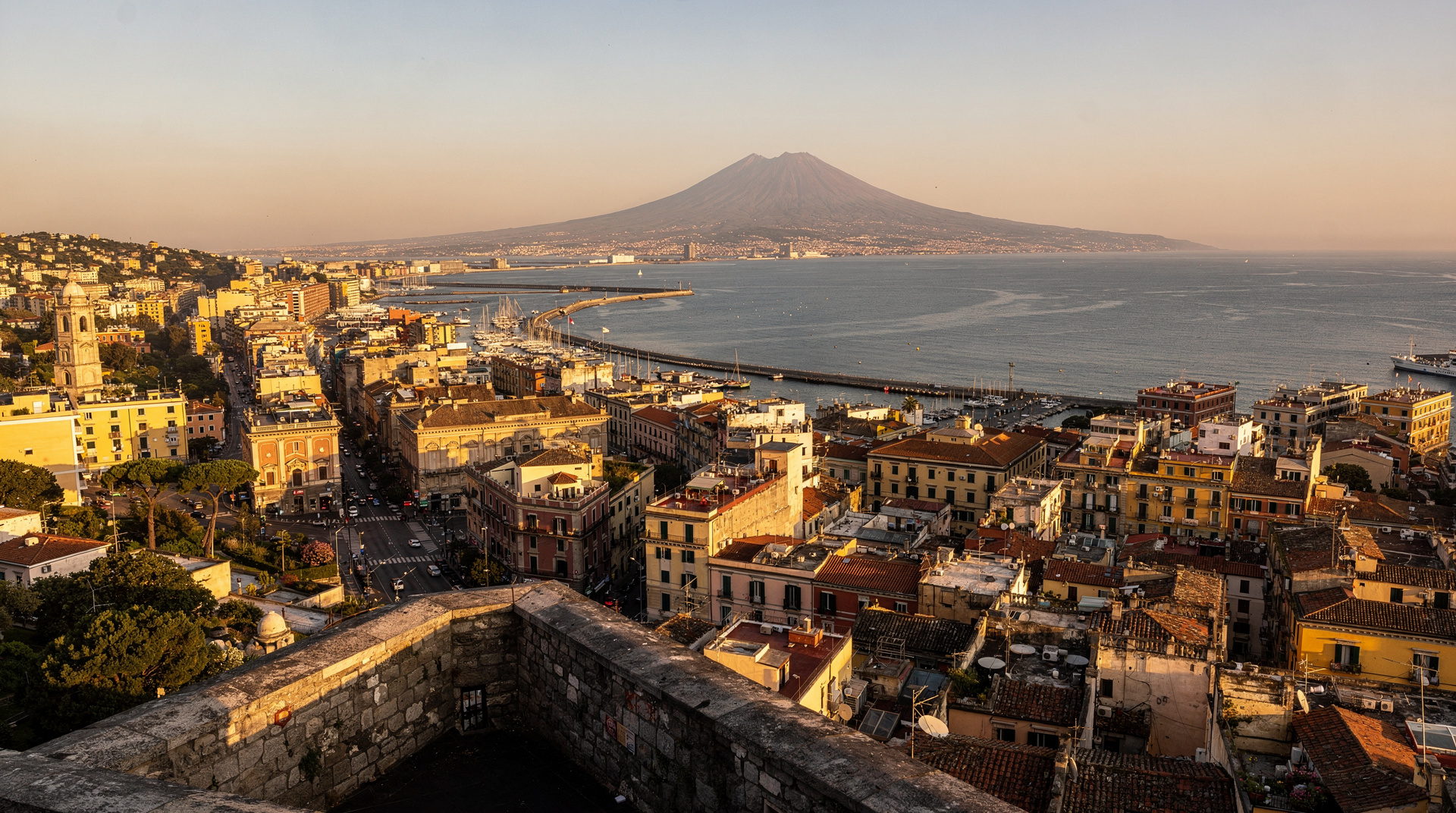
Why they’re sold: Naples’ bay views from a height — Vesuvius, the islands, the curved coastline — are genuinely extraordinary. Rooftop bars and “panoramic” restaurants near tourist monuments charge €18–30 per cocktail or coffee for these views.
Why they underdeliver relative to cost: The Certosa di San Martino (Vomero hilltop) costs €8 to enter (included in the Campania Artecard) and has a panoramic terrace with one of the best views in the city — Vesuvius, Capri, the entire bay. The Belvedere di San Martino behind it is entirely free.
The Piazzale di San Martino, accessible from the Morghen funicular station, is free and provides comparable views to the nearest rooftop bars charging €25 for drinks.
Castel Sant’Elmo (next to Certosa di San Martino, €6 entry) has a terrace platform with a 360° city view. Total cost: €6 for castle + free terrace view, versus €25 for a single cocktail at a tourist-facing rooftop bar.
See naples-viewpoints for the complete guide to the city’s best panoramic spots and their real costs.
Pizza near tourist monuments
The pattern: Restaurants within sight of Piazza del Plebiscito, Castel Nuovo, the Lungomare, and the port charge €14–18 for a margherita pizza that should cost €5–7 and deliver a product that is demonstrably inferior to what the same budget buys two streets away.
The reality of Neapolitan pizza: Naples’ best pizzerias are on Via dei Tribunali and Via della Sanità in the historic centre — specifically Sorbillo (Via dei Tribunali 32), Di Matteo (Via dei Tribunali 94), and around a dozen others with queues that are a reliable quality signal. A margherita is €5–7. The wood-fired standard is entirely different from tourist-street pizza at three times the price.
The distance from Piazza del Plebiscito to Di Matteo is about 15 minutes on foot through the historic centre. This is not a sacrifice — it is the best part of the walk.
See naples-pizza-guide and where-to-eat-pizza-naples for specific addresses.
The Pompeii midday visit in summer
The pattern: Most coach tours from Naples and Sorrento arrive at Pompeii between 10:30am and 11am and complete their visit by 2pm. This is the hottest part of the summer day (temperature at Pompeii ground level regularly exceeds 38°C in July–August), the most crowded (three to four coach groups simultaneously in the Forum area), and the worst light for photography.
The reality: Pompeii at 9am is a different experience. The site opens at 9am. Arriving on the first or second Circumvesuviana (roughly 9am at the gate) gives you 60–90 minutes before the first coach groups arrive. The temperature is manageable. The main houses (House of the Vettii, House of the Faun, the Lupanar) are accessible without crowds. The light for photography is the best of the day.
This is not an obscure tip — it is straightforwardly the correct way to visit Pompeii in summer. Every experienced Campania visitor and guide gives the same advice. The midday tour-group pattern exists because coach operators run on consolidated schedules. Independent visitors can entirely avoid it.
See pompeii-in-summer-heat-tips for complete summer-visit strategy.
The “free walking tour” tip culture
What they are: Free walking tours of the Naples historic centre operate from fixed meeting points (Piazza del Gesù, Piazza Bellini) and are guided by English-speaking guides working on tips alone. They are not free — the expected tip at the end is €10–15 per person.
The quality problem: Free walking tours vary from genuinely excellent (knowledgeable, passionate local guides) to barely-informed filler. The format that works — a small group (8–15 people), a guide with genuine knowledge of specific Naples history, and 2–3 hours covering key sites — is excellent value at €15. The format that doesn’t work — 30-person group, guide reading from a script, covering only the top 5 tourist sights — delivers less than a €10 audio guide.
The honest filter: If the “free tour” operator has hundreds of reviews on Google Maps with consistent praise for a specific guide, it is probably worth taking. If reviews are generic, look for a paid small-group tour with a credentialed guide instead.
Castel Nuovo without context
The pattern: The Castel Nuovo (Maschio Angioino) is visually spectacular from the outside — a 13th-century Angevin fortress with a magnificent Renaissance triumphal arch. Most tourists photograph the exterior, pay €10 to enter, and come away mildly confused by the mix of civic offices, excavated Roman ruins, and art collections inside.
The context problem: Without understanding that this is an active municipal building with archaeological layers from Roman to Angevin to Aragonese periods, the interior can feel incoherent. A 45-minute guided context tour makes the same visit significantly more rewarding.
Better approach: Combine the visit with a guided Naples historic tour that contextualises the castle in its broader city history, or read the Maschio Angioino section of any good Naples history guide before visiting. The exterior arch is worth the walk regardless.
See castel-nuovo-maschio-angioino for a focused visit guide.
Napoli Sotterranea vs the other underground options
The tourist default: Napoli Sotterranea (on Piazza San Gaetano) is the most marketed underground tour in Naples and runs English tours regularly. It is genuinely interesting — Roman-era cisterns and WWII air-raid shelters — but the large-group commercial format (30+ people, identical script tour, heavy souvenir shop at the exit) is the least intimate underground experience in the city.
The alternatives: The Galleria Borbonica (Piazza del Plebiscito area, €10–15) is a Bourbon-era tunnel system with military history and dramatically better guide-to-visitor ratios. The Catacombs of San Gennaro (Rione Sanità, €9) are UNESCO-listed early Christian catacombs managed by the local social enterprise that employs neighbourhood youth — a completely different experience that also supports the community. The Vergini-Materdei tunnels offer a less-visited alternative.
See underground-naples-compared for the full comparison of all underground options.
The generic “food tour” near the port
The pattern: Large-format food tours departing from near the port or major tourist hotels take groups to 6–8 stops over 3 hours, providing pre-arranged small tastes at each. Many stops are at tourist-accessible bakeries and pizzerias where the group arrives on schedule and the food is pre-prepared. The experience is educational but formulaic.
The better version: Smaller-group food tours (under 10 people) that take you to Porta Nolana fish market, the Pignasecca covered market, and specific neighbourhood bakeries not on the tourist route. The difference is the ratio of tourist-designed experience to genuine local food culture. See best-food-tours-naples for the specific operators that deliver the better version.
The Circumvesuviana day-trip crowd crush
The pattern: Boarding the Circumvesuviana toward Sorrento or Pompeii between 8:30 and 9:30am in July or August means standing-room-only carriages, no air conditioning that actually works, and a genuine pickpocketing risk in the crush near the doors. This is one of the most consistently negative experiences reported by first-time visitors, and it colours their whole impression of getting around Campania.
Why it happens: Every guidebook and blog recommends the same early-morning departure window to beat the Pompeii and Sorrento crowds, which concentrates every independent traveller from Naples onto the same two or three trains.
Better approach: Either go slightly earlier (the very first departure, around 6:00–6:30am, is far emptier) or slightly later and accept a busier Pompeii in exchange for a bearable train. Keep bags in front of you, not on your back, for the ride regardless of timing. See pickpockets on the Circumvesuviana for the specific precautions and Campania Express vs Circumvesuviana for a paid alternative that avoids the crush entirely on the Pompeii and Sorrento run.
Frequently asked questions about overrated Naples things
What is genuinely not overrated in Naples?
The MANN museum (consistently worth every minute, frequently overlooked by visitors who treat it as a day-trip add-on rather than a headline destination), the Cappella Sansevero (genuinely extraordinary in a small space — the Veiled Christ is one of the most technically astonishing works of sculpture anywhere), the Catacombs of San Gennaro (unique, community-driven, exceptional guides), the Lungomare evening walk (entirely free, the best view in the city at sunset), and the pizza at the actual best pizzerias on Via dei Tribunali. None of these are tourist traps and all regularly exceed expectations.
Is the Amalfi Coast overrated?
The Amalfi Coast towns — Positano, Amalfi, Ravello — are beautiful but in a very specific, visually saturated way that can feel like visiting a postcard in July–August. They are absolutely not overrated in the sense that the scenery is real and extraordinary. They are experienced poorly when visited on a crowded summer bus tour, when the roads are gridlocked and the towns are at maximum tourist capacity. Early June or September visits to the coast, with pre-booked accommodation and no time pressure, produce a fundamentally different experience.
Is Capri overrated?
Capri is one of those places where the reputation and the reality actually align — it is genuinely spectacular. The overrated version is peak-summer Capri overwhelmed by cruise-ship crowds. May or September Capri, arriving on the first ferry and spending the morning before the crowds arrive, is not overrated at all. See is-capri-day-trip-worth-it for the realistic assessment.
Should I skip any major Naples attraction entirely?
No attraction needs to be skipped entirely, but two deserve reduced time allocation: Castel dell’Ovo (a castle with excellent water views but limited interior content for the entry price — the exterior walk and the Borgo Marinari restaurants below it are the main value), and the Royal Palace of Naples interior (impressive state rooms but not in the same tier as Caserta’s Royal Palace, and best treated as a 45-minute visit rather than a half-day). See castel-dell-ovo and royal-palace-naples for calibrated visiting expectations.